
2027 Which Child Development Degree Careers Have the Highest Barriers to Entry?

Co-Founder and Chief Data Scientist
A recent graduate aiming for a licensed child psychologist role quickly discovers a demanding licensure process requiring years of supervised experience and passing multiple exams. In child development careers, such stringent requirements vary widely, with some roles offering straightforward entry through associate degrees and others necessitating advanced certifications and rigorous state licensing. According to the U. S. Bureau of Labor Statistics, employment for child psychologists is projected to grow 8% from 2022 to 2032, reflecting competitive demand but also significant entry challenges. This article identifies which child development degree careers have the highest barriers to entry and explains the factors that make them more challenging to pursue.
Key Things to Know About Child Development Careers With the Highest Barriers to Entry
- Extensive education, often requiring a master's or doctorate, limits accessibility; only 15% of child development graduates pursue advanced degrees necessary for top roles.
- Competitive hiring standards prioritize candidates with specialized research or clinical experience, with acceptance rates below 10% in many elite programs.
- Strict credentialing and 1,000+ practicum hours define entry, ensuring only those meeting rigorous licensing or certification requirements can advance.
Which Child Development Careers Are Hardest to Get Into?
Some child development careers are notably harder to enter due to high competition and limited availability of positions. For example, acceptance rates for certain doctoral programs can be as low as 5-7%, highlighting the intense selectivity in this field. These challenges mean that even well-qualified candidates often face long odds securing roles.
The following list outlines several high barrier child development professions requiring advanced qualifications and competitive positioning.
- Child Psychologist: Demand for trained child psychologists exceeds the limited number of available roles and doctoral training spots nationwide. This scarcity drives a highly selective admission process and competitive job market.
- Speech-Language Pathologist (Pediatric Focus): Although the field attracts many applicants, positions dedicated exclusively to children remain scarce, resulting in limited openings and intensified competition.
- Early Intervention Specialist: Roles in this niche area are fewer and often contested among many qualified candidates, presenting significant employment challenges.
- Occupational Therapist (Pediatric Specialization): While occupational therapy overall grows, pediatric-focused positions are limited compared to adult services, making entry into this specialization highly competitive.
- Special Education Coordinator: Leadership positions in special education focused on child development are few, requiring candidates to compete for a small number of openings demanding proven expertise.
Students interested in efficient pathways to join health-related roles might consider an accelerated medical assistant program as an alternative career route within the broader child development ecosystem.
What Academic Requirements Make Child Development Careers Harder to Enter?
Academic requirements significantly limit access to many child development careers, especially those requiring extended education or specialized study. Nearly 40% of professions in this field require a master's degree or higher, creating substantial barriers for candidates without advanced qualifications.
These challenges arise from several key academic factors, including:
- Advanced Degrees: Roles like child psychologists or early intervention specialists often demand a master's degree or doctorate, which means years of postgraduate education beyond a bachelor's degree.
- Specialized Coursework: Entry into certain positions requires completion of targeted classes in developmental psychology, neurodevelopment, or special education, restricting applicants to those who have pursued these specific academic paths.
- Extended Study Timelines: Many programs require multi-year commitments that include thesis projects or clinical internships, prolonging the process before candidates become qualified.
- Research and Theory Emphasis: Careers in policy or academic research in child development emphasize deep theoretical knowledge and typically necessitate completing original research or dissertations within degree programs.
- Prerequisite Credit Hours: Graduate programs sometimes require specific undergraduate credit hours in relevant fields, further narrowing the pool of eligible candidates.
These academic demands collectively heighten barriers, making access to advanced child development careers dependent on focused educational attainment and preparation.
What Certifications Are Required for Child Development Careers?
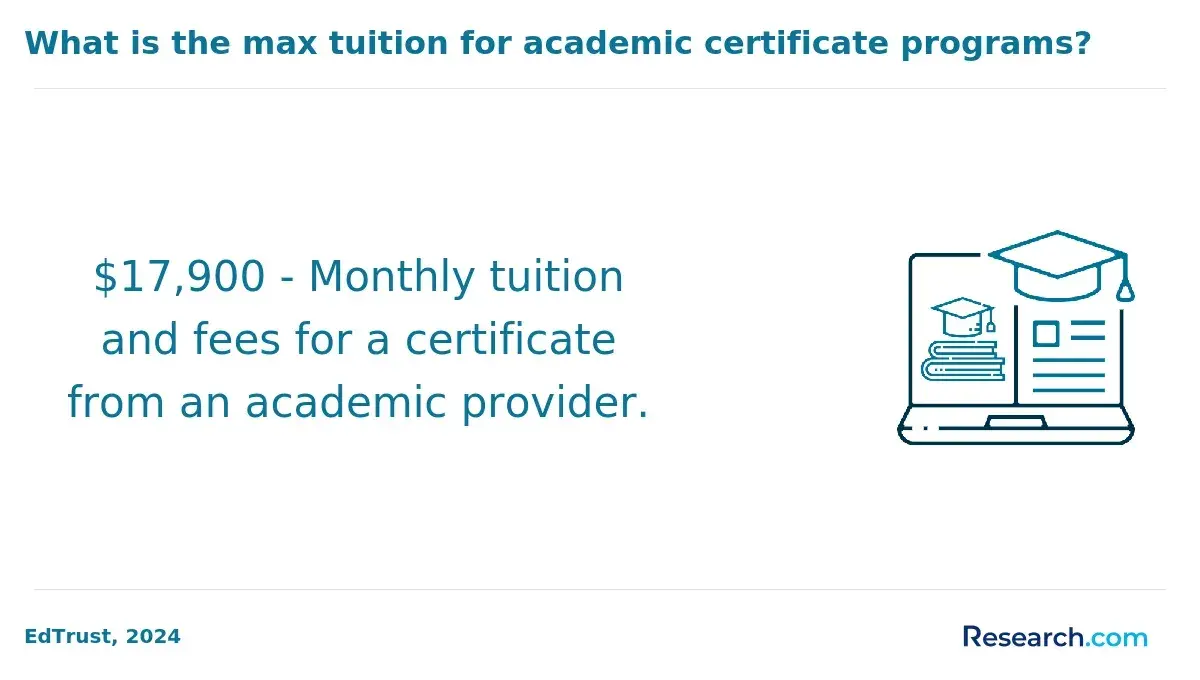
Certifications act as formal prerequisites in many child development careers, serving as essential credentials for professional practice and specialization. They set strict standards that candidates must meet, often functioning as key barriers to entering the field. Nearly 75% of jobs related to child development require some type of certification or licensing before employment.
Below are some common certifications that establish entry requirements within child development professions:
- Child Development Associate Credential: This national certification verifies fundamental expertise in early childhood education and is frequently necessary for early childhood teaching positions.
- Licensed Clinical Social Worker: Professionals providing therapeutic services to children typically hold this license, which confirms mastery of clinical mental health practices focused on young clients.
- National Board Certified Teacher in Early Childhood Education: An advanced credential, it validates specialized instructional skills and is often required for expert teaching roles involving young children.
- Early Childhood Education Teacher License: Granted by state authorities, this license authorizes educators to work in childcare centers and public school settings.
A Child Development degree graduate described navigating certification as a "challenging but necessary" part of entering the profession. He recalled the intense preparation for exams and continuing education requirements, noting it was "a lengthy process that tested both dedication and patience." Despite frustrations, he acknowledged that these credentials helped "define clear professional standards" that ultimately supported his growth and confidence when beginning work in the field.
How Much Experience Is Required for Competitive Child Development Jobs?
Experience requirements play a crucial role in shaping competitiveness for many child development careers. Employers use these thresholds to narrow applicant pools, ensuring candidates have relevant hands-on expertise before moving into advanced positions. These filters make certain roles less accessible without the required practical background.
The following outlines typical experience levels seen in competitive child development jobs:
- Entry-Level: Generally demands little to no prior work experience, focusing on foundational knowledge and a willingness to learn on the job. These roles are often the first step for newcomers seeking practical exposure.
- Early Career: Usually requires one to three years of experience, with an emphasis on applying basic developmental theories in real-world settings and gaining familiarity with standard practices.
- Mid-Level: Commonly expects three to five years of practical experience, demonstrating competence in managing programs or direct client interaction. Candidates at this stage show a higher degree of independence and responsibility.
- Senior-Level: Calls for over five years of extensive experience, including leadership roles and advanced expertise in intervention strategies or program evaluation. This level often demands proven contributions to developmental initiatives.
Years of experience needed for child development careers vary significantly, reflecting the increasing complexity and selectivity of roles. While formal education is vital, employers place great value on sustained, relevant experience, which helps professionals meet the demands of competitive jobs. For students interested in pursuing this path, understanding these requirements alongside educational opportunities is essential, whether exploring specialized fields or seeking healthcare administration online.
What Skills Are Required for High-Barrier Child Development Careers?
High-barrier child development careers demand a unique blend of sophisticated and specialized skills, which inherently limits the pool of qualified candidates. Employers are increasingly seeking individuals who surpass foundational knowledge, with a 2023 survey revealing that more than 68% of hiring managers prioritize advanced proficiency in these roles. This emphasis on expertise contributes significantly to the competitive nature of recruitment in this field.
Several key skills are instrumental in creating these entry barriers:
- Advanced Communication: Effectively conveying intricate developmental theories and practices to diverse groups, including families, children, and professionals, requires both clarity and emotional sensitivity, raising the standard for entry.
- Analytical Precision: The ability to keenly observe and interpret subtle developmental cues demands sharp analytical thinking, which complicates the qualification process.
- Creative Problem-Solving: Crafting customized interventions for complex child development challenges involves cognitive flexibility and innovation, setting these roles apart from more routine positions.
- Emotional Intelligence: Successfully navigating sensitive interactions with children and caregivers relies heavily on empathy and self-awareness, skills that are essential yet difficult to measure objectively.
- Research Competency: Familiarity with current scientific literature and its practical application ensures evidence-based approaches, increasing the field's specialization and selectivity.
A professional with a Child Development degree shared how mastering these skills shaped her journey: she recalled moments of self-doubt while trying to interpret complex child behaviors and felt challenged to respond with tailored strategies rather than textbook solutions. She emphasized that the emotional demands were often underestimated, especially when managing relationships during stressful situations. Yet, overcoming these difficulties brought immense satisfaction and reinforced her belief that ongoing skill refinement is central to thriving in high-barrier child development roles.
Do Some Industries Have Higher Barriers to Entry Than Others?
Entry barriers within child development careers differ widely across industries, shaped by the specific demands and responsibilities each sector carries. Some fields impose more stringent conditions due to factors such as ethical considerations, regulatory oversight, or the vulnerability of the populations served.
These variations result in distinct challenges that influence access to certain career paths. Below are some industries known for their tougher entry requirements:
- Healthcare and Pediatric Therapy: This area deals with children who have medical or developmental issues, requiring strict regulatory compliance and ethical vigilance to protect patient safety. The nature of the work demands careful supervision and adherence to rigorous standards.
- Early Intervention Services: Professionals here support very young children with developmental delays, a role that requires maintaining high levels of trust and quality control due to the sensitivity of the population involved.
- Child Welfare and Protection Services: Focused on safeguarding children in vulnerable circumstances, this sector enforces intense legal protocols and background checks to ensure child safety, making entry more difficult.
- Educational Psychology and Special Education: Because these fields involve protecting children's learning and emotional development rights, they must comply with strict educational and psychological frameworks, creating notable barriers to entry.
- Research and Policy Development: Careers within this category often encounter complex ethical reviews and institutional oversight, demanding adherence to high standards that raise the threshold for entry.
The heightened barriers in these industries underscore a commitment to safety, ethical practice, and compliance beyond basic educational qualifications.
Do Certain States or Regions Have Stricter Requirements?
Geographic location plays a crucial role in shaping the entry requirements for careers in child development, with regulatory differences and regional workforce standards affecting how easily candidates can enter the field. These variations create uneven barriers across states and regions, influencing licensing and educational prerequisites. Research indicates that around 40% of states enforce unique licensing rules that extend beyond national baseline standards, complicating access for many aspiring professionals.
Several regional factors contribute to these discrepancies:
- State-Level Regulation Intensity: Some states impose more rigorous educational or certification mandates, raising the bar for entry into child development careers to ensure higher professional standards.
- Licensing Board Variations: Different states' licensing boards apply diverse evaluation criteria and processes, leading to inconsistencies in qualification requirements across regions.
- Urban Versus Rural Demand: Urban areas often enforce stricter entry rules due to increased competition and higher demand for services, while rural regions may have looser requirements but face challenges in resources and support.
- Local Policy Impact: Municipal and county governments can introduce additional operational and compliance standards for early childhood programs, influencing workforce readiness and entry barriers.
- Economic Priorities: Regional funding availability and focus on professional development opportunities directly affect the accessibility and quality of child development career pathways.
States featuring densely populated urban centers tend to implement complex regulatory systems to uphold elevated service standards amid significant demand. In contrast, some less populated areas may opt for more lenient entry requirements, though often at the expense of workforce stability and quality. These geographic and regulatory dynamics are key to understanding why the hurdles to entering child development careers vary so widely across the United States.
How Competitive Is the Hiring Process for Child Development Careers?
The hiring landscape for child development careers in the United States is shaped heavily by the volume of applicants relative to the number of available positions and the selectivity practiced by employers. Roles in this field often face high demand, with some positions attracting upwards of five applicants per opening, underscoring the competitive nature of the child development job market competitiveness and hiring challenges. This imbalance between qualified candidates and open roles intensifies the competition and influences the overall hiring process. Consequently, the limited availability of jobs compared to the applicant pool creates a challenging environment for job seekers.
This competitiveness manifests in various hiring dynamics, including variable selection intensity across different job roles. Entry-level child development positions tend to have more applicants but may involve slightly less rigorous screening, whereas specialized or senior roles are highly selective and demand greater scrutiny. Such variation emphasizes that certain roles present higher barriers to entry, requiring candidates to stand out significantly. For those seeking to deepen their understanding of related fields, resources discussing whether is medical billing and coding worth it offer additional insights into career competitiveness and qualifications.
Which Companies Are Hardest to Get Hired by in Child Development Fields?
Certain organizations within child development fields are recognized for having the most selective hiring due to limited job openings, high standards, or strong reputations. Research demonstrates that some employers receive over 10 applications for every available position, reflecting the competitive nature of these roles. Such selective hiring significantly impacts those pursuing top employers with selective hiring criteria in child development careers.
The following describes common types of employers that generally maintain the highest barriers to entry:
- Large Institutions: These organizations often implement formalized, multi-step hiring procedures and favor candidates with exceptional credentials, which increases the rigor of their selection process.
- Highly Selective Nonprofits: Nonprofit organizations with strong reputations for excellence typically offer limited openings and prioritize candidates who align closely with their mission and values.
- Specialized Agencies: Agencies focused on niche aspects of child development require specific expertise and conduct thorough vetting, resulting in fewer but highly qualified hires.
- Government Programs: Early childhood programs run by government entities feature standardized entry requirements and face competitive applicant pools, due to stable employment and benefits.
- Prestigious Research Centers: Research-focused centers emphasize proven academic and professional accomplishments, limiting the pool to candidates who meet high standards.
Those aiming for careers with the highest barriers may benefit from exploring pathways such as an ultrasound tech school online program to enhance their qualifications and diversify their career options within related fields.
Do Difficult Child Development Careers Lead to Higher Salaries?
Careers in child development that have higher entry barriers generally align with increased salary potential, reflecting the greater qualifications and commitments involved. On average, professionals like child psychologists earn about 40% more than early childhood educators, illustrating how child development career salaries based on entry barriers tend to reward complex training. This trend indicates that more demanding roles often come with greater financial compensation, although the exact figures vary depending on the specialization and employer. Consequently, compensation frequently mirrors the level of expertise required within the broader child development landscape.
Yet, the connection between certification difficulty and child development wages is not uniform across all career paths. Some roles with moderate qualification challenges can still offer competitive pay due to market demand or niche expertise. Meanwhile, certain demanding professions may not yield high earnings, particularly in nonprofit or educational sectors with limited budgets. For those exploring career options, comparing paths such as those highlighted in this easiest online RN to BSN program resource can provide additional perspective on how entry difficulty relates to salary outcomes in child development fields.
What Graduates Say About Child Development Careers With the Highest Barriers to Entry
- Kaysen: "Choosing a Child Development degree was not easy, given the demanding requirements and emotional investment it entails. However, I learned that perseverance and targeted internships significantly boost your chances of entering a fulfilling career in this field. This degree has empowered me to advocate for children's well-being with confidence and informed passion."
- Jalen: "At first, the high barriers to entry in Child Development careers felt overwhelming, but focusing on advanced certifications and networking within educational communities made all the difference. The degree opened doors I hadn't imagined, allowing me to impact early childhood education profoundly. Reflecting on my journey, I believe the challenges only made the rewards more meaningful."
- Beau: "Professionally, earning my Child Development degree gave me a strong foundation to navigate complex childcare systems and policies. Taking extra steps like volunteering and continuous learning helped me stand out in a competitive job market. It's a career that demands dedication, but the ability to foster growth in children makes every challenge worthwhile."
Other Things You Should Know About Child Development Degrees
Careers with high barriers in child development often take place in specialized environments such as hospitals, research institutions, or therapeutic clinics. These settings require professionals to follow strict guidelines and protocols, ensuring the safety and well-being of children while carrying out complex assessments or interventions.
Continuous education is essential in high-barrier child development careers to stay current with evolving research, treatment techniques, and regulatory changes. Professionals frequently attend workshops, seminars, and obtain advanced certifications to maintain their licensure and improve their expertise in specialized areas.
Yes, child development careers with high barriers often involve handling sensitive information and vulnerable populations, making ethical practice a priority. Practitioners must adhere to strict confidentiality, informed consent, and child protection laws while making decisions that influence children's developmental outcomes.
In 2027, child development roles with high entry barriers, such as child psychologists and therapists, may face ethical considerations like maintaining confidentiality, navigating dual relationships, and managing consent. Adhering to ethical guidelines ensures the well-being of both children and professionals, fostering trust and integrity in these sensitive roles.
References
- Become an Child Development Specialist: Career Path Guide | Skills U https://skillsu.com/role/child-development-specialist
- Education Requirements for Child Development Specialists | HeadStart.gov https://headstart.gov/publication/education-requirements-child-development-specialists
- How to Get a Career in Child Development https://www.learndirect.com/pillar/how-to-get-a-career-in-child-development
- Key Skills You Need for Children Support Worker Jobs https://www.prosperohealthandsocial.com/blog/2026/04/key-skills-you-need-for-children-support-worker-jobs
- What Are the Common Challenges in Studying Childcare? https://enablecollege.edu.au/what-are-the-common-challenges-in-studying-childcare
- Degrees, Certifications, and Credentials in Early Childhood https://earlychildhoodny.org/resources/degrees-certifications-credentials-in-early-childhood
- The Child Care Sector Is Still Struggling To Hire Workers - Center for American Progress https://www.americanprogress.org/article/the-child-care-sector-is-still-struggling-to-hire-workers/
- Child Labor Laws in Every US State https://www.timetrex.com/blog/child-labor-laws-in-every-us-state
- Child Development Jobs: 10 Careers You Can Pursue With a Child Development Degree https://www.pointloma.edu/resources/accelerated-undergraduate/child-development-jobs-10-careers-you-can-pursue-child
- Top Child Development Careers: Roles, Salaries & Growth Paths https://illumine.app/blog/list-of-careers-in-child-development


