2027 Best Online Sports Science Degrees for Jobs

Co-Founder and Chief Data Scientist
Choosing the best online sports science degree can be challenging-especially when programs vary widely in accreditation, curriculum quality, cost, and practical experience opportunities. Many prospective students underestimate how these factors influence job placement, salary potential, and career advancement. Studies show that graduates from accredited, rigorous online programs earn 15% higher starting salaries on average. Equally important is a program's support infrastructure, which directly impacts student success and timely completion. This article evaluates top online sports science degrees by these critical metrics, offering a clear, outcomes-based framework that empowers readers to select programs aligned with their professional goals and financial investment.
Key Things to Know About the Best Online Sports Science Degrees for Jobs
- Accreditation ensures programs meet rigorous academic and industry standards-those recognized by major bodies often yield 15% higher employment rates within six months post-graduation.
- Curriculum rigor correlates with practical skill mastery, with top programs requiring 400+ hours of applied coursework, enhancing job readiness in competitive fields.
- Cost and return on investment vary widely-graduates from affordable, accredited programs report median starting salaries 20% above those from non-accredited online alternatives.
What Is a Sports Science Degree, and What Can It Do for Your Career?
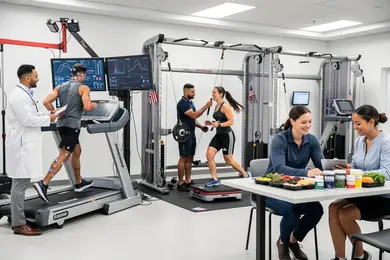
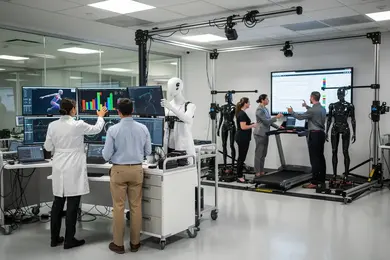
A sports science degree offers an in-depth study of the scientific principles behind human movement, exercise, and athletic performance. Accredited academic institutions and professional associations define this discipline as the integration of physiology, biomechanics, nutrition, psychology, and motor control to improve physical activity and overall well-being. Unlike kinesiology or physical therapy, sports science focuses on optimizing athletic performance and promoting health through evidence-based practice.
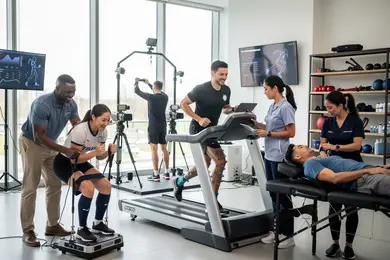
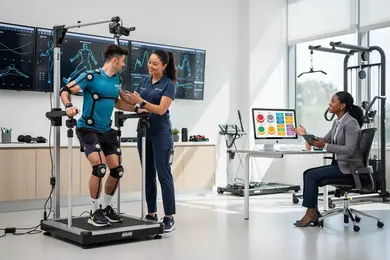
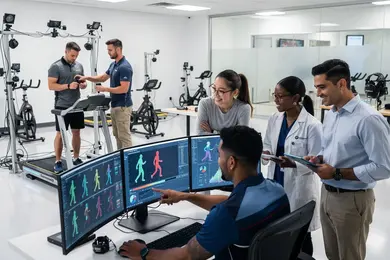
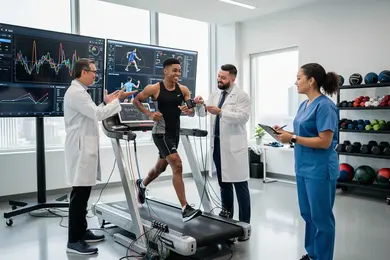
The degree builds essential knowledge and skills in areas like exercise prescription, sports nutrition, injury prevention, performance analysis, and rehabilitation. It combines theoretical foundations-such as anatomy and exercise physiology-with applied competencies like data analysis and program design. This equips graduates to pursue diverse roles across sports and health industries, reflecting the significant sports science degree benefits for job opportunities.
Academic credentials in this field span associate's, bachelor's, master's, and doctoral levels, aligning with varied career goals:
- Associate's: Entry-level training for fitness trainers, coaching assistants, or support staff in wellness centers.
- Bachelor's: Comprehensive scientific education for coaching, athletic training, fitness management, and entry-level research or rehabilitation positions.
- Master's: Advanced specialization enabling leadership, clinical roles, or research within sports organizations and healthcare.
- Doctoral: Emphasis on original research, higher education teaching, and expert consultancy in sports science fields.
This guide specifically examines online sports science degree programs-a flexible option suited for working adults, veterans, and those seeking career advancement. It uses a data-driven framework highlighting accreditation, curriculum rigor, cost-effectiveness, career outcomes, practical experience, and student support.
Readers can confidently compare programs and identify the best online sports science degree programs for career advancement. For those exploring entry points, resources on nursing programs easy to get into may offer valuable insights on selecting accessible degree pathways.
How Do Online Sports Science Degree Programs Compare to Traditional Campus Programs?
Online sports science degrees versus traditional campus programs show remarkable similarity in academic rigor and accreditation. Accredited online programs are built around the same rigorous curricula as on-campus options-covering exercise physiology, biomechanics, nutrition, and kinesiology-to ensure comprehensive and comparable learning outcomes.
- Faculty Qualifications: Online programs generally employ faculty with equivalent credentials and terminal degrees as those teaching on campus, often involved in research that enriches both theoretical and applied coursework.
- Student-Faculty Interaction: Though less spontaneous than face-to-face, online degrees leverage synchronous video lectures, virtual office hours, and discussion boards to create meaningful engagement, often using cohort models to foster peer connection despite physical separation.
- Peer Collaboration: Collaborative platforms and scheduled live group projects support teamwork in online sports science education, although some students face challenges with time zones and miss informal social interactions typical of campus life.
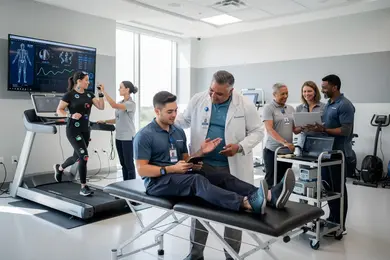
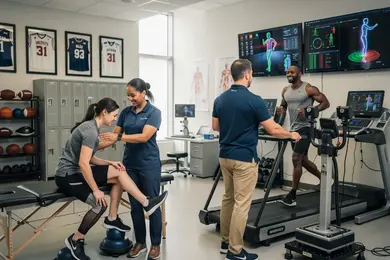
- Clinical or Practicum Requirements: Hands-on experience remains essential. Online programs coordinate local practicum placements for skill development, sometimes augmented by brief campus residencies or virtual lab simulations, sustaining the practical learning integral to sports science training.
- Employer Perception: Surveys indicate growing employer acceptance of accredited online degrees, especially when complemented by internships and certifications. That said, some employers still prefer traditional degrees for entry-level roles, highlighting the ongoing value of demonstrated practical experience.
- Structural Advantages: Online delivery uniquely serves working adults, caregivers, military veterans, and remote learners who cannot easily access campus facilities-offering flexibility without compromising educational quality and accommodating diverse life circumstances.
- Addressing Limitations: Recognized obstacles such as reduced networking and hands-on learning opportunities have been mitigated by leading programs through hybrid course designs, immersive residency intensives, and advanced virtual technologies.
For those exploring the differences between online and on-campus sports science education, evaluating programs with these factors in mind ensures well-informed decisions tailored to personal and professional goals. Prospective students looking to maximize return on investment may also consider related fields like a master in health administration to complement their sports science credentials.
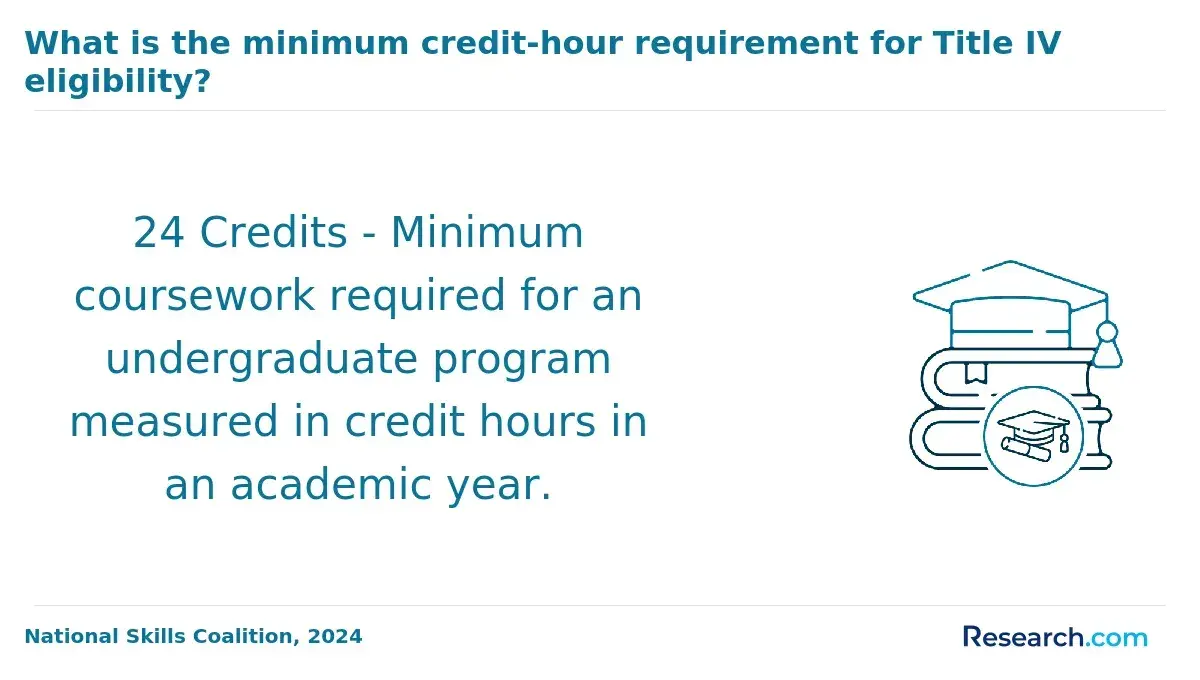
What Are the Accreditation Standards That Define a Reputable Online Sports Science Degree?
Regional accreditation remains the gold standard for validating online sports science degrees in the U.S., assessing entire institutions against strict academic and administrative benchmarks. Employers and graduate programs prioritize candidates from regionally accredited schools as these credentials signal a reliable educational foundation.
In addition, programmatic accreditation ensures specialized assurance within sports science fields through national and regional agencies such as:
- Higher Learning Commission (HLC): Oversees many Midwestern schools with comprehensive institutional reviews.
- Southern Association of Colleges and Schools Commission on Colleges (SACSCOC): Accredits southern U.S. institutions focusing on rigorous academic quality.
- Council on Accreditation of Parks, Recreation, Tourism and Related Professions (COAPRT): Certifies programs emphasizing curriculum relevance and professional readiness in recreation and sports.
- Commission on Accreditation of Allied Health Education Programs (CAAHEP): Validates allied health programs within sports science that emphasize clinical competencies.
Choosing an unaccredited or poorly accredited online sports science program can severely compromise career and educational progression. Credits may not transfer to reputable universities, limiting academic mobility.
Employers often discount degrees without recognized accreditation, potentially restricting job opportunities and salary advancement. Furthermore, graduation from accredited programs is typically essential for professional licensure-critical for roles like athletic trainers requiring state approval and certification exams.
To confirm accreditation status, prospective students should consult the U.S. Department of Education's Database of Accredited Postsecondary Institutions and Programs (DAPIP) to verify recognized accreditors and institutions. Additionally, the Council for Higher Education Accreditation (CHEA) directory offers an independent verification of accrediting bodies' legitimacy within higher education.
Given its direct impact on credit transfer, licensure eligibility, and career prospects, accreditation must be treated as an indispensable baseline criterion, regardless of program cost or convenience.
Which Types of Sports Science Degrees Are Available Online-Bachelor's, Master's, or Doctoral?
Data from IPEDS highlight that completion rates are generally higher for online bachelor's degrees in sports science online programs with robust support, whereas doctoral programs require sustained dedication and research rigor.
- Associate's Degree: Suited for recent high school graduates or working adults, this two-year program requires minimal prerequisites such as a high school diploma or GED. It prepares students for entry-level roles in fitness, coaching, or wellness, offering foundational knowledge and salaries typical of support positions.
- Bachelor's Completion: Designed for those with some college credits or an associate's degree, these programs typically take 1 to 2.5 years to finish. They cater to working adults and veterans seeking flexible pacing, with completion rates boosted by strong student support. Graduates qualify for mid-level jobs with increased responsibilities and earnings. Many students pursue 1 year degree programs within this category to accelerate their progress.
- Master's Degree: Requiring a bachelor's degree for admission, these 1.5 to 3-year programs emphasize advanced theory, research, and leadership skills. They are ideal for professionals aiming for supervisory or clinical positions, particularly those in online master's and doctoral sports science programs that align practical experience with industry demands, resulting in stronger employment growth and salary gains.
- Doctoral Programs: Focused on research, administration, or academia, these 3 to 6-year programs require prior master's-level education and significant experience. Graduates often pursue university teaching, high-level consultancy, or policy roles with commensurate financial rewards.
- Post-Baccalaureate Certificates: Offering targeted skills without the full-time commitment of a degree, these certificates typically require a bachelor's degree and can be completed in under a year. They provide stackable credits that apply toward bachelor's or master's degrees, allowing a flexible pathway for professionals balancing work and study.
Stackable credential pathways facilitate continuous advancement from certificates to bachelor's and master's degrees, supporting diverse learners-including career changers and military veterans using education benefits.
What Is the Typical Cost of an Online Sports Science Degree, and How Can You Finance It?
Costs for an online sports science degree vary widely depending on the institution and residency status. Public universities typically offer the most affordable rates for in-state students-between $5,000 and $12,000 annually-while out-of-state tuition can be two to three times higher. Private nonprofit schools generally charge between $20,000 and $40,000 per year, often without significant discounts. For-profit colleges may present unpredictable pricing that includes additional fees beyond tuition.
Additional expenses beyond tuition include technology fees, online course materials, and occasional on-campus residencies or lab sessions-these can add travel and lodging costs depending on program requirements. Prospective students should factor these into their overall budget when comparing programs.
Federal financial aid plays a critical role in making online sports science degrees accessible. Major supports through the Federal Student Aid (FSA) program include:
- Pell Grants: Need-based awards that typically don't require repayment, designed to lower costs for eligible students.
- Federal Student Loans: Subsidized loans where the government covers interest during enrollment and unsubsidized loans that accrue interest immediately.
- GI Bill Benefits: Available for veterans and active military personnel, covering tuition and providing monthly housing stipends.
Scholarships specifically for sports science students are offered by professional organizations, state workforce initiatives targeting health and fitness careers, and many colleges provide merit-based awards to attract qualified applicants.
It's essential to calculate the total cost of attendance-including tuition, fees, materials, and travel-rather than focusing just on per-credit-hour pricing. Using tools like the College Scorecard's net price calculator can help gauge net expenses after aid, enabling better comparisons across programs before making a commitment.
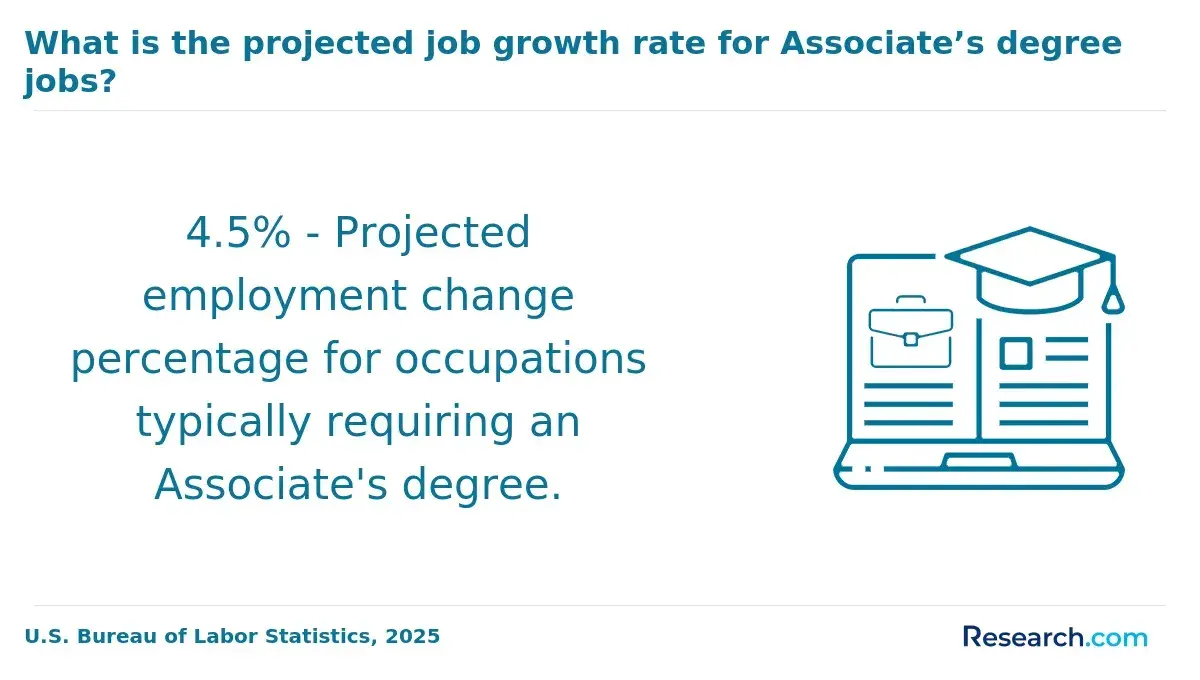
How Long Does It Take to Complete an Online Sports Science Degree Program?
Schools enforce minimum lengths to maintain academic standards and maximum durations to prevent stagnation. Exceeding time limits might jeopardize financial aid eligibility due to satisfactory academic progress (SAP) policies. Actual graduation timelines often surpass advertised durations because of personalized pacing and external factors.
Students should examine graduation rates and support services to select programs aligned with their individual needs.
- Associate's Degrees: Normally completed in about two years of full-time study, these programs lay the groundwork for entry-level positions. Part-time students may take three to four years depending on their schedule.
- Bachelor's Degrees: Typically designed for four years of full-time attendance, though many online programs offer flexibility. Transfer credits and part-time study can either reduce or extend completion time. Some programs have accelerated options allowing finish in as little as three years.
- Master's Degrees: These generally require one to two years after earning a bachelor's. Varying by format, students might choose thesis, practicum, or coursework-only tracks. Competency-based or accelerated models can speed up graduation for experienced learners.
- Doctoral Degrees: Usually involving three to five years, progress depends heavily on dissertation work. Duration is less predictable and influenced by research pace, student dedication, and advisor input.
- Transfer Credits and Prior Learning: Many online sports science programs allow transfer of prior college credits and offer prior learning assessments (PLA) for professional certifications or relevant experience-valuable for working adults seeking to shorten their studies.
- Enrollment Status: Full-time study leads to shorter completion times, whereas part-time enrollment-common among working students-extends the timeline but allows better work-life balance.
- Accelerated and Year-Round Models: Numerous accredited programs provide accelerated courses and continuous enrollment without summer breaks, enabling motivated students to finish faster.
What Core Curriculum and Coursework Should a Quality Online Sports Science Program Include?
High-value online Sports Science programs feature a core curriculum designed to build foundational knowledge in human anatomy, physiology, biomechanics, nutrition, and exercise physiology-areas emphasized by accrediting bodies such as the Commission on Accreditation of Allied Health Education Programs (CAAHEP) and the National Strength and Conditioning Association (NSCA).
These programs typically sequence courses from basic biological sciences to applied exercise testing, sports psychology, and injury prevention, culminating in integrative learning experiences like capstone projects or internships that require the practical application of knowledge.
- Core Competencies: Graduates must demonstrate proficiency in assessing physical performance, designing tailored exercise programs, and understanding sports-related health conditions to safely enhance athlete capabilities.
- Learning Outcomes: Quality programs focus on measurable skills such as critical thinking in exercise prescription, data-driven decision making, and effective communication with clients and healthcare teams.
- Curriculum Rigor: Coursework covers contemporary topics including sports technology, rehabilitation, and adaptive physical activity to align with evolving industry standards.
- Curriculum Currency: Leading programs maintain updated syllabi through advisory board input from active professionals and regular review cycles-often every three to five years-to reflect emerging methodologies and regulatory changes.
- Industry Relevance: Employers prioritize skills in performance analysis, injury risk management, and evidence-based training, developed through hands-on assignments and simulated environments found in top programs.
- Transparency and Evaluation: Prospective students should request detailed course sequences, sample syllabi, and learning outcomes maps to make informed comparisons rather than rely solely on marketing materials.
Employment for exercise physiologists is projected to grow 10% from 2022 to 2032, according to the Bureau of Labor Statistics-highlighting the importance of selecting programs that thoroughly prepare graduates for an expanding job market.
Which Online Sports Science Programs Offer the Best Return on Investment for Working Adults?
When evaluating the best online sports science degrees for career advancement, it is essential to weigh program costs against employment outcomes and graduate earnings. Public universities often lead here-offering competitive tuition paired with strong employer networks that maximize ROI for working adults balancing education with career demands.
- Program Cost: Affordable tuition rates, especially in states with in-state tuition reciprocity agreements, help reduce debt burdens for working adults-making high-quality online sports science degrees more accessible.
- Employment Outcomes: Programs connected to comprehensive career services and employer partnerships tend to report higher placement rates in athletic training, kinesiology, and wellness management, critical for career-focused students.
- Post-Graduation Salaries: Median earnings six to ten years post-enrollment are vital. The best online sports science programs produce graduates whose incomes justify the initial investment-often surpassing national median salaries for bachelor's degree holders.
- Loan Default Rates: Low default rates reflect graduates' ability to manage debt responsibly and highlight programs with strong career outcomes suitable for working adults leveraging federal aid or employer tuition assistance.
- Financial Assistance: Employer tuition reimbursement and scholarship availability can dramatically increase ROI by minimizing out-of-pocket costs. Veterans using military education benefits gain additional value from programs offering tailored support for service members.
- Accreditation and Curriculum Quality: Accredited programs adhere to rigorous standards, ensuring that coursework aligns with employer demands and practical sports science skills.
- Student Support: Flexible schedules, advising, and career resources designed for adult learners improve completion rates and readiness for career advancement.
- Data Transparency: Adult learners should prioritize programs that publish detailed outcome data rather than relying solely on rankings-examining median salaries and employment metrics to make informed choices.
Those exploring top accredited online sports science programs for working adults should also consider related fields with strong financial aid options, such as medical assistant programs that accept financial aid. Understanding these dynamics equips students to select degrees delivering meaningful career and financial returns aligned with their unique goals.
What Admissions Requirements Do the Top Online Sports Science Programs Typically Require?
Admissions requirements for top online sports science programs vary widely depending on the institution's selectivity and degree level. Competitive programs-especially at the graduate level-tend to have more rigorous criteria than open-enrollment community college options focused on foundational knowledge. Understanding these expectations helps prospective students target programs matching their credentials and career goals.
Typical admissions prerequisites for top online sports science degrees include:
- GPA Minimums: Selective master's programs commonly expect a minimum undergraduate GPA around 3.0 on a 4.0 scale, though some offer conditional admission or waive this requirement for strong applicants.
- Standardized Testing: Many schools have adopted test-optional policies for the GRE or other exams, reflecting shifting trends, but a few research-intensive graduate programs still require GRE scores.
- Letters of Recommendation: Usually two to three letters from academic instructors, employers, or professionals familiar with the applicant's potential in sports science coursework or research.
- Personal Statement: A concise essay outlining career objectives, relevant experience, and motivation that highlights an applicant's fit and commitment.
- Professional Experience: Graduate programs often prefer or require some background in coaching, fitness training, or related fields-occasionally substituting work experience for formal prerequisites.
- Prerequisite Coursework: Applicants without a foundation in sports science or related disciplines like kinesiology, biology, or exercise physiology may need to complete courses such as anatomy, physiology, or biomechanics before enrollment.
Admissions standards vary fundamentally between program types. Open-enrollment community colleges typically have minimal barriers-no GPA thresholds or test scores-while top-tier research universities emphasize rigor, relevant experience, and competitive applications. Prospective students assessing their academic records and experiences should self-evaluate where they are most competitive and consider programs accordingly.
Policies on testing, GPA minimums, and prerequisites can change each admission cycle. Direct outreach to admissions advisors ensures applicants receive the most current guidance. For those interested in further credentialing beyond a sports science degree, options like the FNP post master's certificate online provide additional pathways.
What Career Paths and Job Titles Are Available to Online Sports Science Degree Graduates?
Graduates holding an online Sports Science degree can pursue a variety of career opportunities across healthcare, fitness, education, research, and athletic training sectors. Entry-level roles for those with a bachelor's degree tend to emphasize foundational skills in human physiology, biomechanics, and exercise principles.
- Athletic Trainer: Support athletes through injury prevention, basic rehabilitation, and performance improvement under professional guidance.
- Fitness Specialist: Positions include personal trainers, strength and conditioning coaches, or wellness coordinators, focusing on enhancing client health and athletic capabilities.
- Exercise Physiologist: Design and implement exercise plans for individuals managing chronic illnesses or aiming to boost physical performance.
- Rehabilitation Aide: Assist physical or occupational therapists in clinical environments, offering an entryway into health-related careers.
Advancing education-such as earning a master's degree or specialized certifications-opens doors to leadership, research, and clinical roles that require deeper expertise and management skills.
- Sports Scientist: Conduct research utilizing scientific approaches to enhance athletic performance and recovery processes.
- Exercise Physiologist Supervisor: Oversee teams providing rehabilitation and fitness services in healthcare or wellness facilities.
- Biomechanist: Apply technology and data analytics to study human movement for injury prevention and the development of sports equipment.
- Clinical Specialist: Positions such as cardiac rehabilitation coordinator or physical therapy assistant that combine certification with core sports science knowledge.
Sports science degrees also facilitate career transitions for professionals from fields like kinesiology, nursing, or physical therapy. By completing targeted upskilling or obtaining relevant certifications-such as in athletic training or strength coaching-they can shift into sports science-specific careers.
Typical career trajectories span five to ten years and often begin with direct athlete or client interaction. Progression may involve lateral moves into niche specialties, followed by promotions into coordinator, program director, or research leadership roles.
Graduates frequently explore adjacent sectors like corporate wellness, occupational health, or sports equipment development-an indication of the degree's flexibility and broad industry relevance.
What Is the Salary Outlook for Professionals with an Online Sports Science Degree?
The median wage for common roles in sports science-such as exercise physiologists, athletic trainers, and kinesiology specialists-typically falls between $50,000 and $60,000 annually. This range reflects variations in education, with bachelor's degree holders earning closer to the lower end and those with advanced degrees often surpassing $80,000.
- Degree Level: Associate degree holders generally start with entry-level salaries at the lower spectrum. Bachelor's degree graduates access mid-tier pay scales. Master's and doctoral degree recipients usually command significantly higher salaries.
- Experience: Early-career professionals tend to earn less, but mid-career practitioners with 5 to 10 years often see 15% to 30% salary increases due to gained expertise and leadership roles.
- Industry Sector: Healthcare, sports teams, and research organizations often offer better compensation compared to education or community-based roles. Private sector jobs in sports performance and corporate wellness are typically competitive financially.
- Geography: Urban locations and regions with prominent sports or healthcare sectors usually provide premium salaries, influenced by local cost of living.
- Certifications: Credentials like Certified Strength and Conditioning Specialist (CSCS) or Board of Certification Athletic Trainer (BOC ATC) add salary premiums often exceeding 10%. Online graduates can pursue these to improve employability and earnings.
- Salary Growth: Projections show a steady 10% to 15% increase in sports science-related wages over the next decade, driven by rising interest in fitness and wellness.
- Caution: Always consult up-to-date BLS data and market salary surveys to ensure current figures reflect economic shifts and evolving industry demands.
What Graduates Say About the Best Online Sports Science Degrees for Jobs
- Westin: "The accreditation standards of the best online sports science degrees really set the foundation for quality education-knowing that employers recognize the qualification has made all the difference in my career search. What impressed me most was the curriculum rigor; it truly challenges you to understand both theory and application, which prepared me exceptionally well for real-world tasks. Also, considering the cost and return on investment, this degree was a smart financial choice that has paid off with multiple job offers. "
- Peter: "Reflecting on my journey, the career outcomes associated with reputable online sports science programs gave me peace of mind before enrolling-graduates consistently find roles in dynamic environments. I also appreciated how practical experience requirements ensured I wasn't just learning in theory but gaining hands-on skills that employers value greatly. The student support infrastructure stood out as a crucial element-having easy access to advisors and mentors made navigating the program far less intimidating. "
- Andrew: "From a professional standpoint, the best online sports science degrees marry rigorous curriculum content with practical experience requirements seamlessly-this blend is essential in today's competitive market. I found that programs with robust student support infrastructure not only facilitate academic success but also foster networking opportunities crucial for career growth. While cost is always a consideration, investing in a high-quality degree that enhances career outcomes proved to be well worth it in my experience. "
Other Things You Should Know About Sports Science Degrees
Top online sports science programs focus on building a strong foundation in anatomy, physiology, biomechanics, and exercise science. Graduates develop critical skills in data analysis, exercise testing, and program design. Communication and leadership abilities are also emphasized to prepare students for roles in coaching, rehabilitation, and health promotion.
Most accredited online sports science degrees include mandatory internships or practicum placements to provide hands-on experience. These placements are often arranged locally by students, with program support to identify suitable sites. Such real-world training is essential for developing applied skills and meeting certification or licensure prerequisites in many sports science careers.
Leading online sports science programs offer comprehensive student support including academic advising, career counseling, and tutoring services. Many also provide virtual networking events, access to alumni communities, and professional development workshops. These resources help students build industry connections and advance their career prospects despite the remote learning format.
In 2027, most employers and hiring managers view online sports science degrees as on par with traditional degrees. The focus has shifted to the skills and competencies graduates bring to the table, and reputable online programs are recognized for their rigorous curriculum and strong alumni network.
References
- The Current State of the Sport Science Field and Careers – Integration, Data, and Professional Pathways https://www.nsca.com/education/articles/nsca-coach/sport-science-field-and-careers/
- Top 20 Online Master's in Sport Science - Sports Management Degree Guide https://www.sports-management-degrees.com/top-online-masters-sport-science/
- Earning an Online Exercise Degree - IDEA Health & Fitness Association https://www.ideafit.com/earning-online-exercise-degree-0/
- Exercise Science Standards and Course Development https://essa.secure-platform.com/course-accreditation/
- Accreditation https://sesnz.org.nz/accreditation/
- Exercise Sciences https://www.caahep.org/committees-on-accreditation/exercise-science
- University of Glasgow - Postgraduate study - Taught degree programmes A‑Z https://www.gla.ac.uk/postgraduate/taught/sport-exercise-science-medicine-online/
- Strength & Conditioning Degree Accreditation | IUSCA https://www.iusca.org/degree-accreditation
- Exercise Science Degree Programs, Online Included for 2026 https://www.kinesiologydegrees.org/programs/exercise-science
- Home https://www.scienceforsport.com/