2027 Does an Online Sports Science Degree Qualify You for Licensure?

Co-Founder and Chief Data Scientist
Is an online sports science degree sufficient for obtaining professional licensure, especially given the stringent standards many states enforce? A working adult exploring flexible education options may question whether virtual programs include the supervised training and accredited coursework required for certification. About 35% of sports science graduates pursue licensure or certification to enhance career prospects in clinical, coaching, or rehabilitation roles.
Licensing boards often demand hands-on experience that may not be fully provided by online-only curricula. This article examines whether an online sports science degree qualifies graduates for licensure and highlights critical factors learners should evaluate before committing to a program.
Key Things to Know About Online Sports Science Degree Licensure Qualifications
- Accreditation by recognized agencies and state approval are crucial for an online sports science degree to satisfy licensure educational standards.
- Licensure eligibility varies by state, with some requiring degrees from specific accredited programs or in-person coursework components.
- Clinical hours, practicum, or supervised experience essential to many licenses may require local placement, impacting the qualification process for online students.
Does an Online Sports Science Degree Qualify You for Licensure?
Online education has increasingly become a viable path for students pursuing licensure-track fields, including sports science. According to recent data, over 40% of postsecondary students have enrolled in at least one online course, demonstrating widespread growth in distance learning options. This trend also extends to programs designed to meet professional standards and licensing requirements. With this expansion, many learners wonder if an online sports science degree qualifies you for licensure in your state.
Licensing requirements for online sports science degree graduates primarily hinge on several critical factors. The institution must hold proper recognition by accrediting bodies, and the program's curriculum should align with licensing boards' competencies, blending theoretical knowledge with essential practical experiences.
Many licensure programs require hands-on components such as labs or supervised internships, which online programs need to provide or coordinate effectively. Meeting these established educational standards is crucial for an online sports science degree to qualify for licensure eligibility. For those exploring flexible options, programs like the shortest DNP program online illustrate how condensed, accredited online pathways can work toward professional goals.
Which Sports Science Careers Require Professional Licensure?
Professional licensure is essential in certain sports science careers to ensure practitioners meet rigorous standards that protect public health and safety. Approximately 65% of healthcare-related occupations require licensing, reflecting its vital role in regulated professions. The following are key sports science careers where licensure is typically mandatory before practicing legally.
- Physical Therapist: Physical therapists work closely with patients and athletes to recover from injuries and improve mobility. Licensure guarantees they have the proper training to design safe rehabilitation programs and minimize the risk of additional harm.
- Athletic Trainer: Athletic trainers provide immediate injury care and develop injury prevention strategies for athletes. Licensure confirms compliance with medical and ethical standards necessary for hands-on patient care.
- Exercise Physiologist: Those focusing on medical exercise often require licensure, especially when treating chronic conditions. This licensure ensures practitioners use evidence-based methods to safely enhance cardiovascular and overall health.
- Occupational Therapist: Occupational therapists assist athletes in regaining function after injury through detailed assessments and treatment plans. Licensure validates their expertise and upholds long-term health outcomes.
A sports science degree graduate shared his experience navigating licensure requirements. He described the process as "challenging but crucial," emphasizing that "the rigorous training and exams really prepared me to take responsibility for my clients' wellbeing." He noted feeling "a strong sense of accountability" after receiving his license, explaining that it brought both confidence and a clearer understanding of professional ethics. For him, obtaining licensure was not just a formality but a significant step in becoming a trusted healthcare provider within sports science.
What Accreditation Is Required for Sports Science Licensure?
Accreditation plays a vital role in determining whether an online sports science degree meets the requirements for professional licensure. Graduating from an accredited program not only assures program quality but also improves licensure exam pass rates by about 15% compared to non-accredited alternatives. Below are key accreditation bodies that influence eligibility and recognition for licensure in sports science-related fields.
- Commission on Accreditation of Allied Health Education Programs (CAAHEP): This organization accredits programs in exercise science and allied health disciplines, ensuring they meet rigorous standards aligned with industry expectations. Many licensure boards specifically require candidates to graduate from CAAHEP-accredited programs to qualify for certification.
- National Strength and Conditioning Association (NSCA): Although known primarily for its certifications, the NSCA also endorses degree programs that meet its comprehensive criteria. Programs aligned with NSCA standards benefit from enhanced credibility and better prepare students for certifications often linked to licensure.
- Council for the Accreditation of Educator Preparation (CAEP): CAEP focuses on programs that prepare individuals for teaching roles within sports science. Many licensing authorities for education roles require CAEP accreditation to verify that future educators meet established professional and academic standards.
- National Athletic Trainers' Association (NATA) - Commission on Accreditation of Athletic Training Education (CAATE): CAATE accreditation is crucial for athletic training programs. Licensure for athletic trainers nearly always mandates graduation from CAATE-accredited programs, ensuring adherence to nationally recognized guidelines for safe and effective practice.
Do Licensure Requirements Vary by State for Sports Science Careers?
State regulations play a critical role in determining licensure eligibility for graduates from both online and traditional sports science programs. Approximately one-third of U.S. states have distinct licensing criteria that can affect whether an online degree meets the necessary standards. These varying rules often influence professional mobility and licensure acceptance across state lines. The following discussion explores how such variability impacts the qualification process for those holding an online sports science degree.
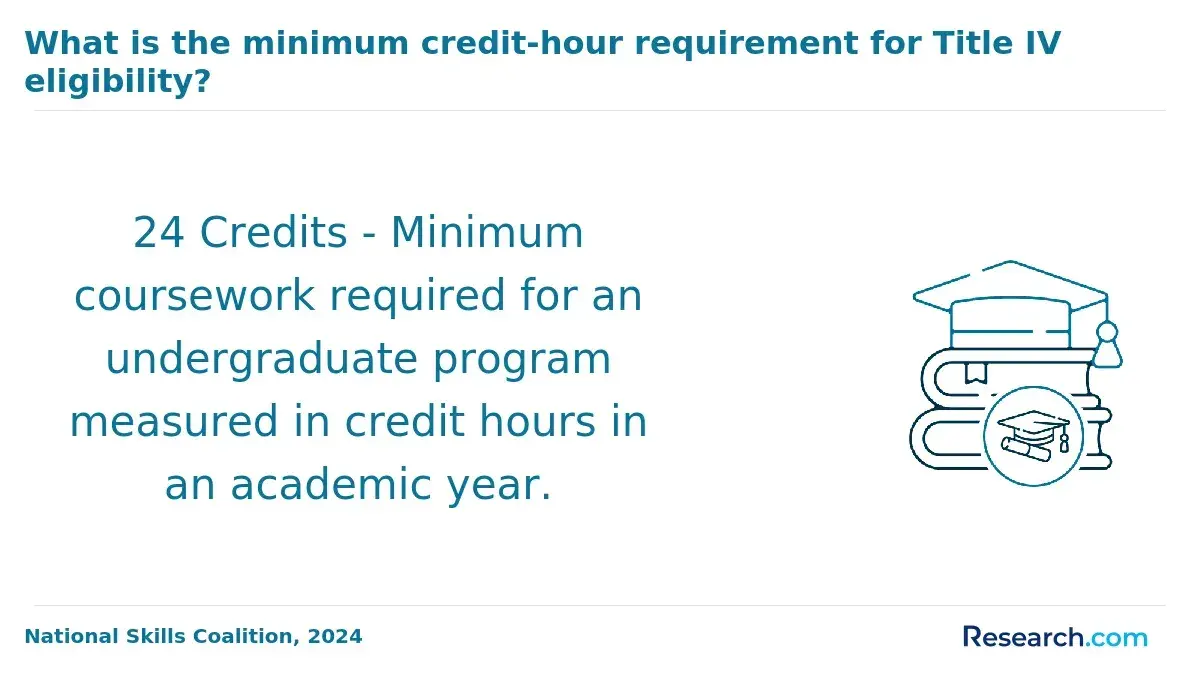
The diversity in state-specific licensing requirements for sports science professionals means educational prerequisites can differ widely. Some states mandate specific coursework or credit minimums that must be fulfilled, while others may not recognize online degrees as equivalent to traditional campus-based programs. Consequently, eligibility for professional practice is not consistent nationwide, and practitioners need to confirm their state's stance on online sports science licensure. This complexity underscores the importance of researching particular state rules before pursuing a career in this field.
In addition to these considerations, students interested in related health administration fields may find it helpful to explore reputable MHA online programs that align with their licensing goals.
What Online Courses Are Required for Sports Science Licensure?
Online sports science coursework is designed to align with the educational standards necessary for professional licensure, combining theoretical knowledge with practical application. With over 38% of undergraduates having taken at least one online course recently, virtual learning has become a credible path for many pursuing advanced degrees. The following outlines the typical course categories essential to meeting licensure requirements.
- Foundational Theory: Courses such as anatomy, physiology, and biomechanics form the scientific basis of human movement and athletic function. These foundational subjects ensure students develop a comprehensive understanding of bodily systems critical to sports science practice.
- Applied Practice: Training often includes exercise physiology, injury prevention, and rehabilitation techniques. These classes equip students with hands-on skills to manage and improve athletic performance as well as safely address injuries.
- Ethics: Professional responsibility is emphasized through topics covering conduct standards, confidentiality, and ethical decision-making. This coursework prepares candidates to navigate moral considerations in healthcare and athlete support.
- Research Methods: Emphasis on statistics, experimental design, and data analysis allows students to interpret scientific findings effectively and contribute to evidence-based practice within the field.
When discussing what online courses are required for sports science licensure, a professional with a sports science degree shared that although the theory-heavy classes initially felt overwhelming, the applied courses truly helped bridge knowledge to real-world practice. She described the ethical training as both challenging and rewarding, stating it "reinforced the importance of integrity in every decision." Balancing these diverse subjects was a demanding process, but she appreciated how the program's structure prepared her thoroughly for the credentialing steps ahead.
Do Online Sports Science Programs Require Internships for Licensure?
Many online sports science degree programs incorporate internships or practical experiences to meet professional licensure requirements. These hands-on components are critical for students to develop applied skills beyond theoretical knowledge. Studies show that about 70% of health-related online or hybrid programs mandate some form of experiential learning, highlighting its importance in remote education. This foundation prepares students for the licensure process and professional responsibilities.
Internship expectations can differ widely, influenced by each program's design and the standards set by licensing authorities. Regardless of whether placements are arranged by the institution or secured independently by students, the main focus is on gaining practical exposure that builds technical competencies and interpersonal abilities. Such experiences ensure candidates are ready to navigate real-world challenges in their careers. Ultimately, internships serve as a bridge between academic training and professional licensure eligibility in sports science.
How Do Licensing Exams Work for Online Sports Science Graduates?
Licensing exams for both online and traditional sports science graduates serve as a standardized measure of professional competency. Approximately 75% of candidates from accredited programs pass these exams on their first attempt, reflecting the rigor of the process and the importance of preparation. The following points outline how licensing exams function for online sports science graduates.
- Eligibility Requirements: Graduates must complete a degree program that aligns with recognized content standards. Accredited online sports science degrees typically fulfill these criteria, making their holders eligible to sit for the licensing exams.
- Exam Content: The exams focus on core domains such as exercise physiology, biomechanics, nutrition, and injury prevention. Questions test both theoretical knowledge and practical application essential for professional practice.
- Preparation Expectations: Candidates are encouraged to use study materials like practice tests and review courses, which improve pass rates. Thorough preparation is vital to meeting the exam's high standards.
- Testing Administration: Despite earning an online degree, exam sessions are held in authorized physical locations or through proctored settings to ensure integrity. Candidates schedule appointments and complete the exam under supervised conditions.
How Do You Verify an Online Sports Science Program's Licensure Status?
Verifying the licensure status of an online sports science program is vital for students who want their degree to qualify for professional licensure. Nearly 30% of students nationwide enroll in programs without proper accreditation or licensure recognition, which can limit their future career options. To avoid this, students can use several reliable methods to check if an online sports science degree aligns with licensure requirements.
- Official Program Disclosures: Reputable programs typically provide clear information about their licensure status and whether their curriculum fulfills state or national licensing board standards. This transparency is often visible on the program's website or included in admissions materials, helping students in checking licensure acceptance for online sports science degrees.
- Institutional Recognition: Confirming that the school is accredited by recognized agencies gives a strong indication of program quality. While accreditation alone does not guarantee licensure eligibility, it shows compliance with educational standards essential for licensure pathways.
- Licensing Board Requirements: Many professional licensing boards publish educational prerequisites and approved programs. Cross-referencing these official lists with an online sports science program ensures the degree supports licensure goals in specific states or professions.
- Program Outcomes: Graduation rates, licensure exam pass rates, and employment statistics in licensed fields provide insight into how well a program prepares students for professional requirements and career success.
Prospective students should also explore options such as studying at the best online colleges with no application fee, which often disclose licensure information upfront, simplifying the verification process for online sports science program accreditation.
What Challenges Do Online Sports Science Students Face With Licensure?
Licensure pathways for online sports science students are often more complex due to varying program standards and state requirements. A 2022 report by the National Board of Credentialing Bodies found that nearly 30% of applicants with online education backgrounds faced credentialing delays linked to verification and content alignment issues. These challenges influence whether an online sports science degree meets the criteria for professional licensure. The main difficulties can be summarized as follows:
- Varied Program Expectations: Licensing boards demand distinct curricular standards that differ between institutions and states. Because of these diverse requirements, students pursuing online sports science degrees may find it difficult to confirm their program meets all licensure criteria, contributing to common licensing hurdles for online sports science graduates.
- Documentation Challenges: Licensure applications require detailed verification of coursework and practicum experiences. Online learners often struggle to provide consistent documentation, especially when hands-on training components are less standardized or coordinated remotely.
- Alignment With Professional Standards: Licensing authorities update eligibility requirements to reflect evolving industry practices. If online programs fail to promptly integrate these changes, graduates risk being underprepared or deemed ineligible despite holding a degree.
- Diverse Eligibility Requirements: State licensure requirements for sports science degrees vary widely, causing confusion about qualification pathways. Differences between jurisdictional rules complicate planning and obtaining licensure for online students.
Prospective students should research online options carefully to ensure their program aligns with licensure mandates, similar to how those exploring radiology tech programs online verify professional requirements. This preparation is essential for overcoming common licensing hurdles for online sports science graduates.
Are Online Sports Science Degrees Respected in Licensed Professions?
Perceptions of online education, especially in licensed professions, have notably improved over recent years. Initially viewed with skepticism, many employers now recognize the legitimacy of online degrees when candidates showcase relevant skills. In fact, a 2022 survey by the National Association of Colleges and Employers showed that 83% of employers trust online degrees if applicants demonstrate appropriate competencies. This growing confidence marks a shift in attitudes that benefits students considering online pathways.
Respect for online sports science degrees in licensed professions largely depends on the program's quality, learning outcomes, and demonstration of competency rather than the method of delivery. As a result, graduates from well-structured online sports science programs can be regarded on par with those from traditional settings. This trend reflects broader professional acceptance focusing on ability over educational format and offers flexible options without compromising licensure prospects. For those researching options, reviewing data from top rated online nursing schools WGU can provide helpful insights into online program recognition and effectiveness.
What Graduates Say About Online Sports Science Degree Licensure Qualifications
- Westin: "Choosing to pursue my online sports science degree was a game-changer. It provided the flexibility I needed while allowing me to focus on the licensure requirements, which some might overlook. I was thrilled to discover that the accredited online program fully qualified me for the licensure, opening doors I hadn't imagined before."
- Peter: "When I first considered licensure, I was unsure if an online sports science degree would be accepted, but my experience proved it can be a solid path. The self-discipline required for online study prepared me well for the demands of licensure exams. Reflecting back, it's clear that having the official licensure elevated my credibility and career opportunities significantly."
- Andrew: "Professionally, obtaining licensure with my online sports science degree has been invaluable. The program's focus on both theory and practical application met licensure criteria comprehensively. From a professional standpoint, this credential has been a key factor in gaining trust with clients and expanding my scope of work."
Other Things You Should Know About Sports Science Degrees
Hands-on clinical training remains crucial in 2027 for meeting licensure standards with an online sports science degree. The practical experience gained through internships or similar programs is often required, complementing theoretical online coursework, and ensuring comprehensive preparation for professional practice.
Yes, many licensing authorities mandate continuing education credits to maintain an active license. This requirement ensures that sports science professionals stay current with evolving research, techniques, and regulatory standards. Online courses and workshops approved by relevant boards often fulfill these continuing education obligations.
Licensure requirements focus primarily on the accreditation status of the degree program rather than whether the institution is public or private. Both types of institutions can offer online sports science programs that meet licensure criteria, provided their accreditation is recognized by the licensing board. Applicants should verify this accreditation independently.
Hands-on clinical training is often a critical component of licensure requirements and may not be fully completed through online coursework alone. Many programs incorporate hybrid models or require external internships to fulfill this practical experience. Licensing entities generally expect documented evidence of supervised clinical practice alongside academic achievements.
References
- Become a Certified Performance & Sport Scientist | NSCA https://www.nsca.com/certification/cpss/
- Research on the Challenges and Solutions for Online Physical Education in the Post-Epidemic Era https://www.scirp.org/journal/paperinformation
- Online Exercise Science Degrees: Top School Review https://www.edumed.org/online-schools/exercise-science-degrees/
- Certificate Validation | ISSA https://www.issaonline.com/company/certificate-validation
- Exercise Science Internship Information https://wou.edu/hexs/programs-and-degrees/exercise-science/internship-information/
- Online Exercise Science Degrees https://mycollegeguide.org/online-exercise-science-degrees/
- Home https://www.scienceforsport.com/
- USTA Sport Science On-Line Testing | Player Development http://www.playerdevelopment.usta.com/USA_Tennis_Sport_Science_OnLine_Testing/
- Online Exercise Science Program https://stmary.edu/online-programs/exercise-science.html
- What Jobs Can You Do With Sports Science? | Oxford College https://www.oxfordcollege.ac/news/what-jobs-can-you-do-with-sports-science/