2027 Highest-Paying Jobs You Can Get With an Emergency Management Degree

Co-Founder and Chief Data Scientist
When evaluating career paths in emergency management, one critical challenge is understanding the salary premiums tied to advanced degrees and certifications-especially since many employers prioritize candidates with graduate credentials and professional licensure. For instance, holders of a master's degree in emergency management typically earn 20% more than those with just a bachelor's, while certifications like Certified Emergency Manager (CEM) can boost salaries further.
The return on investment also varies widely-ranging from public agencies to private sector roles and across geographic areas. This article analyzes these factors in depth, offering readers a clear assessment of the highest-paying jobs linked to emergency management credentials.
Key Things to Know About the Highest-Paying Jobs You Can Get With a Emergency Management Degree
- Graduate credentials provide a wage premium-master's holders in emergency management earn up to 20% more than bachelor's degree graduates, reflecting advanced expertise and leadership potential.
- Professional licensure and certification-such as Certified Emergency Manager (CEM)-can increase salaries by 10-15%, signaling validated skills and boosting employer confidence.
- The return on investment for an emergency management degree-compared to certificate programs-often yields higher lifetime earnings, particularly in public safety and federal government sectors.
What Exactly Does a Emergency Management Degree Qualify You to Do in Today's Job Market?
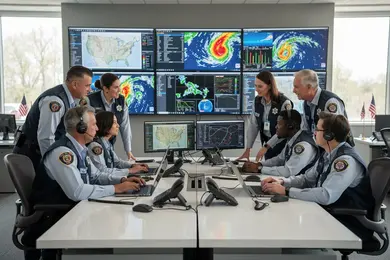
An emergency management degree equips graduates to work in roles centered on preparing for, responding to, and recovering from disasters and crises. Employers recognize this qualification for its emphasis on designing strategies that reduce risks and efficiently coordinate resources during high-pressure situations, as outlined by the U.S. Bureau of Labor Statistics (BLS) and relevant professional organizations. Graduates with this degree possess a valuable combination of skills that set them apart in the competitive US job market.
- Core Competencies: Degree holders combine technical expertise-such as hazard assessment, crisis communication, and resource logistics-with strong analytical skills, including data interpretation and risk modeling. Alongside these are critical interpersonal abilities, like leadership, critical thinking, and stakeholder collaboration. According to employer job posting data from sources like Lightcast and LinkedIn Insights, these competencies provide a distinct advantage over candidates who rely solely on practical experience or non-specialized credentials, enabling graduates to navigate complex emergency scenarios effectively.
- Scope of Practice: While an emergency management degree prepares individuals for diverse roles, it does not confer automatic licensure or certification. Career paths in this field often split between open-entry and credential-gated roles-certain positions demand additional certifications beyond the degree. It is important for graduates to recognize this distinction to make informed decisions about pursuing further credentials when targeting specialized or senior roles. A common misconception is that degree holders can serve as licensed first responders or engineers-these roles require separate regulated certification processes.
- Highest-Paying Roles and Degree Levels: Top-earning jobs include emergency management directors, disaster recovery specialists, and homeland security analysts. These positions typically require bachelor's or master's degrees, while doctoral qualifications open doors to research, academia, and executive leadership with higher earning potential. Those considering enrollment should evaluate the anticipated financial return on investment compared to alternative career paths, weighing income goals, risk tolerance, and long-term aspirations. Military veterans and mid-career professionals often explore an online master degree as a flexible option to advance in this field.
Which Emergency Management Jobs Command the Highest Salaries Right Now?
Emergency management is a critical field responsible for ensuring safety and preparedness in the face of disasters and crises. As this sector evolves, some roles within emergency management stand out for offering particularly high salaries, reflecting their importance, complexity, and the expertise required. Here, we explore which emergency management jobs currently command the highest salaries and what factors contribute to their lucrative compensation packages.
- Emergency Management Director: This role commands some of the highest salaries in the field, with median annual wages around $80,000 according to the latest Bureau of Labor Statistics (BLS) data on which emergency management jobs command the highest salaries in the United States. Experienced directors at the 75th percentile can earn approximately $110,000, while top-decile salaries exceed $140,000-reflecting significant responsibility for planning and coordinating disaster response strategies. Emergency management directors holding master's degrees or relevant certifications like Certified Emergency Manager (CEM) often see a measurable salary advantage. These roles typically require advanced degrees and benefit greatly from specialized knowledge in risk assessment and public safety.
- Disaster Recovery Specialist: Salaries for this position vary widely by industry and location. Median wages hover near $60,000, with professionals in the upper quartile earning upwards of $85,000. The top 10% of earners report salaries exceeding $100,000, often linked to roles within federal government agencies or large multinational corporations. Graduates with emergency management degrees gain a competitive edge here-especially when combined with certifications in project or resource management. Degree holders often compete with candidates from logistics or business backgrounds, although specialized emergency management knowledge remains highly valued in crisis recovery contexts.
- Homeland Security Analyst: This occupation intersects with emergency management but usually requires additional qualifications in security or intelligence. Median pay is roughly $75,000, with the 75th percentile earning near $105,000, and top earners surpassing $135,000 annually. Emergency management graduates who supplement their education with homeland security credentials may command premium wages-particularly within federal or state agencies. Geographic markets such as Washington D.C. and major metropolitan areas typically offer significantly higher pay due to concentrated government operations.
- Emergency Preparedness Consultant: Consultants benefit from experience and specialized expertise, resulting in broad salary ranges. Median income is near $65,000, while the 75th percentile can reach $95,000; top decile compensation exceeds $120,000 for those advising on complex risk mitigation projects in private and public sectors. Advanced degrees and certifications improve salary prospects, and industries such as healthcare, energy, and finance can command substantial premiums.
Salary Influencing Factors:
- Degree Level: Graduate degrees generally lead to higher salaries and leadership roles.
- Specializations: Public health, cybersecurity, and infrastructure resilience boost earning potential.
- Employer Sector: Federal government positions usually offer higher pay compared to local agencies or nonprofit organizations.
- Geographic Market: Urban centers and regions prone to natural disasters pay more due to demand and complexity.
For those pursuing credentials, diploma or degree options vary widely in duration and format-prospective students may find accelerated pathways, such as the best associate degree in 6 months online, valuable for entering the field quickly or augmenting existing qualifications.

How Does Degree Level-Bachelor's vs. Master's vs. Doctoral-Affect Emergency Management Earning Potential?
Understanding how different degree levels impact earning potential is crucial for those pursuing a career in emergency management. This guide explores how advancing your education can influence your salary prospects and career advancement opportunities in this vital field.
- Bachelor's Degree: Median salaries for those holding a bachelor's in emergency management generally fall between $50,000 and $70,000 annually, covering entry to mid-level roles such as coordinators and analysts. On-the-job experience and certifications supplement earning potential within these positions, which are common in public sector and nonprofit organizations.
- Master's Degree Premium: Advanced degrees can elevate median income by 20-30% over bachelor's holders. Master's credentials often unlock senior leadership roles like emergency preparedness managers and disaster response directors. Many government agencies and employers mandate a master's for supervisory and strategic planning positions, reflecting the value placed on leadership and specialized skills.
- Doctoral Degree Impact: Though less prevalent, doctoral qualifications-professional or research-based-carry significant earning power. Those with doctorates frequently occupy academic, federal, or policy research roles where salaries exceed $100,000. These positions demand expertise in data-driven decision-making, program evaluation, and high-level strategy. Regulatory bodies and agencies enforce these credential standards to maintain quality and innovation in the field.
- Credential-Gated Roles: Top-paying emergency management jobs often require graduate education: Federal emergency management directors typically need master's degrees.Leadership in academia and research hinges on doctoral qualifications.Consulting and policy advisory roles prioritize advanced credentials.
- Time-to-Payoff Considerations: Prospective students must assess the investment in tuition and lost income during graduate studies against the eventual wage boost. Accelerated master's programs may offer quicker financial returns, while doctoral paths require longer commitments, making them suitable mainly for careers in research or senior federal posts.
- Pathways by Background: Professionals with relevant bachelor's degrees usually maximize earnings most efficiently through master's credentials. For career changers, earning a bachelor's plus certifications initially can facilitate entry before pursuing graduate degrees to attain leadership or specialized jobs.
Which Industries and Employers Pay Emergency Management Graduates the Most?
Emergency management degree holders often find their highest-paying industries shaped by how organizations value regulatory compliance, risk complexity, and advanced expertise. The government sector-especially federal and state agencies like FEMA-offers some of the most competitive salaries. These roles benefit from institutional stability and often reward senior professionals with premium pay linked to security clearances and specialized experience.
- Government: Public agencies lead in compensating senior emergency management professionals due to their critical safety missions and regulatory demands.
- Private Sector: Large firms in energy, insurance, and aerospace industries command top talent by offering lucrative packages tied to their extensive budgets and rigorous regulatory frameworks.
- Nonprofit: Although generally limited in funding, notable humanitarian and disaster relief organizations can provide competitive pay, particularly for those with certifications and field expertise.
- Consulting: Self-employed experts with strong credentials often surpass salaried peers by charging premium fees across diverse clients including government and finance sectors.
Salary outcomes also hinge on job titles and educational attainment, with private-sector emergency management directors holding master's degrees frequently out-earning entry-level government coordinators. Professional certifications such as Certified Emergency Manager (CEM) play a vital role in enhancing earning power across all industries. Graduates keen to access the highest-paying roles should invest in industry-specific skills, key certifications, and networking aligned with sectors marked by intense regulatory oversight and financial risks.
Those evaluating career options should weigh the financial return of an emergency management degree against alternative credentials-particularly when targeting roles in sectors that offer a wage premium. Strategic focus during academic and professional development phases increases the likelihood of securing top compensation packages. For more information on educational pathways, consider programs like the easiest MSW to get into, which may offer models on credential accessibility and certification impact relevant to planning your emergency management career.
What Geographic Markets Offer the Best-Paying Emergency Management Jobs?
Emergency management professionals play a crucial role in preparing for, responding to, and recovering from disasters and emergencies. The availability and compensation of these vital positions can vary significantly depending on geographic location. Here, we explore which markets across the country offer the best-paying emergency management jobs and what factors contribute to these opportunities.
- Washington, D.C. Metropolitan Area: This region offers the highest median wages for emergency management professionals, driven by federal agencies and nonprofits specializing in disaster preparedness and homeland security. The elevated salaries are balanced by a high cost of living, yet adjusted earnings remain attractive.
- San Francisco Bay Area: With a strong presence of technology companies and public safety entities, this metro ranks among the top paying. However, substantial housing and general living costs reduce effective take-home pay, making cost adjustments crucial.
- New York City Metro: Serving as a center for extensive urban emergency management activities, NYC provides numerous well-compensated roles in municipal agencies and private consulting. Cost-of-living adjustments reveal modest real wage gains despite high nominal figures.
- Houston, Texas: Energy sector facilities and emergency response groups fuel demand for emergency management staff here, paired with moderate living expenses that enhance overall compensation.
- Midwestern Metro Areas (Chicago, Minneapolis-St. Paul): These areas show rising need for emergency management professionals, offering competitive wages alongside more affordable living, which together yield favorable cost-adjusted salaries.
Remote and hybrid work models are altering traditional salary landscapes. Positions centered on planning, analysis, and coordination increasingly support remote work, allowing professionals to connect with high-paying employers without relocating. Conversely, frontline roles-such as disaster site coordinators or emergency operations center personnel-generally require physical presence due to licensing or operational necessities.
Choosing between relocating for higher nominal pay or staying in a lower cost area with remote work involves balancing:
- Actual purchasing power after adjusting for local expenses.
- Availability of remote versus in-person job opportunities.
- Long-term career advancement linked to proximity to employers or regulatory bodies.
How Do Professional Certifications and Licenses Boost Emergency Management Salaries?
Professional certifications and licenses offer measurable salary advantages for emergency management professionals by validating expertise and boosting career prospects. Several credentials stand out for their positive wage impact, backed by data from certification bodies and compensation studies.
- Certified Emergency Manager (CEM): Administered by the International Association of Emergency Managers, the CEM demands a blend of relevant education, professional experience, and passing a comprehensive exam. Recertification every three years requires continuing education, with costs typically ranging from $400 to $600. Surveys indicate salary increases of 10-15% for CEM holders compared to uncertified peers.
- Certified Business Continuity Professional (CBCP): Offered by DRI International, this certification targets continuity planners. Candidates must meet experience criteria and pass an exam. Renewal is every three years with ongoing education and fees near $400. Certified professionals tend to see an 8-12% uplift in earnings.
- Associate Emergency Manager (AEM): A foundational credential from IAEM designed for early-career entrants. It requires less experience but includes examination and renewal fees around $200. Though salary gains are modest, they remain positively correlated with certification.
- Project Management Professional (PMP): While not specific to emergency management, PMP certification by PMI enhances project leadership credentials. Eligibility includes documented project experience and passing a rigorous exam. Renewal fees are about $150 every three years. Holders commonly report 10-20% salary increases.
Prospective candidates should verify each certification's industry relevance and confirm accreditation by recognized bodies like ANSI or NCCA to avoid low-value credentials. Strategic selection aligned with career goals maximizes income benefits beyond degree completion.
What Is the Salary Trajectory for Emergency Management Professionals Over a Full Career?
The salary trajectory for emergency management professionals generally progresses with experience, credentials, and specialization. Entry-level positions usually offer salaries between $40,000 and $55,000 annually as individuals build foundational skills and establish themselves in the field. By the five-year mark, professionals frequently observe steady growth as practical experience accumulates and initial industry certifications are earned.
- Early Career: Salary increases are gradual and remain below mid-career benchmarks; responsibilities typically focus on operational support, planning, and response coordination.
- Mid-Career Growth: Around ten years of experience, earnings commonly accelerate due to promotions into supervisory or managerial roles or specialization in areas like hazard mitigation, cybersecurity, or public health emergency preparedness. Obtaining advanced degrees such as a master's or credentials like the Certified Emergency Manager (CEM) credential often coincide with this phase of growth.
- Senior-Level Earnings: Peak compensation occurs when professionals assume leadership responsibilities-managing teams, directing multi-agency programs, or consulting within public and private sectors. Annual salaries at this level range roughly from $90,000 to over $120,000 depending on geography and employer, with some executives exceeding these figures.
- Strategic Differentiators: High earners stand out by developing niche specializations, cultivating strong reputations, driving business development, and expanding professional networks-efforts that significantly enhance their market value beyond standard job duties.
Data from the Bureau of Labor Statistics (BLS), Georgetown Center on Education and the Workforce lifetime earnings studies, and industry salary surveys confirm that wage premiums associated with graduate-level degrees and professional certifications in emergency management are notable over a career span. These findings can help prospective students and career changers evaluate the return on investment when comparing emergency management credentials with alternative pathways, enabling financially informed decisions aligned with long-term income goals and risk tolerance.
Which Emergency Management Specializations and Concentrations Lead to the Highest-Paying Roles?
Several specializations within emergency management offer notably high-paying career paths. Concentrations such as disaster resilience planning, cybersecurity risk management, and critical infrastructure protection stand out for their strong demand in both public and private sectors. These fields require advanced technical knowledge, regulatory expertise, and strategic decision-making, generating a wage premium due to the scarcity of qualified talent and the complexity of responsibilities. For those exploring the highest-paying emergency management specializations in the US, focusing on these areas can enhance long-term salary growth and career stability.
A specialization in cybersecurity risk management, for example, opens doors to roles combining digital threat understanding with emergency response protocols. Organizations value professionals who bridge IT security and crisis planning, offering compensation that reflects these critical skills. Similarly, experts in critical infrastructure protection are highly sought after by government agencies and utilities, where the consequences of failure are significant. Disaster resilience planners who concentrate on community vulnerabilities often earn more in metropolitan regions facing increased natural disaster risks and stricter regulations.
Students seeking the top emergency management concentrations for salary growth should prioritize specializations aligned with labor market demand and job growth projections, rather than selecting areas purely based on interest. Analyzing job posting trends, BLS wage data, and employer preferences can guide these decisions effectively.
Those already enrolled in a general emergency management degree program can increase their earning potential by pursuing targeted internships, stacking certifications like the Certified Emergency Manager (CEM), or engaging in focused continuing education-strategies that enhance specialization without requiring additional degrees.
- Return on Investment: Top online emergency management programs balance affordability with strong alumni salary gains relative to tuition costs.
- Professional Certification: Credentials such as CEM and FEMA certifications significantly enhance earning potential and employer appeal.
- Graduate Education: Advanced degrees often unlock leadership positions with multimodal pay benefits in federal and state agencies.
Mid-career professionals and career changers should explore reputable degrees for stay at home moms programs and similar online options that offer flexible paths to specialized credentials recognized by employers. This approach offers an efficient way to enter or advance in high-paying emergency management roles while balancing other life commitments.
How Does the Emergency Management Job Market's Growth Outlook Affect Long-Term Earning Stability?
The emergency management job market is projected to grow steadily over the next decade, according to the Bureau of Labor Statistics' 10-year employment projections. This growth is largely fueled by rising climate-related events, demographic shifts toward aging populations, and evolving legislative mandates that emphasize resilience and public safety-factors that contribute to long-term job stability in emergency management.
Positions such as emergency management directors and homeland security specialists are expected to experience steady 8-10% job growth, outpacing average labor market expansion. These roles offer low automation risk due to the need for complex decision-making, leadership, and human judgment, which remain difficult to automate.
Some segments within emergency management face structural headwinds. Administrative and support roles often contend with outsourcing risks and budget constraints, limiting job growth and wage increases. Additionally, credential inflation is pressuring mid-level professionals to obtain advanced degrees and certifications to remain competitive. Pursuing an environmental engineering online degree or similar credentials can enhance skill positioning and earnings potential in this evolving field.
Understanding the distinction between high pay driven by stable employer demand and that influenced by risk or scarcity is critical for those evaluating emergency management career growth projections. Some high-paying roles reflect consistent government or large employer funding, delivering wage stability. In contrast, specialty or contract-based jobs may offer higher pay but with greater income volatility.
- Growth Outlook: Steady 8-10% job growth projected for emergency management directors, outpacing average labor market expansion.
- Automation Risk: Low for strategic roles, high for procedural or clerical tasks.
- Demand Drivers: Climate change, public safety laws, and demographic aging increase need for crisis planning.
- Structural Challenges: Outsourcing risks and credential inflation pressure mid-tier positions.
- Skill Positioning: Advanced degrees and professional certifications enhance job security and earnings.
- Pay Stability: Roles with consistent government or large employer funding offer steady wages; niche or contract-based jobs may see volatility.
What Leadership and Management Roles Are Available to High-Earning Emergency Management Graduates?
Leadership positions in emergency management span from middle management to executive roles-each with increased responsibility and higher pay. Titles range from emergency management director, disaster recovery manager, operations manager, to chief risk officer. At senior levels, leaders often hold designations like director of emergency services or chief resilience officer, commonly found in government agencies, healthcare systems, and major corporations.
- Salary Premium: Data from the Bureau of Labor Statistics reveal a noticeable wage gap between individual contributors and managers in emergency management. While specialists typically earn around $70,000 annually, management roles often exceed $90,000, reflecting oversight of significant budgets and strategic initiatives.
- Organizational Responsibility: Executives in this field manage complex tasks such as budgeting, personnel supervision, multi-agency collaboration, and ensuring federal regulatory compliance. Their role also includes leading crisis communication efforts that impact both organizational resilience and community safety.
- Career Advancement: Moving into leadership generally requires five to ten years of relevant experience, with progression beginning in operational roles before assuming supervisory duties. Earning certifications like the Certified Emergency Manager (CEM) and obtaining graduate degrees-such as an MBA or a specialized master's-markedly improve promotion prospects.
- Strategic Development: Ambitious professionals should invest in leadership training, seek cross-sector experience, and sharpen policy and financial management skills. Graduate education combined with professional certifications significantly enhances access to top executive positions, frequently accompanied by six-figure earnings.
Which Emerging Emergency Management Career Paths Are Positioned to Become Tomorrow's Highest-Paying Jobs?
Advancements in technology, shifting regulations, and demographic trends are reshaping career opportunities within emergency management. Several emerging roles are anticipated to offer substantial earning potential over the next decade, driven by increased market demand and innovation.
- Cybersecurity and Infrastructure Resilience: Specialists who blend disaster preparedness with cybersecurity are becoming critical as cyber threats target vital infrastructure. Programs are integrating cyber risk management and network defense to meet this need.
- Climate Adaptation and Disaster Mitigation: Professionals focusing on adaptive infrastructure and community resilience strategies are growing in importance amid worsening climate-related disasters. Combining expertise in environmental science and urban planning with emergency management enhances employability.
- Data Analytics and Predictive Modeling: Utilizing big data and artificial intelligence to forecast emergencies and optimize responses is a rapidly expanding niche. Emergency management curricula increasingly include data science and recommend additional analytics training.
- Health Crisis Coordination: Heightened by global health emergencies, roles that integrate public health knowledge with emergency response command systems are in demand. Obtaining certifications in epidemiology or public health can improve job prospects.
Colleges are adapting curricula to incorporate interdisciplinary content and offer micro-credentials in these cutting-edge areas. Prospective students should consider supplemental courses or boot camps in cybersecurity, geographic information systems, and AI to gain a competitive edge. However, pursuing these emerging paths carries some risk-market acceptance may be slower than anticipated, so balancing specialization with core emergency management skills remains essential.
Staying informed through professional bodies like the International Association of Emergency Managers and labor market analytics platforms such as Lightcast, Burning Glass, or LinkedIn Economic Graph can help graduates identify viable high-paying roles as the sector evolves, allowing for data-driven career decisions aligned with income goals and risk tolerance.
What Graduates Say About the Highest-Paying Jobs You Can Get With a Emergency Management Degree
- Raul: "Getting my online emergency management degree truly transformed my career outlook. I learned that holding graduate credentials can provide a significant wage premium-often pushing salaries well beyond entry-level positions. This program made me realize the powerful combination of advanced education and targeted certifications plays a huge role in negotiating higher compensation."
- Elisha: "Reflecting on my journey, the salary boost that comes with professional licensure and certification was eye-opening. Employers in my area-especially government agencies-highly value these credentials, which directly influenced the pay scale. Plus, understanding the diverse industry types helped me strategically target sectors with the strongest returns, ensuring my degree investment paid off more than alternative pathways."
- Michael: "From a professional standpoint, I appreciate how much geographic location impacts salary within emergency management. Graduates working in urban centers or specialized industries often see a substantial return on investment compared to those in rural regions. Pursuing the online degree gave me flexibility and a competitive edge, positioning me for roles with the highest earning potential in the field."
Other Things You Should Know About Emergency Management Degrees
In 2027, the highest-paying jobs for those with an emergency management degree include positions such as Emergency Management Director, Business Continuity Manager, and Public Health Emergency Preparedness Manager. These roles can command salaries exceeding $85,000 annually, depending on experience, location, and the specific employer.
In 2027, employer type heavily influences salaries. Private sector jobs often offer higher pay due to profit-driven motives, while public sector positions provide stability but less flexibility in compensation. Nonprofits might offer competitive salaries, particularly if the roles address high-demand areas during crises.
Internships and practicums provide critical hands-on experience that employers highly value in emergency management. Graduates who complete these practical placements typically command higher starting salaries than those without such experience. Early work experience enhances skills, builds professional networks, and signals readiness to handle real-world emergencies, all of which contribute to better initial compensation packages.
References
- Professional Certifications and Licenses Increase Earnings and Reduce Unemployment, New Data Shows – The Council for Community and Economic Research https://www.c2er.org/2019/07/professional-certifications-and-licenses-increase-earnings-and-reduce-unemployment-new-data-shows/
- Seven Jobs You Can Do with a Degree in Emergency Management and Homeland Security https://www.albany.edu/graduate/news/2025-seven-jobs-you-can-do-degree-emergency-management-and-homeland-security
- Is an Emergency Management Degree Worth It? https://www.columbiasouthern.edu/blog/blog-articles/2021/april/emergency-management-degree-worth-it/
- What Sort of Jobs Can You Get With an Emergency Management Degree? https://sopa.tulane.edu/blog/what-sort-jobs-can-you-get-emergency-management-degree
- Credentials and Certifications that add $$ to Your Salary - Peterson's https://www.petersons.com/blog/credentials-and-certifications-that-add-to-your-salary/
- Exploring the job placement of recent emergency management graduates https://wmpllc.org/ojs/index.php/jem/article/view/2779
- Emergency Management Jobs for College Graduates | Top 5 | CSU-Global https://csuglobal.edu/blog/top-5-emergency-management-jobs-college-graduates
- USAJOBS connects job seekers with federal jobs across the United States and around the world as the official employment site for the federal government https://www.usajobs.gov/Search/
- How Safety Certifications Can Boost Your Earning Potential | NASP https://www.naspweb.com/blog/how-safety-certifications-can-boost-your-earning-potential/
- Why Resilience & Disaster Management Are Central to Jobs - World | ReliefWeb https://reliefweb.int/report/world/why-resilience-disaster-management-are-central-jobs