2027 Surgical Tech Practicum Requirements Explained

Co-Founder and Chief Data Scientist
Students pursuing a surgical tech degree often encounter significant challenges meeting practicum requirements essential for licensure and certification. Many must navigate strict hour minimums, supervision by credentialed professionals, diverse clinical settings, background checks, and GPA thresholds that vary by state and program. Failure to understand these expectations early can delay graduation or hinder workforce readiness. A recent survey found that 72% of U. S. healthcare programs reported increased difficulty placing students in clinical sites due to rising demand and limited preceptor availability. This article clarifies practicum expectations, explores regulatory variations, and offers practical guidance to help students stay on track for graduation and certification.
Key Things To Know About Surgical Tech Practicum Requirements
- Practicum training provides hands-on experience with real surgical tools and protocols-bridging classroom theory and clinical application effectively.
- Supervised hours in clinical settings enhance critical decision-making skills and promote confidence working with surgical teams under pressure.
- Internships and field placements expand professional networks and improve job readiness through exposure to diverse surgical environments and workflows.
What Is A Practicum In Surgical Tech Program?
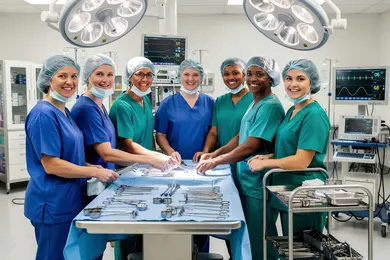
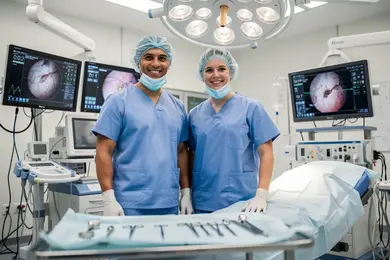
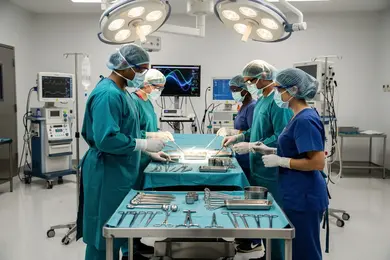
A practicum in a surgical tech program serves as a critical bridge between classroom theory and practical clinical experience. Structured within many U.S. higher education curricula, these practicums provide supervised, hands-on training that prepares students for real-world operating room challenges. Surveys reveal that over 85% of healthcare employers prioritize graduates who have completed rigorous experiential learning components, emphasizing the value of practicum experiences.
This guide outlines key aspects of surgical tech practicum requirements and overview.
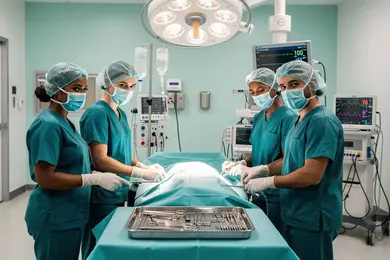
- Applied Learning: Unlike internships or capstone projects, practicums focus specifically on applying classroom knowledge in clinical settings. This immersive experience allows students to develop essential skills by assisting in live surgical environments under expert supervision.
- Timing Within Curriculum: Practicums generally occur after foundational coursework is completed, ensuring students possess the required theoretical background. This sequencing maximizes the benefits of hands-on practice during the later stages of the program.
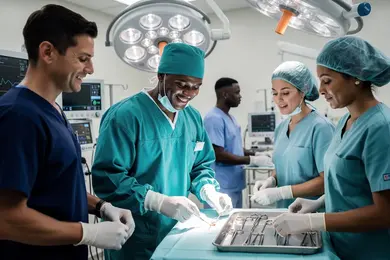
- Supervised Fieldwork: Licensed surgical technologists or clinical instructors closely monitor students' work, providing real-time feedback and ensuring adherence to safety protocols and professional standards.
- Evaluation and Feedback: Continuous assessment of technical skills and professional behavior during the practicum contributes directly to final program outcomes, certification eligibility, and readiness for workforce entry.
- Career Preparation: Practicums not only enhance skill development but also expand professional networks and improve employability by immersing students in authentic operating room dynamics pivotal for surgical tech career success.
For students considering alternative study options, exploring online colleges may offer flexible pathways to meet practicum and academic requirements.
What Are The Eligibility Requirements For Surgical Tech Practicum?
Eligibility standards for the surgical tech practicum exist to ensure students are both academically and professionally prepared for their hands-on clinical experiences. These requirements promote patient safety and uphold the integrity of training environments. Research shows that nearly 85% of accredited surgical tech programs enforce comprehensive prerequisites, demonstrating strong emphasis on experiential learning readiness and academic retention.
To meet surgical tech practicum eligibility criteria, students must typically satisfy several academic and administrative requirements, as outlined below:
- Minimum GPA: A cumulative GPA of 2.5 or higher is commonly required to demonstrate consistent academic performance and mastery of essential coursework necessary for clinical success.
- Prerequisite Coursework: Completion of foundational courses such as anatomy, physiology, and microbiology is essential. This coursework ensures students possess the technical knowledge required for effective participation during the practicum.
- Competency Verification: Students need to show proficiency in core surgical tech skills through lab assessments or skill checklists prior to practicum entry, confirming their readiness for supervised operative settings.
- Faculty Approval: Authorization from instructors or program coordinators is usually necessary. This approval reflects evaluations of students' academic progress, professionalism, and behavioral readiness for placement.
- Administrative Clearances: Compliance with health and safety protocols-including background checks, drug screenings, immunizations, and liability documentation-is mandatory to meet hospital or clinic standards where the practicum is conducted.
Surgical tech students should note that meeting these eligibility criteria not only facilitates practicum placement but also contributes to developing job-relevant competencies and professional readiness. For students looking to advance academically or professionally beyond surgical tech, exploring eMBA programs can provide additional career leverage.
How Many Practicum Hours Are Required For Surgical Tech Program?
Practicum hour requirements in surgical tech programs ensure students receive essential hands-on training that bridges classroom knowledge with real healthcare settings. These mandates vary depending on institutional policies, state regulations, and accrediting bodies like CAAHEP, with many programs requiring at least 400 hours of clinical experience to prepare students effectively for their careers.
Several important factors shape how these practicum hours are structured and completed:
- Typical Hour Ranges: Programs generally expect between 400 and 600 total practicum hours, with certificate and associate degree paths leaning toward the lower end, while bachelor's or advanced certifications may demand more extensive training.
- Observation vs. Hands-On: Practicum time includes both passive observation and active participation. While direct involvement in surgeries or sterile processing holds greater weight, supervised observation remains a critical component of skill development.
- Phased Rotations: Many curricula divide practicum experiences into distinct rotations across surgical specialties or healthcare environments, enabling students to build versatile competencies and adapt to varied clinical workflows.
- Supervision & Verification: Progress is closely monitored through logs, supervisor endorsements, and formal evaluations to confirm technical proficiency and professional readiness before program completion.
- Weekly Commitments: Students typically allocate 8 to 16 hours weekly during clinical semesters, scheduled to align with facility operations and optimize hands-on learning opportunities.
What Courses Must Be Completed Before Starting Practicum?
Prerequisite coursework plays a crucial role in ensuring students are academically and professionally prepared before starting their surgical tech practicum. These foundational classes provide essential knowledge and skills, enabling confident and competent performance in clinical settings. Research indicates that over 85% of employers prefer candidates who have completed prerequisite courses before field placements, underscoring the value of this preparation.
Programs typically require several categories of coursework before allowing students to begin practicum experiences, including:
- Foundational Sciences: Courses in anatomy, physiology, microbiology, and related subjects establish comprehensive knowledge of human biology and sterile techniques, essential for supporting surgical procedures safely.
- Ethics and Legal Studies: Training on professional ethics, patient confidentiality, and regulatory compliance fosters responsible behavior and awareness of legal duties within healthcare teams.
- Communication Skills: Instruction in both oral and written communication equips students to effectively interact with peers, patients, and interdisciplinary staff under pressure.
- Research and Critical Thinking: Exposure to research methodologies and evidence-based practice sharpens analytical abilities and problem-solving skills vital for clinical decision-making.
- Safety and Assessment Principles: Focused study on patient assessment, infection control, and workplace safety protocols prepares students to identify risks and maintain high safety standards during surgical care.
These prerequisite courses may vary slightly among fields such as nursing, counseling, or education, with curriculum sequencing playing an important role in determining practicum eligibility. Prospective students exploring training pathways can compare programs through resources highlighting popular online colleges to find offerings aligned with their career goals.
How Does The Surgical Tech Practicum Placement Process Work?
The practicum placement process in surgical tech programs plays a vital role in connecting academic learning with practical, clinical experience. Institutions partner with hospitals and surgical centers to provide supervised settings where students can develop hands-on skills and professional conduct.
Research shows that over 85% of healthcare employers prefer candidates who have completed practical clinical training, highlighting the significance of structured placements for student readiness and career development.
Key steps in the practicum placement process include:
- Eligibility Verification: Students must satisfy academic criteria and health clearances, such as completing prerequisite courses and submitting immunization records or background checks, to ensure compliance with safety regulations.
- Application and Matching: Through the school's practicum office, students submit placement preferences while coordinators align available clinical sites with student qualifications and goals, aiming for transparent and suitable matches.
- Institutional Coordination: Faculty work collaboratively with clinical hosts to confirm site readiness, maintain program standards, and uphold accreditation requirements, fostering long-term partnerships.
- Interview and Screening: Certain sites conduct interviews or additional evaluations to assess professionalism and fit, requiring students to showcase effective communication and clinical knowledge.
- Orientation and Onboarding: Post-placement, students undergo preparation on site policies, safety protocols, and reporting procedures, with administrative tasks managed by both the institution and host organization.
- Supervision and Assessment: Licensed surgical techs and faculty mentors closely oversee student progress during the practicum, providing feedback and ensuring adherence to clinical standards.
What Documents And Paperwork Are Required Before Practicum?
Pre-practicum documentation is essential in surgical tech programs to verify student eligibility, ensure compliance with health and safety standards, and streamline clinical placement processes. Research indicates that timely submission of these materials can improve student onboarding efficiency by up to 30%, underscoring their importance in meeting institutional and clinical expectations. These requirements help maintain consistent and safe learning environments while confirming readiness for hands-on fieldwork.
The necessary paperwork typically includes the following key elements:
- Application Forms: Students must complete detailed applications that capture personal data, academic history, and preferred practicum sites. These forms start the formal approval process, allowing institutions to assess eligibility and coordinate placements effectively.
- Health Clearances: Documentation of current physical exams, tuberculosis screenings, and immunization records are required to comply with healthcare facility policies. Providing up-to-date medical verifications protects both students and patients throughout clinical experiences.
- Background Screening: Criminal record checks and drug testing ensure that students meet professional and safety standards. These screenings are critical to securing placement at many clinical sites and safeguarding vulnerable populations.
- Consent and Confidentiality Acknowledgments: Forms confirming a student's understanding of ethical practices, confidentiality guidelines, and program rules set clear behavioral expectations. These agreements also protect patient privacy and uphold professional conduct.
- Liability Coverage and Approvals: Proof of malpractice or liability insurance, along with official authorization letters from schools or clinical partners, confirm legal protections and validate student clearance for practicum participation.
- Site-Specific Documentation: Some clinical facilities may require additional forms such as security clearances, orientation confirmations, or specialized training acknowledgments. These help ensure alignment with individual facility policies and smooth integration into the clinical environment.
What Background Checks, Immunizations, Or Clearances Are Needed?
Pre-practicum compliance requirements in surgical tech programs are designed to protect the health and safety of both students and the patients they will serve during clinical experiences. By ensuring legal, health, and immunization standards are met, these clearances reduce risks and maintain institutional trust.
A recent study by the National Network of Student Placement Safety found that over 90% of healthcare programs require background checks and immunization records before allowing students to begin clinical placements.
Common prerequisites for surgical tech practicum eligibility include the following:
- Criminal Background Checks: Students must complete comprehensive criminal history reviews, including fingerprinting in many cases, to confirm no offenses compromise patient safety or violate clinical site policies. These checks protect vulnerable populations and comply with state laws.
- Child Abuse and Fingerprint Clearances: When clinical sites involve minors or vulnerable groups, specialized clearances such as child abuse background checks are required. These add a layer of legal protection and ensure compliance with institutional policies.
- Immunization Records: Required vaccinations typically include hepatitis B, MMR, varicella, influenza, and tuberculosis screening. Documentation of current immunizations helps minimize infection risks in healthcare settings.
- CPR and Occupational Certifications: Certification in CPR or basic life support is necessary to meet occupational safety standards. Some programs may also require drug screening or other health clearances to adhere to regulatory guidelines.
- Completion Timelines and Documentation: Students must submit clearances according to practicum site deadlines, which vary by institution. Delays often arise from scheduling appointments or obtaining official documentation, emphasizing the need for early preparation.
What Should Students Expect During Surgical Tech Practicum Placement?
A surgical tech practicum placement bridges classroom theory with supervised real-world clinical experience, empowering students to develop essential hands-on skills. Experiential learning has become increasingly vital in higher education and workforce preparation, as over 80% of employers prefer candidates with demonstrable practicum experience for improved job readiness. This practical experience expectations during surgical tech practicum help foster confidence and professional competence.
During a surgical tech clinical placement, students should anticipate the following key aspects:
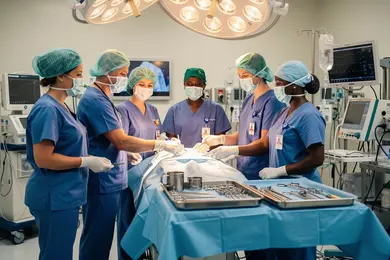
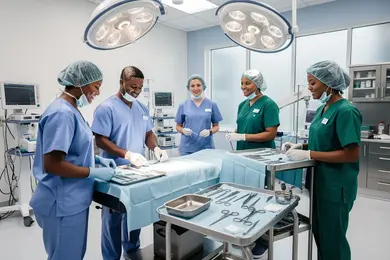
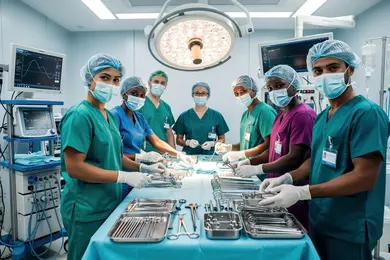
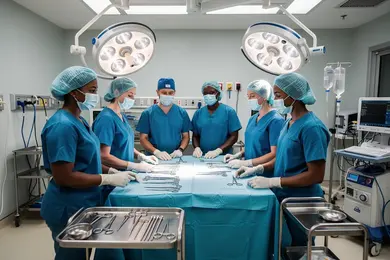
- Daily Responsibilities: Students assist in operating room preparations, sterilize instruments, and support surgical teams during procedures. These tasks involve precise instrument handling and maintaining a sterile field under direct supervision.
- Supervision And Mentorship: Close guidance from experienced surgical techs and clinical instructors provides valuable feedback and ensures adherence to protocols. This mentorship cultivates professional growth and skill refinement.
- Professional Conduct: Strict observance of hospital policies, patient confidentiality, and ethical standards is mandatory. Students must demonstrate punctuality, effective teamwork, and clear communication within multidisciplinary teams.
- Performance Evaluation: Ongoing assessments include practical skill demonstrations, written tests, and situational judgment reviews to certify competence and knowledge retention.
- Skill Enhancement: Practicum placements allow students to improve technical abilities such as aseptic techniques and surgical workflow understanding-enhancing adaptability and problem-solving in diverse cases.
- Workplace Communication: Clear, professional interaction with surgeons, nurses, and team members is critical. Students learn to interpret instructions accurately and efficiently convey information in high-pressure environments.
- Learning Challenges: Transitioning from theory to practice involves overcoming common obstacles like time management and adapting to fast-paced clinical settings. These challenges contribute significantly to maturation as a surgical tech professional.
Meeting daily responsibilities and supervision requirements during surgical tech clinical placement ensures students gain relevant experience crucial for certification and successful employment. Pursuing a surgical tech program alongside other studies-such as a shortest MBA program-can further enhance career prospects by broadening management and leadership skills.
How Are Practicum Students Supervised And Evaluated?
Supervision and evaluation in surgical tech practicums are crucial for developing students' technical skills and professional attitudes while ensuring academic accountability. These oversight mechanisms are commonly implemented in U.S. programs through structured guidance and ongoing assessment, which collectively prepare students for clinical practice.
Recent research indicates that well-designed experiential learning programs improve workforce readiness by up to 20% in health-related technician fields.
To understand practicum student supervision methods in surgical tech programs, consider the following key components:
- Supervisor Roles: Clinical supervisors, including experienced surgical technologists or nurses, oversee students directly during clinical procedures. They provide immediate feedback, correct technique, and enforce safety protocols to create a hands-on learning environment conducive to skill mastery.
- Faculty and Site Coordination: Faculty advisors and site coordinators jointly monitor student progress and ensure practicum objectives align with curriculum standards and accreditation requirements. Their collaboration maintains consistency across academic and clinical settings.
- Guidance and Communication: Frequent check-ins and informal communication opportunities enable students to receive formative feedback. This ongoing support helps address challenges early and clarifies expectations before final evaluations.
- Assessment Techniques: Evaluation typically combines direct observation, competency checklists, reflective journals, and formal performance reviews. These methods collectively assess technical proficiency, professional behavior, and problem-solving skills involved in clinical scenarios.
- Documentation and Review: Students maintain detailed records of their practicum experiences, which faculty and supervisors review periodically. This documentation tracks progress and identifies areas requiring improvement to meet defined competency benchmarks.
- Program Variations: While core supervision and evaluation principles remain consistent, practices may vary across institutions due to differing policies or accrediting bodies. This flexibility allows programs to adapt without compromising education quality.
Effective evaluation criteria for surgical tech practicum students emphasize both technical competence and professional growth. Students can also explore supplemental resources through related fields, such as graphic design graduate programs, to understand experiential learning approaches across disciplines.
How Does Practicum Help With Licensure Or Certification Requirements?
Practicum experiences serve as a vital bridge between academic learning and professional licensure or certification in surgical tech-related fields. These supervised clinical placements ensure students meet required regulatory standards by translating theory into real-world practice. Recent data indicates that over 85% of healthcare employers favor candidates with verified practicum hours, underscoring the value of this hands-on training.
Key elements of practicum requirements include the following:
- Clinical Hours: Most certification boards mandate a minimum number of supervised clinical or fieldwork hours. These placements immerse students in patient care environments where they apply operating room procedures and safety protocols under professional guidance.
- Competency Benchmarks: Throughout the practicum, students undergo assessments targeting critical technical and judgment skills. These evaluations ensure graduates can perform surgical tech duties competently and safely in real settings.
- Supervised Training: Licensed instructors or qualified healthcare professionals oversee practicum students. This supervision complies with accreditation requirements and helps maintain clinical standards and patient safety during skill acquisition.
- Documentation and Verification: Educational institutions meticulously record practicum hours and evaluations. This documentation forms essential proof for certification or licensing agencies when validating applicants' eligibility.
- Cross-Disciplinary Standards: Beyond surgical tech, practicum stipulations are common across allied health, counseling, and education fields. These experiences establish a consistent framework for certifying practical readiness across professions.
What Do Students Say About Their Surgical Tech Practicum Experience?
- Caiden: "My surgical tech practicum experience was ultimately rewarding, but I ran into a few bumps with eligibility requirements that delayed my start longer than expected. I had assumed placement would align exactly with my preferred hospital, yet I was pleasantly surprised by the diverse surgical settings I was exposed to instead. The supervision was thorough-my coordinator provided consistent feedback and formal evaluations that truly helped me refine my skills."
- Remington: "Preparing for the surgical tech practicum, I felt a mix of excitement and apprehension since I wasn't sure if my prior coursework would be enough to meet all prerequisites. The placement surpassed my expectations by giving real hands-on opportunities rather than just observational roles. Throughout the practicum, I was closely monitored by experienced surgical techs who encouraged reflective practice and periodic self-assessments, which deepened my learning."
- Adrian: "My practicum journey highlighted the importance of clear communication about eligibility from the start-this transparency could ease the process for incoming students. I valued the structured environment of my placement, where expectations matched reality and there was no ambiguity about duties and learning objectives. Supervision was professional and objective, with evaluators providing constructive critiques that prepared me well for a surgical tech career."
Other Things You Should Know About Surgical Tech Degrees
The completion schedule for practicum hours varies by program but often offers flexibility to accommodate students' needs. Many surgical tech programs allow part-time practicum hours, enabling students to balance clinical experience with other commitments. It is essential to confirm these options with the specific program to ensure compliance with accreditation standards and graduation requirements.
Yes, students typically must arrange their own transportation to and from practicum sites, as these placements are frequently located at affiliated hospitals or surgical centers off-campus. Some institutions may provide resources or guidance about local transit options, but logistical arrangements are generally the student's responsibility. Reliable transportation is crucial to maintain consistent attendance and fulfill required hours.
Choice of practicum location is usually limited by the program's established clinical partnerships and available site capacity. While some programs may consider student preferences, placement decisions are primarily made to ensure varied surgical exposure and adherence to educational standards. Students should be prepared for assignments at affiliated hospitals or surgical facilities that meet program criteria.
References
- Surgical Tech Program Success: Time Management - CNI College https://cnicollege.edu/blog/student-services/time-management-tips-surgical-tech-studies/
- Surgical Technologist Careers | Louisville, Ky. | Norton Healthcare https://nortonhealthcare.com/careers/career-areas/allied-health-professionals/surgical-technologist/
- On-Campus Surgical Tech AAS Degree | CHCP https://www.chcp.edu/degrees-certificates/surgical-technology-aas-degree/on-campus/
- Surgical Tech Internship Requirements: A Comprehensive Guide https://skillnation.in/posts/surgical-tech-internship/
- A Peek Behind the Curtain: What Are Surgical Tech Clinicals Really Like? | Rasmussen University https://www.rasmussen.edu/degrees/health-sciences/blog/what-are-surgical-tech-clinicals-really-like/
- Key Skills You Gain in a Surgical Technology Associate Degree Program https://eastwick.edu/news/key-skills-you-gain-in-a-surgical-technology-associate-degree-program/
- What Are a Few Qualifications for Surgical Tech Jobs? https://concentrichealthcare.com/what-are-a-few-qualifications-for-surgical-tech-jobs/
- Background Checks and Security Clearances for Federal Jobs https://gogovernment.org/application-process/background-checks-and-security-clearances-for-federal-jobs/
- What You Should Know Before Becoming a Surgical Technologist https://www.berks.edu/how-long-to-become-a-surg-tech-in-pa/
- Surgical Technician Training Program https://www.sih.net/careers/student-opportunities/student-employment/surgical-technician-training-program