
2027 Is Surgical Tech a Hard Major? What Students Should Know

Co-Founder and Chief Data Scientist
Surgical tech is often viewed as a demanding major due to its blend of rigorous coursework and practical skill development. According to the Bureau of Labor Statistics, employment for surgical technologists is projected to grow 7% over the next decade, reflecting growing industry needs and competitiveness in training programs. This growth underscores the importance of understanding the major's challenges.
This article will explore the course rigor, typical workload, essential technical skills, and factors that make the major more or less difficult depending on a student's background and learning style. Prospective students gain insight into what to expect academically and professionally in this specialized field.
Key Benefits of Surgical Tech as a Major
- Surgical tech programs offer practical skills training suited for career changers seeking fast entry into healthcare, with many completing certifications in under two years.
- They accommodate full-time workers by providing flexible schedules and online components, making education accessible without compromising existing responsibilities.
- Traditional undergraduates benefit from specialized coursework that builds confidence in clinical settings and sharpens problem-solving skills crucial for surgical environments.
Where Does Surgical Tech Rank Among the Hardest College Majors?
In national rankings, surgical tech is often viewed as moderately challenging rather than among the toughest college majors. Difficulty assessments usually consider workload intensity, technical and analytical demands, and the hours spent in practicums or labs.
Surgical tech programs typically require around 60 credit hours combined with approximately one year of clinical training, which involves hands-on experience in hospital environments.
For instance, the University of Cincinnati's associate degree in surgical tech entails 62 credits and a full year of clinical practice, with students achieving an 83% pass rate on certification exams in 2018, highlighting a substantial but manageable academic load.
Perceptions of surgical tech's difficulty vary widely based on the institution and individual student backgrounds. Compared to fields like engineering or pre-med, surgical tech is generally less demanding, though its emphasis on clinical skills and manual dexterity makes it comparable in challenge to nursing or respiratory therapy programs.
Students with prior healthcare experience or strong physical stamina may find surgical tech more accessible, whereas others might struggle with the emotional and physical stresses of operating room work.
Ultimately, how hard surgical tech feels depends on personal skills and adaptability to hands-on, high-pressure learning environments.
What Factors Make Surgical Tech a Hard Major?
Several academic and skill-related demands combine to make the surgical tech major challenging for many students. Mastery of complex scientific concepts along with rigorous practical training requires dedication and resilience. Here are some of the factors that influence the program's difficulty:
- Academic rigor of surgical technology programs: Students must excel in courses such as human anatomy, physiology, microbiology, and medical terminology, often needing to pass core science classes with a grade of C or higher. The program typically allows only a single unsuccessful attempt in these crucial courses, reflecting high academic standards.
- Surgical tech program workload and clinical requirements: Completion of 64 to 67 credits, including extensive clinical rotations, demands a significant time investment. Clinical hours can be long and require travel to off-campus sites, with some programs mandating at least 120 surgical cases across diverse specialties before graduation.
- Technical and analytical complexity: Beyond theory, students must quickly develop proficiency in sterile techniques, surgical instrument handling, and anticipate surgical team needs under pressure. This involves honing critical thinking, decision-making, and precise psychomotor skills essential for operating room environments.
- Field-specific demands: Maintaining current certifications, meeting stringent health requirements, and demonstrating stamina to function in surgical suites are mandatory. Only those who consistently meet these practical and professional standards complete the program on schedule.
For students considering different academic pathways, there are options such as the fast paced bachelor degree online that can offer flexibility while managing demanding course loads and clinical components.
Who Is a Good Fit for a Surgical Tech Major?
Identifying the best personality traits for surgical technologist students helps clarify who will succeed in this demanding field. Understanding the skills needed to succeed as a surgical tech guides learners to assess their fit before enrolling. Those traits include:
- Strong attention to detail: Surgical tech students excel when they can focus meticulously on procedures and instrument handling. This precision is essential for managing the complex clinical and technical tasks encountered in training and practice.
- Excellent manual dexterity: Those with refined fine motor skills, such as musicians or individuals with steady hands, find it easier to perform delicate tasks requiring exact instrument manipulation.
- Team players: Collaboration is key in operating rooms. Students with effective communication and interpersonal skills manage the demands of coordinated surgical workflows and patient care.
- Organizational skills and memorization ability: The program requires learning numerous instrument names and surgical steps. Organized learners who retain information benefit from smoother progression through coursework and clinical rotations.
- Adaptability and empathy: Being able to stay calm under pressure and respond sensitively to patients' needs helps students thrive in high-stress, fast-paced situations often found in surgical settings.
Students wondering if this challenging field suits them might explore the easiest 2 year degree to get for comparison, but possessing these core traits ultimately supports success in the surgical tech major.
How Can You Make a Surgical Tech Major Easier?
Many students find surgical tech programs demanding due to the need to balance theory, lab practice, and clinical work. However, applying effective strategies can help manage these challenges and improve learning outcomes.
- Create a structured schedule: Design daily and weekly plans allocating time for classes, studying, and clinical duties to avoid last-minute stress and maintain steady progress.
- Build core skills early: Focus on mastering basic techniques like aseptic procedures and instrument recognition first to create a solid foundation before advancing.
- Use observation rotations wisely: Participate in observation sessions before hands-on clinics to connect theoretical knowledge with real surgeries, boosting confidence and familiarity.
- Enhance communication: Develop active listening and clear dialogue with instructors and classmates to deepen understanding and cultivate mentor relationships.
- Seek academic support: Engage in study groups and tutoring, and proactively ask questions to clarify difficult concepts and reinforce learning.
A graduate who completed a surgical tech program shared that the initial overwhelm came from juggling intense clinical hours alongside classroom demands.
She found that keeping a detailed planner helped her avoid burnout by breaking tasks into manageable sections. Joining peer study groups offered both academic reinforcement and emotional support, which she described as "a game changer."
She also mentioned that watching recorded surgeries multiple times before clinicals reduced anxiety and allowed her to perform procedures with greater confidence.
Reflecting on her journey, she emphasized, "It wasn't easy, but developing a routine and not being afraid to ask for help made the toughest parts feel achievable." This experience illustrates how thoughtful preparation and leveraging available resources can make the surgical tech major more approachable.
Are Admissions to Surgical Tech Programs Competitive?
Admissions to surgical tech programs are indeed competitive, largely because the number of applicants typically surpasses the availability of seats.
Many schools receive far more applications than they can accommodate, driven by limited program size and rigorous prerequisite standards. These programs often require strong academic backgrounds to ensure students are prepared for the clinical challenges ahead.
Selection criteria vary but generally include a minimum GPA, usually around 2.3 or higher, and completion of prerequisite courses in biology, chemistry, and math. Entrance exams such as the HESI A2, along with interviews and healthcare experience, may also influence admission decisions.
Growing interest in surgical tech careers, supported by solid job prospects, continues to increase demand and competition for slots.
When speaking with a surgical tech professional about admissions, he described the process as "challenging but rewarding." He recalled how balancing prerequisite courses and preparing for the entrance exam felt overwhelming at times.
"I knew every point counted; it wasn't just about grades but also about showing dedication through experience and interviews." He appreciated that the competitive environment pushed him to develop skills and resilience that benefited him throughout the program and into his career.
Is an Online Surgical Tech Major Harder Than an On-Campus Program?
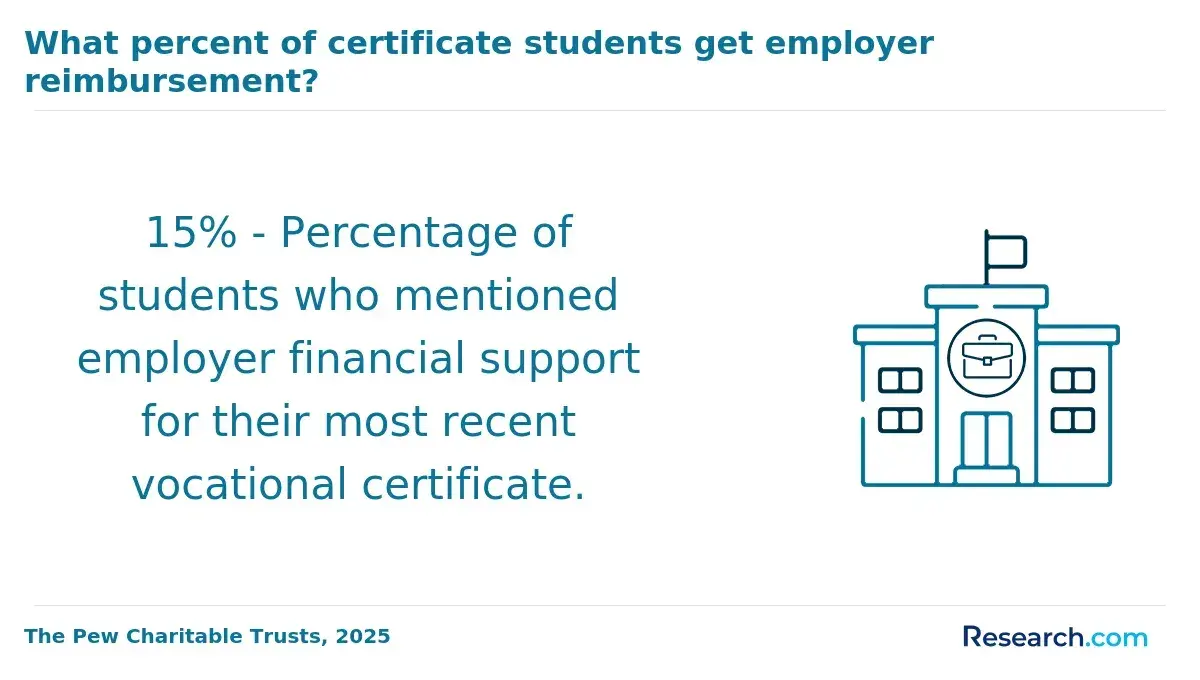
Whether online surgical tech programs are harder than on-campus options varies based on students' learning preferences, motivation, and access to hands-on training. Both formats demand mastery of complex medical knowledge and technical skills, presenting distinct challenges.
Below is a comparison of key factors influencing the difficulty of online versus traditional programs:
- Academic expectations and workload: Both online and on-campus students face rigorous coursework, competency exams, and required clinical hours, with no significant differences in knowledge acquisition or test scores reported.
- Interaction and support: On-campus students benefit from immediate, face-to-face feedback and collaboration, while online learners engage through virtual tools and may need to proactively seek support.
- Learning environment: In-person training provides more hands-on practice, essential for surgical techniques. Online surgical tech programs with clinical rotations require on-site attendance for skills labs, though simulation opportunities may be limited.
- Unique challenges: Online students must manage time effectively, maintain self-discipline, and rely on reliable internet, whereas on-campus students may have less schedule flexibility but receive more direct supervision.
Students comparing hybrid surgical tech training vs full-time on-campus programs should consider how each format aligns with their individual needs. The balance between online flexibility and practical experience critically affects perceived program difficulty.
For those exploring advanced education options, achieving a high paying master's degree can be part of broader career planning within healthcare fields.
Are Accelerated Surgical Tech Programs Harder Than Traditional Formats?
Accelerated surgical tech programs are generally harder than traditional formats because of condensed timelines and a higher pace of content delivery. Students face an intense, accelerated surgical tech program workload that demands quick learning and consistent performance under pressure.
Below is a comparison highlighting key differences between accelerated and traditional surgical tech programs:
- Course Pacing and Content Density: Accelerated tracks cover the same material as traditional programs but in much shorter spans, sometimes as brief as 16 weeks, requiring faster comprehension and skill acquisition.
- Workload Management: Students in accelerated programs often deal with frequent assessments and clinical rotations closely scheduled together, which may overwhelm those needing more time for mastery, while traditional formats allow for a steadier pace and more built-in review.
- Academic Expectations and Skill Demands: The fast-track nature intensifies the need for strong self-discipline, quick adaptation, and resilience, sometimes challenging students with limited healthcare backgrounds more than traditional routes.
- Learning Retention and Stress Levels: Due to less time for reflection and remediation, accelerated programs can increase stress and negatively impact retention for some learners, whereas traditional programs provide greater opportunities for repetition and remediation.
- Flexibility and Schedule Structure: Some accelerated formats offer online or hybrid options to improve flexibility, but daily schedules remain tightly organized. Traditional programs usually afford more predictable routines conducive to balancing work or family obligations.
These challenges of fast-track degrees contrast with the more measured tempo of traditional programs, making the choice highly dependent on individual learning styles and life circumstances.
Meanwhile, students interested in compressed but intensive studies might explore related fast online degrees that pay well.
Can You Manage a Part-Time Job While Majoring in Surgical Tech?
Students majoring in surgical tech can indeed hold part-time jobs, but success depends largely on the program's intensity and the student's weekly workload.
Surgical tech studies often require 30 to 40 hours per week, including classroom instruction, labs, and clinical rotations, which can restrict flexibility. Personal study habits and efficient time management are essential for balancing both commitments. Those with adaptable schedules or reduced credit loads typically find it more feasible to maintain employment alongside their education.
Many surgical tech students manage work-study balance by enrolling in part-time or evening classes that accommodate clinical hours and lab work. Jobs with flexible hours allow students to navigate the demanding project cycles and technical assignments inherent to the field.
Utilizing campus or online academic support further helps students keep pace with reading requirements and practical components. While the workload can be intense, careful planning and the availability of flexible class formats enable certain students to succeed in handling both responsibilities concurrently.
What Jobs Do Surgical Tech Majors Get, and Are They as Hard as the Degree Itself?
Career paths for surgical tech majors vary widely in terms of difficulty, responsibility, and required skills. While some jobs demand the same intensity and focus as the major itself, others may be less physically taxing or stressful in different ways.
Here are some common roles surgical tech graduates pursue:
- Surgical Technologist: The most prevalent position involves supporting operations by preparing equipment, maintaining sterile fields, and assisting surgeons during procedures. This job is typically as challenging as the major, with high-pressure environments requiring intense focus and stamina.
- Surgical First Assistant: With further certification, surgical techs may advance to this role, assisting surgeons more directly by handling exposure and controlling bleeding. This position often exceeds the major's demands due to heightened responsibility and technical skill.
- Specialty Surgical Tech (e.g., Neurosurgery, Cardiovascular): Specializing in complex surgical fields requires advanced skills and knowledge, making these roles equally or more demanding than the surgical tech major itself.
- Sterile Processing Technician: Working outside the operating room, these technicians sterilize and prepare instruments. This role is generally less physically and emotionally demanding than direct surgical tech jobs but still requires meticulous attention to detail.
- Surgical Tech Educator or Instructor: Experienced technologists may transition to teaching, training future surgical techs in academic or hospital settings. Although less physically intense, this career demands strong communication skills and up-to-date knowledge, offering a different kind of challenge.
Students interested in expanding their qualifications might explore colleges with dual degree programs to enhance their skill set and employment options.
Do Surgical Tech Graduates Earn Higher Salaries Because the Major Is Harder?
There is no clear link between the difficulty of a surgical tech major and higher salaries for graduates. While the coursework can be challenging due to the technical skills required, employers primarily reward practical competence and hands-on experience rather than academic rigor alone.
Salary differences tend to reflect market demand and the complexity of the job rather than how hard the major is. Skill development and certification often play a larger role in determining pay. Overall, higher earnings are more closely tied to workforce needs and demonstrated ability than to the academic difficulty of the program.
Several factors influence surgical tech salaries, including where graduates work, their specific roles, and their experience. For instance, the national average salary is about $62,830 annually, but those in states like California and New York earn more, sometimes over $73,000.
Working in outpatient care centers or specialty hospitals can also increase wages, with top professionals earning above $90,700. Experience and certifications further enhance pay, showing that salary outcomes depend heavily on location, employer type, and individual qualifications rather than just educational challenge.
What Graduates Say About Surgical Tech as Their Major
- Niko: "Choosing surgical tech as my major was definitely challenging, especially with the detailed knowledge required for each procedure. However, the hands-on learning made it incredibly rewarding and prepared me well for real-world situations. Despite the average cost of around $15,000 a year, I believe the investment was worth every penny for the career growth I've experienced. "
- Alana: "Reflecting on my time studying surgical tech, it was tough balancing the practical skills with theory, but it deepened my appreciation for the healthcare field. The cost, which can be close to $20,000 annually, was a significant factor for me, yet it truly opened doors to a stable and fulfilling job that makes a real difference in patient care. "
- Charles: "From a professional standpoint, surgical tech is a demanding major that requires dedication and resilience, but it equips you with invaluable expertise. The financial aspect was manageable, as programs typically range from $10,000 to $18,000 per year, and the return on investment through career opportunities has exceeded my expectations. "
Other Things You Should Know About Surgical Tech Degrees
Yes, there are prerequisites before starting a surgical tech major. Typically, students need a high school diploma or GED and may need to complete courses in anatomy, biology, and medical terminology. Some programs might also require CPR certification or relevant healthcare experience.
Yes, having a background in biology, anatomy, and physiology can be beneficial. These subjects provide foundational knowledge important for understanding medical procedures and equipment. Many programs may require or recommend these courses to ensure students are well-prepared for the rigors of the surgical tech curriculum.
In 2027, a surgical tech major typically requires completing 60 to 75 credit hours, including courses in anatomy, microbiology, surgical procedures, and patient care. Students often engage in lab work and clinical rotations to gain hands-on experience, averaged over four semesters.
References
- Is Surgical Tech School Hard? - Preppy https://preppy.org/is-surgical-tech-school-hard/
- Best Specialties in Surgical Technology | Brookline College https://www.brooklinecollege.edu/blog/best-specialties-in-surgical-technology/
- Taking the CST Exam | 10 Study Tips for The CST Exam https://communitycarecollege.edu/surgical-technology/surgical-technologist-program/taking-the-cst-exam/
- Is Surgical Tech School Harder Than Nursing School? https://www.stepful.com/post/is-surgical-tech-school-harder-than-nursing-school
- Best Surgical Technology/Technologist colleges in the U.S. 2025 https://www.universities.com/programs/surgical-technology-technologist-degrees
- TeachMeSurgery - Making Surgery Simple https://teachmesurgery.com/
- Surgical Tech Annual Salary: Pay, Growth & Jobs - Medical Prep https://medicalprep.org/surgical-tech-annual-salary/
- Is Becoming a Surgical Technician Worth It? - CNI College https://cnicollege.edu/blog/careers/is-becoming-surgical-technician-worth-it/
- Is Surgical Technology a Good Career? Discover the Benefits, Opportunities, and Growth - CBD College https://www.cbd.edu/blog/surgical-technology/is-surgical-technology-a-good-career-discover-the-benefits-opportunities-and-growth/
- Common Mistakes to Avoid When Preparing for Your Surgical Tech Exam | Health Tech Academy https://hofstra.healthtechacademy.org/surgical-tech/common-mistakes-to-avoid-when-preparing-for-your-surgical-tech-exam


