2027 Surgical Tech Internship Requirements: Hours, Placements, and Supervision

Co-Founder and Chief Data Scientist
Many students entering surgical tech programs face uncertainty about the practical demands of their internships. While classroom learning builds foundational knowledge, internships require completing specific clinical hours, often between 400 and 600, in real healthcare settings such as hospitals or outpatient surgical centers.
Supervision typically involves experienced surgical technologists or registered nurses who guide students through sterile techniques and instrumentation handling. With employment for surgical techs projected to grow by 12% over the next decade, understanding these requirements is crucial for career readiness.
This article clarifies internship hours, placement procedures, and supervision policies to support student success.
Key Things to Know About Surgical Tech Internship Requirements
- Most surgical tech internships require 400 to 600 hours, demanding careful academic scheduling to balance clinical duties with coursework and part-time jobs.
- Placement availability varies by region, with urban areas offering more sites, while rural students may face limited options and longer commute times.
- Strict supervision by credentialed professionals involves continuous evaluation, ensuring skill competency and adherence to safety protocols throughout the internship duration.
Do All Surgical Tech Degrees Require an Internship?
Internships are frequently integrated into surgical tech curricula to provide hands-on experience that bridges classroom theory with real-world application. Around 85% of accredited programs require completion of a clinical internship or practicum.
Several key factors influence whether an internship is mandatory in a surgical tech degree program:
- Program Type: The inclusion of an internship varies among certificate, diploma, and associate degree programs, with associate degrees more consistently mandating clinical internships.
- Accreditation Expectations: Accredited programs, particularly those recognized by CAAHEP, generally require demonstration of sufficient clinical training opportunities as part of their accreditation standards.
- Specialization Tracks: Certain specialized surgical tech tracks may have unique or additional experiential learning requirements that affect internship obligations.
- Alternative Experiential Learning: Some programs offer simulated labs, extended practicums, or hybrid clinical experiences as substitutes for traditional internships based on curriculum design.
Students should carefully review individual program requirements to understand clinical experience expectations, including minimum clinical hours required for surgical tech internship programs. Considering this, it is helpful to explore options such as the easiest graduate degrees if seeking flexible educational pathways with varied experiential components.
What Requirements Must Be Met Before Starting a Surgical Tech Internship?
Programs set clear prerequisites for surgical tech internships to ensure students are fully prepared for the clinical demands they will face. Research shows that students maintaining a GPA of at least 2.5 tend to perform better in hands-on settings, highlighting the importance of academic readiness.
Below are several common eligibility criteria often required before beginning an internship:
- Minimum GPA: Most programs require a GPA between 2.5 and 3.0 on a 4.0 scale to confirm that students have demonstrated consistent academic competence. This threshold helps ensure interns possess the knowledge base needed for clinical decision-making.
- Completed Coursework: Foundational classes such as anatomy, physiology, medical terminology, and sterile techniques must be successfully completed. These courses provide the essential theoretical background needed for safe and effective surgical practice.
- Application Approval: Students often must pass a formal application process including submission of transcripts, letters of recommendation, and sometimes interviews. This step verifies readiness and commitment to the internship's responsibilities.
- Background Checks and Drug Screening: To maintain patient safety and comply with healthcare facility policies, passing mandatory background checks and drug tests is typically required. These screenings protect both patients and institutions.

How Many Internship Hours Are Required for Surgical Tech Degrees?
Typically, programs require between 400 and 600 hours of clinical practice, often translating academic credits into actual time spent in practical settings. This ensures students build the necessary skills under real-world conditions. Several important factors contribute to how these hour requirements are determined:
- Academic Credit Equivalencies: Internship hours usually correspond to credit requirements, with one credit often equating to roughly 45-50 clinical hours. Schools adjust total hours based on the clinical course credits needed for completion.
- Program Type: Certificate and associate degree programs differ in their hour demands; associate degrees generally require more extensive clinical internships to meet their broader curriculum and accreditation standards.
- Accreditation Requirements: Bodies like the Commission on Accreditation of Allied Health Education Programs (CAAHEP) mandate minimum clinical hours to ensure programs maintain quality and graduates achieve competent practical skills.
- Enrollment Status: Full-time students typically complete internship hours within one semester or academic year, while part-time students may extend their clinical experience across multiple terms to accommodate scheduling.
A surgical tech degree graduate shared that completing the required internship hours was both challenging and rewarding. He described balancing clinical rotations with coursework as demanding but vital for building confidence in the operating room.
"The hours felt long at times," he recalled, "especially managing real-time patient care scenarios while applying what we learned in class. But those hours really prepared me to work independently and handle unexpected situations."
His experience highlighted how these clinical hours are a critical bridge between education and professional readiness.
Where Do Surgical Tech Students Complete Internships?
Internship placement environments play a crucial role in shaping the experiential learning of surgical tech students by exposing them to diverse surgical procedures and patient care settings. Approximately 70% of hospital and clinical internship placements for surgical tech students occur in hospital environments, yet there is growing diversity in placement options.
The following examples highlight common settings where internships typically take place:
- Hospitals and Medical Centers: These are the primary sites for surgical tech internships, offering hands-on experience with a broad range of surgical specialties and acute patient care in fast-paced operating rooms.
- Ambulatory Surgical Centers: These outpatient facilities provide an opportunity to work on less complex procedures and develop skills in environments focused on efficiency and patient turnover.
- Corporate Healthcare Organizations: Internship opportunities within health-focused corporations expose students to administrative and technical aspects of surgical technology beyond traditional clinical settings.
- Government Health Agencies: These placements allow students to understand public health surgical services, often involving community outreach or specialized government hospital environments.
- Research Institutions: Some surgical tech students gain experience in research centers, blending clinical practice with innovative surgical technologies and techniques, enhancing their adaptability and expertise.
For those interested in expanding their healthcare credentials, consider exploring masters of psychology online programs as a complementary pathway.
How Are Internship Placements Assigned in Surgical Tech Programs?
Internship placements in surgical tech programs follow carefully organized procedures to ensure students gain the required clinical experience in suitable environments. These systems are designed to balance program partnerships, student needs, and accreditation standards.
A 2023 study showed that 65% of surgical tech students were matched to clinical sites through institutional coordination alone, highlighting the structured nature of these placements.
The following points outline the common methods programs use to assign internships.
- Faculty-Guided Matching: Experienced faculty or clinical coordinators evaluate student preferences, availability, and performance to pair individuals with appropriate clinical sites, aiming to optimize educational outcomes while meeting facility requirements.
- Partnership-Based Assignments: Many programs maintain formal agreements with hospitals and healthcare centers, enabling placements based on existing collaborations that guarantee clinical supervision and diverse surgical exposure.
- Centralized Placement Systems: Some institutions employ a centralized platform where students submit preferences or applications, and placements are allocated algorithmically or through committee review for fairness and efficiency.
- Student Input Consideration: While institutions control final decisions, students sometimes express placement preferences or request specific facilities, which advisors may accommodate when feasible and appropriate.
When I spoke with a surgical tech degree student about her internship assignment, she described the process as "both exciting and a bit nerve-wracking." Although the school guided her placement, she appreciated the chance to voice preferences, especially wanting exposure to orthopedic surgeries.
She noted that "the coordinators were helpful and responsive," which made scheduling easier despite occasional waiting for site availability. This experience reinforced her confidence that the structured yet flexible placement approach is essential for gaining meaningful clinical training.
Are Virtual or Remote Internships Available?
Remote and virtual internships have become increasingly common in healthcare education, reflecting broader shifts in how experiential training is delivered. A 2023 study by the National Association of Colleges and Employers found that more than 40% of healthcare internships offered virtual or hybrid options, highlighting growing acceptance of flexible learning environments.
This is influencing surgical tech programs, which are incorporating online components to supplement traditional hands-on training. These adaptations allow students to gain diverse experiences while accommodating new educational models.
Virtual internships in surgical tech programs serve as complementary learning tools rather than full substitutes for in-person clinical hours. They offer greater scheduling flexibility and enable students to connect with a wider range of healthcare settings beyond their local area.
These programs often use video conferencing, virtual simulations, and secure messaging to support interactive learning and supervision. However, the extent of remote internship availability varies depending on each program's curriculum design and state licensing requirements, meaning most still require substantial on-site clinical practice to meet certification standards.
Are Part-Time Internships Allowed for Working Students?
Balancing work and education is a common challenge for many surgical tech students. Nearly 40% of full-time college students in the U.S. work part-time or full-time, making flexible internship options essential for those pursuing hands-on clinical experience. Surgical tech programs often address this need by offering adaptable internship schedules.
The following points highlight key features of these part-time internships:
- Scheduling Flexibility: Clinical hours can be arranged around students' work commitments, often allowing them to spread required hours over an extended period without compromising essential experience.
- Employer Accommodations: Some healthcare providers collaborate with educational programs to customize shifts that align with both clinical requirements and students' job schedules.
- Academic Workload Balance: Part-time internships help students integrate coursework and hands-on training more manageably, reducing the risk of burnout and improving retention of skills.
- Program-Specific Restrictions: Certain surgical tech programs limit part-time internship availability based on accreditation standards or state regulations; students should verify their program's policies to confirm eligibility.
What Supervision Is Required During a Surgical Tech Internship?
Effective supervision is critical in surgical tech internships to ensure students gain hands-on experience while maintaining patient safety and professional standards. Studies show that structured mentorship during clinical internships can increase student competence by up to 40%, highlighting the impact of active guidance.
Below are key elements of the supervision requirements for surgical tech internships in the United States that foster learning and accountability.
- Faculty Oversight: Faculty members coordinate with clinical sites to monitor student progress closely, ensuring learning objectives are met. They also maintain communication with onsite supervisors to address any difficulties, linking academic instruction with real-world practice.
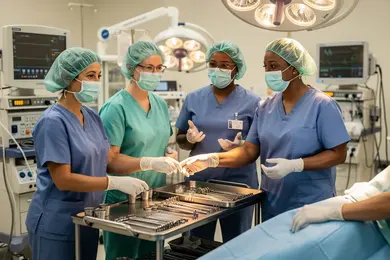
- Workplace Mentors: Experienced surgical technologists or operating room nurses serve as workplace mentors, providing hands-on guidance during procedures. Their role is crucial in modeling proper techniques and offering immediate support to develop technical skills.
- Progress Monitoring: Continuous observation and documentation of student performance allow supervisors to assess adherence to sterile procedures, proper instrument use, and teamwork. This helps maintain a structured environment where patient safety and quality care remain priorities.
- Performance Feedback: Timely, constructive feedback is given to correct errors and reinforce best practices. Formal discussions support professional growth and ethical conduct, preparing students for the responsibilities of surgical technologists.
For those seeking additional educational opportunities, affordable EdD programs online may provide further professional development pathways.
How Are Surgical Tech Internships Evaluated?
Evaluating surgical tech internships is essential for maintaining standardized performance criteria for surgical tech internship assessments and ensuring students are ready for real clinical environments. Studies indicate that programs incorporating diverse evaluation methods experience improved student readiness, with 85% reporting better preparedness for certification exams.
The following outlines common strategies programs use to assess student learning outcomes:
- Supervisor Reviews: Certified surgical technologists or clinical instructors directly observe student performance during surgical procedures. They assess technical skills, adherence to sterility protocols, and teamwork, providing detailed feedback to promote skill refinement.
- Reflective Assignments: Students often complete journals or reports analyzing their internship experiences, challenges, and lessons learned. This encourages critical thinking and self-assessment, supporting ongoing professional development.
- Performance Benchmarks: Programs establish clear, measurable competencies such as correct preparation of surgical instruments and maintaining patient safety. Meeting these benchmarks ensures consistent quality across all students.
- Faculty Assessments: Academic instructors review portfolios, exam results, and clinical data to evaluate practical skill development and overall competence in line with clinical standards.
- Standardized Performance Criteria: Using established criteria streamlines evaluation across clinical settings, helping programs objectively measure student success and readiness for certification and employment.
For those exploring broader educational pathways that may complement clinical expertise, options like the best MBA in operations management can enhance career flexibility in healthcare settings.
What Challenges Do Surgical Tech Students Face During Internships?
Internships offer vital hands-on experience for surgical tech students but can also introduce significant challenges. Reports indicate that about 68% of these students face moderate to high stress levels during clinical placements. Below are some common obstacles encountered during these demanding periods:
- Balancing Schedules: Juggling clinical hours alongside coursework and personal commitments often creates time management difficulties. This challenge intensifies when students must coordinate internships with part-time jobs or family responsibilities.
- Adapting to Workplace Expectations: Transitioning from classroom theory to fast-paced surgical environments requires learning professional conduct and communication skills rapidly, which can be nerve-wracking for many students.
- Transportation and Financial Constraints: Long shifts in hospitals or surgical centers require dependable commuting options, which may strain some students' budgets. Additionally, most internships are unpaid, leading to financial pressure while covering living expenses.
- Managing Professional Duties: New responsibilities such as maintaining sterility, handling instruments, and being prepared for emergencies demand intense focus and emotional control, highlighting the technical and emotional demands of the role.
- Stress and Workload: Addressing these various pressures effectively improves training outcomes and student satisfaction, essential elements for success in surgical tech internships.
Students evaluating pathways to gain practical experience might also explore "What are the cheapest online colleges?" that offer related programs to ease financial burdens.
What Graduates Say About Surgical Tech Internship Requirements
- Caiden: "The internship component of my surgical tech degree was invaluable, especially the 400 hours of hands-on experience in various hospital settings. Having supervised internships ensured I was confident and competent before entering the workforce. This immersive exposure truly shaped my ability to adapt and thrive in fast-paced operating rooms."
- Remington: "Reflecting on my surgical tech internship, I appreciate how the placements were thoughtfully organized to cover different specialties. The mentorship I received during supervised rotations helped me develop precision and professionalism. I believe these experiences gave me a significant advantage when starting my career in surgical technology."
- Adrian: "My surgical tech degree internship challenged me to build technical skills while learning to communicate effectively with surgical teams. Completing structured supervised hours gave me real insight into operating room dynamics and patient care. These experiences were pivotal in building the confidence I rely on daily as a practicing surgical technologist."
Other Things You Should Know About Surgical Tech Degrees
In 2027, surgical tech interns are generally expected to assist with sterilizing equipment, organizing surgical instruments, prepping operating rooms, and supporting surgical teams during procedures. Their tasks aim to enhance both technical skills and comprehensive understanding of surgical protocols.
Yes, internships can take place in diverse healthcare environments such as hospitals, outpatient surgical centers, or specialty clinics. Each setting might offer different experiences with varying case types and patient care protocols, providing broad exposure to surgical technology practices. This diversity helps students gain a comprehensive understanding of the field.
Most surgical tech programs require students to have completed certain prerequisite courses and maintain up-to-date immunizations before beginning an internship. While formal certification like the Certified Surgical Technologist (CST) credential is often pursued after completing the internship, some programs may require progress toward certification as part of internship eligibility. These measures ensure student readiness and patient safety.
Internship performance is typically a critical component of program requirements, with evaluations impacting students' final grades or standing. Successful completion of clinical hours and demonstration of competency during the internship are necessary to fulfill graduation criteria. This practical experience bridges academic knowledge with real-world application.
References
- How to Prepare for Surgical Tech School | Brookline College https://www.brooklinecollege.edu/blog/how-to-prepare-for-surgical-tech-school/
- Mayo Clinic Job Opportunities | Remote https://jobs.mayoclinic.org/Remote
- Internship Details https://apps.tamusa.edu/future-intern/job.php
- Surgical Technologist Apprenticeship https://www.henryford.com/careers/healthcare-apprenticeships/surgical-technologist
- Surgical Technologist Internship https://careers.rochesterregional.org/you-belong-here/earlycareers/student-opportunities/surgical-technology-internship/
- 9 Steps to Becoming a Surgical Tech (+ Requirements) https://www.stepful.com/post/how-to-become-a-surgical-tech
- Surgical Techs Qualify For the Ace Surgical Assisting Program https://www.acesatraining.com/surgical-tech/
- Surgical Technology Instructor - Virtual https://jobs.ashbyhq.com/Stepful/958ad565-ef83-4c19-aa8d-53550315ba62
- Surgical Tech Internship Requirements: A Comprehensive Guide https://skillnation.in/posts/surgical-tech-internship/
- How to Become a Surgical Technologist - NY Health Careers https://www.healthcareersinfo.net/profession/surgical-technologists/