
2027 Surgical Tech Degree vs. Certificate: Which Should You Choose?

Co-Founder and Chief Data Scientist
Today's students and professionals face a crucial choice when deciding between earning a surgical tech degree or a certificate. Both paths can advance a career in the growing healthcare field, but they differ in duration, depth of training, and credential recognition. While a degree often takes longer, it may open more opportunities; certificates typically require less time and focus on specific skills.
Approximately 45% of surgical techs hold a certificate, while many employers prefer degree holders for advanced roles. Understanding these differences helps align education with career goals and lifestyle needs. This article will explore key factors to guide your decision effectively.
Key Points About Surgical Tech Degree vs. Certificate Programs
- Degree programs often offer broader clinical training and general education, enhancing critical thinking and increasing eligibility for supervisory roles compared to certificates.
- Certificate programs provide faster entry into the workforce, ideal for those prioritizing quick certification and immediate skill acquisition in surgical tech tasks.
- On average, surgical techs with degrees may have 10-15% higher salary potential and more advancement opportunities than those with certificates alone.
What Are the Differences Between Surgical Tech Degree and Certificate Programs?
Both surgical tech degrees and certificate programs offer pathways into the surgical technology field, but they vary in important ways. Knowing these differences helps students decide which option best matches their career goals and timeline for completing education.
Below is a comparison of the main distinctions between surgical tech degrees and certificate programs.
- Career Advancement: Degree programs often provide a broader foundation and may open doors to leadership or specialized roles, making them suitable for those seeking long-term growth. Certificates focus on essential skills and quicker entry into the workforce, ideal for students prioritizing rapid employment.
- Depth of Learning: Degree pathways typically include more comprehensive coursework, covering general education and surgical tech principles, which suits learners wanting a well-rounded education. Certificate programs concentrate on hands-on training and core technical skills, appealing to those who prefer focused, practical learning.
- Program Duration: Certificates are generally shorter and more intensive, allowing students to finish quickly and enter the job market sooner. Degrees require a longer commitment but offer a more extensive academic experience.
- Flexibility: Some degree programs may offer part-time or online options for working students, while certificates are often designed to be completed full-time. Students balancing work or family might find certain formats more convenient depending on the program.
How Long Does It Take to Complete a Surgical Tech Degree vs. a Certificate Program?
Completion time is one of the most important factors for students choosing between a surgical tech degree vs. certificate program. Understanding how long each pathway takes can help prospective students align their education with career goals and personal commitments.
- Typical Duration: A surgical tech certificate duration typically ranges from 9 to 15 months when pursued full-time, focusing mainly on core surgical skills and hands-on clinical experience. In contrast, a surgical tech degree program length usually requires 18 to 24 months, including general education courses alongside specialized training.
- Flexibility: Certificate programs often require full-time attendance, although some offer accelerated options that can shorten completion to 8-10 months. The associate degree offers more pacing flexibility, with part-time or evening programs extending the timeline up to 30-36 months to accommodate work or family obligations.
- Factors Affecting Timeline: Various elements can influence the total time needed, such as prerequisites, transfer credits, and previous healthcare experience. Additionally, preparing for certification exams after graduation can add 1-3 months before entering the workforce.
For those seeking a flexible route, there are options like the online accelerated associate's degree programs, which may offer a faster path to completion. Considering the surgical tech certificate duration versus degree program length carefully helps students determine which educational track best fits their schedule and career ambitions.
Can You Complete a Surgical Tech Degree or Certificate Entirely Online?
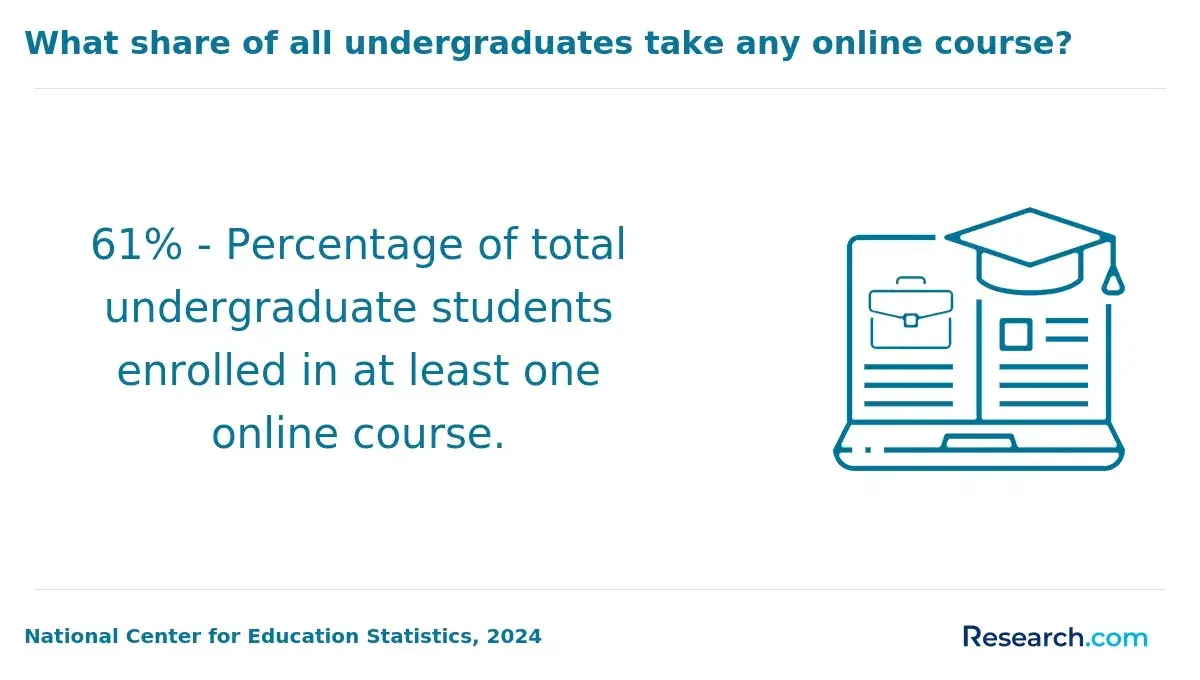
Online education has grown substantially, offering flexible options in many healthcare fields, including surgical technology. However, a fully online surgical tech degree or certificate is uncommon for entry-level students because most accredited programs require in-person clinical training. Some institutions, like San Francisco State University and Health Tech Academy, provide an online surgical technologist certificate course covering theory and foundational skills, but these often include a required or optional externship for practical experience.
For those already certified, certain schools, such as Concorde, offer fully online surgical tech degree-completion options; however, enrollment is limited to certified surgical technologists with prior clinical experience. Choosing the easiest bachelor degree to get is one consideration for students exploring flexible educational pathways.
Hands-on training remains essential due to the practical demands of surgical tech roles. Most certificate and degree programs require clinical externships or internships completed in person to meet certification and licensure standards. Prospective students new to the field should expect a hybrid format combining online coursework with mandatory hands-on training.
Those seeking advancement may find fully online degree-completion programs suitable if they already have clinical experience. Carefully reviewing program requirements will help align flexibility, hands-on experience, and licensure goals with the best online format for you.
What Are the Admission Requirements for a Surgical Tech Degree vs. a Certificate Program?
Understanding admission requirements is crucial when deciding between a surgical tech degree and a certificate program, as these criteria influence how quickly and efficiently you can start your training and enter the workforce. A clear comparison of these requirements can help prospective students select the path that best aligns with their academic background and career goals.
Below is a side-by-side overview of the key admission standards for each program type.
Admission Requirements for Surgical Tech Degree Programs
- Educational Background: Applicants must have a high school diploma or GED to qualify as part of surgical technologist degree admission requirements.
- College Transcripts: Submission of transcripts is usually required, especially if the applicant has completed prior college coursework.
- Minimum GPA: Many programs expect a GPA of 2.5 or higher, or at least a C+ (75%) average in prerequisite courses.
- Prerequisite Courses: Completion of college-level anatomy, biology, chemistry, math, and English with grades of C or better is often mandatory.
- Standardized Tests: Some programs request SAT, ACT, or college placement test scores focusing on math and English.
- Interview and Personal Statement: Candidates may need to participate in an interview and submit a personal statement explaining their motivation and readiness.
- Orientation: Admitted students typically attend a mandatory orientation before classes begin.
Admission Requirements for Surgical Tech Certificate Programs
- Educational Background: A high school diploma or GED is generally the main prerequisite for surgical tech certificate program prerequisites.
- Standardized Tests: SAT or ACT scores may be requested but are less commonly required than for degree programs.
- No College Prerequisites: Most certificate programs do not demand prior college coursework or specific prerequisite classes, allowing quicker entry.
- Application Process: Candidates usually submit an application and transcripts, though requirements are less rigorous than for degree programs.
- Program Assessments: Some schools might require program preview courses or brief assessments, but these are not universal.
Choosing between these pathways affects your career timeline and educational experience. For those interested in exploring related fields, consider researching college majors that pay well to find complementary or advanced options in healthcare education.
How Many Credits Do You Need to Complete a Surgical Tech Degree vs. a Certificate?
Knowing the credit requirements for surgical tech programs helps students realistically plan their study schedules and anticipate the time commitment needed to complete their education. Understanding the differences between degree and certificate options makes it easier to choose the right path based on individual goals and timelines.
Here's a comparison of typical credit expectations for surgical tech degree and certificate programs:
- Surgical Tech Associate Degree: Usually requires about 60 to 67 credits, including major-specific courses and general education. These programs typically take around two years of full-time study to complete.
- Surgical Tech Certificate: Generally involves between 30 and 44 credits focused mainly on core technical skills and clinical experience, with less emphasis on general education. Certificate programs can sometimes be finished in less than a year.
What Is the Average Tuition for a Surgical Tech Degree vs. a Certificate?
Tuition costs play a crucial role in deciding between pursuing a surgical tech degree or a certificate, as they directly impact your financial investment and career return. To better understand the financial commitment involved, it helps to compare the average tuition ranges for each educational path.
Average Tuition for Surgical Tech Degree Programs
- Tuition Range: Associate degree programs in surgical technology typically cost between $10,000 and $38,000, depending on the institution and program length.
- Public vs. Private Institutions: Public community colleges usually provide more affordable tuition rates, while private colleges can charge fees at the higher end of the spectrum.
- Program Length: These degrees generally take around two years to complete and include general education courses alongside surgical tech training, contributing to higher overall costs.
- Additional Expenses: Beyond tuition, students must budget for books, supplies, uniforms, and certification exam fees, which can add considerably to total expenses.
- Campus vs. Hybrid Formats: Hybrid programs combine online and in-person training, but fully online surgical tech degrees are rare due to necessary clinical requirements.
Average Tuition for Surgical Tech Certificate Programs
- Tuition Range: Surgical tech certificate tuition comparison shows costs generally range from $4,000 to $25,000, with most programs offered at community colleges and technical schools falling between $5,000 and $8,000.
- Program Duration: Certificate programs are often shorter, usually completing within 12-18 months, resulting in a lower total cost compared to degree pathways.
- Online Options: The most affordable choices include online certificate programs with tuition as low as $3,000, although accreditation and state acceptance can vary; some students explore online schools that take FAFSA for financial aid options.
- In-Person vs. Online: On-campus certificates tend to be pricier than online ones, yet both formats prepare students for national certification exams.
- Accreditation Impact: Accredited certificate programs often cost more but are essential for eligibility to sit for certification exams and increase employment opportunities in many states.
Understanding the average cost of surgical tech degree program and how it compares with certificate tuition options provides a clearer picture of what financial investment is required to pursue a career in this field.
Can You Transfer Certificate Credits Toward a Surgical Tech Degree Later On?
You can often transfer credits from a surgical tech certificate program toward a surgical tech degree, but this depends on several factors. Key considerations include the policies of the institution accepting the credits, accreditation status, and how closely the courses align with the degree requirements.
Generally, credits must come from programs accredited by recognized bodies like the Commission on Accreditation of Allied Health Education Programs (CAAHEP). Additionally, transfer eligibility often hinges on the relevance of completed courses to the degree curriculum, meaning general education credits might not transfer.
There are limits to how many credits can transfer, with some schools insisting that a certain percentage of coursework be completed at their institution. Students may also need to meet minimum grade thresholds, often around 75%, on final exams for their credits to count. Since transfer policies vary widely, it's essential to request a formal evaluation of your transcript before enrolling in a degree program. Verifying transfer options in advance helps ensure you get the most value from both your certificate and degree studies.
Are Certificate Programs Accredited the Same Way as Surgical Tech Degrees?
Certificate programs and surgical tech degree programs are not accredited identically, though both require accreditation to meet standards for certification eligibility. Surgical tech degrees, usually associate degrees, must be accredited by established agencies like the Commission on Accreditation of Allied Health Education Programs (CAAHEP) or the Accrediting Bureau of Health Education Schools (ABHES) to qualify graduates for the Certified Surgical Technologist (CST) exam.
Certificate programs vary more widely; some hold CAAHEP or ABHES accreditation making graduates eligible for the CST exam, while others are accredited by different organizations or meet requirements only for the Tech in Surgery-Certified (TS-C) exam from the National Center for Competency Testing (NCCT). In certain cases, NCCT also accepts relevant work experience instead of formal training. This distinction is crucial when choosing the right pathway.
Accreditation guarantees that the program meets essential educational standards, including curriculum rigor, faculty qualifications, and clinical experiences. It also influences your certification options, transfer credits, and employment opportunities, as employers often require recognized credentials like CST or TS-C.
Students evaluating surgical tech training should prioritize programs accredited by CAAHEP or ABHES for CST eligibility or those authorized by NCCT for TS-C certification. Additionally, up-to-date curricula and verified clinical practice are important quality markers. Always verify accreditation status through recognized accrediting bodies before committing to a program to ensure your education supports your career goals.
What Jobs Can You Get with a Surgical Tech Degree vs. a Certificate?
Both surgical tech degrees and certificates can open doors to operating room careers, but they often qualify graduates for different roles and levels of responsibility. Understanding the distinctions between these credentials helps in choosing the right path based on career goals and desired job functions.
Below is a comparison of potential job opportunities associated with each credential.
Jobs You Can Get with a Surgical Tech Degree
- Surgical technologist: Performs advanced support during surgeries, assisting surgeons and handling instruments throughout procedures.
- Certified surgical technologist: Certified professionals who have passed the national exam, often entrusted with complex surgical tasks and maintaining sterile environments.
- Lead surgical technologist: Oversees surgical tech staff during operations and ensures protocols are followed.
- Surgical first assistant: Works alongside surgeons by providing direct patient care during surgery, requiring extra training or certification.
- Operating room team leader: Manages the surgical team's workflow, coordinating preparation and post-operative duties.
Jobs You Can Get with a Surgical Tech Certificate
- Surgical technician: Supports the surgical team by preparing instruments and rooms for procedures, often handling sterilization tasks.
- Operating room technician: Focuses on setting up the operating room and ensuring all equipment is functioning properly before surgeries.
- Sterile processing technician: Responsible for cleaning and sterilizing surgical tools and maintaining sterile supplies.
- Basic surgical assistant: Provides fundamental support during procedures, assisting with routine tasks under supervision.
What Is the Average Starting Salary for a Certificate vs. Surgical Tech Degree Graduates?
Salary potential often varies significantly between surgical tech certificate holders and those with a surgical tech degree. Understanding the differences in earning potential can help prospective students make informed decisions about their education path.
Here is a surgical tech degree vs certificate salary comparison highlighting average starting salaries and key influencing factors for each credential.
- Typical Salary Range: The average starting salary for surgical tech certificate holders typically ranges from $40,000 to $48,000 per year, while those holding an associate degree usually command higher starting salaries, averaging $45,000 to $55,000 per year.
- Influencing Factors: Geographic location, experience, and industry setting have a strong impact on earnings. Surgical techs in metropolitan or high-demand areas tend to earn more, and certified professionals often see about 10% higher pay than uncertified peers regardless of credential level.
- Career Outlook: The demand for surgical techs remains strong, with a projected job growth of 5% from 2022 to 2032, which is faster than the average for all occupations. This supports steady salary increases and advancement opportunities over time.
- Credential Choice Consideration: The average starting salary for surgical tech certificate holders may be lower, but certificate programs often require less time and cost than degree programs. Exploring options such as which universities offer dual degree programs can maximize both credentials and career potential.
Here's What Graduates of Surgical Tech Programs Say About Their Degree or Certificate
- Jase: "Choosing the surgical tech certificate program was a fast and cost-effective way for me to enter the field quickly. The pace was intense but rewarding, focusing heavily on hands-on skills that I use daily as a surgical tech. For those who want to jumpstart their career without the higher cost and longer duration of a degree, this program is a solid choice."
- Declan: "Completing the surgical tech degree program gave me a deeper understanding of the medical field, blending theory with practice at a steadier pace than a certificate course. It was a more significant financial commitment, but I appreciated how it opened doors to more advanced positions and gave me a broader career outlook. Reflecting back, investing in the degree was pivotal for my professional growth."
- Aaron: "I pursued both surgical tech certificate and degree programs to maximize my skills and career potential. The certificate offered rapid skill acquisition, while the degree expanded my knowledge and opportunities, though at a higher cost and longer timeline. Balancing both helped me make informed decisions about my path, proving that understanding the pros and cons of each is essential for success. "
Other Things You Should Know About Surgical Tech Degrees
In 2027, prerequisites for a surgical tech degree program typically include a high school diploma or GED, completion of biology and chemistry courses, and possibly a background check. Each program may have specific requirements, so verify with the desired institution.
Both surgical tech degree and certificate programs generally require hands-on clinical experience. This practical training is critical for developing real-world skills in operating room protocols, equipment handling, and patient care. The amount and structure of clinical hours may vary, but each program ensures students receive supervised experience in a healthcare setting.
In 2027, surgical tech degree holders typically have more job advancement opportunities compared to certificate holders. Degrees often lead to higher employment positions, including supervisory roles, due to the comprehensive education and training provided, while certificates generally qualify individuals for entry-level positions.
References
- Certification vs Degree Programs – What’s the Best Fit for You? https://pmi.edu/blog/certification-vs-degree-programs-whats-the-best-fit-for-you/
- Surgical Technology Training and Certification https://www.facs.org/about-acs/statements/surgical-technology-training-and-certification/
- Program Entrance Requirements https://www.aims.edu/degrees-certificates/surgical-technology/program-entrance-requirements
- Surgical Technology https://www.ccbcmd.edu/Programs-and-Courses-Finder/Program/surgical-technology.html
- Surgical Technologist - Explore Healthcare Careers - Mayo Clinic College of Medicine & Science https://college.mayo.edu/academics/explore-health-care-careers/careers-a-z/surgical-technologist/
- How to Get a Surgical Technician Certification (CST & TS-C) https://www.stepful.com/post/surgical-technician-certification
- Surgical Technology https://www.cod.edu/academics/programs/surgical-tech/
- How Much Does It Cost to Become a Surgical Tech? - Medical Hero https://medicalhero.com/how-much-does-it-cost-to-become-a-surgical-tech/
- How Much Do Surgical Techs Make? https://nurse.org/healthcare/surgical-tech-salary/
- Surgical Technician Programs Online - Are They Worth It? - Preppy https://preppy.org/surgical-technician-programs-online/


