
2027 How Much Does a Surgical Tech Degree Program Cost? Tuition, Fees & Total Expense Breakdown

Co-Founder and Chief Data Scientist
Many students find it difficult to accurately estimate the full cost of a surgical tech degree program, as tuition is only part of the expense. In recent years, tuition and fees for these programs have risen by about 7% annually, outpacing general inflation. This trend makes budgeting challenging without a clear breakdown of all associated costs.
This article, prepared by career planning experts, provides a detailed overview of tuition, mandatory fees, and other expenses tied to surgical tech education. Understanding these components helps students compare schools effectively and avoid unexpected financial burdens during their training.
Key Benefits of Knowing the Surgical Tech Degree Program Cost in 2026
- Knowing the total cost of a surgical tech program helps students plan finances, reducing loan dependency and preventing unexpected debt.
- Understanding tuition versus fees breakdown allows for more accurate comparisons between schools and better decision-making aligned with budgets.
- Detailed expense insight benefits career planning by highlighting necessary supplies, equipment, and certification costs beyond basic tuition, ensuring full preparedness.
What Expenses Are Included in the Full Cost of a Surgical Tech Degree?
Accurately evaluating the full cost of a surgical tech degree program is essential for effective financial planning and comparing different schools. A comprehensive surgical tech degree expenses breakdown reveals several key cost components students should anticipate.
- Tuition: This is typically the largest expense, ranging from $15,000 to $35,000 for accredited programs. Tuition fees vary based on the institution type and geographic location, directly affecting the overall cost.
- Mandatory fees: These include charges for registration, student services, and campus facilities, often adding $500 to $2,000 to the total cost. These fees support essential school operations and resources.
- Books and supplies: Required textbooks and materials cover anatomy, surgical procedures, and sterile techniques. Students should budget approximately $1,000 to $2,000 for items such as scrubs, surgical gloves, and equipment kits.
- Technology requirements: Some programs mandate access to specific software or learning platforms for coursework and simulations, which may incur one-time or subscription fees of several hundred dollars.
- Clinical or lab fees: Fees for hands-on training in simulated or real healthcare environments typically range from $500 to $1,500, supporting lab equipment and instructor supervision.
- Living expenses: Full-time students should consider housing, transportation, and food costs, which can add several thousand dollars annually and vary significantly by location.
Students interested in shorter options may want to explore 6-month certificate programs that pay well, which can also vary in cost but provide an alternative pathway. Providing a comprehensive surgical tech degree expenses breakdown like this empowers prospective U.S. students to budget realistically for the total financial commitment involved.
What Is the Average Total Cost of a Surgical Tech Degree Program in 2026?
The average total cost of a surgical tech degree program typically ranges from $15,000 to $30,000. This total cost includes tuition, mandatory fees, textbooks, supplies, and sometimes living expenses, which are essential considerations for prospective students planning their academic and financial future. Understanding this surgical tech degree program's tuition and fees breakdown helps students anticipate how much they will need to invest to complete their training and enter the workforce.
Several key factors influence the overall cost: programs at community colleges or public institutions tend to be more affordable, often closer to $15,000, while private or for-profit schools usually charge higher fees pushing costs near or above $30,000. Regional differences also affect pricing, with institutions in the Midwest and South generally offering more economical options than those on the coasts.
Additionally, fully online courses may offer lower costs by reducing campus-related fees, though clinical requirements impact total expenses. Accelerated tracks might shorten program duration but could increase per-credit tuition. For those exploring less demanding paths, exploring easy majors may also be an option to consider alongside surgical tech programs.
What Mandatory Fees Do Schools Charge for a Surgical Tech Program in 2026?
Mandatory fees are additional costs required by schools separate from tuition, covering essential services and resources that directly support students' education in surgical tech programs. These fees contribute significantly to the overall cost of attendance by funding specialized training components and campus support.
Below is a breakdown of the most common mandatory surgical tech program fees.
- Technology Fees: Typically ranging from $100 to $300 per semester, these fees cover access to digital learning platforms, software, and technical support necessary for coursework and certification preparation.
- Lab or Clinical Fees: Costing between $500 and $1,000 per term, these fees fund supplies, equipment maintenance, and coordination of clinical placements essential for hands-on training.
- Student Services Fees: Usually $50 to $150 per semester, these fees provide access to career services, counseling, and academic advising that support student success.
- Assessment or Testing Fees: Often ranging from $200 to $400 per course or term, these funds are required for competency exams related to certification eligibility in surgical tech programs.
- Campus Facilities Fees: Generally $100 to $200 per semester, these fees help maintain laboratories, classrooms, and other physical spaces used during training.
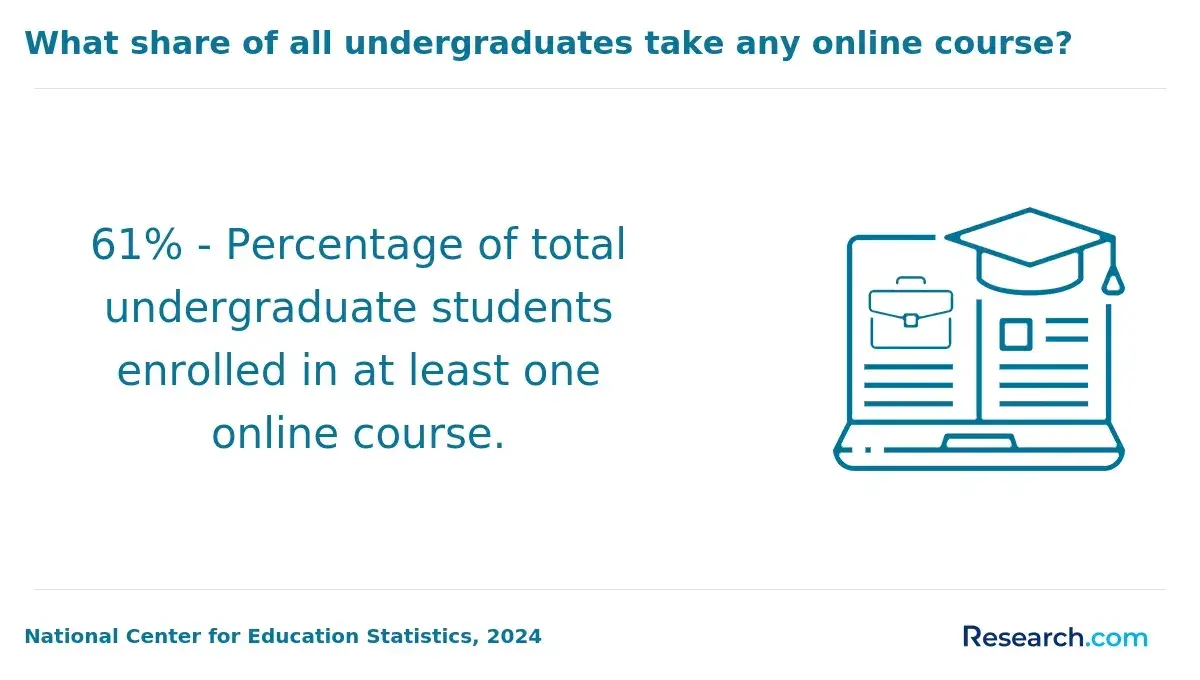
According to data from the National Center for Education Statistics (NCES), these fees collectively can add several thousand dollars to a student's educational expenses over the duration of a surgical tech degree program. Those considering this field should also be aware that choosing programs aligned with some of the lucrative college majors may offer valuable return on investment.
Are There Additional Program Fees for the Surgical Tech Major in 2026?
Students pursuing a surgical tech degree should anticipate additional program-specific fees beyond the standard tuition and university charges. These supplementary costs cover essential resources and requirements unique to the surgical tech curriculum. Common fees typically include:
- Specialized lab fees: Costs ranging from $200 to $600 to access surgical simulation labs and sterilization equipment necessary for hands-on training.
- Program-specific software: Annual expenses of $100 to $300 for required learning platforms or software used throughout the program.
- Certification preparation: Fees between $150 and $400 for exam review courses or practice tests needed to qualify for the Certified Surgical Technologist (CST) exam.
- Background checks and drug screenings: Charges generally totaling $50 to $100 to meet institutional compliance and safety standards.
- Required equipment and supplies: Expenses of $300 to $500 for essential items such as scrubs, surgical scissors, and other tools required for clinical work.
- Fieldwork costs: Transportation and other practicum-related expenses budgeted at $100 to $200 per clinical term.
According to recent data, these additional fees can increase the overall program cost by approximately 15% to 25% compared to tuition alone.
How Much Do Required Supplies or Equipment Cost for a Surgical Tech Major?
Accurately estimating the expenses for supplies and equipment is essential for budgeting the total cost of a surgical tech program. These necessary items can significantly impact overall education costs beyond tuition and fees.
Common supplies and equipment include the following:
- Surgical instrument kits: Required for hands-on practice and clinical work, these kits typically cost between $300 and $800.
- Protective gear: Items such as scrubs, gloves, masks, and eye protection are mandatory for maintaining sterile and safe environments.
- Technical tools: Basic instruments like scissors, forceps, and needle holders are essential for skill development and daily tasks.
- Lab kits: Used for sterile technique training and instrument handling exercises, these kits enhance practical learning.
- Specialized software: Access to online platforms supports coursework and certification preparation, sometimes requiring additional fees.
The Association of Surgical Technologists notes that individual instrument sets alone can exceed $400. Additional expenses may include liability insurance and background checks. Confirming exact costs with the chosen program helps ensure an accurate budget.
What Are the Typical Living, Food, and Travel Expenses for Surgical Tech Students?
Living, food, and travel expenses significantly contribute to the overall cost of a surgical tech program, varying largely by location and personal habits. These variable costs often fluctuate based on local housing markets, transportation options, and individual lifestyle choices.
Below are common expense categories that students should consider when planning their budget.
- Housing and utilities: Rent for a one-bedroom near technical schools typically ranges from $700 to $1,200 monthly, with urban areas tending toward the higher end. Utilities may add extra monthly costs depending on lease terms and shared accommodations.
- Groceries and dining: Monthly food expenses usually fall between $250 and $400, influenced by whether students cook at home or rely on campus dining and takeout options.
- Local transportation: Commuting costs average around $100 to $200 per month, affected by distance, bus or train fares, fuel prices, and parking fees.
- Travel and clinical placements: Some students face additional costs traveling to distant clinical sites, purchasing necessary supplies like scrubs, or occasional vehicle maintenance.
Do Surgical Tech Programs Require Internships or Residencies that Add Cost?
Surgical tech programs typically require clinical internships or externships as a compulsory element of the curriculum. These practical placements are designed to help students gain hands-on experience in real healthcare settings such as hospitals or surgical centers, frequently lasting several hundred hours.
Such experiential learning is often mandated by accrediting organizations like the Commission on Accreditation of Allied Health Education Programs (CAAHEP) to ensure graduates meet professional standards. While the internship is generally included in tuition fees, the requirement itself significantly impacts the structure and duration of training.
Additional costs tied to these clinical components can vary widely depending on factors like travel to distant clinical sites, temporary housing, specialized uniforms, liability insurance, and certification exam fees. According to data from the National Center for Education Statistics, students may face between $500 and $2,000 in extra expenses related to their clinical placements.
Prospective students are advised to inquire whether their programs offer support with local placements or logistical arrangements to help control these costs. Early budgeting and communication with program coordinators can mitigate unexpected financial burdens linked to completing experiential requirements.
Are Online Surgical Tech Programs Cheaper Than On-Campus Programs in 2026?
Most institutions offering surgical tech programs permit students to switch between part-time and full-time enrollment, but this transition is regulated by established policies. Typically, students need to consult with an academic advisor and submit a formal request for approval.
Important considerations include how the change affects course schedules, financial aid eligibility, and the overall duration of the program. Not all students will qualify, as academic performance often influences whether the change is granted. Planning ahead is essential to ensure a smooth transition without disrupting progress.
Eligibility to change enrollment status usually depends on maintaining satisfactory academic standing and timely submission of required paperwork. Switching from part-time to full-time or vice versa can impact financial aid, with full-time status often required for certain scholarships or loan benefits.
Course availability may vary by term, potentially delaying key clinical rotations crucial to surgical tech training. Advisors play a significant role in guiding students through these requirements and minimizing any negative effects on graduation timelines.
How Much Does a Full-Time Surgical Tech Program Cost Compared to Part-Time?
Knowing the cost differences between part-time and full-time enrollment helps prospective students plan their finances and choose the best path for their circumstances. Comparing these options can clarify how tuition, fees, and other expenses add up over the duration of a surgical tech degree program.
Here is a detailed look at how these factors vary by enrollment type.
Full-Time Surgical Tech Program Cost
- Tuition per Credit: Full-time students typically take 12 to 15 credits per semester, with tuition averaging $250 to $400 per credit at public institutions. This results in higher per-semester tuition but fewer total semesters.
- Total Program Cost: Completing the program in 12 to 18 months accelerates cost accumulation but reduces cumulative fees and living expenses compared to part-time formats.
- Mandatory Fees: Fees are charged each semester; fewer semesters mean less cumulative fee spending even if per-semester charges are higher.
- Supply and Equipment Costs: These range from $500 to $1,000 and generally remain consistent regardless of enrollment but may be paid once or twice depending on program length.
- Living and Travel Expenses: A shorter program limits overall living expenses and travel related to clinical rotations; however, full-time schedules may reduce ability to work and earn income.
Part-Time Surgical Tech Degree Expenses
- Tuition per Credit: Part-time students often enroll in 6 to 8 credits per semester, spreading out tuition costs but extending payment over multiple semesters.
- Total Program Cost: The duration of two or more years increases total cost due to repeated fees, prolonged supply needs, and extended living expenses.
- Mandatory Fees: Charged each semester, fees accumulate over a longer timeframe making them a more significant portion of part-time students' expenses.
- Supply and Equipment Costs: While similar in amount to full-time students, these may be paid multiple times if courses are spread out.
- Living and Travel Expenses: Increased program length results in higher living costs and potential travel to clinical sites, though flexible scheduling may allow students to balance work and studies more easily.
For those weighing faster completion against flexible pacing, examining detailed costs is crucial. Those interested in related fields may also find value in exploring quick degree programs that pay well as part of financial planning.
What Hidden Fees Increase the Cost of a Surgical Tech Program in 2026?
When planning for a surgical tech degree program, students should be aware that hidden fees can significantly increase the total cost beyond the listed tuition and mandatory charges. Overlooking these unexpected costs may disrupt financial planning and completion of the program.
Here are some common hidden fees that often arise during a surgical tech program:
- Late registration fees: Charged when students miss registration deadlines, these fees can range from $50 to $100 per occurrence, adding unplanned expenses.
- Library or printing fees: These cover access to essential academic resources and printed materials, often costing several hundred dollars annually depending on the institution.
- Lab consumables: Students frequently pay separately for disposable tools or materials used in practical training, typically adding $200 to $500 to the overall cost.
- Exam and certification fees: For example, the Certified Surgical Technologist (CST) exam, priced at roughly $195 according to the National Board of Surgical Technology and Surgical Assisting (NBSTSA), is a necessary credential cost usually excluded from tuition.
- Transportation and parking expenses: Programs requiring on-site clinical placements can lead to daily commuting costs or parking permits ranging from $100 to $300 per semester, which can be considerable for those living off-campus.
Accounting for these hidden fees in surgical tech programs helps prospective students avoid financial surprises. Those seeking affordable options might explore accredited trade schools online to better manage expenses associated with hands-on healthcare training.
Understanding the unexpected costs of surgical tech degrees 2026 empowers students to plan more effectively and succeed in their education without unforeseen financial barriers.
What Graduates Say About the Cost of Their Surgical Tech Degree
- Jaime: "Pursuing my surgical tech degree was a significant investment, especially considering the average cost of attendance. However, balancing part-time work helped me manage living expenses effectively. Looking back, the return on investment was worth every effort, as I now have a fulfilling career that pays well and offers growth opportunities."
- Kiara: "Reflecting on my time earning a surgical tech degree, I found the cost challenging but manageable with scholarships and budgeting for living expenses. The hands-on learning was invaluable and made me confident to enter the workforce. The career benefits have definitely surpassed my expectations, making the pursuit of this degree a wise decision."
- Aaron: "The cost of enrolling in a surgical tech program felt steep initially, but understanding the long-term ROI shifted my perspective. Carefully planning my finances to handle living expenses while studying was tough but rewarding. Now, I appreciate how the degree opened doors to stable employment and career advancement in healthcare."
Other Things You Should Know About Surgical Tech Degrees
Lesser-known expenses in a 2027 surgical tech program might include costs for textbooks, clinical supplies, scrubs, certification exam fees, and commuting expenses for off-site clinical practices. These can add up and should be considered when budgeting for the program.
In 2027, hidden costs of a surgical tech degree program may include expenses for textbooks, medical supplies, exam fees, and uniforms. Additionally, transportation and accommodation for clinical placements could add to the total cost. It's wise to research these potential expenses beforehand. Below are the four selected and reformulated questions and answers:
In 2027, beyond tuition, surgical tech students should budget for additional costs such as textbooks, uniforms, lab fees, certification exams, and clinical travel expenses. These items can add several hundred dollars to the total program cost, varying by location and institution.
Attending a community college generally results in lower tuition and fees compared to private institutions for surgical tech programs. Community colleges typically offer affordable rates for in-state students and may have smaller additional fees. Private schools might have higher costs but can offer more resources or specialized training options.
References
- Surgical Technology A.A.S. - Career Degree https://www.clcillinois.edu/programs/biodv/surgical-technology/surgical-technology-aas-career-degree
- Surgical Technologist Training Program https://medcerts.com/programs/healthcare/surgical-technologist
- Surgical Technician Programs Online - Are They Worth It? - Preppy https://preppy.org/surgical-technician-programs-online/
- Surgical Technology Program Costs https://www.cpcc.edu/programs/surgical-technology/surgical-technology-program-costs
- Curriculum & Fees | Conemaugh School of Surgical Technology https://www.conemaugh.org/school-of-surgical-technology-curriculum-and-fees
- Estimated Cost of Surgical Technology Program https://uafs.edu/academics/colleges-and-schools/chehs/health-sciences/departments/surgical-tech/cost.php
- Surgical Technology | Associate Degree | Fox Valley Technical College https://www.fvtc.edu/program/health-science/10-512-1/surgical-technology
- Cost to Become a Surgical Tech (Programs & Certification) https://www.stepful.com/post/cost-to-become-a-surgical-tech
- Tuition & Fees https://www.cahe.edu/school-surgical-technology/section-tuition-and-fees/


