
2027 Surgical Tech Degrees Explained: Are They Classified as Professional Degrees?

Co-Founder and Chief Data Scientist
Many prospective surgical tech students face confusion about whether their degrees count as professional credentials needed for licensure or career growth. This misunderstanding affects over 40% of applicants, according to recent data from the U. S. Bureau of Labor Statistics, which shows varied employment outcomes based on degree types.
As healthcare demand increases, clarity about degree classification impacts earning potential and job security in the surgical technology field. This article clarifies how surgical tech degrees are classified, explains accreditation and program structures, and offers actionable insights for those deciding on educational paths aligned with career goals.
Key Benefits of Professional Surgical Tech Degrees
- Obtaining a professional surgical tech degree enhances career advancement by qualifying graduates for supervisory and leadership roles within surgical teams.
- These degrees yield a higher earning potential, offering a strong return on investment compared to certificate programs.
- Graduates gain eligibility for regulated or advanced positions, ensuring long-term job stability in a growing healthcare sector.
What Is Considered a Professional Surgical Tech Degree?
Choosing the right program is vital for students pursuing a professional surgical tech degree because such programs directly influence eligibility for certification and career readiness. Demand for surgical technologists is growing rapidly, with the U.S. Bureau of Labor Statistics projecting a 12% employment increase through 2032, signaling strong workforce needs.
Here are some common misconceptions clarified:
Degree Validity
- Myth: Any surgical tech degree qualifies as a professional degree that guarantees licensure and job placement.
- Fact: Professional surgical tech degrees are designed to meet specific requirements including applied training and industry standards, ensuring graduates are prepared for certification exams and employment.
Licensure Preparation
- Myth: All surgical tech programs prepare students equally for credentialing exams.
- Fact: Accredited surgical tech professional programs emphasize clinical skills and standards aligned with licensing criteria, which directly affect qualification to sit for the Certified Surgical Technologist (CST) exam.
Career Advancement
- Myth: Earning a degree alone is sufficient for career progression in surgical technology.
- Fact: Professional surgical tech degrees integrate practical experience and exam preparation that lead to recognized credentials, improving job prospects and advancement opportunities.
Prospective graduate students can also explore related healthcare educational options, such as DNP programs online, to complement their knowledge and broaden career pathways in the medical field, particularly in nursing.
Who Should Pursue a Professional Surgical Tech Degree?
Identifying the right candidates for professional surgical tech degrees is essential for students seeking career-focused, practice-oriented education aligned with industry standards. Enrollment in surgical tech programs has grown approximately 7% annually, underscoring rising demand for qualified surgical technologists.
Below are common myths and facts clarifying who benefits most from pursuing a surgical tech degree:
Early-Career Benefits
- Myth: Only early-career students benefit from pursuing a professional surgical tech degree.
- Fact: While early-career individuals often use the degree to enter the field, those seeking licensure or specialized roles also gain significant advantages from comprehensive, practice-oriented training necessary for certification and accreditation.
Career Changers
- Myth: Career changers don't need a professional surgical tech degree to advance in the field.
- Fact: Individuals transitioning from related healthcare roles or other industries can leverage a surgical tech degree to acquire essential skills and formal credentials, boosting employability and access to regulated positions.
Prospective students aiming to eventually become nurse practitioners can explore advanced degrees like DNP programs for broader professional opportunities.
What Are the Most Common Professional Surgical Tech Degree Programs?
Knowing the variety of professional surgical tech programs available enables students to select the option that aligns best with their educational background and long-term objectives.
Here are the most common types of surgical tech degree programs:
- Certificate Programs: These usually provide a quick pathway to enter the surgical tech workforce focused on essential sterile techniques and basic surgical procedures. They appeal to those seeking to start working sooner with a shorter time commitment.
- Diploma Programs: Offering more in-depth training than certificates, diploma programs combine theory and clinical practice, preparing students for varied surgical environments. This middle ground balances speed and comprehensive preparation.
- Associate of Applied Science (AAS) in Surgical Technology: The most prevalent option, typically spanning two years, this program integrates classroom learning with hands-on clinical experiences. It emphasizes anatomy, patient safety, and surgical procedures, meeting industry standards and preparing students thoroughly for the field.
Are Professional Surgical Tech Degree Programs Accredited?
Accreditation is a primary concern for students evaluating professional surgical tech degree programs because it affects licensure eligibility, financial aid options, and employer recognition. Knowing which accreditation agencies oversee surgical tech programs helps clarify program quality and career prospects.
Over 90% of accredited surgical tech programs in the U.S. are overseen by a leading accreditor, indicating widespread industry standards compliance. Below is a myth-versus-fact breakdown addressing common misconceptions about accreditation for surgical tech degrees:
Accreditation Scope
- Myth: All surgical tech degree programs automatically have universal professional accreditation.
- Fact: Accreditation varies; institutional accreditation applies to the entire school, while programmatic accreditation specifically covers surgical tech curricula, impacting graduates' certification qualifications.
Accrediting Bodies
- Myth: There is only one official body accrediting surgical tech programs.
- Fact: Two major bodies-the Commission on Accreditation of Allied Health Education Programs (CAAHEP) and the Accrediting Bureau of Health Education Schools (ABHES)-are recognized accrediting agencies for surgical tech programs, ensuring adherence to industry standards.
Importance of Accreditation
- Myth: Accreditation does not influence licensure or employment opportunities.
- Fact: Holding programmatic accreditation from recognized surgical tech professional surgical tech degree accreditation bodies is often required for state licensure and eligibility to sit for certification exams, also affecting financial aid and employer recognition.
Students seeking guidance on entry pathways can also explore options like easy nursing schools to get into, which offer alternate routes in allied health fields like nursing.
What Are the Admission Requirements for a Professional Surgical Tech Degree?
Knowing the admission criteria for a professional surgical tech degree is crucial for applicants to gauge their readiness and align their goals with program expectations. Competition has intensified, with enrollment in surgical tech programs growing approximately 7% annually, leading to more selective admissions.
Below are key admission factors that help ensure candidates can handle the academic and clinical demands:
- Educational Background: Applicants usually must present a high school diploma or GED to demonstrate foundational knowledge. This base level of education supports success in science-focused coursework essential for surgical tech training.
- Prerequisite Coursework: Completion of targeted classes in anatomy, physiology, biology, or medical terminology is often required. These courses build essential understanding of human body systems and clinical language, ensuring students enter with relevant preparation.
- Academic Performance Standards: Many programs enforce minimum GPA thresholds to confirm academic readiness, reflecting the rigor of surgical tech studies. Meeting these standards promotes student success and reduces dropout rates.
- Background Checks and Health Verification: Clearance through criminal background checks and proof of immunizations protect patient safety and comply with healthcare regulations. These requirements underline the professional responsibility expected from all candidates.
- Entrance Exams or Placement Tests: Some programs assess critical thinking and comprehension through standardized or placement exams. These evaluations help identify applicants with the aptitude for demanding coursework and clinical problem-solving.
When I spoke with a recent graduate of a professional surgical tech degree, he shared how challenging the application process felt at first. "It wasn't just about meeting the checklist," he explained. "The background check and health records took time, and the prerequisite courses were tougher than I expected. I had to retake a few science classes before applying."
He also noted that entrance exams pushed him to sharpen his study habits early on. "All those steps made me more prepared when classes started. It was stressful, but now I understand why they're necessary."
What Courses and Practical Training Are Required in a Professional Surgical Tech Degree?
Prospective students evaluating professional surgical tech programs should carefully assess the curriculum and clinical training requirements, as these are critical factors influencing licensure eligibility, career advancement, and job readiness. A clear understanding of the coursework and hands-on experience offered ensures that graduates are well-prepared for professional demands.
Below is an overview of key components typically included in surgical tech courses and clinical training requirements:
- Core Science Courses: Programs include anatomy and physiology, microbiology, surgical pharmacology, and medical terminology. These courses provide essential knowledge of the human body, infection control, medication effects, and healthcare communication, forming the foundation for surgical procedures.
- Clinical Rotations and Hands-on Experience: Extensive clinical training in hospitals or surgical centers exposes students to real-world settings. This hands-on experience develops sterile techniques, instrument handling, patient safety protocols, and interprofessional teamwork, which are vital for professional surgical technology program hands-on experience.
- Technical Skills and Surgical Protocols: Coursework and labs emphasize sterile field setup, surgical equipment use, anticipating surgeon needs, and emergency responses. Mastery in these areas directly affects career readiness and effective performance in operating rooms.
- Communication and Critical Thinking: Programs cultivate skills in intraoperative communication and problem-solving, enabling surgical techs to function as integral members of the surgical team. These competencies support patient safety and smooth surgical workflows.
- Accreditation and Program Quality: Selecting an accredited program with significant clinical hours is essential for credentialing and future career advancement. Additionally, students aiming for flexibility in their healthcare education can consider an online healthcare administration degree as a complementary option for broader professional opportunities and a means of properly leveraging leadership.
How Much Do Professional Surgical Tech Degrees Cost?
Knowing the cost of professional surgical tech degrees is essential for prospective students assessing their educational options and long-term financial commitments. On average, tuition and fees for these programs range from $6,000 to $20,000, varying by program length, location, and institution type.
Several key expenses influence the total investment required for a professional surgical tech degree, including:
- Tuition and fees: These core charges represent the bulk of the cost and vary significantly between community colleges, vocational schools, and private institutions. Differences in program intensity and resources also affect these fees.
- Books and supplies: Essential materials such as textbooks, scrubs, and surgical instruments typically add several hundred to over a thousand dollars to the total cost, depending on program requirements.
- Clinical fees: Many programs charge additional fees for hands-on training and externships, though some include these costs in tuition. These fees can impact affordability for students who need substantial practical experience.
- Licensing and certification: After completing the program, exam fees for credentials like the Certified Surgical Technologist (CST) are required. This certification is critical for employment and can add extra expense.
Financial aid plays a significant role, with about 75% of surgical tech students relying on federal aid or scholarships. Learners comparing pathways, particularly those with an interest in nursing, should also consider exploring the cheapest BSN programs as part of a broader strategy for healthcare education affordability.
Do Professional Surgical Tech Degrees Qualify for Financial Aid?
Many prospective students worry about affording surgical tech programs, given the costs involved and limited budgets. In fact, over half of surgical tech students reported using some form of financial aid during their education, underscoring its significance for access and completion.
Below are common myths and facts clarifying eligibility for aid in these programs:
Degree Eligibility
- Myth: Federal financial aid is only available for professional degrees, excluding surgical tech programs.
- Fact: Accredited surgical tech programs, including those certified by the Commission on Accreditation of Allied Health Education Programs (CAAHEP), typically qualify for federal aid such as Pell Grants and Direct Loans.
Program Type
- Myth: Only university-level degrees make students eligible for financial assistance.
- Fact: Students enrolled in accredited surgical tech certificates or associate degree programs also qualify, as aid depends mainly on accreditation status, not degree classification.
Additional Support
- Myth: Federal aid is the only financial resource for surgical tech students.
- Fact: Scholarships tailored to allied health fields, employer tuition assistance, and public service loan forgiveness programs provide extra options, especially for healthcare workers in qualifying roles.
When I spoke with a graduate of a professional surgical tech degree, she shared how navigating financial aid was both challenging and rewarding. Initially concerned about the costs, she diligently researched program accreditation and available grants before applying.
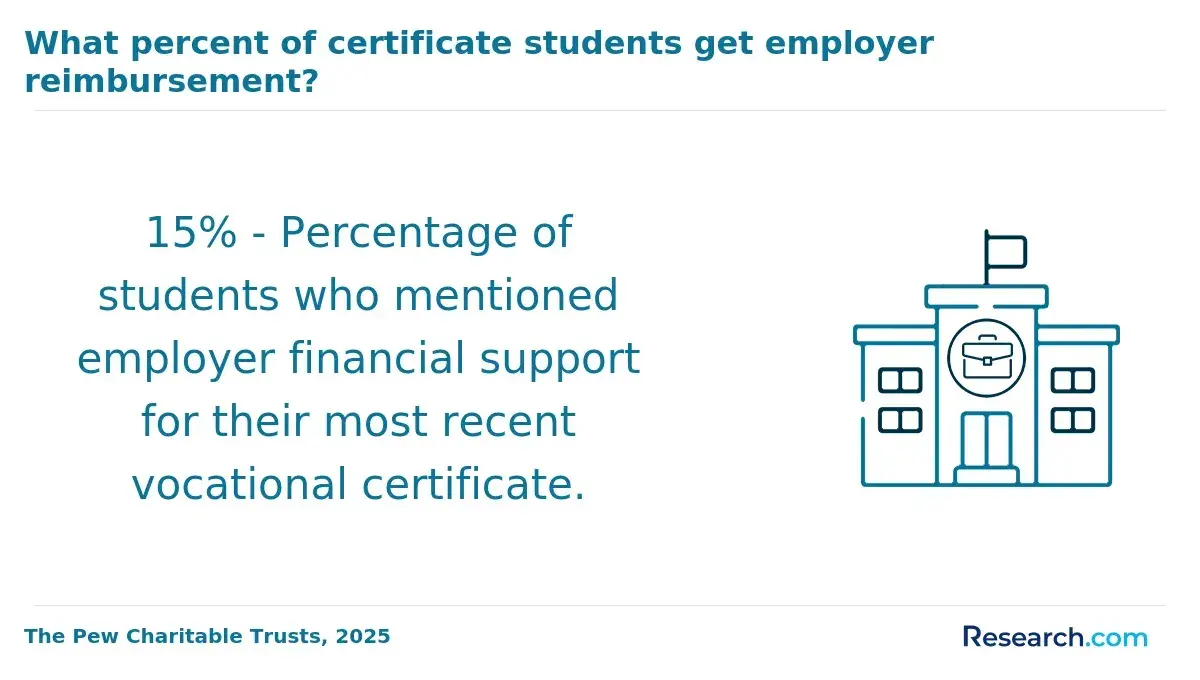
"Knowing that I qualified for federal loans eased much of the financial pressure," she noted. She pursued additional scholarships and employer reimbursement to minimize debt, emphasizing the importance of understanding aid policies early on.
Her experience confirmed that professional surgical tech programs can indeed be accessible through multiple financial pathways, though proactive planning remains essential.
Are Professional Surgical Tech Degrees Required for Certain Careers?
Students exploring professional surgical tech programs benefit from knowing which credentials align with their chosen career paths to avoid unnecessary time and expense. This is especially crucial as surgical technologist employment is expected to grow, highlighting increasing demand in the field.
Below are common misconceptions about degree requirements, clarified with factual insights:
Degree Necessity
- Myth: A professional surgical tech degree, like a bachelor's, is always mandatory to start a career in surgical technology.
- Fact: Entry-level surgical tech positions usually require completion of accredited certificate or associate degree programs, not necessarily bachelor's degrees.
Licensure Rules
- Myth: Licensure never requires passing a certification exam or graduation from an accredited program.
- Fact: Many states mandate certification from accredited programs and passing the national exam by the NBSTSA as employment criteria, effectively requiring completion of recognized training.
Specialized Roles
- Myth: All surgical tech roles have identical educational requirements regardless of specialization.
- Fact: Advanced or specialized positions, such as surgical assistance or management, frequently demand higher degrees or additional certifications beyond basic accreditation.
Career Impact
- Myth: Professional degree status does not affect eligibility or advancement in surgical tech careers.
- Fact: Accreditation and certification are key to qualifying for licensure and enhancing career opportunities, even if a formal professional degree is not always necessary.
Do Professional Surgical Tech Degrees Lead to Higher Salaries?
Evaluating the financial advantages of pursuing a professional surgical tech degree is essential for students weighing the costs and benefits of advanced education. Knowing how such degrees affect earning potential helps guide informed career choices.
Below are common misconceptions alongside facts about professional surgical tech degrees:
Salary Expectations
- Myth: Professional surgical tech degrees ensure much higher pay.
- Fact: While degrees enhance skills, higher salaries are not guaranteed; employers often value certifications and experience more than advanced degrees.
Career Progression
- Myth: Earning a professional degree accelerates promotions.
- Fact: Advancement typically depends on relevant certifications, training, and experience rather than the degree alone.
Qualification for Top Roles
- Myth: Highest-paying surgical tech jobs require advanced degrees.
- Fact: Certifications and proven skills often matter more, though degrees can provide an edge for specialized positions.
Long-Term Financial Benefit
- Myth: Professional degrees automatically lead to better long-term earnings.
- Fact: Sustained income growth depends on continual learning and experience; degrees can help but should be balanced against cost and alternative education paths.
What Graduates Say About Their Professional Surgical Tech Degree
- Lysa: "The flexibility of the professional surgical tech degree program truly fit my busy schedule, allowing me to balance work and study seamlessly. Deciding to pursue this path was one of the best choices I've made, especially considering the average cost of attendance was reasonable compared to other medical fields. Now, as a surgical tech professional, I feel equipped and confident to make a real difference in the operating room. "
- Colette: "Reflecting on my journey, enrolling in the professional surgical tech degree program was a strategic move to advance my healthcare career without incurring overwhelming debt. The program's adaptable structure helped me manage coursework around my family commitments. This degree has empowered me to step into a fulfilling role with a lasting impact on patient care. "
- Summer: "Choosing the professional surgical tech degree program was driven by a clear career goal, and the program's comprehensive curriculum justified its cost, which is quite competitive for specialized healthcare training. The flexibility of the program allowed me to engage fully with clinical practice while learning. Today, I apply my skills daily, knowing this degree has been instrumental in my professional advancement. "
Other Things You Should Know About Surgical Tech Degrees
While certification is not legally required in all states, most employers prefer or require surgical techs to obtain credentials such as the Certified Surgical Technologist (CST) certification. Certification demonstrates proficiency and can improve job prospects and salary potential. Graduates typically need to pass a national exam after completing an accredited program.
Yes, accredited professional surgical tech degree programs typically include mandatory clinical practicums or internships. These placements provide real-world experience in operating rooms under supervision, which is critical for developing necessary technical skills. Internship arrangements are usually coordinated by the educational institution.
Certification can significantly enhance a surgical technologist's career prospects. While certification is not always mandatory, it demonstrates a higher level of competency and dedication to the profession, potentially leading to better job opportunities and higher salaries.
References
- DoED Responds To Nurses With Fact Sheet Clarifying Professional Degree Definitions https://nurse.org/news/nursing-professional-degree-doe-fact-sheet/
- Surgical Technology https://carrington.edu/program/surgical-technology/
- Surgical Technology Required Courses https://www.northwoodtech.edu/academic-programs/degree-programs-and-certificates/surgical-technology/required-courses
- Is Surgical Tech a Good Career? 9 Pros and Cons You Need to Know https://www.rasmussen.edu/degrees/health-sciences/blog/is-surgical-tech-a-good-career-pros-and-cons/
- Surgical Technology Program | Berkeley College https://berkeleycollege.edu/academics/undergraduate-degrees/surgical-tech-program/index.html
- Surgical Technology Requirements https://www.aacc.edu/apply-and-register/credit-application/health-science-applicants/surgical-technology-requirements/
- Estimated Cost – Surgical Technology (AAS) – Virginia Western Community College https://www.virginiawestern.edu/academics/health-professions/surgical-technology/cost/
- Your 2025 Career Outlook: Surgical Technologists - Supplemental Health Care https://shccares.com/blog/allied-health/your-surgical-technologist-career-outlook-2025/
- Myth vs. Fact Archives - Newark City of Learning Collaborative https://newarknclc.org/category/mvf/


