
2027 How to Become a Psychiatric Technician: Education, Salary, and Job Outlook

Co-Founder and Chief Data Scientist
Choosing a psychiatric technician career means deciding whether you want hands-on mental health work in settings where patients may be distressed, medically complex, or in crisis. Psychiatric technicians support nurses, physicians, therapists, and other behavioral health professionals by observing patients, documenting behavior, assisting with daily care, supporting treatment plans, and helping maintain a safe therapeutic environment.
This career can be a practical entry point into mental health care for people who want direct patient contact without immediately pursuing a long graduate program. It can also serve as a foundation for future work in counseling, nursing, social work, psychology, substance use treatment, or behavioral health case management. The path, however, is not the same in every state. Some employers hire candidates with a high school diploma and focused training, while others prefer a certificate, associate degree, certification, or state license.
This guide explains the credentials, skills, work settings, salary factors, advancement options, and day-to-day challenges involved in becoming a psychiatric technician. It is designed to help you decide whether the role fits your strengths, career goals, and tolerance for the emotional and physical demands of behavioral health work.
What are the benefits of becoming a psychiatric technician?
- Psychiatric technician jobs are projected to grow by 11% through 2025, driven by increased mental health awareness and expanded healthcare services.
- The median annual salary for psychiatric technicians is approximately $36,000, with potential growth as specialization and experience increase.
- Career benefits include direct patient care opportunities, essential roles in multidisciplinary teams, and expanding demand in diverse healthcare settings.
What credentials do you need to become a psychiatric technician?
The credentials needed to become a psychiatric technician depend heavily on where you plan to work. At minimum, employers usually expect a high school diploma or GED, relevant training in mental health or patient care, and the ability to pass background checks and health screenings. In states with formal licensure, the path is more structured and may require completion of an approved program and a licensing exam.
The most common psychiatric technician credential pathway includes:
- High school diploma or GED: This is the baseline requirement for entry into most training programs and many entry-level behavioral health support roles.
- Psychiatric technician certificate program or associate degree: These programs typically combine classroom instruction with supervised clinical experience. Coursework may cover psychology, psychiatric disorders, therapeutic communication, patient safety, basic nursing skills, crisis response, and documentation.
- Professional certification by the American Association of Psychiatric Technicians (AAPT): The AAPT offers four certification levels based on education, work experience, and a comprehensive written exam. Certification can help demonstrate competency, especially in states where licensure is not required.
Regarding states that require psychiatric technician license, as of 2027, California, Colorado, Kansas, and Arkansas mandate licensure, which involves completing an accredited program, passing a licensing exam, and background checks. Other states may rely on employer-based training, certification, or related healthcare credentials instead of a psychiatric technician license.
How to choose the right credential path
If you already know where you want to work, start by checking that state’s licensing board and reviewing job postings from local hospitals, residential treatment centers, correctional facilities, and behavioral health agencies. A certificate may be enough for some roles, while an associate degree can offer broader preparation and may be useful if you later pursue nursing, counseling, social work, or psychology.
Some employers also value related credentials such as Certified Nursing Assistant (CNA), Basic Life Support (BLS), CPR, first aid, crisis prevention, or trauma-informed care training. These credentials do not replace state licensure where it is required, but they can make a candidate more competitive and better prepared for direct patient care.
If you are still comparing education options, it may help to review useful college majors for career planning, especially if you want a psychiatric technician role to lead into a longer-term mental health or healthcare career.
What skills do you need to have as a psychiatric technician?
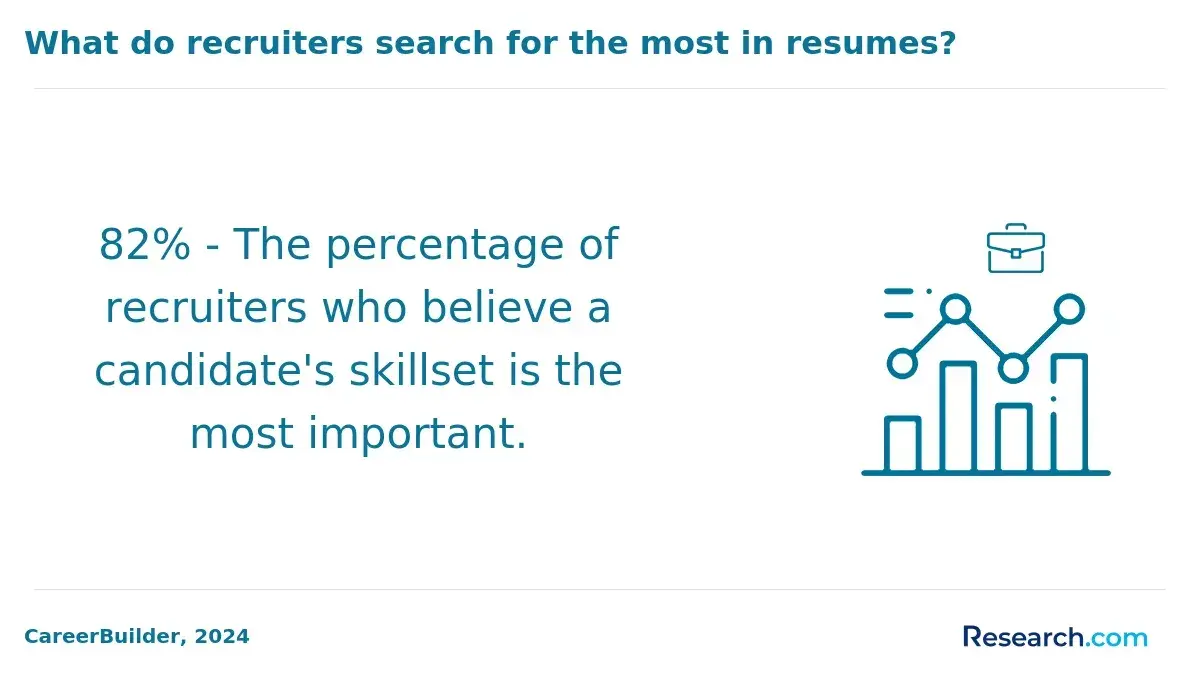
Psychiatric technicians need a combination of clinical awareness, emotional control, communication skill, and practical judgment. The work is not only about following instructions; technicians are often the staff members who spend the most time observing patients and noticing changes that may affect safety or treatment.
- Therapeutic communication: You must be able to speak calmly, listen without judgment, set boundaries respectfully, and build trust with people who may be anxious, angry, confused, withdrawn, or frightened.
- Observation and documentation: Psychiatric technicians monitor behavior, mood, sleep, appetite, hygiene, group participation, vital signs, and safety concerns. Accurate notes help the care team adjust treatment plans.
- Crisis management: The role may involve de-escalating agitation, responding to self-harm risk, helping during restraint or seclusion procedures where legally permitted, and following facility safety protocols.
- Medication support: Depending on state law and employer policy, technicians may assist with or administer prescribed medications. This requires careful attention to patient identity, dosage, timing, side effects, and documentation.
- Teamwork: Psychiatric technicians work with nurses, psychiatrists, psychologists, therapists, social workers, case managers, and security or correctional staff. Clear handoffs and reliable follow-through matter.
- Emotional resilience: The work can involve trauma histories, aggressive behavior, severe depression, psychosis, substance withdrawal, and family distress. Professionals need healthy coping strategies and strong boundaries.
- Physical stamina: Many positions involve long shifts, frequent walking, standing, lifting, room checks, and responding quickly to emergencies.
- Problem-solving: Patients may respond differently to the same approach. Technicians need to adjust communication, recognize risk, and know when to escalate concerns to licensed staff.
- First aid and emergency response: CPR, first aid, and emergency response training are valuable because psychiatric settings can also involve medical emergencies, injuries, overdose risk, or medication reactions.
Skills that separate strong candidates from average ones
The best psychiatric technicians are consistent. They do not overreact to provocation, ignore small changes, or treat patients differently based on diagnosis. They combine empathy with structure: patients need compassion, but they also need predictable rules, safe routines, and staff who follow the treatment plan.
What is the typical career progression for a psychiatric technician?
A psychiatric technician career often begins in direct care and can progress toward supervision, specialization, or additional education. The exact path depends on state rules, employer structure, and whether you want to remain in hands-on care or use the experience as a bridge to another mental health profession.
- Entry-level technician: Many people begin as a Psychiatric Technician, Mental Health Technician, Behavioral Health Technician, or Residential Treatment Technician. Duties often include patient observation, safety checks, activity support, documentation, and assisting licensed staff.
- Experienced technician: After building confidence in patient care, documentation, crisis response, and team communication, technicians may take on more responsibility, such as orienting new staff or working with higher-acuity patients.
- Lead or supervisory role: With three to five years of hands-on experience, advanced training, and strong leadership skills, technicians may move into roles such as Shift Supervisor, Lead Psychiatric Technician, or Training Coordinator. These roles often include staff scheduling, coaching, incident review, and quality improvement support.
- Specialized behavioral health role: Some technicians focus on substance abuse treatment, developmental disabilities, forensic psychiatry, geriatric behavioral health, crisis stabilization, or youth mental health. Specialization can make your experience more valuable and may improve advancement options.
- Lateral move into related work: Experience can support a transition into roles such as Crisis Intervention Specialist, Behavioral Analysis Specialist, case management assistant, peer support-related roles where eligible, or community behavioral health support.
- Further education: Many psychiatric technicians eventually pursue nursing, counseling, social work, psychology, or other licensed clinical paths. Direct care experience can strengthen applications and clarify which patient populations you want to serve.
Technology is also changing the field. Electronic health records, telehealth support, remote monitoring, and data-informed care coordination are becoming more common. Psychiatric technicians who are comfortable with documentation systems and virtual care workflows may be better positioned for newer behavioral health roles.
How much can you earn as a psychiatric technician?
Psychiatric technician pay varies by state, employer, work setting, shift, licensure status, experience, and patient acuity. Hospital and government roles may pay differently from residential programs or community agencies, and higher-cost regions often offer higher wages that may also reflect local living expenses.
According to the U.S. Bureau of Labor Statistics, the median annual wage for psychiatric technicians was $42,590 as of May 2024, though some reports place the average closer to $34,000 per year. Hourly rates range widely from about $16 to over $40 depending on the region and employer.
For instance, the psychiatric technician salary 2025 tends to be higher in states like California, Connecticut, and Alaska, often surpassing $47,000 annually, while states with relaxed licensing like Oklahoma and Mississippi report salaries below $28,000.
In New York, psychiatric technician earnings are generally positioned in the mid to upper national range because of higher living costs, large healthcare systems, and ongoing demand for behavioral health workers. Pay may also differ between inpatient psychiatric hospitals, general hospitals, residential treatment centers, forensic units, outpatient programs, and state-run facilities.
Factors that can increase earning potential
- Licensure or recognized certification: Where required or preferred, formal credentials can improve eligibility for better-paying roles.
- Experience with high-acuity patients: Work in inpatient, forensic, crisis stabilization, or dual-diagnosis settings may strengthen your qualifications.
- Shift differentials: Evening, night, weekend, or holiday shifts may offer additional pay depending on the employer.
- Additional training: Crisis prevention, BLS, trauma-informed care, substance use treatment, and documentation skills can make you more competitive.
- Further education: Completing additional coursework or a degree may help you move into supervisory or related clinical support roles.
Technicians who want a flexible way to build qualifications may consider open-enrollment online college options, especially if they are balancing work schedules with education.
Salary should not be evaluated in isolation. Before accepting a role, compare benefits, shift expectations, patient-to-staff ratios, safety procedures, overtime practices, tuition support, and advancement opportunities. A slightly lower wage in a safer, better-supervised workplace may be more sustainable than higher pay in a chronically understaffed setting.
What internships can you apply for to gain experience as a psychiatric technician?
Internships, clinical placements, practicums, and supervised field experiences can help you confirm whether psychiatric care is the right environment for you. They also give employers evidence that you can work appropriately with vulnerable patients, follow safety protocols, document carefully, and function as part of a treatment team.
Psychiatric technician internships in California and other regions may be available through formal certificate or associate degree programs, hospitals, government agencies, community clinics, residential facilities, and nonprofit behavioral health organizations. Availability varies by location, program partnerships, liability requirements, and state rules.
- Hospitals and behavioral health centers: Inpatient and outpatient psychiatric units can expose students to group therapy support, safety checks, treatment team meetings, behavioral observation, and crisis response procedures.
- Government agencies and forensic hospitals: These placements may involve patients with severe mental illness, court involvement, developmental disabilities, or behavioral disorders. Students may learn about trauma-informed care, public safety, documentation, and structured treatment environments.
- Nonprofits and community clinics: Community-based organizations often focus on integrated behavioral health, culturally responsive care, case coordination, and support for underserved populations.
- Substance use and dual-diagnosis programs: These settings can be valuable for learning about withdrawal monitoring, relapse prevention support, co-occurring disorders, and recovery-oriented care.
- School-based or youth mental health programs: These opportunities can help students understand early intervention, adolescent behavioral health, family engagement, and collaboration with educators.
- Corporate wellness or telehealth-related placements: Some emerging opportunities involve digital recordkeeping, care coordination, preventive mental health support, or virtual behavioral health workflows.
How to find a strong placement
Start with your school’s clinical placement office if you are enrolled in a psychiatric technician or behavioral health program. Ask whether the placement includes direct supervision, clear learning objectives, exposure to documentation, crisis protocols, and feedback from licensed or experienced staff. Avoid placements that use interns mainly for clerical work without meaningful patient-care learning.
If you are considering long-term advancement beyond technician roles, you can also compare affordable graduate pathways, including low-cost online master’s degree programs, to understand how today’s experience may fit into a future counseling, social work, or healthcare leadership plan.
How can you advance your career as a psychiatric technician?
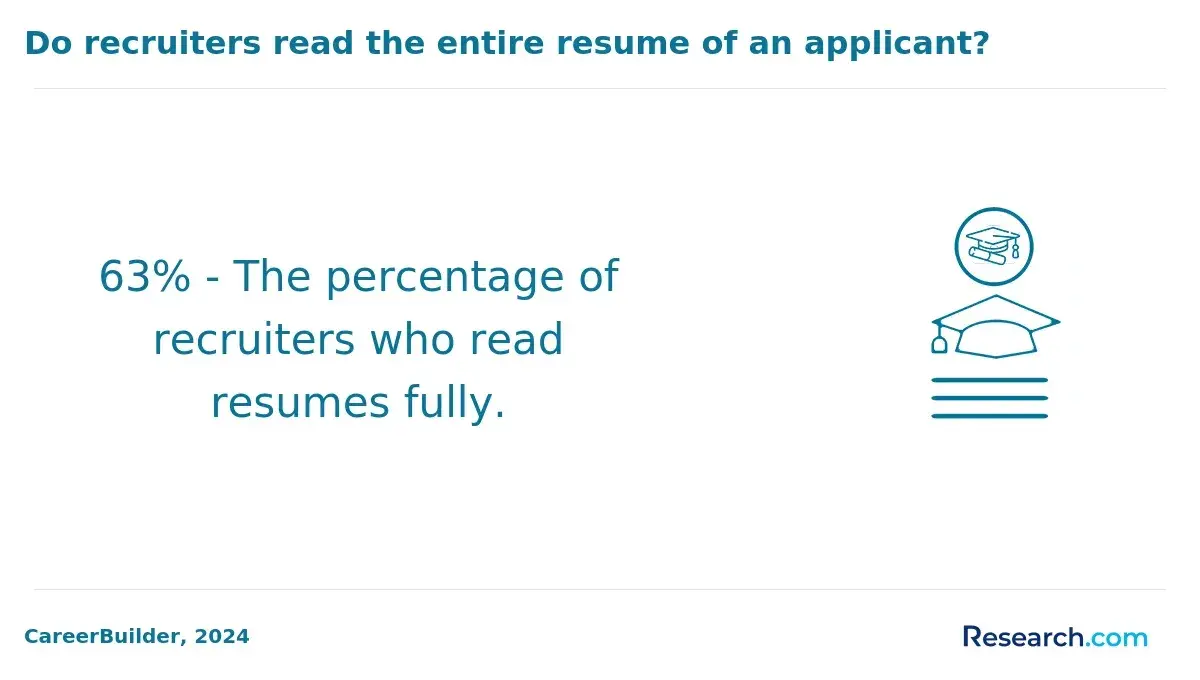
Career advancement as a psychiatric technician usually comes from a mix of experience, stronger credentials, specialized training, leadership ability, and further education. Because the role sits close to patients and care teams, technicians who are dependable, observant, calm in crises, and strong at documentation often become candidates for more responsibility.
- Pursue continuing education: Short courses and workshops in trauma-informed care, substance use disorders, de-escalation, suicide risk awareness, developmental disabilities, geriatric behavioral health, and cultural competence can deepen your practice and prepare you for specialized settings.
- Earn relevant certifications: Credentials such as Certified Behavioral Health Technician (CBHT), AAPT certification, CPR, BLS, Mental Health First Aid, and crisis prevention training can demonstrate commitment and may be preferred by employers.
- Build documentation and technology skills: Accurate electronic health record documentation, incident reporting, privacy compliance, and telehealth support are increasingly important in behavioral health settings.
- Seek higher-acuity experience carefully: Work in inpatient psychiatric units, forensic settings, crisis stabilization units, or substance use treatment can strengthen your resume, but it also requires strong support, training, and safety procedures.
- Ask for leadership opportunities: Volunteer to help orient new staff, lead activities, support quality improvement projects, or serve as a point person during shifts. These experiences can support promotion to lead or supervisory roles.
- Use mentorship strategically: Learn from experienced technicians, nurses, social workers, therapists, and administrators. A good mentor can help you understand workplace politics, avoid burnout, and plan your next credential.
- Consider further education: If you want a larger scope of practice, explore nursing, social work, counseling, psychology, or healthcare administration programs. Psychiatric technician experience can help you make a more informed choice.
A common mistake is assuming that time on the job alone will lead to promotion. Advancement is more likely when you can show measurable reliability: strong attendance, clean documentation, safe crisis response, professionalism with patients, and the ability to support coworkers during difficult shifts.
Where can you work as a psychiatric technician?
Psychiatric technicians work wherever patients need structured behavioral health support and supervision. Traditional inpatient settings remain important, but opportunities also exist in residential, correctional, community-based, outpatient, and crisis-focused environments.
The key areas for psychiatric technician jobs in hospitals and mental health facilities include:
- Psychiatric hospitals, general hospitals, and residential mental health facilities: These are core employers for psychiatric technicians. Work may involve 24/7 patient monitoring, assistance with daily routines, group support, safety checks, and coordination with large healthcare systems like Kaiser Permanente, HCA Healthcare, or the Department of Veterans Affairs.
- Substance abuse treatment centers and outpatient clinics: Facilities such as the Hazelden Betty Ford Foundation may employ technicians to support patients with addiction and co-occurring mental health conditions.
- Community-based agencies and nonprofits: Organizations including Mental Health America and NAMI affiliates may offer roles connected to support services, education, community outreach, and multidisciplinary behavioral health care.
- State and local government agencies: Public hospitals, state mental health departments, county behavioral health agencies, and public health departments like San Francisco's may hire psychiatric technicians for structured care and support roles.
- Correctional and forensic settings: Psychiatric technician positions are found in California healthcare settings such as the California Department of Corrections and Rehabilitation and juvenile detention centers, where behavioral health care intersects with public safety and legal requirements.
- Mobile crisis response and crisis stabilization programs: These roles may involve short-term intervention, safety assessment support, and coordination with clinicians, emergency services, or community resources.
- Telehealth and virtual behavioral health support: Some positions may involve patient check-ins, documentation, care coordination, and technology-supported mental health services under appropriate supervision.
- School and youth-focused programs: Technicians may support students or adolescents in structured behavioral health settings, residential youth programs, or early-intervention services.
When comparing employers, look beyond the job title. Ask about patient acuity, staffing ratios, training, security support, use of restraints, documentation expectations, shift schedules, and supervision. These factors can affect both your safety and your long-term satisfaction.
Prospective psychiatric technicians who want a faster academic route into the field may compare accelerated degree programs with strong career outcomes, while still verifying that any program meets state and employer requirements.
What challenges will you encounter as a psychiatric technician?
Psychiatric technician work can be meaningful, but it is also demanding. Candidates should enter the field with a realistic understanding of patient acuity, workplace stress, safety risks, documentation pressure, and the emotional toll of behavioral health care.
- Rising patient loads: A national deficit of approximately 31,000 mental health professionals is expected to increase caseloads and patient complexity, which can place more pressure on technicians and reduce the amount of supervision available during busy shifts.
- Emotional strain and burnout: The increasing severity of mental health and substance use disorders-exacerbated by pandemic aftereffects-heightens emotional stress. Over 90% of behavioral health workers experience burnout, with many contemplating leaving due to overwhelming demands.
- Safety concerns: Psychiatric technicians may encounter verbal aggression, self-harm risk, unpredictable behavior, or physical incidents. Strong training, staffing, environmental design, and clear protocols are essential.
- Technological change: Virtual therapists, AI-powered mental health tools, electronic documentation systems, and telehealth platforms are reshaping behavioral health care. Technicians must be willing to learn new tools while protecting patient privacy and following clinical protocols.
- Regulatory and reimbursement changes: Healthcare regulations, insurance rules, documentation standards, and facility policies can affect staffing, job duties, and care quality. Staying current helps reduce compliance risks.
- Work schedule demands: Many facilities operate around the clock. Nights, weekends, holidays, overtime, and rotating shifts can affect sleep, family life, and stress levels.
- Diverse care settings: Movement toward community-based and specialized mental health care means technicians may work with varied populations, including patients with trauma histories, substance use disorders, developmental disabilities, dementia, or justice-system involvement.
The best way to manage these challenges is to choose employers carefully, use supervision, document consistently, maintain boundaries, and treat self-care as part of professional responsibility rather than an afterthought.
What tips do you need to know to excel as a psychiatric technician?
To excel as a psychiatric technician, focus on consistency, safety, communication, and professional judgment. Patients often notice whether staff members are predictable and respectful. Small actions such as explaining what you are doing, following through on promises, and staying calm during tension can improve trust and reduce conflict.
- Practice calm, direct communication: Use clear language, avoid power struggles, and give patients choices when possible. Respectful limit-setting is often more effective than confrontation.
- Sharpen your observation skills: Learn each patient’s baseline behavior so you can identify meaningful changes in mood, speech, hygiene, sleep, appetite, social engagement, or agitation.
- Take documentation seriously: Write objective, timely notes. Avoid judgmental language. Record observable behavior, interventions used, patient responses, and concerns reported to licensed staff.
- Learn de-escalation deeply: Effective crisis intervention often involves tone, distance, body language, active listening, and patience. The goal is safety, not winning an argument.
- Respect professional boundaries: Be compassionate without becoming overly personal. Boundaries protect patients, staff, and the therapeutic environment.
- Know when to ask for help: Escalate concerns early when a patient’s behavior changes, safety risk increases, or a situation feels beyond your role or training.
- Build strong team habits: Give clear shift reports, share important observations, and support coworkers during high-stress moments. Behavioral health care depends on coordinated teams.
- Pursue practical certifications: Crisis Prevention Institute training, Mental Health First Aid, CPR, BLS, and trauma-informed care can strengthen your readiness for demanding settings.
- Protect your own mental health: Use supervision, peer support, time off, and healthy routines. Burnout can affect judgment, empathy, and patient safety.
Excellence in this field is not about being fearless. It is about being prepared, observant, ethical, and steady under pressure.
How do you know if becoming a psychiatric technician is the right career choice for you?
Becoming a psychiatric technician may be a good fit if you want direct patient care, are interested in mental health, and can stay calm in unpredictable situations. It may be less suitable if you want a quiet work environment, prefer independent desk-based tasks, or find intense interpersonal situations overwhelming.
Consider these factors before committing to the field:
- Emotional stability: You need to remain composed when patients are distressed, angry, confused, or unsafe. Your response can either calm or escalate a situation.
- Empathy with boundaries: Compassion is essential, but so is the ability to follow rules, maintain safety, and avoid becoming personally overinvolved.
- Interest in behavioral health: A genuine curiosity about mental health, trauma, recovery, and human behavior can make the work more meaningful and sustainable.
- Comfort with teamwork: Psychiatric technicians rarely work alone. You must communicate well with nurses, clinicians, support staff, and supervisors.
- Adaptability to work settings: Roles may be available in hospitals, residential facilities, correctional environments, clinics, community agencies, or crisis programs. Shifts may include nights, weekends, and holidays.
- Attention to safety and detail: Observation, documentation, medication-related procedures, and risk reporting require accuracy and consistency.
- Long-term career goals: If you want to advance, consider whether you are willing to earn certifications, pursue further education, or specialize in a patient population.
- Personal limits: If exposure to trauma, aggression, or severe illness would be harmful to your well-being, explore less intensive mental health support roles before choosing this path.
A practical way to test your fit is to volunteer, shadow where allowed, take an introductory psychology or human services course, or speak with working technicians about a typical shift. If you plan to continue your education, researching the top accredited universities in the US can help you identify programs that align with your career goals. By 2027, the demand for psychiatric technicians is expected to remain steady, reflecting the growing need for mental health services nationwide.
What Professionals Who Work as a Psychiatric Technician Say About Their Careers
- Derrick: "The demand for psychiatric technicians is steadily growing, offering excellent job stability and competitive salaries. Working in diverse settings like hospitals and rehabilitation centers has broadened my skills and given me confidence in my career choice."
- Valerie: "Every day brings new challenges that require empathy and quick thinking, making this career both demanding and rewarding. The chance to support individuals through their recovery journeys is deeply fulfilling and motivates me to keep advancing professionally."
- Griffin: "Completing specialized training programs opened doors to leadership roles and continuing education in mental health care. The career growth potential here is impressive, and I appreciate the opportunities to collaborate with multidisciplinary teams."
Other Things You Should Know About Becoming a Psychiatric Technician
In 2027, the demand for psychiatric technicians is gradually increasing due to the growing need for mental health services. Consequently, many technicians experience flexible shifts, including full-time, part-time, and variable hours, accommodating various healthcare facilities' requirements to ensure comprehensive patient care.
In 2027, psychiatric technicians are typically required to have completed a state-approved certificate program and pass the appropriate licensure exam. The specific requirements may vary by state, but certification is essential for ensuring the competence and professionalism of psychiatric technicians.
References
- How to Become a Psychiatric Technician: Complete 2025 Career Guide https://psydprograms.org/how-to-become-a-psychiatric-technician/
- Career or Job Opportunities as Psychiatric Technician | Gladeo https://losangeles.gladeo.org/career/psychiatric-technician
- What Is a Psychiatric Technician and Aide? What They Do https://my.clevelandclinic.org/health/articles/psychiatric-technician-psychiatric-aide
- Psychiatric Technician Certificate: Harper College https://www.harpercollege.edu/academics/health/nursing/psychiatric-technician.php
- Psychiatric Technicians and Aides : Occupational Outlook Handbook: : U.S. Bureau of Labor Statistics https://www.bls.gov/ooh/healthcare/psychiatric-technicians-and-aides.htm
- Resources & FAQs | Edwards Psychiatry https://edwardspsychiatry.org/mental-health-technician-your-guide-to-a-rewarding-career/
- 6 Skills Every Mental Health Technician Needs | Health Tech Academy https://www.healthtechacademy.org/mental-health-technician/mental-health-technician-skills
- Psychiatric Technician Skills and Knowledge https://www.mymajors.com/career/psychiatric-technicians/skills/
- Is Psychiatric Technician a Good Job? Pros and Cons | Dreambound https://dreambound.com/blog/is-psychiatric-technician-a-good-job-pros-and-cons


