
2027 Online vs On-Campus Bioinformatics Degree Programs: Pros & Cons

Co-Founder and Chief Data Scientist
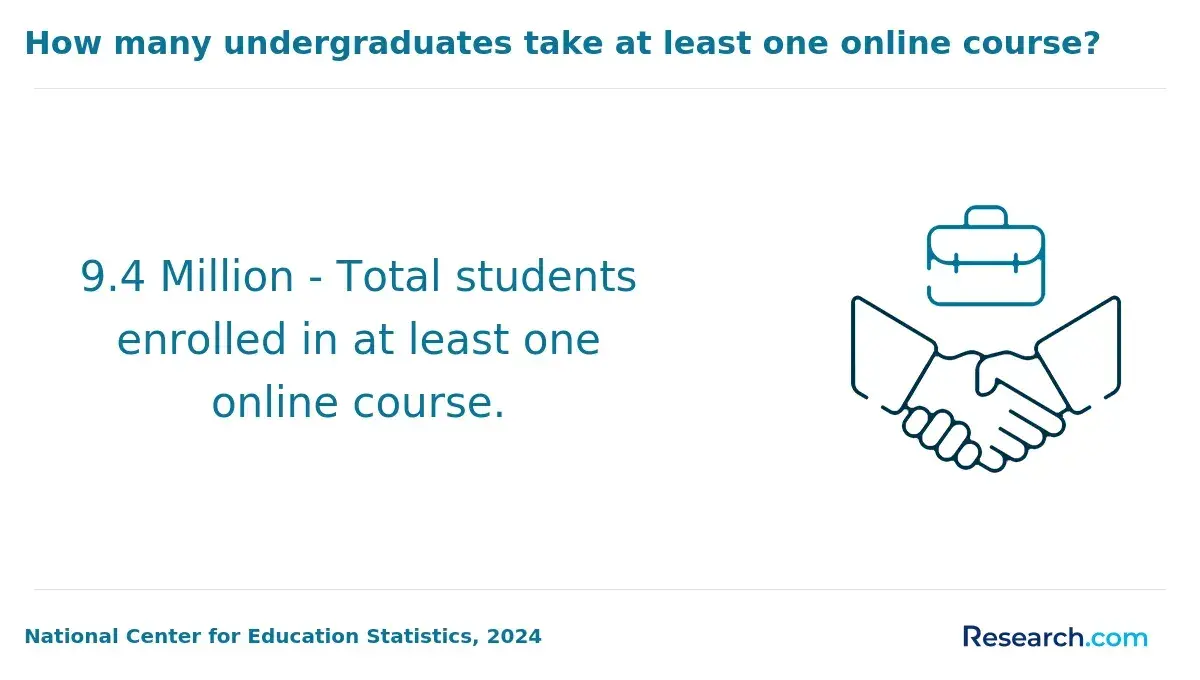
The popularity of online bioinformatics degree programs has surged recently, with the National Center for Education Statistics reporting a 5% increase in fully online enrollments from 2021 to 2023. As more students weigh their options, understanding the differences between online and on-campus programs becomes essential.
This article examines the key advantages and drawbacks of each format, focusing on flexibility, cost, learning experience, and career outcomes. By providing an objective comparison, prospective students can make informed decisions aligned with their academic goals and professional aspirations in this rapidly evolving field.
Key Benefits of Online vs On-Campus Bioinformatics Degrees
- Online bioinformatics programs offer flexible scheduling, enabling students to balance work and study, with 63% of online learners reporting improved time management skills.
- Students in online bioinformatics courses often save on average 40% in tuition and commuting costs compared to traditional on-campus programs.
- On-campus bioinformatics degrees provide direct access to state-of-the-art laboratory facilities and face-to-face collaboration, with 78% of employers valuing hands-on experience gained on campus.
Are Online vs. On-Campus Bioinformatics Programs Structured the Same Way?
Online and on-campus bioinformatics degree programs share core curricula but differ significantly in their program structures. These differences mainly arise from variations in course delivery, scheduling flexibility, and modes of student engagement.
Below is a comparison of key structural elements between online and on-campus bioinformatics formats, highlighting how they affect the student experience.
- Course Delivery: On-campus programs use face-to-face lectures, hands-on labs, and live discussions, providing immediate feedback and real-time interaction. Online programs rely on recorded videos, interactive modules, and discussion forums that allow students to study asynchronously at their own pace, though live interaction is more limited.
- Class Schedules: Traditional programs follow fixed timetables with scheduled classes and labs, ensuring a consistent routine. Online bioinformatics programs offer flexible schedules where students can complete coursework asynchronously, which benefits working professionals and international learners but requires stronger self-discipline.
- Interaction and Collaboration: On-campus formats encourage spontaneous, daily interaction among students and faculty through networking and teamwork activities. Online programs use structured forums, scheduled video conferences, and collaborative assignments to foster engagement, though peer interaction can sometimes be less dynamic.
- Practical Training: Both formats emphasize computational exercises and project-based learning, avoiding wet-lab requirements. On-campus students often have easier access to institutional resources, while online students utilize virtual labs and remote software access for hands-on experience.
- Student Outcomes: Research shows no significant difference in satisfaction or exam performance between online and on-campus bioinformatics students. Online programs may offer a more diverse and international environment, enriching global collaboration skills.
Are Admission Requirements the Same for Online vs On-Campus Bioinformatics Degree Programs?
Colleges and universities generally uphold consistent academic standards for both online and on-campus bioinformatics degree programs, ensuring graduates meet the same rigorous expectations in curriculum and learning outcomes. However, differences sometimes emerge in how institutions assess applicants' readiness, especially regarding skills and traits needed for success in an online learning environment.
The following outlines key similarities and differences in admission requirements for online bioinformatics degree programs compared to their on-campus counterparts, highlighting important factors prospective students should consider.
- Academic Qualifications: Both online and on-campus programs typically require a bachelor's degree in a related field such as biological sciences, computer science, or a quantitative discipline, along with a minimum GPA often set at 3.0 or higher. Prerequisite coursework usually includes calculus, statistics, programming, and biology, but some online programs may offer more flexibility by allowing summer or bridge courses to fulfill these requirements.
- Standardized Test Scores: GRE scores are increasingly optional across both formats. Many online programs have eliminated GRE requirements to attract working professionals, while some on-campus programs may still consider GRE results important for admissions.
- Work Experience: On-campus programs often focus on academic potential, whereas online options sometimes place greater value on relevant work experience or the applicant's ability to self-manage, recognizing the independent nature of online study. This makes online programs appealing to mid-career professionals seeking to advance their skills.
- Application Materials: Both program types require transcripts, letters of recommendation, and personal statements. Some online programs also request applicants to address their motivation for and preparedness to succeed in a fully online learning environment.
- English Language Proficiency: International applicants must demonstrate English proficiency through tests like TOEFL or IELTS, with minimum score requirements generally identical for both online and on-campus bioinformatics programs.
- Technical Readiness: Online programs may assess applicants' familiarity and comfort with digital platforms or self-paced learning, sometimes through essay prompts or interviews, to ensure readiness for the demands of remote education.
When evaluating differences in bioinformatics program prerequisites, it is useful to compare these criteria carefully to determine which format best suits one's background and lifestyle. Prospective students interested in accelerated advancement may also explore various fast track degrees options as part of their decision-making process.
Do Online Bioinformatics Students Receive the Same Academic Support as On-Campus Students?
Universities have significantly expanded their academic support systems to ensure that online bioinformatics students have access to resources and assistance comparable to their on-campus peers. This expansion addresses the growing demand for flexible education while maintaining high academic standards across delivery modes. Below is a comparison of key academic support services typically offered in both online and on-campus bioinformatics programs that contribute to student success.
- Tutoring services: Both formats offer tutoring, with online students accessing support through virtual platforms that enable flexible scheduling and remote help. On-campus students benefit from in-person tutoring sessions and peer study groups. These services help students master complex bioinformatics concepts and computational skills.
- Career counseling: Online programs provide virtual career advising, resume workshops, and networking events via video calls and online portals. On-campus students meet career advisors face-to-face and attend local job fairs. Both formats support graduates in pursuing careers in biotechnology, data science, and healthcare, with similar job placement outcomes.
- Library access: Online students gain full access to digital libraries and research databases available 24/7, while on-campus students utilize physical libraries along with digital resources. This ensures equitable research capabilities regardless of student location.
- Faculty interaction: Online students engage with instructors through discussion forums, video conferencing, and messaging, fostering regular communication. On-campus students benefit from direct meetings and classroom participation. Many online students report high satisfaction with faculty engagement and course interactivity.
- Technical support: Both delivery modes provide assistance for software installations, data analysis tools, and troubleshooting. Online students often rely more on remote IT support due to the digital focus of their coursework.
How Long Does It Take to Complete an Online vs an On-Campus Bioinformatics Degree?
The time it takes to complete a bioinformatics degree can vary widely depending on whether the program is delivered online or on campus, as well as factors such as student pace and scheduling flexibility. These elements play key roles in shaping each student's educational timeline and ability to balance other life commitments. Below is a comparison that outlines typical completion times and flexibility associated with both online and on-campus bioinformatics degree programs.
- Online bioinformatics degree Most online bioinformatics programs, especially at the master's level, cater to working professionals by offering significant flexibility in pacing and scheduling. Students can often complete coursework asynchronously, allowing for part-time study or accelerated progress based on personal availability. Typical completion ranges from 18 to 36 months, with some finishing sooner if enrolled full time, while others may take longer when balancing other responsibilities.
- On-campus bioinformatics degree Traditional on-campus programs usually follow a fixed semester calendar, requiring most students to engage in full-time study for about two years, or four semesters. This format demands regular in-person attendance at set class times, which can limit flexibility for those managing work or family. Although some institutions may offer part-time or accelerated options, the standard completion timeline remains approximately two years.
Both formats generally maintain comparable academic rigor and student outcomes when offered by the same university, with online programs attracting those needing adaptable schedules and on-campus options favoring direct academic support and in-person engagement.
When I spoke with a professional who pursued an online bioinformatics degree, he reflected on how the flexibility of the program was both a blessing and a challenge over his roughly three-year journey. "Balancing a full-time job and family meant sometimes moving slower than I wanted, but the ability to adjust my pace without pressure was crucial," he shared.
While the asynchronous format allowed him to study late into the night or on weekends, it also required a great deal of self-discipline and careful time management. He appreciated that although it took longer than a traditional two-year on-campus program, the extended timeline gave him room to absorb complex material thoroughly and apply it directly in his work.
He described the experience as "intense but rewarding," noting that the freedom to set his own schedule ultimately made completing the degree possible without sacrificing other priorities.
Are Online Bioinformatics Programs Cheaper Than On-Campus Ones?
Tuition, fees, and other expenses for online bioinformatics programs are generally lower than those for comparable on-campus programs, primarily because of savings on living costs and campus-related fees. However, costs vary widely based on the institution, program format, and individual circumstances.
Below are key cost factors to consider in the cost comparison of online vs on-campus bioinformatics degrees:
- Tuition and Fees: Online bioinformatics programs often have reduced tuition rates, sometimes charging thousands less than on-campus equivalents. While average online master's tuition ranges from $10,000 to $25,000 per year, on-campus tuition at major universities can exceed $28,000 to $59,000 annually.
- Living Expenses: Online learners avoid expenses related to relocating, rent, utilities, and meal plans, potentially saving over $10,000 per year. Students who remain at home or maintain employment can reduce overall costs significantly compared to those attending on-campus programs.
- Campus and Activity Fees: On-campus students typically incur extra fees for facilities and services that online students may avoid or pay at reduced rates, further lowering the total cost for distance learners.
- Technology Costs: While online students need reliable computers, internet access, and sometimes specialized software, these expenses are modest compared to room and board costs and are necessary investments for successful online study.
- Financial Aid Availability: Both learning formats generally qualify for federal aid and scholarships. However, some assistantships and aid packages are restricted to on-campus students, particularly at research-intensive institutions.
- Flexibility and Opportunity Cost: Online bioinformatics programs often allow students to continue working while studying, reducing lost income and opportunity costs-a valuable factor for many professionals.
For students seeking the most affordable online bioinformatics master's programs in the United States, exploring options at the best open enrollment colleges online can provide additional cost-effective opportunities tailored to their needs.
What Are the Financial Aid Options for Online vs On-Campus Bioinformatics Programs?
Both online and on-campus students pursuing bioinformatics degrees may qualify for various financial aid options, though eligibility and accessibility can differ based on the program format and the policies of the institution. Understanding these differences is important for those exploring funding opportunities to support their education.
Below is an outline comparing the main financial aid options available for both online and on-campus bioinformatics students, highlighting key distinctions and considerations.
- Federal Student Aid: Most accredited bioinformatics programs, whether online or on-campus, allow students to apply for federal aid such as Direct Unsubsidized Loans and Graduate PLUS Loans through the FAFSA. However, some online-only programs might not qualify for all federal aid types, and online learners may have reduced access to campus-based grants or work-study options. Federal aid typically requires U.S. citizenship or eligible non-citizen status and enrollment at least half-time in a degree-seeking program.
- State Aid: State grants and scholarships often prioritize students attending in-state public institutions, which can limit access for those enrolled in out-of-state online programs. Although some states provide aid to residents enrolled in approved online courses, restrictions are common and eligibility should be verified beforehand, especially for students seeking financial aid for bioinformatics degrees in the United States.
- Scholarships and Grants: Both online and on-campus students can benefit from merit-based and need-based scholarships offered by universities, government, and private organizations. Programs like the Fulbright and BITWISE scholarships are widely available regardless of learning modality. That said, some campus-based scholarships may favor on-campus attendance, while certain online bioinformatics scholarships for online and on-campus students specifically target remote learners.
- Employer Tuition Reimbursement: Employer-sponsored tuition benefits are popular among working professionals, particularly those enrolled in flexible online bioinformatics degrees. These benefits are generally accessible to both online and on-campus students, but online formats often ease the challenge of maintaining full-time employment while studying.
- Private Student Loans: Private lenders usually offer loans to students in accredited programs regardless of on-campus or online status. Terms depend heavily on creditworthiness and enrollment, with private loans often carrying higher interest rates and less flexible repayment than federal options. Students are advised to compare loan offers carefully.
While tuition costs may be lower in some online bioinformatics programs, many institutions now charge comparable rates for both online and on-campus education. Moreover, evidence shows that graduates from online programs have academic and career outcomes similar to their on-campus peers, and employer recognition of online degrees in STEM fields continues to improve. Those interested in pursuing these programs might also explore which fields have the majors that make the most money to align their education with career goals.
Are Online Bioinformatics Programs as Credible as On-Campus Ones?
Accreditation, faculty qualifications, and curriculum standards are key factors that establish the credibility of both online and on-campus bioinformatics programs. Many well-regarded institutions, including Johns Hopkins and Northeastern, offer online bioinformatics degrees that mirror the same rigorous coursework and are taught by equally qualified faculty as their traditional counterparts.
Accreditation from recognized agencies ensures that these programs meet consistent academic standards, regardless of delivery format. Research shows that student performance and satisfaction levels between online and on-campus bioinformatics courses are comparable, demonstrating that online learning does not compromise educational quality.
This alignment supports the argument that online programs provide flexible access without sacrificing academic rigor, making them a trusted alternative for working professionals.
When considering employer and academic institution perceptions, the divide between online and on-campus bioinformatics degrees is shrinking. Current trends indicate that an accredited degree from a reputable university holds similar weight in hiring and further educational opportunities, particularly in fields as digitally oriented as bioinformatics.
Surveys reveal no significant differences in student outcomes, with some evidence suggesting higher engagement among online learners. Innovations in virtual learning technology-such as interactive coursework, real-time collaboration tools, and strategic industry partnerships-are further enhancing the reputation of online programs.
These advances, paired with the benefits of cost savings and flexible scheduling, contribute to a growing acceptance and respect for online bioinformatics education in the professional and academic communities.
Do Employers Prefer Online vs On-Campus Bioinformatics Degrees?
Employers in the United States generally regard online and on-campus bioinformatics degrees as equally credible, assuming the program is accredited and offered by a respected university. According to recent surveys, nearly 87% of employers have hired graduates from online degree programs with 100% paying the same starting salaries as those holding in-person degrees.
However, employer decisions tend to emphasize factors beyond delivery format, such as the university's reputation, the program's accreditation status, and a candidate's ability to showcase relevant skills through internships, research, or projects.
These elements greatly influence hiring outcomes and are often considered more important than whether the degree was earned online or on-campus. This perspective aligns with findings that over 70% of U.S. organizations hired candidates with online credentials in the past year, highlighting that employer skepticism toward online education is diminishing.
Changing workplace dynamics, particularly the increase in remote and hybrid work options, have contributed to the growing acceptance of online bioinformatics education. Since much of the bioinformatics work is computer-based and conducive to digital collaboration, employers recognize that online degree programs help develop crucial skills such as self-motivation, time management, and proficiency with virtual teamwork tools.
Academic research supports the notion that there is no significant difference in academic performance or learning outcomes between online and on-campus bioinformatics students, with some online students even reporting heightened engagement and satisfaction.
In this evolving context, as long as candidates demonstrate mastery of bioinformatics tools and come from accredited schools, their credentials are viewed as competitively as those earned in traditional settings.
When I spoke with a professional who pursued an online bioinformatics program, she reflected positively on her employment journey. She emphasized that her employer valued the practical skills and projects she completed during her studies more than the online format itself.
"Being able to show real-world problem-solving through my internship and research was crucial," she explained, noting that this hands-on experience helped her stand out in interviews.
She also appreciated the flexibility of online learning, which allowed her to balance work and study while building a portfolio relevant to the field. Her experience illustrates that with the right preparation and credentials, graduates of online bioinformatics programs can successfully compete in the job market without disadvantage.
Do Online vs On-Campus Bioinformatics Program Graduates Earn the Same Salaries?
Salary comparisons between online and on-campus bioinformatics graduates are increasingly shaped by factors such as employer perceptions, program accreditation, and individual experience, rather than the learning format alone. As flexible learning becomes more common, the distinction in earning potential between these two groups has narrowed. The following points outline the main salary trends and determinants for online vs on-campus bioinformatics graduates.
- Employer Perception and Accreditation: Most employers in the U.S. now regard reputable online bioinformatics programs as equivalent to traditional on-campus degrees, especially when the program is properly accredited. The emphasis has shifted to the program's reputation and the candidate's demonstrated skills rather than the format of the education.
- Skillset and Experience: Practical skills, relevant internships, and research experience strongly influence salary outcomes. Entry-level bioinformatics professionals earn around $91,726 on average, with experienced individuals making over $103,000, irrespective of whether their degree was earned online or on-campus.
- Networking and Academic Support: While on-campus programs may offer enhanced face-to-face mentorship and direct networking opportunities that can impact initial job offers, leading online programs now provide robust career services and virtual networking platforms that help close this gap.
- Cost and Scheduling Flexibility: Online degrees often feature lower tuition and flexible scheduling, allowing students to work while studying. This financial advantage reduces debt and can lead to earlier workforce entry, indirectly improving long-term earnings despite similar starting salaries.
- Industry Demand and Location: Salaries vary by industry and geographic region; higher pay is typical in pharmaceutical, biotech, and tech sectors. Graduates from both online and on-campus programs can access these opportunities, though physical presence in biotech hubs and industry connections-more common for on-campus students-may influence starting salaries.
Students looking for reputable programs may consider accredited online universities with no application fee to minimize upfront costs while earning a competitive salary in bioinformatics.
How Do You Decide Whether an Online vs On-Campus Bioinformatics Program Is Right for You?
Choosing between an online and on-campus bioinformatics program depends largely on your personal learning preferences, lifestyle, and professional goals. Finding the right format ensures you can maximize your education and career potential. Below are key factors to consider when deciding which degree format suits you best:
- Learning Style: If you thrive in hands-on, face-to-face environments with direct interaction, on-campus programs typically provide more opportunities for collaborative activities like brainstorming and pair programming. Online bioinformatics programs, however, increasingly support visual and auditory learners through interactive features such as streaming lectures and threaded discussions, making them a strong alternative for self-motivated students.
- Flexibility Needs: Online degrees excel in providing flexible scheduling for working professionals and nontraditional learners who must balance studies with jobs or family. The ability to access coursework anytime makes online study particularly appealing, especially as 84% of students now require more adaptable learning environments.
- Budget Considerations: While online programs often reduce expenses associated with commuting, housing, and campus fees, tuition rates themselves may not always be lower. It is important to compare the total cost, including fees for technology and required materials, to decide which option fits your financial plan best.
- Networking Opportunities: On-campus study offers richer environments for face-to-face interaction with faculty, peers, and guest speakers, fostering spontaneous connections that can support your professional network. Online programs are improving virtual networking through forums and group projects but may not fully replicate in-person engagement, a factor to weigh when seeking strong industry ties.
- Access to Campus Resources: Students studying on-campus benefit from immediate access to specialized labs, research equipment, and university facilities critical for hands-on bioinformatics work. Though online programs may provide remote access to software tools, physical experiences and collaborations often remain more limited.
Deciding among the best online bioinformatics degree programs in the United States or comparing on-campus vs online bioinformatics master's advantages requires careful thought about these aspects. Additionally, if budget is a primary concern, understanding what trade school jobs pay the most can help you plan your educational investment and career trajectory more strategically.
Here's What Graduates of Online vs On-Campus Bioinformatics Programs Have to Say About Their Degree
- AJ: "The hybrid bioinformatics program offered the perfect blend of hands-on lab experience and remote coursework, which was ideal given my full-time job. This format provided access to both expert faculty guidance in person and the convenience of online learning, boosting my technical skills in algorithm development and machine learning. I appreciate how this program prepared me to work across interdisciplinary teams, enhancing my career advancement in pharmaceutical bioinformatics. The hybrid approach also helped me balance family commitments while staying deeply connected to the academic community."
- Carson: "Attending an on-campus bioinformatics program immersed me in a vibrant academic community where collaboration thrived. The face-to-face interactions with professors and peers enriched my learning and propelled my professional network, culminating in an internship that directly led to a stable job in genomics. Being on campus nurtured my leadership skills through student organizations focused on health informatics, allowing me to contribute to projects with local health systems. The structured environment challenged me but also helped me grow personally, stepping into my role with confidence and practical experience."
- Delilah: "Completing my bioinformatics degree entirely online gave me incredible flexibility to balance work and study, which was essential as a single parent. The program's structure allowed me to engage deeply with cutting-edge data analysis tools while connecting with a diverse global cohort. Launching my career after graduation, I found that employers highly respect the discipline and self-motivation that an online degree demonstrates. This experience also broadened my perspective on biotechnology's impact worldwide, fueling my passion for computational biology research. The online format truly prepared me for a dynamic, tech-driven industry environment."
Other Things You Should Know About Online & On-Campus Bioinformatics Degree Programs
In 2027, students studying bioinformatics online may encounter challenges such as limited access to lab facilities for hands-on experience and the need for self-discipline due to a lack of in-person structure. Meanwhile, on-campus students might struggle with higher costs and less schedule flexibility.
The respect for online bioinformatics degrees depends largely on accreditation and the institution awarding the degree. Accredited online programs from reputable universities hold comparable value to on-campus degrees. Employers increasingly recognize online qualifications, especially when paired with relevant skills and experience.
Some online bioinformatics programs integrate virtual labs, simulations, and local internships to provide practical experience. However, access to advanced laboratory equipment may be limited compared to on-campus settings. Students should assess how programs deliver hands-on training before enrolling.
References
- Online Master of Science in Biotechnology: Bioinformatics https://www.umgc.edu/online-degrees/masters/biotechnology-bioinformatics
- E-learning strategies from a bioinformatics postgraduate programme to improve student engagement and completion rate https://pmc.ncbi.nlm.nih.gov/articles/PMC9710613/
- The Problem With Exclusively Online Degree Programs https://tcf.org/content/commentary/the-problem-with-exclusively-online-degree-programs/
- What are the expectations of bioinformatics Masters students? https://academia.stackexchange.com/questions/75149/what-are-the-expectations-of-bioinformatics-masters-students
- Studying for a Bioinformatics degree https://www.biostars.org/p/418266/
- Master's in Bioinformatics https://www.brandeis.edu/online/academics/masters-degrees/bioinformatics/index.html
- MS in Bioinformatics Admission Requirements https://advanced.jhu.edu/academics/graduate/ms-bioinformatics/admission-application-requirements/
- Online and on-campus colleges | University of Phoenix https://www.phoenix.edu/blog/cost-of-online-vs-traditional-college.html
- Prospective Students https://bioinformatics.udel.edu/education/prospective-students/


