
2027 Accelerated vs. Traditional Surgical Tech Degrees: Pros & Cons

Co-Founder and Chief Data Scientist
The choice between accelerated and traditional surgical tech degrees presents distinct advantages and challenges. Accelerated programs often attract working adults or career changers, offering faster completion times, sometimes within a year. Traditional programs, however, provide a more flexible pace and allow deeper academic engagement. Recent data shows a 25% growth in accelerated healthcare training enrollments nationwide, reflecting evolving student preferences.
This article explores key differences between these paths, focusing on time commitment, learning experiences, career outcomes, and critical factors students must weigh when selecting a surgical tech program. Understanding these elements can help students align their educational choices with their personal and professional goals.
Key Points About Accelerated vs. Traditional Surgical Tech Degrees
- Accelerated programs offer flexibility and faster career entry, ideal for self-motivated learners ready to complete training in as little as 9-12 months.
- Traditional degrees support deeper academic engagement and stronger peer collaboration through extended coursework and clinical practice.
- Cost efficiency is a benefit of accelerated paths, while traditional routes provide a balanced pace for mastering complex surgical tech skills.
What Are the Differences Between Accelerated vs. Traditional Surgical Tech Programs?
The structure of accelerated and traditional surgical tech programs significantly differs in pacing, scheduling, and learning intensity. These variations shape distinct student experiences and affect how skills are developed over time. Below is a comparison of key structural differences between both formats.
When exploring the differences between accelerated and traditional surgical tech programs, consider the following aspects:
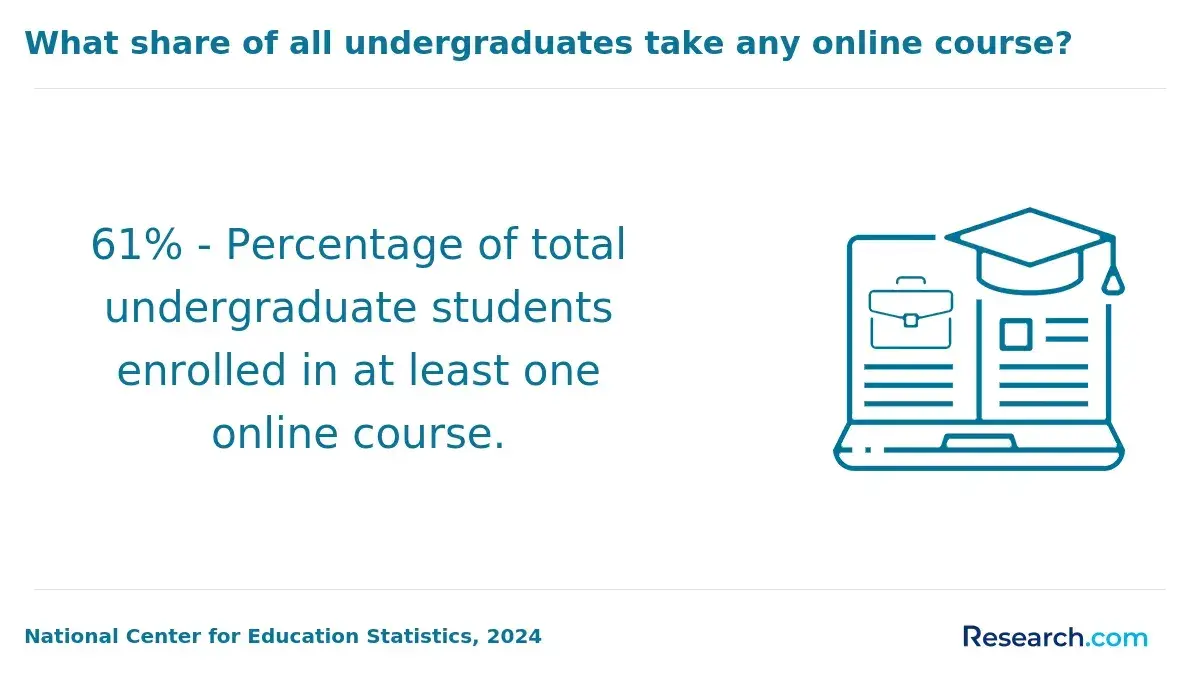
- Pacing and Intensity: Accelerated surgical tech program structure vs traditional ones show that accelerated programs are compressed, demanding quick material absorption and handling of intense workloads with frequent assessments. This suits students comfortable with high-pressure environments and independent learning. Conversely, traditional programs allow gradual skill development through extended pacing and repeated reviews.
- Learning Format: Accelerated tracks often use hybrid or online formats, combining virtual instruction with scheduled in-person skills labs and clinicals, providing flexibility for students balancing other responsibilities. Traditional programs generally require regular, in-person attendance with a fixed weekly schedule for classes, labs, and clinical placements.
- Clinical Experience: In accelerated programs, clinical rotations tend to be shorter and concentrated, requiring quick adaptation to surgical environments with less preparation time. Traditional programs integrate clinical exposure more gradually over several semesters, helping students build confidence with repeated practice.
- Support and Structure: Students in accelerated programs must be highly self-motivated and proactive, as instructor contact is often less frequent. Traditional students benefit from consistent faculty interaction, peer support, and on-campus resources, ideal for those who thrive under structured guidance.
For those interested in a faster option, exploring the top 6 month associate degree online offerings can provide valuable insight into accelerated surgical tech program structure vs traditional alternatives.
How Fast Can You Finish an Accelerated vs. Traditional Surgical Tech Program?
The length of surgical tech programs varies significantly between accelerated and traditional formats. Accelerated programs condense coursework and clinical hours into shorter terms, enabling quicker completion, while traditional associate degrees follow a standard academic pace with extended study periods. Understanding these differences helps prospective students choose the right path for their needs.
The comparison between fastest surgical tech program completion time and typical duration of traditional surgical tech degree highlights how program structure impacts completion timelines.
- Transfer Credits: Prior coursework in health sciences or general education can shorten time to graduation, especially in associate degree programs where transfer credits reduce required classes.
- Full-Time vs. Part-Time Enrollment: Full-time students progress through programs the fastest, often completing accelerated certificates in 6-10 months. Part-time enrollment can double the length of both accelerated and traditional programs.
- Course Intensity: Accelerated programs have condensed schedules requiring 30-60 hours per week, demanding strong time commitment but enabling earlier workforce entry.
- Clinical Rotation Structure: Intensive or block-scheduled clinical hours allow students to graduate sooner, while gradual or part-time rotations usually extend program duration.
- Program Prerequisites: Completion of prerequisites before enrollment adds months to the overall timeline, impacting both fast-track and traditional pathways.
Students unsure about program length or seeking options might explore what is an easy associate's degree to get as part of their planning process.
What Are the Admission Requirements for Accelerated vs. Traditional Surgical Tech Programs?
Admission requirements for accelerated and traditional surgical tech programs often share common standards, such as GPA, test scores, and prerequisite coursework. However, these programs differ in how they evaluate academic readiness and professional experience, catering to different types of students.
Below is a comparison highlighting the key distinctions in admissions expectations for accelerated surgical tech program admission requirements versus traditional Surgical Tech degree prerequisites.
- Academic Performance: Accelerated programs generally require a higher minimum GPA, often around 3.0 or above, and expect more recent completion of science courses. Traditional programs tend to accept students with a lower cumulative GPA, typically 2.0-2.5, attracting those seeking a broader access route.
- Work Experience and Prior Credits: Applicants to accelerated programs usually need prior college coursework, a healthcare-related associate degree, or relevant medical experience, ensuring preparedness for rapid study. Traditional programs often admit students with only a high school diploma or GED, focusing on foundational skill development.
- Prerequisite Coursework Completion: Accelerated formats commonly require all prerequisite courses like anatomy and medical terminology to be completed before applying, while traditional programs may permit students to finish some prerequisites during early terms.
- Holistic Admissions and Interviews: Accelerated programs frequently include interviews, personal statements, and assessments of readiness for intense training, reflecting a holistic review. In contrast, traditional programs emphasize eligibility based on test scores and basic criteria.
- Technical and Clinical Readiness: Accelerated applicants might need to demonstrate technical skills or clinical readiness earlier, including proof of surgical tech competencies, which is less emphasized in traditional admissions.
These differences ensure that accelerated programs select students prepared for condensed, accelerated study, while traditional programs offer a more gradual learning pace. For students comparing these paths, understanding these admission nuances is key to choosing the best fit.
For more information on cost-effective educational options, explore the cheapest masters degrees online.
How Are Accelerated Surgical Tech Courses Structured Compared to Traditional Ones?
Accelerated surgical tech programs compress the full curriculum into a significantly shorter period compared to traditional courses, focusing on a faster pace and often flexible delivery methods.
These programs allow students to complete training in months rather than years, while traditional ones typically follow a longer, semester-based timeline with steadier pacing and campus-based classes.
Here are key distinctions between accelerated and traditional surgical tech programs:
- Course Length: Traditional programs usually span two years across several semesters, ideal for students balancing school with other commitments. Accelerated courses condense this same material into 8-12 months or less, suitable for career changers or those with prior experience seeking faster certification.
- Weekly Workload: Accelerated formats require intensive full-time study and frequent assessments, demanding high weekly hours. In contrast, traditional programs offer a more manageable pace, making them better for learners who prefer gradual progress.
- Instruction Style: Traditional programs generally take place on campus with scheduled classes, providing structured learning environments. Accelerated options often include online or hybrid formats, offering flexibility without compromising academic quality, as both maintain CAAHEP or ABHES accreditation and prepare students for the certified surgical technologist exam.
How Much Do Accelerated Surgical Tech Programs Cost Compared to Traditional Programs?
Costs for surgical tech programs can vary significantly between accelerated and traditional formats, mainly due to differences in program length and credit requirements. Accelerated courses often have lower total tuition because they condense training into fewer months, while traditional programs usually span two years with higher overall expenses.
Here are some key financial considerations to compare when choosing between these options:
- Tuition Rate per Credit: Accelerated programs tend to offer lower or bundled tuition rates, sometimes covering materials and exam fees in one upfront cost. In contrast, traditional programs may charge by semester or individual credits, leading to higher cumulative tuition over time.
- Program Duration and Total Cost: With accelerated courses completing in 4 to 6 months, total costs can range from $2,900 to $4,000, while traditional associate degrees often cost between $10,000 and $40,000 over two years.
- Additional Expenses: Traditional programs frequently require extra spending for textbooks and campus fees, adding several hundred to a couple thousand dollars to the budget. Many accelerated courses include such costs within the tuition package.
- Opportunity Cost: Faster completion in accelerated programs allows students to start working and earning sooner, reducing lost income time compared to longer traditional programs.
- Financial Aid Options: Traditional programs often provide broader access to federal financial aid due to institutional accreditation, whereas some accelerated online programs rely more on private funding or payment plans.
What Financial Aid Is Available for Accelerated vs. Traditional Surgical Tech Degrees?
Both accelerated and traditional surgical tech degree students can qualify for financial aid, though eligibility and the timing of disbursements often vary due to differences in program length and enrollment status. These factors can impact when and how aid is received throughout the course of study. Below is a comparison of key financial aid aspects for each format.
- Federal Aid Eligibility: Both accelerated and traditional students can apply for federal grants and loans via FAFSA, but accelerated programs with shorter durations may receive aid in fewer disbursement periods compared to traditional two-year programs, which follow standard federal aid cycles more closely.
- Scholarship Timelines: Scholarships and state grants are accessible to all students meeting accreditation and financial need criteria, but some awards may align better with longer traditional programs' schedules.
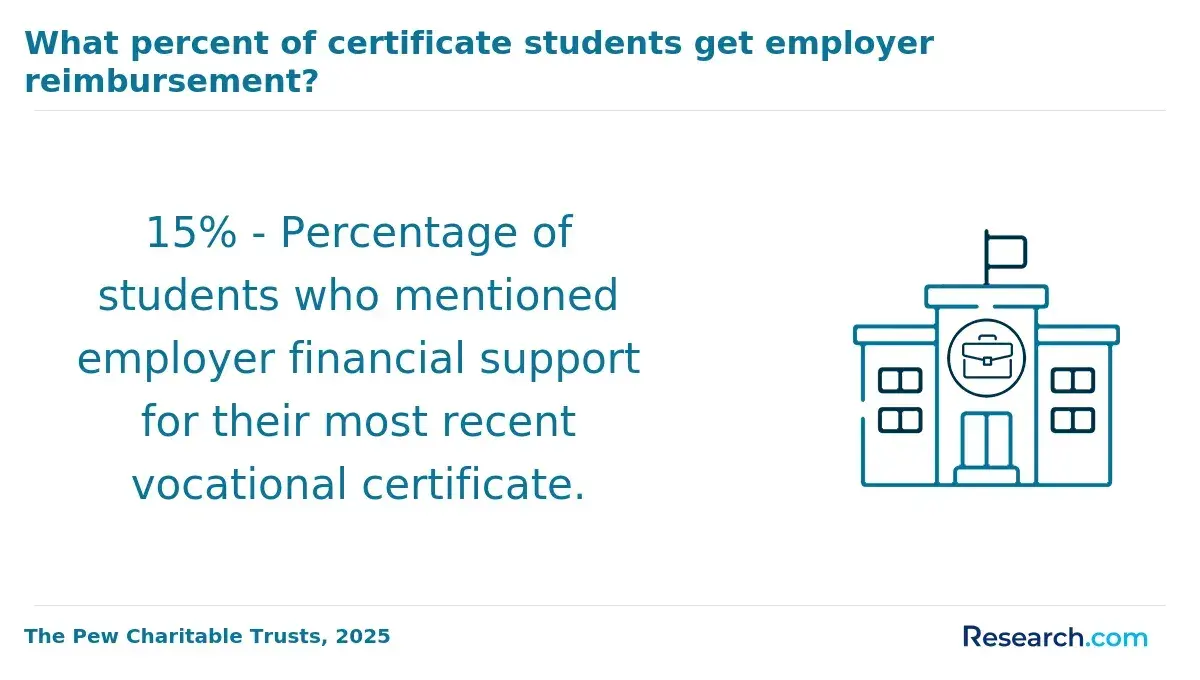
- Employer Tuition Assistance: Many healthcare employers support tuition reimbursement or loan repayment for both program types, though students should verify eligibility specifics with their employer and school.
- Disbursement Pace: Accelerated programs' compressed timelines can lead to faster aid distribution, sometimes requiring students to manage funds carefully due to limited renewal opportunities within a calendar year.
A professional who pursued an accelerated surgical tech degree shared that navigating financial aid felt intense but ultimately rewarding. "Because the program was so fast-paced, I had to stay very organized with applying for grants and loans upfront," he said. "There wasn't much room for delays or missed deadlines. Financial aid offices were helpful, but I had to be proactive every step of the way." He reflected that while the process could be stressful, securing aid early allowed him to focus fully on completing the program without constant financial worry.
What Kind of Student Support Do Accelerated vs. Traditional Surgical Tech Programs Offer?
Student support is essential for academic achievement, and accelerated and traditional surgical tech programs often vary in how these services are provided, both in timing and delivery. The nature and responsiveness of support can significantly impact the student experience. The following list outlines key differences in common support services between these two formats.
- Academic Advising: Accelerated programs usually utilize online platforms for advising, offering quick access but fewer personal meetings due to intense schedules. Traditional programs provide frequent, scheduled advising sessions that foster deeper faculty relationships.
- Tutoring and Academic Support: In accelerated programs, tutoring is often flexible, available through online or drop-in formats to match the fast pace. Traditional programs tend to have established tutoring centers and in-person study groups focusing on sustained learning.
- Career Counseling: Accelerated tracks often connect career guidance with clinical experiences and employer partnerships to expedite job placement. Traditional programs generally offer broader career counseling services on campus, with a longer-term outlook on job search support.
- Peer Interaction: Accelerated students value hands-on mentorship but sometimes desire more face-to-face peer engagement, while traditional programs naturally allow more time for social and peer networking opportunities.
Do Graduates from Accelerated vs. Traditional Surgical Tech Programs Get Hired More Quickly?
Employment outcomes are a crucial factor when deciding between accelerated and traditional surgical tech programs. Both formats can open strong career paths, but the speed at which graduates find jobs may vary based on several aspects. Understanding these differences can help prospective students make informed decisions. Here are key trends and factors influencing job placement for graduates of each program type.
- Employer Perception: Some employers prefer traditional program graduates, believing that longer training provides deeper hands-on experience. However, many value clinical competence and certification above program length, causing minimal hiring bias.
- Career Readiness: Graduates from accelerated programs enter the workforce sooner, filling vacancies quickly. Traditional program graduates often feel more confident due to extended clinical hours, which can influence employer confidence in their readiness.
- Industry Demand: Growing need for surgical techs results in strong job placement for both groups. For example, Santa Fe College reports over 91% employment shortly after graduation regardless of program style.
- Job Placement Speed: Most graduates secure employment within 3 to 6 months after completing certification and clinical requirements, with little difference between accelerated and traditional pathways.
When I spoke with a professional who completed a traditional surgical tech degree, she emphasized the importance of clinical experience for her confidence entering the job market. She described navigating the job search as initially stressful but found that her thorough training eased employer interviews.
"I felt prepared to handle real situations, which helped me land a position within a few months," she shared. Although quicker than expected, the process required patience and persistence, illustrating that while accelerated programs speed entry, traditional pathways build a strong foundation that can also lead to timely hiring.
Are Accelerated Surgical Tech Degrees Accredited the Same Way as Traditional Programs?
Accreditation ensures academic quality and legitimacy for both accelerated and traditional surgical tech programs, regardless of pacing or delivery format. It is a critical factor that affects financial aid eligibility, credit transferability, and employer recognition. Both program types must meet rigorous standards set by recognized accrediting bodies to maintain a consistent educational level.
This guarantees that students receive a credible education that prepares them effectively for their careers. Verifying whether a surgical tech program is CAAHEP accredited is essential for students choosing accelerated pathways, as these programs hold to the same high expectations as their traditional counterparts.
The accreditation standards for surgical tech degrees generally apply equally to accelerated and traditional formats, though institutions may design accelerated coursework to compress learning into a shorter timeframe without compromising content.
These standards are enforced by regional or programmatic accrediting agencies, such as the Commission on Accreditation of Allied Health Education Programs (CAAHEP), ensuring that all surgical tech graduates meet established competencies. Students should always check institutional accreditation before enrolling to confirm that their degree will be recognized by certification boards and future employers.
For those interested in fast-track credentials with strong career outcomes, exploring options like the quickest degree highest pay can offer valuable insight into accelerated programs approved under proper accreditation guidelines.
How Do You Choose Between an Accelerated vs. Traditional Surgical Tech Degree?
Choosing between an accelerated and a traditional surgical tech degree depends largely on your career goals, schedule flexibility, and preferred learning pace. Both options offer distinct advantages that cater to different personal circumstances and educational needs. Below are key factors to evaluate before deciding which path fits you best, especially if you want to find the best accelerated surgical tech programs.
- Time Commitment: Accelerated programs condense coursework and clinical hours into fast-paced schedules, often completed within 4 to 12 months. This is ideal for students wanting to enter the workforce quickly or with prior healthcare experience. Traditional degrees usually span 18 months to two years, accommodating those who prefer a slower, more manageable pace.
- Learning Style: If you excel in intense, structured environments and can handle rigorous study, accelerated tracks suit you well. Those who benefit from repetition, face-to-face instruction, and steady progress may find traditional programs better for their needs.
- Flexibility: Accelerated surgical tech programs often include online or hybrid models, allowing for self-paced study combined with regular instructor support. Traditional programs typically require consistent on-campus attendance and clinical rotations spread over a longer duration.
- Career Goals: Accelerated degrees allow earlier entry into surgical tech roles, meeting immediate job market demands. Traditional degrees offer broader foundational knowledge and may open doors for long-term career advancement and specialization.
When you compare traditional vs accelerated surgical tech degrees, consider your lifestyle and priorities carefully. Both formats adhere to rigorous standards preparing graduates for professional certification. For additional educational options, including the best online colleges with national accreditation can offer varied pathways to achieve your goals.
What Students of Accelerated vs. Traditional Surgical Tech Programs Say About Their Degree
- The traditional surgical tech degree program provided me with a solid foundation over a longer timeline, which helped me absorb complex concepts deeply. Though the longer duration increased the total cost, I appreciated the structured pace that allowed time for hands-on practice. Overall, it has significantly boosted my confidence entering the OR. - Jase
- Balancing personal responsibilities while enrolled in a traditional surgical tech program was challenging due to the extended commitment and expenses, but the thorough training paid off in the quality of my skills. The program's steady pace suited my learning style, and I feel well-prepared for my future career. - Kyro
- Opting for an accelerated surgical tech program was intense-fast-paced classes meant less downtime, but I was able to enter the workforce sooner, which helped offset tuition costs. While the speed was stressful at times, this approach matched my motivation to quickly advance professionally. I definitely recommend it for driven individuals ready for a challenge. - Aaron
- Aaron: "Opting for an accelerated surgical tech program was intense-fast-paced classes meant less downtime, but I was able to enter the workforce sooner, which helped offset tuition costs. While the speed was stressful at times, this approach matched my motivation to quickly advance professionally. I definitely recommend it for driven individuals ready for a challenge. "
- Kyro: "Balancing personal responsibilities while enrolled in a traditional surgical tech program was challenging due to the extended commitment and expenses, but the thorough training paid off in the quality of my skills. The program's steady pace suited my learning style, and I feel well-prepared for my future career. "
- Jase: "The traditional surgical tech degree program provided me with a solid foundation over a longer timeline, which helped me absorb complex concepts deeply. Though the longer duration increased the total cost, I appreciated the structured pace that allowed time for hands-on practice. Overall, it has significantly boosted my confidence entering the OR. "
Other Things You Should Know About Traditional vs. Accelerated Surgical Tech Degrees
In 2027, completing an accelerated surgical tech program may offer faster entry into the workforce, beneficial in high-demand areas. However, traditional programs might provide more extensive training, potentially leading to broader job prospects. Employers value both pathways, but specific job opportunities can vary by region and healthcare facility preferences.
Completing an accelerated surgical tech program in 2027 does not inherently limit job opportunities. Employers often focus on certification, practical skills, and competencies rather than program length. However, traditional programs might offer more internship opportunities, which can enhance a graduate's resume.
The accelerated format demands a rigorous schedule for learning both theory and clinical practice in a compressed period. This intensity can increase stress and risk of burnout, especially for students balancing work or family commitments. Students should assess their personal resilience and support networks before choosing an accelerated path.
References
- Complete Guide: How to Become a Surgical Technologist - Baker College https://www.baker.edu/about/get-to-know-us/blog/complete-guide-how-to-become-a-surgical-technologist/
- Traditional vs. Accelerated BSN: Which is Right for You? https://blog.methodistcollege.edu/bid/198718/traditional-versus-accelerated-bsn-which-is-right-for-you
- Do I Need a Degree to Become a Surgical Technologist? https://www.healthtechacademy.org/surgical-technologist/do-i-need-degree-to-become-surgical-technologist
- How You Could Become a Surgical Tech Faster - Preppy https://preppy.org/how-to-become-a-surgical-tech-faster/
- Surgical Tech Degree In NJ | Eastwick College https://eastwick.edu/articles/finding-the-best-surgical-tech-programs-in-nj/
- Comparison of NCLEX-RN Pass Rates between Accelerated and Traditional Prelicensure BSN Programs https://www.gavinpublishers.com/article/view/comparison-of-nclex-rn-pass-rates-between-accelerated-and-traditional-prelicensure-bsn-programs
- How to Choose the Best Surgical Tech Program | Your Guide https://www.brooklinecollege.edu/blog/how-to-choose-the-best-surgical-tech-program/
- Surgical Tech Program Length: How Long Does It Take - Medical Prep https://medicalprep.org/surgical-tech-program-length/
- 9 Things You Should Know About Surgical Technologist Programs https://www.rasmussen.edu/degrees/health-sciences/blog/9-things-you-should-know-about-surgical-technologist-programs/


