
2027 How to Verify Accreditation for Surgical Tech Degree Programs

Co-Founder and Chief Data Scientist
Many prospective students face uncertainty when selecting surgical tech degree programs, risking enrollment in unaccredited institutions. This jeopardizes their access to federal financial aid and eligibility for certification exams. According to the National Board of Surgical Technology and Surgical Assisting, over 23% of surgical tech programs in the U. S. lack proper accreditation, which can hinder graduates' employment prospects.
Confirming accreditation ensures a program meets industry standards and supports licensure requirements. This article explains how to verify the accreditation status of surgical tech degree programs to help students make informed decisions that protect their educational and professional futures.
Key Benefits of Accredited Surgical Tech Degree Programs
- Accreditation guarantees academic quality by ensuring programs meet rigorous national standards, which directly impacts student learning outcomes and skill competency in the surgical tech field.
- Only accredited surgical tech programs qualify students for federal financial aid, making education more affordable and accessible to a broader range of candidates pursuing certification.
- Employers and licensing boards often require graduation from accredited surgical tech programs, enhancing job prospects and compliance with professional licensure requirements nationwide.
What Does Accreditation Mean for Surgical Tech Degree Programs?
Accreditation in higher education is a critical process that ensures surgical tech degree programs meet established quality standards set by recognized agencies. In the United States, the Commission on Accreditation of Allied Health Education Programs (CAAHEP) is the primary accrediting body that evaluates programs based on curriculum content, faculty expertise, student outcomes, and institutional resources.
This formal recognition confirms that students receive an education aligned with industry expectations. Over 90% of surgical tech students enroll in accredited programs, demonstrating the impact of surgical tech program accreditation on career readiness as a key factor for informed decision-making.
For students, accreditation indicates a program's commitment to maintaining high standards in instruction and clinical training, which is vital for gaining practical skills. Accredited programs often provide better access to updated technologies and methodologies, enhancing the overall learning experience.
This emphasis on quality reflects the importance of accredited surgical tech education for licensure and readiness to enter the field with confidence. Those researching options may also benefit from exploring RN to BSN online programs without clinicals as part of their broader educational planning.
What Types of Accreditation Should a Surgical Tech Degree Program Have?
Ensuring a surgical tech degree program is properly accredited is essential for verifying program quality, eligibility for financial aid, and future career and licensure opportunities. Several distinct accreditation types influence academic standards and recognition, which this overview will clarify.
- Institutional Accreditation: This applies to the entire college or university, reflecting broad educational standards upheld by regional or national accrediting bodies. Institutional accreditation plays a key role in credit transferability and access to federal financial aid, making it a vital consideration when evaluating programs.
- Programmatic Accreditation: Focused specifically on the surgical tech program, recognized accrediting agencies assess curriculum rigor, faculty qualifications, and student outcomes. This specialized accreditation is critical for meeting licensure requirements and ensuring valid surgical tech program accreditation in the United States.
- Regional Versus National Accreditation: Regional accreditation is typically preferred due to its higher academic rigor and wider acceptance among other institutions. Programs with regional accreditation can better support students' educational progression and professional recognition.
- Licensure and Employer Recognition: Surgical tech programs accredited by recognized surgical tech-specific agencies enhance graduates' eligibility for certification exams and employer acceptance. Choosing a program with these credentials ensures alignment with industry standards and long-term career prospects.
Prospective students should verify these credentials to confirm the program's legitimacy and compatibility with their career goals. For those interested in related fields, exploring an accelerated MA program can also be a valuable pathway.
How Can You Verify If a Surgical Tech Degree Program Is Accredited?
Confirming a surgical tech degree program's accreditation is vital to guarantee educational quality, secure financial aid opportunities, and support licensure and career prospects. Accreditation affirms that the program aligns with recognized standards, protecting students from inadequate training.
Here are key ways to verify accredited surgical tech degree programs:
- U.S. Department of Education Database: Search the department's official database for accredited schools and programs. This resource lists federal-approved accreditors and confirms the institution meets national educational standards.
- Council for Higher Education Accreditation (CHEA): Consult the CHEA database to identify respected accrediting organizations. CHEA recognition ensures the accreditor adheres to strict quality criteria, lending credibility to the surgical tech program's credentials.
- Direct School Inquiry: Reach out to the program's admissions or registrar office to verify their accreditation status. Schools typically provide proof or direct prospective students to their accrediting agencies for confirmation.
- Program-Specific Accreditation: Look for accreditation by industry-focused bodies like the Accrediting Bureau of Health Education Schools (ABHES) or the Commission on Accreditation of Allied Health Education Programs (CAAHEP). Such accreditation validates the surgical tech curriculum meets healthcare standards.
- Research Online Medical Programs: Explore information about trusted online medical programs to gain insights into reputable accredited options available for surgical tech education.
What Red Flags Indicate a Surgical Tech Program May Not Be Accredited?
Identifying warning signs of unaccredited surgical tech programs is vital for safeguarding your academic reputation, qualifying for financial aid, and securing reliable career opportunities. Being aware of these red flags helps ensure you choose a program that meets established standards.
Here are key indicators to watch for:
- Claims of "Lifetime" Accreditation: Legitimate accreditation is awarded for specific durations and requires periodic reassessment. Programs boasting permanent accreditation without renewal processes may not adhere to recognized quality benchmarks.
- Unrecognized Accrediting Bodies: Accredited surgical tech programs should be approved by reputable agencies such as the Commission on Accreditation of Allied Health Education Programs (CAAHEP). Programs that fail to identify a valid accreditor or mention unknown organizations raise serious credibility concerns.
- Exceptionally Low Tuition: While affordable education is appealing, tuition fees that are unusually low might indicate insufficient resources, poorly qualified instructors, or outdated facilities, all of which compromise training quality.
- Misleading Program Information: Vague course outlines, exaggerated claims of job placement, or promises of certification without proper licensing prep suggest the program may lack transparency or fail to meet industry norms.
Always confirm accreditation status through official accrediting agency websites and remain cautious of programs that present inconsistent or overly positive information.
Are Online Surgical Tech Degree Programs Accredited?
Online surgical tech degree programs can indeed be accredited, which is essential for maintaining educational quality, ensuring eligibility for federal financial aid, and gaining recognition from employers and licensing bodies. Accreditation confirms that these programs meet rigorous criteria related to teaching standards, student achievement, and institutional oversight, comparable to those applied to traditional campus programs.
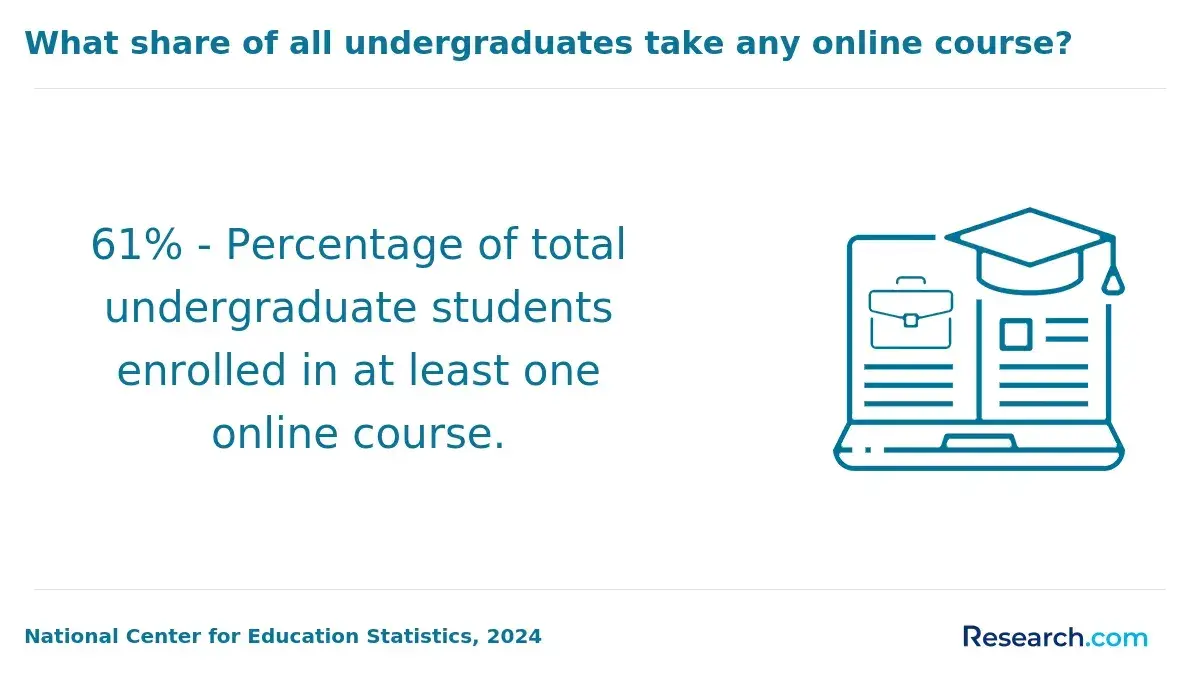
In 2023, 53.2% of students at U.S. postsecondary institutions were enrolled in distance education courses, highlighting the widespread acceptance of online learning formats. Accrediting organizations assess online and campus surgical tech programs alike to guarantee consistent academic quality and appropriate student support services. Prospective students should verify that their chosen program is accredited by agencies specializing in health sciences to secure a credible credential and future career prospects.
When I spoke with a graduate of an online surgical tech program, he shared that while managing coursework remotely was demanding, he felt reassured knowing the program's accreditation validated his education. He noted how important it was to have clear communication with instructors and access to clinical placements arranged through the program.
"There were moments when juggling work, study, and practical requirements felt overwhelming," he admitted, "but knowing the accredited status meant employers would take my certification seriously." His experience highlighted how accreditation not only supports educational standards but also helps build confidence in long-term professional opportunities.
Does Accreditation Affect Licensure Eligibility for Surgical Tech Careers?
Accreditation is essential for students pursuing careers in licensed or regulated surgical tech professions because it confirms the program meets strict educational standards required for professional recognition. This factor strongly influences a candidate's eligibility for licensure and certification.
Below are key ways accreditation affects these outcomes:
- Certification Exam Eligibility: Enrollment in an accredited surgical tech program is generally required to qualify for national certification exams such as those administered by the NBSTSA. Passing these exams is often mandatory to obtain official recognition and legal licensure in many states.
- Licensing Board Requirements: Most state and regional licensing authorities mandate completion of an accredited program before allowing candidates to apply for surgical tech licensure. This protects public safety by ensuring practitioners have received verified training.
- Employer and Regulatory Recognition: Employers and regulatory bodies tend to prioritize or require credentials from accredited programs, viewing accreditation as evidence of quality education. Graduates holding accreditation-backed certifications typically find greater job opportunities and professional credibility.
- Limitations Without Accreditation: Without attending an accredited program, students may be barred from sitting for licensure and certification exams, face difficulty securing employment, and lose eligibility for federal financial aid. Additionally, lacking accreditation can hinder the ability to meet ongoing professional education or regulatory standards.
Will Credits From an Accredited Surgical Tech Program Transfer to Another School?
Students who may change schools, pursue advanced degrees, or relocate should carefully consider whether credits from an accredited surgical tech program will transfer. Successfully transferring credits can save both time and tuition costs.
Several important factors determine the likelihood of credit transfer:
- Institutional Accreditation Type: Credits earned from surgical tech programs accredited by recognized agencies tend to have higher acceptance rates at other accredited institutions, as they meet established quality standards that receiving schools trust.
- Course Equivalency and Curriculum Alignment: The transferability depends largely on how well the courses completed match the content and rigor of the new institution's surgical tech curriculum. Similar coursework increases the chance of acceptance.
- Receiving School Transfer Policies: Each college or university enforces its own guidelines for accepting transfer credits. Some institutions may accept only certain programs or courses based on their internal evaluation.
- Limits on Transfer Credits: Some schools cap the number or percentage of credits transferable, meaning even eligible courses might not be fully credited towards degree completion if limits are reached.
When asked about her experience navigating credit transfer, a graduate of a surgical tech degree program shared that it was a careful process requiring persistence. She noted, "I had to provide detailed syllabi and communicate frequently with the registrar's office to explain course content." Although some credits were accepted seamlessly, others required additional approval or testing.
She reflected, "It felt frustrating at times, but being proactive and thorough made the difference in successfully transferring most of my credits." This personal insight highlights the practical challenges and rewards involved in ensuring previously earned credits count toward continued education.
Does a Surgical Tech Program Need Accreditation to Qualify for Financial Aid?
Accreditation plays a vital role in determining eligibility for federal, state, and institutional financial aid, with approximately 90% of federal funds restricted to accredited programs. This essential factor affects the availability of various funding sources for students pursuing surgical tech studies.
The following points highlight key impacts of accreditation on financial aid opportunities:
- Federal Aid Eligibility: Accreditation is required for programs to qualify for Title IV federal financial aid, including Pell Grants and federal loans. Students in nonaccredited programs are typically ineligible for these benefits, limiting their ability to finance education costs.
- State and Military Benefits: Many states and military education programs, such as the GI Bill, mandate enrollment in accredited surgical tech programs to access grants and veteran benefits. Without accreditation, students risk losing these valuable aid options.
- Institutional Scholarships: Internal scholarships and grants from educational institutions often depend on a program's accreditation status. Accredited programs are likelier to offer such aid, reducing students' out-of-pocket expenses significantly.
- Career and Licensure Support: Accreditation not only affects financial aid but also facilitates smoother pathways toward licensure and employment, indirectly impacting students' long-term cost savings and career opportunities.
How Does Program Accreditation Influence Employability in Surgical Tech Fields?
Program accreditation is a crucial factor for students evaluating career prospects and job market credibility in the surgical tech field. Studies show that nearly 75% of employers prefer candidates from accredited programs, highlighting the importance of this recognition in hiring decisions.
The following points outline how accreditation significantly influences employability for surgical tech graduates:
- Employer Recognition: Accreditation signals to employers that graduates have completed education and training that meet standardized quality benchmarks, increasing trust in their skills and knowledge. This recognition helps graduates stand out in a competitive job market and aligns with hiring preferences widely reported in the industry.
- Professional Credibility: Graduates from accredited programs gain enhanced credibility, as accreditation assures consistent educational rigor. This credibility extends beyond initial hiring, impacting ongoing career growth and professional reputation within healthcare settings.
- Certification Eligibility: Completion of an accredited surgical tech program is often a prerequisite to sit for national certification exams, such as those administered by the National Board of Surgical Technology and Surgical Assisting (NBSTSA). Certification validates expertise and expands job opportunities while also potentially increasing earning potential.
- Job Market Competitiveness: Accreditation boosts competitiveness by providing access to federal financial aid that supports degree completion, which indirectly benefits career advancement. Furthermore, graduates from accredited programs are favored by employers and tend to have higher employment rates when entering the field.
For students researching options, confirming program accreditation status can ensure access to benefits such as licensure eligibility and greater hiring potential. Those interested in exploring affordable options might consider an online nursing program, which often shares similar accreditation standards and financial aid access. The impact of surgical tech program accreditation on employer hiring decisions remains a decisive factor shaping long-term career success.
Do Graduates From Accredited Surgical Tech Programs Earn Higher Salaries?
Graduates from accredited surgical tech programs typically have greater earnings potential due to the recognized quality and credibility that accreditation provides. On average, the salary for graduates from accredited surgical tech programs ranges from $49,000 to $55,000 annually, compared to $40,000 to $45,000 for those from non-accredited programs.
Several key factors help explain these salary differences:
- Employer Preference: Healthcare facilities often require candidates to graduate from accredited programs to ensure they have received comprehensive training and can meet job demands safely and effectively.
- Eligibility for Higher-Level Positions: Graduates of accredited programs are generally eligible to take nationally recognized certification exams, which open doors to advanced roles offering better compensation and benefits.
- Industry Recognition: Accreditation signals that a graduate's education meets established standards, enhancing their competitiveness in the job market and leading to higher starting salaries.
- Long-Term Career Advancement: Those with accredited credentials tend to receive more professional growth opportunities, which can result in increased salary potential throughout their careers.
Prospective students seeking the average salary for graduates from accredited surgical tech programs should also consider program affordability and quality. Resources listing the cheapest BSN programs can help compare affordable pathways in related healthcare fields while exploring long-term financial and career benefits.
What Graduates Say About Their Accredited Surgical Tech Degree
- Michelle: "Learning about accreditation opened my eyes to how crucial it is for ensuring quality education in surgical tech programs. I carefully checked each program's credentials through official accrediting bodies before enrolling. Graduating from an accredited program has given me confidence in my skills and made job hunting significantly smoother."
- Lenora: "When I first considered pursuing a surgical tech degree, I didn't realize how important accreditation was until I spoke with several professionals. I then took deliberate steps to verify the accreditation status by reviewing recognized council websites and contacting schools directly. Completing an accredited program has truly shaped my career trajectory by providing both credibility and a strong foundation of knowledge. "
- Holly: "Understanding the rigorous standards behind an accredited surgical tech degree was a pivotal moment in my educational journey. To make sure I chose the right program, I researched accreditation agencies and confirmed each program's status thoroughly. This commitment to accreditation has empowered me professionally, opening doors to reputable healthcare facilities and ongoing career growth. "
Other Things You Should Know About Surgical Tech Degrees
When selecting a surgical tech program in 2027, consider the program's accreditation status, hands-on training opportunities, faculty qualifications, and graduate success rates. Ensure the program is accredited by reputable organizations like CAAHEP or ABHES to guarantee quality education and professional readiness.
Hands-on training for surgical tech students typically must include a clinical externship or practicum in an accredited healthcare facility. This experience is regulated to ensure students gain real-world skills under supervision. Federal and accrediting agencies mandate minimum hours and specific competencies to be covered during this practical training phase.
Yes, surgical tech programs must employ faculty with relevant credentials, usually including certification as a surgical technologist and significant clinical experience. Many accrediting bodies require instructors to have a combination of professional certification and teaching experience to maintain program approval. This ensures that students receive education that aligns with current industry standards.
References
- Funding Surgical Tech Education: Grants and Loans - CNI College https://cnicollege.edu/blog/student-services/pay-surgical-tech-programs-federal-financial-aid/
- Surgical Technician | Online National Certification https://www.americanalliedhealth.com/certification/surgical-technician-certification
- Accreditation Review Council on Education in Surgical Technology and Surgical Assisting https://arcstsa.org/
- Career Progression Guide for Surgical Technologists: What to Expect https://www.incrediblehealth.com/tech/career-progression-guide-for-surgical-technologists-what-to-expect/
- Surgical Tech Certification & License Paths | Aya Healthcare https://www.ayahealthcare.com/blog/travel-surgical-tech-certifications-state-licensure/
- Top 5 Fast-Growing Healthcare Careers That Don’t Require a 4-Year Degree https://www.midwestinstitute.edu/blog/surgical-technologist-career-guide-education-salary-certification/
- Surgical Technology https://www.herzing.edu/healthcare/surgical-technology-degree
- Is Surgical Tech a Good Career? Pros & Cons to Consider https://www.stepful.com/post/is-surgical-tech-a-good-career-pros-cons
- Surgical Technology https://www.caahep.org/committees-on-accreditation/surgical-technology


