
2027 Return on Investment (ROI) of a Surgical Tech Degree Program

Co-Founder and Chief Data Scientist
Many prospective students question whether investing in a surgical tech associate degree justifies the time and tuition required. With the average program lasting 18 to 24 months and costing between $15,000 and $30,000, concerns about job placement and salary potential arise. The U.S. Bureau of Labor Statistics projects a 12% employment growth for surgical technologists from 2022 to 2032, exceeding the average for all occupations.
This article analyzes the return on investment of surgical tech degrees, considering education costs, employment prospects, and salary trends to help readers make informed decisions about entering this healthcare field.
Key Things to Know About Surgical Tech Degree ROI
- Graduates with a surgical tech degree report median annual salaries around $49,000, reflecting strong earning potential compared to other allied health fields.
- Career advancement is supported by certifications and specialization options, enhancing long-term salary growth and professional mobility within surgical environments.
- Job stability remains high due to consistent healthcare demand; surgical techs often benefit from flexible employment across hospitals, outpatient centers, and specialized surgical clinics.
How is ROI calculated for a surgical tech degree program?
Return on investment (ROI) in higher education measures the financial benefits a student receives compared to the costs and time invested to complete a degree. For those considering a surgical tech degree, ROI helps evaluate whether the program's value justifies tuition, time commitment, and potential earnings. This metric is essential when calculating ROI for surgical tech programs to make informed decisions.
Several key factors contribute to determining the ROI of a surgical tech degree program:
- Tuition and Fees: This includes total enrollment costs such as tuition, supplies, books, and additional fees. Lower expenses improve ROI but should be weighed against program quality.
- Opportunity Cost: Time spent studying could otherwise be used in full-time employment or another career path. Lost wages during education represent a significant part of the true cost of earning the degree.
- Time to Completion: The program's length affects ROI since shorter courses reduce opportunity cost and enable graduates to enter the workforce and start earning sooner.
- Post-Graduation Salary: Average starting wages and salary growth in surgical technology determine how quickly students recover their educational expenses and achieve positive returns.
- Long-Term Earning Potential: Career advancement and job stability influence lifetime earnings and overall financial value beyond initial costs.
Those interested in understanding allied health education options can also explore a list of online DNP programs for comparative insight.
Assessing return on investment surgical tech degree calculation involves balancing these factors carefully to ensure the best economic and career outcomes.
How much does a surgical tech degree program cost?
Accurately evaluating the return on investment for a surgical tech degree requires a clear view of the total cost involved, as financial outlays shape how quickly graduates can benefit from their education. For perspective, average student debt for health-related associate degrees in the U.S. now tops $20,000, emphasizing the need to consider all expenses.
Key cost factors influencing the ROI of a surgical tech program include:
- Tuition and Fees: Often the most significant expense, these costs fluctuate substantially based on the institution type, with public community colleges generally more affordable than private schools.
- Books and Materials: Specialized textbooks and equipment are essential for training and can add several hundred dollars to the total program cost.
- Living or Relocation Expenses: Housing, transportation, and daily necessities may require substantial investment, especially if attending a program away from one's current location.
- Opportunity Cost: Time spent studying means potential wages lost, making this a critical element when calculating the overall financial return.
- Hidden or Indirect Costs: Items like certification fees, uniforms, and unpaid clinical hours often add unanticipated expenses.
I spoke with a recent surgical tech graduate who described the financial balancing act involved. He recalled scrambling to cover upfront fees and buying supplies early on, which felt overwhelming amid rent and other bills. "It wasn't just tuition; the day-to-day costs and extra fees added up fast," he said.
The uncertainty of weighing immediate expenses against future earnings also weighed heavily, but he expressed satisfaction that the hard work would eventually pay off. "Knowing how much I invested makes me more motivated to succeed," he shared.
What financial aid is available for surgical tech degree programs?
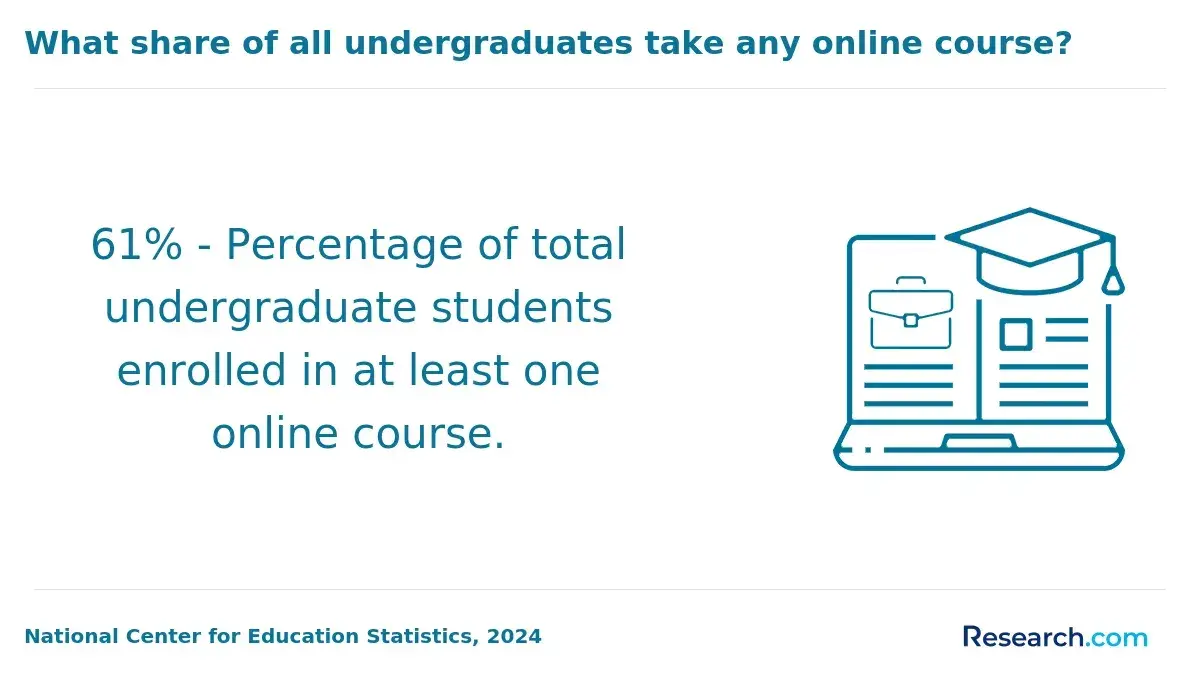
Financial aid plays a crucial role in reducing the initial expense of surgical tech programs, which can greatly enhance long-term return on investment by decreasing the amount students need to borrow. In recent years, approximately 62% of U.S. college students received some form of financial support, underscoring its importance in managing educational costs. Below are common types of financial aid available to surgical tech students:
- Scholarships: These funds do not have to be repaid and are often awarded based on merit, financial need, or specific career interests in healthcare, helping to lower tuition and improve overall ROI.
- Grants: Usually need-based and provided by the government or organizations, grants reduce out-of-pocket expenses and diminish the reliance on loans.
- Federal Student Loans: While increasing debt, these loans often feature lower interest rates and flexible repayment options, which can ease financial burden compared to private lending.
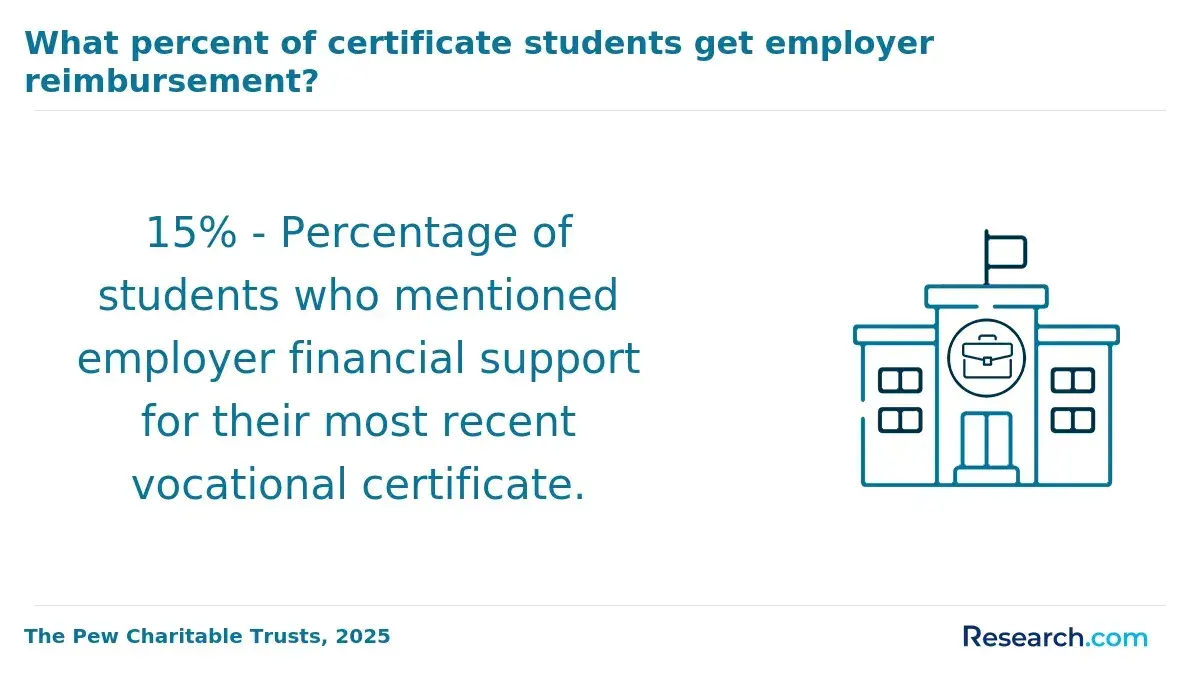
- Employer Tuition Assistance: Some healthcare employers offer programs that cover training costs fully or partially, decreasing upfront expenses and smoothing entry into the workforce.
- Work-Study Programs: Allowing students to earn money through part-time jobs in related fields, these programs help offset costs while simultaneously providing relevant experience.
How long does it take to complete a surgical tech degree?
Time to complete a surgical tech degree directly impacts its return on investment by influencing both opportunity costs and when graduates start earning. Faster completion allows earlier entry into the workforce, minimizing lost income during training, while extended programs increase overall education expenses and delay salary benefits. Several factors shape the duration and thus affect potential financial outcomes.
Key elements influencing how long a surgical tech degree takes include:
- Enrollment Status: Students attending full-time usually finish quicker but might face higher tuition fees each term. Part-time learners can maintain employment but often extend the program's length, which can affect total costs and income delay.
- Program Delivery: Accelerated or online formats frequently reduce the time needed to complete coursework, offering flexibility and faster workforce entry that enhances earning potential sooner.
- Credit Transfers: Bringing in applicable credits from prior studies can shrink required semesters, lowering expenses and accelerating career start, thereby improving ROI.
- Clinical Experience: Required internships or hands-on training may add months but equip students with vital skills that boost employability and future salary prospects.
- Class Scheduling: Programs with evening or weekend classes accommodate working students, allowing continued income while studying, though this choice might prolong completion time.
When I spoke with a surgical tech graduate, she reflected on how the length of her program shaped her journey. She explained that balancing night classes with a part-time job stretched her studies beyond initial expectations, leading to moments of frustration yet also resilience. "It wasn't just about finishing fast," she said, "but gaining the confidence and practical skills required for the job."
Her internship, though demanding, proved invaluable, cementing her readiness for the operating room. Ultimately, the extended timeline felt worthwhile, providing a solid foundation that eased her transition into a career with immediate employment opportunities.
Is ROI higher for online or on-campus surgical tech programs?
The delivery format of surgical tech degree programs can significantly influence their return on investment (ROI) due to differences in costs, flexibility, and career outcomes. A recent national report highlighted that nearly 40% of health-related online enrollments have been increasing annually, showing growing acceptance of online education. These trends affect how students weigh the financial and practical benefits of online versus on-campus options.
Consider the following key comparisons for ROI between online and on-campus programs:
- Tuition and Fees: Online programs generally have lower tuition rates and fewer ancillary expenses such as commuting and housing, which improves initial affordability for many students.
- Opportunity Cost: Online learners often reduce opportunity costs by maintaining employment during their studies due to scheduling flexibility, enhancing overall ROI.
- Time to Completion: Flexible pacing in online programs may allow students to finish their degrees faster, potentially accelerating entry into the workforce.
- Networking and Career Services: On-campus programs typically offer stronger networking opportunities, hands-on labs, and in-person interactions that can support career readiness.
- Employer Perception and Earnings: Long-term earnings are generally comparable, but employer familiarity may influence preferences, impacting the perceived value of the credential.
Prospective students evaluating the ROI of online surgical tech programs or the return on investment from an on-campus surgical tech program should also explore options like medical assistant certification to diversify their healthcare career pathways.
What is the average salary after earning a surgical tech degree?
Post-graduation salary is a critical factor influencing the return on investment (ROI) of earning a surgical tech degree, as it determines how quickly graduates can recoup educational expenses and build financial security. The average surgical tech salary in the United States ranges from $45,000 to $60,000 annually, reflecting typical earnings after surgical tech certification.
Several key factors affect these salary outcomes and thereby impact ROI:
- Industry: Surgical techs working in hospitals or specialized surgical centers generally earn more than those in outpatient clinics, which can accelerate ROI through higher initial wages.
- Geographic Location: Salaries often rise in urban areas or regions with elevated living costs, though careful management of expenses is necessary to maximize ROI in these locations.
- Prior Experience: Candidates with healthcare or technical backgrounds tend to start with higher pay, helping them recover education costs faster and improve financial returns.
- Specialization: Gaining expertise in specialized surgical procedures opens doors to better-paying roles, enhancing earning potential and long-term ROI.
- Career Level: Advancement to supervisory or management positions further raises salary prospects, supporting sustained financial growth over time.
Prospective students should weigh these factors carefully when evaluating a surgical tech degree and consider options like enrolling in an easiest BSN program if exploring related healthcare pathways.
Does a surgical tech degree lead to promotions?
Promotions play a significant role in enhancing the return on investment (ROI) of a surgical tech degree by providing salary increases, expanded responsibilities, and greater career mobility. These factors collectively improve long-term financial and professional outcomes for graduates.
A notable workforce trend highlights the growing emphasis on credential-based advancement, with many healthcare employers preferring or requiring formal degrees or certifications to support promotions and ensure patient safety and surgical effectiveness.
Key ways a surgical tech degree impacts promotion opportunities and ROI include:
- Credential Requirements: Many specialized and leadership roles mandate formal education credentials. A surgical tech degree meets these requirements, making graduates eligible for advanced positions and career growth.
- Leadership Preparation: Comprehensive training equips students for supervisory and team-lead roles, enhancing their readiness to assume increased responsibilities within the surgical technologist career advancement opportunities.
- Tuition Reimbursement: Degree holders often qualify for employer tuition reimbursement programs that reduce financial burdens, improving the overall ROI of education.
- Internal Promotion Policies: Organizations frequently favor candidates with formal education in their internal promotion decisions, aligning with policies that reward educational attainment.
- Experience Synergy: Combining a surgical tech degree with relevant on-the-job experience strengthens candidacy for promotion, demonstrating both theoretical knowledge and practical skills.
While hands-on experience remains a vital factor, education increasingly acts as a gateway to higher positions. These dynamics highlight how a surgical tech degree influences job promotions and supports upward mobility in the healthcare sector. For those interested in related fields, exploring affordable accredited healthcare administration degrees may also offer promising career pathways and financial returns.
Which industries offer the best ROI for surgical tech graduates?
The return on investment (ROI) of a surgical tech degree varies significantly based on industry due to differences in salary levels, career progression, and demand for specialized skills. These factors shape the financial benefits and long-term career prospects for graduates.
Several industries tend to offer the strongest ROI for surgical tech graduates:
- Healthcare Facilities and Hospitals: As the largest employers, these institutions provide steady demand, competitive salaries, and clear advancement paths to supervisory or specialized surgical tech roles, ensuring solid career growth over time.
- Outpatient Surgical Centers: These centers often offer higher hourly wages and flexible schedules. Their focus on efficient, high-volume procedures supports both income growth and improved work-life balance for surgical techs.
- Specialized Surgical Practices: Practices concentrating on orthopedic, cardiovascular, or neurological surgeries value advanced skills, rewarding surgical techs with higher pay and opportunities for career progression aligned with expertise.
- Government Healthcare Agencies: Though initial salaries may be lower, these roles provide strong job security, benefits, and advancement opportunities, contributing to a reliable long-term ROI.
- Medical Equipment Companies: Roles involving surgical tech expertise in equipment training or sales offer career diversity and competitive compensation outside traditional healthcare settings.
Recognizing the highest paying industries for surgical tech graduates is essential for those seeking the best career paths for surgical tech ROI. This insight helps prospective students and professionals choose paths that maximize both earnings and growth.
For those considering further advancement, exploring the cheapest DNP program online may offer additional opportunities to enhance qualifications and increase long-term earnings.
Does accreditation affect ROI for a surgical tech degree?
Accreditation signifies that a surgical tech program meets established quality standards set by authoritative bodies, ensuring students receive comprehensive and rigorous training. This recognition is crucial because it directly impacts graduates' preparedness for professional roles and eligibility for licensure or certification.
Employers often prioritize candidates from accredited programs, perceiving them as better trained and more reliable hires, which improves job placement prospects and overall return on investment. As workforce demands evolve, accreditation remains a key factor in aligning educational outcomes with industry expectations.
Beyond immediate job opportunities, accreditation enhances long-term ROI by fostering employer confidence and expanding financial support options such as federal aid, which can alleviate the initial expenses of training. It also supports credit transfer between institutions, facilitating further education and skill advancement.
Moreover, completing an accredited program typically qualifies graduates to sit for required certification exams, a critical step for many states. These elements collectively contribute to greater career flexibility, allowing for upward mobility and potentially higher lifetime earnings.
Is a surgical tech degree worth it?
The return on investment for a surgical tech degree hinges on factors like tuition costs, program length, and future earning potential. Programs typically take between one and two years to complete and may be offered in various formats, including in-person and hybrid options, which can affect overall expenses and time commitment.
Graduates often start with a median annual salary near $49,000, with opportunities for higher income through experience and certification. Employment growth in this field is projected to be faster than average, making career advancement a realistic possibility for many.
Whether pursuing a surgical tech degree is worthwhile depends on personal and market considerations. Strong demand for surgical technologists, driven by an aging population and increased surgical procedures, can enhance job security and placement chances.
Financial aid availability and flexible program formats also play a crucial role in affordability and accessibility. Individuals should weigh these elements along with their own career objectives to determine if the costs and time invested align with their expected professional and financial gains.
What Graduates Say About The ROI of Their Surgical Tech Degree
- Kaitlin: "Choosing to enroll in a traditional surgical tech degree program was one of the best decisions I made. Although the average cost of attendance can be around $15,000, the long-term return on investment with job stability and growth opportunities truly makes it worth every penny. Today, as a certified surgical technician, I see clear career advancement, and I'm confident my education laid the foundation for success."
- Abigail: "As an online surgical tech student, I was initially concerned about balancing costs and quality of education. Considering programs typically cost between $10,000 and $20,000, I was relieved to find flexible pricing and financial aid options that made it feasible. Completing the program remotely has opened doors for me in various healthcare settings, confirming that the investment was the right choice for my career progression. "
- Crystal: "Opting for a part-time surgical tech degree program allowed me to manage my expenses carefully, keeping within the average program cost of roughly $12,000. Reflecting on the journey, I believe the time and money spent were justified by the substantial boost in my professional skills and employment prospects. The degree has definitely impacted my role in the operating room, making me a valuable team member. "
Other Things You Should Know About Surgical Tech Degrees
Non-monetary benefits like job satisfaction, work-life balance, and professional growth significantly enhance the 2027 ROI of a surgical tech degree. While not quantifiable in monetary terms, these factors contribute to personal fulfillment and career longevity, indirectly increasing overall return on investment.
Geographic location significantly influences the ROI of a surgical tech degree due to variations in salary levels and cost of living. Surgical techs working in metropolitan areas or states with higher demand for healthcare professionals typically enjoy higher wages, improving the ROI. Conversely, regions with lower salaries or fewer job opportunities may yield a lower return on investment.
Job stability is a crucial factor affecting the ROI of a surgical tech degree program. The healthcare field generally offers stable employment due to consistent demand for surgical procedures and support staff. This stability reduces the risk of prolonged unemployment, helping graduates recover their educational costs more reliably and maintain income growth over time.
References
- How Long Does It Take To Become A Surgical Tech? - Preppy https://preppy.org/how-long-does-it-take-to-become-a-surgical-tech/
- 9 Things You Should Know About Surgical Technologist Programs https://www.rasmussen.edu/degrees/health-sciences/blog/9-things-you-should-know-about-surgical-technologist-programs/
- Career Progression Guide for Surgical Technologists: What to Expect https://www.incrediblehealth.com/tech/career-progression-guide-for-surgical-technologists-what-to-expect/
- Cost to Become a Surgical Tech (Programs & Certification) https://www.stepful.com/post/cost-to-become-a-surgical-tech
- How Much Do Surgical Techs Make? https://nurse.org/healthcare/surgical-tech-salary/
- How Do I Advance My Career as a Surgical Technologist? https://www.healthtechacademy.org/surgical-technologist/how-to-advance-surgical-technologist-career
- Online Resources & Scholarships for Surgical Tech Students https://www.edumed.org/financial-aid/scholarships/surgical-tech-programs/
- Surgical Tech Program Length: How Long Does It Take - Medical Prep https://medicalprep.org/surgical-tech-program-length/
- Caresyntax Blog | MedTech Round Table: The ROI of Surgical Digital Transformation https://caresyntax.com/blog/medtech-round-table-the-roi-of-surgical-digital-transformation/
- Funding Surgical Tech Education: Grants and Loans - CNI College https://cnicollege.edu/blog/student-services/pay-surgical-tech-programs-federal-financial-aid/


