
2027 Surgical Tech Degree Coursework Explained: What Classes Can You Expect to Take?

Co-Founder and Chief Data Scientist
Many aspiring surgical techs struggle to understand the essential coursework needed to enter the field confidently. The Bureau of Labor Statistics reports that employment for surgical technologists is projected to grow 12% from 2022 to 2032, highlighting the importance of specialized training. Surgical tech programs focus on a combination of anatomy, sterile techniques, and hands-on clinical practice to build crucial skills for operating room success.
This article clarifies the common classes included in surgical tech curricula and explains how each course equips students with the knowledge and abilities necessary for effective performance in surgical environments.
Key Benefits of Surgical Tech Degree Coursework
- Courses in anatomy, sterile techniques, and surgical procedures help students develop essential technical skills required in operating rooms, directly improving job readiness.
- Training includes hands-on experience with surgical instruments and patient care, increasing confidence and competence for employment in diverse healthcare settings.
- Comprehensive curriculum completion often correlates with enhanced salary potential, as certified surgical techs report median wages around $48,000 annually per industry data.
What Types of Class Do You Take in a Surgical Tech Degree?
Surgical tech degree programs typically feature a comprehensive curriculum designed to develop both theoretical understanding and practical capabilities essential for success in the operating room. Recent data shows that over 70% of accredited programs blend classroom instruction with hands-on training, emphasizing readiness for clinical environments.
Students are generally exposed to a variety of coursework areas that build foundational knowledge and specialized skills. These include:
- Core Foundational Classes: These classes cover the scientific and medical basics such as anatomy, physiology, and medical terminology, helping students grasp the fundamentals of human biology and surgical procedures.
- Specialization or Elective Courses: Offering deeper understanding of topics like pharmacology and surgical instrumentation, these courses prepare students for the specific demands they will face in surgical environments.
- Research and Methods Coursework: Instruction in surgical protocols, safety standards, and evidence-based practices promotes critical thinking and compliance with healthcare guidelines.
- Practicum, Internship, or Capstone Experiences: Practical placements and supervised internships in real operating rooms allow students to apply their knowledge under professional guidance, honing technical skills and teamwork.
For those interested in healthcare studies beyond surgical tech, exploring an online pharmacy school may provide additional educational opportunities and career pathways.
What Are the Core Courses in a Surgical Tech Degree Program?
Core classes in surgical tech degree programs are designed to build foundational knowledge and technical skills essential for success in surgical environments. These courses combine theory with practical training to prepare students for effective performance in real-world healthcare settings.
The curriculum also integrates research and professional practice elements to support evidence-based care and ethical standards. Below is an overview of essential classes for surgical tech training that students typically encounter:
- Human Anatomy and Physiology: Focuses on understanding the structure and function of body systems, which is critical for comprehending surgical procedures and patient care.
- Microbiology: Covers microorganisms and infection control, teaching students how to prevent surgical site infections and maintain sterile environments.
- Medical Terminology: Teaches the specialized language used in surgery and healthcare to enhance accurate communication among the surgical team.
- Surgical Procedures: Combines hands-on and theoretical instruction in operative techniques, ensuring students develop practical skills alongside clinical knowledge.
- Pharmacology: Explains medications related to surgery, their effects, and safe handling to support patient treatment during operations.
- Ethics and Professionalism: Emphasizes patient safety, communication, and teamwork, fostering a professional mindset crucial in surgical settings.
- Clinical Practicum: Provides real-world experience in hospital environments where students apply learned skills under supervision.
For those interested in related healthcare pathways, exploring medical assistant programs can offer valuable insights into allied health careers and a possible starting point.
What Elective Classes Can You Take in a Surgical Tech Degree?
Elective courses in a surgical tech program offer students the chance to customize their education according to their interests and professional goals. Nearly 60% of students opt for at least one elective to deepen their knowledge in specific surgical specialties or allied healthcare areas.
Typical electives include:
- Orthopedic Surgery Techniques: This course introduces the instruments and procedures used in bone and joint surgeries, equipping students for roles in orthopedic operating rooms.
- Cardiovascular Surgery: Focusing on heart and vascular procedures, this elective prepares students to assist in cardiac surgeries with a strong understanding of related protocols.
- Emergency and Trauma Care: Designed to teach rapid-response skills and emergency operating room procedures, this course is essential for those interested in trauma centers.
- Laparoscopic Surgery: Covering minimally invasive surgical methods, this class develops precision and familiarity with the latest technologies prominent in modern surgeries.
- Pharmacology for Surgical Techs: This elective emphasizes medication knowledge relevant to surgery, improving communication with surgical teams and enhancing patient safety.
A professional who completed a surgical tech degree shared that selecting electives was both exciting and challenging. He explained, "Choosing the right electives felt like shaping my career path but also required careful consideration of what would make me stand out."
He recalled the intensity of balancing elective coursework with clinical practice and how gaining skills in trauma care "opened doors to fast-paced environments I hadn't initially imagined." Reflecting on electives, he noted they were "not just classes but stepping stones" toward his specialty, highlighting the value of tailored education in such a dynamic field.
Are Internships or Practicums Required in Surgical Tech Programs?
Hands-on experiences are a vital part of surgical tech programs, providing essential practical training beyond the classroom. These opportunities help students apply theoretical knowledge in real clinical settings, enhancing their technical and professional capabilities.
Data shows that nearly 90% of accredited surgical tech programs mandate clinical practicums as part of their curriculum, emphasizing the importance of this practical component.
Key details about these internships and practicums include:
- Program Requirements: Most surgical tech programs require students to complete an internship or practicum to fulfill graduation criteria, ensuring exposure to actual operating room environments.
- Duration and Hours: Clinical rotations generally involve 400 to 600 hours spread over several weeks or months, providing extended, hands-on learning experiences.
- Types of Experiences: Students participate in diverse surgical specialties such as orthopedics, general surgery, and cardiovascular procedures, broadening their practical knowledge and skills.
- Skill Development: These practicums focus on training students to prepare surgical instruments, maintain sterile conditions, and assist surgical teams efficiently, promoting critical thinking and adaptability under pressure.
Is a Capstone or Thesis Required in a Surgical Tech Degree?
Capstone projects and theses serve as key ways to showcase a student's academic understanding and practical skills. In surgical tech programs, these culminating requirements vary widely, with less than 20% of programs including any formal research component.
Below is a concise overview of how these elements typically function within surgical tech degrees:
- Capstone vs. Thesis: A capstone is usually a hands-on project highlighting applied skills and knowledge, such as case studies or presentations. In contrast, a thesis involves conducting original research and producing an extensive written report.
- Typical Requirements: Most surgical tech programs prioritize clinical experience and practical assessments, often opting for a capstone over a thesis. The capstone integrates course learning through real-world surgical procedure scenarios or comprehensive evaluations.
- Skills Developed: Capstones emphasize critical thinking, effective communication, and clinical problem-solving-abilities essential for success in surgical settings. Theses focus more on research methodology, academic writing, and data analysis.
- Time Commitment: Completing a thesis demands significantly more time for research design, data gathering, and drafting, which is uncommon in surgical tech curricula. Capstones are typically shorter and more applied, aligning with technical program structures.
- Career and Academic Goals: Capstone projects are designed to ready students for certification exams and hands-on roles in the operating room. Theses may benefit those who plan to pursue advanced education or research-focused healthcare careers.
I spoke with a professional who completed a surgical tech program recently about her experience with culminating projects. She recalled feeling relieved that her program required a capstone rather than a thesis, noting how the practical project helped connect theory to her clinical rotations.
"The case study was challenging but much more relevant to what I'd face in the OR," she said. Rather than spending months on academic research, she could focus on honing skills through hands-on assessments. She appreciated that this approach felt more aligned with her goal of entering the workforce quickly and confidently.
Reflecting on the process, she described it as rewarding and instrumental in building both her confidence and competence when preparing for certification exams and real surgical environments.
Is Surgical Tech Coursework Different Online vs On Campus?
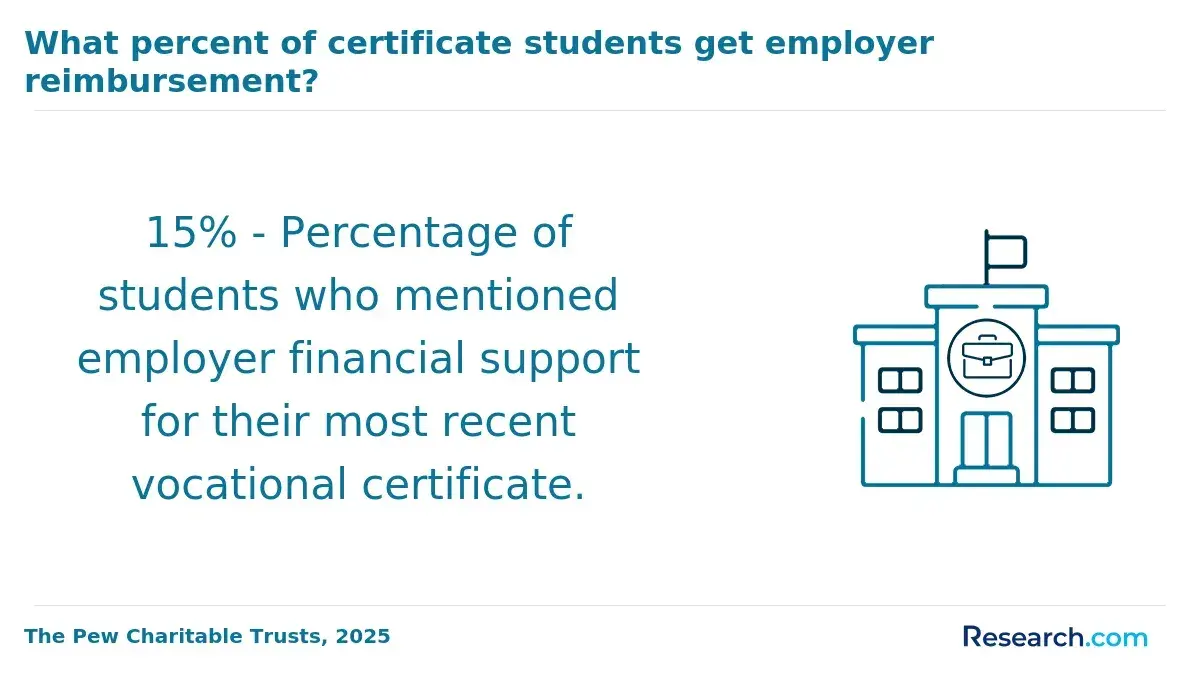
The core curriculum, academic standards, and learning outcomes for surgical tech programs remain consistent whether delivered online or on campus. Both formats cover fundamental subjects like anatomy, sterile techniques, surgical procedures, and patient care to prepare students for professional roles.
While the essential content aligns closely, the mode of instruction varies, adapting to each learning environment without altering educational goals.
On-campus instruction offers direct, in-person interaction with instructors and peers, facilitating hands-on labs and clinical simulations under supervision. In contrast, online programs rely on video demonstrations, virtual simulations, and interactive tasks, often requiring students to secure local clinical placements for practical experience.
Online study provides greater scheduling flexibility and access to virtual learning communities, but lacks the immediate feedback and campus resources like anatomy labs or study groups. Assessment formats reflect these differences, with online courses emphasizing quizzes and video submissions, while campus-based programs include practical exams within lab settings.
How Many Hours Per Week Do Surgical Tech Classes Require?
Most students enrolled in surgical tech degree programs typically spend between 15 and 25 hours per week on their coursework. This weekly time includes about one-third to one-half devoted to attending lectures and watching instructional videos. The remainder is usually divided among assigned readings, assignments, group work, and applied learning activities such as lab sessions or clinical practicums.
Breaking down these hours, students might spend 3 to 5 hours weekly on written assignments that reinforce lecture materials and prepare them for exams. Group projects and discussions require additional coordination and active participation, while hands-on practicum experiences often involve scheduled blocks outside standard class time.
Several key factors influence the total weekly hours required:
- Enrollment status: Full-time students face heavier weekly demands than part-time students, with more classes to attend and assignments to complete.
- Course delivery: Online programs can offer greater scheduling flexibility, but consistent study time remains essential to keep pace with coursework.
- Credit load: Taking more credits per term increases the total hours needed, as each credit corresponds to additional assignments and study hours.
- Clinical requirements: Practicum hours add significant hands-on time commitments critical for skill development, especially in advanced courses.
- Course level: Introductory courses might require fewer total hours, while advanced courses demand more intensive study and practical application.
For students considering long-term education pathways, it's helpful to compare these demands with other healthcare fields. For example, those interested in broader administrative roles may explore a healthcare management degree online, which has different workload patterns and career outcomes.
How Many Credit Hours Are Required to Complete a Surgical Tech Degree?
Total credit hour requirements play a crucial role in determining the length of surgical tech programs, influencing students' workload and graduation timelines. These requirements can vary significantly depending on the degree level and specific program structure, making it essential for prospective students to carefully evaluate their options.
Typical credit hour components for surgical tech degree programs can be summarized as follows:
- Core Coursework: Usually constituting the bulk of the curriculum, core courses cover essential subjects like anatomy, patient care, surgical procedures, and sterile techniques. Most associate degree programs require around 60 credit hours, with about 40 credit hours focused on these foundational topics.
- Electives: These courses allow students to explore related health sciences or specialized fields, enriching their knowledge and potentially improving job prospects. Electives typically make up a smaller portion of total credits but offer valuable depth depending on the program's flexibility.
- Experiential Components: Practical training such as practicums, internships, and lab sessions are vital for skill development. These hands-on experiences often represent 25% to 30% of total credits, emphasizing real-world application alongside theoretical learning.
- Graduate-Level Programs: Less common in surgical tech, graduate programs demand more extensive academic work and higher credit requirements. They place special emphasis on leadership, advanced procedures, and research projects or theses, leading to credit totals that exceed typical undergraduate ranges.
Students seeking to balance their course load or considering alternative pathways, such as an online nursing degree, can benefit from understanding how many credits to complete in surgical technology compared to other healthcare fields.
How Does Surgical Tech Coursework Prepare Students for Careers?
Surgical tech coursework plays a crucial role in developing the skills and knowledge necessary for professional readiness. Through a combination of theoretical instruction and hands-on clinical experience, students acquire competencies directly applicable to the fast-paced healthcare environment.
Employment opportunities for surgical technologists are expected to grow 12% from 2022 to 2032, reflecting increasing demand in medical settings.
Below are the factors in the program's coursework that enable students to be prepared for their future careers:
- Technical Skill Development: Coursework provides in-depth training on using surgical tools and technology, ensuring students are proficient with the equipment they will encounter. Mastery of these technical skills is vital for maintaining sterile environments and supporting surgical teams efficiently.
- Applied Clinical Practice: Clinical rotations allow students to integrate classroom knowledge with real-world surgical procedures. This hands-on experience builds confidence and adaptability, essential for immediate contribution to patient care upon graduation.
- Critical Thinking and Decision-Making: The curriculum emphasizes problem-solving in high-pressure situations. Students learn to anticipate surgeon needs and adjust workflows, improving overall operating room efficiency and patient outcomes.
- Understanding of Aseptic Procedures: Courses cover strict sterile techniques to prevent infection, a foundational element in surgical tech career readiness skills. This knowledge protects patients and upholds safety standards in surgical environments.
- Communication and Teamwork: Effective communication within operating room teams is nurtured through collaborative learning and simulations. Being able to clearly relay information helps maintain coordination and reduces errors during surgery.
When exploring nursing options, prospective students can consider the cheapest BSN to DNP programs as examples of affordable pathways in healthcare education.
How Does Surgical Tech Coursework Affect Salary Potential After Graduation?
Completing surgical tech coursework significantly impacts salary potential by equipping students with practical skills and certifications valued by employers. The U.S. Bureau of Labor Statistics reported a median annual wage of about $62,830 for surgical technologists, with those holding specialized credentials often earning more.
Below are key ways coursework can enhance earnings and career growth:
- Development of In-Demand Skills: Coursework provides hands-on training in sterile techniques and surgical equipment management, which are critical for entry-level positions. Mastering these skills increases job readiness and attractiveness to employers, supporting higher starting wages.
- Completion of Specialized or Advanced Courses: Taking classes focused on complex surgical procedures or operating room technology prepares students for more challenging roles. These specialized courses often pave the way for certifications that employers prioritize and compensate well.
- Preparation for Certifications: Certification-prep classes equip students to qualify for credentials like the Certified Surgical Technologist (CST) certification. Holding such certifications typically leads to improved job prospects and salary premiums.
- Applied Experiences: Practicums and capstone projects provide real-world surgical environment exposure, enhancing practical competence. This experience not only boosts confidence but also strengthens resumes, potentially increasing hiring opportunities and negotiation power.
- Leadership and Management Training: Coursework that builds supervisory and coordination skills can open pathways to advanced positions. These roles generally offer higher pay, reflecting increased responsibility within healthcare teams.
What Graduates Say About Their Surgical Tech Degree Coursework
- Patrick: "I was pleasantly surprised by the affordability of the surgical tech degree program, which made pursuing my passion much easier financially. Taking the coursework online allowed me to balance work and study effectively, and the comprehensive curriculum truly prepared me for the fast-paced environment of the operating room. This degree has been instrumental in advancing my career and boosting my confidence as a surgical technologist. "
- Neha: "Choosing to attend the surgical tech program on campus gave me hands-on experience that was invaluable, and despite the higher cost compared to other programs, it was worth every penny. The rigorous coursework challenged me to develop critical skills that I use daily in my professional role. Reflecting on my journey, the investment in this degree has absolutely shaped my success in healthcare. "
- Aditi: "The cost of the surgical tech degree program was reasonable considering the quality of education and resources provided. Completing the coursework online required a lot of discipline, but it gave me flexibility and allowed me to learn at my own pace. Professionally, this degree opened doors to opportunities I hadn't anticipated and reinforced my expertise in the surgical tech field. "
Other Things You Should Know About Surgical Tech Degrees
Yes, anatomy and physiology are critical components of a 2027 surgical tech degree. These courses provide foundational knowledge of the human body, helping students understand how to assist in surgeries effectively. They cover body systems, structures, and functions essential for surgical procedures.
In 2027, a surgical tech degree program typically includes courses on medical technology, often integrated into modules like Surgical Instrumentation and Operation Room Procedures. These courses teach students to handle various surgical tools and devices, ensuring effective and safe operations.
Yes, surgical tech degree programs in 2027 usually include coursework on pre-operative procedures. These courses teach students how to prepare the operating room, ensure all surgical instruments are sterile and functioning, and verify patient information. This knowledge is essential for maintaining a safe and efficient surgical environment.
References
- What Are a Few Qualifications for Surgical Tech Jobs? https://concentrichealthcare.com/what-are-a-few-qualifications-for-surgical-tech-jobs/
- Is Surgical Tech a Good Career? 9 Pros and Cons You Need to Know https://www.rasmussen.edu/degrees/health-sciences/blog/is-surgical-tech-a-good-career-pros-and-cons/
- Surgical Tech Annual Salary: Pay, Growth & Jobs - Medical Prep https://medicalprep.org/surgical-tech/
- Surgical Technologist Internship https://careers.rochesterregional.org/you-belong-here/earlycareers/student-opportunities/surgical-technology-internship/
- SURG 290 - Surgical Technology Capstone https://catalog.schoolcraft.edu/preview_course_nopop.php
- Associate of Applied Science in Surgical Technology - Articulation Guided Pathway https://www.templecollege.edu/programs/pathways/aas-srgt-art.html
- Surgical Tech Classes & Courses - Preppy https://preppy.org/surgical-tech-classes-and-courses/
- Certified Surgical Technologist Programs: In-Person vs. Online CST Programs | Vivian Community Hub https://www.vivian.com/community/allied-health/certified-surgical-technologist-programs-in-person-vs-online-cst-programs/
- How to Choose the Best Surgical Tech Program | Your Guide https://www.brooklinecollege.edu/blog/how-to-choose-the-best-surgical-tech-program/
- Surgical Tech Benefits: Unlocking Career Opportunities https://www.hctravelnursing.com/blog/surgical-tech-benefits


