2027 Highest-Paying Jobs You Can Get With a Library Media Degree

Co-Founder and Chief Data Scientist
Choosing a career with a library media degree raises essential questions about financial viability-particularly when weighing the wage premium offered by graduate degrees against entry-level credentials. For instance, holders of advanced library media degrees who obtain professional licensure often see salary increases exceeding 20% compared to non-licensed peers, illustrating the powerful impact of certifications on earnings.
Geographic location and industry sectors further complicate salary outcomes, demanding a clear understanding of return on investment compared to alternative educational paths. This article dissects these variables to equip readers with data-driven insights on maximizing income potential through library media credentials and certifications.
Key Things to Know About the Highest-Paying Jobs You Can Get With a Library Media Degree
- Graduate credentials yield a notable wage premium-master's degree holders earn approximately 15% more than those with only a bachelor's in library media.
- Professional licensure and certification significantly boost earnings, especially for school librarians where state certification can increase salaries by 10-20%.
- Compared to alternative pathways, a library media degree offers a competitive ROI-median salaries often exceed those of related educational or administrative roles by 5-12%.
What Exactly Does a Library Media Degree Qualify You to Do in Today's Job Market?
A library media degree prepares graduates for specialized roles in managing and curating information resources across settings ranging from public and academic libraries to schools and corporate environments. According to the U.S. Bureau of Labor Statistics and the American Library Association, employers recognize this degree as essential for meeting the standards of credential-gated jobs that require formal licensure or certification-such as school librarian roles-not achievable through on-the-job training alone.
This professional scope defines the library media career opportunities in the United States job market, distinguishing degree holders from candidates relying solely on alternative pathways.
- Core Competencies: Graduates gain technical expertise in digital cataloging, data management, and information retrieval systems; analytical abilities in research evaluation and policy implementation; and interpersonal skills critical for community engagement and instructional support.
- Credential Value: Library media degrees serve as vital gateways to positions demanding professional certification-key to attaining the highest paying library media jobs with professional certification and career advancement.
- Scope of Practice: The degree focuses on information organization, literacy promotion, and resource management. It does not qualify holders for unrelated fields like IT administration or publishing without supplemental training.
- Job Market Insights: Employer data from Lightcast and LinkedIn Insights confirm a wage premium for library media graduates applying to specialist roles versus non-degree alternatives.
- Misconceptions Clarified: Unlike open-entry fields, many top library media jobs necessitate advanced graduate credentials and professional licensure, significantly influencing compensation and career growth.
- Degree Levels and Earnings: The highest salaries correlate with master's and doctoral degrees in library media, particularly in academic and research libraries. Bachelor's degree holders typically fill support or assistant roles with comparatively lower wages.
Prospective students evaluating a library media degree might also investigate other easiest online degrees to compare credential requirements and income potential.
Which Library Media Jobs Command the Highest Salaries Right Now?
In the evolving landscape of library media careers, certain roles stand out not only for their responsibilities but also for the impressive salaries they command. As institutions increasingly recognize the importance of media literacy and technological integration, professionals in these positions are seeing a significant boost in compensation.
Here's an overview of which library media jobs currently offer the highest salaries and what makes them so valuable in today's educational and informational environments.
- Information Specialists: These professionals-often archivists and digital curators-manage and preserve specialized collections. According to the latest BLS Occupational Employment and Wage Statistics, their median salary hovers around $55,000 annually, with the 75th percentile reaching up to $72,000. Top-decile earners in high-demand urban markets like New York or Washington D.C. can surpass $95,000. Those with graduate credentials and certifications in digital archiving enjoy a notable salary boost in these highest paying library media jobs in the US labor market.
- Library Directors and Managers: Responsible for overseeing entire libraries or media centers, these roles command some of the top salary library media careers with advanced degrees. Median salaries exceed $65,000, with the 75th percentile above $85,000 and top professionals in affluent or university districts nearing $110,000. Candidates combining library media expertise with managerial training or advanced degrees-such as an MLS or MBA-typically achieve higher compensation levels.
- School Librarians: Serving K-12 education environments, salaries vary widely depending on location and specialty. The median salary is approximately $60,000, while the 75th percentile can reach $75,000, especially in private or affluent districts. Top earners, often possessing additional certification or a master's in library media, can make over $90,000. Still, some regions see competition between library media degree holders and educators without specialized credentials, reducing salary premiums.
- Special Librarians: Found in corporations, government agencies, or legal firms, these professionals manage industry-specific collections or research. Median salaries reach around $68,000, with the 75th percentile surpassing $85,000 and top earners earning $100,000 or more. A library media degree combined with subject-matter expertise-such as in law or business-offers a distinct salary advantage.
Several factors heavily influence salary potential for library media degree holders:
- Degree Level: Graduate degrees tend to align with higher earnings and leadership roles.
- Specialization: Niches like digital archives or corporate libraries provide better compensation.
- Geographic Market: Metropolitan areas with high living costs offer elevated salaries.
- Employer Sector: Private firms and academic institutions often pay more than public libraries.
- Credential Overlap: Many library media graduates compete with candidates holding alternative qualifications, including teaching licenses or information technology certifications. The most measurable salary advantage emerges when combined credentials or advanced certifications match the employer's needs.
For those seeking a well-rounded research on what degrees make the most money, library media offers a pathway with nuanced earning potential shaped by degree level, occupational niche, and market factors-critical elements for prospective students aiming for financial security and career growth.
How Does Degree Level-Bachelor's vs. Master's vs. Doctoral-Affect Library Media Earning Potential?
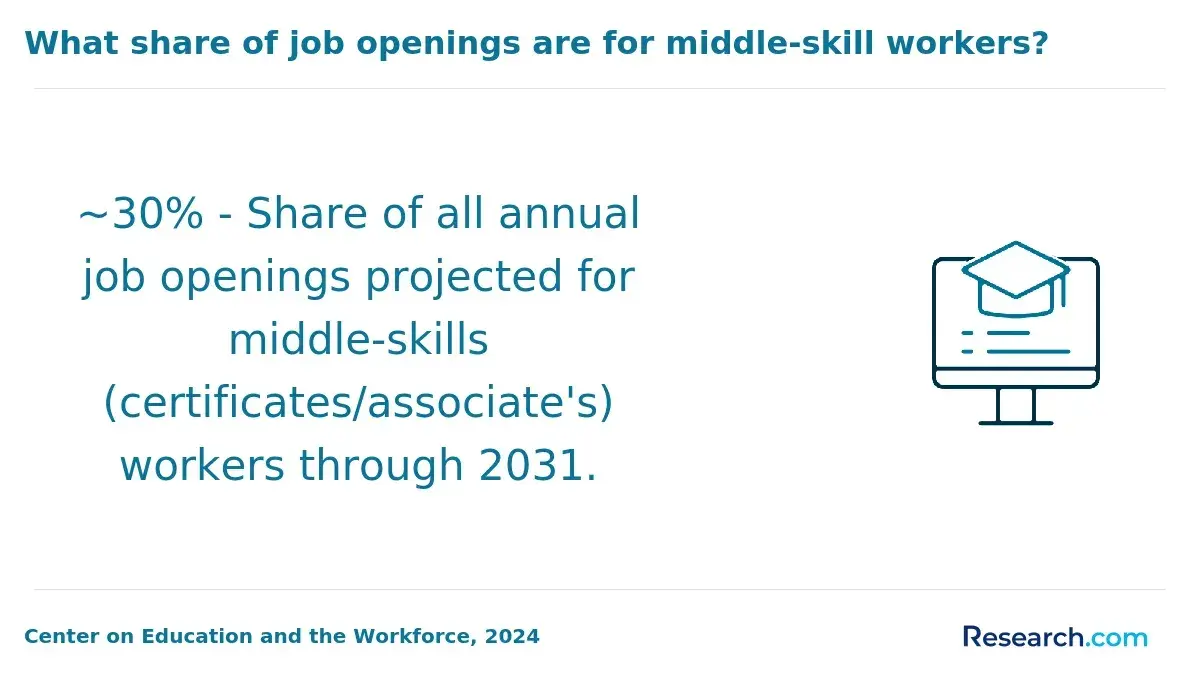
Understanding how different degree levels impact earning potential in the library media field is essential for those considering a career path or advancing their education. This overview explores the financial implications associated with each degree level and highlights how educational attainment can influence salary prospects in this profession.
- Bachelor's Degree Earnings: Candidates holding a bachelor's degree in library media typically find entry- and mid-level roles offering median salaries ranging from $40,000 to $55,000 annually. Such positions tend to cluster in public or school libraries, where technology or management skills can boost earning potential without requiring graduate credentials.
- Master's Degree Premium: A master's degree-often an MLS or MLIS-is generally necessary for higher-paying specialist roles such as school or public library media specialists, archivists, and digital resources managers. Median salaries in these roles usually fall between $55,000 and $75,000. Additionally, certification boards frequently mandate a master's degree for official library media specialist licensure, making the credential a key income gatekeeper.
- Doctoral Degree Impact: Doctoral degrees, whether professional doctorates or PhDs, open doors to top-tier academic and administrative positions in large institutions or research libraries. Salaries for doctoral holders commonly range from $90,000 to $120,000 or more, reflecting their advanced expertise and competitive research roles. Academics with doctorates often supplement their income through teaching or leadership duties.
- High-Paying Credential-Gated Roles:Library directors and chief information officers usually require graduate degrees paired with extensive experience.Specialized roles such as digital archiving, data curation, and information systems management favor candidates with master's or doctoral credentials.
- Time-to-Payoff Considerations: Prospective students should carefully evaluate the financial investment of tuition and lost income while pursuing advanced degrees against the expected salary uplift. Those working with a bachelor's degree especially need to weigh if the additional education expenses bring sufficient long-term rewards.
- Pathway Efficiency for Career Changers: For those shifting into library media from unrelated fields, a master's degree often offers the most practical balance of education time and income improvement. Doctoral studies, while lucrative, demand a longer commitment and generally suit those pursuing academia or high-level leadership.
Which Industries and Employers Pay Library Media Graduates the Most?
Compensation for library media graduates varies significantly depending on the employing industry and organization size. Those aiming to maximize earnings should prioritize sectors known for premium wages and competitive pay structures.
- Private Sector: Organizations in information technology, publishing, and corporate knowledge management offer some of the highest salaries. These employers typically have large budgets and require expertise in digital content and data management, making roles like digital archivist and corporate information specialist particularly lucrative compared to traditional library settings.
- Government Employers: Federal, state, and local government positions provide reliable compensation, though generally less than private companies. Specialized government roles-such as those managing national archives or sensitive databases-come with higher pay due to the critical nature of the work, even if salary growth may be more gradual under structured pay scales.
- Nonprofit Organizations: Educational institutions, research foundations, and philanthropic groups provide more varied salary levels. Larger, well-funded universities or research entities tend to pay more than smaller community nonprofits, which often face tighter budget constraints despite their focus on mission-driven work.
- Self-Employment Opportunities: Freelancers and independent consultants enjoy the potential for high hourly income, especially when serving niche industries or corporate clients. However, earnings fluctuate based on reputation, client networks, and specialization-highlighting a trade-off between autonomy and financial stability.
- Industry and Credentials: Attaining advanced degrees and certifications, such as the Certified Archivist or Library Media Specialist license, often leads to higher pay across all employer types. These qualifications open doors to specialized roles in digital asset management and academic libraries, which offer substantial salary premiums over entry-level jobs.
- Market Dynamics: Industries facing shortages of skilled library media professionals or strict regulatory oversight-such as health, legal, or financial sectors-tend to offer elevated salaries to attract and retain talent due to the importance of data security and compliance.
To access the highest-paying roles, candidates should develop relevant skills including digital literacy, data curation, and regulatory knowledge throughout their education. Building sector-specific networks and earning industry-recognized certifications enhance opportunities within top-paying employers and industries. For those considering advancing credentials, exploring options like an online doctorate in organizational leadership may also improve long-term career and salary prospects.
What Geographic Markets Offer the Best-Paying Library Media Jobs?
Top-paying library media jobs cluster in certain metropolitan areas, though evaluating true earnings requires adjusting salaries for local costs of living. The San Francisco Bay Area offers some of the highest nominal wages owing to its tech-centered educational and private sectors. Despite steep living expenses, professionals in this region still enjoy competitive real income due to strong demand for innovative media services.
The Washington, D.C. metro area attracts many federal and government libraries paying above-average wages; adjusted for cost of living, salaries here retain solid purchasing power.
- New York City Metro: High salaries prevail in academic and large public libraries, but the city's costly housing sharply reduces take-home pay, making relocation a crucial consideration.
- Minneapolis-St. Paul: This Midwestern hub balances respectable wages with moderate living costs, creating an advantageous opportunity for library media specialists compared to coastal cities.
- Seattle: Strong salary growth is fueled by technology firms and educational institutions; however, rising expenses are tempered by a growing availability of remote and hybrid roles that offer flexibility.
The rise of remote work is transforming geographic wage dynamics-many library media roles tied to digital collections, virtual teaching, and IT integration can be done remotely, enabling professionals in lower-cost areas to earn competitive salaries without relocating. Conversely, jobs requiring on-site responsibilities such as managing physical facilities or ensuring regulatory compliance remain geographically anchored, often in high-wage urban centers.
Weighing the financial pros and cons, moving to a high-paying metropolitan area with elevated costs may negate expected salary gains. Meanwhile, remote work presents lifestyle advantages but may affect career progression. This framework helps library media graduates and professionals make informed, location-sensitive career decisions aligned with their financial and personal goals.
How Do Professional Certifications and Licenses Boost Library Media Salaries?
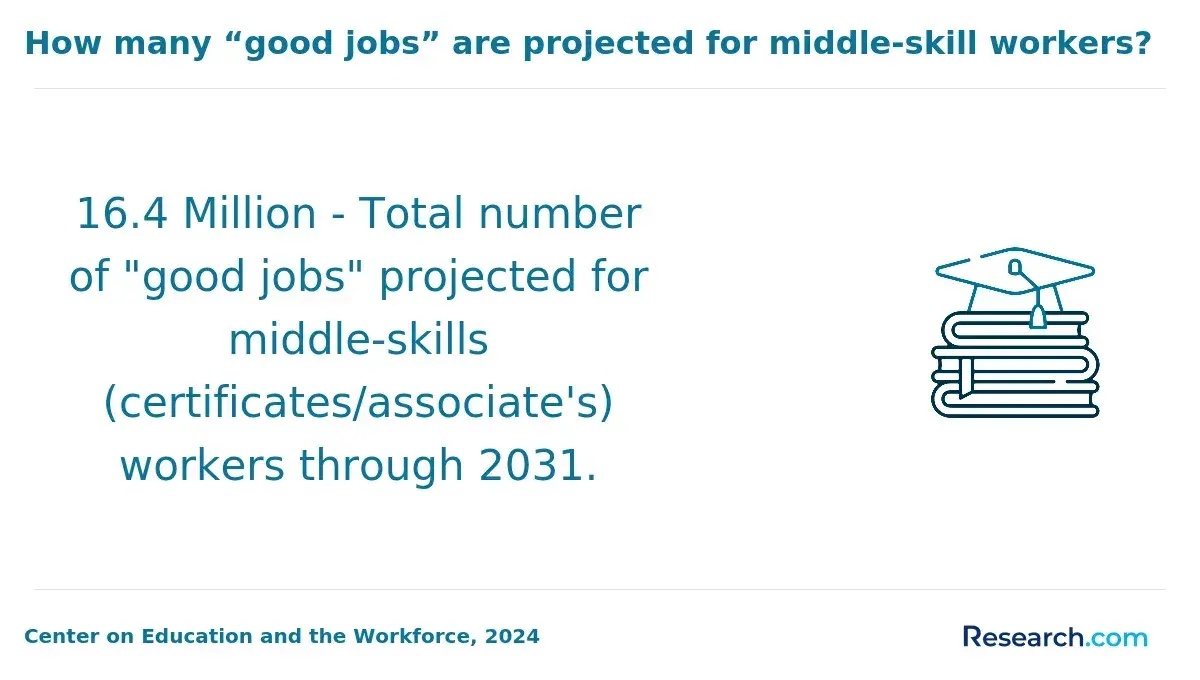
Certifications and licensure can boost salaries for those with a library media degree by validating specialized skills and demonstrating professional dedication. Several nationally recognized credentials offer measurable wage increases, making them valuable career investments.
- Certified School Librarian (CSL): Typically preferred or mandated by school districts, this certification requires a master's degree in library media or education, supervised fieldwork, and passing a state-specific exam. Renewal involves continuing education every five years. Surveys from the American Association of School Librarians show CSL holders earn roughly 10-15% more than their uncertified counterparts.
- Special Librarian Certification: Provided by the Special Libraries Association (SLA), candidates must submit relevant work experience and succeed in a knowledge-based exam on specialized resource management. Fees range from $300 to $400, with three-year renewals requiring professional development hours. SLA data reveal median salary increases near 12% for certified professionals.
- Certified Archivist: Offered by the Academy of Certified Archivists, this credential demands a degree in library science or similar fields and passing a comprehensive exam. Renewal occurs every five years through continuing education. Certified archivists report salary boosts of about 8-10% according to industry salary reports.
- State Education Licensure: Public school library media specialists often need state-issued licenses, mandating a master's degree and successful completion of a state exam. The resulting salary uplift varies between 5% and 12%, influenced by state funding policies and credential recognition.
Ensure certifications pursued are accredited by reputable bodies like ANSI or NCCA and preferred or required by employers in your target setting. Considering exam costs, eligibility, and renewal commitments helps balance upfront investment against anticipated salary gains.
What Is the Salary Trajectory for Library Media Professionals Over a Full Career?
The salary progression for library media professionals typically reflects steady growth aligned with experience, credentials, and specialization. Entry-level positions-usually held by recent graduates-start with modest pay that aligns with educational institution scales. According to Bureau of Labor Statistics (BLS) data, median starting salaries range from $40,000 to $50,000 annually, varying by employer and geographic location.
- Early Career: Over the first five years, salary growth is incremental and tied to on-the-job experience and certifications such as certified school librarian or advanced degrees.
- Mid-Career: Around a decade in, many professionals move into supervisory or specialist roles-like library media coordinator or digital resource manager-with salaries between $55,000 and $70,000. These positions require leadership or advanced technical expertise.
- Career Inflection Points: Key moments that boost pay include promotions to management, earning master's or doctoral degrees, or specializing in fields like archival science, digital curation, or instructional technology.
- Long-Term Growth: By 15 to 25 years of experience, peak salaries often exceed $80,000 to $100,000 in senior administrative or specialist roles at well-funded institutions. High earners differentiate themselves through leadership, business development, and building professional reputations via research and association involvement.
Strategic choices-such as obtaining niche certifications, pursuing leadership roles, or developing specialized skills-play a crucial role in separating top earners from peers with similar education. Industry surveys and Georgetown Center on Education and the Workforce research confirm these as primary contributors to salary advancement.
Setting realistic benchmarks-$45,000 to $50,000 at five years, $60,000 to $70,000 at ten years, and $80,000 or more at career peak-helps library media degree holders plan education and career moves to maximize lifetime earnings.
Which Library Media Specializations and Concentrations Lead to the Highest-Paying Roles?
Specializations within library media degree programs often lead to the highest-paying career paths, making them crucial for those targeting strong salary outcomes. Concentrations like digital librarianship and information technology integration translate into roles such as digital asset managers, data curation specialists, or systems librarians-positions commanding top wages due to their technical complexity and the rising demand for digital transformation.
Archival studies and records management are other sought-after fields, where professionals manage sensitive or legally significant information, benefiting from a market premium tied to compliance requirements and the scarcity of qualified experts.
Academic librarianship at well-funded research universities and corporate knowledge management roles also offer elevated salary potential. These areas frequently require graduate credentials and specialized certifications in indexing, metadata, or educational technology-credentials that enhance earning power.
Students early in their academic journey evaluating the highest-paying library media specializations in the United States should prioritize options with strong labor market trends, such as cybersecurity information management or digital preservation, rather than focusing purely on personal interest.
Current students can improve career prospects by pursuing targeted internships or stacking certifications like Certified Archivist or Digital Archives Specialist. Continuing education focusing on emerging technologies can close wage gaps without needing additional degrees.
For those comparing online options, some of the top library media concentrations with the greatest salary potential appear in programs noted for their strong return on investment, affordability, and alumni wage outcomes, supporting manageable debt levels.
- Return on Investment: Top online library media programs blend affordability with strong alumni wage outcomes, supporting debt management.
- Licensure Impact: Certification-driven credentials often provide salary premiums, especially in academic and government roles.
- Market Scarcity: Specializations with technical complexity or compliance oversight typically yield the highest compensation.
- Career Flexibility: Layering certifications post-degree can accelerate entry into better-paying niches without extra formal degrees.
For a broader perspective on complementary educational opportunities in high-demand fields, consider exploring sports degrees online as alternative options with strong career trajectories.
How Does the Library Media Job Market's Growth Outlook Affect Long-Term Earning Stability?
The job market for library media professionals is projected to grow moderately-around 5% to 7% over the next decade, according to the U.S. Bureau of Labor Statistics. This reflects steady demand driven by expanding information needs in educational institutions, government agencies, and corporate settings, despite budget constraints and digitization pressures. Regional trends in library media job stability reveal that economic and technological dynamics will shape employment opportunities and wage growth throughout the country.
Key factors influencing these projections include:
- Automation Risk: While automation and AI streamline tasks like cataloging and digital archiving, essential roles in research support, information literacy, and content curation require human expertise, reducing overall automation threat.
- Demographic Demand: An aging population combined with rising student enrollment sustains the need for qualified library media staff, particularly those adept at managing digital resources and educational programs.
- Legislative and Institutional Changes: Policies focusing on information access, privacy, and equity foster emerging niches requiring advanced credentials and specialized knowledge.
- Technological Transformation: Shifts toward digital collections, metadata standards, and user experience design increase demand for technically skilled professionals.
- Strong Growth & Low Risk: School librarians, digital archivists, and information specialists holding graduate degrees and certifications benefit from stable demand and competitive salaries.
- Structural Headwinds: Jobs relying heavily on public funding or vulnerable to outsourcing-such as some clerical support roles-face wage pressure and insecure employment.
- Credential Premium: Advanced degrees and professional licensure correspond with higher salaries and faster career advancement.
- High Pay, High Risk: Specialized consultant or managerial positions often offer top compensation but entail fewer job openings and sensitivity to budget cycles and grants.
For those evaluating a library media degree, understanding the complex labor market-including growth projections and credential impacts-is essential for making a financially sound decision. Those seeking a strong return on investment may also consider masters in therapy programs, which offer alternative pathways with promising career and salary outcomes.
What Leadership and Management Roles Are Available to High-Earning Library Media Graduates?
Leadership and executive roles mark the highest level of advancement for library media professionals-positions such as library director, media services manager, and information systems coordinator typically operate at senior organizational tiers. These roles involve overseeing budgets, teams, and strategic projects, often requiring advanced degrees like a master's in library science combined with credentials such as an MBA or specialized certifications in information management.
Bureau of Labor Statistics data indicates these management positions earn a substantial premium-generally 25% to 40% above the median wages of individual contributors like librarians and media specialists. This compensation gap is driven by complex responsibilities, including managing multi-million dollar resources, ensuring compliance with regulations, and leading digital innovation initiatives across institutions.
The journey from entry-level or mid-career library media roles to leadership typically spans 8 to 12 years, emphasizing the importance of supervisory experience, graduate education, and ongoing professional growth. Candidates who excel in project management, financial oversight, and staff leadership are more competitive for executive roles within academic, public, or corporate settings.
- Credentialing: Pairing a master's in library science with an MBA or degrees in public administration significantly broadens managerial expertise and leadership qualifications.
- Professional Development: Engaging in leadership training, technology workshops, and certification programs enhances promotion potential.
- Strategic Decisions: Pursuing advanced degrees early-ideally within five years of starting one's career-optimizes salary growth and eligibility for senior appointments.
- Salary Drivers: Compensation tends to be higher in large institutions and metropolitan areas due to greater organizational complexity and financial scale.
Which Emerging Library Media Career Paths Are Positioned to Become Tomorrow's Highest-Paying Jobs?
Rapid advances in technology and evolving regulatory environments are reshaping the library media sector-ushering in new roles that are projected to offer strong salary growth over the next decade. Workforce studies and investment trends highlight several positions gaining prominence:
- Data Curation Specialists: Experts who oversee digital collections, ensuring accuracy, accessibility, and compliance with emerging legal frameworks, increasingly vital in academia, government, and private sectors.
- Digital Asset Managers: Professionals managing multimedia resources and licensing, skilled in both technology and content organization-critical as organizations distribute content widely and safeguard intellectual property.
- Information Governance Analysts: Specialists focusing on compliance with data privacy laws such as GDPR and CCPA, supporting stricter information management across libraries and archives.
- Learning Experience Designers: Innovators developing digital curricula and educational tools tailored for remote and hybrid learning environments.
Library media degree programs are evolving-integrating coursework in data science, digital rights management, and information law to equip students with relevant expertise. To enhance market readiness, pursuing coding boot camps, metadata certification, or records management credentials is advisable for those targeting these emerging positions.
Choosing a niche in this transforming landscape involves assessing potential risks-some roles may take longer to become mainstream or face slower adoption rates. Prioritizing careers that fuse core library media knowledge with technological skills can offer a beneficial balance between early mover advantage and enduring demand.
Staying updated through professional associations like the American Library Association and leveraging labor market intelligence platforms such as Lightcast, Burning Glass, or LinkedIn Economic Graph is essential for tracking salary trends and growth forecasts in the evolving library media field.
What Graduates Say About the Highest-Paying Jobs You Can Get With a Library Media Degree
- Orlando: "Completing my online library media degree truly opened my eyes to how much a graduate credential can impact earning potential-across the board, those with advanced degrees often command a noticeable wage premium. What surprised me most was the real salary boost that professional licensure and certification provide in this field, which made every hour spent studying feel worthwhile. For anyone debating their options, the return on investment for this degree compared to other career paths is compelling-it's not just about passion, but also about smart financial planning."
- Zion: "Reflecting on my journey, I've found that the highest-paying roles in library media don't just depend on education but also heavily on the industry you work in and where you're located geographically-urban centers and educational institutions tend to offer the best compensation. Having professional certification pushed me ahead in competitive job markets, which felt like a significant edge. Though the degree can be demanding, its flexibility and the long-term salary outlook made it a worthy pursuit in my eyes."
- Wyatt: "From a professional perspective, earning my library media degree was an investment with measurable returns-especially when you consider how licensure can accelerate salary growth in specialized roles. The difference in wages between those with just an undergraduate degree and those holding this advanced certification is hard to ignore. Plus, factoring in the industry type highlights how strategic choices post-graduation significantly influence income, reinforcing the importance of targeted career planning."
Other Things You Should Know About Library Media Degrees
In 2027, library media graduates can pursue high-paying roles such as digital asset manager, information architect, or academic library director. These positions leverage expertise in managing digital resources and library technologies, offering salaries ranging from $60,000 to over $100,000, depending on experience and location.
Entrepreneurship allows library media graduates to leverage their expertise by creating consulting services, digital archives, or personalized research solutions. Self-employed professionals can set their own rates and take on diverse clients, potentially exceeding salary levels found in traditional roles. However, self-employment introduces variability in income and requires strong business acumen alongside library media skills.
The type of employer significantly influences compensation in library media careers. Public institutions such as schools and government libraries often offer stable salaries with benefits but may have salary caps. Private sector employers and nonprofits sometimes offer higher starting wages or performance bonuses but vary widely depending on the organization's resources. Understanding these differences can help graduates target positions that align with their financial goals.
Engaging in internships or practicums during a library media program provides practical skills and professional networks that increase employability. Graduates with this early work experience tend to command higher starting salaries because they require less on-the-job training. Employers value this hands-on experience as proof of readiness and commitment to the field, which directly influences compensation offers.
References
- The Top 10 Degrees for a Successful and Higher-Paying Career as a Librarian https://kohasupport.com/knowledge-base/top-10-degrees-for-librarians/
- Librarian or Library Media Specialist https://www.wes.org/resource-library/blog/career-pathway/librarian-or-library-media-specialist/
- Credentials and Certifications that add $$ to Your Salary - Peterson's https://www.petersons.com/blog/credentials-and-certifications-that-add-to-your-salary/
- Librarians and Library Media Specialists https://collegegrad.com/careers/librarians
- Best Librarian Careers for Library Science Degree Graduates https://www.librarysciencedegrees.org/librarian-careers
- How Do Certifications Influence Salary Increases? https://certiprof.com/blogs/news/how-do-certifications-influence-salary-increases
- Salary Expectations and Career Growth in Library Science https://www.librariancertification.com/salary-expectations-and-career-growth-in-library-science/
- The Job Outlook: In 2030, Librarians Will Be in Demand | Editorial https://www.libraryjournal.com/story/job-outlook-2030-librarians-will-demand-editorial
- Best Places for Writers & Librarians | CommercialSearch https://www.commercialsearch.com/blog/best-places-for-writers-librarians/
- Librarian & Media Collections Specialist Career Profile: Required Skills, Training, and Guides | https://www.qwyse.com/hub/careerpath/librarian-media-collections-specialists/