2027 Highest-Paying Jobs You Can Get With a Reading & Literacy Degree

Co-Founder and Chief Data Scientist
Choosing a degree path that balances passion with financial security often presents challenges-especially in fields like reading & literacy, where the wage premium tied to advanced degrees and licensure can vary widely. Graduate credentials in reading & literacy increase median salaries by approximately 20% compared to bachelor's-only holders. Professional licensure and certifications can further boost income, reflecting employer demand for specialized expertise. Moreover, the return on investment for a reading & literacy degree can surpass alternative pathways when factoring in geographic location and industry sector. This article examines these critical factors to help readers understand and optimize their earning potential with a reading & literacy degree.
Key Things to Know About the Highest-Paying Jobs You Can Get With a Reading & Literacy Degree
- Graduate credentials yield a wage premium-master's degree holders in reading & literacy earn roughly 15% more annually than bachelor's-only counterparts across K-12 education roles.
- Professional licensure-such as certified reading specialist status-can increase salaries by up to 20%, particularly when combined with experience in high-demand school districts.
- Compared to alternative education pathways, a reading & literacy degree delivers a stronger return on investment, with median salaries exceeding $60,000 and greater long-term career advancement opportunities.
What Exactly Does a Reading & Literacy Degree Qualify You to Do in Today's Job Market?
A reading & literacy degree prepares graduates for specialized roles that require expertise in literacy education - a professional scope recognized by the U.S. Bureau of Labor Statistics (BLS) and relevant associations. Employers and licensing bodies expect candidates to exhibit a blend of technical, analytical, and interpersonal competencies that surpass those with solely on-the-job experience or alternative credentials. Analysis of job postings on platforms like LinkedIn and Lightcast reveals a strong employer preference for literacy degree holders, especially at the graduate level, for higher-paying positions.
- Core Competencies: Graduates develop skills in literacy assessment, designing curricula for diverse literacy levels, and applying targeted intervention strategies for struggling readers. Analytical abilities include interpreting student performance data and researching evidence-based methods to enhance literacy outcomes. Interpersonal skills such as effective communication, collaboration with educators and families, and cultural sensitivity are essential in classroom settings and specialist roles. These capabilities distinguish reading & literacy degree holders in career opportunities in the United States.
- Credential Requirements: A reading & literacy degree alone does not authorize graduates to become licensed teachers or speech-language pathologists - roles requiring separate certification. However, the degree is a prerequisite or significant advantage for credential-gated professions such as literacy coaching, instructional coordination, and adult education leadership. Other roles like educational content development or nonprofit literacy outreach offer open-entry pathways without strict licensure.
Highest-Paying Jobs: The top salaries correlate with master's and doctoral degrees in reading & literacy. These qualifications open doors to roles like literacy specialists, education administrators, and academic researchers. Bachelor's degree holders typically find employment in foundational teaching or support positions with moderate salary potential. For those considering advanced credentials, exploring options such as the cheapest online MSW can complement literacy expertise and expand career prospects in education and social services.
Which Reading & Literacy Jobs Command the Highest Salaries Right Now?
Recent data from the Bureau of Labor Statistics (BLS) and industry sources outline the salary landscape for those pursuing reading and literacy careers, revealing how education levels, specialization, and employment settings combine to affect compensation. High-paying reading and literacy jobs in the United States offer a range of median salaries, 75th-percentile figures, and top decile wages that reflect varied experience and credentials.
- Literacy Coordinator Roles: Common in school districts and larger educational institutions, these positions yield median salaries near $70,000, with the 75th percentile at $85,000 and top earners surpassing $95,000.
- A master's degree in reading & literacy or related fields is typically required.
- Certified educators holding additional literacy endorsements tend to command salary premiums.
- Urban districts and states with greater funding frequently offer higher wages.
- Specialized Reading Teachers: This group includes educators working with students facing challenges like dyslexia, earning median wages around $62,000, with 75th-percentile pay exceeding $75,000 and top salaries over $90,000.
- State teaching certification plus advanced literacy coursework are generally prerequisites.
- Experience and certification in specialized interventions enhance earning potential.
- Both school environments and private practices compete for credentialed specialists.
- Adult Literacy and GED Instructors: Median pay hovers near $50,000, rising to approximately $60,000 at the 75th percentile and $70,000 for the highest earners.
- Graduate degrees and roles in correctional or governmental programs often correspond with better pay.
- Broader education credentials paired with literacy expertise can aid in career advancement.
- Education Consultants Focused on Literacy: Experienced consultants earn a median around $75,000, with the 75th percentile near $90,000 and top compensation exceeding $110,000 in competitive markets.
- Graduate degrees coupled with substantial classroom or administrative experience are common requirements.
- Private-sector consultancy roles generally outpay public school consulting.
- High salaries cluster in areas rich with educational publishing or edtech industries.
Salary potential in reading and literacy careers strongly depends on degree level-from bachelor's to doctoral studies-as higher education often opens doors to leadership and specialized consulting positions with greater pay. Professional licensure such as state teaching certification and reading specialist endorsements is crucial in K-12 roles, offering a distinct salary advantage where these credentials are in demand.
Geographic location, employer type, and specialization also heavily influence compensation, making it essential for candidates to weigh these factors carefully. This detailed reading and literacy career salary comparison by specialization helps prospective students and career changers assess the financial benefits tied to credential-gated employment fields.
Those exploring return-on-investment between various education options might also consider broader business-focused programs-such as the cheapest EMBA-to diversify qualifications and maximize earning potential.
How Does Degree Level-Bachelor's vs. Master's vs. Doctoral-Affect Reading & Literacy Earning Potential?
- Bachelor's Degree Earnings: Individuals with a bachelor's in reading & literacy typically enter foundational positions like reading specialists or literacy coaches within public schools, earning median salaries between $50,000 and $65,000. Many K-12 literacy teaching roles require only a bachelor's plus state certification to secure competitive pay.
- Master's Degree Premium: Earning a master's often opens doors to more specialized jobs-curriculum developers, literacy coordinators, intervention specialists-that generally pay between $65,000 and $85,000. Many leadership and administrative roles in schools and nonprofits mandate a master's for certification, making this degree a crucial step for career advancement.
- Doctoral Degree Advantages: Doctorates-both professional (EdD) and research-focused (PhD)-lead to top-tier positions in academia, policy, and research. Roles such as university faculty or senior literacy consultants commonly require doctoral credentials and offer salaries exceeding $90,000, sometimes over $120,000. These advanced degrees are essential where leadership in original research and scholarship is expected.
- Credential Gating: Master's degrees frequently act as gateways for specialized leadership or clinical literacy roles. Doctoral qualifications are necessary for university teaching positions, major research grants, and high-level policy advising.
- Time-to-Payoff Considerations: Prospective students must balance graduate tuition and lost wages against expected salary gains. Master's programs usually span 1-3 years, while doctoral studies often require 3-6 years, intensifying opportunity costs. Calculating when increased earnings offset educational expenses is critical to making informed choices.
- Credentialing Pathways: Those with a related bachelor's degree often progress efficiently through master's studies to higher salaries. Career changers should evaluate whether accelerated master's degrees or certifications better fit their timelines and income goals.
Regional and Industry Variations: Salary outcomes vary by geography, employer type, and public vs. private sector jobs, affecting return on investment for additional credentials.
A professional who graduated from a reading & literacy program shared that balancing coursework with family and work was challenging but rewarding. He recalled, "Pursuing my master's while working full-time meant late nights and a steep learning curve. Still, the credential opened doors I didn't expect-leadership roles that felt out of reach with just a bachelor's." He emphasized the importance of persistence and planning: "Knowing the financial implications helped me stay focused, especially during moments when juggling responsibilities felt overwhelming."
Which Industries and Employers Pay Reading & Literacy Graduates the Most?
- Private Sector: Companies in educational publishing and EdTech typically offer the highest salaries to reading & literacy degree holders. These firms operate in competitive markets where developing curriculum materials, literacy software, and assessments generates significant revenue. Roles such as curriculum developers and content specialists benefit from talent shortages and product-driven pay scales, often exceeding median educational salaries. Targeting these industries can significantly boost earnings.
- Government Agencies: Federal, state education departments, and literacy-focused nonprofits tend to provide stable but moderate compensation. However, leadership roles like program directors for statewide reading projects may receive higher wages, especially with advanced degrees or certifications. Government pay scales are influenced by regulatory constraints but come with advantages such as job security and comprehensive benefits.
- Nonprofit Organizations: Literacy advocacy groups and research institutes offer competitive pay mainly for candidates holding graduate degrees and specialist expertise. Their funding depends heavily on grants and donations, which restricts salary growth overall-but positions demanding advanced research or leadership skills command better wages within these organizations.
- Self-Employed and Consulting: Independent consultants and private tutors with recognized credentials in reading & literacy experience widely variable incomes. Those advising educational institutions on literacy intervention strategies, especially with certification and strong client bases, can attract premium rates. Geographic market demand and professional reputation further influence compensation in this sector.
- Degree and Certification Impact: Graduate-level credentials-master's and doctorates-in reading & literacy markedly increase earning potential across sectors. Professional certifications in instruction or assessment act as wage multipliers, particularly in regulated school settings. For example, a certified reading specialist employed within large urban districts might earn 20-30% more than peers with only a bachelor's degree.
Strategic Industry Targeting: Maximizing salary outcomes requires building industry-relevant skills such as digital literacy, curriculum design, and data analysis-traits highly valued in private and nonprofit sectors. Engagement with professional networks during studies enhances access to lucrative roles. Evaluating the highest-paying industries for reading & literacy graduates helps individuals focus efforts where advanced credentials yield the greatest financial return. For those exploring foundational credentials at affordable levels, easiest associate degree to get online programs may provide a gateway toward lucrative career paths.
What Geographic Markets Offer the Best-Paying Reading & Literacy Jobs?
Metropolitan areas with strong educational sectors and high living expenses often offer the top nominal salaries for reading & literacy professionals, but true earning power depends on adjusting wages for local costs. The Washington, D.C. metro stands out with some of the highest median pay-driven by government agencies and nonprofit educational groups-though the steep cost of living tempers take-home income. California's Bay Area cities, including San Francisco and San Jose, also provide lucrative salaries for specialists in curriculum design and intervention programs, yet high housing and daily expenses require careful financial planning.
- New York City and Surrounding Suburbs: Robust wages stem from premier school districts and research institutions, maintaining competitiveness even after cost of living adjustments.
- Massachusetts (Greater Boston): Known for innovation in education, Boston's employers pay premiums for qualified literacy coaches and assessment experts.
- Texas (Austin and Dallas-Fort Worth): Offering comparatively lower living costs, these fast-growing metros provide competitive salaries and better real income for reading & literacy workers than many coastal hubs.
The rise of remote and hybrid work is reshaping geographic salary patterns for many reading & literacy roles. While licensing and client interaction often require onsite presence, areas like curriculum development, educational consulting, and digital literacy coaching increasingly allow flexibility. This trend enables professionals to earn market-aligned salaries while residing in lower-cost regions.
Choosing between relocating to expensive, high-paying urban markets and embracing remote work from affordable locations involves weighing salary gains against lifestyle and networking opportunities. High salaries in costly cities may offer career advancement, whereas remote positions from less expensive areas boost disposable income but might limit in-person collaboration and service delivery options.
Careful evaluation of licensure demands, employer expectations, income goals, and personal priorities is essential when balancing the financial and professional implications of geographic choices in reading & literacy careers.
When I spoke with a professional who built her career after earning a reading & literacy degree, she described the uncertainty of selecting a location early on-wondering whether to prioritize city salaries or cost-effective living. She found that navigating licensing requirements and local market nuances required persistent research and networking, but ultimately her willingness to embrace a hybrid role gave her flexibility and access to diverse opportunities. "Balancing finances with the kind of work I wanted meant compromises," she reflected, "but the evolving remote options opened doors I hadn't imagined." Her experience highlights how personal priorities shape geographic strategy, beyond just salary figures.
How Do Professional Certifications and Licenses Boost Reading & Literacy Salaries?
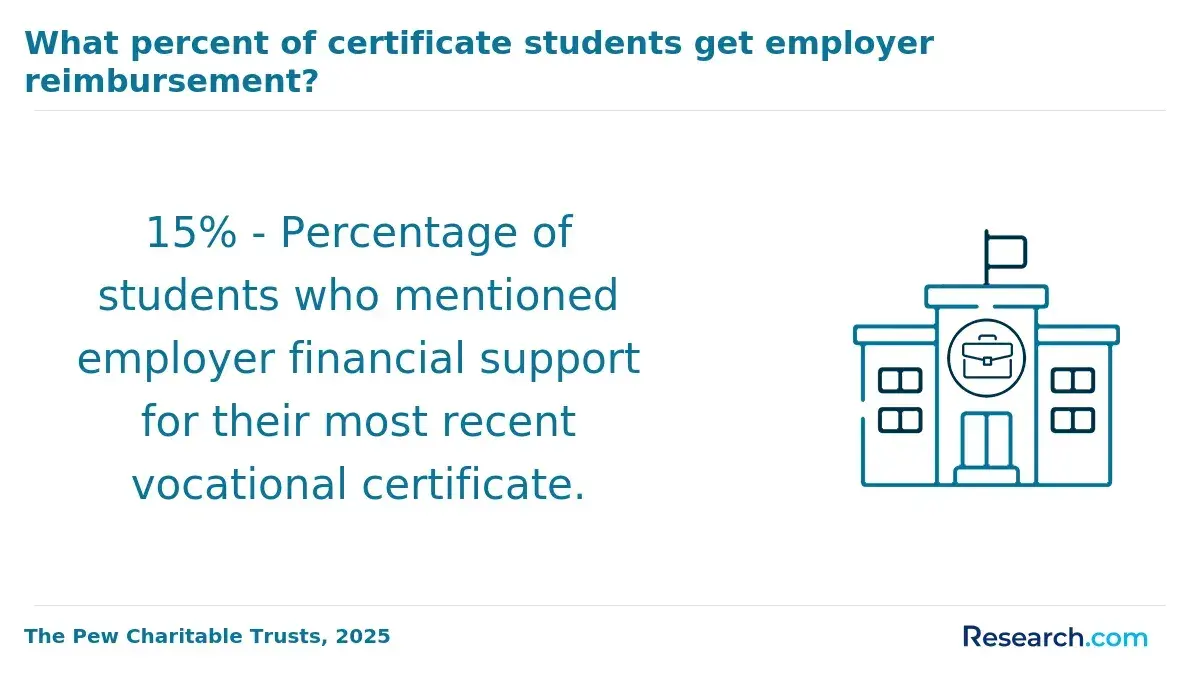
Professional certifications and licenses offer notable salary advantages for reading & literacy experts by validating their specialized knowledge and dedication. These credentials-endorsed by established certification bodies-can lead to higher compensation and improved job prospects.
- Reading Specialist Certification: Typically required for advanced positions, this credential demands a master's degree, a valid teaching license, and passing a state-approved assessment. Renewal is generally required every five years through professional development or reexamination. Holders tend to earn 10-15% more than those without this certification.
- Certified Reading Specialist (International Literacy Association - ILA): This certification requires candidates to meet education and experience benchmarks and succeed on a comprehensive exam. Fees range from $400 to $600, including triennial renewal via documented professional activities. Salary increases of up to 12% have been reported where districts prioritize literacy specialty.
- TESOL Certification: Targeting professionals working with English learners, eligibility involves a bachelor's degree and completion of an accredited program. The exam centers on instructional strategies, and achieving certification typically enhances base pay by 8-10%, particularly in diverse or international educational environments.
- State Licensure: Many states mandate licensure for K-12 literacy teachers through passing Praxis or equivalent tests, with ongoing renewal and continuing education. Licensed educators often receive salary premiums between 5-12% compared to unlicensed peers.
Prospective recipients should confirm that credentials are accredited by authoritative entities like ANSI or NCCA and evaluate whether specific certifications are preferred or required by target employers. This ensures that the investment in certification aligns with market demand and maximizes financial returns post-degree.
Distribution of Reading & Literacy Degree Holders by Employment Sector (2025)

What Is the Salary Trajectory for Reading & Literacy Professionals Over a Full Career?
Entry-level roles for reading & literacy professionals-such as reading specialists and literacy coaches-typically begin with median salaries between $40,000 and $50,000 annually, according to Bureau of Labor Statistics (BLS) data. Early career development largely focuses on gaining classroom experience and obtaining certifications like the Reading Specialist License or credentials from the International Literacy Association. Salary increases during these initial years are steady but modest.
- Early Career: Professionals generally spend the first five years building foundational skills and earning key certifications, which lays the groundwork for future earnings growth.
- Mid-Career Growth: Around ten years into the field, many advance to leadership roles such as program coordinators, curriculum developers, or lead literacy coaches, with salaries rising into the $55,000 to $75,000 range. Attainment of graduate degrees and specialized endorsements-especially in areas like dyslexia intervention-serve as significant salary accelerators.
- Career Inflection Points: Promotions to administrative positions like reading directors or shifts into consulting and professional development frequently lead to notable compensation increases. Professionals who cultivate leadership roles, build reputations through publications or conference presentations, and engage in business development tend to outperform peers with similar academic backgrounds.
- Senior and Peak Career Stages: After 15 or more years, top reading & literacy professionals-often holding doctoral credentials or district-level leadership positions-can earn between $80,000 and over $100,000 annually. Strategic networking and ongoing specialized education strongly contribute to reaching these peak salaries.
The wage premium for graduate credentials and professional licensure is well documented across research from BLS, the Georgetown Center on Education and the Workforce, and industry compensation surveys. By combining advanced degrees, leadership responsibilities, and niche expertise, reading & literacy professionals optimize lifetime earnings and position themselves competitively within education and related sectors.
Which Reading & Literacy Specializations and Concentrations Lead to the Highest-Paying Roles?
Specializations within a reading & literacy degree strongly influence earning potential by guiding graduates toward high-demand roles with competitive salaries. Among the most financially rewarding are literacy coaching, special education literacy, and bilingual or English as a Second Language (ESL) literacy specializations. Literacy coaches-who often hold advanced certifications-lead instructional strategies in schools, navigating regulatory complexities and literacy improvement mandates, which justifies a salary premium.
Special education literacy specialists support students with learning disabilities, an area with a persistent shortage of qualified professionals that raises wages. Bilingual and ESL literacy experts meet critical needs in diverse districts-bilingual proficiency and cultural competency enhance their roles and access to government and federal funding, driving higher compensation. These are among the highest-paying reading and literacy degree specializations, reflecting labor market demand and skill scarcity.
Graduate-level concentrations emphasizing assessment, curriculum development, or educational technology integration further increase salary growth by aligning with education providers' investment in data-driven literacy initiatives. Early academic planning should consider labor market demand, employment growth forecasts, and employer preferences rather than choosing a specialization solely based on interest.
Students already enrolled can explore targeted internships or certifications, such as Reading Specialist credentials, to pivot into lucrative fields without pursuing additional degrees. Online graduate programs offering such credentials often deliver strong return-on-investment compared to general degrees. For those also exploring related fields, programs in real estate development degree online represent a financially viable alternative with distinct prospects.
- Demand: Bilingual literacy and special education literacy specialists show above-average regional demand.
- Licensure: Earning state Reading Specialist certification often increases base salaries by 10-20%.
- ROI: Online graduate programs offering targeted literacy credentials deliver strong salary bumps compared to generic education degrees.
How Does the Reading & Literacy Job Market's Growth Outlook Affect Long-Term Earning Stability?
The long-term earning stability for professionals with a reading and literacy degree depends heavily on the job market's growth outlook, shaped by several labor market forces. Bureau of Labor Statistics (BLS) projections estimate moderate growth of 5% to 8% over the next decade for occupations such as reading specialists and literacy coaches. This steady expansion reflects an ongoing focus on literacy achievement in K-12 education, supporting stable employment opportunities without rapid saturation. This trend aligns with the broader reading and literacy job market growth projections, signaling reliable career prospects.
High-Paying Roles With Growth:
- Reading Specialists: These professionals benefit from specialized skills and certifications, facing low automation risk with solid demand growth.
- Literacy Coordinators: Employed mainly in larger districts, these roles blend leadership with literacy expertise and are expected to maintain stable demand.
- Adult Literacy Instructors: Expanding adult education initiatives enhance opportunities in this segment, making it a growing and well-compensated field.
Structural Headwinds:
- Outsourcing Risk: Some curriculum development and assessment jobs tied to reading and literacy may face outsourcing or contract cuts.
- Budget Contraction: Fluctuations in public school funding can limit hiring, particularly in non-mandated specialty areas.
- Credential Inflation: Rising degree and certification requirements may restrict access without continued professional development investment.
High wages do not always imply stable employment-some well-paid reading and literacy roles reflect temporary or niche demand rather than sustained opportunities. Prospective students must weigh wage levels against market stability to assess long-term financial soundness. Continuing education, certification, and adaptability to evolving instructional technologies remain essential to maintaining competitiveness across industries and geographic markets.
For those exploring career options and seeking what is the cheapest online college options to upgrade their credentials, understanding the return-on-investment of a reading and literacy degree versus alternative pathways is vital to making an informed, financially confident enrollment decision aligned with income goals and risk tolerance.
What Leadership and Management Roles Are Available to High-Earning Reading & Literacy Graduates?
Leadership positions for high earners with a reading & literacy degree include roles such as literacy program director, curriculum development manager, and instructional coordinator. Executive titles at the top tier feature director of literacy services, chief academic officer, and education consultant leader. These jobs are commonly found within school districts, nonprofits focused on education, foundations, and government agencies managing literacy programs.
Management roles in reading & literacy command median wages significantly above typical educator salaries. Data from the Bureau of Labor Statistics show instructional coordinators earning around $67,000 annually, compared to $48,000 for individual contributors like literacy specialists or reading coaches-a 25% to 40% salary premium. This boost reflects the added complexity of overseeing budgets, managing staff, and guiding strategic initiatives.
Professionals who rise to leadership almost always possess advanced degrees-master's or doctoral-in reading & literacy, educational administration, or related disciplines. Additional certifications such as National Board Certification or specialized reading specialist credentials enhance promotion prospects. Experience-wise, candidates usually accumulate five to ten years in direct instructional or specialist roles before transitioning into management.
Advancement often follows a clear pathway from classroom instructor or specialist to team lead or coordinator, then to program or department manager. Earning graduate degrees or leadership certificates, frequently while employed full-time, accelerates upward mobility. Active involvement in professional organizations and focused leadership training also improve competitiveness.
- Early Graduate Education: Pursuing an MBA, M.Ed., or Ed.D. strengthens leadership qualifications and broadens career options.
- Professional Certification: Obtaining recognized literacy or administrative licenses is essential for advancement.
- Networking and Mentorship: Cultivating relationships with established leaders expands access to senior roles.
- Demonstrating Impact: Leading literacy programs with measurable success bolsters leadership portfolios and evidences capability.
Which Emerging Reading & Literacy Career Paths Are Positioned to Become Tomorrow's Highest-Paying Jobs?
Emerging roles within the reading & literacy sector reflect rapid shifts driven by technological advancement, policy changes, and demographic diversity. Labor market forecasts and venture capital flows reveal several high-growth, lucrative occupations anticipated over the next decade-fusing traditional literacy expertise with digital innovation and data analytics.
- Literacy Technology Specialists: These experts design and deploy adaptive digital platforms for reading interventions, collaborating closely with software developers. Current programs integrate courses in educational technology and data analytics to equip graduates.
- Multilingual Literacy Coaches: Rising global diversity boosts demand for bilingual and multilingual literacy instructors. Mastery of language acquisition theories combined with TESOL micro-credentials enhances competitive positioning.
- Reading Data Analysts: Specialists interpreting educational metrics drive personalized curricula and evaluate instructional success. Curricula now emphasize statistics, qualitative research, and data visualization boot camps to sharpen analytical skills.
- Assistive Literacy Technology Consultants: Focused on accessibility, these consultants adapt technologies for learners with disabilities. Credentials in assistive technology and universal design for learning are increasingly essential.
- Policy and Advocacy Experts in Literacy: These professionals influence literacy funding and regulation through policy analysis and leadership training, often working with governments and NGOs.
Reading & literacy programs are evolving curricula to prepare for these dynamic roles, but caution is warranted-some emerging positions may face slower-than-expected adoption. Evaluating opportunities requires balancing early mover advantages against demonstrated market sustainability, particularly in fields like digital curriculum development and special education. To stay informed, monitoring labor market intelligence platforms such as Lightcast, Burning Glass, and LinkedIn Economic Graph, alongside professional bodies like the International Literacy Association, is critical. Pursuing specialized certifications and data or technology-focused credentials now can secure meaningful wage premiums and solid career trajectories in this transforming landscape.
What Graduates Say About the Highest-Paying Jobs You Can Get With a Reading & Literacy Degree
- Iker: "Completing my online reading & literacy degree truly paid off in understanding the wage premium that graduate credentials bring. I was surprised to learn that having this degree often leads to noticeably higher salaries compared to those without it-even before considering licensure. This insight made me confident that investing my time here was a smart move for my career growth."
- Hayden: "Reflecting on my journey, I've realized how professional licensure and certification drastically boosted my earning potential in the field. It's like the difference between being qualified on paper and being recognized as a true expert-employers really value that. Also, considering the ROI, this degree offered a great balance between costs and future income compared to other educational paths I explored."
- Caleb: "The role industry type and geographic location play in salary outcomes surprised me more than anything else during my reading & literacy degree. Working in education within urban areas significantly elevated my salary compared to other regions. This nuanced understanding helped me tailor my job search to maximize earnings while staying true to my passion."
Other Things You Should Know About Reading & Literacy Degrees
In 2027, top-paying roles for reading and literacy graduates include Literacy Curriculum Specialist, Reading and Literacy Consultant, Director of Literacy Programs, and Education Administrator. Salaries in these positions can range from $60,000 to over $100,000, depending on experience and location.
Entrepreneurship and self-employment can significantly enhance earning potential for reading & literacy graduates by allowing them to create customized tutoring services, literacy coaching, or educational consulting. Running a private practice or offering specialized programs enables graduates to set competitive rates and build personalized client bases. This flexibility often leads to higher incomes than traditional salaried positions, especially for those who effectively market their expertise.
Employer type is a key factor influencing compensation in reading & literacy careers. Public schools and government agencies typically offer stable salaries with benefits but may have limited salary growth. Private educational organizations and nonprofits often provide varied salary scales-some may pay less than the public sector, but others offer performance bonuses or flexible compensation models. Employers in high-demand areas or with specialized reading & literacy programs may offer higher pay regardless of sector.
Internships, practicums, and early work experience play a critical role in boosting starting salaries for reading & literacy graduates. These experiences provide practical skills and professional networking opportunities that make candidates more competitive in the job market. Employers value applicants who have completed supervised clinicals or practicum placements-often leading to higher initial offers and smoother transitions into full-time roles.
References
- How Do Certifications Influence Salary Increases? https://certiprof.com/blogs/news/how-do-certifications-influence-salary-increases
- Get Paid to Read Books: 10 Legit Sites That Hire Reviewers https://makealivingwriting.com/get-paid-to-read-books/
- 10 Dream Careers for People Who Love Reading https://www.shortcourses.com.au/ed/best-careers-if-you-love-reading/
- Reading Specialist Jobs and Salary Outlook | CUNE https://www.cune.edu/news/reading-specialist-jobs-salary
- Writer's Markets - Paying Markets for Freelance Writers https://allfreelancewriting.com/writers-markets/
- The Top 5 Markets for Freelance Writers Ready for Higher Pay https://www.freedomwithwriting.com/freedom/uncategorized/the-top-5-markets-for-freelance-writers-ready-for-higher-pay/