2027 Highest-Paying Jobs You Can Get With a Communication Disorders Degree

Co-Founder and Chief Data Scientist
A communication disorders degree can lead to meaningful clinical work, but the financial payoff depends heavily on how far you take your education and whether you earn the credentials required for independent practice. The main salary divide is between bachelor’s-level support roles and graduate-prepared licensed careers such as speech-language pathology and audiology. Speech-language pathologists with a master's degree earn a median annual wage of approximately $82,000, while bachelor’s-only pathways typically offer fewer clinical responsibilities and lower earnings.
This guide breaks down the highest-paying communication disorders jobs, the degree levels that unlock them, the employers and locations that tend to pay more, and the certifications that can improve salary mobility. It is designed for prospective students, career changers, and current communication disorders majors who want a realistic view of return on investment before committing to graduate school, licensure, or a specialized career track.
Key Things to Know About the Highest-Paying Jobs You Can Get With a Communication Disorders Degree
- Graduates holding a master's or doctorate in communication disorders earn up to 25% more than those with a bachelor's degree-reflecting a significant wage premium for advanced credentials.
- Professional licensure and certification can increase salaries by 15%-20%, making them crucial for securing top-paying roles in clinical and educational settings.
- The return on investment for communication disorders degrees generally surpasses alternative pathways like general health sciences due to higher median wages and steady industry demand.
What Exactly Does a Communication Disorders Degree Qualify You to Do in Today's Job Market?
A communication disorders degree prepares students to understand, assess, and support people with speech, language, hearing, voice, fluency, cognitive-communication, and swallowing disorders. In the job market, however, what you can do with the degree depends on the level of education completed and whether you meet state licensure and certification rules.
At the bachelor’s level, graduates are more likely to qualify for assistant, aide, case support, research support, or administrative roles in schools, clinics, hospitals, rehabilitation centers, and community programs. These positions can provide useful experience, but they usually do not allow independent diagnosis or treatment.
Graduate education changes the career ceiling. A master’s degree is typically the entry point for independent practice as a speech-language pathologist, while audiology roles require doctoral preparation. Employers value formal education in this field because communication disorders work combines clinical judgment, patient safety, assessment accuracy, documentation, and long-term treatment planning.
The degree also signals that a graduate has studied the scientific foundations of communication and completed supervised clinical learning. That matters because many high-responsibility roles are credential-gated: employers, state boards, schools, hospitals, and insurers often require a specific degree, supervised hours, and a passing exam before a clinician can practice independently.
- Clinical knowledge: Graduates study anatomy, physiology, speech and hearing science, linguistics, development, and disorder-specific assessment methods.
- Data-based treatment planning: Practitioners learn to evaluate progress, adjust intervention plans, and document outcomes.
- Patient and family communication: The work requires empathy, clear explanations, cultural responsiveness, and collaboration with caregivers and other professionals.
- Credential limits: A communication disorders degree alone may not be enough for independent practice; licensure and certification are often required.
- Salary implications: Most high-paying clinical jobs require at least a master’s degree, while doctoral degrees are tied to audiology, research, faculty, and advanced clinical leadership roles.
The most important distinction is this: a communication disorders background can open the door to the field, but graduate credentials and licensure determine whether you can move into the best-paid clinical roles. Students comparing healthcare education options may also look at specialized professional pathways such as an online PharmD to understand how credential requirements shape earning power across health fields.
Which Communication Disorders Jobs Command the Highest Salaries Right Now?
The highest-paying communication disorders jobs are usually clinical roles that require graduate education, state licensure, and specialized expertise. Salary potential rises when a professional works in a high-demand medical setting, serves a complex patient population, builds a private-practice caseload, or holds advanced credentials.
- Speech-language pathologists: Speech-language pathology is one of the strongest salary pathways for communication disorders graduates. The latest BLS data show a median annual wage near $80,000, rising to about $100,000 at the 75th percentile and exceeding $120,000 for the top decile. Higher earnings are most common among licensed clinicians with a master’s or doctorate degree, especially those working in healthcare, private practice, pediatric specialty care, swallowing disorders, or neurogenic communication disorders. Students planning this route should compare accredited speech pathology master's programs carefully because licensure eligibility and clinical placement quality can affect long-term career options.
- Audiologists: Audiologists hold some of the most lucrative positions in the communication disorders field. These roles require a doctorate degree, and median pay is around $85,000, increasing to above $110,000 at the 75th percentile and over $130,000 in the top 10%. Audiologists may earn more in hospitals, research environments, specialty clinics, private practice, pediatric audiology, cochlear implant programming, or vestibular services.
- Occupational therapists with communication disorders expertise: Occupational therapists who work with communication-related disabilities, assistive technology, and augmentative communication may improve their earning potential through interdisciplinary specialization. Median wages hover near $80,000, with specialization-backed certifications pushing some earnings above $100,000. These roles typically require a master’s or doctorate degree and are common in rehabilitation hospitals, schools, and private practices.
- Rehabilitation counselors and specialists: Rehabilitation counselors with training related to communication disorders, assistive technology, or speech rehabilitation earn median salaries around $45,000, with upper earners surpassing $70,000. These roles may offer meaningful work and steady demand, but they generally do not match the salary ceiling of licensed speech-language pathologists or audiologists.
Salary growth is not only about job title. Two people with similar degrees can earn very different salaries depending on setting, location, specialty, and licensure status.
- Degree level: Graduate and doctoral credentials substantially improve access to high-paying roles, particularly in speech-language pathology and audiology.
- Licensure and certification: Credentials such as the Certificate of Clinical Competence can improve job mobility and may support salary negotiation.
- Employer type: Private clinics, hospitals, rehabilitation centers, school systems, and public agencies can have very different pay structures.
- Geographic market: Urban and high-cost regions often post higher nominal wages, though cost of living can reduce real purchasing power.
For students focused on salary, the best strategy is to choose a credential path that leads to licensure, then build expertise in a high-demand specialty. Those comparing advanced healthcare degrees may also review affordable options such as online DNP programs to benchmark cost, credential length, and income potential across fields.
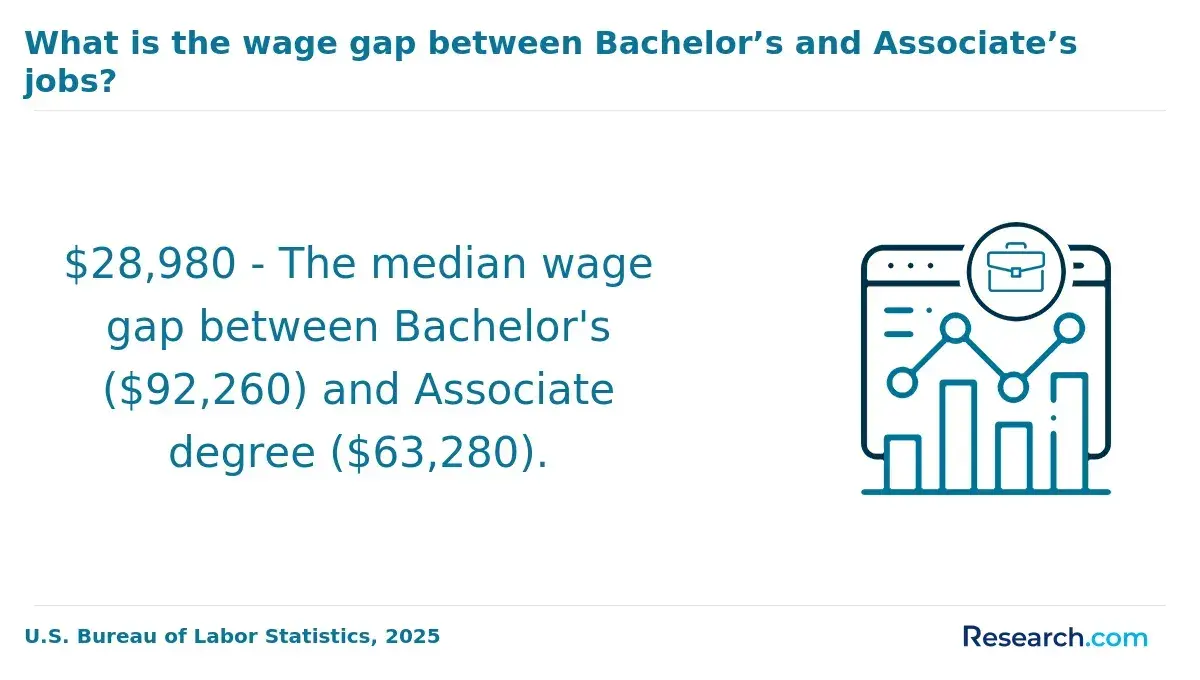
How Does Degree Level-Bachelor's vs. Master's vs. Doctoral-Affect Communication Disorders Earning Potential?
Degree level is one of the clearest predictors of earning potential in communication disorders because many roles are legally or professionally restricted by credential requirements. A bachelor’s degree can provide a foundation, but a master’s or doctoral degree is usually needed for the highest-paying clinical work.
- Bachelor’s degree: Bachelor’s degree holders typically find roles paying between $40,000 and $55,000 annually. These jobs are often support, assistant, care coordination, research, or administrative positions. They may be a good first step for gaining exposure to the field, but they rarely lead to top-tier salaries because independent diagnosis and treatment generally require graduate credentials.
- Master’s degree: A master’s degree is the key credential for speech-language pathology practice. Licensed speech-language pathologists commonly earn median salaries around $80,000 to $90,000, representing a 50% or greater boost over bachelor’s-level earnings. For many students, this is the strongest return-on-investment point because it opens the door to independent clinical practice without requiring the longer doctoral pathway.
- Doctoral degree: Doctoral study is required for audiology and is also relevant for research, academia, senior clinical specialization, and leadership. Doctoral degree graduates, including Clinical Doctorate (Au.D.) and Ph.D. holders, command higher salaries from approximately $90,000 at entry-level doctoral roles to over $120,000 for senior clinicians, researchers, or faculty.
The financial trade-off is important. Graduate school can mean tuition costs, reduced work hours, student debt, and delayed full-time earnings. The payoff depends on whether the degree leads to licensure, whether the program has strong clinical placements, and whether the graduate enters a setting with strong demand.
For students who already hold a relevant bachelor’s degree, a master’s program often offers the steepest income gain relative to time and cost. Career changers should look closely at prerequisite requirements, bridge options, clinical placement support, and state licensure alignment before enrolling.
Which Industries and Employers Pay Communication Disorders Graduates the Most?
Employer type has a major effect on communication disorders salaries. The highest-paying settings are often those with complex patient needs, stronger reimbursement, larger budgets, or difficulty recruiting licensed clinicians. The lowest-paying settings may still offer excellent mission fit, predictable schedules, or strong benefits, but they may not maximize income.
- Healthcare sector: Hospitals, specialty clinics, rehabilitation centers, and large health systems often offer some of the strongest compensation. These employers need licensed clinicians who can manage medically complex cases, coordinate with physicians and therapists, meet documentation standards, and support patient safety. Urban hospital networks may pay more because competition for experienced clinicians is stronger.
- Private practice and entrepreneurial roles: Private speech therapy practices can provide higher income potential, especially in affluent markets or specialized niches. The trade-off is that earnings depend on referrals, payer mix, billing, marketing, scheduling efficiency, and business management. Clinicians who own a practice may earn more, but they also carry operational risk.
- Government and military agencies: Federal, state, and military employers hire communication disorders professionals to serve veterans, public programs, schools, and community health systems. These roles may offer stable pay scales, benefits, and structured advancement. Higher degrees, licensure, and specialty experience can improve salary placement.
- Education sector: Schools and universities employ many communication disorders graduates. Pay is often more moderate than in healthcare or private practice, but school-based roles may offer predictable calendars, public-sector benefits, and long-term stability. University clinics and research roles can pay more when advanced credentials are required.
The same job title can pay differently across employers. A certified speech-language pathologist in a metropolitan hospital may earn between $80,000 and $100,000 annually, while an entry-level clinician in a rural school district might make from $50,000 to $60,000. Specialty certifications in areas such as pediatric or swallowing disorders can improve competitiveness for better-paid roles.
To target higher-paying employers, students and early-career professionals should seek clinical placements in medical or specialty settings, build documentation skills, pursue licensure promptly, and network with supervisors who can connect them to strong roles. Location also matters: well-funded employers in markets with limited qualified applicants may pay more to recruit and retain clinicians.
Professionals trying to shorten the path from education to employment may also compare fast track degrees, though communication disorders students must still confirm that any accelerated option satisfies licensure and clinical training requirements.
What Geographic Markets Offer the Best-Paying Communication Disorders Jobs?
Geography affects both salary and real take-home value. High-wage metro areas may offer more hospitals, specialty clinics, research institutions, and private-pay opportunities, but they may also come with higher housing, transportation, tax, and childcare costs. A lower advertised salary in a more affordable region can sometimes produce a better financial outcome.
- San Francisco Bay Area, California: This region offers some of the highest nominal wages in communication disorders because of its large healthcare sector and specialized clinics. The trade-off is a steep cost of living that can reduce purchasing power.
- New York City, New York: Dense healthcare networks, schools, private clinics, and a large patient population create many opportunities. Salaries can be strong, but professionals should evaluate living expenses before assuming the higher wage translates into higher savings.
- Boston-Cambridge, Massachusetts: This market benefits from research institutions, hospitals, university-affiliated clinics, and a strong professional cluster. It can be especially attractive for clinicians interested in specialized practice, research, or academic pathways.
- Seattle, Washington: Seattle combines solid wages with a cost profile that may be more manageable than some other West Coast hubs, making it a competitive market for practitioners.
At the state level, Massachusetts, California, and New York lead in median wage figures, although higher living costs affect real income. Texas and Florida may offer decent salaries with lower expenses, which can improve take-home value for some professionals.
Regional patterns also matter. The Northeast and West Coast tend to have higher wage levels and dense employer networks, while parts of the South and Midwest may offer growing demand, lower living costs, and less competition for some roles.
Teletherapy has changed the geography question, but it has not erased it. Remote and hybrid services can let clinicians reach clients outside their immediate area, yet state licensure, payer rules, school contracts, and employer policies still shape where a professional can legally and profitably practice. Hospital and school roles also often require physical presence.
The best market is not always the highest-paying city on paper. Compare salary, licensure rules, caseload expectations, benefits, cost of living, commute, and long-term advancement before relocating or accepting a remote role.
How Do Professional Certifications and Licenses Boost Communication Disorders Salaries?
Licenses and certifications can raise earnings because they expand the roles a professional is legally allowed to perform and signal competence to employers, insurers, schools, and patients. In communication disorders, credentials are not optional add-ons for many clinical careers; they are often the difference between support work and independent practice.
Certification premiums vary by region, employer type, and specialty but typically add at least 10% to earnings. Eligibility usually requires an accredited degree, supervised clinical hours, and passing required exams. Renewal may involve continuing education and fees between $200 and $500. Job seekers should verify whether each credential is required, preferred, or merely beneficial for their target role.
- Certificate of Clinical Competence in Speech-Language Pathology (CCC-SLP): Offered by the American Speech-Language-Hearing Association (ASHA), this certification requires a master’s degree, supervised clinical experience, and passing a comprehensive exam. Professionals holding the CCC-SLP frequently experience a 10-15% salary increase over those without it. Initial costs are about $300, with renewal every three years involving continuing education and associated fees.
- Licensed Speech-Language Pathologist (State License): Licensure criteria vary by state but usually require the ASHA certification or an equivalent credential, plus clinical hours. This license enhances professional credibility and often leads to a 5-12% salary premium. Renewal includes continuing education and fees ranging from $100 to $400 annually or biennially, depending on the state.
- Certificate of Clinical Competence in Audiology (CCC-A): Also administered by ASHA, this credential demands a doctoral degree, clinical fellowship, and passing a national exam. Audiologists holding this certification generally receive a measurable salary boost. Renewal requirements align with ASHA's standards, including ongoing education and fees.
The best credential strategy is to work backward from the job you want. Review state board rules, employer postings, payer requirements, and professional association guidance before choosing a program or paying for a certification. A credential has the most salary value when it is recognized by employers and tied to higher-responsibility work.
What Is the Salary Trajectory for Communication Disorders Professionals Over a Full Career?
Communication disorders salaries tend to rise in stages. Early earnings are shaped by degree level and licensure status; mid-career growth depends on specialization and setting; late-career income is often strongest for professionals who move into leadership, private practice, consulting, research, or advanced clinical niches.
Entry-level communication disorders professionals, usually with bachelor’s or master’s degrees, start with annual salaries ranging from $50,000 to $65,000, according to Bureau of Labor Statistics (BLS) data. Within five years, mid-career practitioners typically see their salaries rise to between $70,000 and $85,000 as experience and specialization deepen.
Several inflection points can accelerate salary growth:
- Advanced credentials: Earning certifications such as the Certificate of Clinical Competence (CCC) or completing doctoral studies can open access to higher-paying clinical, academic, or specialty roles.
- Specialization: Clinicians who focus on pediatric speech-language pathology, neurogenic communication disorders, swallowing, or augmentative and alternative communication may command premium compensation in the right setting.
- Leadership roles: Moving into positions such as clinic director, department head, supervisor, or program manager can raise earnings beyond a standard clinician salary.
- Private practice and consulting: Experienced clinicians with referral networks and business skills may increase income by serving niche populations or contracting with multiple organizations.
Research from the Georgetown Center on Education and the Workforce highlights the value of reputation-building and business development skills, especially for clinicians who move into private practice or consultancy. Clinical excellence matters, but top earners also know how to negotiate, build referral pipelines, document value, and manage operations.
By the ten-year mark, communication disorders professionals with advanced credentials and leadership responsibilities often exceed $90,000 annually. Peak-career salaries, especially for those with doctoral qualifications or management roles, commonly surpass $110,000, particularly in metropolitan and specialized healthcare markets.
The lesson for long-term earning power is straightforward: do not rely on time alone. Salary growth is strongest when professionals deliberately add credentials, choose higher-demand settings, develop a specialty, and seek roles with supervisory or business responsibility.
Which Communication Disorders Specializations and Concentrations Lead to the Highest-Paying Roles?
The highest-paying communication disorders specializations usually involve complex clinical judgment, scarce expertise, medical risk, advanced technology, or strong payer demand. A general communication disorders background is useful, but specialization can help professionals stand out in competitive markets.
Adult neurogenic communication disorders are a strong example. Clinicians who work with patients recovering from strokes, brain injuries, or neurological disease need advanced knowledge of neurology, cognition, rehabilitation, swallowing, and interdisciplinary care. Because this expertise is in demand across healthcare systems, it can support premium compensation.
Pediatric speech-language pathology can also pay well in medical settings such as hospitals and specialty clinics. These roles may involve early intervention, developmental complexity, medically fragile children, feeding and swallowing concerns, and collaboration with physicians, occupational therapists, physical therapists, and families.
Audiology specializations centered on cochlear implants and vestibular therapy offer strong earning potential as well. These areas require technical skill, device knowledge, patient counseling, and continuing education. Audiologists in private practice or telehealth may also supplement income through additional revenue streams.
- Return on investment: Programs that support flexible, accredited specialization can help students pursue high-demand areas while managing time away from work.
- Licensure impact: State licensure and relevant certifications remain central to salary growth because they validate clinical authority and meet employer expectations.
- Labor market dynamics: Regional shortages, underserved populations, and employer demand can raise compensation for certain specialties.
- Credential strategy: Combining graduate education with certifications, specialty placements, and practical experience is usually stronger than relying on a degree alone.
Students should not choose a concentration based only on interest or general salary claims. A better approach is to review regional job postings, clinical placement options, alumni outcomes, employer requirements, and whether the specialization supports licensure or reimbursement.
Graduates already in the field can often pivot into higher-paying specialties through targeted continuing education, mentorship, specialty caseloads, and certification stacking rather than earning a second degree. Those comparing adjacent healthcare education paths may also review an online nutrition masters to understand how specialization affects salary prospects in other care fields.
How Does the Communication Disorders Job Market's Growth Outlook Affect Long-Term Earning Stability?
The communication disorders job market supports relatively strong long-term earning stability because demand is tied to healthcare needs, school services, aging-related conditions, disability support, and early intervention. Employment for speech-language pathologists is expected to increase by about 21%, much faster than the average for all occupations.
Several forces support this outlook. An aging population increases demand for treatment related to stroke, cognitive decline, and neurological conditions. At the same time, greater awareness of early childhood speech and language issues supports demand in schools, clinics, and early intervention programs.
These roles are also less exposed to automation than many routine jobs. AI tools may assist with documentation, screening, scheduling, and practice management, but diagnosis, therapy planning, family counseling, and patient engagement still require human clinical judgment. Legislative changes, expanded insurance coverage for speech therapy, and early intervention mandates can further strengthen demand.
That said, not every role has the same stability or wage growth. Some audiologist positions face budget pressure, and less credentialed support roles may be more vulnerable to outsourcing, wage stagnation, or credential inflation.
- Growth: Speech-language pathologists and audiologists benefit from strong projected demand, improving long-term income security.
- Automation risk: Complex human interaction and clinical judgment limit replacement by AI or machine substitutes.
- Credential value: Graduate degrees, licensure, and certifications improve job prospects and salary leverage.
- Structural headwinds: Budget constraints can affect some settings, while support roles may face weaker wage growth.
- Job security vs. wage volatility: Niche consulting and high-paying private roles can pay well but may have less predictable demand than institutional employment.
For the strongest long-term outlook, professionals should prioritize credentials that lead to independent practice, build expertise in settings with durable demand, and stay current with technology and reimbursement changes. Career changers and military veterans comparing education benefits may find it useful to examine models such as WGU vs Chamberlain before choosing a communication disorders pathway.
What Leadership and Management Roles Are Available to High-Earning Communication Disorders Graduates?
Leadership roles are among the highest-earning paths for experienced communication disorders professionals because they combine clinical expertise with responsibility for people, budgets, compliance, service quality, and strategy. These jobs are not usually entry-level; they are built through years of clinical credibility and increasing management responsibility.
- Common titles: High-level roles may include clinical director, program manager, department head, rehabilitation services director, chief speech-language pathologist, or executive-level leader in a healthcare, school, university, or private-practice setting.
- Salary premium: Bureau of Labor Statistics data shows that management roles in related health fields earn salaries 20-50% higher than clinical practitioners. Speech-language pathology managers often exceed median wages of $80,000, compared with entry-level clinicians who average about $65,000.
- Credential requirements: Leadership usually requires graduate-level education, licensure, and meaningful clinical experience. Some professionals add an MBA, healthcare administration certificate, or leadership training to strengthen budgeting, operations, and personnel management skills.
- Career timeline: Advancement often takes 10 to 15 years. A typical path starts with clinical practice and certification, moves into supervision or project leadership, and then expands into budget ownership, staff development, and strategic planning.
- Organizational responsibilities: Managers may oversee budgets ranging from thousands to millions of dollars, supervise multidisciplinary teams, manage compliance, improve service quality, and represent the department to executives or external partners.
Professionals who want leadership income should not wait until late career to build management skills. Seek supervisory assignments, learn billing and documentation systems, volunteer for quality improvement projects, develop mentoring experience, and build relationships with leaders in your organization.
Which Emerging Communication Disorders Career Paths Are Positioned to Become Tomorrow's Highest-Paying Jobs?
Emerging communication disorders careers are developing at the intersection of telehealth, assistive technology, aging care, artificial intelligence, wearable devices, and reimbursement policy. These paths may offer strong future earning potential, but they also carry uncertainty because adoption can vary by employer, regulation, payer coverage, and patient access.
- Teletherapy specialist: Remote speech and language services continue to expand through telehealth platforms. Professionals who can manage virtual assessment, therapy delivery, engagement, privacy, and documentation may be well positioned as more employers integrate remote care.
- Assistive technology consultant: Demand is growing for specialists who help individuals with speech or hearing challenges use AI-enabled tools, wearable technologies, communication devices, and accessibility systems. Training in technology implementation can improve marketability.
- Neurocommunication analyst: This pathway focuses on cognitive-communication disorders connected to neurological conditions and aging. It requires knowledge of neuroanatomy, rehabilitation, data interpretation, and interdisciplinary care.
- Augmentative and alternative communication (AAC) designer: AAC-focused professionals combine clinical insight with technology design to help create or customize communication tools. Coursework or boot camps in UX/UI design and programming can strengthen prospects.
- Health policy advisor in communication health: Professionals who understand communication disorders, reimbursement, insurance coverage, disability policy, and health law may help shape access to services as regulations evolve.
Degree programs are responding by adding technology-focused modules and micro-credentials, but students should evaluate these options carefully. A new specialization is valuable only if it connects to real employer demand, licensure requirements, reimbursement pathways, or scalable service models.
The strongest strategy is to pair a traditional licensure-eligible clinical pathway with emerging skills. That way, professionals are not dependent on an unproven job title; they can practice in established roles while positioning themselves for higher-paying opportunities as the market matures.
What Graduates Say About the Highest-Paying Jobs You Can Get With a Communication Disorders Degree
- Mordechai: "Graduating with a communication disorders degree truly opened my eyes to the tangible wage premium that advanced credentials bring. The salary boost after obtaining professional licensure was remarkable-definitely worth the extra effort and study. Looking back, I'm confident this degree offers a superior return on investment compared to other healthcare career paths I considered early on."
- Casen: "What struck me most about pursuing a career in communication disorders is how industry type and geographic location influence salaries. Urban medical centers and private clinics tend to offer higher pay scales-something I wouldn't have realized without hands-on experience. This program gave me the tools to understand those nuances and strategically plan my career in ways that maximize earning potential."
- Walker: "Reflecting on my journey, professional certification was the game changer in my salary outcome within communication disorders. Beyond just the diploma, those credentials unlocked access to high-paying roles in specialized healthcare settings. The structured path this degree provided was far more cost-effective and rewarding than alternative educational routes I explored."
Other Things You Should Know About Communication Disorders Degrees
The return on investment (ROI) for a communication disorders degree is generally strong, especially at the graduate level where licensure eligibility significantly boosts earning potential. Unlike some alternative credentials-such as certificates or associate degrees-a bachelor's or master's in communication disorders leads to careers with higher starting salaries and better long-term growth. Graduate degrees often lead to roles in speech-language pathology that command higher wages due to professional certification requirements and clinical expertise.
Graduates who enter entrepreneurship or private practice can significantly increase their income beyond typical salaried positions. Running a private clinic allows for flexible pricing, client volume control, and the ability to offer specialized services not always available in public settings. However, this path requires business skills and investment in marketing and operations to maximize profitability.
Internships and practicums play a crucial role in enhancing the practical skills of communication disorders graduates. In 2027, graduates with substantial internship experiences typically start with higher salaries as employers value their real-world skills and readiness to contribute immediately.
References
- Careers That Connect: Audiology & Speech-Language Pathology | National Society of High School Scholars https://www.nshss.org/resources/blog/blog-posts/careers-that-connect-exploring-audiology-and-speech-language-pathology/
- Speech-Language Pathologist Salary Guide https://onlinegrad.pepperdine.edu/blog/masters-in-slp-salary/
- Communication Disorders Degree Guide: Programs & Careers https://www.speechpathologygraduateprograms.org/blog/what-can-you-do-with-a-communication-disorders-degree/
- CCC-SLP Salary and Career Outlook https://speechpathologymastersprograms.com/become-speech-pathologist/ccc-slp-guide/ccc-slp-career-salary/
- Something Alarming Is Happening to the Job Market https://www.theatlantic.com/economy/archive/2025/04/job-market-youth/682641/
- Speech-Language Pathologist Salary Guide https://slponline.ithaca.edu/blog/speech-language-pathologist-salary-guide
- Speech-Language Pathologist (SLP) Salary Guide | Trusted Health https://www.trustedhealth.com/allied-career-guide/speech-language-pathologist/salary-guide
- How Advanced Certifications and Specializations can Boost Salaries for SLPs - Liricare https://www.liricare.com/blog/how-advanced-certifications-and-specializations-can-boost-salaries-for-slps
- Speech-Language Pathologists: Salary, career path, job outlook, education and more - RaiseMe https://www.raise.me/careers/healthcare/speech-language-pathologists/
- How Do Certifications Influence Salary Increases? https://certiprof.com/blogs/news/how-do-certifications-influence-salary-increases