
2027 Which Communication Disorders Degree Careers Offer the Best Return Without Graduate School?

Co-Founder and Chief Data Scientist
A bachelor’s degree in communication disorders can lead to useful work in hearing health, rehabilitation support, education services, healthcare coordination, and assistive technology. The harder question is whether it can produce a strong return without the cost and time of graduate school.
The answer depends on the role. A bachelor’s degree generally does not qualify graduates to work independently as licensed speech-language pathologists or audiologists, and state rules can limit what assistants and technicians are allowed to do. Still, graduates who choose the right industry, build technical skills, pursue relevant credentials, and target employers with advancement paths can find stable work and improve their earning power without immediately entering a master’s program.
This guide explains which communication disorders careers may offer the best return without graduate school, where salaries tend to be stronger, what skills and certifications can improve prospects, and when graduate study becomes the better long-term investment.
Key Benefits of Communication Disorders Degree Careers That Offer the Best Return Without Graduate School
- Bachelor's degrees in communication disorders often lead to competitive starting salaries, with early career wage growth enhancing long-term financial return without graduate education.
- Strong job demand and projected 10% employment growth through 2030 create stable opportunities, ensuring ongoing career advancement and financial security in the field.
- Entry-level positions typically require only a bachelor's degree, enabling faster workforce entry and earlier accumulation of professional experience and earnings.
Which Communication Disorders Careers Offer the Best Return Without Graduate School?
The best return for communication disorders graduates without graduate school usually comes from roles that use undergraduate training in speech, hearing, development, disability services, and client communication without requiring independent clinical licensure. These jobs may not carry the same authority or pay ceiling as licensed speech-language pathology or audiology positions, but they can offer faster entry, lower education costs, and practical experience.
When comparing ROI, look beyond the starting salary. A strong bachelor’s-level path should offer a reasonable wage, predictable demand, transferable skills, and a route into higher-responsibility work.
- Hearing Aid Specialists: These professionals help assess hearing needs, fit and sell hearing aids, teach patients how to use devices, and handle basic troubleshooting or repairs. Licensing requirements vary by state, but the role can be attractive because it combines technical knowledge, patient education, and sales or service experience. Demand is supported by the needs of an aging population.
- Rehabilitation Aides: Rehabilitation aides support speech-language pathologists, audiologists, occupational therapists, or other rehabilitation professionals. Duties may include preparing materials, setting up sessions, documenting basic information, and helping clients move through therapy activities under supervision. The role can be a practical entry point for graduates who want hands-on exposure before deciding whether to pursue graduate school.
- Medical and Health Services Coordinators: Graduates who understand communication disorders can be useful in clinics, hospitals, disability programs, and community health settings. These roles focus more on scheduling, care coordination, patient outreach, documentation, and service navigation than direct clinical treatment. They can be a better fit for graduates who prefer organization, operations, and patient support over therapy delivery.
For ROI, the strongest option is usually the one that matches both your local labor market and your tolerance for licensing limits. A hearing aid specialist role may offer stronger income potential in some markets, while a rehabilitation aide role may be better for graduates who want clinical exposure before committing to graduate education. Students comparing long-term clinical options may also review related pathways such as a DNP program without clinical hours as part of broader healthcare career planning.
What Are the Highest-Paying Communication Disorders Jobs Without a Master's Degree?
The highest-paying communication disorders jobs without a master’s degree are typically technical, healthcare support, or device-focused roles rather than independent diagnosis and treatment roles. Pay varies by state, employer, setting, experience, and whether the position includes sales, specialized equipment, or supervisory duties.
Graduates should also read job descriptions carefully. Some employers use similar titles differently, and state regulations may determine whether a bachelor’s-level worker can perform certain duties.
- Audiology Technician: Audiology technicians earn about $45,000 to $65,000 per year. They may assist audiologists with hearing screenings, equipment preparation, patient intake, and administrative or technical tasks. The technical nature of the work can support stronger pay, especially in clinics with high patient volume or specialized equipment.
- Speech-Language Technician: Speech-language technicians typically earn $40,000 to $60,000. They may help implement activities prepared by a licensed speech-language pathologist, collect data, prepare materials, and support clients during supervised sessions. State rules and employer policies strongly affect what this role can include.
- Hearing Aid Specialist: Hearing aid specialists usually make between $50,000 and $70,000 annually. Their pay can be higher when compensation includes commission, sales performance, or private-practice revenue. This role may suit graduates who are comfortable combining patient education, technology, and customer-facing service.
- Rehabilitation Technician: Rehabilitation technicians earn between $45,000 and $60,000 annually. They support therapy teams in clinics, hospitals, rehabilitation centers, and related settings. The best-paying opportunities often require reliability, documentation accuracy, patient interaction skills, and familiarity with clinical workflows.
These roles can provide financial stability without a master’s degree, but they should not be confused with licensed speech-language pathologist or audiologist positions. If your goal is to independently evaluate, diagnose, and treat communication disorders, graduate education is usually required.
Which Industries Offer High Salaries Without Graduate School?
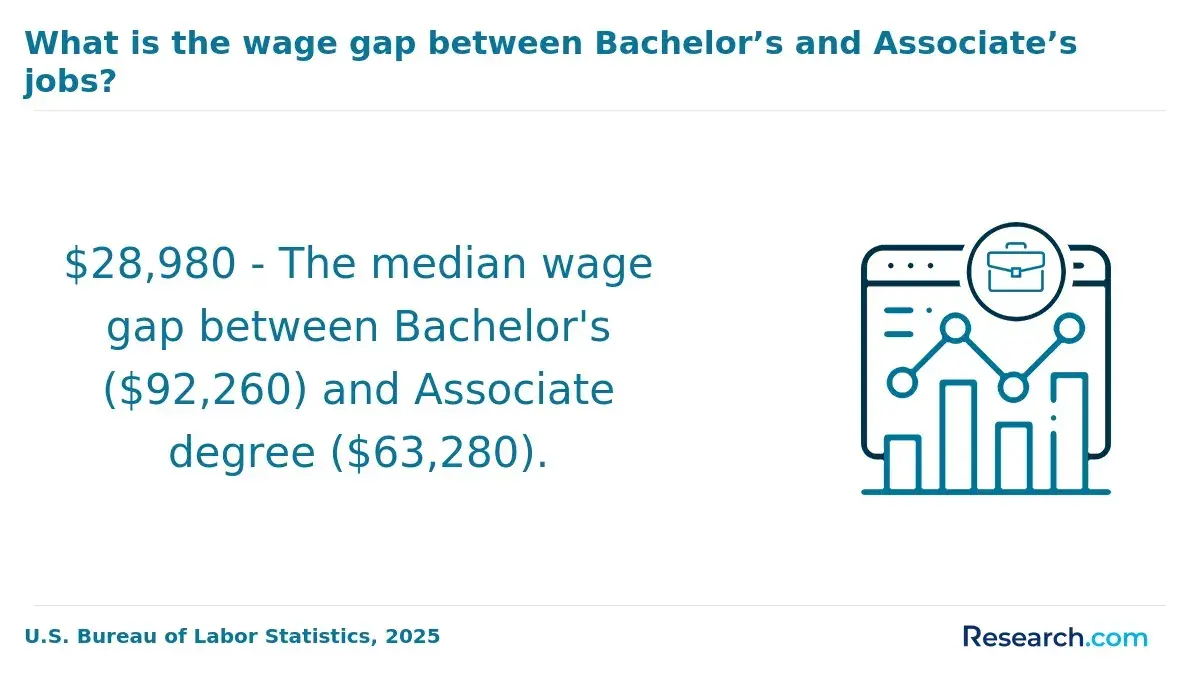
Industry choice can affect earnings as much as job title. Data from the U.S. Bureau of Labor Statistics reveals that wage variations across industries can exceed 30%, which means a bachelor’s-level graduate may earn substantially different pay for similar skills depending on the setting.
The strongest industries for communication disorders graduates without graduate school are usually those that value healthcare knowledge, accessibility, documentation, customer education, training, or assistive communication technology.
- Healthcare Administration: Hospitals, outpatient clinics, rehabilitation centers, and specialty practices need staff who can coordinate services, communicate with patients, support compliance, and understand clinical terminology. Professionals with communication disorders expertise often earn between $50,000 and $75,000 annually in these settings, especially when they move into care coordination, patient access, or program support roles.
- Technology and Telecommunications: Accessibility-focused technology, captioning, hearing devices, augmentative and alternative communication tools, and customer support platforms can all benefit from communication disorders knowledge. Bachelor’s degree holders typically see salaries ranging from $55,000 to $80,000 when they combine subject knowledge with technical fluency, product support, training, or user-experience skills.
- Education and Training Services: Graduates may work in student support, educational materials, early intervention programs, tutoring services, disability services, or curriculum-related roles. Salaries usually fall between $45,000 and $70,000. These jobs can be mission-driven but may have lower pay ceilings than technology or private healthcare employers.
- Corporate Human Resources: Communication disorders graduates can apply their understanding of communication, accessibility, adult learning, and interpersonal dynamics to training, employee development, workplace accommodation support, and internal communication roles. Salary ranges commonly reach $50,000 to $75,000, particularly when paired with HR systems experience or training design skills.
When asked about industries that offer substantial salaries without graduate school, one communication disorders graduate shared: “Navigating the job market was tougher than I expected. I focused on industries that valued practical communication skills and found healthcare administration challenging but rewarding. It took persistence to land roles that matched my expertise and compensated fairly, but seeing the salary ranges boosted my confidence. It wasn’t just about getting a job-it was about finding a path where my degree truly made a difference financially and professionally.”
What Entry-Level Communication Disorders Jobs Have the Best Growth Potential?
Entry-level roles with the best growth potential are the ones that build marketable skills instead of trapping graduates in narrow task work. Communication disorders-related employment is projected to grow about 21% from 2021 to 2031, so graduates who enter the field strategically can use early roles to gain experience, confirm career goals, and qualify for better positions.
Before accepting an entry-level job, ask whether the employer offers supervision, training, documentation experience, exposure to interdisciplinary teams, and a path into coordination, lead, or specialist work.
- Speech-Language Pathology Assistant: This role can provide direct exposure to therapy activities under the supervision of a licensed speech-language pathologist. Requirements vary by state, and some states have specific registration, education, or supervision rules. For graduates considering a future master’s degree, it can be one of the most relevant ways to test whether clinical work is the right fit.
- Hearing Aid Specialist: This path offers growth through technical competence, customer service, sales performance, and device expertise. Experienced specialists may move into sales management, clinic operations, product training, or specialized hearing technology support.
- Rehabilitation Technician: Rehabilitation technicians gain experience in patient-facing healthcare environments. The role can lead to therapy coordination, case management support, scheduling leadership, or administrative positions when graduates develop strong documentation and workflow skills.
- Communication Disorders Technician: These technicians may focus on documentation, data collection, materials preparation, screening support, and clinical operations. The best growth comes when the position teaches compliance, electronic health record use, client interaction, and interdisciplinary communication.
Graduates who want to move from support work into management may benefit from comparing healthcare operations training, including an online healthcare administration degree, with shorter certificates or employer-sponsored training.
What Skills Increase Salary Without a Master's Degree?
Without a master’s degree, salary growth depends heavily on skills that make you useful across settings. Studies reveal that workers with strong transferable skills can earn up to 20% more than those without, which is especially relevant for communication disorders graduates who may need to compete for roles outside licensed clinical practice.
The most valuable skills are those that help employers solve operational, technical, communication, and client-service problems.
- Technical Proficiency: Comfort with diagnostic equipment, hearing technology, assistive communication devices, electronic health records, telehealth platforms, and specialized software can make a graduate more employable. Technical skill reduces training time and can support roles in clinics, device companies, schools, and accessibility-focused organizations.
- Data Analysis: Employers value workers who can track outcomes, interpret client data, monitor service trends, and prepare clear reports. Even basic spreadsheet, documentation, and dashboard skills can separate a candidate from applicants who only have general coursework.
- Interpersonal Communication: Communication disorders graduates should be able to explain information clearly to clients, families, educators, clinicians, and administrators. Strong interpersonal skills are especially important in patient-facing roles, customer education, training, and care coordination.
- Project Management: Coordinating schedules, managing caseload-related tasks, preparing materials, tracking referrals, and meeting deadlines can lead to higher responsibility. Graduates who can organize work reliably may move into lead, coordinator, or operations roles.
- Adaptability and Lifelong Learning: The field changes as technology, service models, and accessibility standards evolve. Workers who continue learning through workshops, certificates, employer training, and supervised practice can stay competitive without immediately pursuing graduate school.
A professional with a communication disorders degree shared that early in her career, she was uncertain about earning higher wages without a master’s degree. She focused on improving technical skills and building trust with colleagues and clients, which gradually increased her responsibilities and compensation. “It wasn’t just about knowing the tools,” she reflected, “but also about showing I could handle complex projects and communicate effectively.”
What Certifications Can Replace a Master's Degree in Communication Disorders Fields?
No certification fully replaces a master’s degree when a role legally requires graduate education, clinical licensure, or a professional credential such as those needed for independent speech-language pathology or audiology practice. Certifications can, however, strengthen a bachelor’s-level resume for support, rehabilitation, assistive technology, accessibility, and program roles.
Data shows that certified professionals in allied health roles may experience up to a 15% salary increase compared to non-certified counterparts. The value of a credential depends on whether employers in your target industry recognize it and whether you meet its eligibility requirements.
- Certified Rehabilitation Counselor (CRC): This credential validates skills related to counseling and supporting individuals with disabilities, including those with communication challenges. It may be useful for graduates pursuing rehabilitation, disability services, workforce support, or case-management-related roles.
- Assistive Technology Professional (ATP): This certification is relevant for professionals who work with assistive communication technologies and adaptive equipment. It can support roles involving device evaluation support, implementation, user training, and accessibility services.
- Board Certified Assistive Technology Specialist (B-CATS): This credential emphasizes a broader range of assistive technology knowledge. It may fit graduates interested in educational, clinical support, or accessibility environments where adaptive tools are used to improve participation and communication.
- Certified Therapeutic Recreation Specialist (CTRS): This certification focuses on therapeutic recreation methods that can support social participation, communication opportunities, and quality of life for people with disabilities. It may be useful in rehabilitation, community programs, and therapeutic service settings.
Before paying for any certification, verify eligibility rules, renewal costs, employer recognition, and whether the credential is required or simply preferred. A certification is most useful when it aligns with a specific job target rather than serving as a general substitute for graduate study.
Can Experience Replace a Graduate Degree for Career Growth?
Experience can replace a graduate degree for some forms of career growth, but not for roles where law, licensure, or professional standards require advanced education. In communication disorders, this distinction matters. A bachelor’s-level graduate can build a strong career in support, coordination, technology, rehabilitation assistance, education services, hearing aid work, or healthcare operations. Experience can help that person move into lead, trainer, coordinator, sales, product support, or administrative roles.
Experience becomes most valuable when it is documented and progressive. Employers are more likely to reward a candidate who can show measurable responsibilities, such as training new staff, managing documentation workflows, supporting a caseload team, improving patient communication, assisting with device implementation, or coordinating services across departments.
However, experience alone usually cannot replace a graduate degree for independent clinical practice. Many specialized roles in speech-language pathology and audiology require graduate education, supervised clinical hours, exams, and state licensure. Without those credentials, graduates may be limited to assisting, supporting, coordinating, or working in adjacent industries.
The practical strategy is to use experience as a decision tool. Work for one to three years in a relevant setting, track what tasks you enjoy, compare your income growth with your goals, and then decide whether graduate school is worth the additional cost and time.
What Are the Downsides of Not Pursuing a Graduate Degree?
Stopping at a bachelor’s degree can reduce debt and speed entry into the workforce, but it also limits the range of roles available in communication disorders. Data from the U.S. Bureau of Labor Statistics suggest that those with graduate degrees tend to earn 20-30% more than their counterparts without advanced education. In this field, the gap is not only about salary; it is also about scope of practice, licensure, and professional authority.
- Slower Career Advancement: Many advanced communication disorders roles require graduate-level preparation. Positions involving assessment, diagnosis, treatment planning, independent therapy, clinical supervision, or research often require a master’s or doctoral degree. Bachelor’s-level workers may spend longer in assistant, technician, or coordinator roles.
- Reduced Access to Specialized Roles: Without graduate education, graduates may have fewer options in speech-language pathology, audiology, clinical leadership, and specialized intervention. This can limit both long-term earnings and the ability to choose a preferred client population or practice setting.
- Competitive Hiring Disadvantages: Some employers prefer graduate-trained candidates even for roles that do not strictly require them, especially in healthcare, education, and program management. A bachelor’s degree holder may need stronger experience, technical skills, or certifications to compete.
- Licensing and Certification Barriers: Many professional licenses and advanced certifications require graduate education. Without those credentials, a graduate’s legal scope of work may be limited by state rules, employer policies, and supervision requirements.
- Limited Professional Development: Graduate programs often provide advanced clinical training, faculty mentorship, research opportunities, supervised practice, and professional networks. Bachelor’s degree holders can still develop professionally, but they may need to be more intentional about finding mentors, training, and career guidance.
The downside is most serious for students who know they want to become licensed clinicians. For those who prefer administration, technology, hearing aid services, training, or support roles, avoiding graduate school may still be a reasonable financial decision. Students comparing other advanced healthcare education routes may also review PhD in nursing programs to understand how graduate credentials can change career options in related fields.
How Can You Maximize ROI With a Communication Disorders Degree?
ROI measures whether the time and money invested in a degree lead to worthwhile career outcomes, including salary, job stability, advancement, and flexibility. For example, bachelor’s degree holders in health-related fields often see mid-career salaries exceeding $60,000, but outcomes vary widely by role and employer. To maximize ROI with a communication disorders degree, graduates should treat the bachelor’s degree as a platform and deliberately add practical experience, technical skills, and industry focus.
Specialize Strategically: Target areas with clear employer demand, such as assistive technology, hearing devices, speech-language pathology support, accessibility services, rehabilitation operations, or healthcare coordination. A focused skill set is easier to sell than a general interest in helping people communicate.
Gain Practical Experience: Use internships, volunteer work, part-time jobs, observation hours, and entry-level support roles to build evidence of competence. Practical experience can help you qualify for better jobs and decide whether graduate school is necessary for your goals.
Choose Employers Wisely: Compare hospitals, clinics, school systems, government agencies, private practices, technology companies, and rehabilitation organizations. Larger or better-funded employers may offer stronger pay, benefits, training, and internal mobility than smaller organizations.
Develop Complementary Skills: Add skills that broaden your options, such as data analysis, bilingual communication, patient education, documentation, scheduling systems, assistive technology, training design, or customer success. These skills can move you into better-paid support, operations, or technology-adjacent roles.
Network Effectively: Join professional groups, attend local events, ask for informational interviews, and maintain relationships with supervisors and faculty. Many entry-level healthcare and education jobs are easier to find through referrals than through broad job boards alone.
Reassess Graduate School With Real Numbers: After gaining experience, compare your current earnings trajectory with the cost, time, and licensure benefits of graduate study. Students considering adjacent health and wellness careers can also compare options such as a nutritional science degree online when evaluating long-term return on investment.
When Is Graduate School Worth It for Communication Disorders Careers?
Graduate school is worth it when the career you want requires it, when the long-term earnings justify the cost, or when advanced clinical authority is central to your goals. For example, speech-language pathologists have a median wage near $83,000, compared to about $44,000 for assistants. That wage difference can make graduate education financially worthwhile for students who are committed to licensed clinical practice.
Graduate education is especially important if you want to evaluate, diagnose, and treat communication disorders independently; pursue audiology; qualify for professional licensure; supervise clinical services; teach in higher education; conduct research; or compete for advanced leadership roles in clinical settings.
It may be less urgent if you are satisfied with support roles, healthcare coordination, hearing aid services, assistive technology, accessibility work, education services, or corporate training. In those cases, a lower-cost path built around experience and certifications may produce a better short-term ROI.
A practical way to decide is to compare three scenarios: working immediately with a bachelor’s degree, working for a few years before applying, or applying directly to graduate school. Consider tuition, lost wages, debt, licensing requirements, expected salary, and how certain you are about the clinical career path. If speech-language pathology remains your goal, comparing accredited and affordable speech pathology online programs can help you evaluate whether the investment fits your timeline and budget.
Some students also compare other healthcare pathways, including RN to BSN online programs, to understand how different credentials affect pay, licensure, flexibility, and advancement.
What Graduates Say About Communication Disorders Degree Careers That Offer the Best Return Without Graduate School
- Mordechai: "Choosing not to pursue a graduate degree in communication disorders was initially daunting, but it allowed me to explore specialized certifications and real-world experience instead. I focused on gaining practical skills through workshops and on-the-job training, which proved invaluable in advancing my career. This path has shown me that a communication disorders degree can open doors if you're proactive about continuous learning and networking."
- Casen: "Reflecting on my journey, I realize that maximizing my communication disorders degree without graduate school involved leveraging internships and volunteer work early on. These experiences helped me understand the diverse career options available and build a strong professional reputation. I've found that a communication disorders degree is highly versatile and can lead to meaningful roles, especially when combined with practical experience and determination."
- Walker: "My career in communication disorders has flourished without a graduate degree, largely because I embraced professional development opportunities and specialized training programs. This strategic approach not only enhanced my expertise but also made me a valuable asset in educational and clinical settings. Communication disorders professionals can succeed and influence many lives without necessarily following the traditional graduate school route."
Other Things You Should Know About Communication Disorders Degrees
Advancement without a graduate degree is possible in some communication disorders roles, particularly those focused on support and assistance rather than clinical certification. Many positions, such as speech-language pathology assistants or audiology aides, allow for career growth through on-the-job experience and additional certifications. However, upper-level clinical or specialist roles usually require graduate credentials and licensure.
Yes, some non-clinical roles in communication disorders, such as educational support staff, community program coordinators, or rehabilitation technicians, can offer decent salaries without graduate education. These careers often emphasize interpersonal skills and practical experience over advanced degrees. While salaries may not match clinical positions requiring graduate education, they can still provide stable income and job satisfaction.
Geographic location significantly impacts job availability and salary in communication disorders careers without graduate degrees. Rural or underserved areas may offer more opportunities for bachelor's level professionals due to shortages of licensed clinicians. Conversely, urban centers may have more competitive markets requiring higher qualifications, limiting options for those without advanced degrees.
References
- 14 high-paying in-demand health-care jobs you can get without an MD or PhD https://www.cnbc.com/2019/05/10/14-high-paying-healthcare-jobs-you-can-get-without-an-md-or-phd.html
- Speech And Hearing Course Fees: Understanding Investment And ROI - https://www.ihs.ac.in/blog/speech-and-hearing-course-fees/
- Your Guide to SLP Certifications and Specialties https://otpotential.com/blog/slp-certifications-and-specialties
- The Benefits of Joining a Graduate Program in OT or SP https://correlateconnections.com.au/the-benefits-of-joining-a-graduate-program-for-occupational-therapists-and-speech-pathologists/
- What Can You Do With a Master of Science in Speech-Language Pathology? https://onlinegrad.pepperdine.edu/blog/what-can-you-do-with-slp-masters/
- Becoming an SLT https://www.iaslt.ie/what-is-speech-language-therapy/becoming-an-slt/
- Speech Pathology Graduate Programs | ASHA Comparison Tool https://www.speechpathologygraduateprograms.org/speech-pathology-graduate-programs-comparison-tool/
- Embarking on a Rewarding Career: Speech Language Pathology Explained https://www.parkwoodclinic.com/post/embarking-on-a-rewarding-career-speech-language-pathology-explained
- How To Successfully Transition from Graduate School to the Workforce in Speech-Language Pathology and Audiology https://www.txsha.org/Education/Communicologist/Communicologist-Issues/Issue/how-to-successfully-transition-from-graduate-school-to-the-workforce-in-speech-language-pathology-and-audiology


