2027 Best Online Nurse Midwifery Degrees for Jobs

Co-Founder and Chief Data Scientist
Choosing the best online nurse midwifery degree often poses a significant challenge-programs vary widely in accreditation, curriculum depth, costs, and practical experience requirements. Many prospective students struggle to balance quality education with affordability and career prospects. According to the American Association of Nurse Practitioners, accredited nurse midwifery programs have a 15% higher graduate employment rate within six months of completion. This article examines key factors impacting program quality and outcomes-accreditation standards, curriculum rigor, investment return, and support services-empowering readers to make informed decisions that align with their career ambitions in nurse midwifery.
Key Things to Know About the Best Online Nurse Midwifery Degrees for Jobs
- Accreditation by recognized bodies like the ACME ensures programs meet national standards-critical for eligibility to sit for certification exams and licensure as nurse midwives.
- Curriculum rigor often includes advanced clinical training and evidence-based practice courses-preparing graduates for complex patient care scenarios and leadership roles.
- Cost varies widely, but programs offering strong career outcomes boast return on investment with median nurse midwifery salaries exceeding $110,000 annually, reflecting demand in healthcare sectors.
What Is a Nurse Midwifery Degree, and What Can It Do for Your Career?
A nurse midwifery degree prepares students to deliver specialized healthcare throughout pregnancy, childbirth, postpartum care, and women's health across the lifespan. Accredited by reputable organizations like the American Midwifery Certification Board, the program emphasizes holistic, patient-centered care that integrates advanced nursing skills with midwifery-specific competencies. This includes prenatal monitoring, labor management, gynecological assessments, and reproductive health counseling-distinguishing it from other nursing specialties.
Foundational knowledge domains in nurse midwifery education encompass anatomy and physiology, pharmacology, maternal-fetal medicine, neonatology, and health promotion. Theoretical frameworks blend nursing science with midwifery models that emphasize wellness, natural childbirth, and ethical patient advocacy. Applied competencies train students to perform physical examinations, manage both low- and high-risk pregnancies, support families during birth, and navigate healthcare systems with cultural sensitivity.
These skills address vital career opportunities in the United States for nurse midwifery degree holders aiming to embrace clinical and leadership roles.
- Associate's Degree: Entry-level registered nurse preparation with limited midwifery exposure; often a foundation for further study.
- Bachelor's Degree: Broad nursing foundation with introductory midwifery concepts suitable for RN roles and supervised practice.
- Master's Degree: Predominant credential for nurse midwife certification and independent practice emphasizing clinical expertise and leadership.
- Doctoral Degree: Focus on advanced clinical practice, research, education, and health policy leadership within midwifery.
This guide focuses on online nurse midwifery degree programs-
- Accessibility: Designed for working adults, veterans, and career changers to balance education and life.
- Accreditation and Curriculum: Programs meeting rigorous academic and professional standards.
- Career Outcomes: Emphasizing programs with strong graduate success, certification pathways, and job placement.
- Practical Experience: Highlighting clinical placement support indispensable to nurse midwifery training.
Prospective students aiming to maximize return on investment may also explore the cheapest DNP programs online as part of their advanced education planning.
How Do Online Nurse Midwifery Degree Programs Compare to Traditional Campus Programs?
Online nurse midwifery programs versus traditional campus programs offer comparable educational value-particularly for students prioritizing flexibility without compromising quality. Both formats require accreditation from agencies like the Accreditation Commission for Midwifery Education (ACME), ensuring rigorous curriculum standards, qualified faculty, and supervised clinical experiences.
- Curriculum Depth and Rigor: Accredited online programs deliver course content equivalent to campus-based curricula, covering essential topics such as prenatal care, labor management, and neonatal care. Outcome data demonstrate similar certification exam pass rates, affirming consistent academic quality across delivery modes.
- Faculty Qualifications: Faculty credentials and clinical expertise are comparable in both settings. Leading online programs use technology to foster engagement through live lectures, virtual office hours, and discussion boards, supporting meaningful academic interactions with working adults and remote learners.
- Student-Faculty Interaction: Online formats often provide more scheduled and structured access to instructors-benefiting those balancing education with job and family commitments. Small cohort designs enhance personalized faculty contact despite geographic separation.
- Peer Collaboration: While campus-based programs offer natural face-to-face networking, quality online nurse midwifery education intentionally nurtures community via group projects, synchronous sessions, and virtual simulations, mitigating isolation and supporting teamwork.
- Clinical or Practicum Requirements: Both pathways mandate supervised hands-on clinical training. Online students arrange practicums locally, enabling integration with their communities and current workplaces without relocation.
- Employer Perception: Employment surveys reveal that credential validity and clinical competence matter most-graduates from reputable online and traditional nurse midwifery education programs enjoy similar career outcomes and opportunities.
- Structural Advantages: Online delivery serves working adults, caregivers, military veterans, and those unable to attend campus-offering access without sacrificing rigor. This flexibility expands career pathways for many who seek advancement through comprehensive programs.
- Documented Limitations and Solutions: Challenges such as limited on-site clinical exposure are addressed by hybrid models with campus residencies and advanced simulations. Continual enhancements in technology and cohort design aim to balance flexibility with skill mastery.
Prospective learners evaluating differences between online and traditional nurse midwifery education may also explore cost-effective pathways such as a health administration degree online, complementing clinical expertise with leadership skills for broader healthcare roles.
What Are the Accreditation Standards That Define a Reputable Online Nurse Midwifery Degree?
Accreditation is a crucial measure of quality for online nurse midwifery programs, viewed carefully by employers and graduate schools as an indicator of academic rigor and professional readiness. Regional accreditors assess entire institutions based on standards such as faculty credentials and student support, significantly influencing licensure and employment outcomes.
Prominent regional bodies include the Middle States Commission on Higher Education (MSCHE), the Southern Association of Colleges and Schools Commission on Colleges (SACSCOC), and the New England Commission of Higher Education (NECHE), among others.
Programmatic accreditation specifically for nurse midwifery ensures that curricula align with clinical and professional benchmarks necessary for certification and effective practice. Key organizations in this area are:
- The Accreditation Commission for Midwifery Education (ACME): Recognized nationally as the standard bearer for midwifery program accreditation and valued by certification bodies such as the American Midwifery Certification Board (AMCB).
- The Commission on Collegiate Nursing Education (CCNE): Accredits nursing degrees at bachelor's through doctoral levels, including those with nurse midwifery specializations.
Choosing a nonaccredited or poorly accredited program presents risks such as obstacles to professional licensure, challenges in transferring academic credits, and diminished recognition by employers. These limitations can disrupt career progression and educational advancement.
Prospective students should confirm accreditation via the U.S. Department of Education's Database of Accredited Postsecondary Institutions and Programs and consult the Council for Higher Education Accreditation (CHEA) directory to verify that both institutional and programmatic accrediting agencies are legitimate and respected.
Accreditation is a foundational requirement-superseding cost and convenience-when evaluating online nurse midwifery degrees to safeguard professional credibility and long-term career success.
Which Types of Nurse Midwifery Degrees Are Available Online-Bachelor's, Master's, or Doctoral?
Advancing from bachelor's to master's and doctoral levels broadens scope of practice and leadership roles while boosting salaries significantly. Understanding nurse midwifery bachelor's master's doctoral options allows students to align education with career goals effectively.
- Associate's Degree: Generally a foundation for registered nurses (RNs), associate degrees in nurse midwifery are uncommon but serve as a starting point for foundational nursing knowledge. These programs usually last two years, preparing students for entry-level nursing roles or for advancing to bachelor's or graduate-level nurse midwifery studies.
- Bachelor's Completion Programs: Aimed at licensed RNs with associate degrees or diplomas, these programs enable earning a Bachelor of Science in Nursing (BSN) online within one to two years. They broaden clinical skills and typically serve as prerequisites for master's-level nurse midwifery education. Many institutions offer stackable credentials-credits here often apply toward graduate programs, allowing progressive advancement without redundant coursework.
- Master's Degrees (MSN): The predominant route to nurse midwifery certification involves MSN programs that mix advanced coursework with clinical practice. These usually require a BSN and RN licensure, although some accept non-nursing bachelor's degrees via bridge options. Programs span two to three years and increase eligibility for certification and leadership roles-offering significant salary enhancements compared to bachelor's level.
- Doctoral Degrees (DNP or PhD): For nurse midwives targeting leadership, research, or academic positions, doctoral programs emphasize heightened clinical expertise or scholarship. Admissions typically require an MSN. These online programs last three to four years with flexible, part-time formats to support working professionals.
- Post-Baccalaureate Certificates: Designed for nurses holding bachelor's degrees, these certificates deliver focused nurse midwifery training without completing a full MSN. They often lead to midwifery certification eligibility and can stack credits toward master's degrees.
- Program Length & Completion Rates: Data from IPEDS show bachelor's completion and certificate programs average one to two years, master's near two and a half years, and doctoral studies extend longer but offer flexible pacing. Completion rates vary depending on delivery format and student commitments, especially for online nurse midwifery degree programs.
For those seeking accelerated pathways, some may explore alternatives such as a 12 week LPN program to enter nursing swiftly before progressing.
What Is the Typical Cost of an Online Nurse Midwifery Degree, and How Can You Finance It?
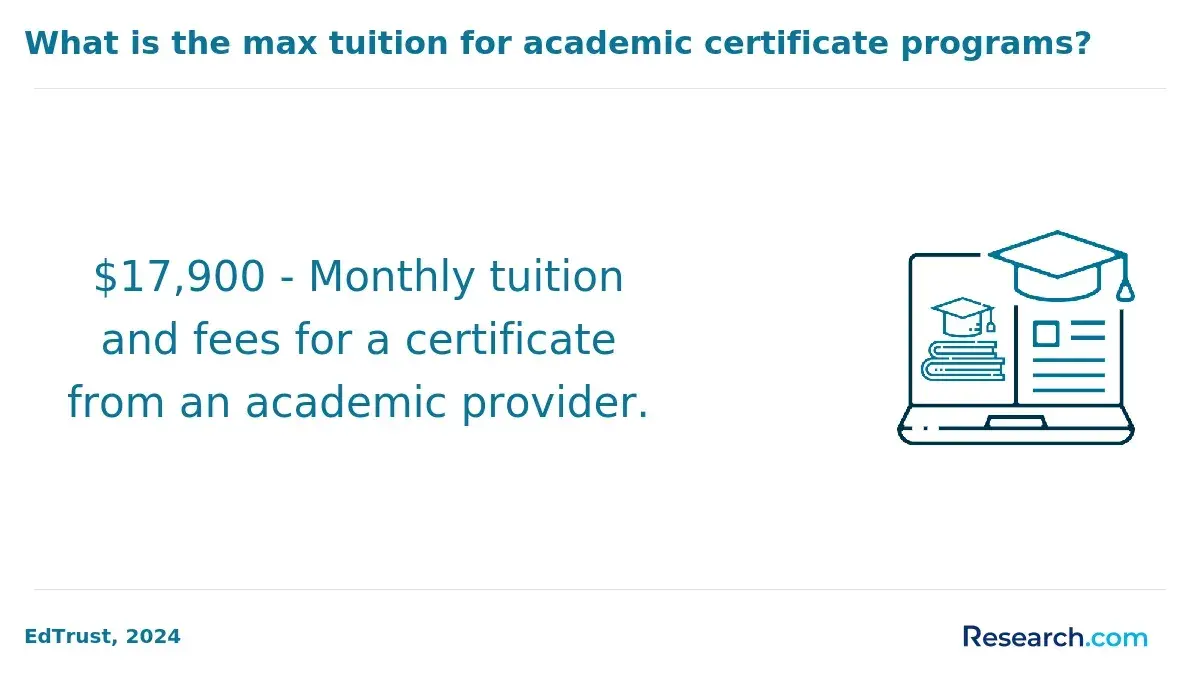
Costs for an online nurse midwifery degree differ greatly depending on the institution type and additional expenses tied to the program. Public in-state options typically provide the most budget-friendly tuition, often between $15,000 and $30,000 for the entire course of study. Out-of-state public tuition may exceed $40,000, while private nonprofit schools usually charge from $40,000 up to $70,000. For-profit institutions vary widely but commonly fall in the $30,000 to $60,000 range.
- Fees: Technology fees ranging from $100 to $500 per semester are frequently added to online tuition, alongside possible application and administrative costs.
- Residencies: Some programs mandate brief campus visits or clinical intensives, which bring travel and lodging expenses into consideration.
- Credit Hours: Nurse midwifery degrees generally require 40 to 60 credit hours, so it's crucial to calculate total program expenses rather than focusing only on the price per credit.
Students financing their education can explore key federal aid options such as Pell Grants-which don't require repayment-and subsidized or unsubsidized loans that do. Veterans may benefit substantially from the GI Bill. Additionally, scholarships are available via professional associations, state workforce initiatives targeting underserved regions, and merit-based awards at many schools.
To better estimate out-of-pocket costs, prospective students should use net price calculators available on most college websites, including the College Scorecard tool, which considers personal financial factors and aid potential.
How Long Does It Take to Complete an Online Nurse Midwifery Degree Program?
Online nurse midwifery programs vary considerably in duration based largely on degree level and enrollment status. Associate degrees typically require about two years, while bachelor's degrees take around four years for full-time students. Master's programs usually span two to three years, with doctoral programs-such as the Doctor of Nursing Practice (DNP)-lasting between three and four years on average.
- Transfer Credits: Acceptance of transfer credits can significantly reduce time by acknowledging previous nursing coursework.
- Enrollment Status: Full-time enrollment shortens program length, whereas part-time schedules extend it but provide flexibility.
- Pace and Competency-Based Formats: Some programs enable students to move forward by demonstrating mastery, allowing accelerated completion for those with relevant experience.
- Accelerated and Year-Round Options: Programs offering intensive sessions or multiple start dates annually help cut down overall time to degree.
- Prior Learning Assessment (PLA): Recognition of professional experience or certifications can translate to academic credit, reducing required coursework.
- Minimum and Maximum Time Frames: Accredited programs set time limits to maintain academic standards; exceeding these may impact financial aid eligibility due to satisfactory academic progress policies.
- Average Completion Data: Actual completion times show master's degrees often take about three years part-time and two years full-time, while doctorates range from three to five years depending on research and clinical demands.
Students should consider these variables to develop realistic expectations and select programs that fit their schedules and backgrounds, ensuring an efficient path through online nurse midwifery education.
What Core Curriculum and Coursework Should a Quality Online Nurse Midwifery Program Include?
High-quality online nurse midwifery programs adhere closely to curriculum standards set by the Accreditation Commission for Midwifery Education (ACME) and the American Midwifery Certification Board (AMCB). These programs deliver a rigorous, evidence-based educational foundation-ensuring students develop both clinical expertise and critical thinking skills essential for advanced practice.
- Core Courses: Programs cover advanced health assessment, pathophysiology, pharmacology, and women's reproductive health. Students gain clinical knowledge in prenatal, intrapartum, postpartum, and newborn care, alongside primary care and family planning.
- Sequenced Learning: Coursework is designed progressively, moving from foundational sciences to complex clinical decision-making. Early classes focus on theory and general skills; later ones emphasize integrating knowledge for autonomous practice across diverse clinical settings.
- Capstone and Integrative Experiences: A defining feature of strong programs is a capstone project or comprehensive integrative experience that synthesizes research with clinical practice. Clinical residencies or practicums supervised by experienced midwives foster real-world skills and sound judgment.
- Competencies and Outcomes: Graduates demonstrate holistic, culturally competent care, physical assessment proficiency, individualized care planning, and effective collaboration within multidisciplinary teams-skills that employers prize highly in nurse midwifery roles.
- Curriculum Currency: Leading programs update their curricula regularly-typically every 3 to 5 years-to include telehealth advances, revised pharmacological guidelines, and regulatory changes. Advisory boards of practicing midwives and industry experts contribute to this continuous improvement.
- Transparency for Applicants: Prospective students should request detailed course sequences, syllabi, and learning outcome maps for any program considered. These resources offer clearer insight than marketing materials alone, helping applicants evaluate fit with their career goals and learning preferences.
According to the Bureau of Labor Statistics, employment of nurse midwives is projected to grow 12% from 2022 to 2032-significantly faster than the average for all occupations-underscoring the increasing demand for well-prepared professionals in this vital healthcare field.
Which Online Nurse Midwifery Programs Offer the Best Return on Investment for Working Adults?
For working adults exploring the best online nurse midwifery programs, evaluating return on investment (ROI) requires a closer look at factors beyond tuition-such as salary growth, employment rates, and loan repayment outcomes. Public universities often offer superior value due to competitive tuition rates-especially when in-state tuition reciprocity agreements apply-and strong employer networks that enhance job placement prospects.
These relationships are essential for practical experience and career advancement.
- Cost Efficiency: Public institutions with in-state tuition reciprocity can significantly lower education expenses, reducing debt burden and improving ROI for many students pursuing a nurse midwifery degree.
- Employment Outcomes: Leading programs report employment rates exceeding 85% within six months of graduation, signaling strong demand for graduates in the healthcare field.
- Salary Growth: Median earnings six to ten years after enrollment serve as critical ROI indicators-graduates from reputable online nurse midwifery programs typically earn three to five times their program costs over a decade.
- Financial Support: Employer tuition reimbursement programs and scholarships further enhance affordability, allowing working adults to advance their careers with minimal financial strain.
- Loan Default Rates: Low default rates among graduates suggest manageable debt levels and solid salary outcomes, underscoring the investment value of these programs.
- Program-Specific Data Focus: Prospective students should prioritize program-level outcome data-such as credentialing success and graduate employment statistics-over general institutional rankings when assessing nurse midwifery degree return on investment.
Choosing an online nurse midwifery program with strong ROI is especially vital for working adults balancing career, family, and education. Examining metrics tied directly to career advancement and financial feasibility empowers candidates to make informed decisions aligned with their professional and personal goals.
For those also interested in other healthcare pathways, reviewing best medical assistant programs can provide additional insights into cost-effective training options.
What Admissions Requirements Do the Top Online Nurse Midwifery Programs Typically Require?
Competitive online nurse midwifery program admission criteria typically include several core elements that ensure applicants are prepared for the rigor of graduate-level study. Most programs require a minimum cumulative undergraduate GPA of 3.0 on a 4.0 scale-though more selective institutions may expect higher academic standards. Many schools have adopted test-optional policies for GRE or other standardized tests.
However, certain research-intensive universities still require examination scores as part of their evaluation process.
- Letters of Recommendation: Applicants must usually submit two or three letters from academic instructors or healthcare supervisors who can attest to their clinical skills, leadership potential, and academic readiness.
- Personal Statement: A well-crafted essay detailing career goals, motivations for nurse midwifery, and relevant experiences helps programs assess an applicant's fit and commitment.
- Professional Experience: Most programs expect at least one to two years of work experience as a registered nurse to demonstrate foundational clinical knowledge and practical patient care abilities.
- Prerequisite Coursework: Candidates without a nursing or related healthcare background often need to complete foundational science courses such as anatomy, physiology, microbiology, and statistics before beginning graduate study.
Admissions standards vary significantly-open-enrollment community college pathways may waive some academic thresholds but emphasize clinical experience and readiness for advanced practice. Conversely, highly selective master's programs at research universities typically enforce stricter GPA cutoffs, comprehensive prerequisite requirements, and holistic reviews that may include interviews. Prospective students are encouraged to self-assess where their credentials align most competitively within this spectrum.
Because policies on test requirements, minimum GPA thresholds, and prerequisite coursework can change each admission cycle, contacting admissions advisors directly is essential for the most current information. Evaluating programs with attention to these admission criteria helps applicants navigate online nurse midwifery program admission criteria confidently.
Those exploring options to advance their credentials might also consider related pathways such as BSN to MSN online programs, which can provide a strong foundation for nurse midwifery graduate studies. Matching program demands to your qualifications and career goals will optimize your chances of acceptance and future success.
What Career Paths and Job Titles Are Available to Online Nurse Midwifery Degree Graduates?
Graduates of online nurse midwifery degree programs can enter diverse healthcare roles that reflect both foundational and advanced expertise in women's health, prenatal and postnatal care, and patient education. These careers blend clinical practice with leadership and community engagement across multiple settings.
- Clinical Nurse Midwife: This role suits bachelor's-level graduates, delivering hands-on maternal care during pregnancy, childbirth, and postpartum periods in hospitals, birthing centers, and community clinics with a focus on comprehensive maternal and newborn well-being.
- Women's Health Nurse Practitioner: Expanding beyond midwifery, these practitioners provide broader reproductive health services-including family planning and gynecological care-often requiring extra certification but accessible through nurse midwifery pathways.
- Advanced Practice Registered Nurse (APRN): Graduate-level education prepares nurse midwives to become APRNs, granting them greater clinical autonomy such as prescribing medication and managing complex patient cases.
- Healthcare Management and Administration: Experienced graduates frequently transition into leadership roles like nurse managers, clinical directors, or healthcare coordinators, where they lead teams, optimize patient care workflows, and influence policy decisions.
- Research and Education: Those with master's or doctoral degrees often pursue careers in academia or clinical education-conducting research to enhance women's health outcomes or training future midwives.
- Career Pivot Opportunities: Professionals from adjacent healthcare fields can leverage nurse midwifery credentials to shift into specialized maternal healthcare by completing focused coursework and acquiring relevant certifications.
Nurse midwifery graduates find opportunities in various settings including:
- Hospitals and birthing centers
- Community health clinics
- Private medical practices
- Public health organizations
- Educational institutions
- Government and nonprofit agencies dedicated to maternal and child health
Over five to ten years, many advance from entry-level clinical roles to senior or specialized positions, with lateral shifts into administration or education presenting additional avenues for professional growth.
What Is the Salary Outlook for Professionals with an Online Nurse Midwifery Degree?
Salary outcomes for professionals holding an online nurse midwifery degree vary significantly due to factors like education, experience, location, and specialization. Data from recent government surveys indicate median annual wages typically fall between $110,000 and $120,000-highlighting competitive compensation in this field.
- Degree Level: Earnings generally rise with higher academic credentials. Master's degree holders often start near median salaries, while doctoral graduates tend to earn over 20% more thanks to advanced clinical expertise and leadership roles.
- Experience: Those just beginning their careers may earn around $90,000, whereas nurse midwives with five to ten years of experience frequently exceed $130,000, particularly if they have established specialized skills or reputations.
- Industry Sector: Hospital employment usually offers the highest median wages compared to outpatient clinics or public health environments. Specialized women's health centers and birthing facilities may also provide enhanced compensation driven by case complexity and patient volume.
- Geographic Market: Salaries fluctuate widely based on location. Coastal urban hubs and states with elevated living costs-including New York and California-report wages above the national average. Conversely, rural and Midwestern regions show lower average earnings.
- Specialization: Focusing on subspecialties such as high-risk pregnancies or anesthetics often results in salary premiums tied to increased responsibilities and certification demands.
- Professional Certifications: Credentials like Certified Nurse-Midwife (CNM) licenses and advanced practice certifications reliably boost compensation. Graduates from online programs should promptly pursue these certifications after degree completion to maximize earning potential and job security.
- Salary Projections: Growing healthcare access and demographic shifts are expected to sustain or increase demand for nurse midwifery roles over the next decade. Candidates are advised to consult current government and industry wage data regularly, as static numbers may not fully reflect ongoing market trends.
What Graduates Say About the Best Online Nurse Midwifery Degrees for Jobs
- Raphael: "The accreditation standards of the online nurse midwifery program I completed were incredibly reassuring-knowing that my degree met national criteria made all the difference when applying for jobs. The curriculum was both challenging and relevant, pushing me to develop a comprehensive understanding of patient care. I also appreciated how the cost aligned well with the return on investment-I'm confident my education will pay off in the long run."
- Russell: "Reflecting on my experience, the practical experience requirements were the cornerstone of my learning-the program balanced theory with hands-on training superbly. The student support infrastructure also stood out; advisors and instructors were genuinely invested in my success, which made distance learning feel much less isolating. Plus, the rigorous curriculum prepared me well for the demands of the job market, giving me an edge over peers."
- Theo: "From a professional standpoint, career outcomes were my primary concern-and this online nurse midwifery degree delivered, opening doors to several promising opportunities. The program's accreditation gave me credibility, while the curriculum's depth ensured that I was thoroughly prepared for clinical challenges. I was especially impressed by the affordability without sacrificing quality-making this degree a smart investment for anyone serious about advancing in this field."
Other Things You Should Know About Nurse Midwifery Degrees
The best online nurse midwifery programs develop clinical skills essential for prenatal care, childbirth, postpartum support, and newborn care. Graduates gain competencies in patient assessment, health promotion, and management of common complications in women's health. Programs also emphasize evidence-based practice, communication, and leadership-equipping students to work independently and collaboratively in diverse healthcare settings.
Employers increasingly recognize online nurse midwifery degrees from accredited programs as equivalent to traditional degrees. Accreditation by bodies such as the Accreditation Commission for Midwifery Education (ACME) assures the quality and rigor of the curriculum. Hiring managers prioritize clinical skills and certification eligibility, so successful completion of required clinical hours and passing the national certification exam matter more than program delivery format.
Online nurse midwifery programs require students to complete clinical practicum hours in approved healthcare facilities near their location. These hands-on experiences are supervised by qualified preceptors and align with national certification requirements. Programs often assist in connecting students with local clinical sites but expect students to be proactive in securing placements. Clinical training ensures graduates meet both educational standards and professional practice competencies.
In 2027, online nurse midwifery programs renowned for high job placement rates include those from the Frontier Nursing University and Georgetown University. They offer robust alumni networks and career services that connect graduates with opportunities in healthcare facilities nationwide.
References
- 10 Most Affordable Online Nurse-Midwifery Certificates and Degrees - BestMedicalDegrees.com https://www.bestmedicaldegrees.com/cheapest-online-nurse-midwifery-certificates-and-degrees/
- Midwife Accreditation Standards https://anmac.org.au/accreditation-standards/midwife
- Nurse Midwife - Explore Healthcare Careers - Mayo Clinic College of Medicine & Science https://college.mayo.edu/academics/explore-health-care-careers/careers-a-z/nurse-midwife/
- Explore Midwife Salary, Jobs, and Careers in Midwifery https://teach.com/online-ed/healthcare-degrees/online-midwifery-programs/midwife-career-and-salary/
- Becoming a midwife https://www.nmc.org.uk/education/becoming-a-nurse-midwife-nursing-associate/becoming-a-midwife/
- Can I Get a Job if I Study a Midwifery Course Online? https://www.stonebridge.uk.com/blog/access-to-higher-education-diplomas/midwifery/can-i-get-a-job-if-i-study-a-midwifery-course-online/
- Top Online Nurse-Midwifery Programs | 2026 CNM Rankings https://www.npschools.com/rankings/all-online-nurse-midwifery-programs
- NMBI https://www.nmbi.ie/Careers-in-Nursing-Midwifery/About-Midwifery/Midwifery
- Do Online Nursing Degrees Hold the Same Weight as Traditional Degrees? https://www.herzing.edu/blog/do-online-nursing-degrees-hold-same-weight-traditional-degrees
- Tuition & Fees — National Midwifery Institute https://www.nationalmidwiferyinstitute.com/certificate-tuition