2027 Highest-Paying Jobs You Can Get With a School Psychology Degree

Co-Founder and Chief Data Scientist
When evaluating graduate degrees in education, professionals often face the challenge of discerning which credentials yield the highest financial returns-especially in fields like school psychology, where advanced qualifications can significantly influence earning potential. Licensure and certification often increase starting salaries by up to 20%, creating a notable wage premium for those who invest further in their professional development. According to recent labor market analyses, school psychology specialists employed in urban districts tend to earn 15% more than their rural counterparts, highlighting geographic impact on compensation. This article explores the key factors shaping salary outcomes for school psychology graduates to guide informed career investment decisions.
Key Things to Know About the Highest-Paying Jobs You Can Get With a School Psychology Degree
- The wage premium for graduate degrees in school psychology often exceeds 20% compared to bachelor's-level roles, reflecting advanced expertise and specialized training.
- Professional licensure and certification can increase salaries by approximately 10-15%, highlighting the value of credentialing in competitive job markets.
- Compared to alternative mental health pathways, school psychology degrees typically yield higher lifetime earnings-offering a strong return on investment especially in public education and clinical settings.
What Exactly Does a School Psychology Degree Qualify You to Do in Today's Job Market?
A school psychology degree opens doors to career opportunities in the US centered on supporting children's mental health, learning, and behavioral development within educational settings. Recognized by the U.S. Bureau of Labor Statistics (BLS) and the National Association of School Psychologists (NASP), this credential equips professionals to conduct psychological assessments, craft intervention plans, and collaborate effectively with educators and families. Employer demand-highlighted by data from Lightcast and LinkedIn-favors candidates combining these specialized technical skills with strong interpersonal abilities, a unique blend developed through intensive academic programs and supervised internships.
Core Competencies: Degree holders stand out with skills in standardized testing administration, data analysis, counseling strategies, and crisis intervention. These competencies differentiate them from individuals relying solely on on-the-job experience or alternative qualifications, enhancing their value in credential-gated roles.
Licensure and Scope: A degree alone does not confer licensure; state certification or licensing is required, including internships and exams. This distinction matters as degree holders qualify for licensed school psychologist or educational diagnostician positions rather than open-entry education support roles.
Limitations: Graduates are not qualified to practice as clinical psychologists or provide medical diagnoses without further training, nor do they replace licensed mental health counselors-though they complement these roles within schools. Those exploring career changers or upgrading credentials will find this distinction critical when evaluating job roles and qualifications with a school psychology degree.
Job Market Insights: Advanced degrees-master's and doctoral-usually lead to significantly higher salaries. Bachelor's holders often find limited, support-related jobs with comparatively lower pay. The strong wage premium associated with advanced credentials makes a school psychology degree a financially sound investment compared to alternative pathways.
Highest-Earning Roles: Positions such as licensed school psychologists, special education coordinators, and district-level consultants top the list of well-compensated jobs in this field, underscoring the economic benefits of pursuing graduate-level study. For students assessing their options, these outcomes provide a clear benchmark for aligning educational commitments with income goals and risk tolerance.
For those evaluating their options in education-related careers, exploring easy nursing programs to get into may offer alternative pathways worth considering alongside the specialized credential-gated opportunities enabled by a school psychology degree.
Which School Psychology Jobs Command the Highest Salaries Right Now?
Certain school psychology highest paying jobs in the United States stand out by offering notable salary advantages tied to experience, credentials, and work environment. Drawing from the latest Bureau of Labor Statistics Occupational Employment and Wage Statistics (OEWS) and industry data, these roles reveal the tangible financial benefit of advanced degrees and specialized expertise.
- Lead School Psychologists: These senior professionals earn median annual salaries near $85,000, with the 75th percentile approaching $100,000 and top earners surpassing $120,000. Typically, these roles require specialist or doctoral degrees, enhanced by licensure, and are prevalent in larger districts and urban centers with higher budgets.
- Clinical School Psychologists with a Doctorate: Doctoral-level clinicians working in schools or affiliated healthcare settings often exceed median salaries of $90,000, with the highest 10% earning more than $130,000. Their credentials allow billing insurance and greater autonomy, blurring into clinical psychology fields and commanding premium pay.
- Educational Diagnosticians and Evaluators: Focused on student assessments, these roles offer median wages around $70,000, rising past $90,000 with experience. Professionals from related backgrounds like special education compete here, but a school psychology degree combined with certification adds a measurable salary edge, especially in affluent suburban areas.
- Behavioral Specialists and Intervention Coordinators: Median salaries approximate $65,000, with senior specialists exceeding $85,000. Certification in behavior analysis boosts compensation, and opportunities span public, private, and nonprofit education sectors.
- Consultants and Private Contractors in School Psychology: Experienced consultants with doctoral credentials can earn over $120,000 annually, depending on client base and market demand. Success in these roles requires entrepreneurial skills and professional networks across education, healthcare, and legal consultation.
The value of a school psychology degree in salary terms varies strongly by degree level-master's, specialist, or doctorate-and professional licensure or certifications obtained. Higher credentials correlate with independent practice eligibility and access to more lucrative employer sectors such as urban public schools and consulting firms. These factors, alongside geographic market variations, critically impact earning potential for school psychology professionals.
Many of the top salary careers for school psychology professionals overlap with roles filled by candidates holding clinical psychology or counseling degrees, especially when hybrid expertise is required. However, holding a school psychology degree is a distinct advantage when paired with appropriate credentials-particularly in specialized educational assessment and intervention roles.
Prospective students and career changers should factor in specialization, credentials, geographic demand, and employer types to assess the financial return of a school psychology degree in today's competitive labor market. For those considering alternative healthcare-related careers, exploring cheap online nursing programs could offer additional affordable options.
How Does Degree Level-Bachelor's vs. Master's vs. Doctoral-Affect School Psychology Earning Potential?
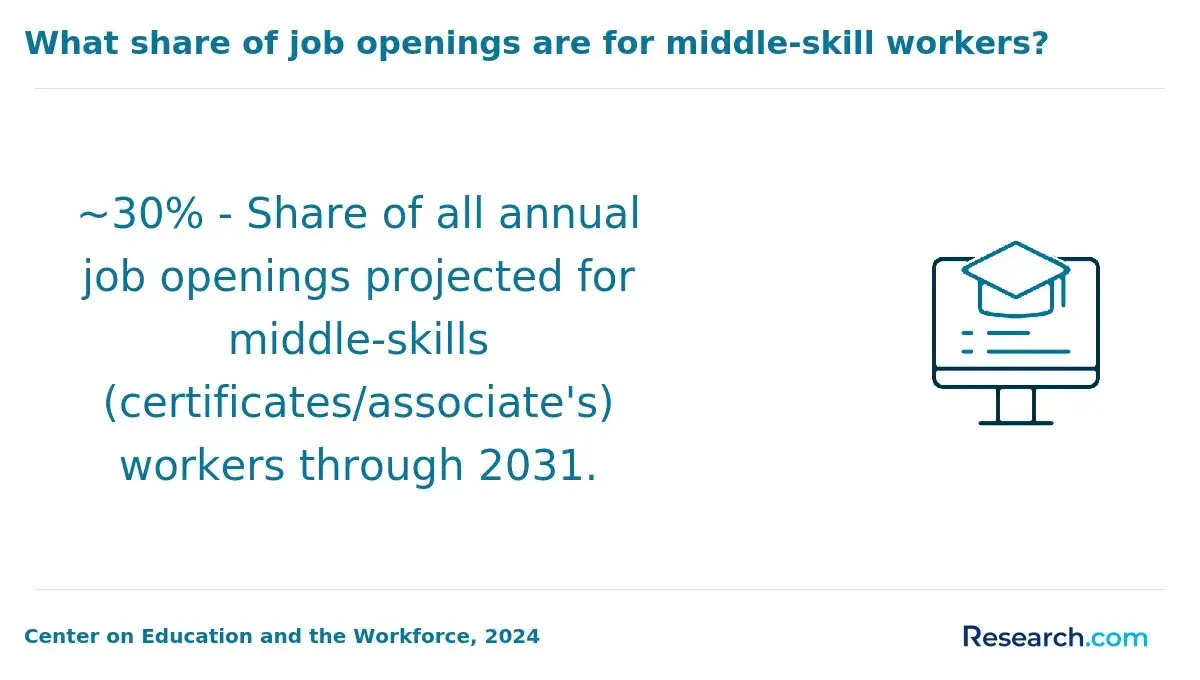
Bachelor's Degree: Roles accessible with a bachelor's typically revolve around support positions like behavioral aides or school assistants. These jobs usually offer salaries from $35,000 to $45,000 annually and do not require licensure or carry the professional responsibilities of a credentialed school psychologist.
Master's Degree: This credential is the minimum threshold for licensure, enabling practice as a school psychologist who conducts assessments, interventions, and counseling within K-12 environments. Salaries generally range between $60,000 and $80,000. The master's path offers a balance between time invested-usually two to three years-and a notable wage increase, making it an efficient choice for many seeking credentialed practice.
Doctoral Degree: Doctoral qualifications-whether professional (PhD, PsyD) or research-focused-grant access to leadership roles such as program directors, clinical supervisors, or academic positions. Earnings often exceed $90,000 to $110,000, reflecting specialized expertise and increased responsibilities involved in these positions. These degrees also enable eligibility for licensed clinical psychologist status and activities including research and policy development.
Credential Requirements: Licensing boards mandate at least a master's degree with supervised experience for credentialing, while doctorate degrees are necessary for advanced leadership or research roles due to their rigorous training.
Income Premium: Advanced degrees deliver substantial wage uplifts-approximately 30% higher than bachelor's level for master's holders, with an additional 20% to 30% boost for doctorates, as indicated by BLS data.
Time-to-Payoff: Prospects should evaluate the total cost of graduate education, including tuition and lost wages during study, against the improved salary potential. For those shifting from unrelated bachelor's degrees, a master's offers a more expedient route to licensure and solid earnings, whereas the doctorate's longer timeline is justified by higher lifetime income and broader career options.
Industry and Location Factors: Salaries fluctuate based on district budgets, geographic demand, and public versus private sectors, but degree level remains the dominant predictor of earnings.
Reflecting on his journey, a professional who successfully graduated with a school psychology degree shared how navigating graduate training felt both demanding and transformative. "Balancing coursework with part-time work was tough," he recalled, "and I questioned the payoff during long nights spent studying. But witnessing the increased responsibility and respect that came with licensure motivated me." He emphasized how earning the master's credential unlocked access to clinical roles offering financial and professional advancement, while also stressing the importance of choosing a program that provided practical experience to ease the transition into the workforce. This firsthand perspective underscores how degree level impacts not just salary but also career confidence and day-to-day job fulfillment.
Which Industries and Employers Pay School Psychology Graduates the Most?
Pay levels for school psychology graduates vary significantly across industries and employer types-revealing which sectors deliver the highest compensation packages. The private sector, notably large healthcare providers, educational technology companies, and private schools, typically leads in wages. These organizations leverage substantial financial resources and competitive hiring to secure professionals with advanced degrees and certifications, often elevating them to leadership or consulting roles with premium salaries. The variability in pay among the highest-paying employers for school psychology graduates in the United States often reflects such market forces.
Government employers-federal, state, and local agencies-offer stable career opportunities with competitive benefits. Although base salaries may start lower compared to private firms, senior roles that require licensure and advanced credentials can match or surpass private-sector compensation, especially in specialized programs for children with disabilities or juvenile justice.
Nonprofit organizations, including those focused on child welfare and mental health, provide meaningful work but generally pay less than their private and government counterparts. Still, larger nonprofits with robust funding can offer competitive salaries when demand for skilled professionals exceeds supply.
Self-employed school psychologists and consultants can potentially earn beyond salaried roles-especially when specializing in niche areas like neuropsychological assessment or private educational advocacy. Income in this category depends heavily on reputation, client base, and business ability.
Several factors drive above-average pay in these sectors:
- Market Conditions: Salary disparities often stem from an employer's revenue size and talent scarcity. Private entities with ample resources and fewer qualified candidates tend to pay more, while government wages are constrained by budgets and regulations but provide stable prospects.
- Job Title and Degree Level: Credentials strongly influence earnings. Doctoral degree holders with clinical or counseling certifications often command 20-40% higher pay than master's degree graduates, particularly in well-funded industries.
- Strategic Career Targeting: Developing skills relevant to high-paying sectors-such as autism spectrum interventions or data analysis-and obtaining industry-recognized licenses improve both hiring outcomes and salary potential. Networking within these sectors during training enhances access to premium roles.
For prospective students considering whether a School Psychology degree is the most financially sound credential, careful attention to employer type and industry is crucial. Comparing these factors alongside credential attainment informs long-term career income expectations and return-on-investment analyses. Those interested in exploring related healthcare and educational credentials might also investigate the best medical billing and coding schools for alternative pathways.
What Geographic Markets Offer the Best-Paying School Psychology Jobs?
Metropolitan Areas: Leading metro regions for high median wages in school psychology include the San Francisco Bay Area, Seattle, and Washington, D.C. These areas benefit from robust tech, healthcare, and federal education sectors that prioritize psychological services, creating competitive salary opportunities.
States: New York, Massachusetts, and California consistently offer top salaries but face the challenge of costly living expenses, particularly in housing. In contrast, Minnesota and Colorado deliver attractive compensation balanced by more affordable living costs, making real earnings more substantial in those markets.
Regions: The Northeast and West Coast provide both higher pay and dense employment networks due to significant investment in mental health and expansive school districts. Meanwhile, the Midwest offers moderate wages paired with a generally lower cost of living, which enhances purchasing power for professionals choosing this region.
Cost-of-Living Adjusted Salaries: Raw salary comparisons can be misleading-for instance, a $95,000 salary in San Francisco may offer less actual spending power than $75,000 earned in Minneapolis after adjusting for regional expenses. Tools like the Council for Community and Economic Research (C2ER) and MIT's Living Wage Calculator enable job seekers to better evaluate salary offers against local economic realities.
Impact of Remote and Hybrid Roles: Expanding telehealth and hybrid positions in school psychology-especially in consultation, assessment, and counseling-are diminishing strict geographic salary divides. Still, many roles require on-site presence for licensing compliance and direct student engagement, limiting the full remote potential for some professionals.
Licensing and Location Constraints: Varying state licensure rules restrict cross-border practice and often necessitate localized employment, compelling candidates to balance higher nominal salaries against the complexities of obtaining new licenses and adapting to different regulatory climates.
Financial Trade-Offs: When deciding between relocating to high-paying hubs or telecommuting from more affordable areas, candidates should consider real income after cost-of-living adjustments, long-term advancement opportunities available in high-density markets, and personal factors like family needs and social networks.
When asked about navigating these choices, a professional who launched her career post-graduation shared how challenging it was to weigh licensure requirements and cost-of-living disparities. "Moving to a major city seemed financially tempting, but the licensing process felt daunting and time-consuming," she recalled. Instead, she embraced hybrid roles that allowed her to live in a less expensive area while maintaining access to reputable employers. This approach "gave me greater flexibility and peace of mind," she explained, emphasizing how understanding local salary dynamics helped shape her career path in a way that balanced financial and personal priorities.
How Do Professional Certifications and Licenses Boost School Psychology Salaries?
National Certified School Psychologist (NCSP): Awarded by the National Association of School Psychologists, this credential requires a graduate degree in School Psychology, completion of a supervised internship, and passing a comprehensive exam. Renewal is every three years with ongoing professional development. Costs typically total around $500 for application and exam fees. NCSP holders earn a median salary 10-15% higher than non-certified peers, according to NASP surveys.
Licensed Psychologist (State License): Candidates must have a doctoral degree, complete supervised postdoctoral experience, and pass the Examination for Professional Practice in Psychology (EPPP). Licensing fees and requirements, including continuing education, vary by state-often between $200 and $500 annually. Licensed psychologists generally command salaries about 20% higher than those without licensure due to expanded practice privileges.
Board Certification in School Neuropsychology: This advanced credential, issued by the American Board of School Neuropsychology, requires a doctoral degree, three years of relevant experience, and a detailed exam. Renewals occur every five years with required continuing education. Certified specialists report a 12-18% salary increase over non-certified counterparts.
Certification Accreditation: Candidates should ensure credentials are accredited by reputable bodies like ANSI or NCCA to guarantee broad employer acceptance and salary advantages. Employers differ in certification preferences and mandates, so researching industry-specific requirements can maximize financial return and career growth.
What Is the Salary Trajectory for School Psychology Professionals Over a Full Career?
Salary growth in school psychology typically follows a clear path-entry-level professionals often start earning in the mid-$50,000s to low $60,000s range. As they accumulate experience, credentials, and specialized skills, their pay rises steadily. Research from the Bureau of Labor Statistics and the Georgetown Center on Education and the Workforce supports this progression, showing increasing salaries correlated with years of experience and advanced qualifications.
- Early Career: Within about five years, salaries usually rise to $60,000-$70,000 as practitioners gain state licensure and develop competencies in assessment and intervention techniques.
- Mid-Career Growth: At the ten-year mark, pay often reaches between $75,000 and $90,000. Many professionals take on supervisory roles or specialize in areas such as neuropsychology or behavioral consultation, which elevate compensation.
- Career Inflection Points: Several factors consistently accelerate salary growth:
- promotion to management or director-level positions;
- earning advanced credentials like doctorates or board certifications;
- transitioning into private practice or consultancy roles;
- building professional reputation through research or leadership in the community.
- Senior and Peak Earnings: After 15-20 years, seasoned school psychologists can command salaries exceeding $100,000, particularly in urban districts, specialized clinics, or executive roles.
- Strategic Career Decisions: High earners pursue continued education beyond the master's degree, engage in business development within private practice, and assume leadership roles-leading to substantial earnings gains over time.
Understanding these benchmarks enables aspiring and current school psychology professionals to set realistic salary expectations and plan strategically for a career that balances credentials, experience, and leadership opportunities for optimal financial reward.
Which School Psychology Specializations and Concentrations Lead to the Highest-Paying Roles?
Specialized academic concentrations within school psychology influence salary outcomes significantly, as reflected in job posting demand and wage data. Clinical neuropsychology commands premium pay due to its complex focus on brain-behavior dynamics and neurological disorder assessments-roles requiring deep technical expertise and advanced licensure in a narrowly filled market. Behavioral intervention and applied behavior analysis (ABA) are also top earners, fueled by growing demand for autism-related behavioral management in schools and clinical settings. These occupations intersect education and healthcare, attracting high compensation for credentialed specialists.
Early-stage students planning a school psychology career should integrate labor market trends and growth forecasts when selecting specializations-prioritizing scarce skills and employer demand over personal preference alone. For example, multicultural school psychology addresses diversity and inclusion challenges, a rapidly expanding area marked by wage premiums due to practitioner scarcity and regulatory focus on cultural competency. This approach enables students to align their academic track with high-return areas in the field.
For those already enrolled in general programs, post-graduation strategies like targeted internships at specialized clinics or schools, along with certifications such as the National Certified School Psychologist (NCSP) and ABA credentials, offer pathways to enhanced earnings without pursuing additional degrees. Assessing return on investment against alternative professional routes helps clarify whether a school psychology degree best meets individual income and career goals.
- Clinical Neuropsychology: High technical skill, regulatory complexity, and limited experts contribute to top-tier salaries.
- Behavioral Intervention and ABA: Rising demand for autism-related expertise fuels premium compensation.
- Multicultural School Psychology: Addresses growing diversity, resulting in scarcity-driven wage increases.
- Post-Graduation Strategies: Certification stacking and targeted internships enable salary growth without further degrees.
- ROI Focus: Evaluating labor market trends and employer preferences guides smarter specialization choices.
Prospective students may also consider alternative or complementary career pathways-for instance, programs like the CMA to LPN bridge program online-to enhance flexibility and earnings potential outside the traditional school psychology labor market.
School psychology career specializations with the highest salary potential demand informed decisions grounded in empirical wage data and occupational trends, ensuring choices are robust amid evolving educational and healthcare landscapes.
How Does the School Psychology Job Market's Growth Outlook Affect Long-Term Earning Stability?
The job market for school psychology professionals continues to show promising growth trends-employment in this field is projected to rise by roughly 8% to 10% over the next decade, according to the U.S. Bureau of Labor Statistics. This growth reflects a broader awareness of student mental health needs, legislative mandates such as IDEA, and the expansion of school-based intervention programs. These factors contribute to a labor market characterized by long-term earning stability for school psychology careers.
Key drivers for sustained demand include:
- Employment Growth: Roles such as certified school psychologists and educational diagnosticians benefit from increasing student populations and a focus on early intervention strategies.
- Low Automation Risk: The interpersonal and assessment skills required make school psychology resistant to automation, safeguarding job longevity.
- Demographic Demand: An increasingly diverse student body with complex socio-emotional challenges creates ongoing need for specialized support services.
- Legislative Influence: Federal laws guarantee qualified professionals in publicly funded schools, securing positions and salary premiums over time.
Conversely, some sectors confront challenges that may limit compensation growth or job security:
- Budget Constraints: Funding cuts in certain districts can reduce hiring and encourage reliance on less credentialed staff.
- Credential Inflation: Rising requirements for advanced degrees and licenses may narrow access but increase wages for those fully qualified.
- Outsourcing and Contracting: Some school systems shift psychological services to private providers, decreasing traditional permanent roles.
Understanding the distinction between high-paying roles underpinned by steady growth and those with high wages linked to cyclical or limited positions is essential. Prospective professionals can enhance their career resilience by aligning with certification standards, engaging in ongoing development, and adapting to evolving educational technologies. Those considering advanced credentials might explore programs such as an MBA in healthcare to expand administrative and leadership opportunities.
What Leadership and Management Roles Are Available to High-Earning School Psychology Graduates?
Leadership roles in school psychology represent the top tier of the profession-often including positions such as Director of School Psychology Services, Special Education Coordinator, and Chief Behavioral Specialist. Higher-level posts like Executive Director of School Psychological Services typically exist within district or state education offices, where leaders influence policies and strategic priorities for student well-being and academic success.
- Organizational Structure: These roles usually reside at mid- to senior-management levels within school districts, government agencies, or educational nonprofits. Executives frequently report directly to superintendents or state officials, overseeing programs, budgets, and staff while driving institutional goals.
- Credentials and Experience: Candidates for leadership positions often hold advanced degrees-specialist or doctoral levels in school psychology-plus administrative certifications or licensure as psychologists. Successful leaders demonstrate a history of effective program management, strong leadership, and data-informed decision-making skills.
- Salary Premium: Bureau of Labor Statistics data indicate management roles in educational services earn roughly 20-35% more than experienced school psychologists. Median salaries surpass $90,000 annually for administrators-reflecting added responsibilities including organizational performance and fiscal oversight.
- Typical Career Pathway: Advancement to leadership generally requires 5-10 years of field experience along with professional development in conflict resolution and leadership. Many candidates boost their qualifications by earning a master's degree in educational leadership or an MBA, enhancing their managerial expertise.
- Career Strategy: Aspiring leaders benefit from early pursuit of relevant credentials, mentorship, and broad interdisciplinary collaboration. Pairing a school psychology degree with graduate business or education leadership credentials can unlock executive roles and maximize earning potential.
Which Emerging School Psychology Career Paths Are Positioned to Become Tomorrow's Highest-Paying Jobs?
The landscape of school psychology is evolving rapidly, opening new high-paying roles fueled by technology, policy shifts, and changing student demands. Emerging specialties extend beyond classic practice settings-reflecting workforce forecasts and investment patterns that highlight future areas of growth.
- Technology Integration Specialists: Professionals skilled in digital assessments, teletherapy, and data analytics are increasingly valuable. Programs now embed coursework in educational technology and data science, while certifications in telehealth give candidates a competitive edge.
- Trauma-Informed Care Coordinators: Growing recognition of trauma's effect on learning demands experts adept at holistic support within multi-disciplinary teams. Curricula focusing on trauma psychology and social-emotional learning, along with micro-credentials, enhance readiness.
- Behavioral Health Consultants in Special Education: Specialists with expertise in complex regulations and individualized behavior planning command premium salaries. Training is expanding to include special education law and applied behavior analysis, with boot camps accelerating skill acquisition.
- Data-Driven Policy Advisors: School psychologists proficient in interpreting workforce and student data aid districts in accountability strategies. Joint degrees blending psychology, public policy, or analytics create a strategic advantage.
- Risk Assessment and Crisis Response Experts: Rising safety concerns highlight roles focused on threat assessment and emergency response planning. Certification in crisis intervention supplements core training.
Choosing an emerging school psychology path involves balancing the promise of lucrative roles against uncertainty in widespread adoption. Some positions may take years to become standard, requiring deliberate planning. Staying connected to professional groups, specialized journals, and labor market tools like Lightcast or Burning Glass supports informed decisions-helping professionals maximize early mover benefits and secure long-term financial and career stability.
What Graduates Say About the Highest-Paying Jobs You Can Get With a School Psychology Degree
- Otto: "Completing my degree in school psychology really opened my eyes to the wage premium that advanced credentials can bring-it's incredible how much more competitive those with graduate degrees earn. I found that pursuing professional licensure significantly boosted my salary opportunities, making the investment in certification well worth it. Reflecting on alternative career paths, I can confidently say that the return on investment for this degree surpasses many others, especially when factoring in the diverse job settings available."
- Colsen: "The role of industry type and geographic location in salary is something I learned firsthand after graduating. Working in urban school districts versus rural areas can mean a noticeable difference in pay-something every aspiring school psychologist should consider. Adding to that, professional licensure was key in accelerating my career and financial growth-I highly recommend prioritizing it. Overall, the degree's ROI stands out against alternative routes, which reassured me that this was the right professional choice."
- Isaiah: "From a professional standpoint, I appreciate how earning a school psychology degree translates into real financial advantages-especially with wage premiums tied to graduate-level education. The boost in salary after obtaining licensure was clear in my case, confirming the tangible benefits of certification. When comparing this path with others, the investment in my education has definitely paid off, even more so considering the influence of geographic location on earning potential."
Other Things You Should Know About School Psychology Degrees
In 2027, school psychologists can secure high-paying roles by pursuing specializations such as neuropsychology or industrial-organizational psychology, engaging in continuous professional development, and gaining experience in leadership positions within educational institutions or private practice. Networking and staying updated with industry trends are also crucial.
Internships and practicum placements are critical for school psychology students-these experiences not only fulfill licensure requirements but also significantly enhance employability and starting salaries. Candidates with relevant, supervised practical experience are more attractive to employers and frequently negotiate higher initial pay. Early work in clinical or educational settings provides practical skills and professional networking opportunities that contribute directly to salary offers.
Employer type strongly influences compensation in school psychology careers. Public school districts often offer the most consistent salary scales with benefits and pensions, while private employers may provide higher starting salaries but less job security. Nonprofit organizations typically pay less but may offer other incentives such as flexible schedules or specialized roles. Understanding the trade-offs between employer types helps graduates align their salary expectations with their career priorities.
Effective negotiation strategies for school psychology graduates include researching salary ranges within their geographic area and target employer type before accepting an offer. Highlighting specialized skills-such as bilingual assessment abilities or expertise in evidence-based interventions-can justify higher pay. Additionally, demonstrating successful practicum or internship outcomes and obtaining strong professional references strengthens the candidate's position during salary discussions.
References
- What Do Psychologists Earn? Highest Paying Psychology Jobs | Walbrook https://www.walbrook.ac.uk/subjects/psychology/psychologist-salaries-highest-paying-jobs/
- How Do Certifications Influence Salary Increases? | CertiProf | International https://certiprof.com/blogs/news/how-do-certifications-influence-salary-increases
- Career Outlook | Texas Woman's University https://twu.edu/psychology-philosophy/prospective-graduate-students/school-psychology/career-outlook/
- Occupation Profile https://nccareers.org/occupation-profile/193034/1284
- School Psychologist Career Paths: Specialized vs Traditional Roles - LEARN Academy® https://thelearnacademy.com/blog/two-paths-one-profession-school-psychology-careers
- The Top-5 Highest Paying States for School Psychologists | AMN Healthcare https://www.amnhealthcare.com/blog/schools/the-top-5-highest-paying-states-for-school-psychologists/
- School Psychologist roles: Mental health meets education tech https://morganhr.com/blog/school-psychologist-roles-future-workforce-evolution/
- Everything You Need To Know To Get Hired as a School Psychologist https://kctherapy.com/everything-you-need-to-know-to-get-hired-as-a-school-psychologist/
- 8 Best Cities for School Psychologist Salaries in 2026 https://schoolpsychtoday.com/8-best-cities-for-school-psychologist-salaries-in-2026/
- Top 5 Highest-Paying Psychology Careers - Rivier Academics https://www.rivier.edu/academics/online/resources/program-resources/top-5-highest-paying-psychology-careers-rivier-university/