2027 Best Online Clinical Mental Health Counseling Degrees for Jobs

Co-Founder and Chief Data Scientist
Choosing the best online clinical mental health counseling degree can feel overwhelming when accreditation standards, curriculum rigor, costs, and career outcomes vary widely across programs. Many prospective students do not realize that up to 40% of online counseling degrees lack proper accreditation, which can hinder licensure and employment prospects. Additionally, understanding practical experience requirements and the quality of student support services is critical for career success. This article dissects these key factors-accreditation, curriculum depth, cost versus return on investment, hands-on training, and support infrastructure-to help readers confidently select high-value programs that align with their professional goals.
Key Things to Know About the Best Online Clinical Mental Health Counseling Degrees for Jobs
- Accreditation by CACREP ensures programs meet rigorous national standards-graduates from accredited programs have a 25% higher licensure pass rate than those from non-accredited schools.
- Curriculum rigor in top programs integrates evidence-based therapies and diverse client populations-preparing students for complex real-world counseling challenges effectively.
- Cost and return on investment vary widely, but programs with affordable tuition and strong alumni networks typically see 15% higher employment rates within six months post-graduation.
What Is a Clinical Mental Health Counseling Degree, and What Can It Do for Your Career?
A clinical mental health counseling degree prepares professionals to support individuals facing emotional, behavioral, and psychological challenges. Defined by leading organizations like the American Counseling Association and accredited academic institutions, this discipline emphasizes the treatment and prevention of mental illness through evidence-based counseling methods grounded in ethics and research.
Core knowledge areas include:
- Theoretical Frameworks: In-depth study of counseling models such as cognitive-behavioral, humanistic, and psychodynamic approaches that inform therapy practice.
- Applied Competencies: Skill development in client assessment, diagnosis, treatment planning, and crisis intervention across diverse populations.
- Ethical and Cultural Awareness: Focus on professional ethics and cultural sensitivity to provide inclusive, client-centered care.
This field is distinct from social work and psychology by its specialized focus on mental health counseling techniques, licensure pathways, and clinical practice settings. Clinical mental health counseling credentials vary by academic level, each serving different career objectives:
- Associate's and Bachelor's Degrees: Foundational coursework suitable for support roles or preparation for advanced degrees.
- Master's Degrees: The primary credential for clinical licensure emphasizing supervised clinical experience and specialty training.
- Doctoral Degrees: Advanced research and leadership training for academic and high-level clinical careers.
This guide focuses on the online clinical mental health counseling degree benefits-flexibility combined with accredited standards critical for working adults, veterans, and career changers. It evaluates programs based on curriculum rigor, cost-effectiveness, career opportunities with clinical mental health counseling degrees, practical training, and student support infrastructures. Prospective students can also consider related options, such as online pharmacy school programs, which demonstrate the breadth of in-demand health-related online degrees available today.
How Do Online Clinical Mental Health Counseling Degree Programs Compare to Traditional Campus Programs?
Online clinical mental health counseling versus traditional campus programs has narrowed significantly in educational quality-many accredited online programs match campus offerings in accreditation, curriculum rigor, and career preparation. Regional and specialized accreditations, such as CACREP (Council for Accreditation of Counseling and Related Educational Programs), remain essential markers that ensure programs meet rigorous standards and effectively prepare students for licensure and practice.
- Curriculum Depth and Rigor: Both online and campus degrees cover essential topics including counseling theories, ethics, assessment, and treatment interventions. Empirical outcomes indicate no significant differences in student learning, as leading online programs employ interactive multimedia, case studies, and live sessions to maintain academic quality.
- Faculty Qualifications: Accredited online programs staff faculty with strong credentials, often doctorates paired with active clinical experience. Regular virtual office hours, video lectures, and forum engagement foster meaningful student support.
- Student-Faculty Interaction: While campus students benefit from in-person access, online learners engage through structured live video, scheduled advisement, and collaborative platforms, promoting close academic relationships despite distance.
- Peer Collaboration: Cohort-based online models replicate campus dynamics through group projects, discussion boards, and virtual study groups, ensuring peers can collaborate effectively.
- Clinical or Practicum Requirements: Both modalities require supervised fieldwork crucial for licensure. Online programs typically assist students in securing local practicum sites and may offer optional on-campus intensives to build skills and networks.
- Employer Perception: Hiring surveys reveal no bias against accredited online degrees; employers prioritize accreditation, licensure eligibility, and practicum experience when evaluating candidates.
- Structural Advantage: Online delivery offers particular benefits for working adults, caregivers, military veterans, and residents in remote areas-providing flexibility without sacrificing educational quality common in research on differences between online and campus clinical mental health counseling degrees.
- Limitations and Solutions: Challenges like potential isolation and less spontaneous interaction exist; however, top programs counter these by implementing technology-enabled cohort communities, mandatory residencies, and frequent live engagements that create a supportive learning environment.
For those interested in related health care fields, exploring nurse practitioner courses can complement counseling expertise with clinical skills.
What Are the Accreditation Standards That Define a Reputable Online Clinical Mental Health Counseling Degree?
Accreditation plays a crucial role in establishing the credibility and quality of online clinical mental health counseling degree programs. Two primary types of accreditation matter most:
- Regional Accreditation: Granted to whole institutions by recognized U.S. regional bodies like the Higher Learning Commission or the Southern Association of Colleges and Schools. This accreditation signals institutional academic rigor and is highly respected by employers and graduate programs.
- Programmatic Accreditation: Specialized accreditation-most notably from the Council for Accreditation of Counseling and Related Educational Programs (CACREP)-focuses on counseling programs. CACREP accreditation ensures that curriculum, faculty expertise, and clinical training meet national standards, which is often required by licensing boards and valued by employers.
Choosing a program without proper accreditation can have significant consequences. Licensure as a professional counselor commonly mandates graduation from an accredited program, so graduates from unaccredited schools may face licensure denials in many states. Credits from non-accredited institutions also tend to lack transferability, causing setbacks when pursuing further education. Moreover, employers usually regard degrees from unaccredited programs as less credible, which can limit job opportunities.
Prospective students should verify accreditation status through trustworthy sources such as the U.S. Department of Education's Database of Accredited Postsecondary Institutions and Programs and the Council for Higher Education Accreditation's (CHEA) database. These resources list recognized regional and programmatic accreditors and are frequently updated.
Accreditation should be regarded as a fundamental baseline criterion when evaluating any clinical mental health counseling program-regardless of price or convenience-because it safeguards your investment and future career prospects.
Reflecting on his journey, a professional who graduated from an accredited clinical mental health counseling program shared that navigating the accreditation landscape initially felt overwhelming. "I spent hours double-checking if the program was truly CACREP-accredited since I knew licensure hinged on it," he recalled. He described the relief and confidence he felt once he confirmed the program's credentials through official databases. This assurance motivated him through challenging coursework and clinical hours, knowing his degree would hold weight with licensing boards and employers alike. "Without that accreditation check, I would have risked wasting time and resources on a program that might not have opened the doors I needed," he explained.
Which Types of Clinical Mental Health Counseling Degrees Are Available Online-Bachelor's, Master's, or Doctoral?
Online clinical mental health counseling degrees are widely available across all academic tiers, providing flexible virtual routes to enter or advance in the therapy profession. While undergraduate programs focus on foundational human services and psychology, the master's tier serves as the essential, licensure-track gateway for aspiring clinical practitioners. For professionals looking to teach or lead, online doctoral options offer terminal training centered on advanced clinical supervision and research.
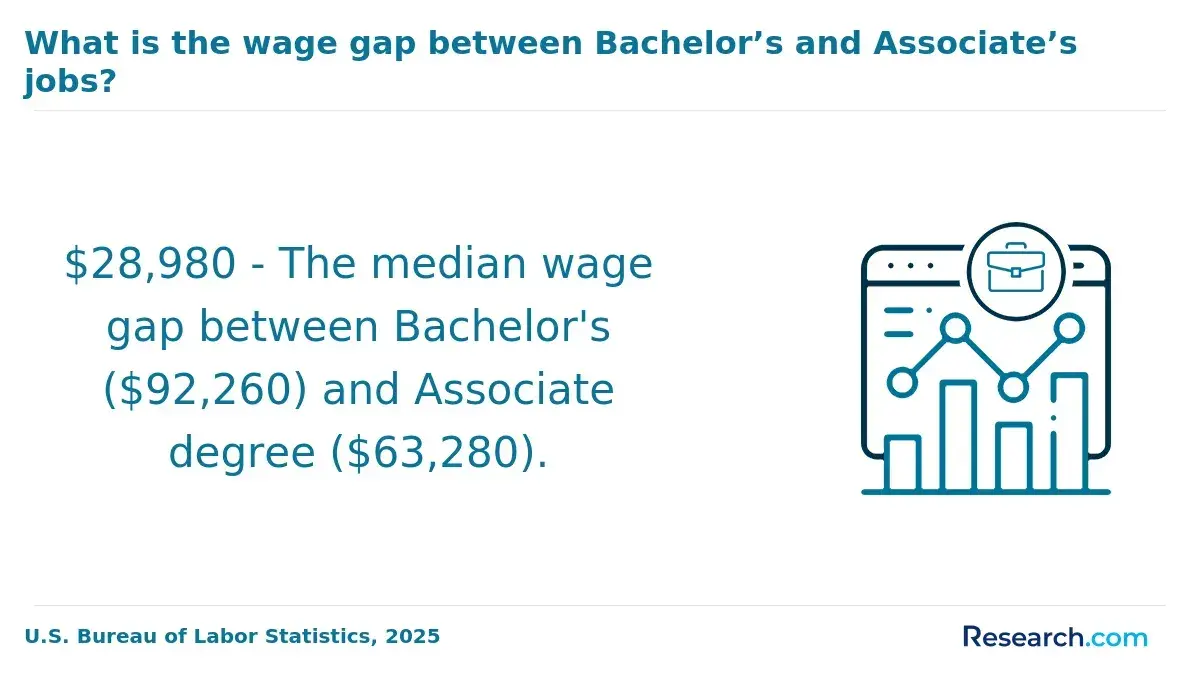
Associate's Degree: This level offers foundational training for those new to counseling-usually recent high school graduates seeking entry-level roles. Typically requiring two years, associate's degrees do not prepare graduates for licensure and correspond to support positions with modest salaries.
Bachelor's Completion Programs: Designed for students with some college credits or an associate's degree, these programs generally take around two years. They provide comprehensive counseling knowledge and enable students to either enter entry-level counseling jobs or continue toward master's degrees. Many programs feature stackable credits that facilitate seamless progression through degree levels.
Master's Degree: Serving as the standard credential for licensure in clinical mental health counseling, master's programs usually require a bachelor's degree and 2 to 3 years of study. Along with intensive coursework, they include supervised practicum experiences, enabling graduates to access clinical roles with higher earning potential. Flexible scheduling and strong support services contribute to better completion rates.
Doctoral Degree: Targeted at those aiming for leadership, research, or academic positions, doctoral-level programs call for a master's degree and typically 3 to 5 years of study. They deepen clinical expertise while emphasizing research methods and policy, expanding career opportunities beyond direct practice.
Post-Baccalaureate Certificates: These certificates are ideal for individuals holding non-counseling bachelor's degrees who wish to enter the field. Usually less than two years, they offer essential counseling coursework and often serve as bridges into master's programs, enabling stacking of credentials.
Students evaluating online clinical mental health counseling degree levels should assess accreditation, curriculum rigor, and practical training requirements carefully. According to IPEDS data, completion times and rates vary widely, with flexible formats and student support critical for success. Prospective students may also consider online colleges with free applications to reduce upfront costs when exploring programs.
What Is the Typical Cost of an Online Clinical Mental Health Counseling Degree, and How Can You Finance It?
Tuition for an online clinical mental health counseling degree varies notably by the type of institution. Public universities typically offer the lowest rates for in-state students-generally between $5,000 and $15,000 for the full program-while out-of-state attendees often face costs two to three times higher. Private nonprofit schools usually charge $20,000 to $50,000, influenced by factors like program length and institutional prestige. For-profit institutions may have higher per-credit fees, but often provide flexible schedules or accelerated paths that can modify overall expenses.
Beyond tuition, students should anticipate additional charges such as mandatory fees, technology expenses, and potential in-person residencies or intensives. These supplemental costs-from several hundred to several thousand dollars-can significantly affect the total financial commitment. Evaluating total program costs rather than just tuition per credit hour offers a more accurate budget perspective.
- Pell Grants: Need-based aid for qualifying undergraduates that requires no repayment.
- Federal Loans: Subsidized and unsubsidized options with competitive rates and flexible repayment, accessible through FAFSA applications.
- GI Bill Benefits: Education funding available to military veterans and dependents, covering tuition and related costs.
Additional scholarships may be available specific to clinical mental health counseling students, distributed by professional groups, state workforce programs, or individual universities, based on merit, need, or other eligibility criteria.
Prospective students are encouraged to calculate their total anticipated costs-including ancillary fees-and utilize tools like the College Scorecard's net price calculator. Doing so helps reveal true out-of-pocket expenses across schools, aiding in selecting the best financial fit aligned with personal goals.
Reflecting on her own experience, a professional who completed her clinical mental health counseling degree shared how navigating financial aid felt complex initially. "I was overwhelmed by the variety of costs and the paperwork involved," she recalled. However, breaking down expenses and carefully applying for each type of aid made funding manageable. She emphasized that understanding all the components-tuition, fees, and available financial support-was key to making informed decisions. Her journey reinforced that persistence and thorough research could turn financial uncertainty into confidence when pursuing this degree.
How Long Does It Take to Complete an Online Clinical Mental Health Counseling Degree Program?
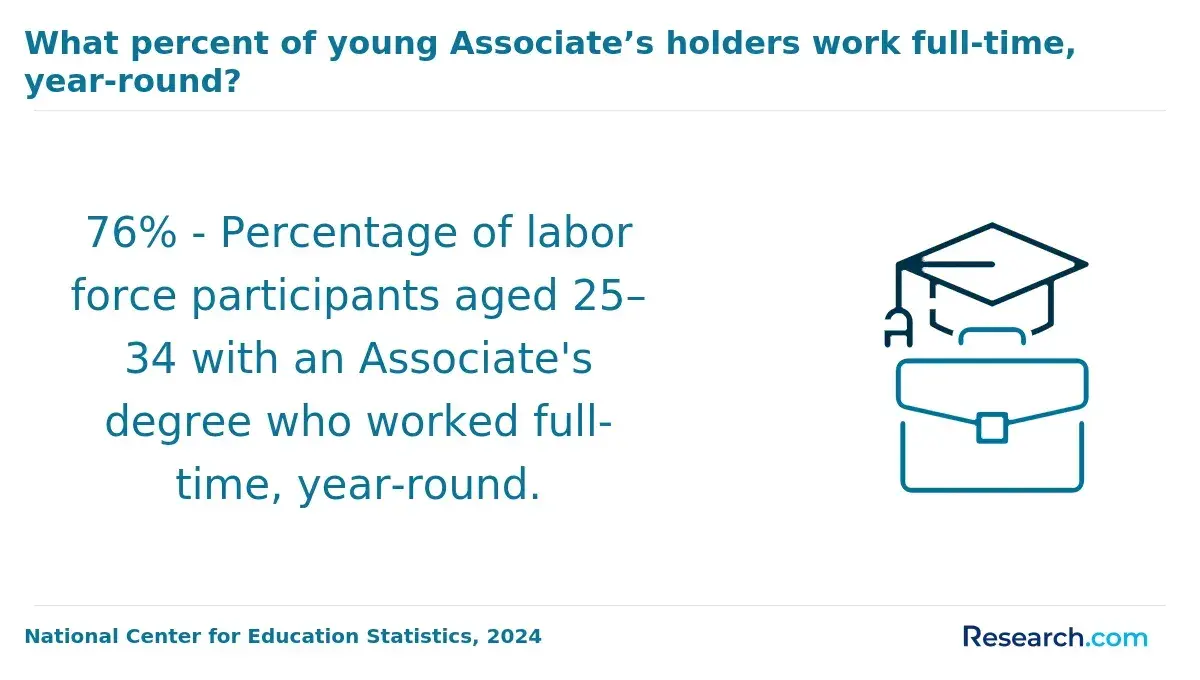
Completion times for online clinical mental health counseling degrees differ significantly by degree level and program format. Associate degrees generally require about two years, while bachelor's degrees often take four years. Master's programs-which are key for licensure-typically span two to three years, though accelerated tracks can shorten this period. Doctoral degrees such as PhDs or PsyDs usually extend from three to six years, influenced by dissertation completion and clinical practice requirements.
- Degree Level: Foundational coursework dominates associate and bachelor's programs, lengthening time due to credit demands. Master's degrees focus on clinical proficiency and licensing readiness with relatively shorter durations. Doctoral programs prioritize research and advanced clinical expertise, leading to longer paths.
- Enrollment Pace: Full-time students tend to finish faster, while part-time learners-often working professionals-require additional years. Flexible options like competency-based progression let students move ahead by proving mastery rather than by fixed credits.
- Transfer Credits and PLA: Many programs award credit for previous academic work or professional experience through prior learning assessment, helping reduce time-to-degree-especially beneficial for veterans and working adults.
- Accelerated and Year-Round Options: Some online clinical mental health counseling programs offer accelerated schedules or continuous enrollment without traditional breaks, enabling quicker completion but demanding more intensive study.
- Minimum and Maximum Time Limits: Programs enforce minimum durations to guarantee sufficient clinical training and set maximum periods to maintain financial aid eligibility, often tied to satisfactory academic progress policies.
- Realistic Completion Estimates: Actual time to finish varies-students balancing careers and family usually take longer than standard program lengths. Prospective students should weigh personal responsibilities and program flexibility when planning their timelines.
What Core Curriculum and Coursework Should a Quality Online Clinical Mental Health Counseling Program Include?
High-quality online clinical mental health counseling programs align their curricula with standards set by accrediting bodies such as the Council for Accreditation of Counseling and Related Educational Programs (CACREP). These programs offer a comprehensive sequence of courses that cover essential domains required for effective counseling practice and licensure readiness.
Key coursework includes:
- Theoretical Foundations: In-depth study of major counseling theories preparing students to adapt across diverse clinical settings.
- Clinical Practice: Training in evidence-based interventions, diagnostic procedures per DSM-5 criteria, and crisis counseling skills essential for client care.
- Ethics and Legal Issues: Examination of professional ethics, confidentiality laws, and varying state licensing requirements to ensure legal compliance.
- Research and Evaluation: Fundamentals of research designs, program outcome evaluation, and data-informed decision making promoting evidence-based treatment.
- Multicultural Competency: Development of cultural sensitivity and awareness to serve diverse populations with respect and effectiveness.
- Practicum and Internship: Supervised, hands-on clinical experiences essential for applying theory to real-world counseling environments and meeting licensure prerequisites.
Graduates demonstrate measurable competencies including client assessment, treatment planning, ethical judgment, and collaborative communication within multidisciplinary teams-skills highly valued by employers in community mental health centers, hospitals, and private practices.
Leading programs maintain curricular relevance through systematic review cycles-often every few years-with active industry advisory boards guiding updates in therapeutic methods, legal standards, and technology integration.
Prospective students should request sample course sequences, syllabi, and detailed learning outcomes maps when evaluating programs, avoiding reliance solely on marketing materials. According to the U.S. Bureau of Labor Statistics, demand for mental health counselors is projected to grow 23 percent from 2022 to 2032, much faster than average for all occupations-highlighting the importance of selecting well-structured programs that prepare graduates for high-growth careers.
Which Online Clinical Mental Health Counseling Programs Offer the Best Return on Investment for Working Adults?
When evaluating the best online clinical mental health counseling degrees for career advancement, working adults benefit most from programs at public universities with competitive tuition and strong employer networks. These programs often deliver superior return on investment by balancing cost against robust employment outcomes and sustained earnings. Prioritizing schools with transparent outcome data, including graduation rates and median salary figures at six and ten years after enrollment, empowers prospective students to assess long-term value rather than relying solely on rankings.
Cost Efficiency: In-state tuition reciprocity agreements and generally lower fees at public institutions reduce financial barriers for many students. Combined with available scholarships and employer tuition reimbursement programs, these factors can dramatically enhance affordability and improve ROI for working adults juggling education and employment.
Employment Outcomes: Programs with high job placement rates-often fostered by active employer partnerships-provide graduates with a smoother transition into counseling careers. This connection to the mental health field is a critical differentiator for those seeking top accredited clinical mental health counseling programs for working adults, ensuring quicker employment and career stability.
Post-Graduation Earnings: Median salary data from institutional outcome reports reveal which programs' graduates exceed the cost of attendance through substantial earnings over time. This data helps students make informed decisions based on economic returns tied directly to the quality of their education.
Loan Default Rates: Low default rates indicate graduates manage debt responsibly while advancing their careers-another important indicator of financial sustainability in a program.
Outcome Transparency: Thorough review of program-specific metrics-graduation rates, earnings, licensure exam pass rates-promotes a well-rounded evaluation process far exceeding superficial rankings.
Working adults pursuing advanced credentials should also consider diversified fields of study that complement their careers, such as exploring pathways through an online bachelor's in biology to expand interdisciplinary opportunities within healthcare or counseling professions.
What Admissions Requirements Do the Top Online Clinical Mental Health Counseling Programs Typically Require?
The admissions requirements for competitive online clinical mental health counseling program admission criteria vary notably depending on the institution's standing and selectivity. Regionally accredited research universities offering master's-level degrees generally require applicants to meet several key standards that demonstrate readiness for advanced study and commitment to the counseling profession.
Common admissions criteria include:
- Minimum GPA: Most selective programs expect a minimum undergraduate GPA of about 3.0 on a 4.0 scale, though some may accept slightly lower GPAs if balanced by stronger application elements.
- Standardized Tests: While some programs request GRE or equivalent test scores, a rising number now have test-optional policies to make entry more accessible for diverse applicants.
- Letters of Recommendation: Typically two to three are needed-preferably from professors or professional supervisors who can attest to the applicant's suitability for graduate-level clinical mental health counseling degrees and career readiness.
- Personal Statement: Essays detailing career objectives, motivation for clinical mental health counseling, and related experience help admissions committees assess applicant fit and maturity.
- Professional Experience: Some programs prefer or require relevant counseling or human services experience, which may include volunteer work, internships, or paid positions.
- Prerequisite Coursework: Applicants lacking background in clinical mental health counseling or a related field often must complete foundational courses such as abnormal psychology, human development, and research methods before or early in the program.
Requirements vary widely, particularly across tiers. Open-enrollment community colleges offering associate degrees tend to have minimal GPA or testing requirements, prioritizing accessibility, while top-tier research universities maintain rigorous criteria to ensure student success. Prospective students should honestly evaluate their credentials relative to these varying standards to identify where they are most competitive.
For the most current and detailed admissions policies-including shifts in test requirements or prerequisites-contacting admissions advisors directly is essential, as these standards can evolve every admissions cycle. Working adults and professionals comparing options may also explore related programs such as the cheapest online MBA healthcare management to complement their clinical mental health counseling qualifications and career goals.
What Career Paths and Job Titles Are Available to Online Clinical Mental Health Counseling Degree Graduates?
Graduates holding a bachelor's degree in clinical mental health counseling often begin their careers in supportive roles such as mental health case aides, behavioral health technicians, and community support workers-positions centered on assisting clients under professional supervision. These entry-level jobs provide practical experience in direct client interaction and care coordination.
- Counseling Roles: Master's degree holders typically qualify for licensure, allowing them to serve as counselors or therapists in various environments, including private practices, community agencies, and rehabilitation centers, delivering individual and group therapy.
- Specialist Positions: These roles-such as substance abuse counselor, marriage and family therapist, or grief counselor-generally require advanced certification or licensure beyond the master's level to address targeted clinical needs.
- Management and Leadership: With additional experience and credentials, professionals can advance to leadership roles like program coordinator, clinic director, or mental health services manager within hospitals, nonprofits, or government organizations.
- Research and Education: Doctoral-level study often opens pathways to academic teaching, clinical research, or program evaluation, enabling graduates to influence healthcare policies and contribute to the evolving knowledge base in mental health counseling.
- Career Transitions: The degree serves as a strong foundation for individuals shifting from adjacent fields such as social work, education, or psychology-facilitating specialization in clinical mental health counseling through focused training and licensing.
- Employment Sectors: Graduates find roles in diverse settings including healthcare systems, educational institutions, corrections, veteran services, and behavioral health agencies, reflecting the broad demand for counseling professionals.
- Career Development: Over five to ten years, many move from entry positions to specialized clinical roles or administrative leadership, with lateral shifts into specialty areas like addiction counseling, trauma therapy, or adolescent mental health-aligned with both personal interests and workforce needs.
What Is the Salary Outlook for Professionals with an Online Clinical Mental Health Counseling Degree?
Professionals with online clinical mental health counseling degrees typically earn median annual wages between $48,000 and $52,000, though these figures fluctuate based on location and area of expertise.
Mean and Percentile Variations: Average salaries often surpass medians, reflecting seasoned counselors who may earn over $70,000 yearly; the top 10% can exceed $90,000 depending on credentials and work setting.
Degree Level Impact: Holding advanced degrees-master's or doctorate-usually translates into higher pay, with doctoral-level practitioners commanding salaries 20% to 30% above those with only a master's degree.
Experience Factors: Entry-level counselors generally start near the median wage, but compensation increases steadily over 5 to 10 years as clinical expertise and caseload responsibilities grow.
Industry Sector Differences: Those employed in hospitals, government roles, or private practice tend to receive higher salaries compared to counselors working in nonprofit organizations or educational settings.
Geographic Influence: Salaries are typically greater in urban areas and states with high living costs such as California and New York, while rural regions offer lower wages.
Specialization Premiums: Specializing in fields like substance abuse, trauma therapy, or marriage and family counseling can elevate earnings due to increased demand for these niche services.
Professional Certifications: Credentials such as the National Certified Counselor (NCC) or Licensed Clinical Mental Health Counselor (LCMHC) often contribute to salary boosts of 10% to 25%. Online graduates can pursue these certifications by completing supervised clinical hours post-degree and passing required examinations.
The demand for clinical mental health counselors is expected to grow steadily in the coming decade, supporting a positive salary trend as awareness of mental health expands nationwide.
It is important to consult up-to-date government labor statistics and industry salary reports regularly since static figures may become outdated amid economic shifts.
What Graduates Say About the Best Online Clinical Mental Health Counseling Degrees for Jobs
- Tony: "Choosing a program with strong accreditation standards was crucial for me-knowing that the degree met national benchmarks gave me confidence when applying for jobs. The curriculum rigor stood out as well; courses challenged me to think deeply and prepare for real-world counseling scenarios. Overall, the investment felt worth it because employers clearly recognized the quality of my education."
- Denver: "Reflecting on my experience, the student support infrastructure made all the difference-having accessible advisors and responsive faculty helped me stay on track and motivated. I appreciated how the practical experience requirements ensured I didn't just learn theory but gained hands-on skills before graduating. These elements combined to make my transition into the job market smoother than I expected."
- Kai: "From a professional perspective, the cost and return on investment had to be balanced carefully. I opted for a program that was affordable yet still delivered high career outcomes-many of my peers secured positions soon after graduating, validating the program's effectiveness. The focus on career readiness in the curriculum really set the program apart in preparing counselors for diverse roles."
Other Things You Should Know About Clinical Mental Health Counseling Degrees
The top online clinical mental health counseling programs develop essential skills such as active listening, ethical decision-making, and culturally competent care. Graduates also gain competencies in diagnostic assessment, crisis intervention, and evidence-based therapeutic techniques. These programs focus on preparing students to handle diverse client populations and complex mental health issues effectively.
Even in online clinical mental health counseling programs, hands-on experience is mandatory-students must complete supervised internships or practicum placements. Programs typically assist with placement by partnering with local clinics, hospitals, or community agencies near the student's location. These experiences provide direct client contact hours essential for licensure and real-world skill development.
In 2027, online clinical mental health counseling programs offer flexible learning environments and accessibility to diverse faculty. However, challenges include maintaining self-discipline and ensuring effective virtual communication. Balancing these elements can shape a rewarding educational experience.
One major mistake is selecting a program without proper accreditation from bodies like CACREP, which is crucial for licensure eligibility. Students should also avoid programs lacking clear practicum support or robust student services. Lastly, disregarding program outcomes such as graduate licensure exam pass rates and employment statistics can lead to poor long-term career results.
References
- 9 Careers With a Master’s in Clinical Mental Health Counseling https://www.thechicagoschool.edu/insight/career-development/careers-with-masters-degree-clinical-mental-health-counseling/
- Top Accrediting Bodies For Counseling Degrees https://www.psychology.org/resources/accreditation-for-counseling-degrees/
- CACREP-Accredited Online Counseling Programs https://onlinecounselingprograms.com/online-counseling-degrees/cacrep-accredited/
- What can you do with an online master's in clinical psychology? | edX https://www.edx.org/resources/what-can-you-do-with-a-masters-in-clinical-psychology
- Mental Health Counselor Salary and Career Outlook https://teach.com/online-ed/counseling-degrees/online-masters-mental-health-counseling/careers-and-salary/
- Importance of CACREP Accreditation for Online Counseling Programs https://www.onlineeducation.com/counseling/faqs/importance-of-cacrep-accreditation
- Online Mental Health Counseling Degrees Guide https://www.mentalhealthcounselorlicense.com/online-degrees/
- Online Master's in Clinical Mental Health Counseling Courses | SHU https://onlineprograms.sacredheart.edu/programs/masters-clinical-mental-health-counseling/curriculum/
- How to Choose the Right Online Counselling Degree for Your Career | Psychreg https://www.psychreg.org/how-choose-right-online-counselling-degree-your-career/
- Cheapest Online Counseling Degree Options for Future Mental Health Professionals - Counseling Now https://counselingnow.com/cheapest-online-counseling-degree-options-for-future-mental-health-professionals/