2027 Highest-Paying Jobs You Can Get With a Graphic Design Degree

Co-Founder and Chief Data Scientist
Facing the challenge of choosing a high-paying career with a graphic design degree often involves weighing the wage premium of advanced credentials against alternative routes like certifications or self-taught skills. For instance, graphic designers with graduate degrees earn a median salary up to 20% higher than those with bachelor's alone-highlighting the tangible value of postgraduate investment. Additionally, professional licensure and certifications can boost income and open doors within competitive markets. This article explores the factors-degree level, licensure, industry, and location-that influence graphic design salaries, guiding readers to make informed decisions that maximize returns on their educational and professional commitments.
Key Things to Know About the Highest-Paying Jobs You Can Get With a Graphic Design Degree
- Graduate credentials in graphic design can increase earnings by up to 20% compared to bachelor's-only holders, reflecting a significant wage premium for advanced education in competitive markets.
- Professional certification-such as Adobe Certified Expert-can boost salary offers by an average of 10%, signaling employer value placed on verified technical expertise.
- Return on investment for a graphic design degree often surpasses shorter certificate programs, especially when aligned with high-paying industries like technology or advertising in urban centers.
What Exactly Does a Graphic Design Degree Qualify You to Do in Today's Job Market?
A graphic design degree qualifies graduates for diverse professional roles focused on creating visual content that communicates messages effectively-work defined by the U.S. Bureau of Labor Statistics (BLS) and leading industry organizations. This credential prepares individuals to develop concepts using hand-drawing or software tools, engaging audiences across advertising, branding, web development, and publishing sectors. Employers consistently value candidates with formal graphic design education for their blend of technical, analytical, and interpersonal skills.
These core competencies include expertise in industry-standard design software, a strong grasp of consumer psychology, visual storytelling techniques, and user experience principles. Such abilities distinguish degree holders from those relying solely on self-taught skills or on-the-job experience, a distinction supported by job posting data from LinkedIn Insights. Many employers prefer candidates with comprehensive training because they can collaborate effectively with clients, marketing teams, and developers-qualities essential in today's competitive labor market.
It is important to note that a graphic design degree career opportunities in the US typically do not extend to professions requiring licensure, such as architecture or engineering. The field is generally open without mandatory licensing, though certain specialized roles in UX/UI design or multimedia art may require additional certifications or graduate education to reach top salary tiers. Understanding these limits helps clarify common misconceptions about what job roles for graphic design graduates today entail.
Prospective students aiming to upgrade their credentials might also explore related options like best online certificate programs, which can complement or accelerate career growth in design-related fields.
Key points include:
- Scope: Prepares graduates for careers in visual communication across multiple industries without licensure barriers.
- Core Competencies: Combines software expertise, creative problem-solving, and client collaboration skills distinguishing degree holders from others.
- Misconceptions: Does not confer rights to perform regulated design professions but enhances employability in credential-gated creative roles.
- Job Market: Degree holders see higher demand and wage premiums as reported by labor market data compared to non-degree candidates.
- Degree Levels: Bachelor's degrees suffice for most roles; master's and doctoral degrees often link to leadership, specialization, and higher earnings.
Which Graphic Design Jobs Command the Highest Salaries Right Now?
Creative Director: Often the highest-paying graphic design careers in the United States start here. Creative directors lead teams responsible for branding, advertising, and multimedia projects. The latest BLS Occupational Employment and Wage Statistics show median salaries around $95,000, with the 75th percentile at about $130,000 and the top 10% exceeding $180,000 annually. Advanced degrees-such as an MFA-and extensive portfolios significantly boost earning potential. These roles predominantly reside in advertising, public relations, or specialized design firms, especially in major metropolitan areas like New York and San Francisco where wages tend to be higher.
Art Director: Art directors oversee the visual style of magazines, websites, and product packaging, ranking among the top salary graphic design jobs by specialization. Their median salary is near $90,000, with the 75th percentile earning roughly $120,000 and the top 10% surpassing $160,000. Candidates with marketing or communications degrees sometimes compete for these roles, but possessing a graphic design degree alongside technical skills like UX/UI design or motion graphics offers a notable advantage. Higher salaries cluster in digital media and tech industries.
User Experience (UX) Designer: UX designers with graphic design backgrounds often command strong salaries because of industry demand. Median compensation is about $85,000, rising to $110,000 at the 75th percentile and over $145,000 among top earners. Employers may value formal usability or human-computer interaction credentials, yet graphic design degrees emphasizing interaction design deliver a competitive edge, particularly in tech hubs like Seattle and Austin.
Multimedia Artist and Animator: Careers in gaming, film, and digital advertising typically start around a median $75,000 salary, with the 75th percentile near $100,000 and top earners exceeding $130,000. Graphic design degrees enhanced with advanced digital animation certifications improve prospects in entertainment sectors.
- Factors Influencing Salary: Degree level-bachelor's versus master's or professional certifications-significantly impacts compensation.
- Specializations such as UX design or motion graphics consistently command higher wages.
- Industries like technology, entertainment, and advertising tend to offer premium salaries compared to education or nonprofit sectors.
- Geographic markets largely determine salary, as metropolitan centers offer higher wages due to market demand and living costs.
- Employers vary-from small boutique firms to multinational corporations, with larger organizations typically providing more competitive salary and benefits packages.
For prospective students assessing whether a graphic design degree is a financially sound credential, comparing the return on investment against alternative pathways is essential. Those seeking the lowest cost online bachelor's degree options in graphic design may find useful resources at lowest cost online bachelor's degree listings, supporting a financially confident enrollment decision aligned with income goals and career aspirations.
How Does Degree Level-Bachelor's vs. Master's vs. Doctoral-Affect Graphic Design Earning Potential?
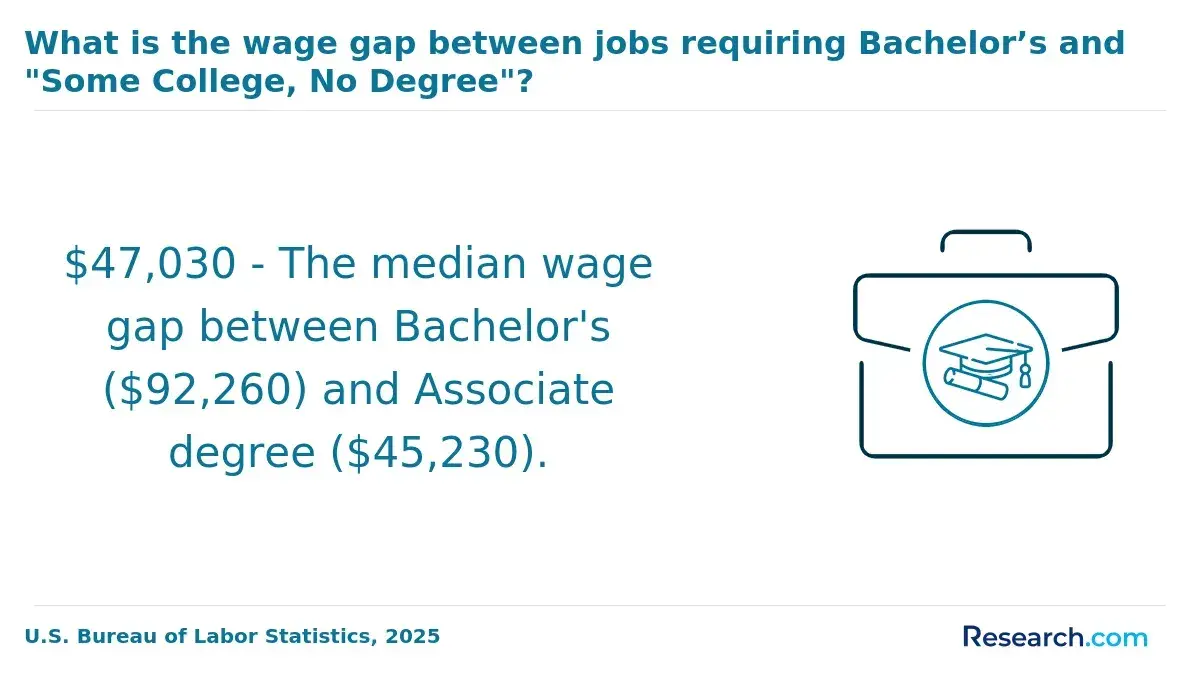
The level of degree earned-bachelor's, master's, or doctoral-affects earning capacity in graphic design, but this varies by role and industry sector. Data from the Bureau of Labor Statistics and the College Scorecard show bachelor's degree holders typically earn median annual wages near $53,000 in entry-level and mid-career graphic design jobs. Master's degree recipients experience roughly a 15% income boost, with salaries close to $61,000. Doctoral degree holders-mostly in academic, research-related, or highly specialized niches-may earn $75,000 or more, though these positions are uncommon and highly specialized.
- Salary Differential: Bachelor's graduates usually access competitive wages, but master's holders benefit from a clear premium, especially in leadership or advanced technical roles such as design management, creative direction, or user experience research.
- Credential-Gated Roles: Top-tier positions in academic institutions, design research, or consultancy often require graduate degrees-master's for senior management and strategy-focused roles, a research doctorate for tenure-track professorships and specialized theoretical design work.
- Licensing and Certification: Graphic design rarely mandates professional licensure. However, industry certifications in software or project management can enhance earnings without needing an advanced degree.
- Time-to-Payoff: Prospective students must balance graduate tuition and lost income during study against expected salary gains. A two-year master's program can raise future earnings but demands careful evaluation of return on investment, especially for mid-career switchers.
- Educational Pathways: Students with a related bachelor's degree often advance more directly to higher-paying roles. Career changers should assess whether a graduate degree accelerates access to advanced positions enough to justify additional costs and time.
A professional who recently completed a graphic design degree shared, "Transitioning from my bachelor's to a master's was challenging-the coursework was deeper and the deadlines tougher, but it opened doors I hadn't considered before. Sometimes I questioned if the time and money were worth it, especially balancing family commitments, but landing a senior design role afterward confirmed the investment paid off. The doctoral track wasn't appealing for me since I'm more practice-oriented than academic, but I appreciated learning how specialized degrees shape opportunities in our field."
Which Industries and Employers Pay Graphic Design Graduates the Most?
Compensation for graphic design graduates varies widely across industries, influenced by each sector's economic dynamics and organizational needs. Among the highest paying graphic design industries in the US, the technology sector consistently offers top salaries-especially in software, gaming, and digital media companies. These employers compete fiercely for creative professionals, providing lucrative pay often supplemented with bonuses and stock options.
- Advertising and Public Relations: Agencies managing major brand campaigns offer competitive wages to attract skilled designers. The high stakes and fast pace demand advanced expertise and leadership roles, where senior designers and art directors command premium pay.
- Finance and Corporate: Large banks, insurers, and corporations require graphic designers for branding and marketing communications, often paying above-average salaries due to their budget capacity and regulatory standards.
- Government and Public Sector: While generally lower-paying than private firms, select federal agencies-especially those in defense or technology-offer stable jobs with competitive compensation and strong benefits.
- Nonprofits: Typically constrained by limited funding, nonprofits tend to pay less, though certain grant-funded arts organizations provide higher salaries for experienced designers.
- Freelance and Self-Employment: Income varies dramatically. Designers with niche expertise and established client bases can surpass average industry pay, though income stability remains a challenge.
Job title and education level critically shape wage outcomes. For instance, a senior graphic designer holding a master's degree in the tech sector will usually earn significantly more than an entry-level peer in nonprofit work. Certifications in UX/UI design or software proficiency enhance marketability and income potential further.
Graduates aiming to enter high-paying graphic design industries should develop specialized skills, pursue relevant certifications, and cultivate professional networks throughout their education and career. Such deliberate efforts help secure roles offering better returns on investment compared to other pathways. Those considering broader credential upgrades might explore related fields-for example, a construction management degree-which may offer different but lucrative financial prospects aligned with their aspirations.
What Geographic Markets Offer the Best-Paying Graphic Design Jobs?
Several metropolitan regions lead in offering the most lucrative graphic design roles when cost of living is factored alongside salary figures. These locations combine strong wage levels with a dense presence of top employers, creating prime markets for professionals seeking to maximize earning potential.
- San Francisco Bay Area: Known for its tech-driven economy, this region offers some of the highest median wages for graphic designers. While the cost of living is notably high, specialized positions and persistent demand sustain competitive real income levels.
- New York City Metro: As a global media and creative center, New York delivers substantial nominal salaries, especially in fields like advertising and digital media. Though living expenses are significant, abundant opportunities offset the financial challenges.
- Seattle: The expanding technology sector fuels raised salary standards for graphic designers here, and adjusted cost-of-living metrics indicate a more favorable balance between pay and expenses than in other major coastal hubs.
- Washington, D.C. Metro: With a mix of government contractors, nonprofits, and corporate entities, this market offers robust median wages paired with moderate living costs.
- Chicago: Serving as a Midwest creative and marketing nucleus, Chicago combines competitive wages with a lower cost structure, culminating in attractive real earnings for graphic designers.
The rise of remote and hybrid work models has disrupted traditional salary geography, enabling many high-paying graphic design roles-particularly in UX/UI, branding, and digital media-to be performed outside expensive metros. Nonetheless, roles demanding onsite client interaction or access to specialized production facilities remain tied to specific locales.
Designers considering relocation must balance higher nominal wages against living costs and lifestyle trade-offs. Alternatively, pursuing remote positions while residing in affordable regions can offer a competitive mix of earnings and lower expenses, providing a strategic pathway to enhance purchasing power without geographic constraints.
Reflecting on these dynamics, a professional who launched her career post-graphic design graduation observed that navigating location choices required "weighing ambition against practicality." She described early efforts to break into the market at a top-paying metro where the competition was fierce and rent pressures intense. Eventually, she embraced remote work opportunities, which allowed her to sustain a strong income while living outside costly urban cores. "It wasn't just about finding a high salary," she explained, "but building a sustainable lifestyle where I could focus on creativity without constant financial stress." Her experience underscores how evolving work patterns expand viable options beyond traditional design centers.
How Do Professional Certifications and Licenses Boost Graphic Design Salaries?
Certifications can significantly raise graphic design salaries by validating specialized knowledge beyond a degree. Salary surveys from bodies like the American Institute of Graphic Arts and Visual Communication Certification Board highlight key credentials with measurable pay increases.
- Certified Graphic Designer (CGD): Offered mainly in Canada, this credential requires a degree or equivalent experience, submission of a portfolio, and passing a thorough exam covering theory, ethics, and practice. Renewal occurs every three years with continuing education mandates. Holders typically see a 10%-15% salary boost over uncertified peers.
- Adobe Certified Expert (ACE): Targeting proficiency in Adobe software, the ACE credential involves passing product-specific exams and must be renewed biennially. Certifications generally lead to a 5%-8% salary increase in roles demanding advanced technical skills. Exam fees range from $180 to $250.
- UX Certification by Nielsen Norman Group (NN/g): For designers moving into user experience, this requires attending training and passing an exam. This specialization tends to increase earning potential by around 12%, reflecting high demand in digital design sectors.
- Project Management Professional (PMP): Beneficial for graphic designers managing teams or projects, PMP certification demands 4,500 hours of project experience and a rigorous exam. Certified individuals often gain over a 20% salary premium.
Eligibility and Costs: Most certifications require relevant degrees or professional experience. Fees vary from about $100 for initial Adobe exams to over $500 for comprehensive credentials like CGD. Renewals commonly involve additional education or retesting to maintain credentials.
Accreditation and Employer Preference: Verify credentials against recognized accreditors such as ANSI or NCCA to avoid low-value certifications. Research employer requirements carefully to select certifications that offer the strongest salary return and align with industry expectations.
What Is the Salary Trajectory for Graphic Design Professionals Over a Full Career?
The salary path for graphic design professionals reflects a steady growth pattern tied closely to experience, role specialization, and leadership advancement. Entry-level designers typically earn between $40,000 and $50,000 annually during their first five years, a range aligned with Bureau of Labor Statistics (BLS) data. This period focuses on building fundamental skills and portfolios essential for upward mobility.
- Mid-Career Growth: Around the ten-year mark, graphic designers often transition into specialized roles such as UX/UI design, motion graphics, or branding. These niches command median salaries rising to $60,000-$75,000 according to BLS reports. Strategic investments like obtaining advanced certifications or graduate degrees serve as key accelerators of compensation growth at this stage.
- Leadership and Management: Promotion to positions such as art director, design manager, or creative director marks an important income inflection point. These leadership roles-often involving team oversight and client management-typically correlate with salaries above $90,000. Professionals enhancing their business development skills and industry reputation consistently outpace peers financially.
- Advanced Credentials and Specialization: Expertise in high-demand segments, especially those integrating design with digital marketing or product strategy, frequently leads to salaries exceeding $100,000. Securing specialized credentials amplifies this effect, particularly in competitive metropolitan markets.
- Peak Career Earnings: After 15 to 20 years, seasoned graphic design professionals in senior leadership or entrepreneurial capacities may surpass $120,000 annually. Research from the Georgetown Center on Education and the Workforce highlights that combining creative excellence with business acumen yields the highest lifetime returns on degree investment.
Overall, continual skill development, strategic specialization, and cultivating leadership prowess are the primary drivers separating top earners from peers with comparable educational credentials. These factors help set realistic salary expectations at five-year, ten-year, and peak-career milestones for individuals pursuing a graphic design degree.
Which Graphic Design Specializations and Concentrations Lead to the Highest-Paying Roles?
Specializations within graphic design known for the highest-paying roles include user experience (UX) design, motion graphics, and branding strategy. These focus areas deliver strong wage premiums due to their technical depth and market demand. UX design-critical for human-computer interaction and usability testing-faces a talent shortage that elevates salaries. Motion graphics aligns with booming animation and digital marketing trends, while branding strategists bring together visual design and market insight, often accessing leadership positions with enhanced pay. Such roles embody the top graphic design concentrations for lucrative careers.
Graduate concentrations in digital media, interactive design, and design leadership further boost earning potential by signaling advanced expertise and readiness for managerial roles. Employers favor multidisciplinary skills that navigate evolving digital platforms and meet regulatory requirements, such as accessibility compliance, increasing demand and compensation in these niches. Early academic planning should incorporate labor market data, job growth projections, and employer preferences-going beyond passion alone-to select specializations with enduring employer interest.
Students currently enrolled in general graphic design programs can pivot toward these high-paying specializations through targeted internships, continuing education, and stacking certifications without needing another full degree. Industry-recognized credentials in UX, Adobe Suite, or motion design provide measurable wage boosts and improve hiring prospects. Top online graphic design programs also offer strong return on investment by balancing affordability with alumni salary outcomes-maximizing financial benefits of the degree.
- Return on Investment: Top online graphic design programs balance affordability with strong alumni salary outcomes-maximizing the financial benefits of the degree.
- Certification Premium: Industry-recognized credentials in UX, Adobe Suite, or motion design add measurable wage boosts and hiring advantages.
- Graduate Advantage: Master's-level focus areas unlock roles in management and strategy that earn substantially more than entry-level positions.
For individuals considering career moves or education upgrades, comparing a graphic design degree's outcomes with alternatives-such as an online MBA with no GMAT-can clarify the best credential pathway aligned with income goals and career aspirations. Understanding the highest-paying graphic design specializations in the United States empowers informed decisions leading to financially sound investments in education and skill development.
How Does the Graphic Design Job Market's Growth Outlook Affect Long-Term Earning Stability?
The long-term earning stability for graphic design careers is influenced by several key labor trends expected over the next decade. According to the Bureau of Labor Statistics (BLS), employment growth for graphic designers will be modest-around 3% from 2022 to 2032-slower than average for all occupations. This reflects a highly competitive field with increasing automation of routine design tasks. The graphic design job market growth trends in the US highlight that roles in digital design, user experience (UX), and multimedia art direction will experience stronger growth due to rising demand in digital marketing and interactive media sectors.
Employment Growth: Specializations such as UX design benefit from expanding digital platforms requiring advanced visual solutions, boosting demand and wage potential.
Automation Risk: Tasks centered on basic layouts and print media face high automation risks, thanks to AI and design software advances. Creativity-driven roles or those involving strategic decision-making-like UX and creative direction-show lower susceptibility to automation.
Employer Demand: E-commerce, mobile apps, and social media advertising growth support roles that blend artistic talent with technical skills. Conversely, traditional print design faces budget cuts and outsourcing to lower-cost regions, creating headwinds in those segments.
Market Headwinds: Credential inflation and evolving client standards mean graphic design degree holders must continuously upgrade certifications and technical skills. This is essential to maintain competitive advantage in an oversaturated job market.
High-Paying Roles with Stability: UX/UI designers, creative directors, and multimedia artists combine strong job security with high wages-primarily fueled by ongoing digital transformation.
High-Paying but Risky Roles: Freelance graphic designers or specialists in narrow niches may earn well but often face income volatility and limited job volume.
Degree holders should focus on advanced technical skills and specialization in digital fields to maximize returns. Those considering interdisciplinary credentials might explore a master in art therapy as a complementary pathway to widen career options and income stability.
What Leadership and Management Roles Are Available to High-Earning Graphic Design Graduates?
Leadership roles at the top of the graphic design career ladder-such as design manager, creative director, art director, and chief design officer-commonly reside at mid-to-senior organizational tiers. Professionals in these positions lead teams, manage cross-departmental design strategies, and shape company-wide creative vision.
- Salary Premium: U.S. Bureau of Labor Statistics data show design managers earning median wages 20% to 40% higher than individual contributors, with senior executives commanding even larger pay increases due to their broad operational scope.
- Responsibilities: These roles encompass budget oversight, client engagement, mentoring, and aligning creative output with business objectives, which collectively validate their elevated salaries compared to strictly hands-on design tasks.
- Career Progression: Advancement typically takes 5 to 10 years of experience and requires demonstrating leadership in project and team management. Many leaders supplement their credentials with graduate degrees like MBAs to develop stronger business and managerial skills.
- Professional Development: Earning certifications in project management, user experience, or business-related fields, and participating in workshops and industry events, helps foster the expertise needed for executive success.
- Strategic Pathways: Aspiring leaders should prioritize roles that build team oversight and strategic decision-making abilities early in their careers. Combining graphic design credentials with graduate education enhances opportunities for top-tier executive compensation.
Which Emerging Graphic Design Career Paths Are Positioned to Become Tomorrow's Highest-Paying Jobs?
Technological advances and shifting market needs are redefining career opportunities for graphic design degree holders, with several emerging roles projected to offer strong salary growth over the next decade.
- Augmented and Virtual Reality Design: As AR and VR integrate deeper into consumer and enterprise applications, designers adept at 3D modeling, animation, and interactive storytelling are increasingly sought after. Degree programs are incorporating these skills to prepare graduates for immersive experience creation.
- User Experience and Interface Design: The increasing emphasis on intuitive digital products drives demand for graphic designers who blend creativity with user research and data-driven design. Certifications in UX/UI frameworks and tools enhance employability in these competitive fields.
- Motion Graphics and Animation: The dominance of video content across platforms fuels the need for specialists who create compelling animated visuals, leading programs to expand training in video production and motion design techniques.
- Brand Strategy and Ethical Design: Growing focus on sustainable branding and social responsibility opens pathways for designers involved in ethical marketing and brand equity development-areas reflected in emerging academic courses and workshops.
- Data Visualization: With big data shaping business decisions, graphic designers who can convert complex information into clear, engaging visuals stand out. Mastery of advanced data tools, beyond traditional software, is critical here.
Graphic design curricula are evolving-combining foundational creative training with technology and data literacy to equip students for these cutting-edge roles. Supplementing degrees with boot camps, micro-credentials, or online courses accelerates readiness for jobs still taking shape in the labor market.
Pursuing emerging niches carries inherent risk given unpredictable adoption rates; however, roles offering early mover advantage alongside proven market demand provide the best outlook for high compensation. Staying informed through professional organizations and labor analytics platforms like Lightcast, Burning Glass, and LinkedIn Economic Graph helps future professionals track and pivot toward the most promising graphic design careers as the industry transforms.
What Graduates Say About the Highest-Paying Jobs You Can Get With a Graphic Design Degree
- Azai: "Completing my online graphic design degree revealed just how much wage premiums come with formal credentials in this field-while self-taught designers can make a living, graduates often earn significantly more due to the skills and knowledge recognized by employers. I also learned that obtaining professional certifications can boost salary prospects even further, which motivated me to pursue additional licensure. Overall, the investment in this degree paid off compared to alternative pathways, especially when factoring in the accelerated career growth it enabled."
- Russell: "Reflecting on my journey as a graphic design graduate, I realize the role industry type and geographic location play in salary variations-tech hubs and advertising firms tend to offer much higher compensation than smaller markets. I found that certification doesn't just enhance salary but also opens doors to specialized roles that command premium wages. Comparing my degree path to others, it's clear that the structured learning environment and credentials gave me an edge in competitive job markets."
- Christian: "As someone who pursued a graphic design degree online, I was pleasantly surprised by the return on investment when comparing this path to self-guided learning or bootcamps-the financial and networking advantages made a critical difference. The wage premium linked to graduate credentials was evident in my first job offers, outperforming those without degrees. I'd also highlight how certain industries and locations elevate earning potential, especially where creative media flourishes, which influenced my decision to relocate."
Other Things You Should Know About Graphic Design Degrees
In 2027, graphic designers can pursue lucrative careers such as UX/UI Designer, Creative Director, and Art Director. These positions offer competitive salaries, often exceeding $100,000 per year, due to high demand for skillful design thinking, innovation, and leadership capabilities in the digital market.
Entrepreneurship allows graphic design graduates to leverage their skills directly by creating their own brand or agency-potentially bypassing salary caps imposed by employers. Self-employed designers can diversify income streams through freelance projects, consulting, and passive income from digital products. However, success depends largely on business acumen, client acquisition skills, and the ability to manage workloads effectively, which can substantially increase earnings beyond typical salaried positions.
Employer type significantly influences graphic design salaries. Private sector jobs-especially in advertising, technology, and media firms-generally offer the highest wages and more frequent raises. Public sector and nonprofit institutions tend to pay lower salaries but may provide stronger job security, benefits, and work-life balance. Candidates should weigh these factors against salary expectations when choosing their employment sector.
Internships and practicums are critical for building real-world skills and professional networks, which directly impact starting salaries. Graduates with completed internships often command higher initial pay because employers value practical experience and proven industry exposure. Early work experience also helps graduates negotiate better offers and accelerates career advancement by demonstrating applied competencies beyond academic knowledge.
References
- Is a Graphic Design Degree Worth It? https://www.snhu.edu/about-us/newsroom/liberal-arts/is-a-graphic-design-degree-worth-it
- How to Double Your Salary as a Graphic Designer? https://www.tops-int.com/blog/how-to-double-your-salary-as-a-graphic-designer
- Is a Graphic Design Degree Worth It? https://www.sessions.edu/notes-on-design/is-a-graphic-design-degree-worth-it/
- Graphic Designer Salary Guide 2025 https://invoicefly.com/academy/graphic-designer-salary/
- 15 Highest Paying Countries for Graphic Designers https://finance.yahoo.com/news/15-highest-paying-countries-graphic-135111353.html
- What can I do with a Graphic Design Degree? (11 Career Paths) | Shillington Education https://www.shillingtoneducation.com/blog/what-you-can-do-wiith-a-graphic-design-degree
- Which type of graphic designers get paid the most? - Access Creative College https://www.accesscreative.ac.uk/blog/which-type-of-graphic-designers-get-paid-the-most/
- Why Demand for Designers Is on the Rise | Figma Blog https://www.figma.com/blog/why-demand-for-designers-is-on-the-rise/
- Graphic Design Salary in 2025: Roles, Pay & Growth Tips https://www.pearlacademy.com/blog/communication-design/graphic-design-salary
- 15 Exciting Career Paths After Graphic Design Course https://alifbyteedu.com/types-of-career-after-graphic-design-course/