
2027 What Job Postings Reveal About Graphic Design Careers: Skills, Degrees, and Experience Employers Want

Co-Founder and Chief Data Scientist
Exploring job listings can quickly reveal the difference between popular perceptions and actual employer demands in the graphic design field. While many believe a degree is the primary qualifier, over 60% of listings emphasize portfolio quality and software proficiency. Entry-level positions often require familiarity with Adobe Creative Suite, alongside problem-solving and collaboration skills. Experience expectations vary widely, reflecting the competitive job market and evolving project complexities. Understanding these trends helps prospective graphic design students align their education and skill development with employer needs. This article examines what job postings disclose about the skills, degrees, and experience that matter most to hiring managers.
Key Things to Know About Skills, Degrees, and Experience Employers Want
- Employers emphasize proficiency in software like Adobe Creative Suite and strong portfolios, highlighting practical skills over formal credentials in many graphic design job postings.
- While 65% of postings request a bachelor's degree, relevant experience or certifications often compensate for formal education, reflecting diverse entry routes into graphic design careers.
- Systematic analysis of job ads reveals evolving expectations, guiding candidates to focus on versatile technical skills and adaptable creative problem-solving to meet industry standards.
What Do Job Postings Say About Graphic Design Careers?
Job postings offer a clear view of what employers expect from candidates pursuing graphic design careers, highlighting essential skills, education, and experience. Proficiency in Adobe Creative Suite and similar design software consistently appears as a baseline requirement, alongside creativity and visual communication abilities. While many listings favor candidates with a bachelor's degree in graphic design or a related field, there is notable flexibility for those who demonstrate a strong portfolio and relevant experience. A recent analysis of over 10,000 job postings found that nearly 75% require both traditional design tools and digital media skills, reflecting the need for versatile professionals in this evolving field.
Patterns in these job postings indicate a consistent emphasis on technical skills paired with creative problem-solving and communication abilities. Requirements vary according to seniority; entry-level roles often seek one to three years of experience, while higher-level positions expect five or more years plus leadership capacity. Employers also value adaptability, underscoring the dynamic and collaborative nature of graphic design work. This consistency in expectations across industries suggests that candidates who blend formal knowledge with practical experience and interpersonal skills are most likely to stand out in the job market.
What Skills Are Most Requested in Graphic Design Job Postings?
Job postings for graphic design roles consistently highlight a mix of creative and technical skills that employers prioritize when hiring. Proficiency with digital tools and the ability to communicate visually remain at the forefront, reflecting the evolving demands of the field. According to a survey by the Bureau of Labor Statistics, over 80% of graphic design job postings require strong digital design skills, underscoring their essential role in today's competitive market.
The essential graphic design skills for employers can be summarized as follows:
- Design Software Proficiency: Mastery of programs like Adobe Creative Suite, including Photoshop, Illustrator, and InDesign, is a staple requirement. These tools are foundational for creating and editing both digital and print designs effectively.
- Visual Communication: Employers look for candidates who can convey clear ideas through layout, color theory, typography, and composition. Strong visual communication skills ensure designs resonate with the intended audience.
- Creativity and Problem-Solving: Innovative thinking is highly valued as it helps designers develop original solutions tailored to client or project needs, allowing for flexibility and fresh perspectives.
- Attention to Detail: Delivering polished work with consistent accuracy is crucial to uphold brand standards and professionalism across all design outputs.
- Collaboration and Communication: Effective teamwork and the ability to interpret feedback are important since many projects involve coordination with clients and cross-functional teams.
For those exploring educational paths related to graphic design, researching the most affordable MSW programs online can provide insight into accessible degree options that support creative careers.
What Degrees Do Employers Require for Graphic Design Careers?
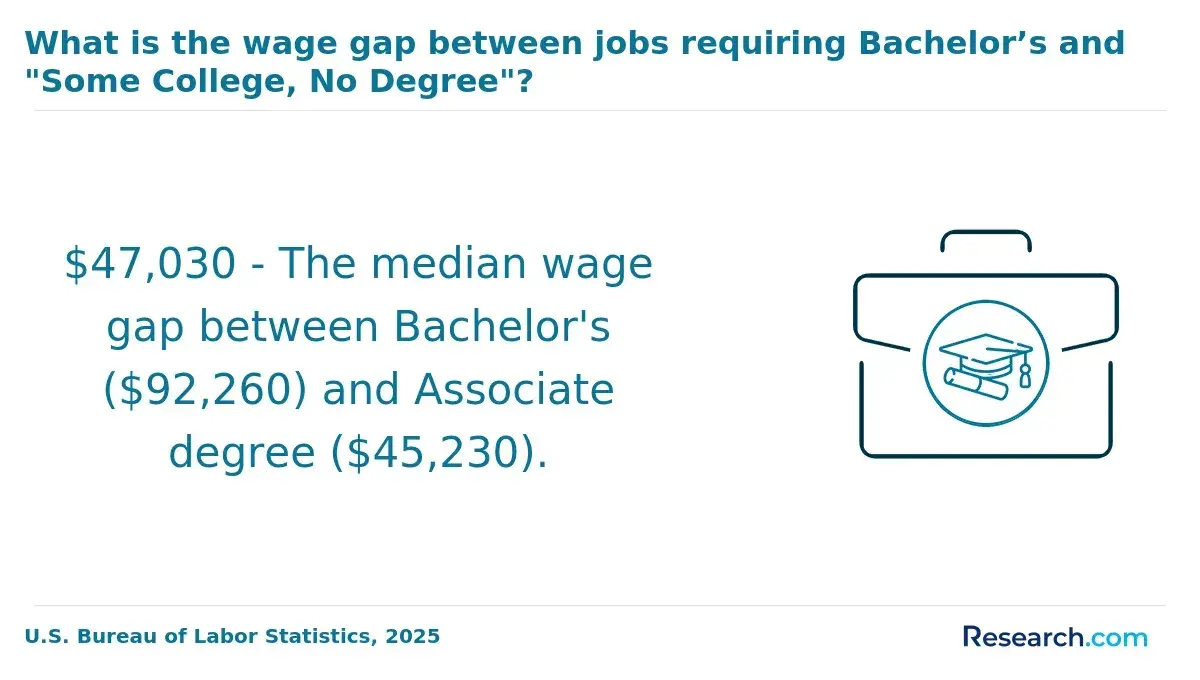
Job listings for graphic design careers typically specify degree requirements that align with the position's complexity and the hiring industry's standards. Entry-level roles commonly require a bachelor's degree, often in graphic design or related fields such as visual communication or digital media. Studies show that about 75% of employers favor candidates holding at least a bachelor's degree for creative design roles.
The following points highlight common patterns in degree expectations across graphic design job postings:
- Bachelor's Degree as Foundation: Most entry-level positions call for a bachelor's degree as the minimum qualification, reflecting its status as a standard baseline for knowledge and skills in the field.
- Advanced Degrees Preferred: Mid- to senior-level roles, especially those involving leadership, UX/UI design, or brand strategy, often seek candidates with master's degrees or specialized certifications to demonstrate deeper expertise.
- Industry Variations: Degree preferences shift depending on the sector, with advertising and marketing firms favoring bachelor's degrees, while tech companies and specialized studios may prioritize advanced education or focused training.
- Flexibility for Experience: Public agencies and nonprofit employers sometimes accept associate degrees if paired with strong portfolios or relevant professional experience, indicating a more adaptable approach to formal education.
When asked about the personal experience of navigating employer degree expectations, a graphic design degree graduate shared that the journey was both challenging and eye-opening. "While earning my bachelor's, I realized jobs often require more than just a diploma," he explained. "Many employers looked for additional certifications or mastery in specific tools, which meant continuing education beyond college." He also recalled the pressure of balancing portfolio development with coursework, emphasizing how showcasing practical skills was essential. "It wasn't just about having the degree; it was about proving you could apply it creatively under real-world conditions." This perspective highlights the nuanced reality behind degree requirements in graphic design careers.
How Much Experience Do Graphic Design Job Postings Require?
Graphic design job postings often outline distinct experience requirements tailored to the level of the role and its specialization. Employers use experience as an essential filter to select candidates who meet the demands of various positions. This helps ensure applicants possess the relevant skills and background needed for success.
Below are common patterns seen in graphic design job postings related to experience.
- Entry-Level Positions typically ask for minimal professional experience, around 0-1 year. These roles often accept internships, freelance projects, or academic work to show foundational skills and enthusiasm for developing a portfolio.
- Junior to Mid-Level Roles usually require between 2 to 4 years of professional experience. Candidates are expected to demonstrate independent project contributions and growing responsibility within collaborations or client relationships.
- Senior or Advanced Positions commonly demand more than 5 years of experience. These roles expect leadership abilities, expertise in specialized areas like UI/UX or motion graphics, and a history of managing projects or teams.
- Specialized Roles might request specific domain experience, including digital design or animation, which adds depth beyond general graphic design skills.
On average, the years of graphic design experience needed for entry-level jobs remain low, focusing on foundational practice over extensive work history. Those exploring educational pathways to enhance their prospects may consider programs highlighted in lists like the cheapest civil engineering degree online, which sometimes overlap in creative technology skillsets relevant to graphic design.
What Industries Hire Fresh Graduates With No Experience?
Many industries demonstrate a strong willingness to hire graphic design graduates with minimal or no professional background, as reflected by entry-level opportunities that prioritize creative potential over extensive experience. In fact, about 62% of graphic design roles advertised in 2023 sought candidates with less than a year of work history, highlighting the openness of employers to fresh talent.
The following industries typically welcome new graphic design graduates into their teams:
- Marketing and Advertising agencies often recruit beginners to contribute to brand campaigns and social media projects where creativity matters more than prior experience.
- Publishing and Media companies provide entry-level roles focused on digital layouts, editorial design, and teamwork with editorial staff, offering young designers a collaborative environment.
- Corporate Communications departments employ new graduates to produce visuals for internal presentations, newsletters, and events, requiring flexibility and quick adaptation to evolving communication needs.
- Nonprofit Organizations prioritize hiring entry-level designers eager to support fundraising and awareness campaigns, valuing passion and commitment alongside creative skill.
When asked about her job search, a fresh graduate with a graphic design degree reflected on the openness of these industries. She shared that despite initial nerves about lacking experience, the projects she took on in nonprofit and media settings allowed her to build confidence quickly. "It was about showing enthusiasm and willingness to learn," she explained, noting that collaboration and feedback were integral to her growth. She found the process challenging but also rewarding, appreciating how these industries provided a platform to apply her skills and develop professionally without the pressure of having an extensive portfolio from the start.
Which Industries Require More Experience or Skills?
Certain industries set a higher bar for graphic design candidates, expecting advanced skills, specialized training, or significant practical experience. Job postings from these sectors often highlight multi-year experience or professional certifications as prerequisites, reflecting employers' rigorous standards.
A 2023 study found that roughly 62% of graphic design vacancies in competitive fields require candidates to have more than three years of professional experience or advanced qualifications. Below are industries that commonly demand such higher-level expertise.
- Advertising and Marketing: Roles typically call for designers with diverse portfolios that show proficiency in digital tools and strategic campaign development. Employers seek candidates with at least three to five years of relevant experience, emphasizing creative versatility and collaboration skills.
- Technology and Software Development: Graphic designers must combine design knowledge with technical skills like UI/UX principles and prototyping. Experience working alongside development teams is often required to ensure effective cross-functional collaboration.
- Entertainment and Media: Specialized abilities such as motion graphics, animation, and post-production processes are highly valued. Candidates usually need formal certifications and a strong portfolio showcasing multimedia projects, with a preference for those possessing five or more years of focused experience.
- Corporate Branding and Communications: This sector prioritizes candidates who demonstrate expertise in maintaining consistent brand identity across platforms. Advanced skills in design strategy and communication often accompany multi-year experience requirements.
- Publishing and Print Production: Employers look for specialists knowledgeable in print processes and layout design. Many positions demand demonstrated proficiency and experience that go beyond entry-level capabilities.
These industries consistently reflect a preference for graphic design professionals who combine formal education with substantial practical experience and specialized skills.
Which Credentials Are Most Valuable for Graphic Design Careers?
Employers in graphic design careers rely heavily on credentials to assess a candidate's foundational knowledge, technical skills, and professional commitment. Academic qualifications, certifications, and licenses often influence hiring decisions by signaling the candidate's preparedness and relevance to industry demands.
The following credentials are frequently valued by employers according to job postings:
- Bachelor's Degree: This degree in graphic design, visual communication, or related fields demonstrates structured learning of design principles, software use, and creative problem-solving skills developed over several years.
- Professional Certifications: Certifications in core design software, such as Adobe Creative Cloud tools like Photoshop, Illustrator, and InDesign, prove up-to-date proficiency and practical competence that employers seek to ensure efficient workflows.
- Advanced Degrees: Master's degrees or higher qualifications in graphic design or digital arts are often preferred for specialized or senior roles, highlighting a deeper theoretical understanding and research experience.
- Specialized Certifications: Credentials related to user experience (UX), web design, or motion graphics reflect the interdisciplinary nature of modern graphic design work and increasingly add value to a candidate's profile.
While licenses are less common, certain specialized areas like packaging design may require regulatory compliance training. Additionally, a strong portfolio remains an essential complement to formal credentials, demonstrating real-world application and creativity.
Are Salaries Negotiable Based on Experience?
Salary levels in graphic design job postings often reflect the combined influence of experience, education, and role complexity. Employers tend to provide salary ranges rather than fixed sums, allowing flexibility that depends on a candidate's background and skill set. Approximately 60% of graphic design professionals report some degree of salary negotiation during hiring, highlighting that compensation is often adaptable based on experience. Education from recognized programs, such as those listed among game design degrees, can position candidates for higher starting offers, though real-world expertise frequently carries substantial weight in determining pay.
Experience plays a crucial role in shaping salary flexibility seen in job postings. Entry-level graphic design roles usually show narrower pay ranges with limited room for negotiation, reflecting the need for growth and skill development. In contrast, advanced or specialized positions offer wider salary bands and greater possibility for negotiation, as employers aim to reward proven expertise and retain top talent. This distinction reveals how experience directly impacts graphic design salary offers and the employer's willingness to adjust pay within a structured framework tailored to different career stages.
How Can You Match Your Resume to Job Descriptions?
Job postings offer valuable direction for tailoring resumes to meet employer expectations in graphic design careers. Analyzing these postings reveals the specific skills, software proficiency, and experience employers prioritize. Research shows that up to 75% of resumes are filtered out by applicant tracking systems (ATS) before reaching human review, underscoring the need to match your resume closely to job descriptions.
To more effectively align your resume with graphic design employer requirements, consider the following strategies:
- Interpret Job Postings Carefully: Identify the core skills, software tools, and project types that employers emphasize and tailor your resume to highlight relevant experiences in these areas.
- Highlight Relevant Experience: Showcase portfolio work and professional roles that correspond directly to the job description to demonstrate your qualifications clearly.
- Align Terminology: Use precise terms and phrases from the listing, such as "Adobe Creative Suite," "UI/UX design," or "branding," to help your resume pass ATS filters and catch hiring managers' attention.
- Prioritize Required Qualifications: Emphasize degrees, certifications, or years of experience specified by employers, placing these details prominently to satisfy baseline screening criteria.
- Show Adaptability: Reflect versatility by demonstrating experience working across various design styles or industries, as some job postings value breadth alongside depth.
Understanding how to match your resume skills with graphic design employer requirements enhances your chances of progressing in a competitive job market. For candidates seeking to expand their credentials, exploring hospitality management courses online can also broaden professional versatility and open new interdisciplinary opportunities within creative fields.
What Should You Look for When Analyzing Job Ads?
Job advertisements offer valuable insight into what employers expect from graphic design candidates, revealing essential role requirements beyond job titles. Around 74% of creative industry employers list both technical and soft skills in their postings, reflecting the diverse demands of graphic design positions. Carefully reviewing these ads helps clarify what qualifications and experience are most sought after.
Here are key factors to consider when examining job ads in the graphic design field:
- Core Responsibilities: Look for detailed descriptions of the work involved, such as handling digital or print media, branding projects, or motion graphics. This helps define the scope and focus of the role.
- Educational Requirements: Positions often specify degrees like a bachelor's in graphic design or related disciplines, but some prioritize demonstrated skills or experience over formal education, especially when reviewing required degrees and experience for graphic design jobs.
- Experience Level: Terms like entry-level, mid-level, or senior indicate the expected years and depth of industry experience, guiding candidate suitability.
- Technical Skills: Proficiency with software such as Adobe Creative Suite, UX/UI tools, or animation programs is frequently emphasized, marking critical competencies.
- Soft Skills: Communication, creativity, and teamwork are commonly highlighted, underscoring their importance in successful project outcomes.
For students seeking flexible learning options that align with these employer expectations, exploring online military friendly colleges can provide valuable pathways to meet career goals.
What Graduates Say About Skills, Degrees, and Experience Employers Want
- Azai: "As a fresh graduate, I found job postings invaluable for aligning my skills with current industry demands in graphic design. They helped me identify entry-level roles that perfectly matched my portfolio and technical abilities. Using these ads, I was able to target opportunities that allowed me to grow confidently right out of school."
- Russell: "After gaining some experience, I started relying on job ads to steer my career toward specialized roles in graphic design. The detailed requirements and preferred skills listed helped me pinpoint what I needed to develop next, which kept me competitive and constantly progressing. Seeing clear career ladders through these postings truly shaped how I navigated my path."
- Christian: "From a professional perspective, job postings have been a mirror reflecting the evolving graphic design landscape. They've shown me emerging tools and trends I needed to master, ensuring my expertise stayed relevant. Reviewing these ads regularly became a strategic practice to anticipate shifts and maintain my value in the market."
Other Things You Should Know About Graphic Design Degrees
Employers often recognize self-taught graphic designers when portfolios clearly demonstrate strong skills and creativity. While formal degrees provide a foundational knowledge and are preferred by many employers, practical experience and a robust portfolio can sometimes compensate for the absence of a degree, especially in smaller companies or freelance roles.
Certifications related to specific software tools or design methodologies are frequently mentioned as a plus in job postings. Employers value ongoing learning as it reflects an applicant's commitment to staying current with trends and technologies, which is vital in the rapidly evolving graphic design field.
In 2027, employers increasingly recognize the potential of self-taught graphic designers, valuing their creativity and adaptability. However, candidates with formal degrees remain preferred for roles requiring a deep understanding of design theory and structured training. Demonstrated skills and a strong portfolio continue to be crucial for both self-taught and formally educated designers.
Many graphic design job postings specify experience with digital and web design tools, reflecting the industry's shift toward digital media. Proficiency in responsive design, UI/UX principles, and web-based software is often required or preferred alongside traditional print design skills.
References
- How to Negotiate the Best Graphic Designer Salary https://www.icreatives.com/iblog/decoding-design-dollars-how-to-negotiate-the-best-graphic-designer-salary/
- What Skills Needed to Progress Your Career in Graphic Design | BSBI https://www.berlinsbi.com/blog/what-kind-of-skills-do-you-need-to-progress-your-career-in-graphic-design
- The Perfect Graphic Design Resume: Tips to Get Hired - Artful Ruckus https://www.artfulruckus.com/best-graphic-design-resume-tips/
- 11 Important Graphic Design Skills Employers Want From a Designer | Shillington Education https://www.shillingtoneducation.com/blog/graphic-design-skills
- Top Careers for Graphic Design Majors https://www.pointloma.edu/resources/undergraduate-studies/top-careers-graphic-design-majors
- Top 13 Graphic Design Skills Highly Sought By Employers in 2024 | Cake https://www.cake.me/resources/career-development/top-design-skills
- Graphic designer: job description https://targetjobs.co.uk/careers-advice/job-descriptions/graphic-designer-job-description
- Graphic Designer job ad example https://talent.seek.com.au/hiring-advice/article/graphic-designer-job-ad-example
- Which Graphic Design Certification is Best? https://blog.nobledesktop.com/learn/graphic-design/certifications-and-certificates
- Graphic Design Certification | Adobe Certified Professional https://certifiedprofessional.adobe.com/en/resources/graphic-design-certification


