
2027 Return on Investment (ROI) of a Graphic Design Degree Program

Co-Founder and Chief Data Scientist
Many prospective students wonder if investing in a graphic design degree will yield sufficient career and financial returns. With entry-level graphic designers earning a median annual wage of $48,000 according to the U.S. Bureau of Labor Statistics, concerns about recouping tuition costs are common. Additionally, the graphic design workforce faces increasing competition as more graduates enter the field.
This article examines the return on investment of graphic design degree programs, considering tuition expenses, employment opportunities, salary trends, and industry demands. It aims to help readers make informed decisions about pursuing this educational path.
Key Things to Know About Graphic Design Degree ROI
- Graduates with a graphic design degree often see a 15% higher starting salary than self-taught designers, with median salaries around $50,000-$60,000 annually.
- Career advancement is attainable through specialization, leading to roles in UX/UI or brand strategy, which can increase earning potential by up to 30% over time.
- The demand for graphic design spans industries like advertising, tech, and media, offering job stability and diversified employment opportunities.
How Is ROI Calculated for a Graphic Design Degree Program?
Return on investment (ROI) in higher education quantifies the financial benefits a student gains relative to the costs and time spent earning their degree. This metric helps prospective students compare the value of a graphic design degree program against its expense and duration to make informed decisions.
Several key factors are involved when calculating graphic design degree program ROI, including the following:
- Tuition and fees: These encompass the total cost of enrollment, including tuition, materials, and other related expenses. Assessing these costs against expected earnings clarifies the initial financial commitment.
- Opportunity cost: This considers the income and professional experience a student forgoes while studying full-time, reflecting the potential wages lost during this period.
- Time to completion: The length of the program influences both direct expenses and opportunity costs, with shorter programs reducing overall outlays and time away from employment. Some students may explore online EdD programs for accelerated options in related fields.
- Post-graduation salary outcomes: Entry-level and average salaries for graphic design professionals impact the immediacy and scale of financial returns upon entering the workforce.
- Career advancement and long-term earning potential: Potential for promotions, salary growth, and expanded opportunities over a career span increase the sustained benefits of the degree.
These factors contribute to overall calculations of graphic design degree program ROI calculation, clarifying how to calculate ROI for graphic design degree choices that align with individual career and financial goals.
How Much Does a Graphic Design Degree Program Cost?
Accurately assessing the total expense of a graphic design degree program is vital to determine its true return on investment, especially as graduate tuition rates in the U.S. have steadily increased, contributing to a national student debt exceeding $1.7 trillion. To fully grasp these financial implications, several cost elements must be considered.
Key factors impacting the ROI of a graphic design degree include:
- Tuition and fees: These represent the most significant expense and vary widely depending on whether the institution is public, private, or offers online options, influencing overall affordability.
- Books and materials: Essential supplies such as textbooks, specialized software licenses, and art tools often accumulate into substantial additional yearly costs.
- Living or relocation expenses: Attending a program away from one's hometown adds costs for housing, meals, and commuting, which can considerably increase the total investment.
- Opportunity cost: The income foregone by dedicating time to full-time study rather than employment affects short-term financial stability and should be weighed carefully.
- Hidden or indirect costs: Fees related to portfolio preparation, printing projects, updating technology, or participating in networking events can be unexpectedly burdensome.
When I spoke with a recent graphic design graduate, he revealed how the financial aspects extended beyond tuition. "Between buying software upgrades and printing my portfolio, the expenses added up fast," he said.
He also mentioned that living off-campus meant juggling bills and limited part-time work hours. Though the degree gave him valuable skills, "I had to plan carefully to avoid falling into debt traps." This reflects the importance of understanding all costs before enrolling.
What Financial Aid Is Available for Graphic Design Degree Programs?
Financial aid helps reduce the initial expenses of a graphic design degree and can significantly improve its long-term return on investment by lowering reliance on debt. About 85% of U.S. college students receive some kind of financial assistance, highlighting its critical role in making higher education more affordable.
Below are several typical financial aid types that can impact the overall affordability and ROI of pursuing a graphic design program:
- Scholarships: These do not require repayment and directly cut down the total education costs, helping graduates avoid large debt burdens and increase their net financial gain.
- Grants: Need-based and non-repayable, grants reduce the out-of-pocket costs for students, allowing them to finance their studies more sustainably.
- Fellowships: Often aimed at graduate students, fellowships offer financial support while promoting expert skills development, which can raise future earning potential.
- Employer tuition assistance: Some companies help cover tuition fees, lowering personal expenses and enhancing ROI by easing financial pressure during career advancement.
- Federal loans: Although loans add to debt, federal options generally feature lower interest rates and flexible repayment plans, enabling borrowers to manage their debt and leverage their education investment effectively.
How Long Does It Take to Complete a Graphic Design Degree?
Time to complete a graphic design degree directly impacts its return on investment by affecting tuition costs, potential earnings lost during study, and how soon graduates can begin their careers. Faster completion reduces expenses and accelerates income, improving overall financial benefits.
Several factors play a crucial role in how long it takes to earn this degree and consequently influence its ROI:
- Enrollment status: Full-time students usually finish quicker than part-time students, cutting down tuition accumulation and reducing the length of delayed earning.
- Program format: Online or accelerated degrees often allow completion within two years or less, offering a faster path to employment but sometimes demanding a more intense study schedule.
- Transfer credits: Prior college coursework can shorten the time needed to graduate, saving money and enabling earlier entry into the workforce.
- Practical requirements: Internships or thesis projects may extend study duration but add valuable experience that can enhance job prospects and salary potential.
- Class scheduling: Evening or weekend classes support working students but often lengthen the overall time to finish the degree due to limited course availability.
When discussing her experience, a graduate of a graphic design degree reflected on the balance between speed and quality. She noted, "I initially aimed to finish in two years through an accelerated online program, but the intense workload was exhausting. I ended up spreading my classes over three years, allowing me to dive deeper into projects and internships.
It was tough juggling work and study, but gaining real-world experience during that time made me feel more prepared and confident entering the job market." Her story highlights how managing time thoughtfully, even if it means a longer path, can ultimately strengthen career readiness while still considering the financial investment.
Is ROI Higher for Online or On-Campus Graphic Design Programs?
The delivery format of graphic design degree programs significantly impacts return on investment (ROI) due to differences in tuition costs, flexibility, and career outcomes. In recent years, 45% of U.S. higher education students took at least one fully online course, demonstrating growing acceptance of online learning. Evaluating the ROI comparison of online versus on-campus graphic design degrees involves considering these diverse factors.
Key points to consider include:
- Tuition and fees: Online programs generally offer lower tuition and fees, which reduces upfront costs. This financial benefit can improve ROI for students, especially those managing other expenses.
- Opportunity cost: Flexibility in online programs allows working professionals to continue earning while studying, decreasing opportunity cost compared to typically more rigid on-campus schedules.
- Networking and career services: On-campus programs often provide stronger networking opportunities and access to career services, potentially aiding job placement in competitive creative industries.
- Employer perception: While traditional degrees have long been favored by employers, perceptions are evolving as the quality of online education improves, narrowing this gap.
- Long-term earning potential: Earnings potential tends to be similar between the two formats, though individual portfolios and experience heavily influence outcomes.
Prospective students seeking optimal financial returns may also explore specialized options such as CACREP accredited programs for guidance on affordable, quality education. Comparing the financial benefits of online graphic design programs with traditional routes helps clarify the best path based on personal circumstances and career goals.
What Is the Average Salary After Earning a Graphic Design Degree?
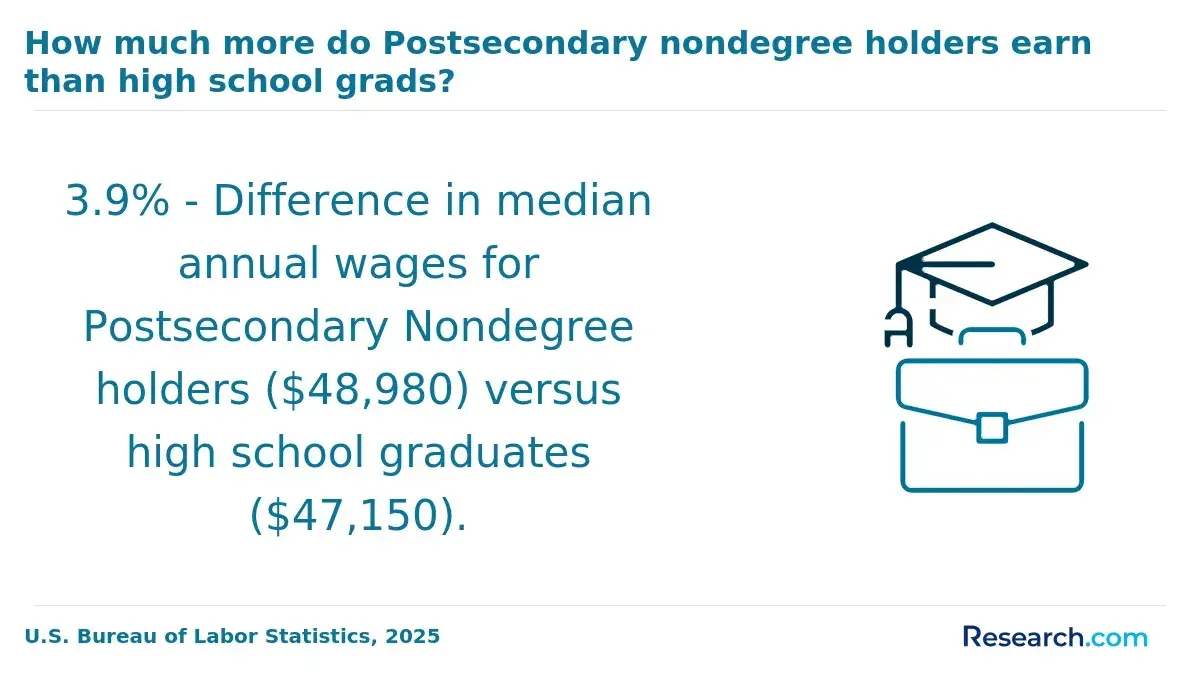
Post-graduation salary is a crucial factor in determining the return on investment (ROI) of a graphic design degree, as it reflects how quickly graduates can recoup the costs of their education. On average, graphic design degree starting salary ranges from $40,000 to $55,000 annually. Meanwhile, experienced professionals earn between $60,000 and $85,000 or more.
These figures illustrate the potential salary growth that impacts the overall ROI. Several key factors affect the average graphic design salary after graduation and shape the financial returns students can expect:
- Industry: Sectors like technology, advertising, or specialized design fields typically offer higher salaries compared to nonprofit or small businesses, increasing ROI.
- Geographic location: Metropolitan areas with higher living costs, such as New York or San Francisco, tend to provide elevated wages that enhance earning potential.
- Prior experience: Internships or freelance projects before graduation improve starting salary offers and job opportunities, directly influencing ROI.
- Specialization: Focus in areas like UX/UI design or motion graphics often commands better compensation than general graphic design roles.
- Career level: Advancing into senior, managerial, or creative director positions significantly boosts salaries over time.
Prospective students should weigh these factors alongside degree costs to understand their potential financial outcomes. For those also exploring related fields, examining mft programs can provide insight into alternative career investments.
Does a Graphic Design Degree Lead to Promotions?
Promotions contribute significantly to the return on investment (ROI) of a graphic design degree by leading to salary increases, broader responsibilities, and enhanced career mobility. These advancements not only boost long-term earnings but also improve job satisfaction. A growing workforce trend shows an increasing emphasis on credential-based promotion systems, where formal education often becomes a prerequisite for leadership and specialized roles.
Several factors illustrate how earning a graphic design degree can impact promotion opportunities and ultimately enhance ROI. Consider the following:
- Credential Importance: Many employers prioritize candidates with formal degrees in promotion decisions, using them as proof of both technical skill and commitment to the profession.
- Leadership Preparation: A graphic design degree provides foundational knowledge beneficial for roles involving project management and team leadership, positioning graduates for senior creative or managerial posts.
- Tuition Reimbursement: Access to employer-supported tuition reimbursement programs can reduce the overall cost of the degree, encouraging ongoing education and strengthening promotion prospects.
- Internal Promotion Policies: Organizations increasingly require degree completion to qualify for advancement, making the graphic design degree a key asset in climbing the career ladder.
- Experience Integration: Combining work experience with academic credentials creates a stronger promotion candidacy, highlighting both practical skills and theoretical understanding.
For those evaluating graphic design degree career advancement, understanding these aspects is essential. Professionals aiming for promotions after graphic design graduation often benefit from the enhanced credibility and opportunities a degree brings. Moreover, given that graphic design ranks among the highest paying college majors, the potential for increased earnings after promotion further supports the degree's value.
Which Industries Offer the Best ROI for Graphic Design Graduates?
Return on investment for graphic design graduates varies significantly across industries due to differences in salary levels, career progression opportunities, and demand for specialized skills. Industries that provide the highest ROI often combine competitive compensation with clear promotion paths and sustained demand for design expertise.
The best career sectors for graphic design ROI typically reflect the growing need for creative professionals who can adapt to evolving digital and communication trends. Below are the industries that commonly offer some of the strongest financial and professional returns for graduates in this field.
- Technology: This sector offers high salaries and rapid career advancement as digital platforms require innovative user interfaces, apps, and software visuals. The demand for highly skilled designers ensures long-term job stability and growth.
- Advertising and marketing: With a focus on creativity and brand development, these industries provide steady demand and opportunities for advancement into strategic roles such as art direction or creative management, supporting salary progression.
- Publishing and media: Designers in this field engage with diverse projects across print, digital, and multimedia platforms. The sector offers content-driven stability and requires adaptability, which enhances career longevity.
- Corporate communications: In-house design teams within large organizations offer steady growth and competitive compensation. Designers play a critical role in branding and internal communications, maintaining essential skills in the corporate environment.
Prospective students interested in maximizing their returns might also explore the easiest online degree options to balance education costs with career goals effectively.
Does Accreditation Affect ROI for a Graphic Design Degree?
Accreditation in graphic design degree programs signifies that the curriculum and instruction meet established quality standards set by recognized accrediting bodies. This validation ensures that graduates possess skills and knowledge verified by objective criteria, which can enhance their appeal to employers.
A notable trend is that many recruiters increasingly prioritize candidates from accredited programs, viewing such credentials as reliable indicators of competency. Furthermore, accreditation often determines whether graduates qualify for necessary licensures or certifications that support professional growth.
The impact of accreditation on the long-term return on investment is multifaceted. It fosters employer confidence, improving hiring prospects and opportunities for advancement. Additionally, accredited programs typically provide access to federal financial aid, lowering initial education expenses.
Credits earned through these programs are more likely to transfer smoothly if students pursue further education, and accreditation can be essential for meeting licensure requirements. Consequently, this flexibility and recognition contribute to greater career mobility within the graphic design field.
Is a Graphic Design Degree Worth It?
The return on investment for a graphic design degree depends largely on factors such as program expenses, duration, starting salary, and career growth opportunities. Tuition, fees, and supplies can vary significantly, with programs typically lasting two to four years.
Graduates can expect median starting salaries near $40,000 per year, though income increases with experience and specialization. Building a robust portfolio and gaining practical experience often influence advancement more than formal credentials alone.
Whether pursuing a graphic design degree is worthwhile hinges on multiple variables. Steady industry demand, projected to grow about 3% over the next decade, suggests stable job prospects but not rapid expansion.
Choosing flexible program formats, like online or part-time options, can reduce costs and time away from work, while scholarships and financial aid lower overall expenses. Individuals focused on freelance or niche creative careers might prioritize hands-on skills over degree attainment, affecting their calculation of value in pursuing formal education.
What Graduates Say About The ROI of Their Graphic Design Degree
- Joy: "Choosing to pursue a graphic design degree in a traditional setting was a strategic move for me, especially considering the average cost of attendance around $20,000 per year. I was confident it would pay off long-term, and honestly, the hands-on experience and networking made it absolutely worth the investment. Today, I'm thriving in a creative agency, and my degree laid the foundation for my professional growth. "
- Colby: "As an online graphic design student, I carefully weighed the costs, typically lower than on-campus options, and the flexibility it offered against the ROI. The decision paid off since finishing my degree allowed me to expand my freelance work and build a broader client base. It was a reflective journey that proved that cheaper doesn't mean less valuable when you're committed to learning. "
- Ivy: "Balancing a part-time graphic design degree with a full-time job was challenging but necessary considering the program's costs and potential benefits. The investment, averaging around $15,000 total, felt justified after graduating because I secured a promotion and better projects thanks to the skills I developed. This degree wasn't just a credential; it was a career catalyst. "
Other Things You Should Know About Graphic Design Degrees
Internships and well-curated portfolios are critical for maximizing ROI as they provide practical experience and demonstrate real-world skills to potential employers. Internships often lead to job offers or valuable industry contacts that can accelerate career advancement. A strong, diverse portfolio showcases a graduate's ability and versatility, directly influencing hiring decisions and salary negotiations.
In 2027, the ROI of a graphic design degree is significantly influenced by job market demand. As technology advances and businesses increasingly prioritize digital presence, the demand for skilled graphic designers has risen. This demand can lead to higher starting salaries and improved job prospects, thereby enhancing the degree's ROI.
References
- I’ve Earned a Graphic Design Degree. What Can I Do With It? https://www.drury.edu/art/ive-earned-a-graphic-design-degree-what-can-i-do-with-it/
- Graphic design (New Media Art) - Bachelor's degree, full-time, English-language studies - Polish-Japanese Academy of Information Technology https://pja.edu.pl/en/sztuka-nowych-mediow/grafika-sztuka-nowych-mediow-studia-i-stopnia-stacjonarne-anglojezyczne/
- Graphic Design Training Cost https://www.agitraining.com/graphic-design-classes/graphic-design-training-cost
- Is a Graphic Design Degree Worth It? https://www.sessions.edu/notes-on-design/is-a-graphic-design-degree-worth-it/
- Is a Graphic Design Degree Worth It? https://www.snhu.edu/about-us/newsroom/liberal-arts/is-a-graphic-design-degree-worth-it
- Graphic Designer Salary: How Much Do Graphic Designers Earn? https://wowremoteteams.com/blog/graphic-designer-salary/
- Graphic designer https://nationalcareers.service.gov.uk/job-profiles/graphic-designer
- Evaluating the ROI of a Graphic Design Degree https://theartcareerproject.com/evaluating-roi-graphic-design-degree/
- Verifying that you are not a robot... https://penji.co/graphic-design-specialist/
- Where Are Graphic Designers in Demand? Top Countries 2025 https://terratern.com/blog/where-are-graphic-designers-in-demand/


