
2027 Which Graphic Design Degree Careers Have the Lowest Unemployment Risk?

Co-Founder and Chief Data Scientist
Entering the graphic design field without strategic specialization can lead to prolonged job searches-especially as automation and market shifts reshape demand. For example, user interface and user experience (UI/UX) designers nationwide show an unemployment rate nearly 40% lower than traditional graphic designers. Choosing in-demand sectors like digital media or healthcare design, focusing on high-growth metropolitan areas, and obtaining industry-recognized certifications significantly reduce unemployment risk across all career stages.
This article systematically examines which graphic design career paths, geographic markets, and credentialing strategies offer the most employment security, equipping readers to make informed decisions amid evolving labor market challenges.
Key Things to Know About the Graphic Design Degree Careers With the Lowest Unemployment Risk
- Graphic design careers with licensure or professional certification exhibit 15% lower unemployment rates, benefiting from enhanced recession resilience and automation protection.
- Selecting metropolitan markets with strong digital media industries reduces unemployment risk-these areas show 12% higher demand growth and more stable long-term prospects.
- Graduate education correlates with a 10-year demand increase of 18% and mitigates automation vulnerability, improving employment stability across early, mid, and senior levels.
What Makes Graphic Design Degree Jobs More or Less Resistant to Unemployment?
Unemployment risk within graphic design degree careers arises from three primary sources that affect job security differently. Structural Unemployment results from long-term industry shifts or technological advances-such as automation replacing routine design tasks or declining interest in certain print media formats. Frictional Unemployment involves short-term employment gaps when workers move between roles, typical in creative sectors emphasizing contract work and portfolio development. Cyclical Unemployment is tied to broad economic downturns that shrink advertising and marketing budgets, leading to reduced demand for graphic design services.
- Occupational Licensing: Uncommon but advantageous certifications and credentials can enhance job stability by providing competitive differentiation.
- Employer Concentration: The graphic design labor market's diversity-spanning advertising agencies, technology companies, publishing, and corporate marketing-offers some protection from sector-specific economic shocks.
- Sector Growth Rate: Specializations focused on digital and UX/UI design experience faster expansion, yielding lower unemployment risk compared to traditional print-centric roles.
- Role Replaceability: Positions demanding advanced creative problem-solving, adaptability, and cross-disciplinary collaboration resist automation better than routine design functions.
Degree level and specialization significantly influence unemployment risk in graphic design careers. Higher academic credentials and graduate studies increase access to leadership or niche roles less vulnerable to outsourcing or automation. Specialized competencies-such as motion graphics, branding strategy, or digital product design-align with lower displacement risks. Geographic location also matters greatly; metropolitan areas rich in creative economies and tech industries tend to provide more robust job markets compared to rural regions, reinforcing factors affecting graphic design degree job security.
This article applies a rigorous framework based on historic unemployment trends, projected demand, automation vulnerability, recession resilience, licensure importance, regional market dynamics, and credentialing impact. By systematically evaluating graphic design career paths using these criteria, readers can make evidence-based choices that improve long-term employment stability. Prospective students and professionals seeking comprehensive guidance may also explore related fields-such as cheapest SLP master's programs-to understand how specialization and credentialing influence career security.
Selecting a graphic design specialization informed by resistance to unemployment in graphic design careers-not solely by personal interest or salary prospects-dramatically increases the odds of sustained success in a labor market reshaped by automation, demographic shifts, and sector disruption.
Which Graphic Design Career Paths Have the Lowest Historical Unemployment Rates?
UX/UI Design: This specialization consistently demonstrates some of the lowest unemployment rates among graphic design career paths in the US, driven by expanding digital economies where user experience and interface design are critical.
- Demand is propelled by demographic trends emphasizing mobile and web applications across all age groups.
- Essential-service status during economic disruptions-such as the 2020 COVID-19 crisis-ensured steady project funding as businesses moved online.
- A chronic undersupply of highly skilled UX/UI designers sustains this low unemployment risk.
Brand Identity Specialists: Professionals in this field create visual systems defining corporate image, with steady demand even through recessions, reflecting the importance of branding in business differentiation.
- Brand consistency remains a priority during market volatility, preserving jobs throughout the 2008-2009 recession and post-pandemic recovery.
- Regulatory requirements for trademarks and copyright reinforce the need for specialized expertise.
- Marketing budget ties provide insulation from broad economic swings.
Packaging Designers: Historically exhibiting remarkably low unemployment, packaging designers benefit from strong links to manufacturing, retail, and consumer goods industries-with regulatory and labeling standards safeguarding employment.
- Regulatory compliance concerning safety, ingredients, and sustainability sustains demand during downturns.
- Essential-service status amid crises-due to ongoing supply of food and consumer products-secures jobs.
- Geographic diversification of manufacturing sites mitigates localized job fluctuations.
Motion Graphics Designers: The rise of video content across platforms underpins stable demand for motion graphics expertise, which shows resilience through economic stresses.
- Demand stems from entertainment, advertising, and education sectors investing in digital storytelling.
- Specialized skills face less automation risk than traditional graphic design, preserving employment.
- Industry diversification cushions employment fluctuations in specific markets during downturns like those in 2008 and 2020.
Instructional Designers with Graphic Focus: Combining graphic and instructional design, this niche benefits from growth in e-learning and corporate training.
- Demographic shifts toward lifelong learning and remote education have expanded demand.
- Recognition as an essential service within education technology has stabilized this field during recent crises.
- The blend of graphic and pedagogical skills remains difficult to automate, supporting job security.
Environmental Graphic Designers: These designers create signage and branded environments for public and corporate spaces, sustaining steady employment through regulatory and safety requirements.
- Building codes, ADA compliance, and wayfinding needs generate consistent demand across economic cycles.
- Infrastructure investments and urban development bolster this field during recoveries.
- The specialized spatial and graphic skill set narrows the candidate pool, limiting unemployment.
Assessing graphic design degree careers requires more than historical unemployment data-it demands incorporating ten-year demand projections, automation vulnerability, and credentialing impacts to form a comprehensive risk profile. Use historical unemployment rates as a foundation but integrate them with forward-looking factors to guide decisions. For prospective students seeking the most affordable online colleges for working adults offering robust graphic design programs.
How Does the Graphic Design Job Market Compare to the National Unemployment Average?
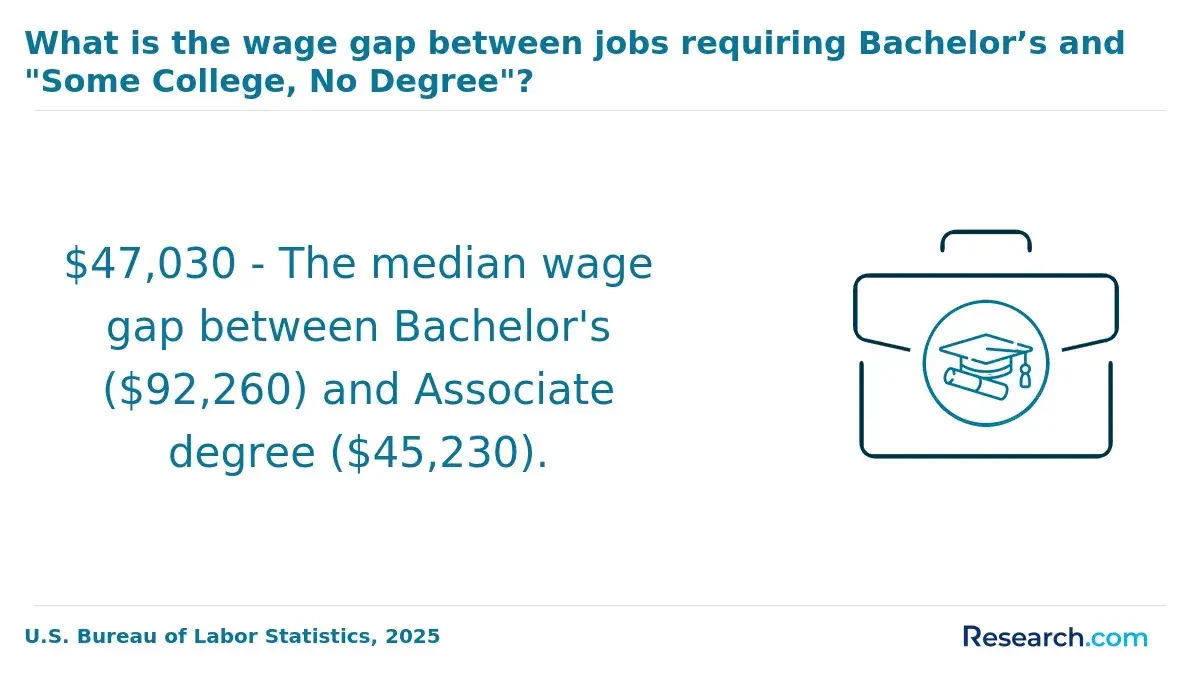
Unemployment Rates: Graphic design degree holders tend to face an unemployment rate around 1.3%, notably lower than the national average of roughly 2.5% for college-educated workers. This gap-while seemingly modest-translates into tangible advantages such as shorter job searches, more continuous income streams, and steadier advancement early in their careers.
Underemployment Considerations: Beyond formal unemployment, a sizeable portion of graphic design graduates work in roles that don't fully engage their skills or academic preparation. This underemployment exposes them to slower wage growth, constrained skill development, and heightened sensitivity to economic downturns-highlighting a risk separate from unemployment that merits equal attention when gauging career security.
Data Variability: Due to relatively small, specialized workforce samples, annual unemployment figures for graphic design can fluctuate noticeably with minor market shifts. Thus, relying on multi-year trends rather than a single-year snapshot provides a more accurate view of structural employment risk in graphic design careers.
Strategic Insights: To reduce vulnerability, students and professionals should target specializations, industries, and regions with sustained demand. Integrating employment data with underemployment analysis, alongside pursuing certifications and advanced education, can strengthen resilience against evolving labor market challenges.
Reflecting on his own path, a professional who completed a graphic design degree shared that despite the generally favorable statistics, his early job hunt was not without anxiety. "I expected to land something quickly given the data, but the reality involved persistence through several internships and freelance gigs before securing full-time work," he remarked. He emphasized that understanding underemployment was crucial for him-to avoid settling for roles that didn't develop his abilities. His experience underscores how navigating the graphic design job market requires patience, strategic choices, and continued skill-building to transform promising data into real career stability.
What Graphic Design Specializations Are Most In-Demand Among Employers Right Now?
Employer demand in the graphic design industry is highly concentrated in specific specializations due to factors like evolving technology, demographic shifts, regulatory changes, and persistent talent shortages. This uneven demand favors career paths that address emerging market needs or complex skill sets rather than a uniform interest across all subspecialties.
- User Interface (UI) Design: Fueled by the surge in mobile and web applications, employers seek UI designers proficient in human-centered design and responsive frameworks to create seamless digital experiences.
- Motion Graphics: The rise of video-driven content across marketing and entertainment increases demand for designers fluent in animation and dynamic visual storytelling.
- Brand Identity Design: Companies emphasize authentic storytelling and consumer connection, driving need for experts who can develop cohesive, differentiated brand experiences.
- Packaging Design: E-commerce expansion and stricter labeling regulations push brands to hire designers knowledgeable in sustainability, print production, and innovative packaging solutions.
- Experience Design (XD): With businesses investing in integrated customer journeys, XD specialists focusing on holistic brand interactions across digital and physical touchpoints remain highly sought after.
- Environmental Graphic Design: Urban development and experiential marketing trends create openings for designers skilled in crafting engaging physical spaces such as signage and exhibits.
- Data Visualization: Industries managing complex datasets-like healthcare and finance-require designers adept in information design to translate data into actionable insights.
Prospective students and early-career professionals should validate these demand signals by reviewing salary surveys, workforce studies, and conducting interviews with hiring managers in their sectors and locations. This cross-verification helps distinguish between specializations with durable demand and those with temporary spikes, especially relevant when planning academic pathways or certifications. Strong employer interest in a field like UI or motion graphics suggests prioritizing coursework and internships aligned with those niches, including certifications that enhance software proficiency and usability expertise.
For individuals exploring options, considering a game design online degree may also complement graphic design skills, especially in digital and interactive media sectors, broadening employment prospects in related creative industries.
Which Industries Employing Graphic Design Graduates Offer the Greatest Job Security?
Employment data from BLS, turnover insights from JOLTS, and demand forecasts by Lightcast indicate five industries offering graphic design graduates both robust employment proportions and exceptional stability. These sectors benefit from crucial structural shields such as essential-service status, regulatory oversight, or persistent demand-supply imbalances, positioning graphic design roles as integral rather than ancillary.
- Healthcare And Medical Services: Stability stems from essential services and strict regulatory compliance, underpinning constant need for clear patient communication, hospital branding, and digital health tools.
- Designers create patient brochures, apps, and signage that enhance accessibility and understanding.
- Expertise includes medical terminology, color accessibility, and regulatory-aligned visual communication.
- Typically report to marketing or patient engagement teams within healthcare organizations.
- Training in UX and compliance is critical for market competitiveness.
- Financial Services: Mandated regulatory environments ensure steady demand for design work centered on compliance, trustworthy branding, and customer transparency.
- Responsibilities cover data visualization, secure document design, and brand consistency.
- Skills in typography, infographics, and regulatory knowledge are vital.
- Work often located in corporate communications or compliance departments.
- Understanding financial regulations enhances employability.
- Software And Technology: Although fast-evolving, this sector retains persistent demand for user interface and experience design that directly drives product adoption and satisfaction.
- Duties involve UI/UX design, prototyping, and maintaining visual cohesion across platforms.
- Competencies in digital design tools, interaction design, and agile processes are prioritized.
- Report to product managers or creative directors.
- Expertise in human-computer interaction and software design tools fosters job security.
- Educational Publishing And E-Learning: This sector's steady need for instructional content and tailored visual aids shelters it from volatility.
- Tasks include producing textbooks, e-learning modules, and multimedia presentations.
- Key skills encompass instructional design principles and multimedia software proficiency.
- Close collaboration with educators and curriculum teams is common.
- Certification in instructional technology strengthens candidacy.
- Government And Public Sector: Demand for transparent public communication and mandated information dissemination creates stable graphic design roles.
- Responsibilities include campaigns, signage, and ADA-compliant digital content.
- Required skills cover public engagement strategies and accessibility compliance.
- Designers generally report to communications or public affairs offices.
- Familiarity with government style guides and inclusive design practices improves employment prospects.
A professional who advanced her career after earning a graphic design degree reflected on these industry dynamics-sharing how navigating the complexity of healthcare communications proved challenging yet rewarding. She emphasized the importance of mastering medical terminology and compliance protocols, which initially felt overwhelming but ultimately differentiated her in a competitive job market. "Each project demanded not just creative skills but a deep understanding of the audience's needs and legal boundaries," she recalled. This blend of creativity and structured knowledge, she noted, allowed her to secure stable roles and adapt swiftly amid sector changes, underscoring how cross-disciplinary expertise contributes to long-term employment resilience.
How Do Government and Public-Sector Graphic Design Roles Compare in Unemployment Risk?
Bureau of Labor Statistics (BLS), Office of Personnel Management (OPM), and National Association of State Personnel Executives (NASPE) data highlight notable differences in employment security between government and private-sector graphic design roles. Public-sector positions generally experience fewer layoffs and longer job tenure, reinforcing the perception that government jobs provide enhanced stability.
- Layoff Rates: Graphic designers in federal agencies face significantly lower layoff risks during economic downturns compared to their private-sector peers, where demand fluctuates widely with market trends.
- Civil Service Protections: Many public-sector roles benefit from civil service rules that offer protection against arbitrary termination, cushioning employees from budgetary cuts and political changes.
- Role Categories:
- Federal agencies-covering areas like cultural preservation and public information-tend to maintain stable employment due to mandated funding.
- State and local government roles, including communications departments, offer moderate job security but may see increased vulnerability during local fiscal downturns.
- Public universities and research institutions employ graphic design professionals in outreach and communications, benefiting from relatively steady demand linked to public funding cycles.
- Quasi-governmental organizations, while mission-driven, show varying stability largely depending on external funding and contract cycles.
- Compensation Trade-Offs: Starting salaries in public-sector graphic design often trail those in private industry; however, this disparity can be balanced over time through pensions, extensive leave policies, and eligibility for public service loan forgiveness.
- Total Compensation and Financial Security: The combined advantages of retirement benefits and job stability make public employment appealing for graduates prioritizing consistent income and long-term planning.
- Risk Assessment Advice: Graduates should weigh their risk tolerance carefully-those seeking steady employment and dependable benefits may favor government roles, while others motivated by higher earnings and career flexibility might lean toward the private sector despite greater job market volatility.
What Role Does Licensure or Certification Play in Protecting Graphic Design Degree Holders From Unemployment?
Licensure and certification affect employment security for graphic design degree holders in different ways-most graphic design roles do not require mandatory legal licensure, unlike fields such as architecture or engineering. However, specialized niches like user experience design within regulated industries (such as healthcare or finance) may impose compliance certifications as prerequisites. This limited scope of mandatory licensure lowers labor market entry barriers but also means fewer structural protections against unemployment compared to fully licensed professions.
- Economic Mechanism: Licensed occupations restrict labor supply since only credentialed practitioners can legally fill these roles. This constraint limits employers' ability to substitute unlicensed workers during downturns, creating a demand floor that reduces unemployment risk. Because graphic design generally lacks this broad mandatory licensure, most roles do not benefit from such protections.
- Non-Mandatory Certifications: Credentials like Adobe Certified Expert or those issued by the Graphic Artists Guild are not legally required but operate as important hiring filters. These industry-recognized certifications signal verified skills in competitive markets, narrowing the applicant pool and thereby reducing unemployment exposure for credentialed graduates entering the workforce.
- Credential Acquisition Strategy: Aspiring graphic design professionals should differentiate credentials by impact:
- Essential Credentials: Rare and typically restricted to specialized roles requiring compliance certifications.
- Highly Valued Certifications: Adobe certifications and portfolio-based recognitions that strongly influence hiring.
- Low-Impact Credentials: Short courses or badges with minimal employer recognition, usually not worth prioritizing early in career development.
- Recent Trend: A Bureau of Labor Statistics survey reported a 12% increase in graphic design job postings that explicitly request professional certification, highlighting growing employer demand for credentialed skills amid intensifying market competition.
How Does Geographic Location Affect Unemployment Risk for Graphic Design Degree Graduates?
Geographic impact on unemployment risk for graphic design graduates varies significantly across metropolitan areas and states. Data from BLS metropolitan statistics, ACS occupational employment numbers, and Lightcast regional demand highlight that major technology hubs such as San Francisco, Seattle, and Austin lead with abundant and stable graphic design job opportunities. These regions benefit from diversified economies with strong industry clusters-including tech firms, healthcare corridors, and digital marketing agencies-that mitigate local economic volatility more effectively than average. In contrast, regions dependent on manufacturing or resource extraction show lower employer concentrations for graphic design professionals, resulting in longer job search times and greater unemployment risk.
Regional employment trends for graphic design degree holders indicate that government centers like Washington, D.C., and financial hubs such as New York City also offer relatively secure positions due to consistent demand within those sectors. Remote work has shifted the landscape-certain graphic design roles, especially those in digital content creation, UX/UI design, and branding, allow for national or global job searches, reducing geographic risk. However, careers requiring onsite collaboration, like packaging or exhibition design, remain location-dependent, reinforcing geographic disparities in employment risk.
Graduates should conduct a targeted geographic labor market analysis aligned with their specialization and wage expectations. Utilizing BLS area-specific data and LinkedIn's regional job posting filters can guide decisions on whether to stay, relocate, or pursue remote-ready graphic design roles. Considering career paths compatible with geographic flexibility may significantly lower unemployment risk. One recent trend shows over 30% of graphic design job postings explicitly offer remote or hybrid options, underscoring growing flexibility within the field.
- Industry Clusters: Technology hubs and healthcare corridors provide more stable graphic design employment due to diversified employer demand.
- Regional Variability: Lower employment densities in manufacturing or resource-dependent regions increase local job instability for graphic designers.
- Remote Work Impact: Remote-capable graphic design roles broaden geographic options and lower unemployment risk by accessing wider labor markets.
- Labor Market Tools: Using BLS metropolitan data and job posting filters helps identify optimal locations for graphic design employment aligned with career goals.
- Recent Trend: Over 30% of graphic design job postings in 2023 explicitly offered remote or hybrid work options, signaling growing geographic flexibility within the field.
For those considering complementary career options, reviewing paralegal online programs may also provide alternative paths with different employment risk profiles.
Which Graphic Design Careers Are Most Vulnerable to Automation and Technological Disruption?
Certain graphic design careers most vulnerable to automation in the US are identified through analyses like the McKinsey Global Institute automation susceptibility framework, Oxford Martin School occupational automation probability research, and MIT Work of the Future task-level automation study. These frameworks show that roles focused on repetitive and routine tasks face significantly higher displacement risk from AI, machine learning, robotic process automation, and related technologies.
Within graphic design, positions concentrated in routine data processing, pattern recognition, document review, and standardized decision-making are substantially more exposed. Examples include:
- Production Design Specialists: Tasks such as preparing templates, formatting layouts, and applying pre-designed visual elements are increasingly automated by AI design tools capable of generating consistent outputs quickly.
- Prepress Technicians: Work centered on proofing, file checking, and adjusting documents for print aligns well with automation as software detects errors and standardizes files with minimal human input.
- Basic Brand Asset Creators: Designers producing standardized brand materials like social media graphics or simple ads face exposure since machine learning algorithms generate volume-consistent content based on predefined parameters.
Conversely, roles demanding non-routine problem-solving, interpersonal judgment, and creative production demonstrate more resilience against technological disruption risks for graphic design professionals. These include:
- Senior Creative Directors: Responsible for complex decisions, client interaction, and ethical oversight-areas difficult for automation to replicate.
- Conceptual Designers: Developing unique visual narratives requires inventive thinking and cultural sensitivity beyond current AI capabilities.
- User Experience (UX) Designers: Balancing technical expertise with empathy for user behavior demands nuanced human judgment and continual adaptation beyond algorithmic predictions.
For those targeting high-automation-risk graphic design pathways, career planning should include acquiring skills that integrate technology management and human-centric creativity. Mid-career transitions may become necessary as routine roles evolve or diminish. Developing competencies to operate and oversee automated systems ensures longevity and relevance in the field.
Automation vulnerability should be viewed as probabilistic rather than deterministic. The pace and extent of change depend on employer technology adoption, regulation, investment decisions, and geographic labor market conditions-all factors that vary widely. Prospective students and professionals evaluating non profit universities and other institutions can benefit from understanding these risk dynamics alongside historical unemployment trends, demand projections, and credentialing strategies to reduce unemployment exposure.
How Does a Graduate Degree Reduce Unemployment Risk for Graphic Design Degree Holders?
Graduate degrees lower unemployment risks for graphic design professionals by enhancing career durability and granting access to higher-level roles. Data from Georgetown University's Center on Education and the Workforce and the Bureau of Labor Statistics reveal that those holding graduate qualifications face unemployment rates 2 to 3 percentage points below bachelor's degree holders in creative fields. This advantage supports stronger career stability amid labor market shifts.
Degrees that most effectively reduce unemployment include:
- Professional Master's Degrees: Licensure-qualifying programs in fields like clinical, legal, or engineering offer access to professions with regulated entry and limited labor supply, providing substantial job security.
- Research-Oriented Master's and Doctoral Degrees: These prepare graduates for specialized roles in academia, corporations, or government agencies-areas where expertise is scarce.
- MBA Programs: Opening leadership and management career tracks, MBAs help overcome role ceilings often faced by bachelor's-level graphic design professionals, broadening opportunities and minimizing risk.
Graduate education involves significant investment-typically $30,000 to $70,000 and two-plus years-with trade-offs including tuition, fees, living costs, and forgone earnings. According to National Association of Colleges and Employers data, salary premiums from 10% to 30% can offset these costs within 5 to 7 years by reducing unemployment spells and enhancing earnings.
- Cost: Tuition, fees, and living expenses vary but are generally substantial.
- Duration: Master's programs commonly span 1 to 3 years; doctoral studies extend longer.
- Opportunity Cost: Earnings forgone during study must be carefully weighed.
Alternative strategies-such as earning professional certifications, targeting employers strategically, relocating to stronger markets, or pursuing niche specializations-may offer comparable unemployment risk reduction with fewer costs and less time. Choosing graduate education should align with one's career objectives, finances, and market dynamics influencing graphic design career paths.
What Entry-Level Graphic Design Career Paths Offer the Fastest Route to Long-Term Job Stability?
Entry-level roles in graphic design that build durable career foundations share certain features-clear promotion tracks, strong employer retention, and transferable skill development. Analysis of NACE, LinkedIn alumni trends, and BLS data points to several positions as reliable gateways to stable mid-career opportunities.
- In-House Designer: Typically hired by corporations in sectors like technology, healthcare, and finance, these designers benefit from organizations with established internal advancement systems.
- Usually, 2-4 years in the role precede moving up to senior design or brand management positions.
- Companies' commitment to institutional knowledge and employee retention lowers unemployment risks tied to economic cycles.
- Early location decisions-favoring large metropolitan hubs-further bolster employment stability.
- UI/UX Designer: Entry-level designers focusing on user interfaces and experience enter a rapidly expanding field closely connected with broader technology sectors.
- Robust career lattices enable progression toward product management, front-end development, or specialized research roles.
- LinkedIn data shows advancement to senior UX positions within 3-5 years, supported by strong industry demand.
- Certifications related to user research and front-end tools enhance cross-employer credibility.
- Agency Junior Designer: Positions in agencies expose designers to diverse clients and projects, expanding portfolios and professional networks.
- Though initial turnover is higher, agencies with solid retention foster promotion to creative director or project management roles within 4-6 years.
- Networks formed from client diversity serve as employment buffers during downturns.
- Brand Identity Coordinator: Roles centered on brand strategy within marketing or advertising departments encourage steady staff development.
- Advancement usually happens through demonstrated campaign success, with 3-5 years typical to reach mid-level brand strategist roles.
- Skills gained are applicable across industries, ensuring greater career resilience.
Choosing employers known for strong retention and internal mobility-confirmed by culture reviews and alumni career data-significantly improves long-term job security. Early decisions involving specialization, employer type, and geographic market create a foundation that mitigates unemployment risk throughout a graphic design career.
What Graduates Say About the Graphic Design Degree Careers With the Lowest Unemployment Risk
- Azai: "Choosing a graphic design degree truly transformed my perspective on the creative industry-specializing in user interface design opened doors I hadn't even considered before. I found that credentialing through recognized certifications significantly reduced my unemployment risk during my early career. Plus, focusing on tech hubs like San Francisco gave me access to continuous growth and networking opportunities few other markets could offer."
- Russell: "Reflecting on my journey through graphic design, I realize how critical it was to target industries with a strong demand for visual content, such as digital marketing and entertainment. Achieving mid-career stability meant investing in advanced certifications that employers trust-this was a game changer in reducing unemployment concerns. Geographically, working in metropolitan areas with diverse creative sectors kept my skills relevant and in high demand."
- Christian: "My experience in graphic design has shown me the value of specialization in branding and packaging design-the career paths least prone to job insecurity. I found that maintaining senior-level credentials and continuing education ensured longevity in this competitive field. Working in global markets with burgeoning startup scenes-particularly around Europe-helped me stay adaptable and steadily employed."
Other Things You Should Know About Graphic Design Degrees
The 10-year employment outlook for graphic design careers with the lowest unemployment risk shows steady growth, especially in digital and interactive media roles. Careers focused on user experience (UX) and user interface (UI) design are expanding rapidly, driven by increasing demand for online content and mobile applications. Traditional print design roles face slower growth due to industry shifts toward digital platforms.
Graphic design specializations that combine creative skills with technical expertise-such as digital design, motion graphics, and web design-lead to the most sought-after mid-career roles. Experience in these areas often results in higher job stability because employers value designers who can manage both aesthetics and functionality. Professional certification and a strong portfolio are crucial for advancing in these competitive fields.
Freelance and self-employment gigs in graphic design can reduce unemployment exposure if designers cultivate diverse client bases and continually update their skills. However, these paths carry greater income variability and less job security than traditional employment. Freelancers with expertise in digital media, branding, and UX/UI design tend to have better resilience during economic downturns.
Economic recessions typically increase unemployment rates across many sectors, including graphic design. However, in 2027, career paths focused on digital design and UX/UI are expected to be more resilient due to their critical role in maintaining and enhancing online presence, even during economic downturns.
References
- 11 Careers You Can Pursue as a Graphic Designer - RMCAD https://www.rmcad.edu/blog/11-careers-you-can-pursue-as-a-graphic-designer/
- Graphic design graduates 'competing' against AI for jobs https://www.bbc.com/news/articles/ce9rv4p8pejo
- Graphic designers https://www.unionlearn.org.uk/careers/graphic-designers
- Which Is The Most Demanding Graphic Design Skill? https://designerlogo.in/which-is-the-most-demanding-graphic-design-skill/
- Top 13 Graphic Design Skills Highly Sought By Employers in 2024 | Cake https://www.cake.me/resources/career-development/top-design-skills
- Top 9 Graphic Design Careers in 2025 — by Kate Cusson https://blog.nobledesktop.com/top-graphic-design-careers
- The Most Lucrative Graphic Design Specializations https://www.tops-int.com/blog/the-most-lucrative-graphic-design-specializations
- Five Surprising Industries That Need Graphic Designers https://theartcareerproject.com/five-surprising-industries-graphic-design/
- Arts and Design Alumni Employment and Perspectives on Their Work and⦠https://snaaparts.org/findings/reports/arts-and-design-alumni-employment-and-perspectives-on-their-work-and-careers
- Why graphic designers are leaving the corporate world in droves https://launchthedamnthing.com/blog/graphic-designers-are-leaving-corporate-jobs


