
2027 Which Graphic Design Degree Careers Offer the Best Long-Term Salary Growth?

Co-Founder and Chief Data Scientist
Choosing a career in graphic design involves weighing immediate salary offers against potential long-term growth. While entry-level salaries for roles like junior designer or production artist often start modestly, many professionals experience significant income increases by moving into specialized or managerial positions.
Recent studies indicate that graphic design employment is projected to grow 6% through 2032, reflecting a steady industry demand. Advancing skills in digital media, UX/UI, or brand strategy can further enhance earnings over time. This article explores which graphic design degree careers offer the best long-term salary growth and the key factors driving these trends.
Key Benefits of Graphic Design Degree Careers That Offer Long-Term Salary Growth
- Long-term salary growth in graphic design careers often exceeds 3% annually, driven by increasing demand for digital and multimedia skills.
- Continuous skill development and accumulated experience directly correlate with salary progression, with senior roles earning up to 50% more than entry-level positions.
- Career advancement opportunities, such as management or specialization, promote financial stability and sustained income increases over decades.
Which graphic design careers have the highest long-term salary growth?
Certain graphic design careers experience notably stronger long-term salary growth compared to others, reflecting the evolving demands of the digital economy. For example, employment of multimedia artists and animators, closely related to motion graphics design, is projected to grow 6% from 2022 to 2032, indicating steady compensation increases. These trends highlight which graphic design career paths offer sustained financial growth over time.
Below are three graphic design careers known for their higher long-term salary growth:
- UX and Digital Product Design: These careers benefit from increasing reliance on digital products and services, leading to robust salary progression as user experience becomes central to business success. Growth in this field aligns with the highest long-term salary growth in graphic design careers due to ongoing demand for intuitive digital interfaces.
- Motion Graphics Design: As multimedia content expands in marketing and entertainment, motion graphics designers see steady pay increases. The projected growth in related fields supports consistent earning potential, making this path attractive for those seeking graphic design career paths with sustained financial growth.
- Brand Identity and Corporate Design: Designers in this area often take on strategic roles that directly impact business outcomes, resulting in higher remuneration over time. Their long-term salary growth benefits from increasing recognition of their value to corporate branding efforts.
For students considering advancement alongside earning potential, exploring a cheap doctorate degree online may support career growth in advanced design roles and leadership positions.
How does salary growth progress over time in graphic design careers?
Salary progression in graphic design careers generally follows a steady, gradual increase over time. On average, wages in design-related fields grow annually by approximately 3% to 5% when adjusted for inflation, reflecting moderate but consistent gains.
This pattern of steady salary growth tends to reflect a combination of experience accumulation and expanded responsibilities. Instead of sudden jumps, earnings typically rise incrementally throughout a professional's working life.
Throughout a typical career timeline, salary growth begins with gradual increases during the early years and evolves into more continuous, moderate rises during mid-career.
Later stages in a graphic design career often show stable, incremental raises as expertise deepens. Over multiple decades, these steady surges can significantly enhance total compensation, illustrating the long-term financial trajectory within the field.
Which entry-level graphic design jobs lead to high-paying careers?
Some entry-level graphic design roles are known for offering strong potential to increase earnings over time. These jobs typically provide crucial experience and a foundation for moving into better-paying positions. Entry-level salaries in graphic design usually start between $40,000 and $50,000 annually, varying by exact role and location.
Here are several entry-level graphic design positions commonly linked to substantial long-term income growth:
- Junior Visual Designer: Focused on implementing design ideas and supporting brand projects, this role lays the groundwork for advancement to senior creative positions with improved compensation.
- Digital Production Artist: Handling digital asset creation sharpens technical abilities, opening doors to roles with higher salaries such as those in UX/UI or creative leadership.
- Motion Graphics Designer (Entry-Level): Working with animation and video elements enables moving toward specialized, well-compensated areas like 3D animation or multimedia leadership.
- Web Designer (Entry-Level): Combining visual design with interface knowledge, this role creates a path toward lucrative senior web or UX design opportunities.
- Brand Assistant or Coordinator: Supporting brand initiatives at the foundation level often leads to strategic leadership roles with significant earning potential.
A new graphic design degree graduate shared that transitioning from academic projects to professional work brought unexpected challenges-balancing creative freedom with client expectations and deadlines felt overwhelming at first.
"I realized early on that patience and continuous learning were essential to growing not only my skills but also my career prospects," he said. While initial positions didn't pay much, he is optimistic knowing these entry roles provide crucial experience that can lead to well-paying jobs over time.
What industries offer the best salary growth for graphic design graduates?
Certain industries provide stronger long-term salary growth opportunities for graphic design graduates due to expanding demand and robust compensation frameworks. The U.S. Bureau of Labor Statistics projects a 7% employment increase for graphic designers over the next decade, especially in industries offering the highest paying opportunities. This trend highlights how some sectors create better pathways for salary advancement.
The following industries are commonly associated with notable salary growth for graphic design graduates:
- Technology: Innovation-driven, this sector values user experience and digital branding highly. Designers here often see steady pay increases as companies invest heavily in product design and enhancement.
- Advertising and Marketing: With a focus on creativity paired with measurable business results, compensation in this field grows alongside successful campaigns and expanded digital reach, reflecting some of the highest paying industries for graphic design graduates.
- Entertainment and Media: The rise of digital content platforms fuels demand for engaging visual work. Designers benefit from ongoing wage improvements tied to evolving media needs and content creation.
- Healthcare: An emerging sector investing in medical technology and educational design, healthcare offers consistent salary progression as digital transformation and patient engagement become priorities.
For those interested in further education options that balance affordability with career growth, exploring the cheapest executive MBA online programs can be a strategic step.
What factors influence long-term salary growth in graphic design careers?
Salary growth over the long term in graphic design careers is shaped by a combination of workplace factors and the natural progression of experience. Earnings increase as designers take on more complex roles and demonstrate higher value within their organizations.
The following key elements influence how graphic designers' pay rises throughout their careers:
- Experience Accumulation: With each passing year, designers often enhance their skills and efficiency, enabling them to deliver greater creative impact. This growth typically leads to higher compensation as they become more valuable contributors.
- Performance and Productivity: Consistently producing quality work and surpassing project expectations can lead to raises or bonuses. Meeting key goals often positions designers for advancing salary opportunities.
- Responsibility Level: Taking on leadership roles or managing projects often comes with greater pay. Increased responsibilities reflect a higher scope of influence, which employers frequently reward financially.
- Market Demand and Economic Conditions: External factors like industry trends and demand for specialized creative services can boost salaries. When demand rises, organizations tend to offer more competitive compensation to attract and retain talent.
- Networking and Reputation: Building professional relationships and a strong reputation can open the door to better job offers and negotiating power. These connections sometimes play a pivotal role in salary growth over time.
After discussing these aspects, I spoke with a professional with a Graphic Design degree to hear her perspective. She reflected on how evolving from hands-on design tasks to coordinating projects challenged her initially but ultimately made a big difference in her earnings.
"Learning to balance creativity with management was difficult at first," she shared, "but it gave me new confidence and led to more rewarding opportunities." She also pointed out that networking wasn't just about meeting people but about genuinely building trust, which helped her negotiate better contracts. Her journey underscored how patience and adapting to new roles shaped her salary growth beyond simply improving technical skills.
How do skills and specializations affect salary growth?
In graphic design careers, developing specialized skills significantly influences long-term salary growth. Designers who focus on advanced digital capabilities tend to see earnings rise quicker, with some studies showing up to a 30% increase compared to those in more traditional roles. This highlights the financial value of adapting to evolving industry demands.
Several key skill areas are especially impactful for increasing earning potential over time:
- Digital Proficiency: Mastery of tools such as Adobe Creative Suite, Sketch, or Figma enables designers to tackle complex projects, leading to higher compensation as these skills are increasingly sought after.
- Motion Graphics: Expertise in animation and video editing opens opportunities in multimedia fields, where long-term salary growth tends to outpace simpler design roles due to technical and creative complexity.
- UX/UI Design: Specializing in user experience and interface design aligns designers with high-demand tech sectors, resulting in stronger salary increases linked to the critical nature of this skillset.
- Brand Strategy: Integrating marketing knowledge with design skills allows professionals to contribute strategically, enhancing their value and potential for salary advancement.
- Data Visualization: Ability to create compelling infographics and visual data narratives positions designers in niche markets, facilitating greater earnings growth by addressing specialized business needs.
Do advanced degrees or certifications increase long-term earnings?
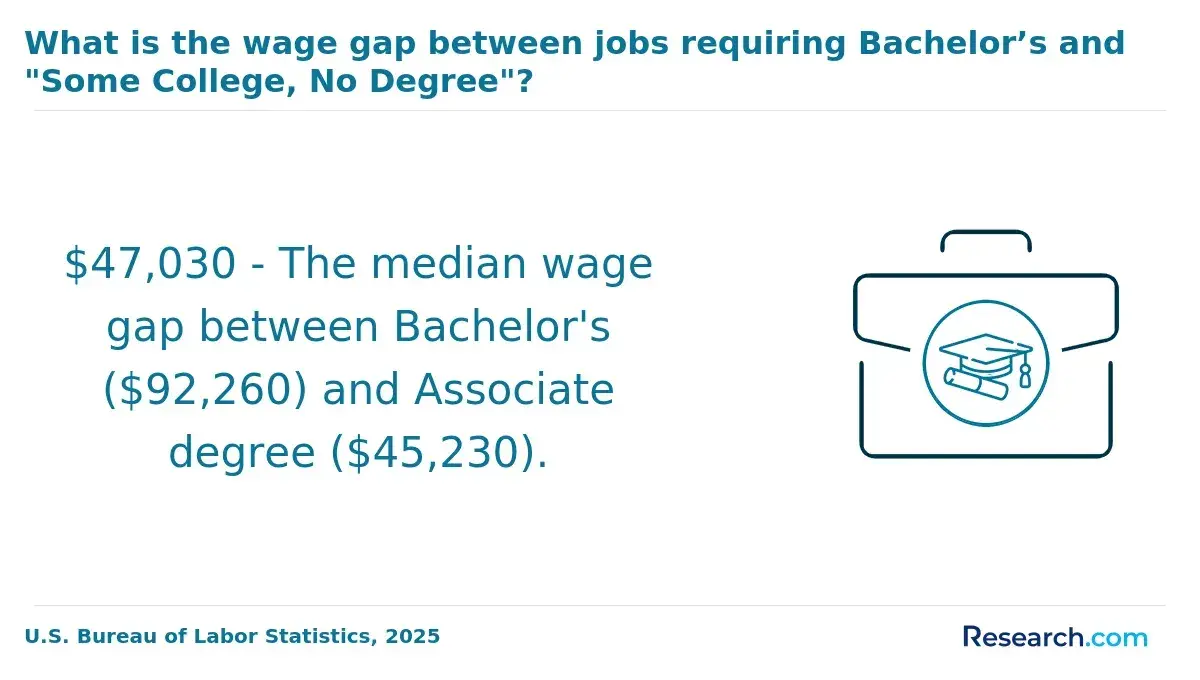
Advanced degrees and certifications can significantly impact long-term earnings in graphic design careers by signaling a higher level of expertise and commitment to employers. Professionals who obtain a master's degree or specialized credentials often qualify for expanded responsibilities, such as leading projects or managing teams, which tend to come with increased compensation.
Research shows that individuals with advanced education in graphic design-related fields typically earn 10-20% more annually than those with only a bachelor's degree. This wage premium reflects the added value of skills in areas like creative direction and brand management.
The extent to which advanced education or certifications boost earnings varies based on the career context and industry sector. Technical specializations or roles focused on emerging design technologies often place greater emphasis on up-to-date certifications, enhancing salary potential.
In contrast, positions where practical experience and portfolio quality are paramount may see smaller salary increases tied solely to formal education. Many senior creative and management roles reward a combination of advanced qualifications and extensive work history, making this blend the strongest factor for long-term salary growth.
How does job stability impact long-term salary growth?
Job stability plays a crucial role in long-term salary growth within graphic design careers by enabling professionals to accumulate experience and refine their skills continuously. Consistent employment fosters gradual income increases as designers develop expertise and adapt to evolving industry standards.
Research shows that graphic designers with stable job histories experience an average annual wage growth rate of around 3% to 4%, highlighting how ongoing professional development and steady employment contribute to sustained earnings progression. The long-term earning potential with stable graphic design jobs often surpasses those with frequent job changes or gaps in employment.
Stability in employment influences salary progression patterns by encouraging incremental raises linked to tenure, performance, and mastery of new technologies. Graphic designers who maintain continuous work experience generally benefit from merit-based compensation increases and promotion opportunities within organizations.
A reliable employment record also helps build a robust professional reputation and network, factors that can lead to negotiated pay raises or long-term contracts. For those interested in pathways to strengthen job stability, exploring programs like Barbados community college may be advantageous for skill-building and steady career advancement.
What are the highest-paying career paths after 10+ years?
After 10 or more years in graphic design, many professionals reach their peak earning potential by advancing into senior or specialized roles. Data indicates that these mid-to-late career professionals can earn 20-40% above median salary levels, reflecting their experience and expertise. Long-term salary growth in graphic design professions is typical for those who leverage leadership and technical skills.
Careers with the highest-paying outcomes after a decade often include the following paths:
- Creative Directors: These leaders oversee entire design departments or campaigns, blending creative vision with strategic management. Their roles place them among the top earners, with median salaries exceeding $120,000 annually in many sectors.
- User Experience Directors: Specializing in digital interaction design, they combine design skills with user research to create seamless interfaces. This expertise is in high demand, guiding product development and earning substantial salaries.
- Art Directors: Commonly found in advertising, publishing, and entertainment, art directors manage the overall visual style of projects. Their responsibility for cohesive creative output often translates to high compensation.
- Senior Digital Designers: Experts in cutting-edge technologies such as motion graphics and interactive media frequently command lucrative salaries. Their specialized skills keep them competitive in advanced roles.
- Brand Strategists and Design Consultants: Combining broad design knowledge with business and marketing objectives, these professionals apply their expertise to drive brand growth and command strong long-term income potential.
Students interested in expanding their qualifications might also explore project management degrees to complement their graphic design expertise and improve their career prospects in leadership roles.
How do you choose a graphic design career path with strong salary growth?
Assessing long-term earning potential is crucial when selecting a graphic design career path, as initial salaries often do not reflect future opportunities. In related fields like multimedia art and animation, the top 10% of professionals earn more than double the median wage, highlighting the value of specialization and experience. Considering these dynamics helps clarify the best graphic design career paths for long-term earnings.
Here are several important factors to keep in mind when evaluating graphic design careers for strong salary growth:
- Career Advancement: Positions with clear pathways for promotion or skill specialization tend to offer better salary increases over time, making upward mobility a key factor.
- Industry Demand: Growing sectors such as digital media, UX/UI design, and motion graphics typically provide more robust salary growth due to higher need for specialized skills.
- Geographic Influence: Location affects salary potential, as some areas concentrate higher-paying roles, impacting overall earnings.
- Freelance Opportunities: The possibility to supplement income through freelance or contract work can enhance total compensation and provide financial flexibility.
- Adaptability: Careers that reward the ability to learn new tools and stay current with industry trends are more likely to sustain salary growth over time.
For those considering related disciplines, pursuing an online math degree can complement graphic design skills and potentially open additional avenues for advancement and salary improvement.
What Graduates Say About Graphic Design Degree Careers That Offer Long-Term Salary Growth
- Azai: "Choosing a graphic design degree was one of the best decisions I made for my career. Not only did it provide me with a strong creative foundation, but it also opened doors to industries with consistent long-term salary growth like UX design and branding. The ROI was clear as I was able to quickly transition into roles that valued my degree and skills, setting me up for financial stability."
- Russell: "Reflecting on my journey, the impact of a graphic design degree extends far beyond the paycheck-it shaped how I approach problem-solving and communication in every project I undertake. While the initial investment felt significant, the career opportunities it unlocked in digital media and advertising have steadily increased my earning potential over the years. For anyone considering this path, the long-term benefits in both skills and salary make it worthwhile."
- Christian: "From a professional standpoint, a graphic design degree brought tangible advantages in negotiating better salaries and securing roles in competitive markets like web design and product development. The skills acquired gave me leverage in industries that prize creativity alongside technical expertise, directly influencing my career trajectory and income growth. My advice? Focus on industries within graphic design that are evolving rapidly to maximize your long-term financial rewards."
Other Things You Should Know About Graphic Design Degrees
Internships are crucial for graphic design degree holders aiming for growth in 2027. They provide hands-on experience, industry connection, and networking opportunities that enhance job prospects. Internships can lead to full-time positions and have a significant impact on long-term salary growth by building relevant skills and professional relationships.
A well-curated portfolio and strong personal brand are crucial for attracting high-paying clients and employers. They demonstrate a designer's skills, style, and reliability, which can open doors to better projects and leadership roles. Continuous updating of portfolios with current work is essential for sustained career growth.
Networking is critical for long-term success and salary growth, offering access to job leads, freelance assignments, and mentorship. Active participation in professional groups, design events, and online communities can provide valuable career support and insights. Building strong relationships often leads to better opportunities and referrals.
References
- Best Companies for Graphic Designers with High Salaries https://www.tops-int.com/blog/best-companies-for-graphic-designers-with-high-salaries
- Design Industry: In-Demand Design Jobs 2023 | MVST. https://www.mvst.co/blog/post/in-demand-design-jobs
- 15 Exciting Career Paths After Graphic Design Course https://alifbyteedu.com/types-of-career-after-graphic-design-course/
- Graphic Designer Salary Guide 2026 | Pay, Careers & Growth https://floowitalent.com/tips/graphic-designer-salary
- Why graphic designers are leaving the corporate world in droves https://launchthedamnthing.com/blog/graphic-designers-are-leaving-corporate-jobs
- Top 10 High-Paying Design Jobs Without a Degree (2025 Guide) https://designarcacademy.com/top-10-high-paying-design-jobs-you-can-get-without-a-degree-2025-guide/
- Benefits of Having a Graphic Design Degree https://www.pennfoster.edu/blog/benefits-of-having-a-graphic-design-degree
- Graphic Design Salary Trends 2025 | SkillonIT https://www.skillonit.com/graphic-design-salary-trends
- Graphic Design Career Path and Progression https://www.fifteendesign.co.uk/blog/graphic-design-career-path-and-progression/
- Advice for making the most of an indirect career path to design https://adobe.design/stories/leading-design/advice-for-making-the-most-of-an-indirect-career-path-to-design


