
2027 How Much Does an Audio & Music Degree Program Cost? Tuition, Fees & Total Expense Breakdown

Co-Founder and Chief Data Scientist
Estimating the true cost of an audio & music degree program can be challenging due to varying tuition rates, fees, and hidden expenses. Recent data show tuition for specialized music programs has risen by over 25% in the last decade, outpacing many other disciplines. This increase often surprises students who only consider base tuition when budgeting.
This article breaks down tuition, mandatory fees, equipment costs, and additional expenses to help prospective students compare options accurately. Understanding these factors enables smarter financial planning and avoids unexpected debts while pursuing an audio & music education in the U. S.
Key Benefits of Knowing the Audio & Music Degree Program Cost in 2026
- Understanding total costs helps students plan financing strategies, reducing unexpected debt for audio & music degrees, where average tuition can exceed $20,000 annually at private institutions.
- Breaking down fees clarifies expenses like equipment, software, and studio access, which often represent 15-25% of the overall program cost in audio & music education.
- Detailed cost knowledge enables better comparison across schools, ensuring students select programs balancing quality instruction with affordable pricing in a highly specialized field.
What Expenses Are Included in the Full Cost of a Audio & Music Degree?
Accurately assessing the full cost of an audio & music degree is crucial for effective financial planning. Many prospective students overlook expenses beyond tuition, which can significantly impact the overall budget. The full cost breakdown for audio & music degree 2026 programs typically includes the following components:
- Tuition: This is the largest cost, covering instruction fees. According to the National Center for Education Statistics, in-state tuition at public institutions ranges from $9,000 to $25,000 annually, with higher rates for out-of-state or private colleges.
- Mandatory fees: These charges cover student services, library access, and campus facilities, often adding $1,000 to $3,000 per year.
- Books and supplies: Students require textbooks, sheet music, instruments, and specialized equipment, with typical costs estimated at approximately $1,200 annually. Advanced gear or software can increase these expenses.
- Technology requirements: Digital audio workstations and production software necessitate investments in computers, headphones, microphones, audio interfaces, and software licenses. These upfront costs can range from several hundred to a few thousand dollars.
- Clinical or lab fees: Access to recording studios, rehearsal spaces, or performance labs may require additional fees, usually between $500 and $2,000 per year.
- Living expenses: Housing, food, transportation, and personal costs vary by location, with average room and board expenses from $10,000 to $13,000 annually.
When comparing 2026 audio & music degree program expenses, these elements collectively define the total cost of attendance and are essential considerations. For students interested in expedited study options, reviewing the best one year masters programs can also provide valuable insights into efficient educational pathways.
What Is the Average Total Cost of a Audio & Music Degree Program in 2026?
The average total cost of an audio and music degree program in 2026 ranges from $25,000 to $90,000, depending on various factors. This total cost includes tuition, fees, supplies such as equipment and software licenses, and living expenses. Understanding these expenses is essential for prospective students as they plan their academic path and financial future.
Public in-state universities typically charge between $20,000 and $35,000 for four-year programs, while out-of-state students at public institutions face costs from $40,000 to $50,000. Private universities tend to be higher, averaging $60,000 to $90,000 for similar degrees.
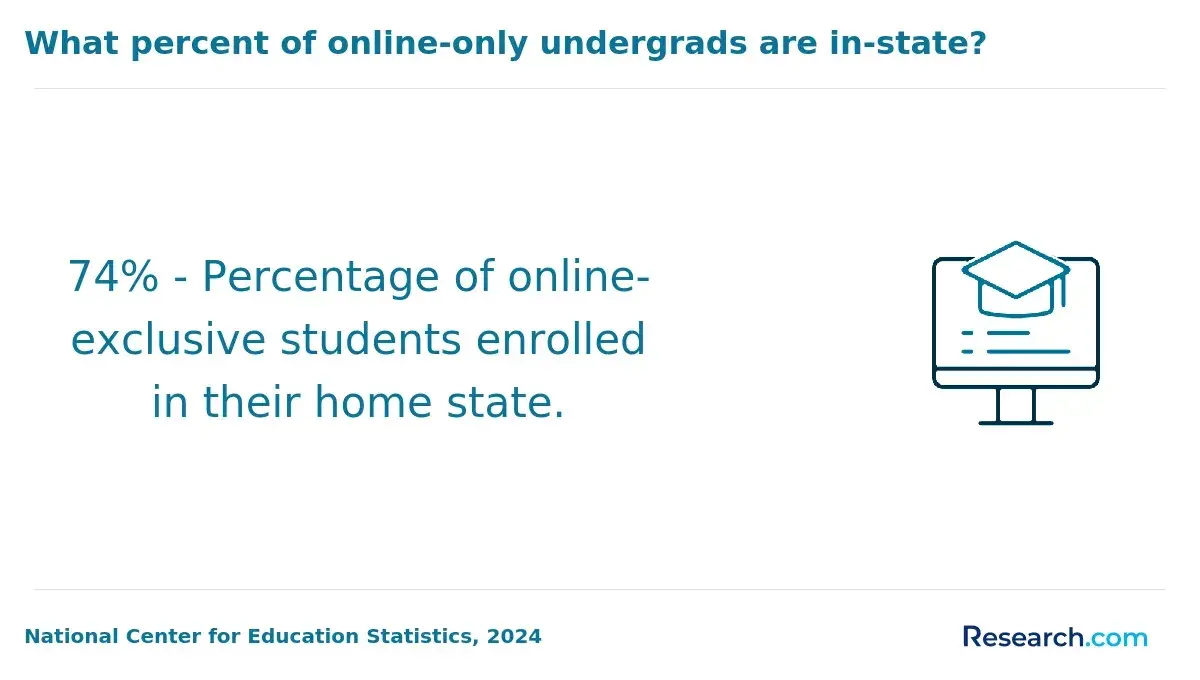
Several elements influence the 2026 tuition and fees for audio and music degree programs. Program format is one key factor: online options often lower costs by reducing campus fees and housing needs. Institution type plays a role as well, with conservatories and specialized schools charging premiums due to facilities and faculty expertise.
Regional differences also affect expenses, with metropolitan areas generally having higher tuition and living costs than rural regions. Students interested in flexible admissions might explore colleges offering open enrollment to find suitable programs matching their budget and goals.
What Mandatory Fees Do Schools Charge for a Audio & Music Program in 2026?
Mandatory fees are additional charges required by institutions to support specific services and resources beyond tuition costs. These fees are essential for maintaining the infrastructure and supplementary educational tools that Audio & Music students rely on. Below are the typical mandatory fees for audio & music degree programs in 2026, reflecting the common financial requirements students can expect.
- Technology fee: Covers specialized software, recording equipment, and digital tools necessary for audio production courses, typically ranging from $100 to $400 per semester.
- Lab or studio fees: Applied to sustain sound labs, practice rooms, and recording studios, these fees usually range from $200 to $600 per semester depending on the program's hands-on learning intensity.
- Student services fees: Support access to campus resources like counseling, career services, and extracurricular activities, commonly costing between $150 and $350 per semester.
- Assessment or testing fees: Charged for proficiency exams or jury performances, with fees generally from $50 to $150 per event.
- Campus facilities fee: Assists with maintenance of buildings and common areas, typically between $100 and $300 per term.
When budgeting for an audio & music degree, it's important to consider these 2026 audio & music program required school fees alongside tuition. For those exploring advanced options, the quick master degree programs may offer alternative pathways with distinct fee structures worth reviewing.
Understanding mandatory fees for audio & music degree programs 2026 clarifies the comprehensive cost of attendance and aids in precise financial planning for prospective students.
Are There Additional Program Fees for the Audio & Music Major in 2026?
Students pursuing an audio & music degree in 2026 can expect fees beyond standard tuition and general university charges. These program-specific costs reflect the specialized nature of the field. Common additional fees include the following:
- Specialized lab fees: These fees, typically ranging from $100 to $500 per semester, help maintain and upgrade equipment like recording studios and mixing consoles vital for practical training.
- Program-specific software costs: Licenses for digital audio workstations such as Pro Tools or Ableton Live may be necessary, adding approximately $200 or more annually if not covered by school discounts.
- Licensing or certification preparation fees: Expenses related to obtaining professional credentials, like Audio Engineering Society certification, can be required in some programs.
- Required equipment or supplies: Students often need to acquire personal gear-including quality headphones, microphones, or instruments-costing between $500 and $1,500.
- Fieldwork or practicum costs: These fees account for travel, studio rentals, or participation in live production events essential to hands-on learning experiences.
These supplementary expenses may increase total program costs by 10-20% over base tuition, varying by institution and curriculum. Careful budgeting and consultation with schools for precise fee details are advisable.
How Much Do Required Supplies or Equipment Cost for a Audio & Music Major?
Estimating the cost of supplies and equipment is essential for accurately budgeting an audio & music degree program. These expenses can significantly affect the total investment required for successful completion.
Below is a summary of typical items students need to acquire along with their purposes and expected price ranges.
- Digital audio workstation (DAW) software: Essential for recording and editing music, programs like Pro Tools or Logic Pro usually range from $200 to $600 depending on the version.
- Audio interfaces, microphones, headphones, and MIDI controllers: Basic setups for these hardware tools commonly cost between $300 and $1,500, enabling quality sound capture and production.
- Specialized lab kits or plugin bundles: Required for tasks such as mixing and mastering, these can add $100 to $400 annually to equipment costs.
- Protective gear: Items like earplugs or headphone cushions are relatively inexpensive, typically costing $20 to $50, but are important for hearing protection during extended studio sessions.
What Are the Typical Living, Food, and Travel Expenses for Audio & Music Students?
Living, food, and travel expenses are vital components of the overall cost for students pursuing an audio & music degree. These costs vary significantly based on where students live and their personal habits. Keeping track of such expenses helps students budget effectively throughout their studies.
Below are key areas to consider when planning finances:
- Housing and utilities: On-campus room and board can average $11,000 to $13,000 annually, with off-campus rent ranging roughly from $800 to $1,500 per month depending on the city and proximity to music industry centers.
- Groceries and dining: Food costs typically fall between $3,000 and $5,000 per year; choices between meal plans and cooking at home affect budgets and convenience.
- Local transportation: Commuting expenses include public transit passes costing about $50 to $100 monthly or, for those driving, costs for fuel, insurance, and parking fees.
- Travel for internships and events: Industry-related travel for internships, concerts, or networking events can add several hundred dollars annually, essential for building career connections.
When I spoke with a student pursuing an audio & music degree, she described juggling these expenses with a mix of careful planning and adaptability. She shared, "Living off-campus was a challenge at first because rent was higher than expected. I had to balance work hours while managing grocery shopping and cooking to save money."
She noted that travel costs for attending music industry workshops sometimes stretched her budget but also provided invaluable experience. "It made me more aware of how every dollar spent impacts my progress, yet those trips opened doors I wouldn't have otherwise." Her experience highlights the importance of pragmatic budgeting paired with flexibility during the program.
Do Audio & Music Programs Require Internships or Residencies that Add Cost?
Many audio & music degree programs include internships or residencies as core elements aimed at providing practical experience in real-world environments. These experiential components may be either required or optional depending on the institution and program. Common internship placements include recording studios, radio stations, live event venues, or media organizations, while residencies often involve projects on- or off-campus overseen by faculty or industry experts. Such opportunities are intended to enhance professional skills but can also increase the overall cost of the program.
Additional expenses linked to internships or residencies vary widely and may involve travel, temporary accommodations, specialized equipment rental, liability insurance, and program-specific fees. These costs can range from several hundred to a few thousand dollars based on location and length of placement. To manage these potential expenses, students are advised to research internship opportunities early, explore financial aid options, and inquire about housing support through their schools.
Are Online Audio & Music Programs Cheaper Than On-Campus Programs in 2026?
Most institutions offering audio & music degree programs do allow students to switch between part-time and full-time enrollment. This process usually requires students to consult academic advisors and obtain approval, ensuring that the change aligns with their academic goals. Policies often mandate students to be in good standing before making the transition. Before switching, students must consider factors such as how the change could affect course scheduling, degree progress, and financial responsibilities.
Common requirements include maintaining satisfactory academic performance and understanding the impact on financial aid, since many federal programs require a minimum credit load. Course availability may also limit flexibility, as certain classes might only be offered during full-time semesters. Advising plays a crucial role in guiding students through these decisions to avoid unnecessary delays in graduation. Part-time enrollment usually extends completion time, so careful planning is important.
When I spoke with a graduate who transitioned from part-time to full-time in an audio & music degree program, he shared that the process felt daunting at first. He mentioned, "I had to coordinate with several departments to ensure my schedule lined up, and the approval process took some time." Despite the initial complexity, he appreciated the increased focus and immersion full-time study provided, saying, "Switching allowed me to finish sooner and dive deeper into projects that weren't possible part-time." His experience highlighted the value of thorough advising and persistence during enrollment changes in audio & music education.
How Much Does a Full-Time Audio & Music Program Cost Compared to Part-Time?
Choosing between part-time and full-time enrollment for an audio & music degree significantly impacts financial planning and the overall cost of education. Knowing the differences can help prospective students budget effectively and select the program that fits their needs.
Below is a detailed comparison outlining the cost factors for both enrollment options to guide your decision-making process.
Full-time Audio and Music degree cost 2026
- Tuition per credit: Full-time students typically take 12 to 15 credits per semester, benefiting from a lower per-credit cost compared to part-time tuition rates. This structure allows for more predictable expenses each term.
- Total program cost: Accelerated completion within two to four years results in higher annual tuition, averaging between $15,000 and $30,000 per year at U.S. public and private colleges.
- Mandatory fees: Full-time enrollment may incur higher fees related to technology, lab access, and administrative services due to greater campus resource usage.
- Supply and equipment costs: Expenses for essential items such as headphones and music software licenses typically range from $500 to $1,500 annually, consistent regardless of enrollment status.
- Living and travel expenses: On-campus attendance and continuous engagement often increase housing, food, and transportation costs for full-time students.
Part-time Audio and Music program expenses 2026
- Tuition per credit: Part-time students enroll in 6 to 9 credits per semester, often paying similar or slightly higher per-credit tuition since discounts are less common for part-time status.
- Total program cost: Spreading coursework over a longer duration reduces immediate financial burden but may accumulate equal or greater costs over time.
- Mandatory fees: These fees remain uniform, although lower campus access could limit some charges.
- Supply and equipment costs: Like full-time students, part-time enrollees face annual expenses between $500 and $1,500 for necessary materials and software.
- Living and travel expenses: Balancing education with work can minimize housing and travel costs, but longer program length extends total time commitment.
For additional insights on flexible study options, consider exploring some of the best online schools that offer various part-time and full-time audio & music programs tailored to different financial and scheduling needs.
What Hidden Fees Increase the Cost of a Audio & Music Program in 2026?
When planning finances for an audio & music degree program in 2026, students should carefully consider hidden or unexpected costs that can significantly increase the total expenses beyond tuition and standard fees. Accounting for these charges early helps avoid surprises and ensures a more accurate budget for the entire program.
Below is a summary of common hidden fees that typically arise in audio & music degree programs:
- Late registration fees: Charged when students miss enrollment deadlines, these fees encourage timely registration and usually range from $50 to $150 per occurrence.
- Library or printing fees: Many programs require extensive access to printed scores or course materials, with printing costs often billed per page or semester, adding approximately $100 to $300 annually.
- Lab consumables: Essential items such as replacement cables, instrument maintenance, and software licenses contribute to hands-on learning and typically cost between $200 and $600 yearly.
- Exam or certification fees: Programs offering external certifications like Ableton or Pro Tools charge fees that can vary from $100 to over $400 per attempt, increasing the overall program cost.
- Parking and transportation fees: Campus parking permits may cost $300 to $500 annually, and additional public transit fares might be required, affecting the student's total financial investment.
Students researching the total investment required should recognize that such hidden fees in 2026 audio and music degree programs may raise expenses by 10% to 20% or more, according to the National Center for Education Statistics. For those evaluating related career paths, comprehensive understanding of these costs is essential. More detailed information about trade school job options can be found at trade school job options.
What Graduates Say About the Cost of Their Audio & Music Degree
- Kenneth: "Pursuing an audio & music degree was definitely an investment, with average costs around $20,000 per year including tuition and living expenses. However, the hands-on learning environment and industry connections made it worthwhile, helping me manage both my budget and my career launch. The return on investment has been rewarding, as I've quickly secured work that values my specialized skills. "
- Louis: "Balancing the cost of an audio & music degree while covering living expenses was challenging but taught me crucial financial discipline. Although the degree cost was significant, the comprehensive curriculum and real-world projects made the experience invaluable. Reflecting on it now, the ROI exceeds just financial gain-it's the confidence and expertise I've gained that truly matter."
- Bonnie: "The financial commitment to earn my audio & music degree was substantial, typically around $25,000 annually including housing and materials. I approached the experience pragmatically, focusing on mastering skills that producers and studios urgently need. The degree's ROI became clear when I landed a well-paying role soon after graduation, proving that strategic educational investments can pay off professionally. "
Other Things You Should Know About Audio & Music Degrees
Yes, scholarships can considerably lower the overall cost of an audio & music degree. Many institutions and private organizations offer merit-based or need-based scholarships specifically for music and audio students. Applying early and exploring multiple scholarship opportunities can make a meaningful difference in tuition and fees.
To make an audio and music degree more affordable in 2027, consider applying for scholarships, seeking federal financial aid, working part-time, and choosing a cost-effective school. Online degree options and community college courses can also help reduce costs. --- 1. **Question** Is financial aid available for an audio & music degree program in 2027? **Answer** Yes, financial aid is available for an audio and music degree program in 2027. Students can apply for federal student aid, state grants, private scholarships, and institutional aid. Ensure to fill out the FAFSA form to explore available options. 2. **Question** How can living expenses impact the cost of an audio & music degree in 2027? **Answer** Living expenses greatly affect the total cost of an audio & music degree in 2027. Accommodation, food, transportation, and personal expenses can add a significant amount to tuition fees. Budgeting and selecting a school in a less expensive area can help manage these costs. 3. **Question** Are there any differences in costs between online and on-campus audio & music degree programs in 2027? **Answer** Yes, there are cost differences between online and on-campus programs in 2027. Online programs may have lower tuition and reduced expenses for commuting and campus housing, offering a more flexible and often cheaper alternative for students. 4. **Question** Will tuition fees for an audio & music degree program change in 2027? **Answer** Tuition fees for audio and music degree programs can change in 2027 due to inflation, institutional funding changes, and varying economic factors. Prospective students should check with specific institutions for the most up-to-date information regarding tuition rates.
In 2027, the average cost of an audio & music degree can vary widely. Private institutions may charge between $35,000 and $50,000 annually, while public schools might range from $20,000 to $30,000 per year for in-state students. These figures often include tuition and fees but exclude additional expenses such as books and equipment.
References
- The Ultimate Home Studio Setup Guide for 2024 on any Budget https://www.pointblankmusicschool.com/blog/the-ultimate-home-studio-setup-guide-for-2024-on-any-budget/
- MM in Music Technology https://www.uu.edu/mmmt/
- Admissions > Cost of attendance - YST Conservatory https://www.ystmusic.nus.edu.sg/admissions-cost-of-attendance/
- Audio Engineering & Production - College for Arts and Technology https://collegeforartsandtech.com/programs/audio-engineering-production/
- Online learning vs formal education in today’s audio industry — ANAK Creates https://www.anakcreates.ca/knowledge-hub/online-learning-vs-formal-education-in-todays-audio-industry
- Audio Recording Engineer Summer 2026 https://www.banffcentre.ca/programs/music/audio-recording-engineer-summer-2026
- Music & Sound Production BA (Hons) | University for the Creative Arts https://www.uca.ac.uk/study/courses/ba-music-sound-production/
- Music Production BA (Hons) https://www.tees.ac.uk/undergraduate_courses/music_production/ba_(hons)_music_production.cfm
- BA (Hons) Music and Sound Recording https://www.york.ac.uk/study/undergraduate/courses/ba-music-sound-recording/
- Living costs https://www.rcm.ac.uk/livingcosts


