
2027 Accelerated vs. Traditional Media Arts Degrees: Pros & Cons

Co-Founder and Chief Data Scientist
Choosing between accelerated and traditional media arts degrees involves weighing speed against depth. Accelerated programs attract working adults and career changers eager to complete their studies faster, often within a year or two.
In contrast, traditional degrees typically span four years, offering a more flexible pace with opportunities for deeper academic exploration and hands-on experience. Recent data shows that accelerated learning formats in the U.S. have grown by over 25% in the past decade, reflecting changing student needs.
This article will examine differences in time commitment, learning environments, and career outcomes for both paths. It will also highlight key factors students should consider when deciding which media arts degree program best fits their ambitions and lifestyle. This analysis aims to clarify major advantages and trade-offs inherent in each approach.
Key Points About Accelerated vs. Traditional Media Arts Degrees
- Accelerated media arts programs offer flexibility, allowing students to balance work or personal commitments while completing their degree faster, ideal for self-motivated learners seeking rapid career entry.
- Traditional degrees foster deeper academic engagement and stronger peer connections, benefiting students who thrive in a collaborative environment and prefer a balanced, paced learning experience.
- Cost efficiency in accelerated formats appeals to budget-conscious students, while traditional programs provide extensive skill mastery through comprehensive coursework over time.
What Are the Differences Between Accelerated vs. Traditional Media Arts Programs?
Accelerated and traditional media arts degree formats differ significantly in pacing, scheduling, and learning intensity. Accelerated programs compress course work into shorter periods with more intensive study sessions, while traditional formats follow a longer timeline with a more steady pace.
Key distinctions can be seen across various aspects of the learning environment and engagement:
- Learning Environment: Accelerated programs often use asynchronous online formats and flexible scheduling, which enable students to balance studies with work or personal duties more easily. Traditional programs emphasize in-person, campus-based interaction that fosters collaboration and hands-on practice in studio settings.
- Faculty and Peer Interaction: In accelerated formats, limited face-to-face mentorship and peer feedback rely more on digital communication and occasional synchronous sessions. Conversely, traditional programs provide more direct access to faculty, frequent critiques, and a stronger academic community that supports creative growth.
- Access to Resources: Accelerated students may face restrictions in using specialized physical resources like studios and labs, depending on their home setups and digital tools. Traditional programs offer full access to campus facilities such as ceramics studios and animation labs, encouraging broader artistic experimentation.
- Networking Opportunities: Students enrolled in accelerated media arts programs often experience fewer networking events or industry partnerships due to limited campus presence. Traditional programs promote active networking with guest speakers, campus events, and local arts communities, which can be crucial for professional connections.
When weighing the accelerated media arts program duration vs traditional degree timeline, these differences highlight the trade-offs between flexibility and immersive experience.
For those interested in the fastest adult degree programs online, understanding these structural contrasts is essential.
How Fast Can You Finish an Accelerated vs. Traditional Media Arts Program?
Program length varies significantly between accelerated and traditional media arts degree programs. Accelerated formats condense coursework into shorter terms, enabling students to progress at a faster pace, while traditional paths follow a standard academic timeline with longer semesters.
Below is a comparison of typical completion timelines and the main factors influencing speed for both formats.
- Transfer Credits: Students with prior college credits, AP courses, or relevant experience can reduce their program length substantially. Accelerated media arts degree completion time benefits most from transfer credits, as students bypass introductory courses and move quicker toward advanced coursework.
- Full-Time vs. Part-Time Enrollment: Full-time enrollment is essential for accelerated degrees to maintain their shortened schedules. Part-time students generally face timelines closer to the traditional media arts program length, often extending their studies well beyond two years.
- Course Intensity and Format: Accelerated programs feature condensed 7-8 week courses compared to traditional 15-week semesters, with heavier workloads and less downtime. This demands strong time management and commitment but allows faster progression through core and elective classes.
- Admission Requirements: Some accelerated tracks require minimum transferable credits or GPA thresholds, limiting eligibility. Traditional programs usually have more flexible admissions, resulting in longer but more accessible degree paths.
- Program Delivery: Hybrid and online formats may add scheduling flexibility but do not necessarily reduce overall program length unless combined with accelerated pacing. Students exploring options should consider what is the easiest associates degree to get online to understand various delivery models.

What Are the Admission Requirements for Accelerated vs. Traditional Media Arts Programs?
Admission requirements for accelerated media arts program admission requirements and traditional media arts degree entry criteria often share foundational elements such as minimum GPA, standardized test scores, and prerequisite coursework.
However, they differ notably in evaluating academic readiness and relevant professional experience, reflecting the distinct pacing and focus of each program type.
Below are key distinctions in how these programs assess applicants:
- Assessment of Prior Experience: Accelerated programs typically prioritize candidates with proven media arts skills through prior coursework, professional experience, or advanced portfolios. This preference supports the fast pace that requires students to engage with advanced material immediately. Traditional programs tend to be more inclusive of applicants with limited prior experience, often welcoming students starting foundational studies.
- GPA and Academic Performance: Traditional media arts degree entry criteria usually accept a wider GPA range, often starting at 2.0-2.5, accommodating diverse academic backgrounds. In contrast, accelerated tracks expect stronger academic records, closer to or above a 3.0 GPA, to ensure students can manage the intensified workload.
- Portfolio and Supplemental Materials: Applicants to accelerated degrees often face greater scrutiny of their creative portfolios and may be asked for additional essays or interviews to demonstrate maturity and self-direction, beyond standard academic metrics. Traditional programs may have more lenient requirements in these areas.
- Prerequisite Coursework: Accelerated programs generally require completion of specific foundational courses prior to admission, aiming to prepare students for the demanding curriculum. Traditional programs allow students to complete these prerequisites during their early semesters, providing more flexibility in course sequencing.
For those interested in affordable doctorate options related to media arts or technology fields, exploring PhD online cheap programs may be beneficial.
How Are Accelerated Media Arts Courses Structured Compared to Traditional Ones?
Accelerated media arts degree programs are designed to deliver the same curriculum as traditional programs but within a shorter period, often by increasing course loads or offering condensed sessions.
This approach results in a faster pace, heavier workload, and more flexible delivery methods compared to the standard four-year format. Here are key differences between accelerated and traditional media arts programs:
- Course Length: Accelerated programs compress courses into shorter terms, allowing completion in three years or less through intensive scheduling and summer classes. Traditional programs usually follow a four-year timeline with standard semesters and longer breaks.
- Weekly Workload: Students in accelerated tracks face heavier weekly demands and more self-directed learning, fitting for motivated individuals and working professionals. Traditional programs spread assignments more evenly, giving time for reflection and deeper study.
- Instruction Style: Accelerated formats often use online or hybrid delivery with modular courses, offering scheduling flexibility. In contrast, traditional formats emphasize in-person classes with fixed schedules, benefiting those seeking campus engagement and research opportunities.
Both formats maintain academic integrity through strict accreditation standards, faculty oversight, and regular curriculum assessment to ensure consistent learning outcomes despite differences in pacing and delivery.
How Much Do Accelerated Media Arts Programs Cost Compared to Traditional Programs?
Tuition and overall expenses can vary notably between accelerated and traditional media arts programs, mainly due to differences in program length and associated costs.
Although the cost per credit is generally similar, accelerated options reduce total expenses by shortening the time students spend enrolled.
Here are key cost factors comparing accelerated and traditional media arts programs:
- Tuition rate per credit: Both program types commonly charge between $330 and $520 per credit hour. Variations depend on the institution and residency status, with some accelerated programs, like California Baptist University's, reaching the higher end of this range.
- Program duration and total cost: Accelerated media arts degrees can be completed in 16 to 24 months, leading to a lower total tuition payment, typically ranging from $39,600 to $57,000. Traditional programs usually take four years, potentially incurring higher cumulative tuition and fees.
- Opportunity cost and living expenses: Shorter programs mean students pay less for housing, supplies, and incidental expenses. Furthermore, accelerated graduates enter the workforce sooner, diminishing income lost compared to students in longer, traditional tracks.
- Financial aid considerations: Both accelerated and traditional students are generally eligible for federal and state financial aid. Accelerated students, however, must carefully manage course loads to remain eligible under aid policies.
What Financial Aid Is Available for Accelerated vs. Traditional Media Arts Degrees?
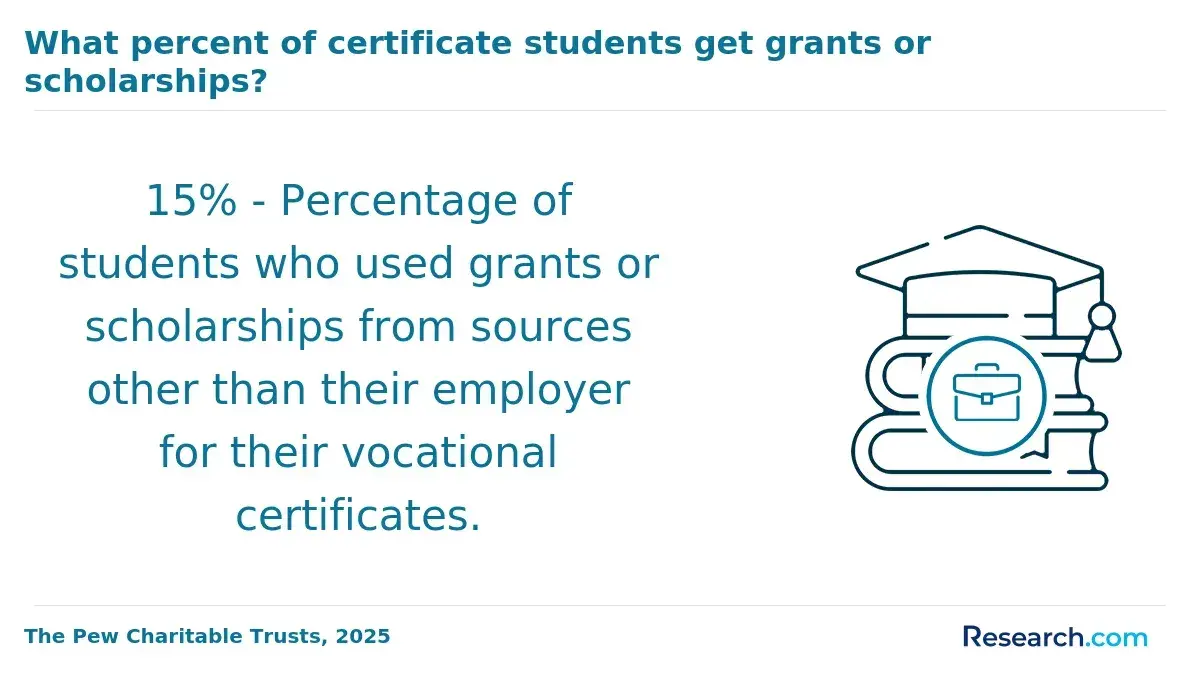
Students enrolled in accelerated or traditional media arts degree programs in the United States may qualify for financial aid, though eligibility and funding schedules differ based on program length and enrollment status. Understanding these variations is essential for managing tuition costs effectively.
Here is a comparison of financial aid options for accelerated and traditional formats:
- Federal Aid Eligibility: Both program types can access federal loans and grants, but accelerated students often face stricter enrollment criteria and may need to coordinate funding around condensed or year-round terms.
- Scholarship Timelines: Traditional students benefit from scholarships tied to regular academic calendars and full-time enrollment, while accelerated learners might have limited scholarship windows due to their nonstandard semesters.
- Employer Tuition Assistance: This support is more commonly aligned with traditional schedules, though some employers do support accelerated study if it meets workforce demands.
- Pace and Disbursement: Accelerated degrees may require more frequent aid renewal or adjustments in disbursement timing, demanding careful financial planning throughout the program.
One professional who pursued an accelerated media arts degree described his financial aid experience as a balancing act.
He explained, "It was challenging to sync my aid applications with the faster pace; deadlines came up quicker, and I had to reapply more often than my peers in traditional programs." Despite the hurdles, he found that staying in close contact with the financial aid office helped him navigate the process smoothly.
"The expedited schedule meant more paperwork in less time, but the support was there when I reached out. Ultimately, the accelerated path allowed me to enter my career sooner, and financial aid made it possible."
What Kind of Student Support Do Accelerated vs. Traditional Media Arts Programs Offer?
Student support is essential for academic success, yet its form and availability can vary widely between accelerated and traditional media arts programs. Differences emerge in how, when, and through which platforms these services are provided, impacting the overall student experience.
Below is a comparison of common support types found in both program structures.
- Academic Advising: Traditional programs usually offer regular, face-to-face advising with in-depth, ongoing guidance throughout the semester, enabling comprehensive academic planning. Accelerated tracks often use shorter, more frequent digital or group advising sessions to accommodate condensed schedules.
- Tutoring: Students in traditional media arts have access to established tutoring centers with flexible hours catering to a broad skill set. In accelerated formats, tutoring tends to be targeted, intensive, and brief to address immediate challenges and maintain pace.
- Career Services: Traditional students often benefit from a variety of workshops, internships, and networking opportunities spread across their study duration. Accelerated students receive fast-paced, focused support like virtual job fairs or portfolio reviews aimed at quick transition to employment.
- Peer Interaction: Traditional programs encourage ongoing peer collaboration through group projects and campus events, fostering deeper connections. Accelerated formats may rely more on online forums or short-term group interactions due to limited time.
Do Graduates from Accelerated vs. Traditional Media Arts Programs Get Hired More Quickly?
Employment outcomes are often a major factor when deciding between accelerated and traditional media arts programs. While both options can open doors to promising careers, various elements influence the speed at which graduates secure jobs.
Below is a look at key hiring trends and factors affecting job placement for graduates from these program types. Key insights include:
- Employer Perception: Creative industry employers often associate traditional programs with deeper theoretical understanding, yet accelerated graduates are appreciated for their current technical skills and flexibility.
- Career Readiness: Accelerated courses focus heavily on practical digital skills relevant to fast-changing media sectors, which can help graduates enter technology-driven roles faster.
- Industry Demand: With digital media expected to grow annually by 12.8% through 2030, up-to-date digital expertise increasingly favors both accelerated and traditional alumni in hiring.
- Job Placement Speed: Studies show accelerated program graduates tend to find digital media employment up to 20% quicker, especially in regions with developed online media markets.
Asked about her experience, a professional who completed a traditional media arts degree shared that despite an initial longer job search compared to peers from accelerated tracks, she ultimately secured a fitting position within months.
She reflected on the value of comprehensive training, saying, "The depth of my studies gave me confidence during interviews and prepared me for complex projects."
Her journey underscored that while hiring speed varies, thorough preparation and persistence are key to success.
Are Accelerated Media Arts Degrees Accredited the Same Way as Traditional Programs?
Accreditation ensures academic quality and legitimacy for both accelerated and traditional media arts programs, regardless of pacing or delivery format. It plays a crucial role in maintaining standards that affect financial aid eligibility, credit transferability, and employer recognition.
Institutions offering media arts degrees must meet rigorous criteria designed to uphold educational excellence and faculty qualifications. This consistency guarantees that students earning an accelerated degree receive an education equivalent in quality to traditional programs.
For those seeking reputable options, reviewing lists of accredited online non profit universities can help identify programs that meet these essential standards.
The accreditation standards for accelerated media arts degrees typically apply equally to all formats, ensuring that regional or programmatic accrediting bodies hold institutions accountable under the same criteria. Notably, the Accrediting Council on Education in Journalism and Mass Communications (ACEJMC) accreditation for media arts programs explicitly covers various delivery methods, including accelerated and distance learning.
While the coursework design may differ-with accelerated programs condensing content into shorter timeframes-the credit hour and faculty contact requirements remain consistent.
Students should always verify that their chosen institution and program are accredited by a recognized agency to ensure their degree is widely accepted by employers and qualifies for federal financial aid.
How Do You Choose Between an Accelerated vs. Traditional Media Arts Degree?
Choosing between an accelerated vs traditional media arts degree depends largely on a student's career goals, schedule flexibility, and preferred learning pace. Both degree formats offer distinct advantages that align with different personal circumstances and priorities.
Students should carefully evaluate key factors before deciding which program best fits their needs, considering the most important elements of any Media Arts degree program comparison factors. The main factors to consider include:
- Time Commitment: Accelerated programs typically halve the duration of traditional degrees, enabling faster entry into the workforce but requiring full-time dedication and intense focus. Traditional programs last about four years, allowing for a slower, more manageable pace.
- Learning Style: Accelerated media arts degrees suit highly motivated, independent learners ready for a rigorous schedule with little downtime. Traditional degrees favor students who prefer steady pacing, deeper engagement, and opportunities for internships and extracurricular activities.
- Career Goals: Fast-track options support students eager to advance quickly and save on educational costs by completing combined bachelor's and master's credentials in fewer years. Meanwhile, traditional degrees offer broader development, expanded networking opportunities, and flexibility to balance work and study.
For those focused on affordability and speed, exploring the cheapest online bachelor's degree programs can also be beneficial.
Ultimately, choosing accelerated vs traditional media arts degree paths requires aligning personal priorities with academic and professional objectives to find the right fit.
What Students of Accelerated vs. Traditional Media Arts Programs Say About Their Degree
- Allan: "Enrolling in a traditional media arts program gave me a solid foundation with a balanced pace that allowed me to deeply absorb each subject. While the average cost was manageable, I did feel some financial strain, but the networking opportunities and hands-on projects really prepared me well for the creative industry. I'm grateful for the comprehensive learning experience it offered."
- Jaxon: "The accelerated media arts degree pushed me like no other; the fast pace was intense and sometimes overwhelming, but it forced me to rapidly develop essential skills. Cost-wise, it was a bit steeper upfront, but finishing sooner means I could enter the job market faster, which has already helped my career progression. It's been a challenging yet rewarding journey."
- Gunnar: "My traditional media arts program combined both theory and practical work, which I appreciated, although the semester load sometimes felt slow for someone eager to advance quickly. Tuition fees were standard, and while it required patience, it gave me time to truly refine my craft and build confidence. Looking back, the steady pace and detailed curriculum definitely shaped my creative outlook."
Other Things You Should Know About Traditional vs. Accelerated Media Arts Degrees
In 2027, employers generally recognize the value of accelerated media arts degrees due to the same accreditation and curriculum standards as traditional programs. However, they may question whether graduates have developed the same depth of experience and practical skills within a shorter timeframe.
Yes, students in accelerated media arts programs can develop comparable practical skills, though they must be prepared for a more intensive workload.
These programs often compress hands-on projects and internships into shorter time frames, requiring high levels of focus and dedication. Skill mastery depends largely on the student's commitment and the curriculum's rigor.
Networking opportunities may vary significantly; traditional programs often provide more extensive connections due to longer durations and established events. Accelerated programs, being shorter, might offer limited networking but focus on intensive collaborations and streamlined industry interactions. Students should weigh the significance of networking in their career plans when choosing between the two.
References
- Media Arts and Technology Master of Science Degree https://www.rit.edu/study/media-arts-and-technology-ms
- 2025 Most Affordable Online Colleges for Art Degrees https://www.onlineu.com/most-affordable-colleges/art-design-degrees
- The Antoinette Westphal College of Media Arts & Design https://catalog.drexel.edu/undergraduate/collegeofmediaartsanddesign/
- Admission | LSU Digital Media Arts & Engineering https://dmae.lsu.edu/admissions
- 5 Best Online Art Degrees | Find Affordable Options https://www.affordablecollegesonline.org/degrees/art-schools/
- How To Choose Between Online Vs. Traditional Education Programs | PLNU https://www.pointloma.edu/resources/accelerated-undergraduate/how-choose-between-online-vs-traditional-education-programs
- F.I.R.S.T Institute: Short-Term Media Programs vs. Degrees https://www.first.edu/blog/short-term-media-programs-vs-degrees/
- Scholarships for Accelerated Programs https://blog.cuw.edu/scholarships-accelerated-programs-2163-9/


