
2027 How to Become a DevOps Engineer: Education, Salary, and Job Outlook

Co-Founder and Chief Data Scientist
Choosing a DevOps career means deciding whether you want to work at the intersection of software engineering, cloud infrastructure, automation, security, and operations. DevOps engineers help organizations release software faster without sacrificing reliability, which makes the role important in companies that depend on cloud platforms, continuous deployment, and always-on digital services.
This guide explains what it takes to become a DevOps engineer, including the credentials employers value, the technical and workplace skills you need, common career paths, salary expectations, internship options, advancement strategies, work settings, and challenges. It is designed for students, career changers, IT professionals, and software developers who want a practical view of the field before investing time in training, certifications, or a degree program.
What are the benefits of becoming a DevOps engineer?
- The DevOps engineer role is expected to grow 25% by 2025, reflecting high demand in cloud computing and automation.
- Average salaries range from $90,000 to $130,000 annually, offering competitive compensation for skilled professionals.
- This career blends software development and IT operations, ideal for those eager to innovate and streamline system deployments.
What credentials do you need to become a DevOps engineer?
DevOps engineering does not have a single mandatory credential or licensing path. Employers usually look for a combination of technical education, hands-on infrastructure experience, cloud skills, and proof that you can automate, deploy, monitor, and troubleshoot production systems. A degree can help you qualify for more roles, but a strong project portfolio and relevant certifications can also carry significant weight.
The most useful credentials depend on the type of DevOps role you want. Cloud-heavy roles may prioritize AWS, Azure, or Google Cloud credentials. Platform engineering roles may favor Kubernetes and infrastructure-as-code experience. Security-focused DevOps roles may value cloud security and automation experience.
- Degree in Computer Science or IT: A bachelor’s degree is common in job postings because it signals a foundation in programming, systems, databases, networking, and software development. It is not always required, especially for candidates with strong professional experience or a portfolio. Students who want a faster entry point may compare options such as the best associate's degree in 6 months, though they should confirm accreditation, transfer options, and employer recognition before enrolling.
- AWS Certified DevOps Engineer: This credential validates skills in operating, deploying, and managing applications on Amazon Web Services. It is most useful for candidates targeting organizations that run production systems on AWS.
- Certified Kubernetes Administrator (CKA): Kubernetes is widely used for container orchestration, so this certification can help show that you understand cluster administration, workloads, networking, storage, and troubleshooting.
- Docker Certified Associate: Docker experience supports container-based development and deployment workflows. Even when employers do not require this credential, container fluency is often expected in DevOps roles.
The best DevOps certifications for 2025 emphasized cloud platforms, automation, container management, and production operations. Certifications can strengthen your resume, but they are not substitutes for hands-on work. A hiring manager will usually want to see that you can build a CI/CD pipeline, manage infrastructure as code, deploy containers, monitor systems, respond to incidents, and document your work clearly.
There are no formal licensing requirements by state or country for DevOps engineers. Instead, requirements vary by employer, industry, and system risk. A financial services company may care more about compliance and change control, while a startup may prioritize speed, automation, and cloud cost control.
What skills do you need to have as a DevOps engineer?
A DevOps engineer needs both engineering depth and operational judgment. The role is not just “using tools.” It requires understanding how software moves from code to production, how infrastructure supports that software, how failures are detected, and how teams coordinate changes safely.
Core technical skills
- Programming and Scripting: Python, Bash, or similar languages help you automate repetitive work, write deployment scripts, parse logs, and solve environment issues. You do not always need to be a full-time application developer, but you should be comfortable reading and writing code.
- Linux/Unix Fundamentals: Many production systems run on Linux. DevOps engineers should understand the command line, file permissions, processes, package management, shell scripting, system services, and logs.
- Networking Basics: You need practical knowledge of the OSI model, IP addressing, subnetting, firewalls, DNS, load balancing, routing, and TLS because deployment and reliability problems often come down to network behavior.
- Cloud Platforms: Hands-on experience with AWS, Azure, or Google Cloud is important for provisioning resources, managing permissions, automating infrastructure, monitoring usage, and controlling costs.
- Version Control: Git is essential for tracking code, reviewing changes, collaborating with other engineers, and managing infrastructure-as-code repositories.
- CI/CD Pipelines: Tools such as Jenkins or GitLab CI support automated testing, integration, deployment, and rollback workflows. Strong DevOps engineers know how to design pipelines that are repeatable, observable, and secure.
- Containers and Orchestration: Docker and Kubernetes help package, deploy, scale, and manage applications consistently across environments.
- Infrastructure as Code (IaC): Terraform and Ansible allow teams to define infrastructure through code, reduce manual configuration errors, and recreate environments reliably.
- Monitoring and Observability: Prometheus and Grafana help teams track system health, visualize performance, and detect issues before they become major outages.
- Security Practices: DevOps engineers increasingly work with “shift-left” security, secret management, least-privilege access, vulnerability scanning, patching, and secure deployment practices.
Workplace skills that matter
- Collaboration and Communication: DevOps depends on cooperation between developers, operations, security, QA, product teams, and business stakeholders. You must be able to explain technical risks in plain language.
- Incident Response: When systems fail, DevOps engineers need to stay calm, diagnose quickly, communicate status, and help restore service.
- Documentation: Clear runbooks, architecture notes, deployment instructions, and post-incident reviews reduce team dependency on one person.
- Prioritization: DevOps work can include feature support, infrastructure upgrades, security fixes, cost optimization, and emergencies. Knowing what matters most is part of the job.

What is the typical career progression for a DevOps engineer?
DevOps career progression usually moves from task execution to system ownership and then to architecture, strategy, or leadership. Early roles focus on learning tools and processes. Mid-level roles require independent ownership of pipelines, cloud environments, and deployments. Senior roles involve designing platforms, mentoring teams, improving reliability, and making technical trade-offs that affect the business.
- Entry-Level Roles: Titles such as Junior DevOps Engineer or DevOps Intern usually focus on CI/CD basics, automation scripts, source control, monitoring, documentation, and support tasks. These roles typically require a bachelor's degree and offer salaries ranging from $60,000 to $75,000 annually.
- Mid-Level Positions: Roles such as DevOps Engineer or Cloud DevOps Engineer involve managing infrastructure, improving release processes, supporting production systems, and implementing DevOps practices across teams. Compensation in this phase usually falls between $90,000 and $115,000 per year.
- Senior and Leadership Roles: Experienced professionals may become Senior DevOps Engineers, DevOps Architects, platform engineers, or technical leads. These positions command salaries that often surpass $130,000 and emphasize architecture, reliability strategy, mentoring, governance, and cross-team influence.
- Specializations and Lateral Moves: DevOps can lead to specialized roles such as Automation Architect, DevOps Security Engineer, Cloud Infrastructure Engineer, Site Reliability Engineer (SRE), or platform engineer. These paths allow professionals to deepen expertise in reliability, security, cloud architecture, developer productivity, or large-scale infrastructure.
A strong career path is not always linear. Some professionals come from systems administration, IT support, QA automation, cybersecurity, software engineering, or cloud administration. The best route depends on your starting skills and the type of systems you want to support.
How much can you earn as a DevOps engineer?
DevOps engineering can be a high-paying career because the role affects software delivery speed, system uptime, cloud efficiency, and operational risk. Pay varies widely, so salary expectations should be based on experience level, location, industry, education, certifications, and the complexity of the systems you manage.
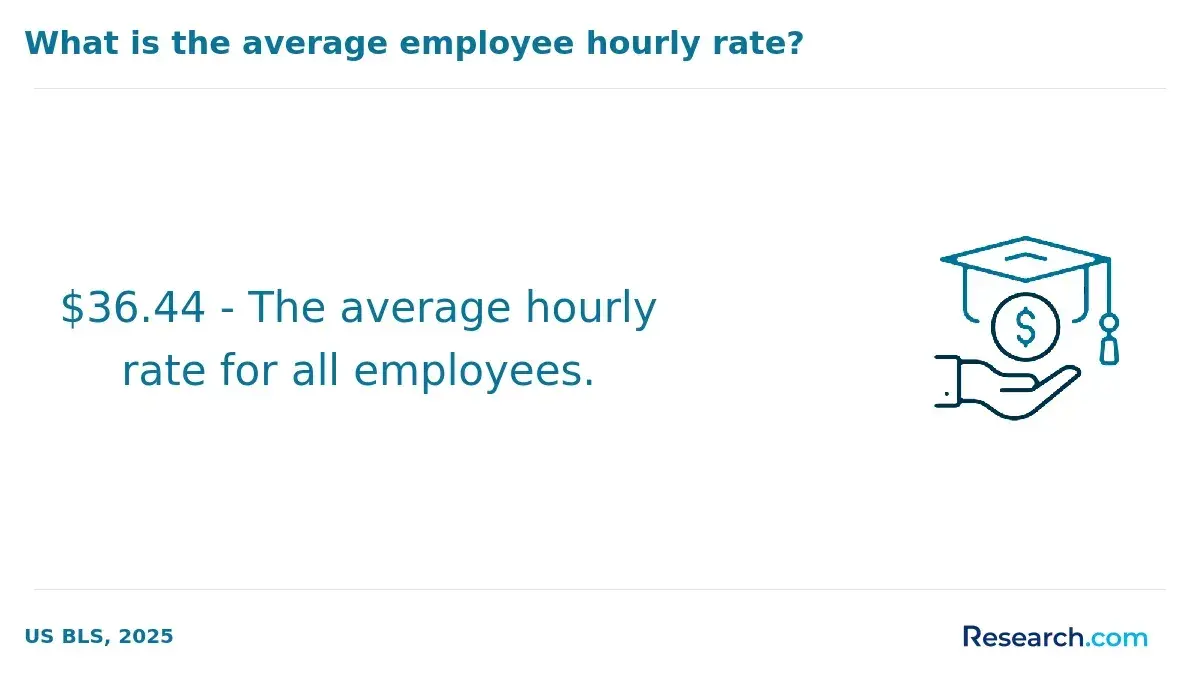
In the United States for 2025, the median salary stands around $108,160 annually, with typical hourly rates near $52.00. Entry-level roles usually start between $80,000 and $95,000, already higher than the national median for all jobs. With five years of experience, salaries often rise above $115,000, and after a decade, they can exceed $133,000-a significant jump from starting wages.
Education can influence compensation, especially for employers that use degree requirements in screening or promotion decisions. Most employers require a bachelor's degree, but advanced degrees boost earning potential. Those with a master's degree average about $130,400, while PhD holders can earn $155,480 or more. Candidates comparing degree options should consider more than speed or ease; if you are asking what's the easiest degree to get, also evaluate whether the program teaches programming, networking, cloud systems, databases, and cybersecurity fundamentals.
Certifications can also improve earning potential when they match the employer’s technology stack. AWS, Azure, Google Cloud, Kubernetes, security automation, and infrastructure-as-code skills are especially useful in roles where engineers support production cloud systems.
Location remains a major factor. Tech centers like San Francisco and Columbus, Ohio, often see salaries surpassing $150,000, influenced by demand and living costs. Industry also matters. Finance, healthcare tech, and major cloud providers typically pay more than smaller firms or non-tech organizations. Expertise in niche skills like Kubernetes, security automation, or FinOps is increasingly rewarded, allowing top earners to surpass $200,000 annually in some cases.
What internships can you apply for to gain experience as a DevOps engineer?
DevOps internships are valuable because they give students and early-career professionals exposure to real deployment workflows, cloud environments, monitoring tools, and team collaboration. The best internships are not limited to one tool; they help you understand how code, infrastructure, testing, security, and operations connect.
Exploring DevOps internship remote opportunities can expand your options, especially if you do not live near a major technology hub. Remote internships can be effective when they include structured mentoring, access to real projects, and clear expectations for documentation and communication.
- Lumen and Alarm.com: Interns may work with senior engineers to automate manual tasks, build CI/CD pipelines, and optimize cloud infrastructure using tools such as Kubernetes, Terraform, and Prometheus.
- Lawrence Livermore National Laboratory: Government lab internships can expose undergraduates to high-performance computing, Agile methods, and rapid web application development through fast-paced sprints.
- Nonprofits and healthcare providers: These organizations may offer internships focused on digital transformation, infrastructure automation, data protection, and sector-specific operational challenges.
- Financial services firms: DevOps interns can gain experience with automation, infrastructure management, security, compliance, and regulated deployment environments.
How to make a DevOps internship application stronger
- Build a small project that uses Git, a CI/CD workflow, containers, and cloud deployment.
- Show that you can write clear documentation, not just code.
- Practice basic Linux, networking, and troubleshooting before interviews.
- Be ready to explain a time you automated a manual process or improved a workflow.
- Look beyond software companies; healthcare, finance, government, telecommunications, and nonprofits also need DevOps support.
For students still building their academic foundation, pursuing the fastest associate degree can be one way to start, provided the program supports your long-term goals and gives you relevant technical coursework.
As interest grows in DevOps engineer internships for summer 2025, students should use remote opportunities, campus career offices, employer career pages, open-source work, and professional networks to find practical experience.
How can you advance your career as a DevOps engineer?
Advancing in DevOps requires more than collecting tools. The engineers who move into senior, architect, SRE, platform, or leadership roles usually develop stronger judgment: they know when to automate, when to simplify, how to reduce risk, and how to make systems easier for other teams to use.
- Continued Learning: Stay current through workshops, online courses, labs, technical documentation, bootcamps, and internal engineering projects. Emerging areas such as AI-powered development, chaos engineering, cloud automation, platform engineering, and reliability practices can help you remain competitive.
- Certifications: Credentials such as AWS Certified DevOps Engineer, Docker Certified Associate, or Kubernetes Administrator can validate skills and support promotion or job mobility. Choose certifications that match your target roles rather than collecting unrelated badges.
- Networking: DevOps communities, conferences, meetups, open-source projects, and professional platforms can expose you to new practices and hidden job opportunities. Networking is also useful for learning how other teams solve scaling, reliability, and deployment problems.
- Mentorship: A mentor can help you avoid common mistakes, prepare for senior responsibilities, and understand trade-offs in architecture and operations. Acting as a mentor also builds leadership skills and reinforces your own technical knowledge.
- Business Impact: Track outcomes, not just tasks. Promotion cases are stronger when you can show that your work reduced deployment failures, improved uptime, sped up releases, lowered cloud waste, strengthened security, or made developers more productive.
Where can you work as a DevOps engineer?
DevOps engineers work anywhere software, cloud infrastructure, and reliable digital services matter. Opportunities are not limited to traditional technology companies. Many organizations now need engineers who can modernize infrastructure, automate deployments, secure systems, and support distributed teams.
- Technology & Software Development: Companies such as Google, Amazon, and Microsoft rely on DevOps practices to manage cloud infrastructure, improve CI/CD workflows, maintain uptime, and support large-scale services.
- Financial Services: Banks and fintech firms such as JPMorgan Chase and Stripe use DevOps to modernize legacy systems, improve release speed, support cloud migration, and meet security and compliance requirements.
- Healthcare: Organizations like Mayo Clinic use DevOps practices for electronic health records, telemedicine, AI diagnostics, secure infrastructure, and HIPAA-sensitive systems.
- E-commerce & Retail: Retail leaders including Walmart and Target use DevOps to handle traffic spikes, deploy features quickly, personalize digital experiences, and maintain reliable shopping platforms.
- Telecommunications: Verizon and AT&T employ DevOps professionals to maintain networks, support 5G updates, automate infrastructure, and improve service reliability.
- Government & Education: Federal agencies, states, universities, nonprofits, and research institutions use DevOps to modernize digital services, strengthen cybersecurity, and support large user populations.
- Manufacturing & Logistics: Tesla, GE, FedEx, and UPS use DevOps practices to support supply chains, IoT systems, smart operations, predictive maintenance, and logistics platforms.
When comparing locations, consider more than job count. The Best States for DevOps Engineers and the Top Cities for DevOps Jobs may differ based on salary, cost of living, remote-work availability, industry mix, and concentration of cloud employers. Remote and hybrid roles can also make it possible to work for organizations outside your local market.
If you are still choosing an education path, compare cost, accreditation, course content, and financial aid eligibility. Options such as cheapest online universities that accept financial aid may help reduce upfront costs while you build the technical foundation needed for DevOps roles.
What challenges will you encounter as a DevOps engineer?
DevOps can be rewarding, but it is also demanding. The role often sits between development, operations, security, and business priorities, which means DevOps engineers can face pressure from multiple directions. Understanding the challenges early helps you decide whether the work fits your temperament and how to prepare.
- Resistance to cultural change: DevOps depends on shared ownership, collaboration, and transparency. In organizations where development and operations teams work in silos, changing habits can be harder than changing tools.
- Rapid technological evolution: Tools, cloud services, deployment models, and security practices change quickly. Engineers must keep learning without chasing every trend. The goal is to select stable, useful tools that solve real problems.
- High workload and pressure: DevOps teams often support many developers while maintaining complex infrastructure. Outages, failed deployments, security incidents, and urgent production issues can create stressful workdays and occasional long hours.
- Complex tool integration: A reliable workflow may include source control, CI/CD, container registries, cloud services, IaC, secrets management, monitoring, logging, alerting, and security scanning. Integrating these tools cleanly requires planning and maintenance.
- Security and compliance demands: DevOps engineers may need to support audits, access controls, vulnerability remediation, change management, and policy enforcement while still enabling fast delivery.
- Ambiguous ownership: In some organizations, “DevOps” becomes a catch-all for every infrastructure, deployment, and production issue. Strong teams define responsibilities, escalation paths, service ownership, and realistic on-call expectations.
What tips do you need to know to excel as a DevOps engineer?
To excel as a DevOps engineer, focus on building reliable systems, reducing manual work, and making life easier for development and operations teams. The strongest DevOps professionals combine technical fluency with practical judgment and clear communication.
- Master automation and scripting with tools such as Bash, Python, and Git so you can replace repetitive manual steps with reliable workflows.
- Build hands-on projects that show the full delivery process: source control, testing, CI/CD, containerization, cloud deployment, monitoring, and documentation.
- Learn to troubleshoot systematically. Use logs, metrics, traces, network checks, and recent-change reviews instead of guessing.
- Develop collaboration skills. DevOps work often requires translating between developers, operations teams, security professionals, and nontechnical stakeholders.
- Use LinkedIn and professional communities to learn from experienced engineers, follow hiring trends, and discover roles that may not be widely advertised.
- Stay current through technical blogs, vendor documentation, webinars, labs, and certifications such as AWS Certified DevOps Engineer or Kubernetes Administrator.
- Write strong documentation. Good runbooks, deployment notes, diagrams, and incident reviews make systems more reliable and reduce team bottlenecks.
- Highlight measurable accomplishments on your resume, such as accelerating deployment times, improving security, increasing reliability, reducing manual work, or lowering infrastructure costs.
- Learn cloud cost awareness. DevOps engineers who understand resource sizing, autoscaling, storage costs, and FinOps principles can create meaningful business value.
How do you know if becoming a DevOps engineer is the right career choice for you?
DevOps engineering may be a strong fit if you enjoy automation, systems thinking, problem-solving, and collaborative technical work. It may be less appealing if you prefer narrowly defined tasks, minimal operational responsibility, or work that changes slowly. The role rewards people who can learn continuously and remain calm when systems behave unpredictably.
- Growth Mindset: Successful DevOps engineers are willing to keep learning new tools, cloud services, security practices, and operating models.
- Collaboration: This role is built around teamwork. You will work with developers, operations staff, security teams, QA, managers, and sometimes customers or internal users.
- Love of Challenge: If you enjoy diagnosing failures, improving workflows, testing ideas, and learning from mistakes, DevOps can be highly engaging.
- Responsibility and Agility: Continuous integration, rapid releases, and production support require comfort with accountability and fast adaptation.
- Passion for Improvement: DevOps culture values continuous improvement, shared learning, automation, feedback loops, and practical problem-solving.
- Career Outlook: Demand for DevOps engineers is projected to grow well beyond 2025, suggesting stable opportunities for people with the right technical and collaborative skills.
Ask yourself whether you like both building and operating systems. A software developer may focus more on application features, while a DevOps engineer often focuses on how software is delivered, scaled, secured, and monitored. A systems administrator may focus on infrastructure maintenance, while DevOps adds automation, code-based configuration, and closer collaboration with development teams.
If you want an education pathway that supports this career, compare programs carefully for accreditation, technical depth, transfer value, and employer recognition. Enrolling in nationally accredited online schools may help you build a foundation in computing while maintaining flexibility. Reflecting honestly on is DevOps engineering a good career choice for your strengths, stress tolerance, and long-term goals can help you make a better decision.
What Professionals Who Work a DevOps Engineer Say About Their Careers
- Ravi: "Working as a DevOps engineer has allowed me to connect development and operations in a practical way. Much of my work focuses on improving deployment speed, automating infrastructure, and making systems more reliable. The demand for people who can do that well gives this career strong stability and earning potential."
- Lennard: "DevOps keeps me learning. One day I may be improving a CI/CD pipeline, and the next I may be troubleshooting a cloud environment or helping a team prepare for a high-traffic release. The work can be demanding, but I value the mix of technical depth, urgency, and collaboration."
- Maki: "The career growth in DevOps has been strong for me because there are many ways to specialize. Certifications, cloud platforms, automation, monitoring, and reliability work all opened doors to senior engineering and architecture responsibilities. I take pride in building infrastructure that helps the whole company move faster."
Other Things You Should Know About Becoming a DevOps Engineer
In 2027, proficiency in multiple programming languages is beneficial but not strictly necessary. A strong grasp on languages like Python, Bash, and Go can significantly improve a DevOps engineer's ability to automate processes and manage infrastructure efficiently. Employers often value practical experience more than knowing many languages.
The job outlook for DevOps engineers in 2027 remains robust due to increasing demands for automation and agile methodologies. The role is expected to expand, with organizations seeking professionals skilled in integrating development and operations, enhancing overall productivity.
In 2027, cloud computing experience is crucial for DevOps engineers. As organizations increasingly rely on cloud platforms like AWS, Azure, and Google Cloud, proficiency in managing and deploying applications in cloud environments becomes essential for efficient and scalable operations.
In 2027, cloud computing experience is crucial for DevOps engineers. Many organizations utilize cloud services like AWS, Azure, and Google Cloud for deploying, managing, and scaling applications. A strong understanding of cloud environments enhances efficiency and collaboration in DevOps practices.
References
- Top 10 DevOps Engineer Skills to Boost Your Career in 2025 https://www.veritis.com/blog/top-10-skills-that-make-a-perfect-devops-engineer/
- Why DevOps? What Makes a Great DevOps Engineer? 10 Experts on DevOps https://www.stxnext.com/blog/why-devops
- DevOps Engineer Career Path Guide - DEV Community https://dev.to/egor_kaleynik_7dbe9393e86/devops-engineer-career-path-guide-39h5
- Instatus – The DevOps Career Path: A Complete Guide For 2025 – Instatus Blog https://instatus.com/blog/devops-career-path
- A Day in the Life of a DevOps Engineer: What does a DevOps engineer do? | by Andrey Byhalenko | Medium https://andreybyhalenko.medium.com/a-day-in-the-life-of-a-devops-engineer-what-does-a-devops-engineer-do-ba2c47e41dfa
- DevOps Engineer – who is he and what does he do? https://nofluffjobs.com/log/work-in-it/devops-engineer-who-is-he-and-what-does-he-do/
- DevOps engineer: A complete guide to skills and career path https://vallettasoftware.com/pillars/devops-engineer-path
- From Struggle to Success: How We Solve Common DevOps Challenges https://www.qovery.com/blog/from-struggle-to-success-how-we-solve-common-devops-challenges
- What is a DevOps Engineer? | Atlassian https://www.atlassian.com/devops/what-is-devops/devops-engineer
- The Roles and Responsibilities of DevOps Engineers https://www.cm-alliance.com/cybersecurity-blog/the-roles-and-responsibilities-of-devops-engineers


