
2027 Which Schools Offer Flexible Start-Anytime Enrollment for a Higher Education Program?

Co-Founder and Chief Data Scientist
Choosing a college program is not only about the major or credential. For many adult learners, working professionals, parents, military-connected students, and career changers, the bigger question is timing: can you start when you are ready, or do you have to wait for the next semester?
Start-anytime higher education programs are designed for students who need more flexible entry points than the traditional fall, spring, and summer calendar. Research shows that nearly 45% of adult learners prefer programs offering flexible start dates, which reflects how common it has become for students to balance school with employment, caregiving, relocation, and financial planning.
This guide explains how start-anytime enrollment works, what admission and transfer requirements may apply, how online and on-campus formats differ, what to know about accreditation and employer recognition, and how to compare programs before enrolling. The goal is to help you decide whether a flexible-start program fits your schedule, budget, and long-term education or career plans.
Key Benefits of Flexible Start-Anytime Enrollment for a Higher Education Program
- Flexible start-anytime enrollment allows students to begin courses monthly or quarterly, bypassing rigid semester schedules common in traditional higher education programs.
- This model supports working adults by enabling them to balance jobs and studies, often incorporating asynchronous learning to accommodate varied timetables.
- Online higher education enrollment grew over 20% in recent years, reflecting increased demand for flexible scheduling and accessibility among career changers and lifelong learners.
What Does "Start Anytime" Mean in a Higher Education Program?
A “start anytime” higher education program allows students to begin coursework outside the usual semester-based calendar. Instead of waiting for one or two fixed start dates each year, students may be able to enroll at several points throughout the year, begin a new module shortly after admission, or access course materials soon after registration.
The exact meaning varies by institution. Some programs truly offer rolling starts, while others use frequent start dates, such as monthly sessions or short academic blocks. Students should confirm whether “start anytime” means immediate course access, the next available module, or entry during one of several scheduled terms.
How start-anytime learning usually works
- Rolling or frequent enrollment: Students can apply and begin at multiple points during the year rather than waiting for a traditional semester.
- Short course modules: Courses may be organized into smaller blocks, allowing students to focus on fewer subjects at a time.
- Flexible pacing: Some programs allow students to move faster or slower within defined academic limits, while others still require weekly deadlines.
- Early access to materials: In some formats, students receive access to readings, assignments, and learning platforms soon after enrollment.
- Advisor-supported planning: Because students may enter at different times, advising is important for course sequencing, financial aid timing, and degree progress.
This format can be especially useful for students who cannot pause work or family responsibilities until the next semester. It can also help motivated learners maintain momentum after deciding to return to school. However, flexibility does not mean a program is easier or less structured. Students still need to meet admission standards, complete required coursework, follow academic policies, and manage deadlines.
Students exploring advanced or specialized pathways, including options such as EdD online programs, should look closely at how each school defines flexible enrollment before applying.
What Are the Admission Requirements for Start-Anytime Higher Education Programs?
Start-anytime programs may be more flexible about when students begin, but they are not automatically open-admission programs. Most schools still review academic history, program readiness, documentation, and, in some cases, work experience before allowing students to enroll.
Admission requirements vary by degree level, field, and institution. A certificate or associate program may have different standards from a bachelor’s, master’s, or doctoral program. Students should also check whether admission to the institution is separate from admission to a specific major, cohort, or professional track.
- Prior education: A high school diploma or equivalent is typically required for undergraduate entry. Applicants are often asked to provide official transcripts so the school can verify completion and review academic background.
- GPA requirements: Many programs set a minimum GPA, commonly between 2.0 and 3.0 on a 4.0 scale. A lower GPA does not always end the process, but it may require conditional admission, additional documentation, or prerequisite coursework.
- Standardized tests: Some programs waive SAT or ACT requirements, especially for adult learners or online students. Others may still require testing for selective admission, placement, scholarship consideration, or advanced standing.
- Professional experience: Relevant work experience may strengthen an application and, in some cases, help satisfy program prerequisites. This is most common in adult-focused, career-oriented, or graduate programs.
- Supporting documentation: Applicants may need letters of recommendation, a personal statement, proof of certifications, a resume, or other evidence of readiness for college-level study.
According to the National Center for Education Statistics, about 45% of undergraduate online students enrolled in programs with flexible start dates in 2022, reflecting growing interest in enrollment models that fit nontraditional schedules.
Questions to ask before applying
- Can I be admitted immediately, or only at the next available start date?
- Are transcripts required before I can register for courses?
- Does the program offer conditional admission if I am missing one document?
- Are placement tests or prerequisite courses required?
- Will admission deadlines affect financial aid eligibility?
Students comparing flexible pathways, including options such as an accelerated online psychology degree, should review admission rules early so that transcript delays or missing documents do not postpone enrollment.
Can Transfer Students Enroll Immediately in Start-Anytime Higher Education Programs?
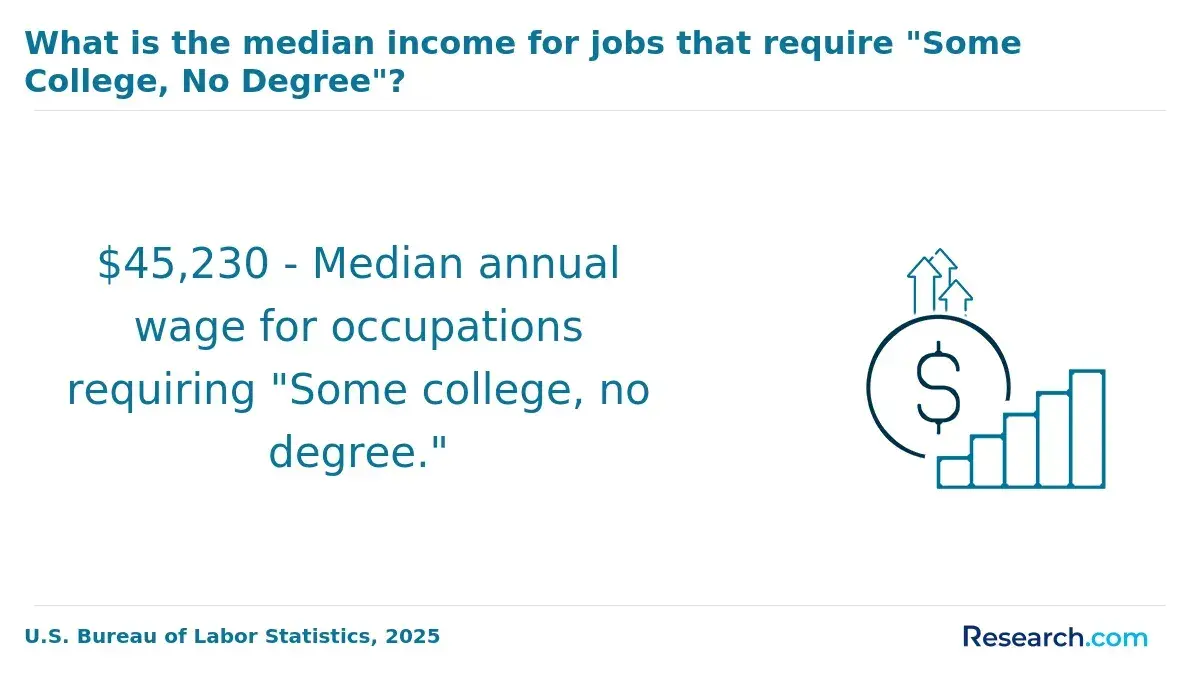
Transfer students may be able to apply to a start-anytime program quickly, but they cannot always begin coursework immediately. The main reason is credit evaluation. Before advisors can place a transfer student into the right courses, the institution usually needs to review official transcripts and determine which credits apply to the new program.
In practice, transfer enrollment depends on both the flexibility of the program and the speed of the school’s transcript review process. Students with straightforward general education credits may move faster than students transferring major-specific, technical, clinical, or graduate-level coursework.
- Credit evaluation timeline: Institutions often need several weeks to review transcripts and confirm which credits meet their academic standards. Until the review is complete, students may not know which courses they still need.
- Prerequisite verification: Transfer students must show that previous coursework satisfies prerequisites before enrolling in advanced courses. If a prerequisite is missing or does not match, the student may need to start with an earlier course.
- Application scheduling: Rolling admissions can speed up the process, but transfer applicants should still apply early enough for transcript review, advising, and course planning.
- Enrollment criteria: Some schools restrict registration for certain courses until transfer credits are officially posted, which can delay a student even in a flexible-start format.
How transfer students can avoid delays
- Request official transcripts from every prior institution as early as possible.
- Ask whether unofficial transcripts can be used for preliminary advising.
- Confirm the maximum number of credits the program will accept.
- Ask which transferred courses count toward major requirements, not just electives.
- Get a written degree plan before registering for the first term or module.
A graduate of a higher education degree program described entering a start-anytime format as encouraging but not instant. She expected to begin right away, then learned that the credit review process took “longer than expected,” delaying enrollment by several weeks. Submitting official transcripts early and staying in contact with advisors helped her understand course alignment and avoid unnecessary setbacks. As she put it, “It wasn’t instant, but the flexibility made it possible to keep moving forward without losing time.”
Are Start-Anytime Higher Education Programs Offered in Both Online and On-Campus Formats?
Yes. Start-anytime higher education programs can be offered online or on campus, but online options are generally more common because digital delivery is easier to align with rolling enrollment, asynchronous coursework, and modular scheduling.
On-campus start-anytime options do exist, especially at community colleges, continuing education centers, workforce training programs, and institutions that use short accelerated terms. However, they may still require students to attend class at fixed times once the course begins.
- Format availability: Online start-anytime programs are more widespread because students can access materials through a learning platform and begin during frequent entry points. On-campus flexible-start courses are usually more limited and depend on classroom schedules, instructor availability, and local demand.
- Scheduling and pacing: Online courses often use asynchronous learning, which allows students to complete work without attending live class meetings. On-campus programs typically follow set class times and may use accelerated terms lasting 4 to 8 weeks.
- Accessibility and convenience: Online programs reduce commuting and make it easier to study around work or caregiving. On-campus programs may be better for students who need hands-on labs, face-to-face support, or structured class routines.
- Student preferences: Students who want direct interaction with instructors and classmates may prefer on-campus study. Students who need maximum scheduling flexibility often choose online delivery.
Which format is a better fit?
- Choose online if your work hours change, you live far from campus, you need asynchronous access, or you are comfortable managing deadlines independently.
- Choose on campus if you learn better through in-person discussion, need lab or clinical resources, or want a more structured weekly schedule.
- Consider hybrid options if you want online convenience but still need occasional in-person instruction, testing, advising, or practical training.
The best format is not simply the most flexible one. It is the one that matches the way you learn, the requirements of your field, and the amount of time you can realistically commit each week.
How Does a Start-Anytime Higher Education Program Structure Academic Terms and Course Modules?
Start-anytime programs usually replace the traditional semester model with rolling terms, short modules, or competency-based progress markers. The goal is to let students begin more frequently while still maintaining academic structure, instructor support, assessment standards, and degree requirements.
Students should not assume that a flexible start means there are no deadlines. Many programs still have weekly assignments, module end dates, proctored exams, minimum participation rules, and limits on how long a student can take to complete a course.
- Flexible term schedules: Instead of relying only on fixed semesters, programs may offer rolling enrollment or multiple start dates throughout the year. This can help students begin when work, family, or finances make attendance possible.
- Modular course design: Courses are often divided into shorter units, usually lasting between 4 and 8 weeks. This can make the workload feel more focused, but accelerated modules may also require steady weekly effort.
- Self-paced progression: Some programs allow students to accelerate or slow down within approved time limits. This can benefit disciplined learners, but it may be challenging for students who need frequent reminders or live class structure.
- Competency-based advancement: In some programs, students move forward by demonstrating mastery of specific skills or subject areas rather than simply completing a set number of class meetings.
Common term models
- Rolling enrollment: Students enter when admitted and begin the next available course or module.
- Monthly or frequent starts: Students choose from regularly scheduled start dates throughout the year.
- Accelerated blocks: Students complete one or two courses at a time in shorter terms.
- Self-paced courses: Students work through material independently, subject to program deadlines and assessment rules.
Before enrolling, ask for a sample academic calendar and a typical weekly workload. A program may advertise flexible starts but still require significant time each week once a module begins.
How Do Tuition Payment Schedules Work for Start-Anytime Higher Education Programs?
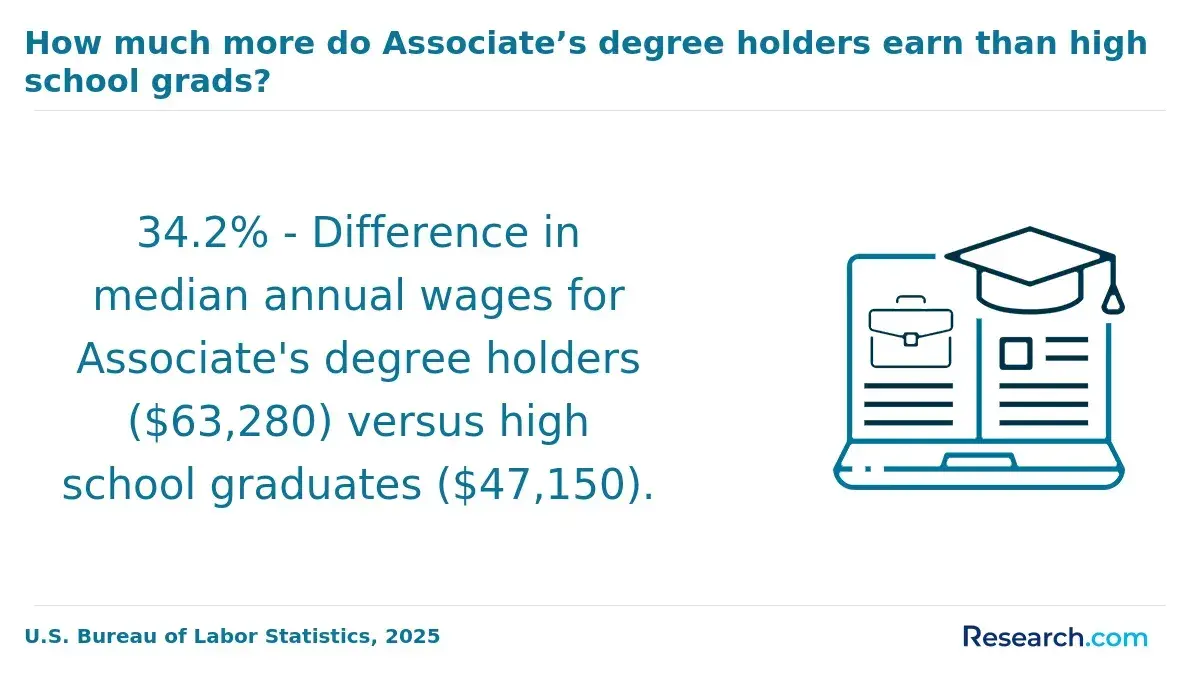
Tuition payment schedules in start-anytime programs are often tied to modules, terms, course registrations, or subscription-style enrollment periods. Because students may begin at different times, billing may not follow the same timeline as a traditional semester program.
The key issue is not only the total tuition cost but also when charges are due. A flexible program can still create financial strain if payment deadlines arrive before aid is disbursed, employer reimbursement is processed, or personal funds are available.
- Per-term or per-module billing: Many programs charge students for the courses or modules they are actively taking. This can support a pay-as-you-go approach, but students should confirm whether fees are added each term.
- Installment plans: Some schools allow students to divide tuition into several payments rather than paying the full amount upfront. These plans may align with the length of a course module or enrollment period.
- Payment deadlines: Tuition is generally due before a new course, module, or term begins. Missing a deadline may result in registration holds, loss of course access, or late fees.
- Financial planning coordination: Flexible billing can help working adults align payments with income cycles, but students should plan for books, technology, fees, and gaps between billing and aid disbursement.
- Support services: Schools may provide tuition calendars, financial counseling, and payment plan information. Students should use these services before registering, not after a balance becomes overdue.
Financial questions to ask before enrollment
- Am I billed by credit, course, module, term, or subscription period?
- When is payment due after I register?
- Are payment plans available for flexible-start students?
- Will financial aid cover modules that begin outside a traditional semester?
- What happens if I pause, withdraw, or change my pace?
Adult learners comparing affordability may also want to review examples such as cheap psychology masters programs to better understand how tuition structure, pacing, and total program cost can interact.
Do Start-Anytime Higher Education Programs Accept Transfer Credits?
Many start-anytime higher education programs accept transfer credits, but policies differ widely by school, degree level, accreditation status, subject area, and how closely prior courses match the new curriculum. Students should never assume that all previously earned credits will apply to the new degree.
Transfer credit can reduce cost and time to completion, but only if the credits count toward required courses. Credits that transfer only as electives may help with total credit requirements but may not shorten the path through the major.
- Evaluation of prior coursework: Institutions generally review previous courses for relevance, grades earned, course level, and the accreditation status of the prior school. Syllabi or course descriptions may be required for detailed review.
- Credit limits: Many programs restrict transfer credits to a portion of total required credits, often between 50% and 75%. This ensures that students complete a meaningful share of the program through the new institution.
- Prerequisites and degree requirements: A course may transfer to the institution but still not satisfy a specific program requirement. Core courses, professional courses, labs, clinicals, and capstone requirements may have stricter rules.
- Impact on start dates and progression: Transfer credits may not change the availability of flexible start dates, but they can affect course sequencing. Students should coordinate with advisors before registering to avoid repeating coursework or missing prerequisites.
Documents transfer students may need
- Official transcripts from all previous colleges
- Course descriptions or syllabi for major-specific classes
- Catalog information from the year the course was completed
- Military, professional, or certification records, if applicable
- Written transfer evaluation from the receiving institution
One student who moved from a traditional program to a start-anytime degree said the process was both stressful and reassuring. “It was a bit overwhelming at first to figure out which courses would count and getting all my transcripts reviewed,” he explained. Advisors helped him understand the evaluation, but he still had to plan his course sequence carefully. “Switching programs felt stressful, but knowing I could start anytime helped me stay on track while sorting out my transfer credits.”
Are Start-Anytime Higher Education Degree Programs Accredited?
Start-anytime degree programs can be accredited, but accreditation is not automatic. Students should verify accreditation before enrolling because it affects credit transfer, financial aid eligibility, graduate school options, professional licensing, and how employers evaluate the credential.
In the U.S., accreditation generally falls into regional and national categories. Regional accreditation is often more widely accepted by traditional colleges and may be preferred when students plan to transfer credits or pursue graduate study. National accreditation is often associated with career-focused or technical institutions. Depending on the field and employer, credits or degrees from nationally accredited schools may not transfer as easily.
The enrollment model does not determine academic quality by itself. A start-anytime program from a properly accredited institution may be credible, while a program with weak or unrecognized accreditation may create serious problems for students later.
How to verify accreditation
- Check the school’s accreditation page and identify the accrediting agency.
- Confirm that the accreditor is recognized by the U.S. Department of Education or the Council for Higher Education Accreditation (CHEA).
- For licensed fields, ask the relevant state licensing board whether the program meets education requirements.
- Confirm whether programmatic accreditation is required in your field, not just institutional accreditation.
- Ask whether credits from the program are commonly accepted by other institutions.
This step is especially important in fields such as nursing, education, counseling, engineering technology, and other areas where licensure, certification, or employer standards may depend on accreditation. A flexible start date is useful only if the credential supports your next academic or professional goal.
Do Employers Respect Start-Anytime Higher Education Degrees?
Employers are generally more concerned with the credibility of the institution, the relevance of the degree, the student’s skills, and the fit with the role than with whether the program used a start-anytime calendar. A flexible enrollment format does not automatically weaken a degree, but the program’s accreditation, reputation, and learning outcomes matter.
Flexible scheduling options have become increasingly common, with a notable 15% growth in rolling admissions among postsecondary institutions. This reflects broader demand for education pathways that support working adults, career changers, and students who cannot follow a traditional academic calendar.
- Program accreditation: Accreditation is one of the strongest signals of legitimacy. Employers are more likely to respect a degree from an accredited institution, whether the program uses regional or national accreditation.
- Industry standards: In fields with licensing, certification, or strict education requirements, employers usually focus on whether the program satisfies professional standards rather than whether it started in August, January, or another month.
- Skills gained: Employers increasingly value practical competencies, relevant experience, and evidence that graduates can perform the work. According to research published in the Journal of Workforce Development, 78% of employers value demonstrable skills and relevant experience when evaluating candidates with degrees earned through non-traditional schedules.
- Professional reputation of the field: Some industries are more familiar with online, accelerated, and flexible programs than others. Students entering highly regulated or traditional fields should be especially careful about program reputation.
- Labor market adaptability: Flexible-start programs can help adults retrain or advance without leaving the workforce. This can be valuable for students evaluating career paths, including those researching degrees that make the most money.
How to present a start-anytime degree to employers
- List the accredited institution and degree clearly on your resume.
- Emphasize relevant projects, internships, certifications, portfolios, or work experience.
- Avoid overexplaining the enrollment format unless asked.
- Be ready to describe what you learned and how it applies to the job.
- For career changes, connect coursework directly to the target role.
A start-anytime degree is most likely to be respected when it comes from a recognized school, aligns with industry expectations, and helps the graduate demonstrate job-relevant ability.
What Factors Should Students Consider When Choosing a Start-Anytime Higher Education Program?
Students should evaluate start-anytime programs the same way they would evaluate any college program, with extra attention to pacing, payment timing, transfer rules, and support services. Flexibility is valuable, but it should not outweigh accreditation, affordability, academic quality, or career fit.
- Accreditation: Verify that the institution holds recognized regional or national accreditation. According to the U.S. Department of Education, accredited programs are more widely accepted by employers and other schools.
- Program format and pacing: Determine whether the program is self-paced, asynchronous, instructor-led, hybrid, or campus-based. A 2023 report by the National Center for Education Statistics highlights steady growth in flexible online course options, emphasizing the rise of adaptable learning formats.
- Credit transfer policies: If you have prior college credits, ask how many credits can transfer and whether they apply to major requirements. Different programs vary in how many credits they accept toward their degrees.
- Cost and financial aid: Compare tuition, fees, books, technology requirements, payment plans, and aid availability. Data from the Council for Adult and Experiential Learning shows 70% of adult learners consider financial support a major factor in their enrollment decisions.
- Employer recognition: Consider whether the school and degree are respected in your field. For licensed or regulated careers, confirm that the program meets applicable requirements.
- Alignment with career goals: Review the curriculum, learning outcomes, internships, capstones, certifications, and career services. The program should help you move toward a specific academic or professional objective.
Common mistakes to avoid
- Choosing the fastest start date without checking accreditation.
- Assuming “self-paced” means there are no deadlines.
- Registering before transfer credits are evaluated.
- Overlooking fees, textbooks, technology costs, or payment deadlines.
- Failing to confirm licensure or certification requirements in your state or profession.
- Choosing a program because it is convenient even though it does not match your career goal.
Students still comparing flexible options can review available online college programs to better understand how format, pacing, and program expectations differ across institutions.
What Graduates Say About Flexible Start-Anytime Enrollment for a Higher Education Program
- Raze: "Enrolling in a higher education degree program with start-anytime enrollment was a game changer for me. The flexibility allowed me to begin my studies without waiting for traditional semester start dates, which was perfect given my unpredictable work schedule. Considering the average cost of attendance was reasonable, I saw it as a worthwhile investment that ultimately helped me step up in my career and gain new opportunities quickly."
- Tinsy: "Reflecting on my journey, the option to start anytime made higher education accessible in a way I hadn't experienced before. The program's cost was competitive compared to traditional degrees, which was crucial for me as I balanced finances and family commitments. This degree truly reshaped my professional path, opening doors I once thought were closed and giving me confidence moving forward."
- Eli: "From a professional standpoint, choosing a higher education degree program offering start-anytime enrollment dates was a strategic decision. The upfront cost aligned with the industry standards, so I viewed it as a smart investment. Since graduating, the credential has significantly enhanced my credibility and career advancement, making the flexibility and financial aspects worthwhile."
Other Things You Should Know About Higher Education Degrees
Students can explore school websites, contact admissions offices, and check online educational platforms. Resources like school counselors and academic advising can also provide guidance on schools offering flexible enrollment options in 2027.
Flexible start-anytime programs in 2027 offer students flexibility in scheduling, enabling them to begin courses that fit their personal and professional timelines. These programs cater to diverse needs by providing tailored learning experiences, allowing students to accelerate or pace their learning to suit their lifestyles and commitments.
In 2027, programs that commonly offer flexible start-anytime enrollment include certificate courses, diplomas, and some online degree programs in fields like business, IT, and healthcare. These options provide flexibility for adult learners and professionals seeking to enhance skills without committing to traditional academic calendars.
References
- How to Enroll in A Degree Program and Start College Right Away | Academic Influence https://academicinfluence.com/inflection/college-life/how-to-start-college-right-away
- Are Online Degrees Respected? https://thebestschools.org/magazine/employers-online-degrees/
- Penn Foster Admissions https://www.pennfoster.edu/admissions
- The Benefits of Continuous Enrollment: Personalized Learning for Today's Students - Xceed Preparatory Academy https://www.xceedprep.org/the-benefits-of-continuous-enrollment-personalized-learning-for-todays-students/
- Payment of fees | Study https://www.uottawa.ca/study/fees-financial-support/student-accounts/payment-fees
- Herzing University - Online and On-Campus College Programs https://www.herzing.edu/
- How to Successfully Launch a New Academic Programme at Your University | Full Fabric https://www.fullfabric.com/articles/successfully-launch-a-new-academic
- 8 Strategies Universities Are Using to Boost Student Enrollment in 2024 | Digital Marketing Institute https://digitalmarketinginstitute.com/blog/8-strategies-universities-are-using-to-boost-student-enrollment-in-2024
- Initial Accreditation https://www.nvao.net/en/procedures/the-netherlands/initial-accreditation
- What is student enrollment? 7 higher ed strategies https://www.salesforce.com/education/recruitment-admissions-software/student-enrollment-strategies/


