
2027 Most Popular Concentrations in Entrepreneurship Degrees

Co-Founder and Chief Data Scientist
Choosing the right concentration within entrepreneurship degrees is critical as the business landscape grows more competitive and specialized. Recent studies show that 65% of startups fail due to lack of targeted expertise, highlighting a need for focused skills in areas like technology, finance, or social ventures to enhance success rates and innovation potential.
This article explores the most popular concentrations in entrepreneurship, helping prospective students understand which path best matches their career goals. By examining trending specializations and their practical applications, readers can make informed decisions about their academic and professional futures in this dynamic field.
Key Benefits of Popular Concentrations in Entrepreneurship Degrees
- Concentrations in entrepreneurship increase employability by aligning skills with market demands, with 65% of graduates securing leadership roles within three years.
- Specialized training enhances critical competencies like opportunity recognition and resource management, crucial for launching and sustaining successful ventures.
- High-growth sectors such as tech and social entrepreneurship show rising demand, offering targeted expertise that boosts adaptability in evolving industries.
What Are the Most Popular Entrepreneurship Concentrations in 2027?
As workforce needs evolve, student interest in specialized entrepreneurship study paths is rising rapidly. Changing market demands and innovation trends increasingly shape the choice of concentrations within entrepreneurship degrees.
What are the most popular entrepreneurship concentrations today?
- Technology and Innovation: This concentration leads due to its focus on launching technology-driven ventures. Programs like MIT Sloan and Berkeley Haas highlight fintech, healthcare, and AI sectors, which account for a significant share of unicorn startups and investor attention.
- Startup Finance and Venture Capital: With capital access critical to venture success, courses at Kellogg, Northwestern, and Wharton emphasize entrepreneurial finance and global funding strategies, reflecting growing demand among founders for fundraising skills.
- Social Innovation and Impact Entrepreneurship: Responding to a demographic shift toward purpose-driven business, this area includes courses such as Kellogg's "Social Innovation: Designing for Change," focusing on ventures aiming at social and environmental goals.
- Engineering Entrepreneurship: Around one-third of college-educated entrepreneurs hold engineering degrees. Northeastern and other research universities operate dedicated centers to bridge technology expertise with business acumen in this growing field, relevant to Northeast entrepreneurship concentration programs.
- Digital Media and E-Commerce Entrepreneurship: Highlighted by Syracuse University's Center for Digital Media Entrepreneurship, this field expands with increasing digital-first business models and online consumer engagement strategies.
Emerging options such as corporate innovation and social entrepreneurship concentrations complement traditional routes, offering tailored pathways for students. For individuals seeking a fastest online bachelor degree, these specialized concentrations reflect practical skills tailored to dynamic market realities.
What Skills Are Required for the Top Entrepreneurship Concentrations?
Developing a multifaceted skill set is essential to succeed in specialized entrepreneurship concentrations, as evolving industry demands require adaptability and innovation. Students must build competencies that match current workforce expectations, focusing on both strategic mindset and technical abilities.
- Strategic Innovation and Change Management: This skill enables entrepreneurs to navigate complex organizational structures and foster creative problem-solving, critical for corporate innovation environments.
- Lean Startup Methodology and Financial Acumen: Emphasizing business model development and fundraising knowledge helps students excel in entrepreneurial startups by making rapid, informed decisions under uncertainty.
- Impact Measurement and Sustainable Practices: Particularly important for social innovation and entrepreneurship, this involves stakeholder engagement and applying sustainable business models to create lasting social value.
- Entrepreneurial Mindset and Complex Skill Development: Core competencies such as business model validation, leadership, and negotiation prepare students to analyze opportunities effectively, build teams, and manage diverse stakeholders.
- Business Opportunity Analysis and Venture Planning Skills: Mastery in these areas supports securing funding, scaling operations efficiently, and adapting strategies to market changes, including emerging fields like AI integration and fintech literacy.
Many programs now incorporate technical and innovation management skills alongside traditional business fundamentals, ensuring graduates meet employer expectations for innovation-ready professionals. For those considering further education options, an easy master degree can be a valuable stepping stone to acquire these skills effectively.
Do Different Entrepreneurship Concentrations Have Different Admission Requirements?
Yes, different entrepreneurship concentrations have varied admission requirements that align with each program's academic rigor and focus. These differences reflect how universities tailor their criteria based on specialization complexity and the prerequisite skills needed for student success.
Programs with more quantitative or venture creation emphases often demand higher standards than those with broader business foundations. Such variation ensures that applicants possess the foundational knowledge and aptitude to thrive in their chosen entrepreneurship concentration, directly linking to admissions strategies that prioritize preparedness.
Examples of entrepreneurship concentration admission requirements by university illustrate these contrasts clearly. Florida State University's Jim Moran College insists on a 3.0 cumulative GPA and specific prerequisite courses like macroeconomics and business statistics, while the University at Buffalo requires only a 2.5 major GPA minimum. Arizona State University's program may request a 1230 SAT score, top 8% class rank, or a 3.4 high school GPA.
These business administration entrepreneurship GPA and grade standards confirm that programs use such metrics to evaluate quantitative skills and readiness. Some curricula also demand professional experience or portfolio submissions to assess applicants' practical abilities. For students seeking flexible pathways, exploring fast associate degree programs online can offer accessible entry points into entrepreneurship and related fields.
Do Specific Entrepreneurship Concentrations Require Accredited Programs?
Accreditation plays a crucial role in entrepreneurship study paths by ensuring educational quality and enhancing a graduate's career options. It influences eligibility for certain certifications and strengthens a student's position with employers and professional networks.
- Business Degree Accreditation: Entrepreneurship concentrations usually fall under accredited business programs, which are essential for program legitimacy and can affect eligibility for internships and job placement.
- Employer Preferences: Hiring managers often favor graduates from accredited institutions, viewing them as having met both foundational business competencies and specialized entrepreneurship training.
- Curriculum Standards: Accredited programs are required to deliver entrepreneurship coursework that aligns with industry standards and clearly defined learning outcomes.
- Certification Pathways: Graduates from accredited programs often find it easier to pursue advanced business certifications that may not require licensure but hold significant professional value.
- Program Duration and Stability: Accreditation mandates that programs have been operational with graduating classes for a minimum period, indicating institutional commitment and program reliability.
Is the Quality of Online Entrepreneurship Concentration Tracks the Same as On-Campus Programs?
As more students weigh options between online and on-campus education, assessing program quality has become essential to their choice. The reputation and effectiveness of entrepreneurship concentration tracks directly influence career prospects and learning satisfaction.
- Curriculum Standards: Both formats adhere to rigorous coursework aligned with industry expectations, ensuring comprehensive knowledge and skill development.
- Accreditation: Institutional accreditation guarantees consistent academic quality regardless of delivery method, reinforcing program credibility.
- Faculty Expertise: Experienced instructors guide students through complex concepts, whether teaching remotely or face-to-face.
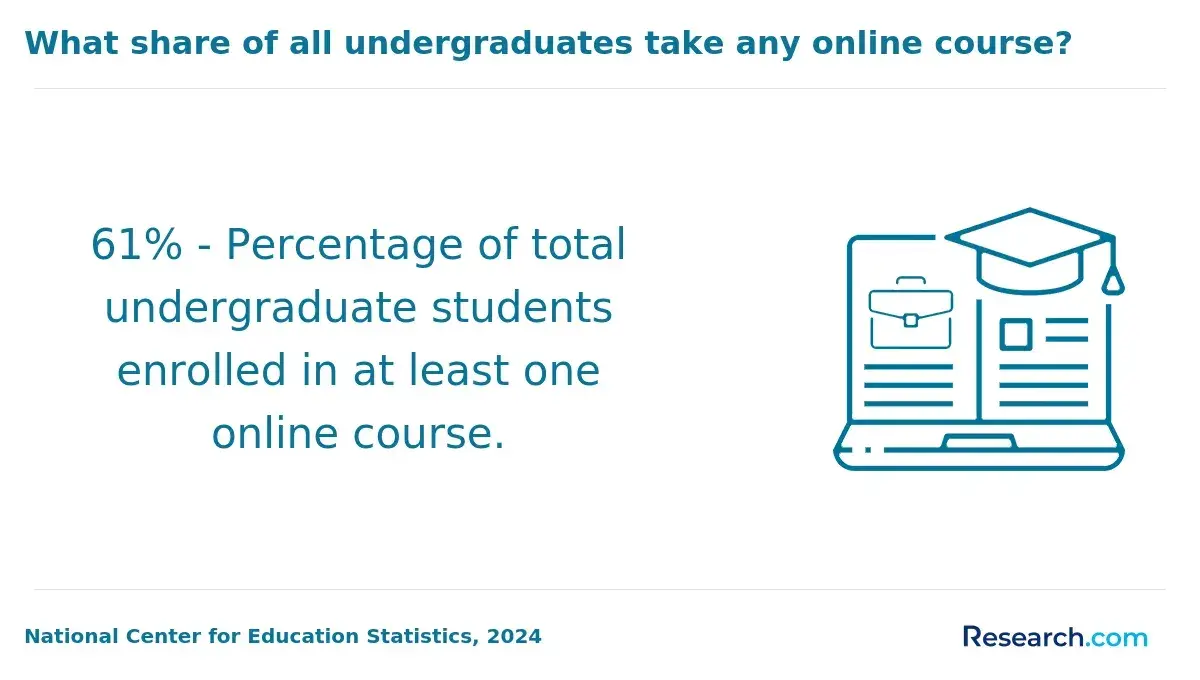
- Learning Outcomes: Research indicates online learners often perform on par or better than traditional students, reflecting effective instructional design.
- Technology Integration: Advanced platforms facilitate interactive workshops, virtual networking, and real-time collaboration for online participants.
- Student Support: Comprehensive services such as advising and career counseling are accessible across formats to enhance student success.
- Hands-On Training: On-campus programs typically offer superior lab and fieldwork experiences; however, hybrid models blend these with virtual instruction to maximize learning opportunities.
In speaking with a graduate from a widely pursued entrepreneurship concentration, she described her hybrid program as a "best of both worlds" experience. Balancing online coursework with in-person workshops challenged her to stay disciplined while benefiting from direct mentorship and real-world practice. "Navigating virtual group projects taught me adaptability," she reflected, "while face-to-face sessions provided invaluable feedback and networking." The mix of formats helped her build confidence in digital tools and interpersonal skills, underscoring that quality depends more on program design than location alone.
Which Entrepreneurship Concentration Is the Hardest to Complete?
The difficulty of entrepreneurship concentrations varies due to differences in course rigor, required skills, workload intensity, and the structure of each program. Some concentrations demand a combination of advanced analytical abilities and broad, cross-disciplinary knowledge that intensifies academic challenges.
- Advanced Quantitative Skills: Requires mastery of calculus, statistics, and data modeling well beyond standard business courses.
- Complex Financial Analysis: Involves proficiency in forecasting, financial modeling, and risk assessment, demanding both mathematical skill and practical experience.
- Cross-Disciplinary Demands: Necessitates simultaneous competence in accounting, finance, marketing, and operations, limiting deep specialization in any single area.
- Prerequisite Knowledge Gaps: Students often must develop foundational skills in programming, data analysis, and advanced math alongside upper-level coursework.
- Practical Application Pressure: Programs emphasize real-world tasks like business plans and startup simulations, requiring integration of theory into time-sensitive, actionable strategies.
What Careers Can You Get with Each Entrepreneurship Specialization?
Different concentrations in entrepreneurship equip graduates with targeted skills for distinct career paths, aligning their education with industry demands. Recognizing these connections can help students choose a specialization that best fits their professional ambitions.
- Corporate Innovation: Graduates often take roles as innovation managers and business strategists in large firms, focusing on product development and operational improvements in sectors like technology and consumer goods.
- Entrepreneurial Startups: This path prepares individuals to found startups or work in high-growth ventures as venture capital associates or business developers, with many gaining experience through cooperative education programs.
- Family Business: Careers here include leading and modernizing multi-generational companies, with roles such as family business CEOs, consultants, and wealth advisors dedicated to entrepreneurial families.
- Social Innovation and Entrepreneurship: Graduates pursue impact-driven positions, including nonprofit leadership, social enterprise creation, or corporate social responsibility roles targeting societal challenges.
A professional I spoke with, who specialized in entrepreneurial startups, shared how navigating post-graduation options was both exciting and daunting. He described weighing opportunities between joining an accelerator program or pursuing a venture capital role, reflecting on how his coursework prepared him for strategic decision-making amidst uncertainty. "It wasn't just about launching a business-it was about understanding the ecosystem and where I could add the most value," he said. That period of exploration involved late nights researching market needs and networking extensively, which ultimately shaped his confidence and career direction in the startup scene.
What Market Trends Are Shaping the Top Entrepreneurship Concentrations in 2027?
Staying informed about industry developments helps students select entrepreneurship concentrations that align with employer priorities and future markets. Rapid changes in technology, consumer values, and investment focus are shaping which areas offer the best long-term prospects.
- Technology and innovation-driven ventures: The prominence of digital transformation fuels demand for expertise in emerging technologies and software-driven business models. Programs now emphasize technology entrepreneurship and innovation strategy to prepare students for roles as founders and tech-savvy innovators.
- Social entrepreneurship and sustainable business: A rising focus on ventures that balance profit with social and environmental impact appeals to values-driven consumers and impact investors. Concentrations in this area equip students to develop mission-oriented companies meeting growing demand for responsible business.
- Corporate innovation and intrapreneurship: Corporations increasingly seek entrepreneurial talent to spearhead internal growth and innovation. Students pursuing this path gain skills to drive change within established firms, merging startup agility with corporate resources.
- Experiential and real-world learning: Practical experience through co-op programs and competency-based projects is prioritized as a vital complement to theory. This hands-on approach builds adaptability, problem-solving, and resilience essential for entrepreneurial success.
What Are the Average Salaries for Popular Entrepreneurship Concentrations?
Salary prospects for entrepreneurship degree concentrations vary broadly depending on specialization, industry, and career path. This variation is particularly important for students evaluating entrepreneurship degree starting salary United States figures to make informed decisions about their concentration.
- Business Management and Operations: Graduates in this concentration generally earn between $88,000 and $110,000 at the entry level, with seasoned professionals often surpassing $100,000. These roles tend to lead to high-level positions such as chief operations officers or project managers, where compensation reflects significant leadership and operational expertise.
- Venture Funding and New Business Development: Focused on startup funding and creating new ventures, this concentration offers entry-level salaries averaging about $88,000. Earnings have strong upside potential, especially for those who successfully launch and scale their own businesses.
- Strategic Entrepreneurship: Combining entrepreneurial insight with strategic planning, professionals in this field typically command median salaries from $110,000 to $129,000. The demand for strategic management skills in consulting and business sectors contributes to these premium salaries.
- General Entrepreneurship MBA: This broad-focused MBA concentration has median salary expectations around $110,000, while overall MBA graduates average $122,000 at starting salary. These figures demonstrate the added value of advanced degrees and reflect diverse industry placements and individual business success.
For those exploring graduate options, understanding master's degree entrepreneurship salary expectations can clarify the financial benefits of advanced study. Additionally, interested students may find valuable information on accelerated doctoral pathways such as PhD online 1 year, offering alternatives for rapid degree completion and career advancement.
How Do You Choose the Best Concentration in a Entrepreneurship Program?
Selecting the right concentration in an entrepreneurship program is essential for aligning educational experiences with career goals and personal strengths. Your choice influences the skills you develop and the professional path you will follow.
- Career Aspirations and Business Goals: Identify whether you aim to start a particular type of venture or work in a specific industry. For example, tech entrepreneurs may benefit from concentrations in business analytics or digital marketing, while those focused on impact-driven ventures might choose social entrepreneurship or environmental sustainability.
- Skill Development and Technical Competencies: Focus on concentrations that build essential technical skills tailored to your entrepreneurial vision. Areas such as accounting, finance, and strategic marketing develop expertise needed for managing finances or acquiring customers effectively in early-stage startups.
- Industry Demand and Market Trends: Prioritize concentrations that reflect current employer and investor expectations. Expertise in digital marketing, data analytics, and artificial intelligence is increasingly valuable, helping differentiate candidates in competitive funding environments.
- Program Structure, Admission Requirements, and GPA Standards: Examine the practical criteria for concentration admission, including GPA thresholds and course prerequisites. Understanding entrepreneurship concentration admission requirements and GPA standards ensures you select options aligned with your academic profile and persistence.
- Flexibility and Personal Interests: Consider programs that allow combining concentrations or pursuing minors for a customized educational experience. Institutions like Babson College offer numerous options, promoting adaptability as your career interests evolve.
These factors collectively support selecting an entrepreneurship concentration based on career goals and specialization options. Prospective students should weigh them carefully to optimize both professional growth and academic success. For those seeking career paths that suit introverted personalities, resources on best careers for introverts can provide additional insight into entrepreneurial roles complementary to individual traits.
What Graduates Say About Their Popular Concentrations in Entrepreneurship Degrees
- Finley: "Pursuing an entrepreneurship degree with a concentration in social enterprises truly opened my eyes to how business can be a force for good. The hands-on projects challenged me to think creatively and strategically, which prepared me well for launching my own nonprofit startup. Given that the average cost of attendance was reasonable compared to other fields, I feel it was a worthwhile investment in my future."
- Colby: "The concentration in tech entrepreneurship was a game changer for my career. The coursework was intense but rewarding, pushing me to understand both product development and market dynamics deeply. Though the cost was on the higher side, the skills and network I gained have helped me land pivotal roles in innovative companies."
- River: "Studying entrepreneurship with a focus on family business management gave me a unique perspective on sustaining legacy and driving growth simultaneously. The learning experience was enriching, blending traditional business wisdom with modern practices. Considering the cost of attendance, I found the program justified as it directly impacted my ability to contribute meaningfully to our family enterprise."
Other Things You Should Know About Entrepreneurship Degrees
Entrepreneurship concentrations are designed to foster innovation by emphasizing problem-solving, opportunity recognition, and creative thinking. Coursework and projects often require students to develop new business ideas, design prototypes, and explore non-traditional business models. This focus encourages students to think beyond conventional methods and equips them with tools to launch unique ventures.
Yes, many entrepreneurship concentrations include options or electives geared toward social entrepreneurship or sustainable business practices. These programs address how to create ventures that generate both profit and positive societal impact. Students learn to balance mission-driven goals with financial sustainability, preparing them for careers in non-profits, B Corps, or social enterprises.
References
- Top 10 Skills You’ll Gain From a Diploma in Entrepreneurship - Maverick Business Academy London https://mbalondon.org.uk/news-blog/top-10-skills-youll-gain-from-a-diploma-in-entrepreneurship/
- What do you learn in a bachelor's in entrepreneurship? | edX https://www.edx.org/resources/what-do-you-learn-in-a-bachelors-in-entrepreneurship
- What’s the best business major…for you? - The Advisor https://tippie.uiowa.edu/about/who-we-are/advisor/bba/whats-best-business-major-for-you
- Top 10 Essential Entrepreneurial Skills for Thriving in 2025 https://talentsprint.com/blog/essential-entrepreneurial-skills-2025
- Top 50 Undergraduate Entrepreneurship Programs https://www.princetonreview.com/college-rankings
- Entrepreneurship Concentration https://poole.ncsu.edu/undergraduate/majors-and-minors/business-administration/entrepreneurship-concentration/
- Bachelor in Global Entrepreneurship - United International Business School (UIBS) https://www.uibs.org/undergraduate/bachelor/concentrations/global-entrepreneurship/
- 5 Best Job & Career Opportunities In Entrepreneurship | Nexford University https://www.nexford.edu/insights/career-opportunities-in-entrepreneurship-are-growing
- Top 10 In-Demand Skills Every Entrepreneur Needs in 2025 https://geu.ac.in/blog/in-demand-skills-every-entrepreneur-needs/
- Why the US Leads the World in Entrepreneurship and Innovation - ResearchFDI https://researchfdi.com/why-the-us-leads-the-world-in-entrepreneurship-and-innovation/


