2027 Different Types of Social Work Degrees and Their Salaries

Co-Founder and Chief Data Scientist
Choosing a social work degree is not just a question of what you want to study. It determines the roles you can qualify for, whether you can pursue clinical licensure, how long you will be in school, and how much debt you may take on before entering a field known for meaningful work but uneven pay.
This guide explains the main social work degree options, from associate and bachelor’s programs to MSW, DSW, and PhD pathways. It also compares specializations, program length, accelerated and online formats, typical costs, career outcomes, salary differences, and the job market for social work graduates. Use it to match your education plan with your career goal, budget, schedule, and licensing needs.
Key Points About Different Types of Social Work Degrees and Their Salaries
- Individuals with a bachelor's degree in social work typically qualify for entry-level positions such as case management and community outreach, earning a median annual salary of approximately $50,000 according to U.S. Bureau of Labor Statistics data.
- A master's degree in social work significantly increases career opportunities and earning potential, with professionals often securing clinical roles or leadership positions, earning median salaries near $60,000 to $70,000, and experiencing stronger job growth compared to those with lower degrees.
- An associate degree in social work provides basic support roles and can be a stepping stone to higher education, but the median salary remains lower, usually below $40,000, and long-term advancement is limited without further qualifications.
What Are the Different Types of Social Work Degrees Available?
Social work degrees build on one another. Lower-level degrees can prepare students for support and entry-level human services roles, while graduate degrees are typically required for clinical practice, supervision, policy leadership, research, and teaching. The right option depends on whether you want to enter the workforce quickly, become licensed for independent practice, or move into advanced leadership.
- Bachelor of Social Work (BSW): A BSW is the standard undergraduate degree for generalist social work practice. Students study social work ethics, human behavior, social welfare policy, diversity, assessment, and intervention methods. The degree also includes supervised field experience, which helps students apply classroom learning in agencies, schools, healthcare organizations, or community settings. A BSW can lead to roles in case management, child welfare, community outreach, and related human services positions.
- Master of Social Work (MSW): An MSW is the most common graduate pathway for students who want advanced practice, clinical work, administrative roles, or specialized social work positions. Coursework usually covers advanced assessment, clinical or macro practice, research methods, policy, and field education. For many students, the MSW is the key degree for pursuing clinical licensure, though licensure rules vary by state.
- Master of Science in Social Administration (MSSA) / Master of Science in Social Work (MSSW): These degrees are comparable to the MSW in purpose and professional preparation. The title depends on the institution, but the programs generally cover advanced practice, policy, research, and supervised fieldwork. Students should focus less on the exact degree title and more on accreditation, curriculum, field placement quality, licensure alignment, and career outcomes.
- Doctor of Social Work (DSW) and PhD in Social Work: Doctoral degrees are designed for experienced professionals who want to influence the field at a higher level. A DSW usually emphasizes advanced practice leadership, clinical expertise, program management, supervision, or applied systems change. A PhD in Social Work is more research-focused and often prepares graduates for academic, research, policy analysis, and scholarly leadership roles.
In practical terms, the BSW is often the fastest route into professional social work roles, the MSW is the major step toward clinical and advanced practice, and doctoral study is best suited to people who want to teach, research, lead organizations, or shape policy.
What Specializations Are Available in Social Work Degrees?
Specializations help students focus their training on a population, setting, or practice method. They can influence field placements, elective coursework, licensure preparation, and the types of employers that view a graduate as a strong fit. A specialization is especially important at the MSW level, where students often choose between clinical practice, community practice, policy, administration, or population-specific work.
- Clinical Social Work: This specialization prepares students to assess, diagnose, and treat mental health and behavioral conditions, usually under the licensure rules of their state. Coursework and fieldwork may emphasize psychotherapy, crisis intervention, trauma-informed care, assessment, and treatment planning. Common roles include clinical social worker, therapist, counselor, or behavioral health clinician.
- Child, Family, and School Social Work: Students learn to support children, adolescents, parents, and families in settings such as schools, foster care agencies, child welfare departments, and family service organizations. Skills often include advocacy, mandated reporting, family assessment, case management, and collaboration with educators, courts, and healthcare providers.
- Healthcare Social Work: This track focuses on helping patients and families navigate illness, disability, discharge planning, care coordination, insurance barriers, grief, and long-term care decisions. Graduates may work in hospitals, clinics, rehabilitation centers, hospice programs, or public health organizations as medical or hospice social workers.
- Gerontology Social Work: Gerontology prepares students to work with older adults, caregivers, and aging service systems. Training may cover dementia care, elder abuse prevention, end-of-life planning, caregiver stress, benefits navigation, and long-term services. Career paths include geriatric social worker, aging services specialist, or aging life care manager.
- Substance Abuse Social Work: This specialization focuses on addiction, recovery, relapse prevention, co-occurring disorders, and harm reduction. Students may train for roles in treatment centers, community mental health agencies, correctional settings, hospitals, or crisis programs. Depending on state rules and the role, additional substance use counseling credentials may be required.
- Community and Policy Social Work: This area is designed for students interested in systems-level change. It emphasizes advocacy, social justice, program design, community organizing, grant writing, policy analysis, and leadership. Graduates may work as community organizers, program managers, policy analysts, nonprofit leaders, or social service administrators.
When comparing specializations, look closely at the field placement network. A program with strong placements in your target setting can be more valuable than a broad specialization label. Students comparing flexible online options may also find it useful to review online degree options while confirming that any social work program they consider meets accreditation and licensure expectations.
How Long Does It Take to Complete Each Type of Social Work Degree?
The time required for a social work degree depends on the credential level, enrollment status, transfer credits, field placement requirements, and whether the program offers accelerated or advanced standing options. Fieldwork is one of the biggest scheduling factors because it often requires set hours at an approved agency in addition to coursework.
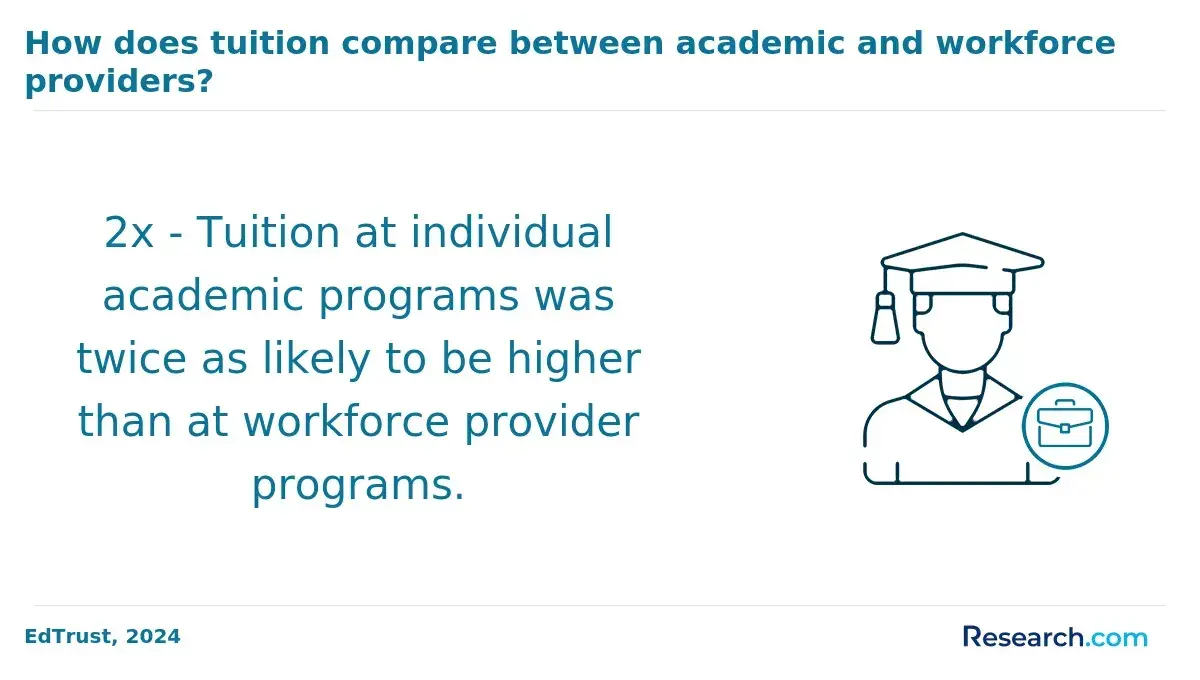
- Associate Degree in Social Work: An associate degree typically takes about two years to complete with full-time study. Part-time students may need longer, while students with prior credits may finish sooner. This option can be a lower-cost way to begin college, complete general education requirements, and explore human services before transferring to a bachelor’s program.
- Bachelor's Degree in Social Work: A bachelor’s degree generally requires four years of full-time study. Students who attend part time, pause enrollment, or need developmental coursework may take longer. Transfer students and those in accelerated formats may shorten the timeline. BSW programs also include field education, so students should plan for agency hours during the later part of the program.
- Master's Degree in Social Work (MSW): A full-time MSW usually takes two years to complete. Students who already hold a bachelor’s in social work may qualify for advanced standing, which can reduce the timeline to one year. Part-time MSW students may take three or more years, especially if they are working while completing field placement hours.
- Doctoral Degree in Social Work (DSW or PhD): Doctoral programs often take between three to six years, depending on the school, study format, research expectations, and dissertation or capstone requirements. PhD timelines can vary substantially because research design, data collection, writing, and committee review may extend the process.
Before enrolling, ask the program how field placements are scheduled, whether evening or weekend placements are available, and whether online students receive placement support near their home. These details can affect your real completion timeline as much as the published program length.
Are There Accelerated Social Work Degree Programs?
Yes. Accelerated social work degree programs exist at both the undergraduate and graduate levels, but they are best for students who can handle a compressed academic schedule and consistent fieldwork demands. The shorter timeline can be attractive, yet the workload is often more intense than in a traditional program.
At the undergraduate level, accelerated bachelor of social work (BSW) programs may allow students to finish in as little as two years through online or hybrid delivery, sequential half-semester courses, transfer credits, and flexible scheduling designed for working adults. These programs are usually most realistic for students who already have college credits or an associate degree.
At the graduate level, advanced standing master of social work (MSW) programs are the main accelerated option. Students who already hold an accredited BSW may be able to complete the MSW in one year to 15 months instead of the standard two years. Some universities also offer dual-degree BSW-to-MSW pathways that allow students to earn both degrees in a condensed timeframe, often four to five years, by using heavier course loads, summer enrollment, and careful academic sequencing.
The main benefit is earlier entry into advanced roles. The trade-off is intensity. Accelerated students may need to take more courses per term, attend year-round, complete field hours on a tight schedule, and manage evening or weekend commitments. Students who are working full time, caring for family members, or new to college-level writing should weigh the pace carefully.
Eligibility is also limited. Advanced standing MSW programs commonly require a recently earned accredited BSW and minimum grade requirements. Transfer-friendly accelerated BSW programs may also restrict how many credits can be applied. Before committing, confirm accreditation, field placement expectations, licensure alignment, and whether the program’s pace is manageable for your life outside school.
Are Online Social Work Degrees as Credible as Traditional Ones?
Online social work degrees can be as credible as campus-based degrees when they come from properly accredited institutions and meet the same academic, fieldwork, and licensure-preparation standards. In social work, credibility depends far more on accreditation, faculty quality, field education, and state licensure alignment than on whether courses are delivered online or in person.
In the United States, social work programs should be accredited by the Council on Social Work Education (CSWE). CSWE accreditation helps confirm that the curriculum, learning outcomes, and fieldwork expectations meet national professional benchmarks. Social work fieldwork hours are typically between 900 and 1,200, and online students still complete supervised field placements, usually in approved agencies near their area.
Well-known universities such as the University of Denver, Simmons University, and Howard University offer online MSW programs with the same faculty, coursework, and graduation requirements as their in-person counterparts. Some online formats also support accelerated completion, including advanced standing tracks that can be completed in as little as 9 to 12 months.
Employer acceptance has also strengthened. A 2018 CSWE survey found nearly identical levels of recommendation for social work degrees from online MSW graduates (89.8%) and in-person MSW graduates (90.3%). Job satisfaction was also comparable. Online graduates tended to earn slightly less on average and were more likely to work in rural areas, but they reported easier access to satisfying employment (52%) than in-person graduates (43%).
Students should still evaluate online programs carefully. Ask whether the program is CSWE-accredited, whether it supports field placements in your state, whether it meets your state’s clinical licensure education requirements, and whether synchronous class times fit your work schedule. An online degree from a weak or unaccredited program can create problems; an online degree from a reputable accredited program can be a practical and respected route into the profession.
How Much Does Each Type of Social Work Degree Typically Cost?
Social work degree costs vary widely by institution type, residency status, delivery format, transfer credits, and program length. Students should compare total program cost rather than only per-credit tuition because fees, field placement expenses, transportation, technology costs, and lost work hours can change the real price of attendance.
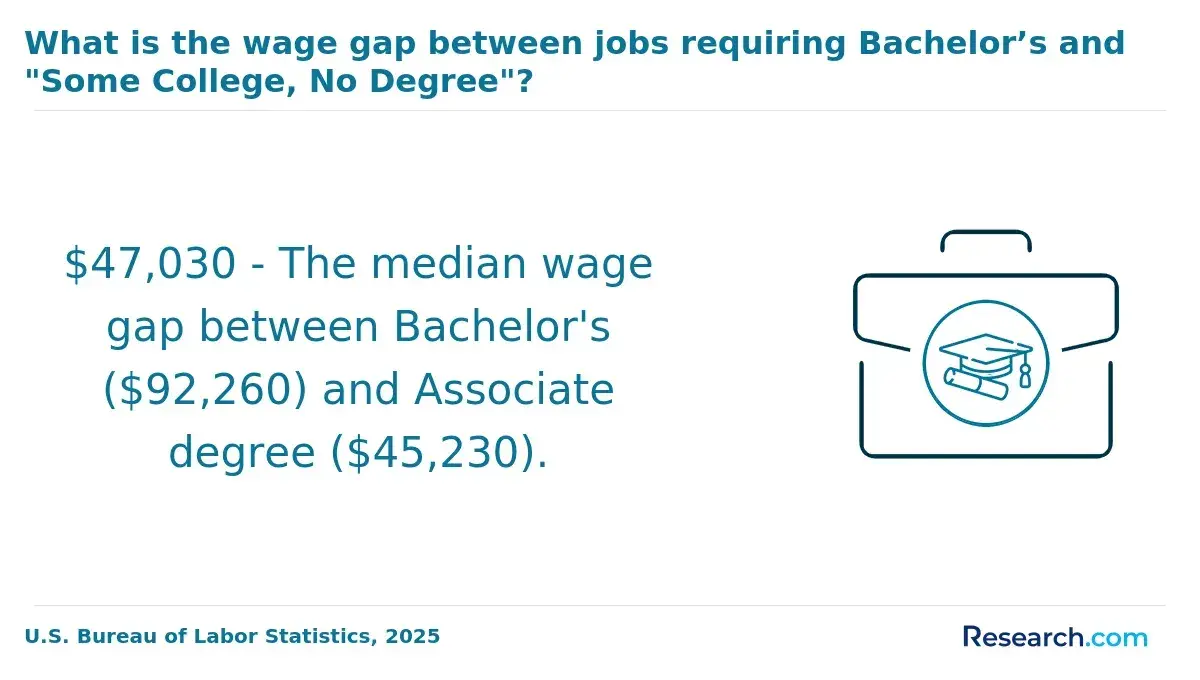
- Associate Degree in Social Work: Tuition for associate programs at community colleges usually falls between $3,000 and $10,000 per year for in-district students. This is often the least expensive way to begin a social work education, especially for students who plan to transfer to a four-year institution. Costs can change based on residency, public or private status, and whether the student qualifies for federal Pell Grants or state financial aid.
- Bachelor's Degree in Social Work (BSW): The average annual tuition for online bachelor’s social work programs is approximately $12,451, while on-campus programs average around $24,208 per year (2025 dollars). Public in-state universities are usually less expensive than private colleges, but students should also review fees, transfer policies, and field placement requirements. Scholarships, work-study, federal student loans, and state grants can help reduce out-of-pocket costs.
- Master's in Social Work (MSW): MSW tuition varies substantially. Public universities typically charge between $11,520 and $35,340 for the entire program, while private institutions can exceed $49,000 for a two-year degree. Online MSW programs sometimes offer reduced tuition rates, but students should verify whether online fees offset any savings. Students comparing graduate options may want to review affordable msw programs online while also checking CSWE accreditation and state licensure compatibility.
- Doctorate in Social Work (DSW or PhD): Doctoral social work programs generally range from $40,000 to over $100,000 in total tuition. Funding can include research fellowships, teaching assistantships, institutional grants, and employer support, though out-of-pocket expenses may still be substantial. PhD programs may offer more research or teaching funding than professionally oriented DSW programs, but this varies by school.
Cost should be weighed against the role you are seeking. A lower-cost program is not a good value if it does not meet licensure requirements, lacks field placement support, or delays graduation. Conversely, a higher-priced program should be able to justify its cost through accreditation, strong placements, reputable faculty, licensure preparation, and career outcomes.
What Jobs Can You Get with Each Type of Social Work Degree?
Your degree level affects the jobs you can pursue, the amount of supervision you may need, and whether you can move into clinical practice. In general, associate and bachelor’s degrees support entry-level and generalist roles, while MSW and doctoral degrees open more specialized, clinical, supervisory, research, and leadership pathways.
- Associate degree in social work: Graduates may qualify for support roles such as social work assistant, case management aide, human services assistant, or community outreach worker. These jobs often involve helping clients access services, maintaining records, coordinating appointments, and supporting licensed professionals in community agencies, nursing homes, nonprofits, and public service organizations.
- Bachelor's degree in social work (BSW): A BSW prepares graduates for generalist roles such as case manager, child welfare specialist, residential counselor, family services worker, or community program coordinator. BSW-level professionals may work in hospitals, schools, public health agencies, child welfare departments, and nonprofit organizations. The median annual wage for social workers was $55,350 in 2022.
- Master's degree in social work (MSW): An MSW can qualify graduates for advanced roles, including licensed clinical social worker (LCSW), therapist, healthcare social worker, mental health clinician, school social worker, supervisor, and program director. Clinical social workers may diagnose and treat mental health conditions if they meet state licensure requirements. MSW professionals often work in hospitals, private practices, mental health clinics, schools, government agencies, and social service organizations. Clinical social workers typically earn between $68,500 and $106,500 annually.
- Doctorate in social work (DSW or PhD): Doctoral graduates often pursue university teaching, research, executive administration, policy analysis, consulting, program evaluation, or high-level practice leadership. A DSW is often more practice-focused, while a PhD is generally stronger preparation for research and academic careers. Students considering doctoral study should also review whether PhD programs require a dissertation, since requirements vary across institutions and fields.
Licensure matters as much as the degree title. For example, an MSW alone may not authorize independent clinical practice. Most states require supervised post-degree experience, an exam, and ongoing compliance with licensing board rules.
How Do Salaries Differ by Social Work Degree Type?
Salaries in social work vary by degree, license, specialization, setting, location, and experience. A higher degree can improve access to better-paying roles, but it does not guarantee a specific income. Clinical licensure, healthcare settings, leadership responsibilities, and high-need locations can all affect pay.
- Associate Degree in Social Work: Entry-level positions for associate degree holders, such as social work assistants or technicians, usually start on the lower end, typically ranging from $35,000 to $45,000 annually depending on the state and role. Long-term advancement is often limited without a bachelor’s degree or higher.
- Bachelor of Social Work (BSW): BSW graduates commonly work in case management, child welfare, community outreach, and generalist social services roles. The national average salary is around $61,330. Location can make a substantial difference; in California, the average is about $75,267 per year. Higher-paying BSW roles often require specialized experience, bilingual skills, crisis work, or employment in higher-cost regions.
- Master of Social Work (MSW): An MSW can increase earning potential by opening access to clinical, supervisory, healthcare, and specialized roles. Average salaries for MSW holders are approximately $59,824, while those with clinical licenses (LCSW) earn closer to $74,256 annually. According to professional associations, MSW salaries generally exceed BSW salaries by more than $13,000.
- Doctorate in Social Work (DSW or PhD): Doctoral-level social workers may qualify for academic, executive, research, policy, and advanced leadership roles. On average, doctorate holders earn $20,000 to $25,000 more than MSW practitioners, with top salaries frequently surpassing $95,000 in executive or research-oriented positions.
When evaluating salary, compare it with total education cost and time out of the workforce. A graduate degree may pay off faster for students who pursue clinical licensure or leadership roles, while students aiming for generalist service positions may need to be especially careful about borrowing. It can also help to compare accredited institutions, including nonprofit accredited colleges, before choosing a program.
Is There High Demand for Social Work Degree Holders in the Job Market?
Yes. Demand for social work degree holders remains strong in many parts of the US job market, especially in healthcare, behavioral health, aging services, child welfare, and substance use treatment. The need is shaped by demographic changes, mental health access gaps, the opioid epidemic, and the growing complexity of public benefits, healthcare systems, and community support services.
An aging population increases demand for medical and geriatric social workers who help patients and families manage care transitions, long-term services, caregiver stress, and end-of-life decisions. The mental health crisis and opioid epidemic continue to create roles for clinical social workers, crisis workers, and substance abuse counselors. Telehealth and digital case management have also expanded how social workers serve clients, particularly in remote and underserved communities.
Demand is not identical everywhere. Urban and suburban areas often have more openings because they have larger hospitals, school systems, government agencies, and nonprofit networks. Rural areas may have fewer employers but more severe provider shortages, which can create opportunities and, in some cases, incentives such as loan forgiveness to attract qualified professionals.
Median salaries vary by specialization. Healthcare social workers earn approximately $56,200, while social and community service managers earn up to around $77,030. Students who want stronger job prospects may benefit from specializing in mental health, substance abuse, healthcare, aging services, or another high-need area. Affordable and flexible options, including online schools for working adults, can help students continue working while preparing for these roles.
Overall, social work offers stable employment opportunities for people who are prepared for emotionally demanding work, complex systems, and state-specific licensing requirements. Job growth is projected at about 6-7% over the next decade, which is faster than average for all occupations.
What Factors Should You Consider When Picking a Type of Social Work Degree?
The best social work degree is the one that fits your career goal, licensing needs, budget, timeline, and personal responsibilities. Before enrolling, evaluate the decision as both an academic choice and a professional investment.
- Career Goals: Start with the job you want. Entry-level roles such as case manager, child welfare worker, or community outreach coordinator typically align with a BSW. Clinical therapist roles usually require an MSW plus licensure. Doctoral degrees are better suited for teaching, research, executive leadership, policy, or advanced practice leadership.
- Salary Potential: Higher degrees generally improve access to better-paying roles, but pay depends heavily on setting, location, specialization, and license. BSW holders earn between $45,000 and $58,570 annually, while MSW graduates earn from $61,330 up to $68,090. Licensed clinical social workers with an MSW can command salaries up to $112,740 depending on specialization and experience.
- Licensure Requirements: Licensure rules vary by state, so check your state board before enrolling. Many licenses require a degree from a CSWE-accredited program. BSW graduates may qualify for entry-level licenses, while independent clinical practice generally requires an MSW, supervised post-degree experience, and a licensing exam.
- Time Commitment: A BSW program usually takes four years. An MSW typically requires an additional two years, or one year for eligible students with a BSW. Doctoral degrees extend the timeline further. Consider not only the academic calendar but also field placement hours, commuting, work obligations, and family responsibilities.
- Accreditation and Program Quality: CSWE accreditation is essential for many social work careers and licensure pathways. Regional accreditation also matters for credit transfer, graduate admission, and institutional credibility. Review field placement support, faculty experience, student outcomes, and licensure exam preparation.
- Personal Circumstances: Location, work schedule, caregiving duties, transportation, internet access, and preferred learning style all matter. Online and hybrid programs can help, but they do not eliminate fieldwork. Make sure the program can support placements where you live and that class times fit your schedule.
A common mistake is choosing the cheapest or fastest program without confirming accreditation and licensure alignment. Another is enrolling in an MSW before clarifying whether clinical, macro, school, healthcare, or policy work is the real goal. The stronger your career target, the easier it is to choose the right degree level and specialization.
What Social Work Graduates Say About Their Degree and Salary
- Jana: "Completing my bachelor's in social work gave me a direct path into community outreach. I was able to begin working with youth in underserved neighborhoods and apply what I had learned about advocacy, ethics, and case support almost immediately. The degree helped me understand how individual challenges connect to larger community barriers, and it gave me the confidence to contribute in a practical way."
- Llana: "After earning my master's in social work, I had more options for specialized practice and leadership. The clinical training, field experience, and professional network helped me manage complex cases with more confidence. I also gained a stronger understanding of policy and systems, which changed how I approach client advocacy and program improvement."
- Emerson: "Pursuing my doctorate in social work was demanding, but it expanded my work beyond direct practice. I developed stronger research skills, studied social justice issues in greater depth, and opened opportunities in teaching and consulting. The experience helped me think more strategically about how social workers can influence organizations, policy, and future professionals in the field."
Other Things You Should Know About Social Work Degree Programs & Salaries
In 2027, social work degree holders can pursue careers in clinical roles, social policy, community work, and administration. Clinical social workers typically earn $60,000-$75,000 annually, while non-clinical roles such as community workers may earn $45,000-$60,000. Salaries vary based on location and experience.
In 2027, social work degrees include a Bachelor's in Social Work (BSW) with an average salary of $50,000, a Master's in Social Work (MSW) earning around $60,000, and a Doctorate in Social Work (DSW) with salaries upwards of $80,000. Specializations and geographical locations can also influence earnings.
References
- 2022 Guide to Becoming a Social Worker https://socialworklicensemap.com/become-a-social-worker/
- Top 10 Highest Paying Social Work Jobs 2025 (Inc Salaries) | Nexford University https://www.nexford.edu/insights/highest-paying-social-work-jobs
- Highest Paid Social Work Careers https://www.smumn.edu/blog/highest-paid-social-work-career/
- Social Work At A-Glance | CSWE https://www.cswe.org/students/prepare-for-your-education/social-work-at-a-glance/
- Traditional vs. Accelerated MSW Programs https://www.socialworkdegreecenter.com/accelerated-msw/traditional-vs-accelerated/
- Social Work Degree Cost https://und.edu/programs/social-work-bssw/cost.html
- Scope of Practice for Social Work - OCSWSSW https://www.ocswssw.org/sop/scope-of-practice-for-social-work/
- Study Social Work, why & how to study https://www.thecompleteuniversityguide.co.uk/subject-guide/social-work