
2027 Different Types of Curriculum & Instruction Degrees and Their Salaries

Co-Founder and Chief Data Scientist
The demand for skilled professionals in curriculum & instruction is rising steadily as educational institutions increasingly prioritize effective teaching strategies and learning outcomes. According to recent labor data, employment in education-related roles is projected to grow faster than average over the next decade, reflecting a surge in the need for experts who can design and implement innovative curricula. Navigating the diverse pathways within curriculum & instruction degrees is essential for those aiming to align their career goals with market opportunities.
This article provides a clear overview of the various degree options available and what graduates can expect in terms of career prospects and earning potential.
Key Points About Different Types of Curriculum & Instruction Degrees and Their Salaries
- Individuals with a bachelor's degree in curriculum & instruction typically have access to entry-level teaching and instructional design roles, earning an average salary of around $50,000 to $60,000 per year, according to U.S. labor statistics.
- Obtaining a master's degree in curriculum & instruction significantly expands career opportunities, often leading to roles in educational leadership, specialized curriculum development, and higher pay scales between $65,000 and $80,000 annually.
- While less common, earning an associate degree usually provides limited career pathways mainly in assistant or paraprofessional positions, with salaries averaging under $40,000 yearly and fewer long-term growth prospects in the education sector.
What Are the Different Types of Curriculum & Instruction Degrees Available?
Understanding the different types and levels of curriculum & instruction degrees is crucial for students before selecting a program, as each degree is tailored to distinct educational backgrounds and career objectives. Choosing the right program ensures alignment with your professional goals and the educational philosophies you wish to adopt. To help clarify these options, below is an overview of the main types of curriculum & instruction degrees and what sets each apart.
These degree types differ in focus and typical coursework, providing unique pathways for educational development and expertise:
- Master of Education (M.Ed.) in Curriculum & Instruction: This degree centers on evidence-based curriculum design and instructional strategies. Courses often cover integrating technology, differentiated instruction techniques, classroom management, and applying research findings to enhance student learning.
- Master of Science (MS) in Curriculum & Instruction: Offering both research-intensive and teacher certification paths, this degree emphasizes advanced educational inquiry and curriculum theory in its research track, while the certification track provides subject-specific methodologies and skills for initial teacher licensure.
- Master of Arts (MA) in Curriculum & Instruction: With a focus on theoretical foundations and practical curriculum applications, this degree includes coursework analyzing educational trends, curriculum construction, and exploring philosophical, historical, and psychological perspectives in education.
- Master of Education (Ed.M.) in Curriculum & Teaching: This advanced degree prioritizes leadership in curriculum and pedagogy, emphasizing curriculum theory, teaching principles, and the design of professional development programs, along with commitment to educational equity and action research.
According to the U.S. Bureau of Labor Statistics, instructional coordinators commonly require a curriculum & instruction degree and earn a median salary of $66,490 annually (2023 data), although this varies by degree type and level. For those interested in advancing their credentials and understanding what certificates make the most money, selecting the appropriate degree program can play a significant role in boosting salary potential and career readiness.
What Specializations Are Available in Curriculum & Instruction Degrees?
Choosing a specialization in a curriculum & instruction degree is a vital decision as it tailors your education toward distinct career objectives and enhances your professional expertise. Specializations help students focus on specific educational strategies and leadership skills that directly impact their future job prospects and salary potential.
Below are some common curriculum & instruction specializations that provide unique competencies and pathways in education careers, offering a broad view of possible directions for your studies and work:
- Curriculum & Instruction: General: Concentrates on curriculum design, instructional methods, and assessment techniques. Graduates develop skills to create and evaluate educational programs, often pursuing roles such as curriculum specialists or instructional coordinators.
- Curriculum & Instruction: Educational Technology: Focuses on the integration of digital tools and technologies in classroom settings. Students learn about online platforms, digital literacy, and instructional design, preparing them for careers as technology integration specialists or e-learning designers.
- Curriculum & Instruction: Literacy and Reading: Centers on reading instruction and literacy development, including intervention strategies. This specialization prepares professionals for positions like reading specialists, literacy coaches, or literacy-focused curriculum designers.
- Curriculum & Instruction: ESOL/Bilingual Education: Equips educators to support English language learners through language acquisition and multicultural education. Graduates often fill roles in ESOL coordination and bilingual education leadership.
- Curriculum & Instruction: Teacher Leadership: Develops competencies in instructional leadership, mentoring, and school improvement initiatives. Graduates become department heads, instructional coaches, or administrators focused on professional development.
- Curriculum & Instruction: Special Education: Emphasizes curriculum adaptation and design for students with disabilities and special needs. Professionals typically work as special education coordinators or intervention specialists advocating for inclusivity.
- Curriculum & Instruction: STEM Education: Dedicated to curriculum development in science, technology, engineering, and mathematics fields. Graduates take on roles such as STEM curriculum specialists or program coordinators in STEM-focused initiatives.
For those considering further studies, there are numerous college courses for seniors online that can help expand knowledge in these specializations while accommodating diverse lifestyles and schedules.
How Long Does It Take to Complete Each Type of Curriculum & Instruction Degree?
Understanding the duration of curriculum & instruction degree programs is crucial for students as it helps them effectively plan their education and career paths. Knowing how long each degree typically takes allows for better management of time, finances, and professional goals. Below is an overview of the main curriculum & instruction degree types and their usual completion times.
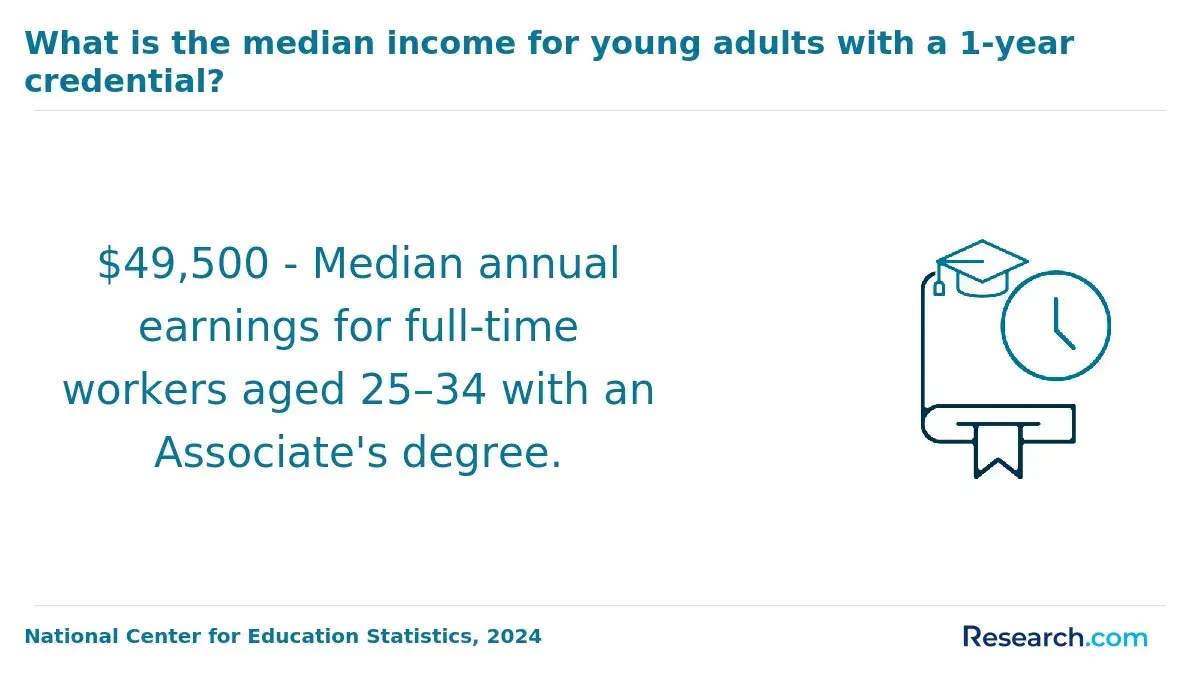
- Associate Degree in Curriculum & Instruction: This degree usually takes about two years to complete when enrolled full-time. Part-time students may take longer, while transfer credits from prior coursework can shorten the time. Some community colleges offer accelerated or online options for added flexibility.
- Bachelor's Degree in Curriculum & Instruction: Typically requiring four years of full-time study, a bachelor's degree is often the standard entry-level degree for teaching careers. Online and hybrid programs might extend or shorten this timeframe depending on the student's pace and course load. Part-time enrollment generally increases the length to five or more years.
- Master's Degree in Curriculum & Instruction: Master's programs generally take about 1.5 to 2 years full-time to complete. Part-time students or those balancing work may take between 2 to 4 years. Accelerated programs and online formats are common, offering options for quicker completion.
- Doctorate in Curriculum & Instruction: Doctoral degrees typically require between 3 to 6 years to finish, depending heavily on research scope and dissertation progress. Some programs allow credit transfer from a master's degree, potentially reducing study time. Flexible schedules and online coursework may be available but usually require strong self-discipline.
Are There Accelerated Curriculum & Instruction Degree Programs?
Yes, accelerated curriculum & instruction degree programs are indeed available and growing in popularity among educators aiming to advance their qualifications more rapidly. These programs shorten completion time by employing several innovative structures. Common formats include condensed courses lasting six to eight weeks, as opposed to traditional semester-length classes, allowing students to complete coursework at a faster pace.
Additionally, many programs offer continuous year-round terms with multiple start dates, giving students greater flexibility to enter and progress without long breaks. Some programs also accept transfer credits or recognize professional experience, enabling competency-based progression that can further reduce the time required to graduate.
For example, certain online programs enable students to take two courses every eight weeks to finish a full master's degree within a year, while others provide asynchronous six-week courses that fit well with the schedules of working teachers.
Prospective students should be aware of some key considerations before enrolling in such accelerated offerings. Workload intensity is significantly higher than traditional degree programs due to compressed schedules that demand sustained focus and excellent time-management skills. It is common for students to juggle multiple challenging courses simultaneously, which can be demanding especially for those balancing work and personal responsibilities. Eligibility requirements typically include holding a bachelor's degree from an accredited institution and maintaining a minimum GPA, often around 3.0.
Some programs also require an active teaching license or relevant teaching experience to ensure candidates are prepared for accelerated study and practical application. Despite these challenges, accelerated programs offer a fast track to career advancement and are increasingly recognized for helping educators achieve their goals efficiently.
When I spoke with a graduate of an accelerated curriculum & instruction degree program, he reflected on the intense but rewarding journey. He described juggling full-time teaching along with taking two condensed courses every eight weeks as a "constant balancing act" that required meticulous scheduling and discipline. "There were times I felt overwhelmed, especially when assignments and lesson planning coincided," he shared, emphasizing how critical it was to stay organized and maintain clear priorities.
However, the flexible structure, including asynchronous elements, allowed him to fit coursework around personal commitments, which was invaluable. He appreciated how the program's pace kept him consistently engaged without losing momentum, ultimately enabling him to complete the degree in just over a year-a timeframe that would have been impossible otherwise. That sense of accomplishment and faster entry into advanced roles made the demanding experience worthwhile, underscoring that accelerated curriculum & instruction degrees are a viable and effective option for dedicated educators.
Are Online Curriculum & Instruction Degrees as Credible as Traditional Ones?
Online curriculum & instruction degree programs have evolved to uphold academic standards comparable to traditional campus-based degrees. Both formats, offered by accredited institutions, follow rigorous curricula with assessments designed to meet state and national standards for educator preparation. Online programs often utilize advanced digital platforms to support interactive learning, frequent evaluations, and access to extensive digital libraries, which help ensure timely feedback and support for students.
Traditional programs provide structured schedules, in-person supervision, and opportunities for real-time collaboration; however, many online degrees now incorporate hybrid teaching placements and virtual engagement with faculty and peers to offer similar hands-on experiences. Importantly, academic leaders widely recognize the quality of online instruction, with surveys showing that 77% believe online outcomes are equal to or better than those in traditional classrooms.
Recent trends demonstrate growing employer acceptance of online curriculum & instruction degrees, especially when earned from accredited and reputable universities. Over 70% of organizations have hired candidates with online degrees within the last year, and 96% of online graduates report a positive return on investment through improved employment opportunities.
For most employers, the institution's reputation and program accreditation weigh more heavily than the study format; diplomas typically do not specify whether the degree was completed online or on campus. Consequently, students can expect similar career advancement and salary prospects from accredited online programs as from traditional ones. Ultimately, the credibility of a curriculum & instruction degree depends far more on the institution's standing and accreditation than on whether the degree was earned online or in person.
How Much Does Each Type of Curriculum & Instruction Degree Typically Cost?
Understanding the tuition differences across various curriculum & instruction degree levels is essential for effective budgeting and financial planning. Tuition can vary widely depending on the degree type, institution, and delivery format, so prospective students need clear expectations to make informed choices. The following list outlines typical tuition ranges for each major type of curriculum & instruction degree.
- Bachelor's Degree in Curriculum & Instruction: Undergraduate programs typically cost about $7,773 per year at in-state public colleges and around $33,376 per year at private institutions. Tuition rates depend heavily on state residency status, with public universities offering significantly discounted in-state rates, and students often rely on federal and state grants, including Pell Grants, alongside institutional scholarships to help manage costs.
- Master's in Curriculum & Instruction: Master's tuition varies greatly, with public online programs costing between $8,160 and $16,640 total and private institutions charging from $27,990 up to $47,115. The national average falls near $18,000, though some affordable options exist below $8,500. Pricing is influenced by public versus private status, program format, and residency, while financial aid options such as federal student loans and state tuition reimbursement programs are commonly available.
- Doctoral Degree in Curriculum & Instruction: Doctoral programs generally range from $20,000 to $50,000 or more depending on whether the institution is public or private and the program's format. Many doctoral candidates secure funding through research assistantships, teaching fellowships, or tuition waivers, which can substantially reduce out-of-pocket expenses.
- Graduate Certificates in Curriculum & Instruction: These shorter programs usually cost between $5,000 and $12,000 in total, with lower rates commonly found at public institutions. Funding options include federal student loans and employer tuition assistance, especially for practicing educators seeking specialized credentials.
When discussing costs with a graduate of a curriculum & instruction degree program, she shared how carefully evaluating program affordability shaped her decision-making. Although balancing work and study added complexity, she notably appreciated pursuing a flexible online master's degree, which offered reduced tuition compared to traditional on-campus options.
She emphasized that seeking scholarships and leveraging employer tuition assistance were key strategies that kept her debt manageable. This financial planning allowed her to focus on gaining practical teaching skills and ultimately enhanced her career prospects, underscoring the tangible value of investing wisely in one's education.
What Jobs Can You Get with Each Type of Curriculum & Instruction Degree?
The level of curriculum & instruction degree you earn significantly influences your career opportunities, qualifying you for roles ranging from entry-level teaching to advanced leadership and research positions. As you progress in education, you gain access to more specialized jobs with greater responsibilities and higher salaries. Below is an overview of common jobs associated with each type of curriculum & instruction degree.
- Bachelor's Degree in Curriculum & Instruction: Graduates typically qualify for entry-level teaching roles, such as classroom teacher or teaching assistant, especially in private schools or early childhood education. These roles emphasize delivering instruction and supporting student learning under licensed educators' guidance.
- Master's Degree in Curriculum & Instruction: This degree opens doors to specialized roles like curriculum specialist, instructional coach, academic advisor, curriculum coordinator, and training and development specialist. Responsibilities often include designing curricula, leading teacher training, and supporting educational policy across K-12, higher education, or corporate environments.
- Educational Specialist (Ed.S.) or Post-Master's Certificate: These programs prepare graduates for district-level positions such as instructional coordinator, lead curriculum developer, or district curriculum director. Work at this level involves systemic curriculum planning, policy implementation, and managing large professional development initiatives.
- Doctorate (Ed.D. or Ph.D.) in Curriculum & Instruction: Doctoral holders qualify for top leadership, research, and university faculty roles, including university professor, chief learning officer, or educational policy analyst. They often conduct influential research, train educators, and shape educational policy within universities and large school systems.
For those considering foundational steps in education, finding the fastest way to get your associate's degree can be a strategic starting point before advancing to higher curriculum & instruction degrees.
How Do Salaries Differ by Curriculum & Instruction Degree Type?
Degree level often plays a significant role in determining earning potential in curriculum & instruction. Understanding how salaries differ by degree type can help students make informed decisions about their educational investments and future careers. Below is an overview of typical salary ranges by curriculum & instruction degree type to clarify these differences.
Here are the average salaries and factors impacting pay for each degree level:
- Associate Degree in Curriculum & Instruction: Entry-level positions typically involve support roles or paraprofessional duties. Starting salaries usually range from $30,000 to $40,000 per year. Advancement and higher pay generally require additional education or certification.
- Bachelor's Degree in Curriculum & Instruction: Graduates often begin as classroom teachers or instructional aides, earning an average starting salary of about $53,871 per year in the United States. Pay varies by state, school district, and experience level, with better growth potential available to those pursuing higher degrees or administrative roles.
- Master's Degree in Curriculum & Instruction: This degree is common for those aiming at curriculum specialist or instructional coordinator roles. Salaries typically range from $65,000 to $66,490 annually, influenced by geographic location, experience, and employer type. Instructional coordinators can earn a median salary near $66,490.
- Doctoral Degree (EdD/PhD) in Curriculum & Instruction: The highest degree qualifies graduates for leadership, administrative, and academic positions. Salaries can range from $80,000 to over $100,000 per year depending on job title and institution, offering the greatest earning potential and career flexibility.
Students interested in pursuing these degrees should also consider options for online colleges that accept financial aid to support their educational journey.
Is There High Demand for Curriculum & Instruction Degree Holders in the Job Market?
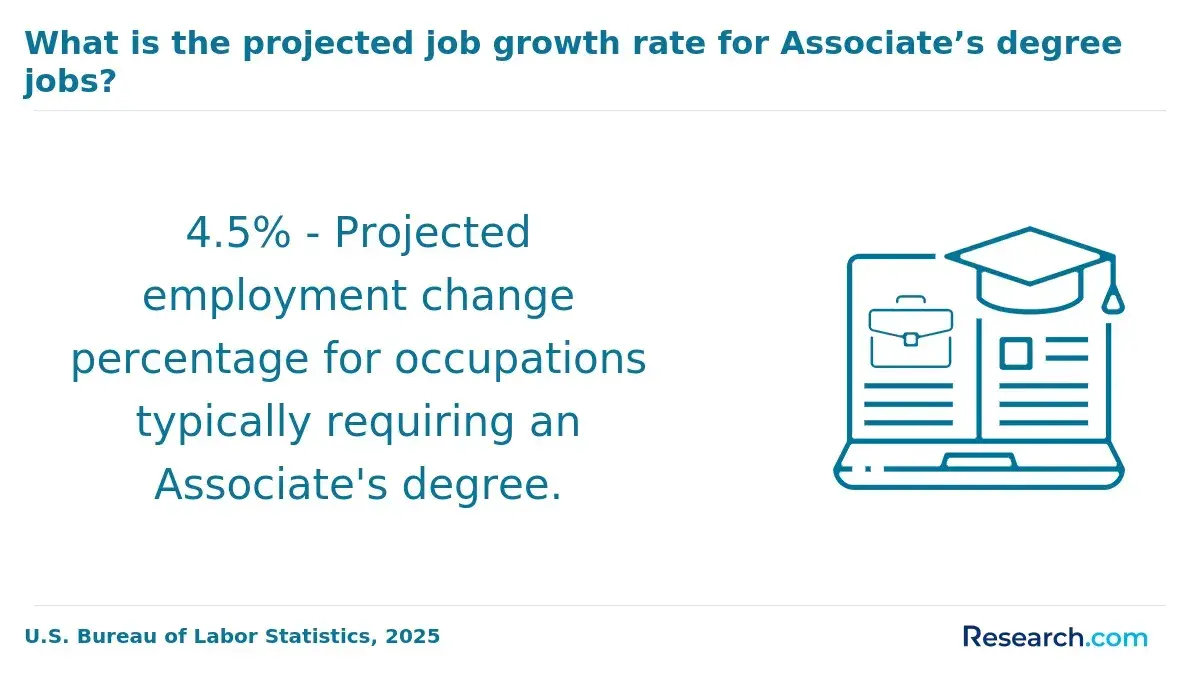
There is a moderate to high demand for curriculum & instruction degree holders in the US job market, driven largely by emerging technologies and evolving workforce needs. The Bureau of Labor Statistics forecasts a 7% growth rate for curriculum specialist jobs from 2018 to 2028, outpacing many other education roles. Key factors fueling this demand include the rapid adoption of online and hybrid learning platforms and the increasing need for educators to develop culturally responsive and STEM-integrated curricula.
The COVID-19 pandemic accelerated the integration of digital tools in classrooms, making expertise in educational technology and online pedagogy essential. This growth encourages candidates to gain certifications in platforms such as Google Classroom and learning management systems, aligning practical skills with employer priorities. For those interested in a career for introvert individuals, this field offers opportunities to leverage technology and instructional design in supportive roles that may suit different working styles.
Regional differences significantly affect demand for curriculum & instruction graduates. Rural and underserved urban areas face acute teacher shortages, especially in special education and STEM subjects, which leads to targeted hiring efforts including signing bonuses and fast-track certification programs. Despite expanding opportunities, only about 30% of 2025 graduates secure jobs directly related to their area of study, often due to a lack of technical skills employers require. These workforce trends highlight the need for graduates to demonstrate hands-on experience with technology and interdisciplinary teaching approaches to remain competitive.
Overall, the outlook for curriculum & instruction degree holders remains positive, particularly for those who adapt their skills to match ongoing technological advancements and workforce expectations.
What Factors Should You Consider When Picking a Type of Curriculum & Instruction Degree?
Choosing the right curriculum & instruction degree level is a critical decision that shapes your professional opportunities and aligns your education with your long-term career goals and personal circumstances. The type of degree you select affects not only your expertise but also your salary potential, job roles, and specialization options. To make an informed choice, consider these key factors:
- Career Goals: Identify the roles you want to pursue. A bachelor's degree generally qualifies you for classroom teaching, while a master's can open doors to curriculum design, instructional coordination, and leadership positions. For instance, instructional coordinators usually require a master's degree and have a median salary of $66,490 as of 2023.
- Specialization Options: Advanced programs often offer concentrations such as literacy, STEM, or educational technology. Selecting a program with relevant specializations allows you to develop expertise in high-demand areas and tailor your studies to your interests and target student populations.
- Time Commitment: Master's programs usually take 1-2 years full-time, while doctoral degrees require more extensive time and effort. Consider your ability to balance education with work or family responsibilities, noting that many institutions offer flexible or online options for working professionals.
- Salary and Advancement: Higher degree levels generally lead to increased earning potential and leadership opportunities. Educators with master's degrees earn approximately $10,000 more annually than those with only a bachelor's degree, and doctoral graduates often qualify for district leadership or postsecondary teaching roles.
- Licensure and Certification Needs: Some career paths require specific licenses or certifications beyond the degree. A master's in curriculum & instruction can facilitate initial teaching licensure or advanced certifications like Teacher Leader or National Board Certification, depending on your state's requirements.
- Program Reputation and Support: The quality of the program, faculty expertise, graduation rates, and availability of mentorship or career services can significantly impact your success after graduation. Research these aspects carefully before committing to a program.
What Curriculum & Instruction Graduates Say About Their Degree and Salary
- Odette: "Completing my master's program in curriculum & instruction was a transformative journey that equipped me with innovative teaching methodologies and a deep understanding of student-centered learning. It opened doors to leadership roles where I now design programs that positively impact diverse classrooms. The stability and growth opportunities in this field are incredible, especially as education continues to evolve with technology and inclusivity. My passion for helping students thrive has only grown stronger, fueled by the supportive community and continuous professional development the degree offered me."
- Chad: "After earning my doctorate in curriculum & instruction, I found unique opportunities to influence educational policy and advocate for equity in schools. The degree challenged me to think critically about systemic barriers and develop curricula that support all learners, especially in underserved communities. Personally, it has been rewarding to see my work contribute to meaningful change and foster a culture of inclusivity. This program sharpened my research skills and expanded my professional network, which has been invaluable for my career advancement in academia and beyond."
- Zia: "Graduating with a specialist degree in curriculum & instruction gave me the confidence to implement evidence-based strategies that significantly enhance student engagement in my classroom. The hands-on experiences and collaboration with educators from different backgrounds enriched my teaching practice and helped me adapt to various learning styles. I've grown not only professionally but also personally, discovering a deeper empathy and commitment to student well-being. This degree has truly prepared me to be a catalyst for positive change within my school community. "
Other Things You Should Know About Curriculum & Instruction Degree Programs & Salaries
In 2027, curriculum and instruction specialists focus on developing and improving instructional materials, coordinating between teachers and administration, and ensuring alignment with educational standards. They may also conduct research to enhance educational practices and often engage in professional development to stay updated with educational trends.
In 2027, demand for educators with a master's in curriculum and instruction remains strong. These professionals typically see higher salaries compared to those with only a bachelor's degree. The average salary for master's degree holders in this field ranges from $55,000 to $75,000 annually, depending on location and experience.
In 2027, a Bachelor’s in Curriculum and Instruction can expect to earn around $50,000 annually, while a master’s holder might earn about $65,000. Doctoral degree holders in this field can see salaries upwards of $85,000, depending on experience and the specific educational institution.
References
- How Much Are Teacher Training Courses in 2025 Teacher Guide https://www.simplek12.com/blog/much-teacher-training-courses
- Program: Curriculum and Instruction, MEd - with Specializations - University of Houston https://publications.uh.edu/preview_program.php
- What to Look for When Choosing a Teaching Program https://newmanu.edu/nth-degree/what-to-look-for-when-choosing-a-teaching-program
- 7 Types of Education Degrees You Can Pursue to Advance Your Career https://www.augusta.edu/online/blog/types-of-education-degrees
- Online vs Traditional School: A Look at the Pros and Cons https://www.uopeople.edu/blog/online-colleges-vs-traditional-colleges/
- The 10 Highest Paying Jobs With a Teaching Degree [Quiz] https://www.umassglobal.edu/blog-news/highest-paying-jobs-with-a-teaching-degree
- Curriculum and Instruction (MS) https://www.barry.edu/en/academics/education/curriculum-and-instruction-ms/specializations/
- Understanding 10 Types of Curriculum: A Guide for Teachers https://www.suraasa.com/blog/types-of-curriculum
- Is a Master's in Curriculum and Instruction Worth It? https://www.snhu.edu/about-us/newsroom/education/benefits-of-a-masters-in-curriculum-and-instruction
- 18 Highest Paying Jobs With an Education Degree (not teaching) | Devlin Peck https://www.devlinpeck.com/content/jobs-with-an-education-degree


