2027 Can You Complete an Online Mechanical Engineering Degree Program While Working Full-Time?

Co-Founder and Chief Data Scientist
Working full-time while pursuing an online mechanical engineering degree presents significant challenges. Professionals often struggle to meet demanding work schedules, family responsibilities, and rigorous coursework. Recent studies show that nearly 40% of online students in the U.S. are employed full-time, highlighting the effort required to succeed in such programs.
This article offers guidance for full-time workers considering an online mechanical engineering degree. It explores key factors to assess program demands, time management strategies, and the feasibility of balancing education with professional commitments to help readers make informed decisions.
Key Benefits of Completing an Online Mechanical Engineering Degree Program While Working Full-Time
- Flexibility in scheduling allows full-time workers to study during evenings or weekends, helping balance job demands and coursework, essential for mastering mechanical engineering concepts like thermodynamics and materials science.
- Online programs often provide access to virtual labs and simulations, enabling practical mechanical engineering experience without commuting, benefiting professionals who cannot attend on-campus labs regularly.
- Many online mechanical engineering degrees offer asynchronous lectures, letting students learn at their own pace, which supports retention of complex subjects like fluid mechanics while maintaining full-time employment.
How Long Does It Take to Complete an Online Mechanical Engineering Degree While Working Full-Time?
The time it takes to complete an online mechanical engineering degree varies widely based on multiple factors, especially for those working full-time. While typically designed to be finished in four years, many students take longer due to part-time enrollment and other commitments.
Below are key elements that influence how long it can take to earn the degree while balancing work.
- Enrollment Status: Most working students enroll part-time, taking one or two courses per semester instead of the full load of three or four. As a result, the average duration to earn a mechanical engineering degree online while employed full-time is five to six years, with some extending beyond that.
- Course Format: Programs offering asynchronous or accelerated options provide flexibility to tailor study schedules. However, many still progress slower due to job responsibilities. Availability of summer and intersession courses can help shorten completion time if manageable.
- Transfer Credits: Students bringing prior academic credits or associate degrees may reduce their timeline by a year or more if credits apply toward core mechanical engineering requirements.
- Work Schedule and Study Hours: Limited weekly time for studies due to full-time employment can extend program length, especially if work hours restrict academic focus.
- Program Requirements: Capstone projects, labs, and internships often require in-person participation, which can delay progress if they conflict with full-time job schedules.
Some institutions also offer flexible pacing and year-round enrollment options, which can benefit working professionals striving to finish sooner. For those interested in accelerating their education, exploring a fast track undergraduate degree may provide alternative pathways to completion.
Is an Asynchronous or Synchronous Online Mechanical Engineering Program Easier for Students Working Full-Time?
For students working full-time, an asynchronous online mechanical engineering degree is generally easier to manage than synchronous formats. The course structure significantly impacts the ability to juggle work, study, and personal obligations, as asynchronous programs allow greater flexibility.
This flexibility lets students access lectures and complete assignments at convenient times, which is crucial for those balancing demanding jobs with education. Thus, asynchronous mechanical engineering degree for working professionals offers an adaptable schedule ideal for unpredictable work hours.
Comparing synchronous vs asynchronous online engineering classes for full-time workers highlights distinct benefits. Asynchronous courses provide freedom to study during off-hours without real-time commitments, ideal for mechanical engineers on rotating shifts or frequent travel.
Conversely, synchronous classes require attendance at set times, enabling immediate interaction and collaboration but potentially causing scheduling conflicts for professionals with variable hours. While synchronous formats enhance engagement through live discussions, asynchronous programs excel in time management and flexibility.
For those exploring options, it is useful to review the top online programs for seniors, which often include flexible engineering degrees suitable for working adults.
What Time Management Strategies Help Online Mechanical Engineering Students Working Full-Time?
Balancing full-time work with an online mechanical engineering degree requires strategic time management to maintain academic success while handling professional duties. Efficiently organizing tasks and schedules is key to reducing stress and improving outcomes.
Here are five approaches supported by research:
- Assess Time Commitments: Start each term by identifying all significant obligations, including work shifts, coursework, and personal responsibilities. Estimating the time needed for each helps in forming a realistic study plan.
- Structured Scheduling: Allocate dedicated periods for studying and assignments using tools like Google Calendar. This creates routine and ensures steady progress amidst a busy lifestyle.
- Task Prioritization: Develop daily to-do lists that highlight high-impact activities. Focusing on the most important tasks first amplifies productivity and aligns effort with key goals.
- Break Tasks into Chunks: Split large engineering projects or papers into smaller steps. This reduces overwhelm and makes consistent advancement manageable.
- Productivity Tools and Habits: Utilize apps such as Trello or Todoist to organize work. Maintaining a distraction-free environment and reviewing goals regularly supports sustained focus.
A student balancing a demanding engineering program and full-time employment shared her experience. She described times when juggling deadlines felt overwhelming but emphasized that maintaining flexibility was vital. "I learned to adapt my plan each week, knowing some days would offer more study time than others," she explained.
Despite occasional fatigue, she found that breaking projects into achievable parts kept her motivated. She also highlighted the importance of digital tools for staying on track, saying, "Without Trello boards and calendar reminders, I might have missed critical deadlines." This journey required perseverance, but careful time management ultimately made completing her degree possible alongside her career.
What Are the Biggest Challenges Full-Time Workers Face in Online Mechanical Engineering Programs?
Balancing a full-time job with the demands of an online mechanical engineering degree is a major hurdle for many professionals. The intensity of work commitments combined with rigorous academic requirements often creates significant pressure.
Here are the main challenges faced by full-time workers pursuing this path:
- Time Management Strain: Managing time effectively is difficult as mechanical engineering courses typically require substantial weekly study hours. Although online formats offer flexibility, the heavy workload can overwhelm those with already busy schedules.
- Sustaining Motivation and Avoiding Burnout: Continuous juggling of career and coursework often causes fatigue and decreases enthusiasm. Without the physical presence of a structured learning environment, students must rely heavily on self-discipline, which can be especially demanding in a technical and complex field.
- Limited Hands-On Learning and Networking: Mechanical engineering education depends greatly on experiential learning and teamwork. Online students may lack access to labs and face fewer opportunities for informal peer connections, which are valuable for mastering technical skills and building industry relationships.
How Do Online Mechanical Engineering Programs Handle Internships for Full-Time Workers?
Balancing internships with a full-time job often presents a tough challenge for mechanical engineering students enrolled in online programs. Yet, practical experience remains a vital requirement, as it bridges theoretical knowledge with real-world application.
To address this, programs commonly adopt flexible strategies that accommodate working professionals.
- Flexible Scheduling: Programs often allow part-time or off-hour internships, such as evenings, weekends, or summer terms, making it easier for full-time workers to participate without disrupting their jobs. This approach ensures students gain necessary hands-on experience on their own time.
- Remote and Virtual Internships: Many internships can be completed remotely, focusing on design and simulation tasks using CAD or other engineering software. This eliminates geographic constraints and aligns with modern engineering work environments.
- Credit for Work Experience: Some schools permit current professional roles related to mechanical engineering to count toward internship credits, provided the work matches learning outcomes. This pathway offers a practical alternative for those already employed in the field.
- Custom Internship Arrangements: Academic advisors collaborate with employers and students to tailor internship projects, schedules, and deliverables. These personalized plans balance program requirements with each student's unique work situation.
- Mentorship and Project-Based Learning: Certain programs replace traditional internships with structured mentorships or real-world projects, facilitating practical learning and networking without time-intensive commitments on site.
When I spoke to a full-time worker pursuing an online mechanical engineering degree, he described his experience navigating internship requirements as both demanding and rewarding. He shared that coordinating with his employer and academic advisor was key to designing a project aligned with his job duties and course expectations.
"At first, I worried about managing time for the internship alongside my shifts," he said, "but having a flexible plan that valued what I was already doing professionally made all the difference." He appreciated the program's willingness to adapt the internship to fit his schedule and said it deepened his practical skills without forcing a career pause. This personalized approach gave him confidence that balancing work, study, and experiential learning was achievable.
What Technology Do You Need for an Online Mechanical Engineering Degree While Working Full-Time?
Having the right technology is crucial for busy professionals pursuing an online mechanical engineering degree while working full-time. Effective tools enable seamless participation in virtual classes, timely assignment completion, and efficient collaboration despite demanding schedules.
To succeed, students must equip themselves with specific resources that support remote learning and access to advanced engineering software.
- Reliable Computer or Laptop: A high-performance computer is necessary to run resource-intensive engineering applications like SolidWorks, AutoCAD, or MATLAB. Full-time workers benefit from devices featuring at least a quad-core processor, 16GB RAM, and a dedicated graphics card to handle complex simulations and dynamic software.
- High-Speed Internet Connection: Consistent and fast internet access is vital for streaming lectures, downloading large files, and participating in real-time virtual labs or group meetings. Unstable connections can cause disruptions during exams or remote lab sessions.
- Specialized Engineering Software: Access to licensed programs such as ANSYS for simulation, MATLAB for analysis, and CAD tools for design is required for coursework and virtual labs. Universities often provide these through cloud-based platforms.
- Collaboration and Communication Platforms: Tools like Microsoft Teams, Zoom, and Slack facilitate teamwork, instructor consultations, and peer interactions. These platforms offer scheduling flexibility and asynchronous communication.
- Virtual Lab and Remote Desktop Access: Remote desktop solutions or virtual labs enable students to perform hands-on assignments using campus resources from home. This flexibility allows full-time workers to complete practical components and access industry-standard software on their own schedules.
For those evaluating options or timelines, exploring what is the fastest associates degree to get can provide insights into accelerated educational paths that align with professional goals.
Can You Qualify for Financial Aid If You Study Online and Work Full-Time?
Financial aid is often essential for full-time professionals managing both employment and an online mechanical engineering degree because it helps alleviate the high costs of tuition and related fees. Understanding how financial aid programs apply to working students can make pursuing higher education more feasible.
Below are five important factors to consider regarding financial aid eligibility for full-time online learners.
- FAFSA and Federal Aid: Full-time workers studying online qualify to apply for federal student aid eligibility for working professionals by submitting the Free Application for Federal Student Aid (FAFSA). Eligibility depends on financial need, citizenship, and enrollment in an accredited program rather than work hours or mode of study.
- Institutional Scholarships: Many universities provide scholarships specifically for online mechanical engineering students, often requiring a minimum GPA and enrollment in an ABET-accredited program. These awards typically do not exclude applicants who are employed full-time.
- Employer Tuition Assistance: Some companies offer tuition reimbursement programs for employees pursuing degrees related to their job. A mechanical engineer working full-time may combine employer support with federal or institutional aid to fund their education effectively.
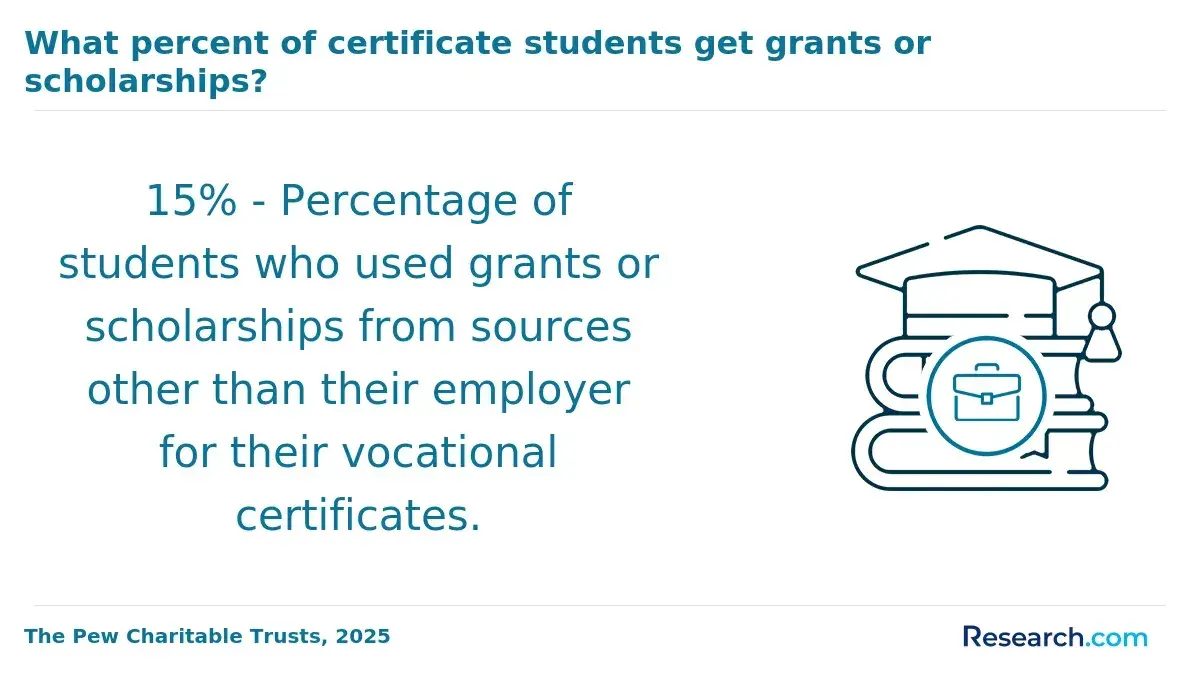
- Enrollment Status: Financial aid amounts frequently depend on whether students attend full-time or part-time. Both options may qualify for aid, but part-time enrollment can reduce available funds. Check with the financial aid office to understand how course load impacts financial aid for online mechanical engineering students.
- Private and Career-Specific Scholarships: Organizations like ASME award scholarships to working students in online mechanical engineering programs, often requiring membership and academic achievement but not excluding full-time workers.
For professionals seeking the fastest high paying degree, combining work with an online mechanical engineering program while utilizing available financial aid options can create a practical and affordable pathway to career advancement.
Do Employers Support Employees Pursuing Online Mechanical Engineering Degrees in 2027?
Employer support has become a crucial factor for full-time professionals pursuing an online mechanical engineering degree, as balancing coursework with job duties often requires flexibility and financial aid. Workplace policies that accommodate both learning and work responsibilities can significantly impact a student's ability to succeed in such demanding programs.
Here are five key ways employers typically support or hesitate to support employees pursuing online engineering degrees.
- Tuition Assistance: Many employers offer tuition reimbursement or direct payment for accredited degree programs. This financial support helps reduce the burden of multi-year commitments, with some engineering firms covering up to $5,250 annually following IRS guidelines.
- Flexible Scheduling: Adjusted work hours or remote options are increasingly common to help employees manage lab work, group projects, and exam schedules essential for mechanical engineering students.
- Career Advancement Incentives: Some companies tie promotions or salary increases to degree completion, motivating employees to apply new skills directly to their roles, enhancing both performance and retention.
- Performance Concerns: Employers sometimes hesitate when worried academic demands might lower job productivity. Maintaining open communication about time management can alleviate these worries and foster support.
- Professional Development Programs: Complementing academic learning, some firms provide internal training and mentorship to help employees integrate new knowledge, maximizing both personal growth and organizational benefits.
For working professionals, understanding how employers support online education can guide decisions about pursuing an engineering degree. Such backing not only eases financial and time constraints but also aligns with career goals, especially in competitive fields.
Those interested in learning about the best high paying jobs for introverts may find that employers supporting online mechanical engineering degrees often value technical expertise and innovation highly, which can open new opportunities.
Does Completing an Online Mechanical Engineering Degree While Working Full-Time Improve Your Salary?
Completing an online mechanical engineering degree while working full-time can increase salary potential, but several factors influence outcomes. High-demand industries like scientific research, electronics, and transportation often offer median salaries exceeding $100,000, with specialized roles reaching over $120,000.
Holding a master's degree typically adds about $9,000 annually compared to a bachelor's, boosting lifetime earnings by roughly $225,000 over 25 years. Employer attitudes toward accredited online degrees are improving, especially when paired with considerable relevant work experience, which demonstrates practical skills and dedication.
Working full-time while studying further supports career growth by enabling immediate application of new skills, often leading to faster promotions and greater job stability. Employers tend to appreciate candidates who manage both work and education, recognizing strong time-management and commitment.
Ongoing work experience is crucial for salary increases and leadership roles. However, salary gains depend on specific industries, employer tuition assistance programs, and current economic conditions. For instance, the average online mechanical engineer in the US earns about $102,878 annually, with top earners making up to $140,000.
What Should Full-Time Workers Look for When Choosing an Online Mechanical Engineering Program?
For full-time professionals, choosing the right online mechanical engineering program is vital, as balancing work demands with academic rigor requires a program that offers flexibility and strong support. The program's design significantly influences a student's ability to progress efficiently without compromising job performance.
Consider these key aspects when evaluating options:
- Flexible Scheduling and Course Delivery: Programs that provide asynchronous classes or adjustable deadlines enable students to fit studies around busy work schedules. Some mechanical engineering courses may still require occasional in-person labs or supervised exams, so plan accordingly.
- Accreditation and Licensure Preparation: Select programs accredited by ABET's Engineering Accreditation Commission to ensure the curriculum meets professional standards and supports eligibility for the Fundamentals of Engineering exam, a prerequisite for licensure nationwide.
- Support Services for Online Students: Robust career resources, online advising, and technical assistance help maintain academic progress while managing work responsibilities. Access to virtual career fairs and resume support is particularly beneficial.
- Credit Transfer and Admission Policies: Programs that accept prior credits or have flexible entry criteria can shorten time to degree completion and reduce costs, ideal for working adults.
- In-Person Lab or Practicum Requirements: Confirm if mandatory labs or practicums require travel or weekend attendance, which might impact work commitments and scheduling.
What Graduates Say About Completing an Online Mechanical Engineering Degree While Working Full-Time
- Yosef: "Balancing a full-time job with my online mechanical engineering degree was challenging, but the self-paced format made it manageable and suited my busy schedule perfectly. The program's affordable tuition allowed me to invest in my education without sacrificing financial stability. Earning this degree has opened doors to advanced roles in my field, and I couldn't be more grateful. "
- Shaun: "Enrolling in an online mechanical engineering degree while working full-time gave me the flexibility to learn at my own pace, which was essential during hectic weeks. Reflecting on my journey, I appreciate how the cost remained reasonable compared to traditional programs, making it a sensible investment in my career growth. The knowledge I gained has significantly enhanced my problem-solving skills on the job."
- Jae: "Pursuing an online mechanical engineering degree amid a demanding work schedule required discipline, but the structured curriculum helped me stay on track and progress steadily. The program's cost was a welcome relief compared to on-campus options, allowing me to focus on learning rather than financial stress. This degree elevated my professional profile, providing tangible benefits in my engineering career. "
Other Things You Should Know About Mechanical Engineering Degrees
To gain hands-on experience while pursuing an online mechanical engineering degree in 2027, seek internships, join professional organizations, and participate in workshops. Utilize virtual labs and simulations offered by your program and collaborate with peers on projects to reinforce practical skills.
Balancing work, study, and personal commitments requires solid time management and prioritization skills. Use a planner to create a realistic schedule and set clear boundaries to minimize distractions. Flexible online programs are designed to accommodate full-time workers, ensuring course material can be accessed anytime.
Completing an online mechanical engineering degree in 2027 while working full-time may limit hands-on experience due to scheduling conflicts. However, many programs offer flexible options, such as virtual labs or local partnerships for practical work, allowing students to gain necessary hands-on skills around their work schedules.
References
- Mechanical Engineering Degree Bachelor of Science (B.S.) https://und.edu/programs/mechanical-engineering-bs/index.html
- Online Master's Degree in Mechanical Engineering Designed for Busy Professionals https://executive.engr.utexas.edu/academic-programs/mech-engr
- MS in Mechanical Engineering https://online-engineering.case.edu/online-degrees/ms-mechanical-engineering
- Online MSME program https://www.me.washington.edu/msme/online
- How Companies Can Support Continuing Education While Retaining Engineering Talent - ASME https://www.asme.org/topics-resources/content/how-companies-can-support-continuing-education-while-retaining-engineering-talent