
2027 Health Sciences Degree Coursework Explained: What Classes Can You Expect to Take?

Co-Founder and Chief Data Scientist
Many prospective students struggle to understand what classes a health sciences degree entails, complicating decisions about their education and career paths. According to the U. S. Bureau of Labor Statistics, employment in healthcare occupations is projected to grow 13% from 2021 to 2031, higher than the average for all occupations.
This growth underscores the demand for well-prepared graduates with interdisciplinary knowledge. This article clarifies the typical coursework within a health sciences curriculum, highlighting essential subjects and skills to help readers make informed academic choices and meet evolving workforce needs effectively.
Key Benefits of Health Sciences Degree Coursework
- Health sciences coursework develops critical analytical and problem-solving skills essential for evidence-based decision-making in diverse healthcare settings, enhancing employability across medical and research fields.
- Students gain interdisciplinary knowledge encompassing biology, ethics, and healthcare management, preparing them for varied roles and increasing potential for career advancement and salary growth.
- Curriculum exposure to data analysis and healthcare technology trends equips graduates with in-demand skills, aligning with industry needs where salaries in health sciences roles have grown over 10% annually.
What types of classes do you take in a health sciences degree?
The curriculum in a health sciences degree is designed to provide a balanced and interdisciplinary education, integrating scientific knowledge with social health perspectives. Around 40 percent of students engaging in health sciences focus on both these dimensions, resulting in well-rounded academic and professional preparation.
This curriculum strategically develops analytical, practical, and communication skills essential for various health-related careers. To give a clear overview of typical courses in a health sciences degree, students encounter several key categories that build their expertise and adaptability.
- Core Foundational Classes: These courses establish essential knowledge in anatomy, physiology, and fundamental health principles, offering a strong scientific basis that supports advanced study.
- Specialization or Elective Courses: Students customize their learning by selecting areas like healthcare administration, nutrition, or public health, aligning their education with individual career objectives.
- Research or Methods Coursework: This includes study design, data analysis, and interpretation, equipping students with critical skills to assess evidence and engage in healthcare innovations.
- Practicum, Internship, or Capstone Experiences: Hands-on training and project work allow students to apply classroom knowledge in real-world environments, enhancing professional growth and practical abilities.
Prospective students can explore pathways like the shortest DNP program online to complement their health sciences education and accelerate career advancement.
What are the core courses in a health sciences degree program?
Core classes in a health sciences degree build essential foundational knowledge and skills that prepare students for a variety of roles in healthcare and related fields. These essential classes in health sciences degree programs focus on scientific principles, ethical standards, and practical applications that support academic success and career readiness.
The core health sciences courses curriculum emphasizes critical thinking and interdisciplinary collaboration, which are crucial for navigating complex health environments. Below is a detailed overview of key courses typically included in the curriculum:
- Foundations of Health Sciences: This course covers human biology and disease mechanisms, providing students with a comprehensive understanding of the body's structure and function as a basis for clinical practice and research.
- Introduction to Research Methods and Biostatistics: Students learn to apply research methodologies and statistical analysis to evaluate evidence-based practices, strengthening analytical and decision-making skills.
- Health Policy, Ethics, and Professional Standards: This class explores ethical dilemmas, healthcare regulations, and professional conduct, preparing students to advocate for patients and uphold industry standards.
- Applied Public Health and Prevention Strategies: Focuses on community health promotion and disease prevention techniques that address real-world public health challenges.
- Communication Skills for Health Professionals: Enhances verbal and written communication tailored to diverse healthcare settings, improving patient interaction and interdisciplinary teamwork.
For those interested in accelerated options, the fastest medical assistant program offers a pathway to quickly gain essential skills and enter the workforce.
What elective classes can you take in a health sciences degree?
Elective courses in a health sciences program enable students to customize their studies to align with distinct interests and career ambitions. Data indicates that more than 60% of health sciences students gravitate toward electives focused on public health, highlighting a rising focus on community wellness and preventive care. Below are several popular electives that offer specialized knowledge and skills applicable in diverse healthcare roles.
- Health Informatics: This course emphasizes the management and use of healthcare data and technology, equipping students with competencies suited for roles in health information systems and digital health innovation.
- Nutrition and Wellness: Students explore nutrition principles and health promotion tactics, which are foundational for careers in dietetics, wellness coaching, and health education.
- Healthcare Ethics: This elective investigates moral challenges encountered in clinical environments, preparing learners for positions in healthcare administration and patient advocacy.
- Environmental Health: Focuses on the impact of environmental factors on human health, supporting career paths in occupational safety and public health policy.
- Health Policy and Management: Provides insight into healthcare systems and policy development, ideal for those pursuing leadership or health policy roles.
One professional who completed a health sciences degree shared that choosing electives was initially overwhelming due to the sheer number of options and uncertainties about career direction. He remarked, "Navigating through the electives felt challenging because I wanted them to truly add value to my future job prospects."
He benefited greatly from advisors and peers, which helped him select courses that aligned with his interest in healthcare communication. Reflecting on the process, he noted, "The electives I chose ultimately shaped my skill set and confidence, making the transition into specialized roles much smoother."
Are internships or practicums required in health sciences programs?
Practical experiences are crucial in health sciences programs to help students translate academic learning into professional practice. These opportunities foster essential skills by placing students in real healthcare environments. Recent data shows that about 75% of accredited programs mandate a clinical or practicum component for hands-on training.
The following key features illustrate what students can expect from these internships or practicums:
- Program Requirements: Most programs require students to complete a set minimum number of supervised hours to fulfill graduation criteria, ensuring adequate exposure to clinical or field settings.
- Duration and Hours: Students generally spend between 100 and 300 hours in internships or practicums, providing ample time to engage deeply with practical tasks and responsibilities.
- Variety of Experiences: Opportunities often include patient care activities, administrative work, research participation, and public health initiatives, offering a broad perspective on healthcare operations.
- Skill Development: Emphasis is placed on enhancing communication, critical thinking, teamwork, and a thorough understanding of healthcare regulations and ethical practices.
These components work together to bridge classroom theory with the realities of healthcare professions, benefiting students throughout their studies.
Is a capstone or thesis required in a health sciences degree?
Culminating projects such as capstones and theses showcase a student's ability to apply health sciences knowledge in practical and research settings. Around 60% of health sciences programs now include one of these projects, highlighting the emphasis on hands-on and analytical skills development. Here is a concise comparison to clarify their roles and requirements.
- Capstone Projects: These are typically hands-on, integrative assignments completed near the end of a program. They emphasize solving real-world problems through case studies or applied research and often involve collaborative teamwork. Capstones usually require less time than theses and gear students toward entering the workforce immediately.
- Theses: Theses are formal research endeavors involving deep literature reviews, data gathering, and comprehensive analysis. More common in graduate programs, they build advanced research techniques, analytical thinking, and scholarly writing skills. Completing a thesis can span several semesters due to its detailed and extensive nature.
- Skill Development: Both capstones and theses enhance critical abilities such as problem-solving, communication, and analytical reasoning. Capstones focus more on practical application, while theses strengthen academic research and theoretical understanding.
- Time Commitment: Capstone projects generally demand shorter timeframes, often concentrated within a single semester or term. Theses require prolonged engagement, sometimes stretching over multiple semesters to accommodate the research process.
- Career and Academic Support: Capstones prepare students for professional roles by emphasizing applied skills directly relevant to health sciences careers. Theses support those aiming for further academic study or research-focused careers by honing deep investigative and writing competencies.
When asked about her experience with culminating projects in a health sciences degree, a professional who completed the program shared insightful reflections. She described the challenges of balancing her capstone project alongside work commitments, noting that the practical nature of the work helped her connect classroom knowledge with actual healthcare situations. "It was intense but rewarding," she recalled, emphasizing how the group's teamwork fostered strong communication skills.
She also mentioned how her program gave the option to pursue a thesis but chose the capstone for its immediate relevance. "The experience solidified my confidence to start my career," she said, highlighting that the structured guidance and clear objectives made the project manageable and meaningful. This firsthand perspective underscores how culminating projects can be tailored to different student goals and time constraints within health sciences degrees.
Is health sciences coursework different online vs on campus?
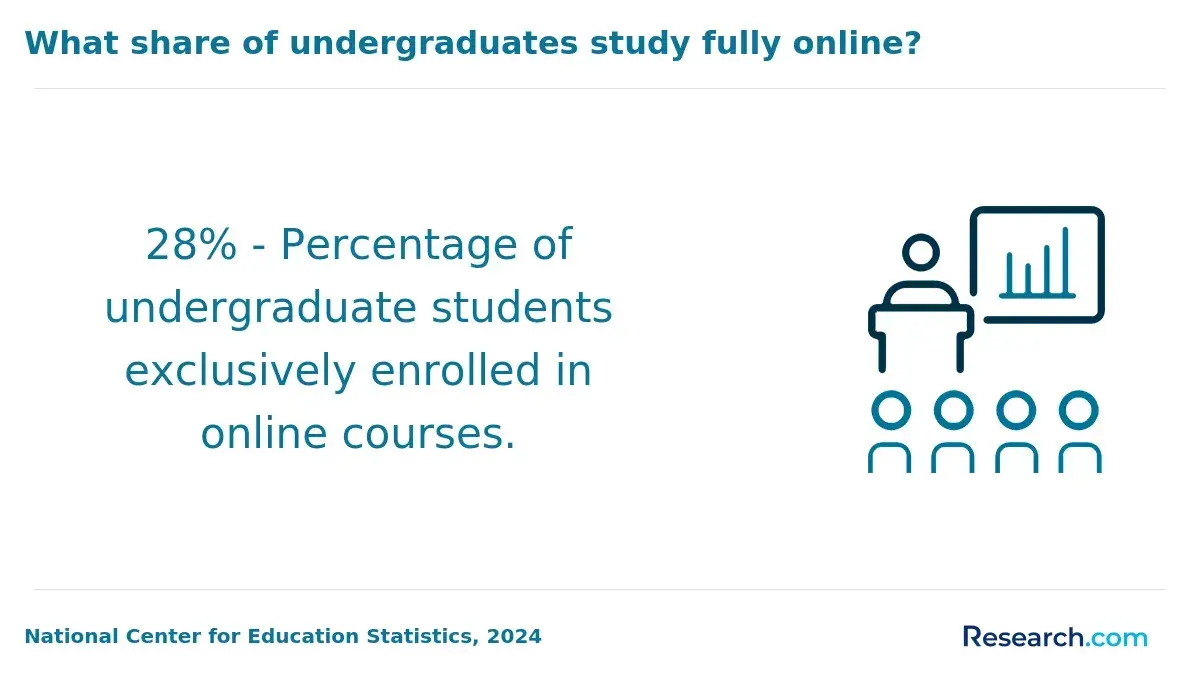
Health sciences coursework typically maintains similar curriculum content, learning outcomes, and academic standards whether completed online or on campus. Both formats focus on foundational subjects like biology, anatomy, public health, and research methodologies. While the core material and objectives remain consistent, delivery methods and student experiences differ depending on the mode of study.
Online programs offer greater scheduling flexibility, allowing learners to access lectures and assignments at their convenience, often asynchronously. Interaction with instructors and peers usually occurs via discussion forums, video conferencing, or email rather than face-to-face. In contrast, campus-based courses provide direct access to labs, libraries, and study groups, which supports hands-on learning.
Practical elements like lab work and clinical observations can be more difficult to replicate online but are often managed through virtual simulations or required in-person sessions. Assessment approaches may also vary, with online courses relying more on open-book exams and projects, while on-campus programs emphasize supervised tests and practical evaluations.
How many hours per week do health sciences classes require?
Health sciences classes typically require students to spend between 15 to 25 hours per week on coursework. This weekly time is usually divided among attending lectures or online sessions, completing readings and assignments, participating in group projects, and engaging in applied learning such as labs or practicums.
On average, students dedicate 6 to 10 hours to lectures, 5 to 8 hours for reading textbooks and academic articles, 3 to 5 hours on assignments, and 1 to 3 hours collaborating in groups. Practicum placements or hands-on projects often increase this time commitment, especially in advanced courses.
Here are some key factors influencing the average weekly study time for health sciences students:
- Enrollment Status: Full-time students generally invest more hours weekly than part-time students due to a larger course load and greater academic demands.
- Course Level: Introductory classes tend to require fewer study hours, while upper-division and specialized courses demand additional time for complex material.
- Course Format: Online learning requires more self-discipline and time management, often resulting in increased study hours compared to on-campus formats.
- Credits Per Term: Each credit typically corresponds to about three hours of weekly study, so the total credit load directly impacts time commitment.
- Practicum and Projects: Applied learning components such as labs or practicums usually add extra hours beyond regular coursework, integral for hands-on experience.
Prospective students seeking a health administration degree online or related programs can expect these typical time commitments to plan their schedules effectively.
How many credit hours are required to complete a health sciences degree?
Total credit hour requirements play a key role in determining the duration of health sciences degree programs, the academic workload per semester, and the timeline for graduation planning. These requirements vary depending on the degree level-undergraduate or graduate-and the specific program structure. Knowing how credits are allocated helps students make informed decisions and manage their studies effectively.
The typical components of credit hour requirements for health sciences degree programs include the following:
- Core Coursework: For undergraduate programs, core courses generally make up a significant portion of the 120 to 130 credit hours required. Subjects often include anatomy, physiology, health policy, and research methods, forming the foundation of the degree.
- Electives: These allow students to explore specialized topics or interdisciplinary subjects within the health sciences field. Elective credits contribute to the total but offer flexibility to tailor the program towards specific interests or career goals.
- Experiential Learning: Many programs incorporate practical components such as internships, practicum experiences, or capstone projects. These credits provide hands-on training essential for professional readiness and often differ in amount between undergraduate and graduate levels.
- Graduate Program Credits: Graduate degrees in health sciences usually require between 30 and 60 credit hours. They focus more on advanced topics, research, and professional development, frequently including a thesis or capstone as part of the credit load.
Understanding health sciences degree total credit hours needed is essential not only for academic planning but also for financial preparation and workload management throughout the program.
Prospective students should closely review specific program requirements as they can vary widely. Those interested in accredited and cost-effective options might consider exploring the cheapest FNP programs online as part of their search.
How does health sciences coursework prepare students for careers?
Health sciences coursework plays a critical role in preparing students for professional careers by combining essential skills, knowledge, and applied learning experiences. These components equip graduates with the competencies needed to meet the dynamic demands of healthcare environments. Employment in healthcare occupations is projected to grow 13% from 2021 to 2031, signaling strong demand for professionals trained in this field.
- Skill Development: Courses emphasize analytical thinking and problem-solving that address real-world healthcare challenges. These skills enhance decision-making and improve patient care outcomes.
- Applied Projects: Hands-on assignments allow students to engage with practical scenarios, reinforcing theoretical knowledge and building confidence in clinical or administrative tasks.
- Critical Thinking: Health sciences degree career preparation fosters the ability to evaluate complex information and adapt to evolving healthcare trends effectively.
- Industry Tools and Technologies: Exposure to current healthcare software and devices prepares students for immediate contribution in various settings, from hospitals to health program management.
- Professional Networking Opportunities: Coursework often includes collaborations and communication training that help build connections within the healthcare community, enhancing career prospects.
For those interested, exploring affordable RN to BSN online programs can be a practical next step in advancing healthcare expertise.
How does health sciences coursework affect salary potential after graduation?
Completing coursework in health sciences plays a crucial role in shaping salary prospects by equipping students with skills and knowledge highly valued by employers. Graduates of health-related bachelor's programs earned a median annual wage of around $69,870, according to the latest data from the U.S. Bureau of Labor Statistics, reflecting strong demand for these professionals. The curriculum's design helps position students competitively in the job market.
The following aspects of health sciences coursework contribute directly to improving salary potential:
- Development of In-Demand Skills: Courses focus on both technical expertise and leadership abilities sought after in healthcare settings, enhancing versatility and employability. These skills often lead to better job offers and faster career progression.
- Specialized and Advanced Coursework: Electives like healthcare informatics and leadership development align with current industry trends, allowing students to qualify for higher-paying roles and stand out to employers.
- Leadership and Management Training: Exposure to management principles and team coordination within the curriculum prepares students for supervisory positions, which typically come with increased compensation.
- Applied Experiences: Hands-on practicum placements and capstone projects provide real-world application of knowledge, building practical skills that translate into job readiness and higher earning potential.
- Certification Preparation: Course content designed to ready students for credentials such as Certified Health Education Specialist (CHES) or Registered Health Information Administrator (RHIA) validates expertise and often leads to salary boosts.
What Graduates Say About Their Health Sciences Degree Coursework
- Paula: "The health sciences degree program was surprisingly affordable, especially considering the comprehensive curriculum it offered. Taking the coursework online gave me the flexibility I needed to balance work and study, making it easier to stay committed. This degree has truly opened doors for me in the healthcare industry, providing both foundational knowledge and practical skills."
- Alicia: "Reflecting on my time in the health sciences program, I appreciated the on-campus environment, which fostered great interactions with peers and professors. Although the tuition was a significant investment, the hands-on experiences and resources made it worthwhile. This coursework strengthened my professional expertise and confidence in clinical settings."
- Elsa: "From a professional standpoint, the health sciences coursework was a vital stepping stone in advancing my career, despite being a modest financial strain. The online format was challenging at times, yet it taught me discipline and time management. Ultimately, the degree's comprehensive approach enhanced my understanding and effectiveness in healthcare roles."
Other Things You Should Know About Health Sciences Degrees
In a 2027 health sciences degree, students can expect hands-on experiences through laboratory work, clinical placements, and internships. These opportunities enable students to apply theoretical knowledge in practical settings, enhance their skills, and prepare for real-world healthcare environments.
To enroll in a 2026 health sciences degree program, students typically need a high school diploma or GED and completed coursework in biology, chemistry, and mathematics. Some programs may also require health-related volunteer experience or specific entrance exams. Always check individual program requirements for precise details.
References
- Internships https://healthsciences.missouri.edu/health-sciences/experiential-learning/internships/
- Health Sciences MS Degree | UT Tyler https://www.uttyler.edu/academics/colleges-schools/health-professions/departments/population-health-leadership-and-analytics/public-health/health-sciences-ms/index.php
- Guide to a Health Science Degree | Caduceus https://cipcourses.com/blog/guide-to-a-health-science-degree/
- 5 Electives in a Bachelor's in Health Sciences Degree - Healthcare Administration Degree Programs https://www.healthcare-administration-degree.net/lists/5-electives-in-a-bachelors-in-health-sciences-degree/
- Health Science Degree Requirements in CT | University of Bridgeport https://www.bridgeport.edu/news/health-science-degree-requirements/
- Seven reasons to study Health Studies https://www.thecompleteuniversityguide.co.uk/student-advice/what-to-study/seven-reasons-to-study-health-studies
- Top 10 Reasons to Pursue a Health Sciences Degree https://www.boisestate.edu/healthsciences/blog/2024/11/08/top-10-reasons-to-pursue-a-health-sciences-degree/
- Service Obligations - Health Sciences - CFWV.com https://www.cfwv.com/financial-aid/health-sciences-service-program/service-obligations/
- How an MPH Degree Impacts Salary Potential in Public Health https://tau.edu.gy/blog/how-an-mph-degree-impacts-salary-potential-in-ph/
- Courses in Health Science - Uopeople Catalog https://catalog.uopeople.edu/ug_term1_item/health-science/courses-in-health-science


