
2027 Different Types of Psychology Degrees and Their Salaries

Co-Founder and Chief Data Scientist
The demand for skilled professionals in psychology continues to rise, driven by an increasing awareness of mental health and the expanding roles psychologists play across various sectors. Recent data from the U.S. Bureau of Labor Statistics projects a growth rate exceeding the average for all occupations through the next decade, reflecting strong workforce needs and promising salary potential. Navigating the many educational paths in psychology is essential for aligning career goals with market opportunities. This article provides a clear overview of the different types of psychology degrees available and highlights the earning expectations associated with each, equipping prospective students and graduates with critical insights to make informed decisions about their professional futures.
Key Points About Different Types of Psychology Degrees and Their Salaries
- An associate degree in psychology often leads to entry-level roles such as psychiatric technician or case manager, with average salaries around $35,000 annually, but it usually requires further education for significant career advancement.
- Obtaining a bachelor's degree in psychology opens more employment opportunities in fields like human resources and social services, with median salaries roughly $50,000 per year, though many positions require a master's degree for higher pay and responsibility.
- Master's and doctoral degrees in psychology significantly increase earning potential and job prospects, with clinical psychologists earning a median salary of about $80,000 to $100,000 annually and better long-term growth compared to lower-degree holders.
What Are the Different Types of Psychology Degrees Available?
Understanding the different types and levels of psychology degrees is crucial for students before choosing a program because each degree caters to diverse career goals and educational backgrounds. Making an informed decision helps align your academic path with your personal interests and future professional aspirations.
The main types of psychology degrees vary in focus and coursework, providing unique foundations depending on the level and approach; below is an overview of these degrees and what makes each distinct.
- Associate Degree in Psychology: Provides an introduction to psychological concepts and human behavior. Coursework typically covers general psychology, developmental psychology, and basic research methods, offering a foundational understanding for further studies.
- Bachelor of Arts (BA) in Psychology: Focuses on the liberal arts perspective, integrating psychology courses with humanities and social sciences. Students explore psychological theories, human development, and counseling concepts while sharpening analytical and communication skills.
- Bachelor of Science (BS) in Psychology: Emphasizes scientific and quantitative methods within psychology. This degree includes extensive training in statistics, research methods, and biological bases of behavior, encouraging empirical investigation.
- Master of Arts (MA) in Psychology: Centers on psychological theory and deeper research engagement. Coursework encourages an advanced understanding of psychological principles and often involves thesis or capstone projects.
- Master of Science (MS) in Psychology: Focuses on practical application of psychological concepts through lab work, data analysis, and applied research. It develops hands-on skills in psychological assessment and intervention, ideal for those looking into applied roles.
- Doctor of Philosophy (PhD) in Psychology: Offers advanced education in research and theory, emphasizing original research and analysis of complex psychological phenomena. This degree balances scientific inquiry with clinical applications.
- Doctor of Psychology (PsyD): Prioritizes professional practice and clinical training. Coursework and supervised experience prepare students to deliver psychological services with an applied focus rather than research emphasis.
For students seeking flexible graduate options, exploring 1 year online masters programs can provide accelerated pathways into master's degrees in psychology, aligning well with varied professional and personal commitments.
What Specializations Are Available in Psychology Degrees?
Choosing the right specialization within a psychology degree is essential for students to align their education with specific career goals and industry demands. Specializing allows students to focus their studies on a particular area, equipping them with targeted skills that increase employability and earning potential.
Below are some common psychology specializations that students might consider, each offering a distinct focus and career path:
- Clinical Psychology: This specialization centers on diagnosing and treating mental, emotional, and behavioral disorders. Students develop skills in assessment, therapy, and intervention, preparing them for roles in hospitals, private practice, or mental health clinics.
- Cognitive Psychology: Focusing on mental processes like perception, memory, and problem-solving, this area emphasizes research methods and data analysis. Graduates often pursue careers in academic research, technology, or human factors fields.
- Developmental Psychology: This field studies behavioral and cognitive changes throughout the lifespan. Students learn observation and assessment techniques, leading to jobs in education, research, or child welfare services.
- Industrial-Organizational Psychology: Applying psychology principles to workplace dynamics, this specialization teaches organizational behavior, employee assessment, and performance management. Careers include human resources, consulting, and organizational development.
- Forensic Psychology: Bridging psychology and the legal system, this area covers criminal behavior, psychological assessment, and expert testimony. Graduates often work with law enforcement, court systems, or correctional institutions.
When considering the broad array of options, students may also explore programs offering an easiest master degree pathway to advance their specialization efficiently while preparing for relevant professional roles.
How Long Does It Take to Complete Each Type of Psychology Degree?
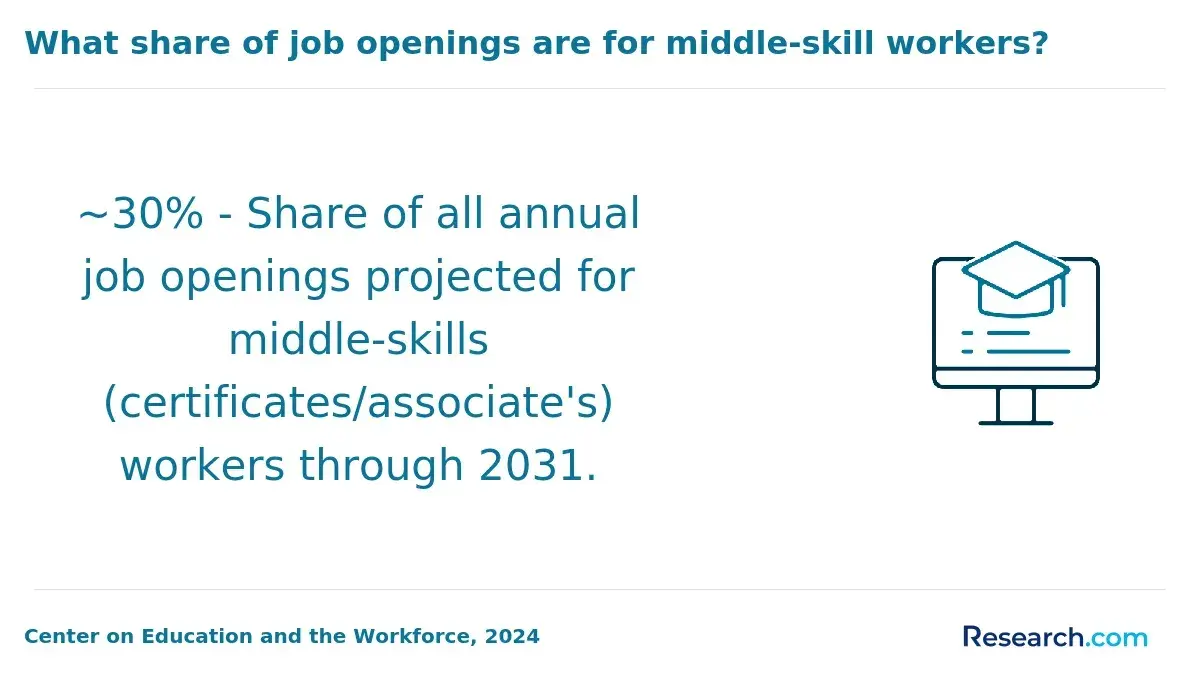
Understanding how long it takes to complete different psychology degrees is crucial for students planning their education and career paths. Knowing the typical duration helps set realistic timelines and manage expectations effectively. Below is an overview of the main psychology degree types and their usual completion times.
- Associate Degree in Psychology: This degree typically takes about two years to complete when attending full-time. Part-time study or the use of transfer credits might extend or shorten this period. Many community colleges offer online or accelerated options to fit different schedules.
- Bachelor's Degree in Psychology: Usually requiring four years of full-time study, this degree can sometimes be completed faster with transfer credits or by enrolling in summer classes. Online programs and accelerated tracks are becoming increasingly common, providing more flexibility for working students.
- Master's Degree in Psychology: Generally, a master's takes around two years beyond the bachelor's degree. Part-time enrollment can extend this to three or more years, while accelerated programs or online courses might shorten it. The nature of the specialization and thesis requirements also influence the duration.
- Doctoral Degree in Psychology (PhD or PsyD): Doctoral programs typically require four to seven years of study following the master's degree or directly after the bachelor's degree in some cases. The timeline depends on research, dissertation progress, and internship completion. Some programs offer part-time or flexible formats, but accelerated options are rare at this level.
Are There Accelerated Psychology Degree Programs?
Accelerated psychology degree programs offer motivated students a way to complete their studies more quickly than through traditional paths. These programs reduce completion time by integrating undergraduate and graduate coursework, commonly in combined formats like the BS+MS or BA/MA completed in about five years instead of six. Many accelerated programs also use condensed course formats, where classes run in intensive five- to eight-week sessions, allowing students to progress faster. Year-round enrollment options with multiple start dates help maintain continuous study, avoiding long breaks. Additionally, generous transfer credit policies often permit students to apply substantial prior coursework-sometimes up to 75 to 90 credits-toward their degree, further shortening the time needed for graduation.
When considering accelerated psychology degrees, it's important to weigh factors such as the increased workload intensity, which demands faster pacing and a significant time commitment-potentially challenging for students managing work or family. Eligibility requirements are often strict, with many programs expecting a strong academic record, including a minimum GPA and occasionally GRE scores, especially for combined bachelor's/master's tracks. Financially, while these programs can reduce overall tuition and living expenses by cutting down study duration, the upfront demands can require careful planning. Graduates benefit by entering the workforce or advanced study sooner, with median psychologist salaries around $85,000, although bachelor's degree holders often start in support roles with lower pay.
As a graduate of an accelerated psychology degree program reflected, "The pace was intense from day one, especially balancing coursework that compressed what would normally be a semester into just a few weeks." He shared that staying organized was essential and that early mornings and late nights became routine. "It wasn't easy, especially when labs and assignments piled up, but knowing I could finish in less time kept me motivated." The continuous enrollment schedule meant he rarely had a traditional break, which at times felt overwhelming. However, he appreciated how the program's structure pushed him to develop strong time-management skills and resilience. "Looking back, the challenge was rewarding because I entered the field sooner than many peers, which made the sacrifices worthwhile." His experience highlights how accelerated psychology programs demand dedication and adaptability but can provide a valuable, expedited pathway into psychology careers.
Are Online Psychology Degrees as Credible as Traditional Ones?
Online psychology degrees from accredited institutions maintain academic standards comparable to those of traditional, campus-based programs. Both formats require completing rigorous coursework in essential areas such as research methods, cognitive psychology, and developmental psychology. Legitimate programs include capstone projects, practicums, or internships to provide applied learning experiences. At the bachelor's level, students typically complete 120 credit hours over four years regardless of whether they study online or in person. Master's and doctoral programs, particularly those preparing students for clinical licensure, often require supervised clinical experiences or residencies, which remain consistent across both delivery methods. Accreditation from recognized regional agencies or the American Psychological Association (for doctoral degrees) serves as the key indicator of quality and credibility across all formats.
Recent trends point to growing employer acceptance of online psychology degrees. Surveys indicate that 61% of HR professionals approve of candidates holding online degrees, and 71% have personally hired individuals with such credentials. Interactive components like virtual simulations and online discussions help ensure that online students develop competencies on par with their on-campus peers. Ultimately, the credibility of a psychology degree relies much more on the institution's reputation, accreditation status, and curriculum rigor than on whether the coursework was completed online or in person. For prospective students, verifying program accreditation and alignment with licensure requirements is far more critical than focusing solely on the mode of delivery.
How Much Does Each Type of Psychology Degree Typically Cost?
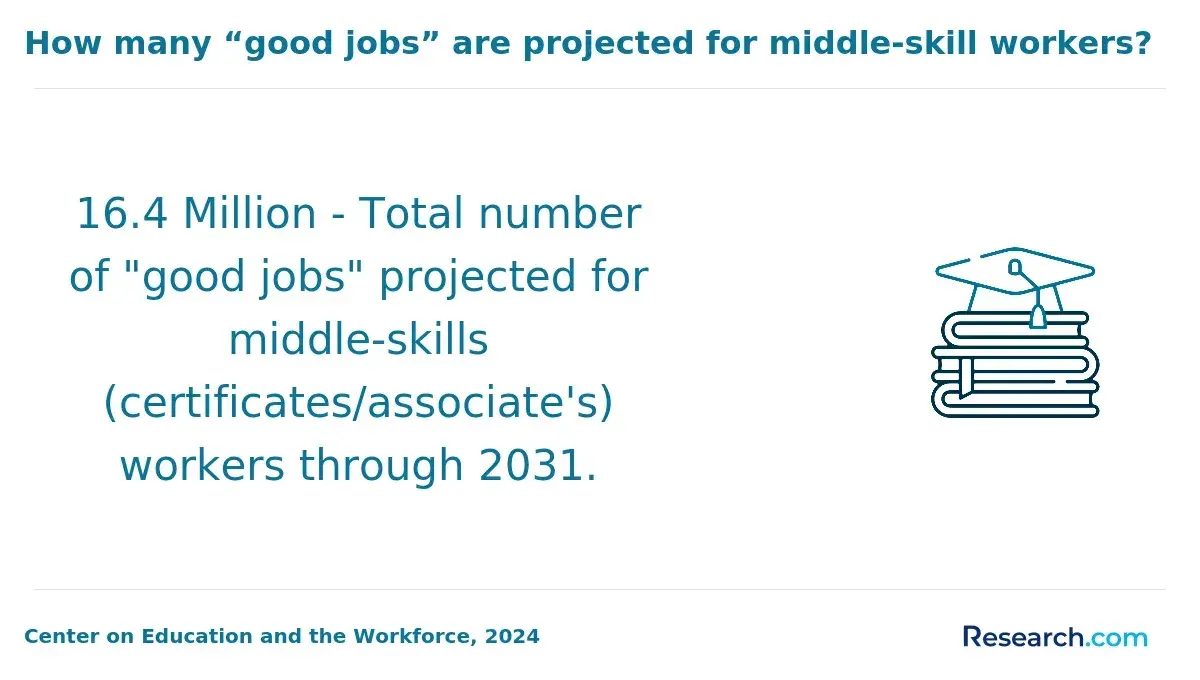
Understanding the differences in tuition costs across psychology degree levels is essential for effective budgeting and long-term financial planning. These costs vary widely depending on degree type, school, and program format, influencing the total investment and potential student debt. Below is an outline of typical tuition ranges for each major psychology degree to help students make informed decisions.
- Associate Degree in Psychology: Tuition typically ranges from $3,000 to $8,000 per year at public community colleges, offering one of the most affordable entry points. Costs tend to be lowest for in-state students, and many take advantage of federal Pell Grants and state aid to offset expenses.
- Bachelor's Degree in Psychology: Public universities charge about $9,000 to $12,000 annually for in-state students and $25,000 to $32,000 for out-of-state students, while private nonprofits usually range between $35,000 and $45,000 per year. Financial aid, including federal loans, scholarships, and need-based grants, is broadly accessible to reduce costs.
- Master's in Psychology: Annual tuition ranges from $10,000 to $25,000 at public institutions and $30,000 to $50,000 or more at private schools. Online programs sometimes offer lower total costs around $15,000 to $25,000. Graduate assistantships, scholarships, and federal loans frequently support students financially.
- Ph.D. in Psychology: Many Ph.D. programs waive tuition for students involved in research or teaching, though nominal fees can range from $12,000 to $30,000 annually at public universities and $25,000 to $45,000 at private schools. Most students also receive stipends that help cover living expenses, making these programs more affordable than other graduate degrees.
- Psy.D. in Psychology: Usually the most expensive, Psy.D. programs cost $20,000 to $35,000 per year at public universities and $35,000 to $60,000 at private institutions, with total costs exceeding $100,000 to $250,000 over 4 to 6 years. Students often rely on a combination of federal loans, private scholarships, and part-time work to manage expenses.
In a conversation with a graduate of a psychology degree program, she reflected on her journey managing tuition costs. She shared that while initial expenses felt daunting, her careful pursuit of scholarships and part-time jobs made a significant difference.
"It wasn't easy balancing work and studies, but knowing where every dollar was going helped me stay on track," she recalled. Her experience underscored the value of early financial planning and leveraging available resources, which ultimately allowed her to complete her degree without overwhelming debt. Now established in her career, she emphasizes how understanding tuition variations upfront helped her make strategic choices that paid off both academically and professionally.
What Jobs Can You Get with Each Type of Psychology Degree?
The level of psychology degree you earn significantly affects your career opportunities, job responsibilities, and earning potential. Higher degrees typically qualify graduates for specialized and licensed roles, while entry-level degrees provide access to support positions in various settings. Below is an overview of common jobs associated with each psychology degree type to help you understand possible career paths.
- Associate Degree in Psychology: Graduates often work as psychiatric technicians, case management aides, or rehabilitation assistants. These roles involve supporting mental health professionals in hospitals, residential facilities, or community agencies by assisting clients with daily activities, monitoring progress, and helping coordinate care.
- Bachelor's Degree in Psychology: This degree opens doors to positions such as human resources specialist, market research analyst, case manager, probation officer, and public relations assistant. Responsibilities include recruiting and training employees, analyzing consumer data, coordinating social services, or supporting public communication in business, education, social service, or government environments. The median annual wage for social and human service assistants was $38,520 in 2023.
- Master's Degree in Psychology: Holding a master's degree qualifies individuals for licensed roles like licensed counselor, marriage and family therapist, school psychologist (in some states), applied behavior analyst, and industrial-organizational psychologist. These professionals provide counseling, conduct psychological assessments, and offer organizational consultation in private practice, schools, clinics, and corporate settings. For example, industrial-organizational psychologists earned a median salary of $139,280 in 2023.
- Doctoral Degree in Psychology (PhD or PsyD): A doctoral degree is essential for careers such as clinical psychologist, counseling psychologist, university professor, or research scientist. These roles involve diagnosing and treating mental health conditions, performing advanced research, or teaching at academic institutions. Clinical psychologists had a median salary of $90,130 in 2023, with additional earning potential in private practice or specialized research. For those interested in a phd without dissertation, there are online programs that may offer alternative pathways.
How Do Salaries Differ by Psychology Degree Type?
Degree level is a major factor influencing earning potential in psychology, with higher degrees generally associated with increased salaries and broader career opportunities. Understanding these differences can help students make informed educational and career decisions. Below is an overview of typical salary ranges by psychology degree type, outlining how educational attainment shapes earning potential.
- Associate Degree in Psychology: Entry-level positions, such as psychiatric aides or technician roles, usually offer salaries between $30,000 and $40,000 annually. These roles often have limited advancement opportunities without further education.
- Bachelor's Degree in Psychology: Graduates can find work in human resources, case management, or school settings, with salaries generally ranging from $40,000 to $63,670 per year. Median pay can vary, with those holding a Bachelor of Arts earning slightly more than Bachelor of Science graduates. Location and experience further influence these salaries, though higher-paying jobs typically require graduate degrees.
- Master's Degree in Psychology: This level opens doors to specialized roles like counseling or school psychology, with salaries averaging $51,000 to $87,000. Licensure and state-specific requirements may impact both salary and job eligibility, especially for positions such as marriage and family therapists.
- Doctoral Degree (Ph.D., Psy.D.) in Psychology: Doctoral psychologists earn between $85,654 and $106,600 on average, with specialized fields such as neuropsychology and industrial-organizational psychology commanding much higher salaries, sometimes exceeding $150,000 annually. Advanced expertise and licensure are crucial for these earnings.
- Medical Degree (Psychiatrist): Psychiatrists, who complete medical school, have the highest earning potential in psychology-related fields, with salaries ranging from $209,227 to $299,470. The extensive training and medical licensure required justify these figures.
Salary prospects in psychology also depend on industry, specialization, and geographic location. Students considering their educational path may explore options through affordable online schools that accept fafsa to balance costs with career goals.
Is There High Demand for Psychology Degree Holders in the Job Market?
There is a strong and growing demand for psychology degree holders in the US job market, driven by several key factors such as emerging technologies, evolving workforce needs, and regional differences. Expanding mental health awareness has increased the need for professionals skilled in clinical, counseling, and school psychology, with employment in these fields projected to grow 6% from 2022 to 2032, outpacing the average for all occupations. Technological innovation also plays a significant role by creating new roles related to digital therapy, telehealth services, and AI-assisted behavioral research.
Additionally, as organizations place greater emphasis on workplace mental health, diversity, equity, and inclusion, there has been increased hiring of psychology graduates in corporate settings, particularly in human resources and organizational development. These trends benefit bachelor's degree holders seeking roles like human resources specialists and market research analysts, while advanced degrees open doors to higher-paying careers.
Regional differences further influence job availability and salary for psychology professionals. Urban centers and states with robust healthcare infrastructures tend to offer more opportunities and higher wages, especially in clinical and school psychology specialties. Emerging fields such as teletherapy and user experience research reflect ongoing shifts in the job market that capitalize on psychological expertise within technology sectors.
For students evaluating career prospects, it is essential to consider both geographical factors and the expanding range of dynamic roles today's job market presents. Those interested in the most lucrative opportunities within related fields may also explore trade school highest paying jobs, which highlight alternatives that complement psychology-related skills. Overall, degree holders can expect versatile career pathways in healthcare, business, education, and technology sectors backed by positive job outlooks.
What Factors Should You Consider When Picking a Type of Psychology Degree?
Choosing the right degree level in psychology is a critical decision that shapes both your educational journey and your future career path. Aligning your choice with your professional goals and personal circumstances ensures you invest time and resources wisely. To help guide this process, consider these key factors when evaluating your options:
- Career Goals: Different roles in psychology require varying education levels. Entry-level positions like psychiatric technicians often need only a bachelor's degree, while roles such as licensed psychologists or researchers usually require master's or doctoral degrees. Understanding the education needed for your target career helps set a clear academic path.
- Time Commitment: Higher degrees mean more years of study. A bachelor's takes about four years, a master's adds two to three years, and doctoral programs require five to seven years including supervised experience. Assess your readiness to commit this time to reach your desired qualification.
- Financial Investment: Graduate degrees typically involve higher tuition and longer periods out of the workforce but can lead to better salary prospects and job security. Balance the immediate costs against your long-term earnings potential.
- Specialization Interests: Some psychology fields - like forensic or industrial-organizational psychology - demand advanced degrees. Research the educational requirements of your preferred specialization to ensure you meet those benchmarks.
- Licensing and Certification: Many clinical, counseling, and school psychologist jobs require state licensure, which generally involves at least a master's or doctoral degree plus supervised practice. Verify licensing prerequisites for your intended career.
- Flexibility and Career Mobility: Bachelor's degrees offer broad foundations and entry into various allied fields, but advancing often requires further education. Some programs provide accelerated or dual-degree options that can save time and money if planned early.
What Psychology Graduates Say About Their Degree and Salary
- Alana: "Completing my bachelor's degree in psychology opened doors I never anticipated. The curriculum's blend of theory and practical research experience gave me the confidence to enter the workforce immediately. I landed a position in a mental health nonprofit, where I apply what I learned to support underserved communities. The degree also strengthened my communication skills, which are crucial when advocating for clients' needs. It feels rewarding to make a real difference in people's lives every day."
- Dawson: "My master's in clinical psychology was both a challenging and transformative journey. The advanced coursework and supervised clinical hours were crucial for developing my professional identity and competence. Graduating allowed me to begin work as a licensed therapist, where I specialize in adolescent mental health. I appreciate how the program emphasized ethical practice and cultural sensitivity, helping me to be an empathetic, effective clinician. This degree truly paved the way for meaningful career growth and personal fulfillment. "
- Maggie: "After earning my doctorate in industrial-organizational psychology, I stepped into a role that combines data analysis with leadership coaching. This field's focus on workplace behavior has given me unique insights into improving employee well-being and productivity. The academic rigor challenged me to think critically and develop innovative solutions to organizational challenges. It's exciting to contribute to healthier, more efficient work environments through evidence-based strategies. The degree has been invaluable for my professional advancement and lasting impact."
Other Things You Should Know About Psychology Degree Programs & Salaries
In 2027, entry-level salaries for psychology graduates with a bachelor's degree range from $40,000 to $50,000 annually, depending on the job role and location. Typically, roles such as psychiatric technicians or case managers fall within this salary range.
In 2027, salaries for psychology degrees vary by geographic location due to cost of living and demand factors. Urban areas like New York may offer higher salaries, often exceeding $90,000 for clinical psychologists, while rural areas may offer lower salaries, around $60,000, reflecting regional economic conditions.
In 2027, psychology salaries can vary significantly by location. Factors influencing this include the cost of living, local demand for psychologists, and state funding for mental health services. Metropolitan areas might offer higher salaries due to higher living costs, while rural areas might have lower salaries but also lower living expenses.
References
- Top 10 Highest Paying Jobs with Psychology Degree 2025 | Nexford University https://www.nexford.edu/insights/highest-paying-jobs-with-psychology-degree
- 12 Types of Psychology: From Biopsychology to Sports Psychology https://und.edu/blog/types-of-psychology.html
- Recognized Specialties, Subspecialties and Proficiencies https://www.apa.org/ed/graduate/specialize/recognized
- Psychologists https://www.bls.gov/ooh/life-physical-and-social-science/psychologists.htm
- 5 Psychology Degrees and What You Should Know About Them https://www.verywellmind.com/psychology-degrees-2795151
- 16 Psychology Specializations: Which is Right For You? https://www.alliant.edu/blog/16-psychology-specializations-which-right-you
- Accelerated Psychology Degree | 4+1 Psychology Program https://www.adelphi.edu/program/undergraduate/accelerated-psychology/
- Fastest Growing Careers In Psychology | Psychology.org https://www.psychology.org/resources/fastest-growing-careers-in-psychology/
- 48 Jobs You Can Get with a Psychology Degree - Mid-Atlantic Christian University https://www.macuniversity.edu/48-jobs-you-can-get-with-a-psychology-degree/
- Career options in psychology | BPS https://www.bps.org.uk/career-options-in-psychology


