2027 How Long Does It Take to Earn an Online Physical Education Degree?

Co-Founder and Chief Data Scientist
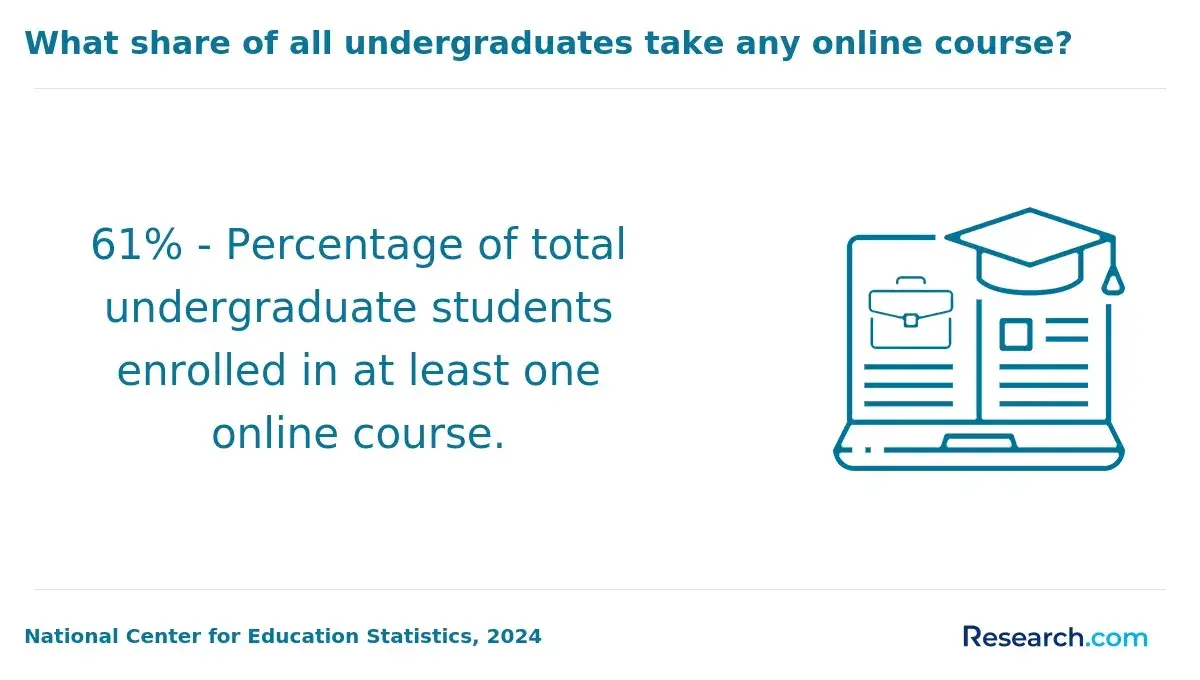
The growing demand for flexible learning options makes online physical education degrees increasingly popular among students balancing work and personal commitments. According to the National Center for Education Statistics, over 30% of undergraduates now take at least one distance education course, reflecting a trend toward remote study. Understanding how long does it take to earn an online physical education degree is essential for academic planning.
This article explores the average completion times, key factors influencing program length, and guidance on selecting the right duration to fit individual goals and schedules. The goal is to equip readers with reliable insights for confident decision-making about their educational path.
Key Benefits of Online Physical Education Degree
- Most online physical education degrees can be completed in 2 to 4 years, depending on whether students enroll full-time or part-time, allowing flexibility within their personal schedules.
- The self-paced nature of many programs means learners can accelerate their timeline by taking extra courses each semester or slow down if balancing work or family commitments.
- Courses often combine synchronous and asynchronous formats, providing students access to recorded lectures and real-time discussions, helping maintain steady progress without geographic constraints.
What is the Average Completion Time for Online Physical Education Programs?
Online physical education programs typically take varying amounts of time to complete depending on the degree level, with flexibility built into most options to accommodate different student needs. To help you understand the average time to complete online physical education degree programs, here is a breakdown of completion times by degree type.
- Bachelor's degree: Most online bachelor's degrees in physical education follow a traditional four-year timeline, reflecting their on-campus counterparts. However, many programs allow students to study part-time or at a personalized pace, which can extend completion time. While accelerated pathways are uncommon, multiple start dates throughout the year can help motivated students finish earlier.
- Master's degree: On average, online master's degrees in physical education take about two years to complete. Some institutions offer accelerated options where students can graduate in as little as 15 months. Other programs provide longer windows of up to five years to accommodate working professionals balancing education with other responsibilities.
- Degree completion programs: Designed for students with prior college credits, these bachelor-level options often enable faster completion times. Their flexible structure lets students leverage transferred credits and individual pacing to finish online physical education degrees in less than four years.
The duration to earn an online physical education degree largely depends on whether a student enrolls full-time or part-time, as well as previous academic work. Understanding how long does an online physical education degree take can help prospective students choose pathways that align with their schedules and goals.
For those interested in program outcomes related to cost and career prospects, exploring the highest-paying college majors can be a valuable next step.
What Factors Can Affect How Long It Takes to Earn an Online Physical Education Degree?
The time required to earn an online physical education degree varies significantly based on several personal and program-specific factors that shape the pace of study and ultimate graduation date. To understand what can influence the length of these programs, it's helpful to consider the key elements affecting completion time.
Below are the primary factors that impact how long it takes to finish an online physical education degree:
- Enrollment status (full-time vs. part-time): Full-time students usually complete the degree in about four years, as online physical education programs typically require 120-130 credits, similar to traditional campuses. In contrast, part-time students take fewer courses due to work or family obligations, often extending their timeline significantly beyond four years; understanding the distinction between part-time vs full-time online physical education degree options is crucial for realistic planning.
- Transfer credits and prior learning: Many programs accept credits from previous college courses or recognize professional certifications and relevant work experience. Utilizing these credits can shorten time to graduation by allowing students to bypass certain requirements.
- Course load flexibility and accelerated options: Some institutions offer accelerated terms, summer sessions, or combined degree pathways, enabling motivated students to speed up their studies and reduce the overall duration.
- Program structure and requirements: Elements like internships, practicums, or student teaching can add time, depending on how they are integrated. Some programs offer flexibility by allowing completion of these components at a student's place of employment, but coordination may extend the timeline.
- Personal and professional obligations: Balancing work, family, and other commitments affects how many courses a student can take each term, directly influencing their total time to degree.
For those exploring related educational pathways, examining the easiest degree to get may provide additional insights into manageable online program options.
What Are the Different Types of Online Physical Education Programs Available?
Students seeking an online physical education degree can choose from a variety of specialized programs designed to meet diverse career goals within health, fitness, teaching, and sports management. Below is an overview of the main types of online physical education degree programs and their focus areas, helping students understand which path aligns best with their professional interests and learning preferences.
- Physical Education Teacher Education: These programs focus on preparing students to become licensed K-12 physical education teachers. Coursework typically includes teaching methods, curriculum design, and hands-on field experiences like student teaching, making it ideal for those pursuing classroom instruction and certification.
- Sports Coaching: Emphasizing athlete psychology, motivation, and safety, sports coaching degrees cover sport pedagogy and rules, often culminating in a capstone project. This option suits individuals aiming to coach in schools, communities, or private sports settings.
- Health and Wellness Promotion: Concentrated on health education and disease prevention, these programs include topics like nutrition and health program planning. Graduates often pursue careers in community health, wellness coaching, or health administration.
- Sport and Recreation Management: Combining business and physical education, this specialization prepares students for roles in sports administration, facility management, and event planning, frequently incorporating internships for real-world experience.
- General Studies with a Physical Education Concentration: Offering flexibility, this broad-based degree allows students to complete general education alongside physical education courses, supporting diverse careers in coaching, recreation, or fitness and appealing to those who value versatile skills.
How Many Credit Hours Are Required for an Online Physical Education Degree?
Completing an online physical education degree typically requires a commitment of numerous credit hours that vary according to the level of the program and individual study pace. Understanding these credit hour requirements can help prospective students plan their academic journey effectively and anticipate how long it will take to graduate.
Below is a breakdown of the average credit hours expected for different online physical education degree levels.
- Associate Degree: Generally requiring between 60 and 65 credit hours, this degree offers an entry point into physical education. Full-time students often finish in about two years, while part-time learners may take longer. Some community colleges allow transfer credits, which can shorten the time needed for further study.
- Bachelor's Degree: With a typical range of 120 to 154 credit hours, this degree is the standard minimum for teaching certification in physical education. Most full-time students complete the program in about four years, but part-time attendance or additional student teaching can extend it to five years. Transfer credits from an associate degree can reduce both the credit and time requirements.
- Master's Degree: Requiring 30 to 49 credit hours depending on the program, master's degrees vary widely in structure. Some programs designed for full-time study can be completed in two years, while specialized degrees with internships may take longer, especially for part-time students.
- Doctoral Degree: Although less common online, doctoral programs typically demand 60 to 90 post-master's credit hours. Completion time depends heavily on dissertation and research components, often extending beyond five years with part-time study.
A graduate of an online physical education degree I recently spoke with shared that balancing coursework with job and family life was the most challenging part of meeting credit hour requirements. They described late-night study sessions after full workdays and the emotional toll of managing deadlines while ensuring quality learning.
However, the flexibility of the online format allowed them to progress steadily, giving them a strong sense of accomplishment each semester they completed. This personal journey highlights how online physical education programs, while demanding, can be successfully navigated with persistence and effective time management.
What Courses Are Included in a Standard Online Physical Education Curriculum?
A standard online physical education curriculum offers students a well-rounded foundation across fitness science, teaching methods, coaching, and health promotion. These programs are designed to prepare graduates for careers leading physical activity programs or pursuing teaching and coaching roles.
Below is a list highlighting examples of core and specialized courses commonly offered in online physical education programs, demonstrating the scope and focus of typical degree requirements.
- Anatomy and Physiology: This course covers the structure and function of the human body, focusing on muscles, bones, joints, and the systems supporting movement. Understanding these fundamentals is essential for designing safe and effective fitness and activity plans in educational and coaching settings.
- Kinesiology: Students study human movement and biomechanics, learning scientific principles behind exercise. It prepares graduates to analyze physical activities, enhance performance, and reduce injury risks in various populations.
- Exercise Physiology: This course explores how physical activity impacts cardiovascular, respiratory, and muscular systems. It equips students to create evidence-based training programs and contribute to wellness efforts.
- Motor Learning and Development: Focused on how individuals acquire and refine motor skills, this course examines movement control across different ages. It is especially important for physical education teachers working with diverse learners.
- Teaching Assessment and Management of Physical Education: Students learn to plan, organize, and assess PE instruction with training in classroom management and activity selection, essential for K-12 PE teacher certification.
- Adapted Physical Education: This specialized course addresses modifying activities to meet the needs of students with disabilities. Graduates gain expertise in inclusive education and legal standards for adapted programs.
- Philosophy and Psychology of Coaching: Introducing athlete motivation, team dynamics, and coaching ethics, this course prepares future coaches and educators to build positive athletic environments.
- Administration and Organization of Physical Education: Covering program management, budgeting, and organizational structures, it equips students to oversee school or community sports programs effectively.
- Health Behavior and Promotion: Students explore health theories, nutrition, and wellness planning, supporting careers in health education, community wellness, and preventive services.
- Technology in Physical Education: This course integrates digital tools and instructional technology, preparing graduates to use innovative methods in teaching, assessment, and program development.
- Student Teaching Practicum: Although online, programs generally require an on-site practicum or student teaching experience, sometimes up to 600 hours, which is vital for licensure and real-world classroom exposure.
How Often Do Online Physical Education Programs Start During the Year?
Online physical education programs commonly offer multiple start dates throughout the year, providing students with flexibility to begin their studies at times that best fit their personal and professional lives. This adaptability is especially beneficial for working adults and busy individuals who need to balance education with other commitments.
Below is a summary of the most common start schedules found in these programs.
Most online physical education degrees follow one of these typical enrollment options:
- Traditional Academic Calendar: Many programs align with the standard semester system, offering start dates in fall, spring, and summer. This schedule supports students who prefer a structured academic year and need time to prepare for enrollment periods.
- Multiple Entry Points per Year: Some institutions provide six or more start dates annually, with courses beginning every 8-10 weeks. This option suits students wanting frequent opportunities to start their studies and those interested in accelerated progress.
- Rolling Admissions: Several schools allow students to apply and begin classes nearly any time, often within weeks after acceptance. This schedule is ideal for students seeking maximum flexibility or needing to enroll quickly due to changes in work or personal situations.
- Monthly or Quarterly Starts: Certain large universities offer monthly or quarterly start dates year-round. This option benefits highly motivated learners who wish to start or complete their degree faster, providing continual enrollment opportunities.
How Much Faster Can You Complete an Accelerated Online Physical Education Degree?
Accelerated online physical education programs significantly reduce the time required to earn a degree compared to traditional on-campus formats by optimizing course delivery and academic policies. These programs offer specialized structures and opportunities that help motivated students progress faster toward graduation.
The following features highlight common ways these programs enable quicker completion:
- Shorter Course Terms: Courses are condensed into 5-8 week periods instead of the typical 15-16 weeks, allowing students to complete more classes within a year. This intensive scheduling can lead to finishing a bachelor's degree in as little as 2-3 years rather than the usual four.
- Year-Round Enrollment: Multiple start dates throughout the year, including summer and winter sessions, enable students to maintain continuous enrollment. This consistent pace helps accumulate credits without long breaks, speeding up overall completion time.
- Transfer Credits: Acceptance of prior college coursework, community college classes, or Advanced Placement credits reduces the number of required courses. Some students can leverage this to graduate in as little as 12-18 months.
- Degree-Completion Pathways: Tailored tracks for students who already hold related credits focus solely on remaining courses necessary for certification or graduation. This streamlined path eliminates unnecessary coursework and accelerates completion.
- Competency-Based Learning: Programs using this model allow students to progress by demonstrating mastery rather than spending set time in class. Self-paced advancement benefits students who already possess knowledge or skills, enabling faster degree completion.
A graduate of an online accelerated physical education degree I spoke with described the journey as both challenging and rewarding. They highlighted balancing a full-time job while enrolling in consecutive short-term classes, which demanded careful time management and lots of late nights.
Despite the intense pace, they found motivation in regularly completing courses and quickly applying new skills in their current coaching role. The flexibility to study evenings and weekends allowed them to maintain employment income, which was crucial during the program. Reflecting on the experience, they emphasized that persistence and support from instructors made the accelerated format manageable, ultimately allowing them to advance their career much sooner than expected.
Does Finishing an Online Physical Education Degree Faster Save You Money?
Completing an online Physical Education degree faster can significantly reduce overall education costs and improve financial outcomes for students. Understanding how accelerated completion creates cost benefits is essential for evaluating tuition expenses for fast-tracked physical education programs, which often use flat-rate tuition models or term-based pricing.
The following points highlight the main ways cost savings for accelerated online physical education degree programs can be achieved:
- Lower Tuition Costs: Many programs charge a fixed tuition rate per term regardless of the number of courses taken. By finishing the degree in fewer terms, students pay less overall tuition, making accelerated paths financially advantageous compared to traditional semester-by-semester billing.
- Reduced Living Expenses: Although online students avoid dorm and meal plan fees, they still incur everyday costs like internet and study materials. Completing the degree sooner means fewer months of these expenses, which can add up significantly over the length of a typical program.
- Earlier Entry Into the Workforce: Graduating faster allows students to start earning a salary earlier, offsetting tuition costs and lost income from delayed employment. For instance, physical education graduates can expect median earnings above $55,000 four years post-graduation, so reducing time to degree can have strong financial benefits.
- Less Time Off Work: Working students minimizing reduced hours or unpaid leave while studying shorten the period of lost wages. This helps maintain steady income and career progression alongside education.
- Potential for Lower Interest Payments: Students borrowing for tuition may decrease loan interest by repaying sooner, reducing the total cost of borrowing for their education.
Students considering the most efficient route to a degree might also explore options like the easiest PhD without dissertation online programs, which emphasize accessible and accelerated pathways to completion.
How Soon Can Graduates Start Working After Earning Their Online Physical Education Degree?
Graduates can typically start working within a few weeks to several months after earning their online physical education degree. The time to employment after online physical education degree completion depends on factors such as job availability, specific roles, and licensure requirements for teaching positions, which may extend the waiting period.
Prior work experience, internships, or networking during study often help graduates secure jobs faster. The steady demand for physical education professionals, especially in K-12 schools and health-related fields, supports a relatively smooth transition into the workforce. According to projections, physical education teaching jobs are expected to grow steadily, offering new graduates a solid job market.
Online physical education programs often provide flexible schedules that enable students to gain practical experience while studying. Many programs incorporate internships, practicum placements, and networking opportunities, which can significantly ease the transition into employment after graduation.
Some students take advantage of accelerated pathways or hybrid learning models to build real-world skills alongside academic knowledge. This experiential learning frequently results in job offers around graduation time. For those seeking affordable options, considering the cheapest online college can be a helpful part of planning their education and career path.
How Much Do Online Physical Education Graduates Earn on Average?
Online Physical Education degree graduates typically earn between $42,000 and $55,000 annually in the early stages of their careers. These salary ranges vary widely depending on factors such as career path, experience, and geographic location, with some roles offering higher earning potentials.
Below is a breakdown of average earnings by career level and specialization to provide insight into the typical physical education teacher salary by state and other positions.
- Entry-Level Roles: Graduates starting in K-12 teaching or group fitness instruction generally earn between $42,000-$47,000. Salaries at this level depend greatly on location, with states like New York and California offering salaries as high as $82,000 for physical education teachers.
- Mid-Career Professionals: With experience, physical education professionals can advance to senior teaching roles or recreation coordinators, earning around $50,000-$56,000. Additional certifications and responsibilities, such as coaching, improve earning potential.
- Specialized Positions: Athletic trainers and human performance specialists, often requiring advanced certifications, report median salaries near $60,250. These roles benefit from faster job growth and reward graduate degrees or licensure.
- Leadership Roles: Department heads and program directors in fitness or school settings earn from $65,000 to $83,000, with top earners exceeding $89,000. These positions require extensive experience and often a graduate degree.
- Industry Variations: Those working in community recreation, private fitness centers, or campus programming typically earn between $35,000 and $47,000. These jobs often serve as stepping stones to higher-paying roles.
For prospective students looking to maximize both education quality and earning potential, exploring a list of nationally accredited online colleges can be a helpful step in finding programs that align with individual career goals.
Here's What Graduates of Online Physical Education Programs Have to Say About Their Degree
- Jamal: "Completing my online physical education degree opened doors I never imagined possible. The flexibility allowed me to balance work, family, and studies, while the coursework provided hands-on strategies I could immediately apply in my community coaching programs. I'm now confidently leading youth fitness initiatives, inspiring students to embrace active lifestyles and improve their well-being. This degree was not just an academic achievement but a personal journey toward making a meaningful impact where it matters most."
- Carmen: "Being part of an online physical education program taught me discipline and time management, but it also gave me a unique perspective on adapting teaching methods for diverse learning environments. After graduation, I secured a stable position as a school athletic coordinator, where I use technology-driven approaches to engage students more effectively. This degree didn't just advance my career-it transformed how I connect with young people and support their growth through physical activity."
- Rajesh: "The professional development opportunities through my online physical education studies were outstanding. I gained current knowledge in physiology and sport psychology that made me a more confident educator and health advocate. Balancing real-world challenges with academic demands pushed me to grow both professionally and personally. Today, I'm proud to contribute positively to my community's health initiatives and encourage lifelong fitness habits."
Other Things You Should Know About Online Physical Education Degree Programs
In 2027, online Physical Education degrees incorporate practical training through virtual simulations, in-person workshops, and internships. Programs often partner with local gyms or schools to provide students with physical training opportunities, ensuring that they receive hands-on experience alongside their theoretical studies.
Graduates from accredited online Physical Education programs can pursue teaching certifications, but requirements vary by state. Many states mandate completion of specific coursework and supervised teaching experiences, which must meet both institutional and state education board standards.
Employers generally recognize accredited online Physical Education degrees as valid qualifications. Accreditation and the reputation of the issuing institution play critical roles in acceptance. Candidates should confirm that their program holds proper accreditation to improve employment prospects.
References
- Manhattanville University https://www.mville.edu/programs/phyiscal-education-accelerated-program.php
- An examination of online physical education participation and its effects on health promotion https://pmc.ncbi.nlm.nih.gov/articles/PMC12283689/
- WVU Online | Physical Education Teacher Education, M.S. https://online.wvu.edu/programs/masters-degrees/physical-education-teacher-education-ms
- Master of Education in Physical Education and Athletic Administration https://online.umary.edu/academics/masters-doctoral-programs/master-education-physical-education-and-athletic-administration
- Physical Education, MS - Pedagogy Option https://www.ucmo.edu/academics/programs/masters-degrees/coe/early-elementary-middle-and-physical-education/physical-education/physical-education-ms-pedagogy-option/index.php
- Online Master's in Physical Education P-12 (MEd) | UWA Online https://online.uwa.edu/online-degrees/med-masters-education-physical-education-p-12/
- Physical Education Teacher https://online-distance.ncsu.edu/career/physical-education-teacher/
- Online Physical Education | FAQ's for Parents and Students https://caronelearning.com/faqs-for-students-and-parents/
- Approved Online School Programs https://ospi.k12.wa.us/student-success/learning-alternatives/online-learning/approved-online-school-programs