
2027 Different Types of Bioinformatics Degrees and Their Salaries

Co-Founder and Chief Data Scientist
Choosing a bioinformatics degree is not just a question of majoring in biology with some coding added. It is a career decision about how deeply you want to work with genomic, clinical, pharmaceutical, and other biological data—and how much education you are willing to complete before entering the field.
Bioinformatics sits at the intersection of life sciences, statistics, computer science, and data engineering. That mix matters because employers often look for candidates who can understand biological questions, write or adapt code, manage large datasets, and explain results to researchers, clinicians, or product teams. The right degree level can affect the jobs you qualify for, the salary range you can reasonably target, and whether you are prepared for research-heavy, technical, or leadership roles.
This guide explains the main types of bioinformatics degrees, common specializations, typical completion timelines, online and accelerated options, costs, job outcomes, salary differences, and the factors you should weigh before enrolling.
Key Points About Different Types of Bioinformatics Degrees and Their Salaries
- Graduates with an associate degree in bioinformatics typically qualify for entry-level technician roles, earning around $45,000 annually, but may face limited advancement opportunities compared to those with higher degrees.
- Bachelor's degree holders in bioinformatics can access a wider range of positions such as data analysts or research assistants, with average salaries ranging from $60,000 to $80,000 depending on the industry and location.
- Master's degree holders often see significant salary increases, commonly earning between $90,000 and $110,000, as they qualify for specialized roles like bioinformatics scientists or computational biologists, which also offer better long-term career growth.
What Are the Different Types of Bioinformatics Degrees Available?
Bioinformatics degrees are available at several academic levels, and each serves a different purpose. An undergraduate program builds the scientific and technical foundation. A graduate certificate can sharpen specific skills. A master’s degree usually prepares students for stronger analyst, scientist, and computational roles. A PhD is designed for original research, advanced methods development, and academic or senior research careers.
The best choice depends on your current background, the type of work you want to do, and whether you are aiming for entry-level employment, career advancement, or independent research.
- Associate Degree in Bioinformatics: Associate-level options are less common, but they can provide an entry point into laboratory support, data handling, and basic computational biology concepts. This path is usually best for students who want an affordable starting point before transferring into a bachelor’s program.
- Bachelor of Science in Bioinformatics: A bachelor’s degree gives students a broad foundation in biology, chemistry, mathematics, statistics, and computer science. Coursework often includes genetics, molecular biology, programming languages such as Python or Java, and data analysis. It is typically the minimum degree for many entry-level bioinformatics technician, research assistant, and data analyst roles.
- Bioinformatics Minor: A minor is useful for students majoring in biology, computer science, statistics, chemistry, or a related field who want interdisciplinary training without changing their primary degree. It can make a biology graduate more computationally capable or help a computer science student understand biological data and research questions.
- Graduate Certificate in Bioinformatics: A certificate is a focused option for working professionals or graduate students who need targeted training in genomics, programming, statistical analysis, or biological databases. It may be a practical choice if you already have a degree in biology, computer science, data science, or a health-related field and want to move toward bioinformatics without committing immediately to a full master’s program.
- Master of Science in Bioinformatics: A master’s degree offers advanced interdisciplinary training in biological sciences, computing, statistics, and informatics. Students may study genomics, systems biology, database management, data mining, and computational methods, often through a research project, applied practicum, or capstone. Some students interested in a faster graduate timeline compare options such as one year online masters programs, but they should verify workload, prerequisites, and whether the program includes enough applied experience.
- Doctor of Philosophy (PhD) in Bioinformatics: A PhD centers on original research. Students develop advanced expertise in algorithms, biological data analysis pipelines, systems biology, computational modeling, and dissertation-based research. This route is best for students who want to create new methods, lead research programs, publish scholarly work, or pursue faculty and senior scientist roles.
What Specializations Are Available in Bioinformatics Degrees?
Specialization matters in bioinformatics because the field is broad. One student may want to build tools for genomic analysis, another may want to support clinical decision-making, and another may focus on statistical methods for research trials or population-level data. The right specialization should match both your technical strengths and the type of employer you hope to work for.
Before choosing a track, look closely at the program’s required courses, electives, faculty research areas, programming expectations, and access to real datasets. A specialization should help you graduate with evidence of skill, such as projects, code repositories, research experience, or applied case studies.
- Bioinformatics Scientist: This path focuses on designing databases, building algorithms, and analyzing genomic or proteomic data. Students need computational biology, software development, statistics, and research interpretation skills. Graduates often work in pharmaceutical companies, biotechnology firms, or academic research centers, with median salaries near $92,787.
- Bioinformatics Analyst: Analysts interpret large biological datasets for drug discovery, disease research, clinical research, or laboratory operations. Key skills include database management, algorithm use, workflow documentation, biological interpretation, and statistical analysis. Analysts often work in research labs, healthcare institutions, or biotech companies, earning around $73,774 annually.
- Bioinformatics Programmer: This specialization emphasizes scripts, algorithms, data pipelines, software tools, and computational workflows for biological data analysis. Students should expect to develop strong skills in Python, R, or Perl, along with Linux and version control practices. This route can lead to software-focused roles in research, biotechnology, and pharmaceutical settings, with average salaries of $78,368.
- Biostatistics: Biostatistics applies advanced statistical methods to genetics, epidemiology, clinical research, and other biological questions. Students focus on experimental design, statistical modeling, data interpretation, and research reporting. Biostatisticians commonly work in hospitals, public health organizations, academic institutions, or research groups, earning roughly $82,921 per year.
- Healthcare Informatics: This track connects bioinformatics with clinical data, health information systems, and medical decision support. It is a strong fit for students interested in patient outcomes, electronic health data, regulatory compliance, and healthcare analytics. Employers may include hospitals, health IT companies, research networks, and government agencies.
- Biotechnology Informatics: Biotechnology informatics applies computational tools to product development, laboratory workflows, molecular modeling, sequencing analysis, and biotechnology research. Career options are common in biotech startups, pharmaceutical manufacturing, agricultural technology, and research-driven companies.
Students who need flexible study formats, including older learners returning to school, may also compare online degree programs for seniors while evaluating whether a bioinformatics specialization fits their academic and career plans.
How Long Does It Take to Complete Each Type of Bioinformatics Degree?
The time required to complete a bioinformatics degree depends on the credential level, whether you study full time or part time, how many prerequisites you need, and whether the program is online, hybrid, accelerated, or research-based. Students changing fields may need extra coursework in biology, programming, statistics, or mathematics before they can begin advanced bioinformatics classes.
Typical timelines include the following:
- Associate Degree in Bioinformatics: An associate program generally takes about 2 years to complete with full-time enrollment. Part-time study may extend that timeline, while accelerated or transfer-focused options may shorten it. Online formats can help working students manage scheduling, but they still require time for technical assignments and lab-related learning where applicable.
- Bachelor's Degree in Bioinformatics: A bachelor’s degree typically requires 4 years of full-time study. Students with transfer credits from community colleges or related majors may finish sooner. The pace can also vary in online or hybrid programs, especially if students take fewer courses per term while working.
- Master's Degree in Bioinformatics: Most master’s programs take 1.5 to 2 years for full-time students. Part-time students often need 3 or more years. Accelerated and online programs may be attractive for working professionals, but students should confirm whether the shorter format still includes enough hands-on work in programming, data analysis, and applied biological interpretation.
- Doctorate (PhD) in Bioinformatics: A PhD usually takes 4 to 6 years. The timeline depends heavily on research progress, dissertation scope, advisor expectations, publication requirements, and whether the student enrolls full time. Part-time or remote options are less common and may lengthen completion time.
When comparing timelines, do not look only at the advertised duration. Ask whether prerequisite courses are included, whether summer terms are required, how often required courses are offered, and whether internships, capstones, theses, or dissertation milestones can delay graduation.
Are There Accelerated Bioinformatics Degree Programs?
Yes. Some U.S. universities offer accelerated bioinformatics pathways that allow high-achieving students to complete both a bachelor’s and a master’s degree in as few as five years, instead of the usual six to seven years if the degrees are completed separately. These programs are often designed for students who already know they want graduate-level training and can handle a heavier academic load.
Accelerated programs commonly use several time-saving structures. Students may take graduate courses during the senior undergraduate year, complete condensed courses, study during year-round terms, or apply certain courses to both undergraduate and graduate requirements. In some cases, up to 15 credits can count for both degrees. This can reduce total tuition exposure and help students enter the workforce with a graduate credential sooner.
The trade-off is intensity. Admission often requires a strong GPA, often 3.3 or higher overall and in major-specific courses. Some universities recommend higher standards, such as a 3.5 GPA. Applicants may also need recommendations, resumes, statements of purpose, or departmental approval. Once admitted, students usually must maintain required academic performance; falling below the GPA standard can lead to probation or dismissal.
Accelerated study is best for students who have strong preparation in biology, statistics, programming, and mathematics, and who can manage overlapping undergraduate and graduate expectations. It may not be ideal for students who need more time to explore electives, build research experience, work substantial hours, or strengthen technical foundations.
A graduate of an accelerated bioinformatics program described the experience as demanding but useful. Condensed summer courses made the workload feel, in his words, “like drinking from a firehose.” He said the pace required discipline, careful planning, and consistent study habits. At the same time, beginning graduate coursework early helped him gain research experience sooner, build relationships with faculty, and enter the bioinformatics job market ahead of many peers. His main advice was to treat the accelerated format as a serious commitment, not simply a shortcut.
Are Online Bioinformatics Degrees as Credible as Traditional Ones?
Online bioinformatics degrees can be credible when they come from reputable, accredited institutions and provide the same academic rigor, faculty oversight, and assessment standards as campus-based programs. Delivery format alone should not determine quality. What matters more is the institution, curriculum, faculty expertise, student support, and the amount of practical work with biological datasets and computational tools.
Bioinformatics is especially compatible with online learning because much of the work involves coding, data analysis, databases, statistics, and computational workflows. Strong online programs use structured assignments, faculty-led discussions, project-based assessments, standardized exams, recorded lectures, and interactive learning activities. Some leading programs require courses to be taught onsite multiple times before moving them online, helping maintain consistency in content and expectations.
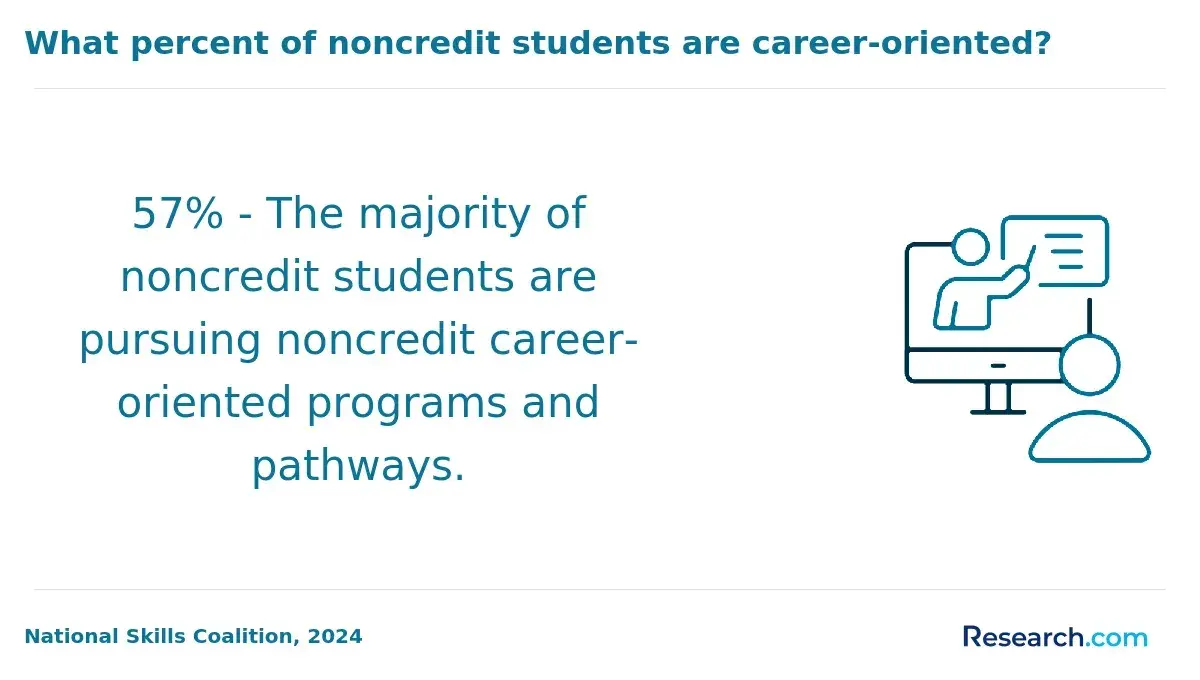
Research has indicated no significant difference in average grades or student satisfaction between online and onsite bioinformatics courses. In some cases, online students report rigorous workloads and strong participation opportunities because computational content can be reviewed, practiced, and documented asynchronously. Flexible online formats may also serve working professionals and nontraditional learners, who now represent over 80% of U.S. students, according to Department of Education data.
Employer acceptance has also increased, especially after the COVID-19 pandemic accelerated improvements in online course design, including shorter live sessions, recorded lectures, and more frequent feedback. Studies comparing online and traditional graduates have found no measurable difference in learning outcomes or employer perceptions. Still, students should be cautious: not every online program is equal.
Before enrolling, verify accreditation, review faculty credentials, ask whether the diploma or transcript distinguishes online delivery, confirm access to advising and technical support, and look for hands-on projects involving genomics, programming, statistics, cloud workflows, or biological databases. A credible online degree should leave you with demonstrable skills, not only completed coursework.
How Much Does Each Type of Bioinformatics Degree Typically Cost?
Bioinformatics degree costs vary widely by credential level, school type, residency status, delivery format, and whether the program includes research funding or assistantships. Tuition is only one part of the budget. Students should also account for fees, books, software or computing needs, relocation, commuting, health insurance, and lost income if they reduce work hours to study.
Typical cost patterns include the following:
- Associate Degree in Bioinformatics: These programs are uncommon and are most often found at community colleges. In-state tuition averages between $3,500 and $8,000 annually. Public institutions are generally less expensive, and eligible students may reduce costs through federal or state grants.
- Bachelor's Degree in Bioinformatics: At public universities, in-state students pay roughly $11,811 per year, while out-of-state students may face rates around $35,593. Private colleges frequently have higher tuition, sometimes exceeding $40,000 yearly. Students commonly use federal loans, scholarships, and need-based grants to help cover costs.
- Master's in Bioinformatics: Tuition ranges from $14,310 to $31,871 annually, depending on residency and institution type. Prestigious private universities can charge over $50,000, while many public schools set fees closer to $17,000-$30,000. Graduate students should ask about assistantships, research grants, employer tuition benefits, and merit scholarships.
- Graduate Certificate in Bioinformatics: Certificates usually cost between $689 and $1,620 per credit at public universities, with total costs ranging from $7,000 to $20,000 depending on credit requirements. Online certificate programs may reduce relocation or commuting costs, and some credits may later apply toward a master’s degree.
- Doctorate (PhD) in Bioinformatics: Tuition is typically waived for PhD students, who often receive stipends through teaching or research assistantships. However, students may still be responsible for fees, living expenses, health insurance, and the opportunity cost of spending several years in graduate training. Fellowships and external grants can provide additional support.
When comparing programs, calculate net cost rather than sticker price. A more expensive university may become affordable with assistantship funding, while a lower-tuition program may cost more overall if it offers limited aid or requires relocation.
A graduate of a bioinformatics program described the financial side as challenging but manageable with early planning: “Navigating the financial side was challenging, but I found that applying early for assistantships and scholarships made a huge difference.” She also said online course flexibility helped her work part time and reduce pressure from living expenses.
Looking back, she said, “the investment was worthwhile, as the specialized skills I gained opened doors to a fulfilling career in computational biology.” Her experience points to a practical lesson: apply for aid early, compare total program costs, and choose a degree that fits both your career goals and your financial tolerance.
What Jobs Can You Get with Each Type of Bioinformatics Degree?
The jobs available to bioinformatics graduates depend heavily on degree level, technical portfolio, research experience, and industry focus. A degree alone is rarely enough. Employers often look for evidence that candidates can code, clean and interpret data, use biological databases, work with sequencing or omics datasets, and communicate results clearly.
Common career outcomes by degree level include the following:
- Associate degree in bioinformatics: Graduates may qualify for entry-level support roles such as laboratory technician, data assistant, or bioinformatics assistant. These jobs may involve sample preparation, data entry, basic database management, quality checks, or support for laboratory teams. Most advanced bioinformatics roles require at least a bachelor’s degree.
- Bachelor's degree in bioinformatics: Bachelor’s graduates may pursue roles such as bioinformatics technician, research assistant, junior data analyst, or computational biology support specialist. Work often includes running established pipelines, processing biological data, assisting research teams, and preparing reports for healthcare, biotechnology, pharmaceutical, or academic settings. Many entry-level positions expect a four-year degree, and a bachelor’s in bioinformatics can be one of the four year degrees that pay well when paired with strong technical skills.
- Master's degree in bioinformatics: A master’s degree can qualify candidates for roles such as bioinformatics scientist, computational biologist, bioinformatics analyst, or software developer in life sciences. These positions may involve building data pipelines, analyzing complex datasets, integrating multiomics data, improving workflows, and sometimes managing projects or junior staff. Salaries for these positions typically exceed $90,000 annually.
- Doctoral (PhD) degree in bioinformatics: A PhD supports advanced research and leadership roles, including principal investigator, lead computational biologist, faculty member, senior scientist, director of bioinformatics, or chief data scientist. These jobs often involve original research, method development, publication, grant activity, team leadership, and strategic decision-making. Senior industry roles such as director of bioinformatics or chief data scientist are common, with salaries frequently above $120,000 per year.
Students who want industry roles should build applied evidence of skill through internships, research assistantships, capstones, GitHub repositories, publications, or presentations. Students aiming for academic research should prioritize thesis or dissertation experience, faculty mentorship, and publication opportunities.
How Do Salaries Differ by Bioinformatics Degree Type?
Bioinformatics salaries generally rise with degree level, but education is not the only factor. Pay can also vary by location, employer type, technical depth, years of experience, and whether the role is focused on analysis, software, statistics, research leadership, or product development. Students should treat salary ranges as directional, not guaranteed outcomes.
- Associate Degree in Bioinformatics: Associate-level roles are usually limited to laboratory support, data entry, or basic technical assistance. Salaries typically range from $45,000 to $55,000 per year. Moving into higher-paying analyst or scientist roles usually requires more education and stronger computational experience.
- Bachelor's Degree in Bioinformatics: Bachelor’s graduates often start with salaries between $67,500 and $94,474 annually. Pay may be higher in competitive biotech markets and for candidates with strong programming, statistics, and data pipeline skills. Career growth often depends on experience, project outcomes, and whether the graduate later completes a master’s degree.
- Master's Degree in Bioinformatics: Master’s-level professionals commonly qualify for analyst, scientist, and computational roles, with average salaries ranging from $126,000 to $156,000 per year. Entry salaries may start closer to $128,000, while experienced professionals can earn more than $196,000. This degree can improve job mobility, especially in competitive urban markets and research-intensive employers.
- PhD in Bioinformatics: PhD holders often work in specialized scientist, research, leadership, or faculty roles. Average salaries range from $140,000 to $196,000, with top earners exceeding $300,000 annually. The PhD is most valuable when the target role requires original research, advanced method development, publication, or senior scientific leadership.
Students planning to continue their education while managing cost and flexibility can compare online colleges that accept fafsa as part of a broader financial aid and degree-planning strategy.
Is There High Demand for Bioinformatics Degree Holders in the Job Market?
Yes. Demand for bioinformatics degree holders is strong and growing because healthcare, biotechnology, pharmaceuticals, and life sciences research increasingly depend on large-scale biological data. Employers need people who can combine biology knowledge with data science, programming, statistics, artificial intelligence, machine learning, and cloud-based workflows.
The bioinformatics market is anticipated to expand by about $16 billion between 2024 and 2029. Growth is being driven by drug discovery, personalized medicine, digital health, cell and gene therapy, next-generation sequencing, and multiomics research. The need is especially visible in biotech hubs such as Boston, San Francisco, and the Research Triangle, where salaries typically range 50-100% above regional averages.
The growth in employment within bioinformatics and related computer-based analysis roles is projected to outpace the national average by over sevenfold through 2032, according to the U.S. Bureau of Labor Statistics. Over 75% of life science companies now integrate some form of AI into research and operational workflows, increasing demand for professionals who can connect biological insight with scalable technical systems.
That said, demand does not mean every graduate will have the same experience. Hiring can vary by region, funding cycles, industry conditions, and the candidate’s portfolio. Periodic slowdowns may affect entry-level hiring, but forecasts indicate a rebound starting in late 2025 and beyond as investment in life sciences continues. Candidates with strong skills in programming, statistics, genomics, cloud workflows, and biological interpretation are likely to be more competitive.
Students comparing broader STEM and technical career options may also review what trade school jobs are to understand how bioinformatics differs from shorter, occupation-specific training pathways.
What Factors Should You Consider When Picking a Type of Bioinformatics Degree?
The right bioinformatics degree is the one that matches your career target, academic readiness, budget, and preferred learning format. A high-level credential can open doors, but it may not be worth the cost or time if your goal only requires targeted technical training. Conversely, stopping too early can limit access to research, scientist, or leadership roles.
- Career Goals: Start with the job titles you want. Entry-level technician or analyst roles may be possible with a bachelor’s degree, while advanced research, faculty, senior scientist, and leadership positions often require a master’s degree or PhD. Review job postings before choosing a program.
- Academic Background: Bioinformatics requires comfort with biology, statistics, programming, and data analysis. If your background is mostly biological, you may need stronger coding and quantitative preparation. If your background is computational, you may need more coursework in genetics, molecular biology, and laboratory research concepts.
- Time Commitment: Bachelor’s programs usually take four years, master’s programs two to three, and doctoral degrees three or more years beyond that. Accelerated options can shorten the path, but they also increase workload. Be realistic about work, family, research, and internship commitments.
- Salary Potential: Higher degrees often lead to stronger earning potential, especially in scientist, computational biology, and leadership roles. However, return on investment depends on tuition, aid, location, employer demand, and the technical skills you build during the program.
- Program Flexibility: Online, hybrid, part-time, thesis, non-thesis, and certificate options can make a major difference for working students. Flexibility is valuable, but it should not come at the expense of rigorous coursework, applied projects, faculty access, and career support.
- Hands-On Experience: Look for programs with capstones, internships, research labs, applied datasets, thesis options, or industry partnerships. Bioinformatics employers often care about what you can do with data, not only which courses you completed.
- Accreditation and Reputation: Choose an accredited institution with a credible record in biology, computer science, statistics, or biomedical research. Program reputation, faculty expertise, and alumni outcomes can influence internship access and employer confidence.
A common mistake is choosing the fastest or cheapest program without checking whether it teaches the tools employers actually use. Another is choosing a research-heavy PhD path when the student’s real goal is an applied industry role that a master’s degree could support more efficiently.
What Bioinformatics Graduates Say About Their Degree and Salary
- : "Completing my master's degree in bioinformatics opened doors I had not expected. The mix of computer science and biology helped me enter the biotech industry with confidence, and the hands-on projects made the transition from coursework to applied work much smoother. The program also showed me how personalized medicine can move from data analysis to patient impact. For me, the value was not only technical training; it was the chance to work with mentors and peers who cared about solving real problems. —Jamal"
- : "My bachelor's in bioinformatics changed how I think about science. Learning to connect algorithms, genomic data, and biological questions forced me to become a stronger problem solver. Those skills helped when I began working in genomic research, but the program also gave me mentors who encouraged me to focus on projects related to health disparities in underserved communities. The degree helped me build a career while contributing to research with social value. —Elena"
- : "Pursuing a PhD in bioinformatics was intense, but it gave me the depth I needed for advanced research and leadership roles. The training in computational methods, biological systems, and ethical decision-making made me more prepared to lead interdisciplinary teams. It also strengthened my commitment to mentoring younger scientists as they navigate technical challenges and career choices. The degree required persistence, but it gave me both expertise and direction. —Sophia"
Other Things You Should Know About Bioinformatics Degree Programs & Salaries
Bioinformatics degree holders can pursue careers in pharmaceutical companies, biotechnology firms, research institutions, and healthcare sectors. Roles like bioinformatics scientist, data analyst, and computational biologist are common, offering diverse opportunities in the rapidly evolving field of bioinformatics.
In 2027, degrees in bioinformatics range from Bachelor's to Ph.D. level. Bachelor's degree holders often start at around $60,000 annually. Those with a Master's or Ph.D. can earn significantly more, with starting salaries between $70,000 and $90,000, due to advanced skills and specialization opportunities.
References
- Bioinformatics and Computational Biology, Bachelor's to M.S. Accelerated Program https://catalog.slu.edu/colleges-schools/science-engineering/computer-science/bioinformatics-computational-biology-abm/
- Major Maps https://majormaps.vcu.edu/transfer/2023/bioinformatics-bachelor-of-science-and-accelerated-masters/virginia-community-college-system
- Switch Website https://www.grad.ubc.ca/prospective-students/graduate-degree-programs/master-of-science-bioinformatics
- 2025 Bioinformatics Tuition https://www.collegetuitioncompare.com/majors/26.1103/bioinformatics/
- Careers in Bioinformatics https://www.iscb.org/bioinformatics-resources-for-high-schools/careers-in-bioinformatics
- Master of Science (MSc) in Bioinformatics - University of Copenhagen https://www.ku.dk/studies/masters/bioinformatics
- Bioinformatics Careers, Salary, & Outlook - School of Biomedical Engineering, Science and Health Systems https://drexel.edu/biomed/academics/graduate-programs/bioinformatics-master-of-science-degree/careers/
- How to Choose the Right Bioinformatics Position - BenchPoint https://benchpoint.com/blog/how-to-choose-the-right-bioinformatics-position/
- A Survey of Scholarly Literature Describing the Field of Bioinformatics Education and Bioinformatics Educational Research https://pmc.ncbi.nlm.nih.gov/articles/PMC4255348/
- Which Bachelor Should I Choose For A Position In Bioinformatics? https://www.biostars.org/p/63299/


