
2027 What Does an Early Intervention Specialist Do: Responsibilities, Requirements, and Salary

Co-Founder and Chief Data Scientist
Individuals passionate about providing young children with educational and developmental support may want to explore becoming an early intervention specialist. Professionals in early intervention offer essential services to infants and toddlers with developmental delays or disabilities. They also guide families through personalized care plans and progress milestones.
In this in-depth guide, I discuss the responsibilities of early intervention professionals, the education and training needed to enter the field, as well as salary expectations. Discover how you can make a meaningful difference during the earliest period of a child’s formative years.
What are the benefits of becoming an early intervention specialist?
- Aspiring early intervention specialists may pursue related professions, including speech-language pathologist, physical therapist, and occupational therapist.
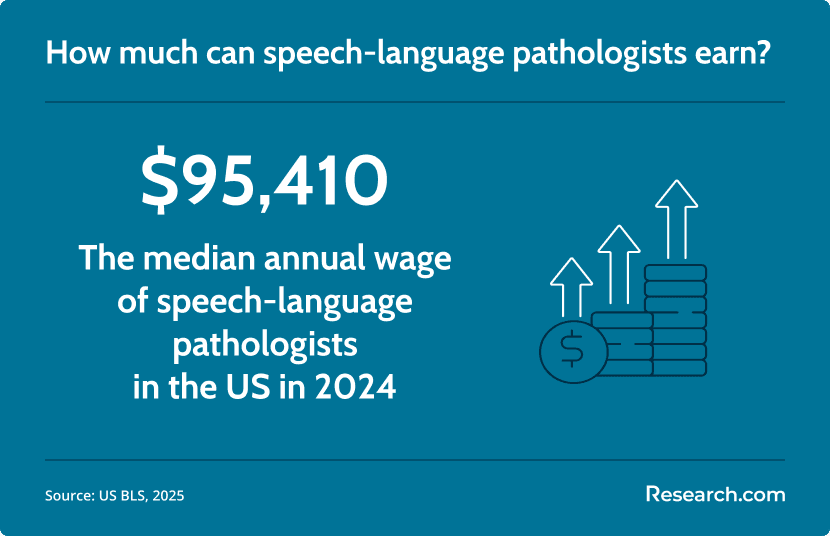
- In the United States (US), the median annual wage for speech-language pathologists is $95,410 in May 2024 [US Bureau of Labor Statistics (BLS), 2025].
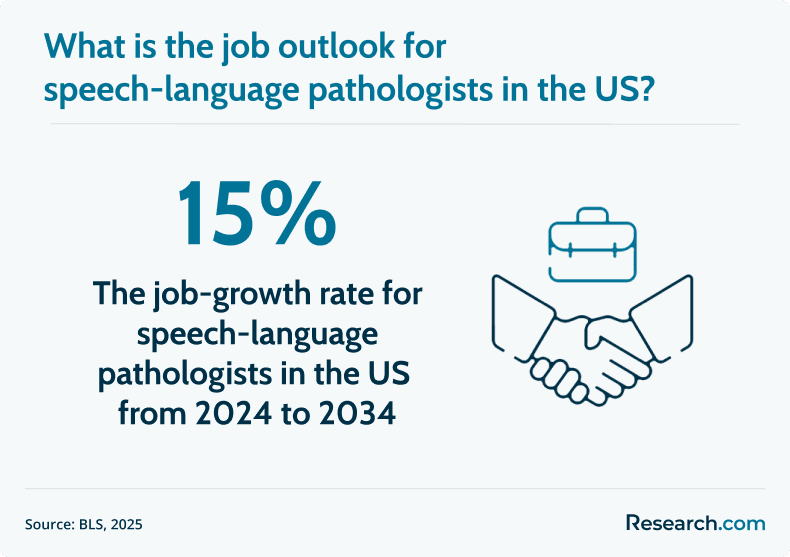
- From 2024 to 2034, employment for speech-language pathologists in the US is expected to increase by 15%, which is much faster than the average job-growth rate for all US occupations (US BLS, 2025).
What does an early intervention specialist do on a typical workday?
Early intervention specialists have dynamic workdays centered on helping young children achieve developmental milestones and supporting their families. Their responsibilities often combine assessment, direct intervention, and collaboration with caregivers and professionals.
The following are three main duties they usually perform:
- Conduct developmental assessments. An early intervention specialist evaluates children’s cognitive, physical, social, and communication skills to identify strengths, challenges, and areas needing support.
- Create and implement individualized intervention plans. Based on assessment results, early intervention specialists design customized strategies and activities that promote growth through play, movement, and interaction.
- Collaborate with families and interdisciplinary teams. They work closely with parents, therapists, teachers, and healthcare providers to ensure that each child’s needs are met consistently across home and program settings.
What educational background is required for an early intervention specialist?
Becoming an early intervention specialist requires a strong educational foundation in child development and specialized therapy fields. Most professionals in this area hold at least a bachelor’s degree in early childhood education, special education, psychology, or a related discipline.
However, specialized roles, such as speech-language pathologists, physical therapists, and occupational therapists usually require a master’s degree or higher. Some students pursue an accelerated speech-language pathology program to complete their advanced education more efficiently and begin working sooner.
These advanced programs include coursework in developmental science, clinical techniques, and supervised field experience. Some positions may also require state licensure or certification.
Overall, the highest educational attainment for many early intervention specialists is a master’s degree. This ensures that they possess the expertise to support children with diverse developmental needs effectively.
What specializations exist within early intervention?
Early intervention specialists can pursue various specializations that allow them to focus on specific developmental areas or populations. These specializations help them provide more targeted support and interventions for children’s unique needs.
The following are three common specializations in the field:
- Speech and Language Development: Specialists in this area help children improve communication, articulation, and language-comprehension skills. They often work closely with speech-language pathologists.
- Motor-skills Development: Focused on physical growth, professionals specializing in motor-skills development assist children in building strength, coordination, and movement through therapy and play-based exercises.
- Cognitive and Social-emotional Development: This specialization supports children in developing problem-solving, emotional regulation, and social-interaction skills, which are essential for future learning and relationships.
What skills do you need to have as an early intervention specialist?
Early intervention specialists need a diverse set of skills to support children’s developmental progress and effectively collaborate with families and professionals. Their work demands both technical knowledge and strong interpersonal abilities.
The following are five essential skills for success in this field:
- Observation and Assessment: Specialists must accurately identify developmental strengths and challenges through careful observation and standardized testing.
- Communication: Clear, compassionate communication helps them explain progress, strategies, and concerns to parents and interdisciplinary teams.
- Patience and Empathy: Working with young children and families requires understanding, emotional sensitivity, and the ability to manage their own responses during slow progress.
- Creativity and Adaptability: Specialists often design engaging, play-based activities that are tailored to each child’s needs. They also adjust methods as development evolves.
- Collaboration and Teamwork: Effective coordination with therapists, educators, and healthcare providers ensures consistent, holistic support for every child.
What is the typical career path for an early intervention specialist?
Early intervention specialists hold a bachelor’s degree in relevant fields, including early childhood education and special education. Some professionals choose to complete their degree through early childhood education online programs, which offer flexibility for working students. They have also gained professional experience in working with young children.
An early intervention specialist may also hold a master’s degree or a certification in early intervention or developmental therapy, which can make professionals eligible for advanced roles.
Entry-level positions include working as an assistant, a developmental aide, or an early childhood educator. With additional training and licensure, an early intervention specialist can advance to higher-level positions, such as lead interventionist, program coordinator, or early childhood consultant. Some professionals choose to specialize further in key areas, such as speech, occupational, or physical therapy—often exploring the best occupational therapy majors to pursue to gain the expertise needed for career advancement.
Over time, experienced professionals may move into administration, training, or policy development. These roles help them contribute to broader program improvements and early education standards.
What is the average salary for an early intervention specialist?
In May 2024, speech-language pathologists working in the US had a median annual wage of $95,410. Meanwhile, special education teachers across the country had a median annual wage of $64,270 in the same period, which is higher than the $49,500 median annual wage of all US occupations (US BLS, 2025).
Several factors influence the potential income of an early intervention specialist. Earnings vary by location, experience, and education level. The following are three major factors that determine salary:
- Education and Certification: Professionals with advanced degrees or specialized licenses, such as in speech or occupational therapy, often earn higher salaries.
- Experience Level: Professionals with several years of hands-on experience usually receive better compensation due to their expertise and proven success in child development.
- Work Setting: Salaries may differ depending on the work environment, such as schools, healthcare facilities, government programs, or private practice. Notably, clinical and private sectors may offer higher income potential.
What is the job outlook for an early intervention specialist?
Employment for many professionals in the field of early intervention has been projected to increase from 2024 to 2034. For instance, speech language pathologist demand in the US continues to rise, with a job-growth rate of 15% over the decade. This strong outlook reflects the growing need for early developmental support and communication therapy services. The figure is much faster than the average job-growth rate for all US occupations (US BLS, 2025).
Meanwhile, employment for occupational therapists is expected to grow by 14% in the same period. The figure is equivalent to an average of about 10,200 annual job openings from 2024 to 2034 (US BLS, 2025).
However, some roles in early intervention may experience a negative job outlook. For example, employment for special education teachers has been predicted to decline, with a -1% job-growth rate over the decade. Notably, these professionals can still expect an average of around 37,800 annual job openings in the same period (US BLS, 2025).
Several factors may influence employment opportunities in this field, including the following:
- Increased Awareness of Early Development: Greater understanding of the benefits of early intervention has boosted demand for qualified specialists.
- Government and Educational Funding: Programs that prioritize early childhood services expand job availability through public and nonprofit initiatives.
- Evolving Tools for Developmental Needs: Better diagnostic tools for developmental delays create ongoing demand for trained professionals.
The chart below provides a visualization of the forecasted annual job openings for professionals in the fields of early intervention between 2024 and 2034, according to 2025 data from the US BLS.
What are the alternative careers for an early intervention specialist?
Early intervention specialists possess skills in assessment, communication, and developmental support that can lead to rewarding alternative careers in mental health and education. The following are three potential career paths:
- Psychologists: With additional education and licensure, an early intervention specialist can pursue careers in child psychology, assessing, diagnosing, and treating emotional or developmental issues in children. They will help families better understand and support their child’s growth.
- Marriage and Family Therapists: Their experience working closely with families prepares them to guide couples and families through communication challenges, emotional struggles, and behavioral issues in therapeutic settings.
- Special Education Teachers: Specialists can transition into classroom roles where they design individualized learning plans and provide direct instruction for students with special needs.
The chart below provides a visualization of the 2024 median annual wages of professions related to the field of early intervention, according to 2025 data from the US BLS.
What are the biggest challenges early intervention specialists face?
Early intervention specialists play an important role in supporting young children’s development, but their work also comes with unique challenges. The following are three of the most common difficulties that they face:
- Emotional Demands: Working with children who have developmental delays and supporting families in distress can be emotionally draining. It requires strong empathy and resilience.
- Limited Resources: Many programs face funding shortages, resulting in large caseloads, limited access to materials, and challenges in providing consistent, individualized care.
- Family Engagement Barriers: Specialists may struggle to maintain active family participation due to parents’ time constraints, cultural differences, or lack of understanding about early intervention strategies.
How do you know if becoming an early intervention specialist is the right career choice for you?
Deciding whether to become an early intervention specialist depends on your interests, values, and strengths. The following are three ways to know if this career is right for you:
- You enjoy working with children. If you find joy in helping infants and toddlers learn and grow, you will likely find this work deeply fulfilling.
- You have patience and empathy. Success in this field requires understanding children’s unique developmental paces and supporting families with compassion and care.
- You value collaboration and communication. Early intervention involves teamwork with parents, educators, and healthcare professionals. Being a strong communicator and team player is essential.
- You are adaptable and open to learning. Every child and family is different, and effective specialists continuously learn new strategies and approaches. Early intervention specialists work in environments that require flexibility and ongoing professional growth.
- You are passionate about making a difference early on. Early support can change the trajectory of a child’s development. If you are motivated by the idea of helping children reach their potential from the very start, this field can be especially rewarding.
What Do Early Intervention Specialists Say about Their Profession
- Amy: "Every day, I get to witness small but meaningful breakthroughs, such as a child saying their first word. It’s incredibly rewarding to know my work helps families celebrate progress. Seeing parents’ faces light up when their child reaches a new milestone reminds me why I chose this profession. Each success, no matter how small, reinforces my belief in the power of early support."
- Marcus: "As an early intervention specialist, I love working with families and other professionals to create real change. Watching children grow more confident and capable makes every challenge worthwhile. There’s nothing quite like seeing a child overcome an obstacle they once struggled with. Those moments of growth fuel my passion and commitment to helping every child thrive."
- Gerry: "This career allows me to make a lasting impact during the most critical years of a child’s development. The joy and gratitude from families make the work deeply fulfilling. I’ve learned that even the smallest interventions can make a huge difference over time. Knowing that I play a role in shaping brighter futures gives my work profound meaning."
Key Findings
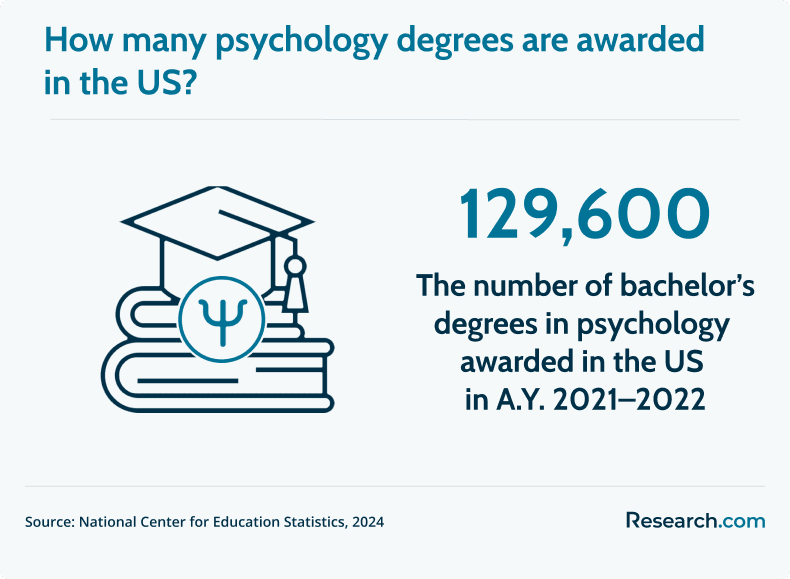
- In the academic year 2021–2022, 129,600 bachelor’s degrees in psychology were awarded in the US (National Center for Education Statistics, 2024).
- The highest educational attainment for many early intervention specialists is a master’s degree. This ensures that they possess the expertise to support children with diverse developmental needs effectively.
- Special education teachers across the US had a median annual wage of $64,270 in the same period, which is higher than the $49,500 median annual wage of all US occupations (US BLS, 2025).
- Employment for occupational therapists is expected to grow by 14% in the same period. The figure is equivalent to an average of about 10,200 annual job openings from 2024 to 2034 (US BLS, 2025).
- Employment for special education teachers has been predicted to decline, with a -1% job-growth rate over the decade. Notably, these professionals can still expect an average of around 37,800 annual job openings in the same period (US BLS, 2025).
Other Things You Should Know about Becoming an Early Intervention Specialist
To excel as an early intervention specialist in 2027, individuals need a bachelor's degree in early childhood education or a related field, experience with developmental disabilities, and strong communication skills. Additional qualifications like certifications in special education or child development can enhance expertise and career prospects.
In 2027, the average salary for an early intervention specialist is approximately $52,000 per year. Salaries can vary based on factors such as location, experience, and level of education. Some specialists may earn more if they possess additional certifications or advanced degrees.
Certification for early intervention specialists in 2027 typically involves obtaining a relevant bachelor's degree, completing a state-approved training program, and passing the Certification Examination for Early Intervention Specialists (CEIS). Requirements may vary by state, so check specific state guidelines as they can differ significantly.
References
- National Center for Education Statistics. (2024, May). Undergraduate Degree Fields. https://nces.ed.gov/programs/coe/indicator/cta
- US Bureau of Labor Statistics. (2025, August 28). Marriage and Family Therapists. Occupational Outlook Handbook. https://www.bls.gov/ooh/community-and-social-service/marriage-and-family-therapists.htm
- US Bureau of Labor Statistics. (2025, August 28). Occupational Therapists. Occupational Outlook Handbook. https://www.bls.gov/ooh/healthcare/occupational-therapists.htm
- US Bureau of Labor Statistics. (2025, August 28). Physical Therapists. Occupational Outlook Handbook. https://www.bls.gov/ooh/healthcare/physical-therapists.htm
- US Bureau of Labor Statistics. (2025, August 28). Psychologists. Occupational Outlook Handbook. https://www.bls.gov/ooh/life-physical-and-social-science/psychologists.htm
- US Bureau of Labor Statistics. (2025, August 28). Special Education Teachers. Occupational Outlook Handbook. https://www.bls.gov/ooh/education-training-and-library/special-education-teachers.htm
- US Bureau of Labor Statistics. (2025, August 28). Speech-Language Pathologists. Occupational Outlook Handbook. https://www.bls.gov/ooh/healthcare/speech-language-pathologists.htm


