
2027 Different Types of Materials Science & Engineering Degrees and Their Salaries

Co-Founder and Chief Data Scientist
The demand for skilled professionals in materials science & engineering continues to rise as industries increasingly rely on advanced materials to drive innovation and sustainability. Employment in this field is projected to grow notably over the next decade, reflecting the critical role that materials experts play in sectors such as aerospace, electronics, and renewable energy. Selecting the appropriate educational path within materials science & engineering is essential for maximizing career opportunities and earning potential.
This article provides a comprehensive overview of the various degree options available and outlines the typical salary expectations associated with each, helping aspiring students make well-informed decisions aligned with their professional goals.
Key Points About Different Types of Materials Science & Engineering Degrees and Their Salaries
- Graduates with a bachelor's degree in materials science & engineering typically earn an average starting salary of around $70,000 annually, reflecting strong demand for entry-level engineers in sectors like aerospace, automotive, and electronics.
- Obtaining a master's degree in materials science & engineering can increase earning potential by 20% to 30% over a bachelor's degree, with salaries for experienced professionals often exceeding $100,000, due to advanced expertise and leadership roles in research and development.
- Associate degree holders in materials science & engineering-related technical fields usually qualify for technician or lab assistant roles, earning roughly $45,000 per year, but may face limited long-term salary growth compared to those with higher academic qualifications.
What Are the Different Types of Materials Science & Engineering Degrees Available?
Understanding the different types and levels of materials science & engineering degrees is crucial for students to select the program that best aligns with their educational background and career goals. Each degree option offers a unique blend of academic focus and skill development that caters to various interests and professional paths.
Below is an overview of the main types of materials science & engineering degrees and what distinguishes each from the others, providing essential context for those exploring their options.
- Bachelor of Science (B.S.) in Materials Science & Engineering: This degree provides a comprehensive introduction to the structure, properties, performance, and processing of materials. Coursework typically integrates fundamental science with practical engineering skills, including laboratory work and design projects.
- Bachelor of Arts (A.B./B.A.) in Engineering Sciences with a Materials Science Track: Offering a broader liberal arts-based education, this program covers core engineering and materials science concepts while allowing flexibility to study complementary fields such as business or public policy alongside foundational engineering courses.
- Master of Science (M.S.) in Materials Science & Engineering: This graduate degree focuses on advanced topics such as materials design, characterization, and applications. Students engage in specialized classes and research projects, preparing for technical leadership roles or further academic research.
- Doctor of Philosophy (Ph.D.) in Materials Science & Engineering: Emphasizing original research and deep theoretical study, this degree involves independent research culminating in a dissertation. Ph.D. candidates typically participate in seminars and advanced coursework to push the boundaries of knowledge in the field.
For those interested in accelerating their education, exploring accelerated online bachelor's degree programs in materials science can be a valuable option to consider.
The financial outlook for graduates varies by degree level, with data showing the average starting salary for a bachelor's degree in materials engineering in the United States is $64,763. This highlights the importance of choosing a degree path that fits both your academic interests and career aspirations.
What Specializations Are Available in Materials Science & Engineering Degrees?
Specialization is a key factor when choosing a materials science & engineering degree because it allows students to focus their studies on specific areas that match their passions and career ambitions. By selecting a targeted path, students can gain in-depth knowledge and skills that make them competitive for particular industries and roles after graduation.
Understanding these options helps students better align their education with their professional goals and the evolving job market demands, which is especially useful for those exploring what is an easy master's degree to get in a technical field.
Here are some common Materials Science & Engineering specializations, each offering unique expertise and career opportunities:
- Metallurgical Materials Science & Engineering: Focuses on the properties, processing, and performance of metals and alloys. Students develop skills in metallurgy, failure analysis, and materials characterization, with career paths often leading to aerospace, automotive, and manufacturing sectors as metallurgical engineers or quality control specialists.
- Polymeric Materials Science & Engineering: Centers on the design and synthesis of plastics and polymers for various applications. Key skills include polymer chemistry, processing techniques, and sustainability considerations. Graduates typically find roles in packaging, medical device manufacturing, and consumer goods industries.
- Electronic & Semiconductor Materials Science & Engineering: Involves the study of materials for electronic and photonic devices, such as semiconductors and nanomaterials. Emphasizes thin-film deposition, microfabrication, and electrical characterization, preparing students for roles as semiconductor processing engineers or research scientists.
- Ceramic & Glass Materials Science & Engineering: Focuses on the development and testing of ceramics and glasses used in high-temperature, biomedical, and optical applications. Students gain expertise in thermal analysis, crystallography, and mechanical testing. Career opportunities include positions in aerospace, medical implants, and energy sectors.
- Biomaterials Science & Engineering: Specializes in materials designed for medical and dental use, such as implants, prosthetics, and drug delivery systems. This area highlights biocompatibility, tissue engineering, and regulatory compliance, with graduates often working in healthcare, pharmaceuticals, and biomedical device companies.
How Long Does It Take to Complete Each Type of Materials Science & Engineering Degree?
Understanding the duration of materials science & engineering programs is essential for students to effectively plan their education and future career paths. Knowing how long each degree type typically takes helps manage expectations and coordinate personal, financial, and professional commitments.
Below is an overview of the main materials science & engineering degree types and their usual completion timelines.
- Associate Degree in Materials Science & Engineering: This degree generally takes about two years of full-time study, often offered at community colleges. Part-time enrollment can extend this timeline, while transfer credits from high school or other postsecondary courses may shorten it. Some programs offer online or hybrid options for added flexibility.
- Bachelor's Degree in Materials Science & Engineering: Typically requiring four years of full-time study, this undergraduate degree provides comprehensive training. Students with prior college credits or those who enroll in accelerated programs can graduate sooner, but part-time attendance may prolong completion. Many institutions offer online courses or degree completion options to accommodate diverse needs.
- Master's Degree in Materials Science & Engineering: Usually completed in two years following a bachelor's degree, master's programs can sometimes be finished in one year through accelerated tracks. Part-time study and thesis requirements also influence duration. Online and evening programs are increasingly available for working professionals.
- Doctoral Degree (PhD) in Materials Science & Engineering: PhD programs typically take 4 to 6 years post-master's or bachelor's, depending on research complexity and full-time enrollment. Some students expedite completion through focused research or prior experience. While online options are rare due to research demands, some coursework components may be offered remotely.
Are There Accelerated Materials Science & Engineering Degree Programs?
Accelerated materials science & engineering degree programs are designed to significantly shorten the time required to earn both a bachelor's and master's degree, typically condensing what normally takes six to seven years into about five years or less. These programs commonly use mechanisms such as double-counting up to 12 graduate credits toward both degrees, allowing students to begin graduate coursework during their junior or senior undergraduate years.
Many institutions also employ condensed courses, year-round academic calendars, and reduced breaks to maintain a continuous learning pace that supports faster completion. Some universities even offer one-year master's options for students pursuing non-thesis tracks, emphasizing an efficient curriculum designed for focused mastery of advanced concepts.
While accelerated programs offer substantial time and cost savings, they demand a high level of commitment and academic readiness. Eligibility often requires a cumulative GPA of at least 3.25, though exceptions exist for strong candidates with slightly lower GPAs who demonstrate potential. The workload intensity is notably higher, involving heavier course loads and year-round enrollment without the traditional summer breaks.
This fast-paced environment necessitates disciplined time management and resilience. However, graduates often see the benefits materialize quickly, with master's degree holders in materials engineering earning up to 25% more than those with only bachelor's degrees. For students motivated to advance rapidly in their careers, accelerated programs provide a structured and practical pathway to technical depth and enhanced earning potential.
When I spoke with a graduate of an accelerated materials science & engineering degree program about his experience, he reflected thoughtfully on the journey. "The intensity was definitely unlike the usual college pace," he shared. "Balancing graduate-level classes while still technically an undergrad was challenging-every semester felt like back-to-back projects and exams."
He recalled moments of self-doubt but emphasized how the structured support from advisors and peers made a difference. "Completing the master's in such a condensed timeframe meant I had to prioritize like never before, cutting out distractions and focusing solely on learning." The reward, he noted, "was worth every late night and early morning.
I landed a job offer sooner than expected, and the skills I developed felt very relevant in the industry." This insight highlights how accelerated programs can be both demanding and deeply rewarding for those ready to embrace the pace.
Are Online Materials Science & Engineering Degrees as Credible as Traditional Ones?
Academic standards in materials science & engineering degree programs remain consistently high, whether pursued online or through traditional on-campus formats at accredited institutions. Both delivery methods follow the same curricula, course content, and are taught by qualified faculty, especially when these programs hold accreditation from recognized bodies such as the Engineering Accreditation Commission of ABET.
Students earn identical diplomas without any indication of the learning format, emphasizing that the core academic rigor and credential value are equivalent. The main differences lie in how learning is delivered: online programs provide flexibility suitable for working professionals, while traditional programs may offer more frequent hands-on laboratory sessions.
Nevertheless, many online programs now incorporate intensive in-person experiences at advanced facilities, ensuring students obtain practical skills with industry-grade equipment comparable to those in on-campus settings.
Employer acceptance of online materials science & engineering degrees has grown notably as remote work and digital collaboration become customary across industries. This evolving perspective underscores that technical expertise and institutional reputation outweigh the format in which education was received.
Salary data reinforce this equality, with entry-level earnings ranging between $96,000 and $104,600 annually regardless of whether degrees were completed online or on campus. For prospective students, the decisive factors remain the university's accreditation status and industry connections, which heavily influence how employers and the professional community view the qualification.
Ultimately, the credibility of a materials science & engineering degree is best judged by the institution's standing rather than the mode of instruction.
How Much Does Each Type of Materials Science & Engineering Degree Typically Cost?
Understanding the tuition differences across various materials science & engineering degree levels is essential for effective budgeting and long-term financial planning. Knowing these cost variations helps prospective students select programs that align with their financial capacity and career goals.
Below is an overview of typical tuition ranges for each type of Materials Science & Engineering degree to aid in this process.
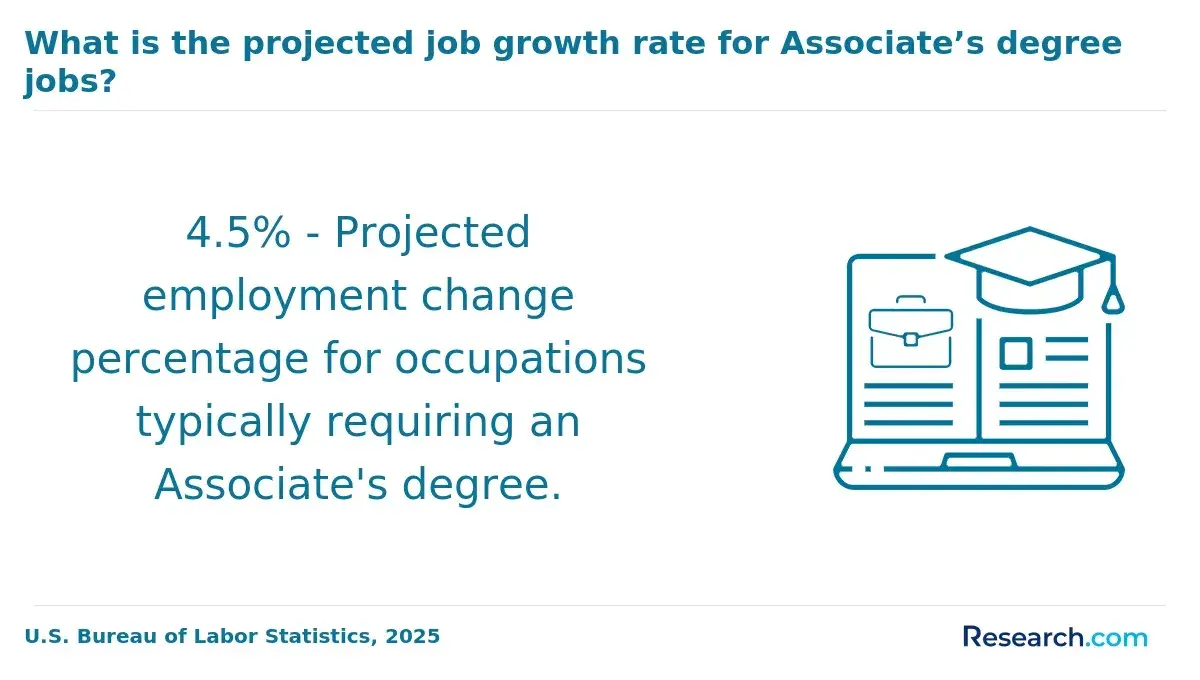
- Associate Degree in Materials Science & Engineering: These programs are uncommon but usually offered at community colleges with significantly lower tuition, typically ranging from $3,000 to $10,000 annually for in-district students. Costs are greatly influenced by residency status, and students often benefit from Pell Grants and state scholarships that reduce overall expenses.
- Bachelor's Degree in Materials Science & Engineering: For public universities, in-state tuition averages around $12,000 per year, whereas out-of-state and private institutions can charge upwards of $39,000 annually. Financial aid opportunities include merit-based scholarships, federal grants, and work-study programs that help offset these higher costs.
- Master's in Materials Science & Engineering: Tuition varies broadly with in-state students paying between $13,500 and $27,600 yearly at public schools, while out-of-state or international students may face costs from $33,000 to $43,000. Limited fellowships and assistantships are available, but many students rely on external scholarships and federal graduate loans for funding.
- Doctorate (PhD) in Materials Science & Engineering: Doctoral tuition generally ranges from $21,000 for residents to $36,000 for non-residents, but most research universities waive tuition and provide stipends through assistantships. This financial support makes pursuing a PhD more accessible despite higher sticker prices.
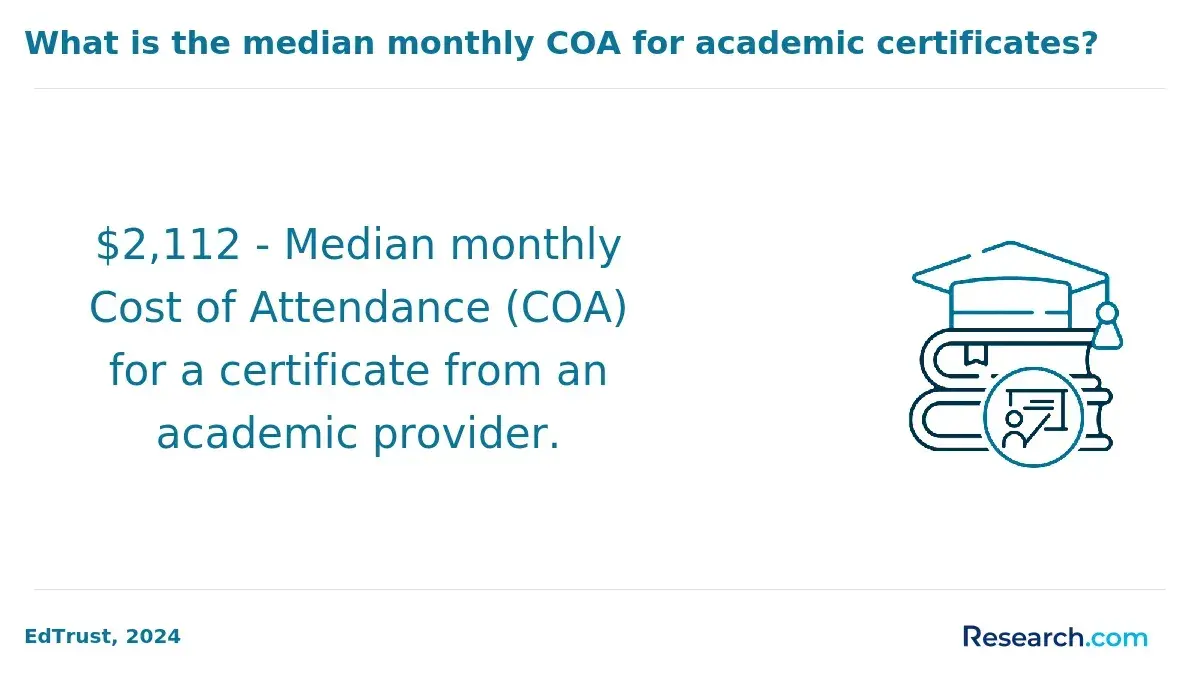
- Certificate and Diploma Programs in Materials Science & Engineering: These short-term options can cost between $5,000 and $15,000 total depending on length and institution. Federal aid is rarely available, though employer tuition reimbursement or professional development funds may help defray costs.
When I spoke with a graduate of a materials science & engineering degree program, she emphasized how proactive financial planning was key to managing her tuition costs. "I relied heavily on a mix of merit scholarships and paid internships," she shared, "which eased the burden significantly."
Despite some semesters with higher unpaid expenses, she found that budgeting ahead and applying for assistantships helped maintain steady progress. Reflecting on her journey, she noted, "Investing in this degree opened doors to a rewarding career, and the financial challenges taught me valuable money management skills. It was tough at times, but worth it in the long run."
Her experience highlights how strategic use of financial aid and work opportunities can make these degrees affordable and beneficial over time.
What Jobs Can You Get with Each Type of Materials Science & Engineering Degree?
The level of a materials science & engineering degree greatly influences the career opportunities accessible to graduates, shaping both the roles they qualify for and their potential earnings. Entry-level positions often require a bachelor's degree, while advanced degrees open doors to specialized research and leadership roles.
Below is an overview of typical jobs associated with each degree type in materials science & engineering.
- Associate degree in materials science & engineering: Though less common, associate degree holders can work as laboratory technicians or materials testing technicians. These roles focus on supporting engineers by preparing samples, conducting basic experiments, and ensuring quality control in industrial or research laboratory settings.
- Bachelor's degree in materials science & engineering: This degree is the standard entry for materials engineering careers. Graduates often become materials engineers, process engineers, quality assurance engineers, or metallurgical engineers working in industries like aerospace, automotive, and manufacturing. Typical duties include developing and testing materials and improving production processes, with a median salary around $100,140 in 2022.
- Master's degree in materials science & engineering: Master's graduates qualify for specialized roles such as research scientists, product development engineers, or nanotechnology specialists. These positions often involve advanced materials design, leading R&D projects, and managing technical teams across sectors like biomedical devices and renewable energy. For students seeking affordable education options, exploring cheap masters degrees online can be a helpful step.
- Ph.D. in materials science & engineering: Doctoral degree holders frequently pursue academic careers as university professors or principal investigators, or leadership roles in industry R&D labs. Their work emphasizes original research, innovation, and teaching, with some becoming patent examiners or consultants. Ph.D. graduates tend to receive top-tier compensation compared to other degree levels.
How Do Salaries Differ by Materials Science & Engineering Degree Type?
Degree level often influences earning potential in materials science & engineering, with higher degrees generally leading to more career opportunities and increased salaries over time. Understanding how salaries differ by degree type can help students make informed choices about their education and career paths.
Below is an overview of typical salary ranges for each degree type in this field.
- Bachelor's Degree in Materials Science & Engineering: Graduates with a bachelor's degree usually start with salaries between $59,800 and $65,000 annually, with median early-career wages around $59,808. Over about five years, median pay tends to rise to roughly $70,953, though salaries vary widely by industry and location.
- Master's Degree in Materials Science & Engineering: Those holding a master's degree often see higher starting salaries averaging near $87,000 per year. This degree opens doors to advanced technical, managerial, and research roles, frequently resulting in faster salary advancement compared to those with only a bachelor's.
- Doctoral Degree (PhD) in Materials Science & Engineering: A PhD often leads to senior research, academic, or specialized industry positions. Entry-level pay may be similar or modestly higher than for master's holders, but long-term earnings can exceed $113,000 and reach $150,000 or more in top roles. Academic positions may have lower base pay but offer professional benefits like tenure and research funding.
Salary differences also depend on factors such as industry sector, experience, and geographic location, but advanced degrees consistently correlate with broader advancement opportunities and higher salaries over the course of a career. Students comparing programs might consider exploring colleges with low tuition programs that accept fafsa to reduce education costs while pursuing these degrees.
Is There High Demand for Materials Science & Engineering Degree Holders in the Job Market?
There is a strong and growing demand for materials science & engineering degree holders in the US job market, fueled by advances in emerging technologies and shifting industry workforce needs. According to the Bureau of Labor Statistics, employment for materials engineers is expected to grow by 6-7% between 2024 and 2034, which outpaces the average growth rate for all occupations.
This increase equates to nearly 1,800 new jobs during that period, with total positions rising from 25,000 to 26,900. Key factors driving this demand include innovations in additive manufacturing (3D printing), smart materials, and sustainable materials such as bio-based polymers and recycled alloys. Industries like packaging, automotive, consumer goods, and electronics are actively recruiting specialists with expertise in these areas.
Furthermore, the growing sectors of electric vehicles, wearable electronics, and advanced healthcare technologies increasingly require engineers skilled in interdisciplinary fields such as chemistry, data analytics, and life-cycle assessment. Students interested in materials science & engineering can also explore related certifications that pay the most to enhance their job prospects.
Regional differences also influence demand, with states like California, Texas, and those in the Midwest presenting the most promising opportunities due to their strong manufacturing, tech, and research hubs. Nationally, the market shows a shortage of qualified engineering talent relative to the number of available openings, signaling excellent prospects for new graduates.
Salaries mirror the high value placed on this expertise, as the 75th percentile earns approximately $127,480 annually, with the top 10% reaching up to $157,140. For students aiming to enter this field, developing interdisciplinary skills and staying current with emerging trends will be critical. Those who do so will find themselves well-positioned to thrive in a competitive but expanding job market focused on technological innovation.
What Factors Should You Consider When Picking a Type of Materials Science & Engineering Degree?
Choosing the right degree level in materials science & engineering is a critical decision that ensures your education aligns with both your career ambitions and personal circumstances. This choice affects the depth of knowledge you gain, job opportunities, and salary potential after graduation.
To help make an informed decision, consider the following key factors:
- Career Goals: Your desired job role after graduation is crucial in determining the degree level you should pursue. Entry-level materials engineering positions typically require a bachelor's degree, while advanced research, management, or academic roles may necessitate a master's or doctorate. Higher degrees often lead to higher-paying roles, such as materials scientists or engineering managers.
- Time Commitment: Different degrees require varying lengths of study. Associate degrees usually take about 2 years, bachelor's degrees about 4 years, master's degrees 1-3 years beyond a bachelor's, and doctorates at least 4 additional years. Consider how much time you can realistically dedicate before entering the workforce.
- Salary Expectations: Degree level strongly influences earning potential. Bachelor's graduates often start between $60,000 and $70,000 annually, whereas those with master's or doctoral degrees can earn significantly more, especially in specialized or managerial roles.
- Specialization and Flexibility: Some programs provide concentrations such as biomaterials or nanotechnology that align with niche industries. Also, consider if schools offer part-time or online options, which may provide greater flexibility for balancing study with other commitments.
- Personal Circumstances: Your financial situation, family obligations, and ability to relocate or study full-time should shape your choice. Look for programs that fit your lifestyle and provide support for working professionals or non-traditional students.
What Materials Science & Engineering Graduates Say About Their Degree and Salary
- Katherine: "Completing my bachelor's in materials science & engineering opened doors I never imagined, especially in sustainable materials research. The practical lab experience combined with real-world internships made transitioning into my role as an environmental materials engineer seamless. I've had the chance to work on projects that directly contribute to reducing waste and improving recyclability, which fuels my passion every day. The degree's emphasis on both fundamentals and innovation truly prepared me to adapt and excel in a fast-evolving industry."
- Linda: "The challenges I faced pursuing a master's in materials science & engineering pushed me to develop not only technical expertise but also leadership and communication skills. This advanced degree enabled me to secure a position in aerospace materials, where problem-solving and precision are critical. Beyond technical growth, being part of a diverse cohort fostered a supportive community that inspired me to mentor younger students and contribute to outreach programs. Reflecting on this journey, I feel deeply connected to a network that values innovation and impact."
- Ravi: "Earning my PhD in materials science & engineering was intense, but the experience was profoundly rewarding. The opportunity to lead cutting-edge research on nanomaterials expanded my understanding of the field and enhanced my professional reputation, leading to several collaboration offers and academic talks. This degree demanded resilience and creativity, which strengthened my confidence as a researcher. I now enjoy mentoring others and advancing technologies that can transform industries and improve lives globally."
Other Things You Should Know About Materials Science & Engineering Degree Programs & Salaries
In 2027, materials science and engineering degrees typically vary from bachelor's to doctoral levels. Bachelor’s degree graduates can expect starting salaries around $70,000 annually, while master’s degree holders might earn approximately $80,000. Ph.D. graduates in this field usually start at salaries above $90,000, depending on their specific roles and experience.
Prerequisites for enrolling in a materials science & engineering degree in 2026 typically include a strong background in mathematics, chemistry, and physics. Higher-level degrees may require prior coursework in related engineering fields or a bachelor's degree in a relevant discipline. Specific programs might have additional requirements.
References
- Materials Science and Engineering, BEng (Hons) https://www.swansea.ac.uk/undergraduate/courses/engineering-applied-sciences/materials-engineering/beng-materials-science-engineering/
- Materials Science and Engineering Accelerated Master's Program | Materials Science and Engineering | Michigan Tech https://www.mtu.edu/materials/graduate/accelerated/
- Materials Science and Engineering https://www.ucdavis.edu/majors/materials-science-and-engineering
- Materials Science and Engineering https://catalog.ufl.edu/UGRD/colleges-schools/UGENG/MSE_BSMS/
- What is Materials Science and Engineering? https://mse.washington.edu/about/what-is-materials-science-engineering
- Materials Science and Engineering (MSMSE) - Accelerated BS to MSMSE https://www.ucf.edu/degree/materials-science-and-engineering-msms/materials-science-and-engineering-msmse-accelerated-bs-to-msmse/
- Careers in Materials Science and Engineering - Discover Materials https://discovermaterials.co.uk/resource/careers-in-materials-science-and-engineering/
- A ranking comparison of the traditional, online and mixed laboratory mode learning objectives in engineering: Uncovering different priorities https://aimspress.com/article/doi/10.3934/steme.2023020
- Materials Engineers : Occupational Outlook Handbook: : U.S. Bureau of Labor Statistics https://www.bls.gov/ooh/architecture-and-engineering/materials-engineers.htm
- Careers in Materials Science & Engineering | University of Virginia School of Engineering and Applied Science https://engineering.virginia.edu/department/materials-science-and-engineering/academics/undergraduate-programs/careers-materials-science-engineering


