
2027 Is a 2-Year Bioinformatics Degree Worth It: Accelerated Bachelor's ROI & Time Trade-Offs

Co-Founder and Chief Data Scientist
Prospective students face a dilemma when choosing between traditional and accelerated bioinformatics degrees, balancing time constraints against potential career benefits.
Recent data shows that graduates from accelerated programs enter the workforce nearly two years earlier while maintaining similar employment rates in bioinformatics roles compared to their four-year counterparts.
This article examines the financial return on investment of a 2-year bioinformatics degree, considering salary trajectories and job market trends. It will also analyze how accelerated pathways affect skill acquisition and long-term career growth, helping readers make informed education decisions.
Key Benefits of a 2-Year Bioinformatics Degree
- Accelerated 2-year bioinformatics degrees reduce time to workforce, allowing students to start earning approximately 20-30% sooner than traditional 4-year programs.
- Lower tuition and living costs substantially improve ROI, with many graduates recouping expenses within 3-4 years due to high demand in genomics and data analysis.
- Industry growth projects a 15% job increase over the next decade, enhancing salary potential and career stability for holders of condensed bioinformatics degrees.
How Do 2-Year Bioinformatics Programs Work?
Two-year bioinformatics programs offer an accelerated pathway to earn a bachelor's degree by condensing the traditional four-year curriculum into an intensive, fast-paced format.
Understanding the structure of these programs is crucial for prospective students to balance the demanding coursework with their career and financial goals.
Below is a breakdown of how these programs typically operate, highlighting key features that define their unique approach.
- Accelerated Pacing: Programs condense learning objectives, requiring a heavier workload each term with a focus on core bioinformatics competencies such as programming, biology, and data analysis.
- Year-round Enrollment: Students attend classes through summer and winter sessions, enabling quicker completion of credit requirements than traditional academic calendars allow.
- Condensed Course Terms: Terms often last 7 to 8 weeks instead of the usual 15 weeks, demanding sustained focus and adaptability to a faster learning schedule.
- Credit Load Expectations: Students typically manage 12 to 18 credits per term, which translates to significant weekly engagement in lectures and independent study, reflecting the intensive coursework and workload in 2-year bioinformatics programs.
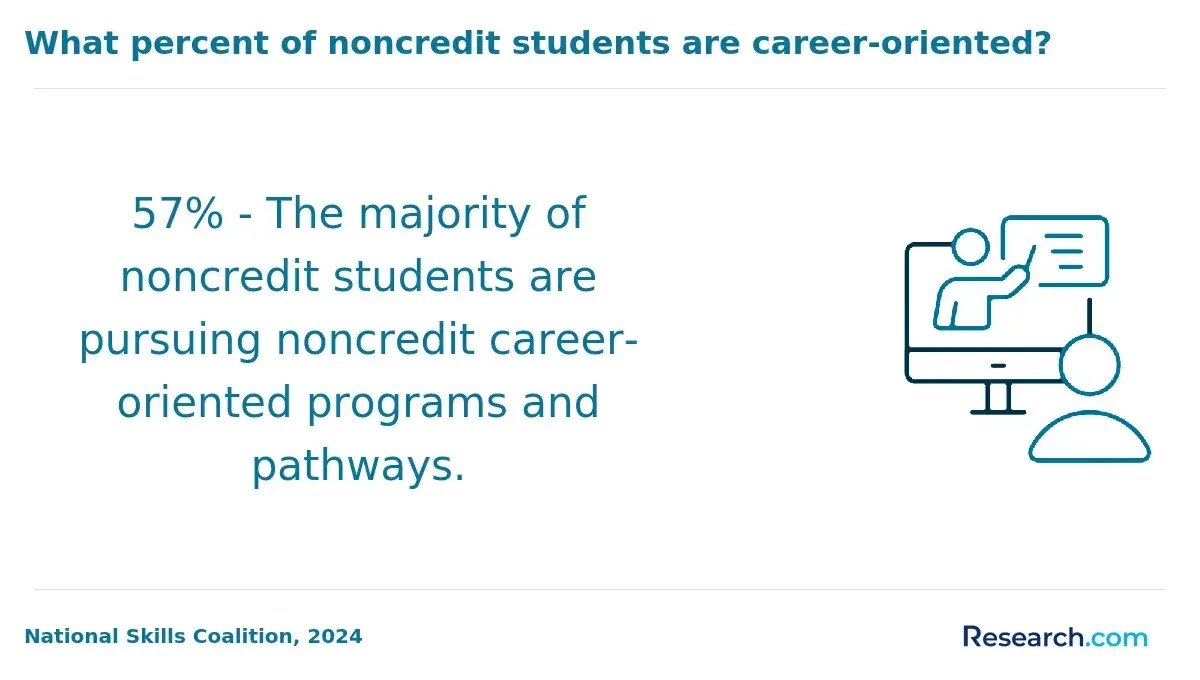
- Instructional Format: A mix of traditional lectures and online components offers flexibility, especially for working adults balancing other responsibilities.
- Assessment Methods: Frequent quizzes, exams, lab projects, and computational assignments assess progress and reinforce practical skills throughout the program.
- Curriculum Progression: Milestone-based progression builds foundational knowledge early and gradually adds complex topics to prepare students for the bioinformatics workforce.
Students interested in related accelerated degree options might also explore online dnp pathways, which similarly emphasize condensed study periods.
What Are the Admission Requirements for a 2-Year Bioinformatics Degree?
For students weighing an accelerated bachelor's in bioinformatics, knowing the admission requirements can clarify time commitments and readiness expectations. This insight helps align educational plans with long-term career and financial objectives.
Below is a detailed look at typical admissions expectations for a 2 year bioinformatics degree admission requirements.
- Prior Education: Applicants usually need a high school diploma or equivalent, demonstrating foundational knowledge essential for success in technical and scientific courses.
- GPA Expectations: Most programs set a minimum GPA around 2.5 to 3.0, ensuring candidates are academically prepared for the rigor of an accelerated bioinformatics program prerequisites.
- Prerequisite Courses: Completion of key courses such as algebra, biology, chemistry, and introductory programming is often required to build core competencies before starting the degree.
- Standardized Tests: Some institutions may waive or require SAT or ACT scores, especially for those applying to accelerated bachelor's pathways, reflecting varied admissions policies.
- Additional Materials: Letters of recommendation or personal statements might be requested to assess motivation and career goals beyond academic metrics.
While work experience in related fields can strengthen an application, it is rarely mandatory. Accelerated degree programs, including bioinformatics, can cut study time by nearly 50%, enabling faster workforce entry and cost savings.
Prospective students should carefully confirm specific program criteria as they vary widely. Those seeking complementary skills might explore options like medical coding and billing classes online with financial aid to broaden their qualifications.
What Does a Typical Week Look Like in a 2-Year Bioinformatics Program?
Knowing the weekly demands of a 2-year bioinformatics program helps prospective students assess if they can handle the intensity and pace of accelerated study. These programs require balancing diverse learning activities alongside active time management to succeed.
The following points outline the typical components making up a student's week.
- Class Sessions and Lectures: Students attend several focused lectures weekly covering programming, molecular biology, statistics, and data analysis. These interactive classes demand engagement to keep up with the rapid curriculum.
- Assignments and Assessments: Regular projects, coding tasks, quizzes, and exams ensure constant reinforcement of key concepts. This steady flow necessitates disciplined study routines to stay on track.
- Group Work: Collaborative tasks and research projects promote teamwork and communication skills crucial for bioinformatics careers involving interdisciplinary cooperation.
- Independent Study: Outside class, significant time is devoted to reviewing materials, practicing coding, analyzing data, and reading scientific papers to deepen understanding.
- Instructor Interaction: Support is available through office hours, forums, or meetings to clarify difficult topics efficiently, important given the accelerated format.
- Time Management: The fast-paced nature means effective scheduling and prioritization are vital to avoid falling behind.
When asked about his experience, a professional who completed a 2-year bioinformatics bachelor's recalled feeling overwhelmed initially by the workload's intensity and the steep learning curve.
He described late nights balancing coding assignments and studying dense scientific literature, but emphasized how developing strong organizational habits was key.
"It was challenging but rewarding to see progress each week," he said, highlighting that regular instructor support and peer collaboration made a significant difference during tougher periods. This immersive schedule demanded dedication but ultimately prepared him well for the demands of his career.
Are 2-Year Bioinformatics Programs Available Online?
For students seeking accelerated bioinformatics degrees, the delivery format significantly impacts flexibility, accessibility, and time management. Online options can help balance busy schedules but vary in their structure and interaction levels.
Below is a closer look at key aspects of 2-year online bioinformatics programs.
- Formats: Fully Online vs. Hybrid Most two-year bioinformatics programs online adopt a hybrid model, mixing asynchronous coursework with scheduled live sessions. This blend aims to provide both convenience and real-time engagement.
- Asynchronous and Synchronous Learning Asynchronous components allow learners to complete assignments and lectures independently, providing schedule flexibility, while synchronous elements-such as live discussions or group work-foster interaction and immediate feedback.
- Technology Needs Students must have reliable internet access, a computer with sufficient capacity to run specialized bioinformatics software, and access to online learning platforms to keep up with course demands.
- Student Support Services Academic advising, tutoring, and technical support are essential in challenging accelerated programs, helping students navigate coursework and maintain progress.
- Pacing and Engagement Intensive two-year online study requires strong self-motivation; reduced face-to-face contact can affect engagement, but well-designed programs use interactive tools and regular instructor communication to support success.
How Much Does a 2-year Bioinformatics Degree Cost?
Evaluating the total cost of an accelerated two-year bioinformatics degree is crucial for understanding its return on investment (ROI). This degree compresses traditional coursework into a shorter timeframe, which influences various expenses and the financial commitment required.
Analyzing these costs helps prospective students decide if the accelerated format aligns with their career goals and financial plans.
- Tuition Structure: Tuition is usually charged per credit hour, and because accelerated bioinformatics programs require continuous enrollment with heavier course loads, total tuition can be similar or sometimes slightly lower than traditional four-year degrees. However, upfront costs may feel higher during the semesters you attend.
- Fees: Registration, lab, and technology fees tend to occur more frequently due to the condensed schedule of accelerated programs. This increased intensity in fees can add noticeably to overall expenses compared to longer programs.
- Textbooks and Learning Materials: Frequent course changes in accelerated formats often mean acquiring textbooks and materials more regularly. This can increase costs, especially for those seeking an affordable bioinformatics associate degree fees option, where budgeting for materials is essential.
- Technology and Lab Costs: Bioinformatics heavily relies on specialized software and computing resources. These technology fees are indispensable for developing practical skills but can be a significant part of the total cost.
- Comparison with Traditional Programs: Although accelerated degrees reduce time in school by about 50%, constant, heavy course loads can create a higher expense during active semesters. Still, the overall tuition may be lower due to fewer total semesters.
The U.S. Bureau of Labor Statistics projects a 15% growth in bioinformatics-related careers over the next decade, making it important to consider both educational cost and earning potential when exploring degree options.
For those also interested in related fields, exploring a healthcare administration degree online may provide additional perspective on accelerated degree costs and career pathways.
Can You Get Financial Aid for 2-Year Bioinformatics Programs?
Financial aid options play a crucial role when considering accelerated bioinformatics degree programs, especially those condensed into two years. Securing funding can determine whether an accelerated path is financially feasible, so understanding how different aids apply is vital.
Below are key points about common financial aid types and how fast-paced programs may influence eligibility and payment timing.
- Federal student aid eligibility: Students enrolled in qualifying institutions can access federal programs such as Pell Grants, Federal Work-Study, and Direct Loans. However, accelerated schedules may alter disbursement timing because aid is often distributed by academic terms.
- Scholarships and grants: Many scholarships focus on STEM or healthcare fields, offering non-repayable support specifically beneficial to bioinformatics students. Due to high demand, these awards require proactive applications and strong academic records to stand out.
- Employer tuition assistance: Working adults in relevant industries might qualify for tuition reimbursement or assistance programs from their employers, significantly easing the financial load while advancing their education.
- Payment plans: Some institutions offer monthly or semester-based payment plans to spread out tuition costs. These are especially helpful to students balancing finances alongside variable aid disbursements during an accelerated program.
- Accelerated program considerations: Shortened timelines often reduce overall tuition but can complicate aid timing and eligibility. Students should confirm how compressed terms affect federal aid and institutional policies to avoid surprises in funding availability.
When I spoke with a professional who completed an accelerated bachelor's degree in bioinformatics, she emphasized how managing financial aid was both challenging and rewarding. "The faster pace meant I had to understand the nuances of aid disbursement early on," she shared.
By coordinating closely with financial aid advisors and her employer's tuition assistance program, she was able to piece together support that covered her tuition and fees. "It felt stressful at times, balancing paperwork and deadlines alongside intense coursework, but knowing those resources were there kept me motivated."
She highlighted that proactive communication and thorough planning were key to successfully navigating aid in a condensed program. For her, the financial aid made completing the degree in two years not just a goal, but an achievable reality.
What Jobs Can You Get With a 2-Year Bioinformatics Degree?
Evaluating career opportunities with a 2-year bioinformatics degree is essential for prospective students to understand the practical value and return on investment of accelerated programs. Knowing the types of entry-level bioinformatics jobs available clarifies how quickly and effectively graduates can enter the workforce.
This insight also highlights how the compressed curriculum prepares students for various professional roles and future advancement.
- Bioinformatics Technician: Graduates often start as technicians, supporting research teams by managing biological data and operating specialized software. These roles focus on data quality and assist in computational experiments connected to genetics and molecular biology.
- Data Analyst in Life Sciences: Many entry-level bioinformatics professionals secure positions analyzing complex datasets, helping interpret clinical or experimental results. Skills in programming and statistical tools gained during accelerated studies enable efficient data summarization and visualization.
- Laboratory Assistant: These roles provide hands-on experience by supporting wet-lab activities and integrating computational workflows. Early-career lab assistants contribute to maintaining experimental records and collaborating with interdisciplinary teams, enhancing both technical and teamwork skills.
- Research Coordinator: Some graduates work as coordinators managing project logistics, timelines, and data collection protocols. This role strengthens organizational capabilities and offers exposure to scientific research environments that benefit long-term career growth.
- Workforce Readiness and Advancement: Accelerated bioinformatics degrees emphasize practical projects and intensive coursework, allowing students to enter these entry-level roles sooner than in traditional programs. This approach builds foundational expertise in biological databases and programming languages.
The rapid expansion of bioinformatics roles in healthcare, biotechnology, and pharmaceuticals aligns with these career opportunities. For those comparing educational paths, exploring related options like the cheapest adn online programs can provide further perspective on cost and time savings.
Overall, career opportunities with 2-year bioinformatics degree programs can offer a practical and accelerated gateway into this data-driven life sciences field.
How Do Salaries Compare for 2-year Bioinformatics Degree vs. Traditional Bachelor's Degrees?
Salary outcomes are a crucial factor when evaluating the return on investment (ROI) of accelerated versus traditional degree paths in bioinformatics. Prospective students often weigh immediate earnings against potential long-term growth when choosing between a 2-year bioinformatics degree and a traditional bachelor's degree.
The following comparison highlights key financial considerations based on current labor market data.
- Early-career earnings: Graduates with traditional bachelor's degrees in bioinformatics typically start with higher entry-level salaries, commonly ranging from $55,000 to $65,000. In contrast, those holding 2-year bioinformatics degrees tend to begin in the $45,000 to $55,000 range.
- Long-term earning potential: While traditional degree holders may experience faster salary growth due to stronger credentials, accelerated program graduates often gain 1-2 years of earlier workforce experience. This can lead to a cumulative lifetime earnings advantage over time despite starting lower.
- Employer perception: Traditional bachelor's graduates are frequently favored for roles requiring comprehensive theoretical knowledge, which can affect promotion timing and career progression.
- Career progression timelines: Those with traditional degrees often reach mid-level roles within 5-7 years. However, accelerated program graduates who leverage their earlier experience may narrow this gap, advancing through practical expertise rather than formal qualifications.
- Faster workforce entry impact: Entering the labor market sooner can translate into earlier salary growth phases and greater total lifetime earnings for 2-year bioinformatics degree holders. This dynamic makes accelerated programs attractive for students.
For students considering accelerated options outside of bioinformatics, exploring the cheapest dnp program online can provide additional insight into balancing cost, time, and earning outcomes.
Which Factors Most Affect ROI for Accelerated Bioinformatics Degrees?
Students considering accelerated bioinformatics degrees often weigh return on investment (ROI) heavily when deciding if the compressed program fits their financial and career plans. With the faster completion timeline and evolving job market, understanding what shapes ROI can clarify whether the trade-offs are worthwhile.
Below is an overview of key factors that drive ROI in accelerated bioinformatics programs.
- Time-to-completion: Accelerated degrees shorten study periods by 1.5 to 2 years compared to traditional paths, allowing students to enter the workforce earlier. This quicker transition can boost lifetime earnings by reducing delay in income generation.
- Tuition and total cost: Condensing the program typically cuts overall tuition and living expenses. Since annual fees vary widely-from roughly $10,000 at public institutions to $30,000+ at private colleges-shorter duration limits the total financial burden and student debt.
- Opportunity cost savings: Graduates lose fewer years of potential wages by finishing sooner. Considering a median annual wage of around $76,000 for bioinformatics-related roles, graduating early increases effective earning time and enhances financial return.
- Employment outcomes and salary growth: Strong demand exists across healthcare, tech, and pharmaceutical sectors. Graduates with relevant skills often secure competitive starting salaries and experience faster career advancements, which raises long-term ROI.
- Transferability of skills: The versatile expertise gained-including programming, data analytics, and molecular biology-allows graduates to pivot into related fields. This adaptability broadens employment options and provides valuable career flexibility.
How Do You Decide If a 2-year Bioinformatics Degree Is Right for You?
Deciding if a two-year bioinformatics degree fits your goals requires assessing your personal and academic readiness. Consider whether you thrive in fast-paced environments and can dedicate significant time to intense study, as these programs condense four years of coursework into about two.
Your level of self-discipline and ability to manage a demanding schedule are crucial. Additionally, think about how urgently you need to enter the workforce and whether an accelerated timeline aligns with your career priorities. Being clear on these factors helps determine if this pathway suits your learning style and professional timing.
From a practical standpoint, accelerated degrees often lower overall tuition and living expenses by shortening enrollment, which may improve financial feasibility. The median salary for bioinformatics specialists is strong, and job growth projections suggest favorable employment prospects.
However, some employers might prefer traditional degrees or advanced qualifications, so weigh how well an accelerated degree meets industry expectations. Also, consider whether the compressed schedule limits opportunities for internships or research experiences that could benefit your future career flexibility and advancement.
What Graduates Say About Their 2-Year Bioinformatics Degree
- Wells: "I chose the 2-year accelerated bachelor's degree in bioinformatics because I wanted to enter the workforce quickly without sacrificing the quality of my education. The intense schedule was challenging, but I managed it by staying highly organized and prioritizing my coursework over leisure. Since graduating, this degree has significantly boosted my career opportunities, allowing me to work confidently in a cutting-edge research lab. "
- Jaxton: "The decision to pursue a 2-year bioinformatics program came from my need to balance education with my part-time job and family commitments. While the fast pace was tough, it taught me excellent time management skills and resilience under pressure. Professionally, this degree has opened doors to roles in data analysis and genomics that I wouldn't have accessed otherwise. "
- Jacob: "Opting for the accelerated bioinformatics bachelor's program was a strategic career move to reduce overall costs, given the average cost of attendance was manageable compared to longer programs. The workload was demanding, requiring strict discipline, but it sharpened my ability to learn quickly and apply technical skills in bioinformatics. This degree has made a marked difference in my role as a bioinformatics analyst, enhancing both my expertise and confidence. "
Other Things You Should Know About Bioinformatics Degrees
In 2027, most employers recognize and accept a 2-year Bioinformatics degree, especially if it is from a well-regarded institution. Demonstrating hands-on skills and a robust understanding of the field can significantly enhance employability and the perceived value of the accelerated program.
In 2027, a 2-year Bioinformatics degree may streamline the education process but could potentially limit in-depth learning compared to traditional degrees. Students may cover the essentials quickly, but the compressed format might compromise the development of critical thinking and complex problem-solving skills.
Saving time with a 2-year Bioinformatics degree can accelerate entry into the workforce, enabling earlier career advancement opportunities. Graduates may gain experience and promotions sooner, enhancing their resume for potential graduate studies or leadership roles in the bioinformatics field by 2026.
References
- Bioinformatician Jobs - Science and Research Positions - jobRxiv https://jobrxiv.org/job-category/bioinfo/
- Ask HN: Is a Master's Degree in Bioinformatics a Foolish Idea? | Hacker News https://news.ycombinator.com/item
- Master's degree programme in Bioinformatics https://masters.au.dk/bioinformatics
- 25 Best Bioinformatics Scholarships & Fellowships (2025–2026) — Verified Links & Deadlines - ScholarshipsandGrants.us https://scholarshipsandgrants.us/list/major/bioinformatics/
- Bioinformatics and Computational Biology, Bachelor's to M.S. Accelerated Program https://catalog.slu.edu/colleges-schools/science-engineering/computer-science/bioinformatics-computational-biology-abm/
- Master of Science (MSc) in Bioinformatics - University of Copenhagen https://www.ku.dk/studies/masters/bioinformatics
- Two year accelerated degrees https://www.staffs.ac.uk/courses/undergraduate/study-options/two-year-accelerated-degrees
- Two-Year Accelerated Degree https://www.kent.ac.uk/courses/undergraduate/two-year-accelerated-degree
- Bioinformatics Jobs - The Bioinformatics CRO https://www.bioinformaticscro.com/bioinformatics-jobs/


