
2027 Is a 2-Year Corrections Degree Worth It: Accelerated Bachelor's ROI & Time Trade-Offs

Co-Founder and Chief Data Scientist
Many prospective students wonder if pursuing a two-year corrections degree or an accelerated bachelor's program offers sufficient return on investment compared to entering the workforce directly. According to the Bureau of Labor Statistics, employment for correctional officers is projected to grow only 2% from 2022 to 2032, a slower rate than average. This stagnation intensifies the pressure to choose educational paths that optimize time and financial output.
This article examines the trade-offs between a two-year corrections degree and accelerated bachelor's programs, evaluating time commitments, career advancement opportunities, and long-term financial benefits to help readers make an informed decision.
Key Benefits of a 2-Year Corrections Degree
- Accelerated 2-year corrections degrees offer faster entry into the workforce, reducing opportunity costs compared to traditional four-year programs by nearly 50%.
- Graduates often see a higher ROI due to lower tuition expenses and quicker qualification for roles with average starting salaries around $40,000 annually.
- Completion within two years supports timely career advancement, allowing professionals early access to specialized certifications and supervisory positions.
How Do 2-Year Corrections Programs Work?
Two-year corrections programs offer an accelerated pathway to gain focused, career-oriented education in a shorter timeframe, appealing to students keen on entering corrections careers or pursuing further study efficiently. Understanding the structure of these programs is essential for those considering an accelerated bachelor's degree, as it clarifies what to expect in terms of time commitment, workload, and learning methods. The following outlines the core components of how these programs operate.
- Accelerated pacing: Courses move faster than traditional programs, often compressing a semester's worth of material into shorter terms to reduce overall time to degree completion.
- Year-round enrollment: Students can take courses through multiple sessions annually, including summer and intersession terms, allowing continuous progress without long breaks.
- Condensed course terms: Classes run fewer weeks but may meet more frequently, demanding strong time-management and sustained focus from students.
- Credit load expectations: A heavier credit load per term is common, balancing the need to accumulate required credits quickly while maintaining academic rigor.
- Instructional format: Many programs blend online and in-person learning to offer flexibility while ensuring quality instruction tailored to working adults and recent graduates.
- Assessment methods: Frequent quizzes, projects, and exams measure mastery of essential competencies related to criminal justice, offender rehabilitation, and corrections law.
- Curriculum progression: Students advance by meeting credit and assessment requirements that build from foundational topics to more advanced, specialized material over the program's span.
These elements reflect the typical 2 year corrections degree program structure and highlight demands within the accelerated corrections degree admissions process. For those balancing work or other commitments, such programs provide a streamlined path to enter the corrections field faster, which can lead to earlier workforce entry and savings on tuition.
Prospective students interested in related fields might also consider alternatives such as RN to BSN online no clinicals programs that similarly emphasize flexible, accelerated learning models.
What Are the Admission Requirements for a 2-Year Corrections Degree?
Students considering an accelerated bachelor's in corrections should carefully evaluate admission requirements, as these criteria can impact their eligibility and readiness for advanced study. Knowing what admissions committees prioritize helps prospective students prepare thoroughly and align their academic and career goals. Below is a detailed breakdown of typical admission criteria for a 2-year corrections degree.
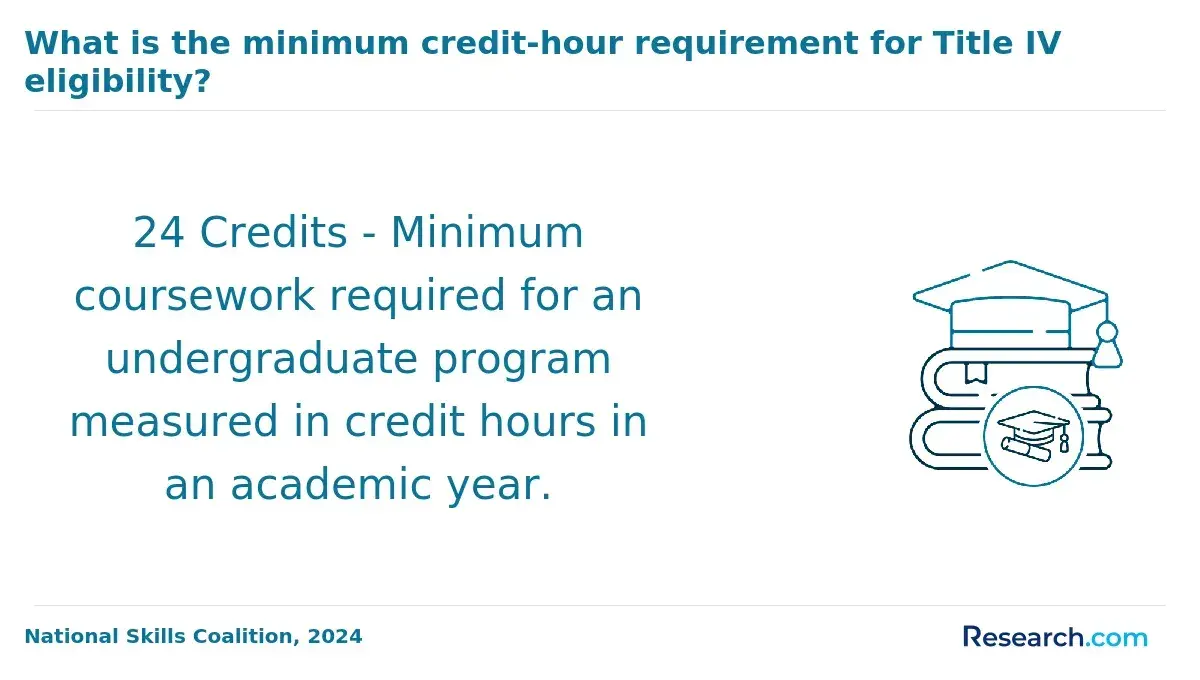
- Prior Education: Most programs require a high school diploma or GED equivalency. Applicants with some college credits may find it easier to transition, especially in requirements for accelerated corrections programs that build on prior coursework.
- GPA Expectations: A minimum GPA between 2.0 and 2.5 on a 4.0 scale is commonly expected, reflecting the need for consistent academic performance in foundational subjects.
- Standardized Tests: While SAT or ACT scores are not universally mandatory, some programs may require placement exams to assess readiness, ensuring students have essential skills before advancing.
- Prerequisite Courses: Foundational courses in English and mathematics are often required to demonstrate competency. These courses support successful progression through more specialized corrections curriculum.
- Work Experience: Relevant experience through employment or volunteering in criminal justice or related fields can strengthen applications. This practical knowledge is particularly valued in corrections education, though not always mandatory.
- Additional Requirements: Background checks are frequently necessary given the sensitive nature of corrections work, emphasizing character and trustworthiness in candidates.
Prospective students should also explore medical assistant programs and other accelerated professional pathways as a comparative model for rigorous, career-focused education.
What Does a Typical Week Look Like in a 2-Year Corrections Program?
Grasping the weekly demands of a 2-year accelerated corrections program is crucial for prospective students to assess whether they can balance the intensity alongside personal and professional commitments. The fast-paced nature requires strong dedication and effective planning, but understanding its structure can clarify what to expect. Here is a breakdown of typical weekly activities in such a program.
- Class Sessions: Students typically engage in multiple weekly lectures or seminars lasting two to four hours each, focusing on foundational and applied topics like criminal justice theory, correctional policies, and ethical considerations.
- Assignments and Assessments: Coursework includes regular written tasks, quizzes, and scenario-based exercises that gauge students' grasp of material, commonly due weekly or every other week to reinforce learning.
- Group Work: Collaborative projects and group discussions are integral, helping students develop communication skills while simulating correctional work environments.
- Independent Study: Beyond class time, students devote considerable hours to reviewing readings, analyzing case studies, and completing online modules to master the curriculum.
- Instructor Interaction: Faculty accessibility through office hours and digital platforms ensures support and feedback, enabling students to clarify concepts and improve performance.
- Time Management: Balancing coursework with other life obligations demands disciplined planning, making time management a critical skill for program success.
When asked about his experience, a professional who completed a 2-year accelerated bachelor's in corrections described it as "a constant juggling act." He recalled intense weeks packed with back-to-back lectures and crammed study sessions, often requiring sacrifices like late nights or weekends dedicated solely to coursework.
"The toughest part wasn't just absorbing the material," he said, "but staying organized and mentally fresh amid the rush." He emphasized that the support of instructors and peers was vital, providing motivation when deadlines loomed. Ultimately, he viewed the challenge as transformative, equipping him with resilience and practical skills directly applicable to his career.
Are 2-Year Corrections Programs Available Online?
Choosing the right delivery format for an accelerated corrections degree is vital for students juggling work, family, or other commitments. Flexibility, accessibility, and effective time management can greatly influence both learning success and program completion speed. Here's a closer look at how online two-year corrections programs accommodate these needs.
- Fully Online vs. Hybrid Formats: Some programs are entirely online, allowing students to study remotely without visiting campus. Others offer hybrid options that mix online coursework with scheduled live sessions, balancing flexibility with real-time interaction.
- Asynchronous and Synchronous Learning: Coursework often includes asynchronous modules that students complete on their own schedule, combined with synchronous sessions for discussions or exams to promote engagement and accountability.
- Technology Requirements: Students need reliable internet access and a compatible device such as a computer or tablet. Many programs also require specific software for video calls and online assessments, with technical support typically provided.
- Student Support Services: Services like virtual tutoring, academic advising, and career counseling are usually available to assist learners in staying motivated and managing remote study challenges, though quality varies by program.
- Impact on Pacing and Engagement: Online formats often enable motivated students to finish programs faster, sometimes within 18 to 24 months, by offering accelerated pacing that can enhance return on investment through earlier entry into the workforce.
How Much Does a 2-year Corrections Degree Cost?
Evaluating the total cost of an accelerated 2-year corrections degree is essential for determining its return on investment, especially for students balancing education with work or other commitments. Tuition and associated expenses can vary significantly, so understanding each cost component helps prospective students plan financially. Below is a detailed breakdown of typical expenses involved in such programs.
- Tuition Structure: Tuition is usually charged per credit hour and tends to be slightly higher in accelerated corrections programs due to their condensed format. However, the shorter timeframe often translates into less overall tuition paid compared to traditional degrees, making affordable tuition for accelerated corrections programs a critical consideration.
- Mandatory Fees: Fees for registration, technology, student services, and labs contribute to the total cost. These fees vary by institution and may include charges for specialized software or access to online platforms related to corrections studies.
- Textbooks and Learning Materials: Textbook costs can fluctuate widely depending on program requirements and formats. Corrections degrees often require criminal justice resources or software subscriptions that can add to expenses.
- Technology and Lab Costs: Some programs require additional technology fees for online learning tools or specialized lab equipment, which can increase overall costs.
- Accelerated Program Savings: Completing the degree in about half the time of a traditional program reduces indirect expenses such as housing, transportation, and lost income from extended study. According to the National Center for Education Statistics, this pace can save students 1 to 2 years, making faster degree completion financially beneficial.
For those comparing different educational paths, examining nursing programs with high acceptance rates can offer additional perspective on affordable and accessible accelerated degree options in healthcare-related fields.
Can You Get Financial Aid for 2-Year Corrections Programs?
When weighing accelerated corrections degree options, understanding financial aid availability is critical to plan both time and budget effectively. This consideration helps ensure accelerated pathways don't lead to unexpected financial barriers. Below are key aspects of financial support that students pursuing two-year corrections programs should know.
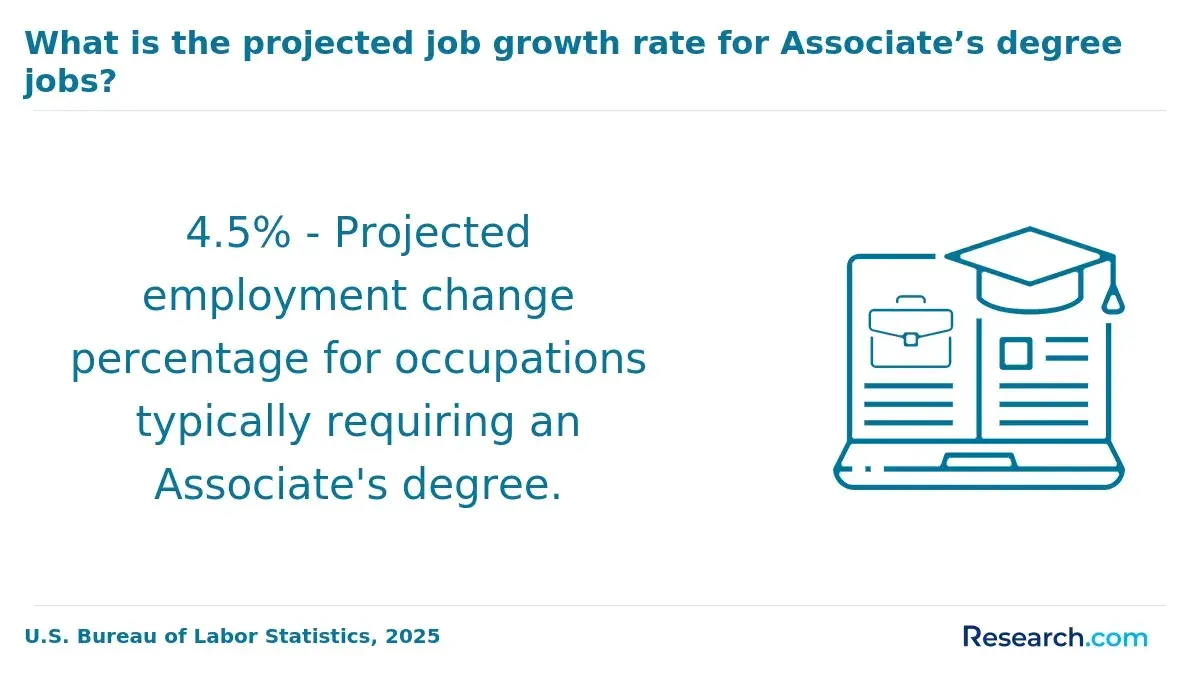
- Federal Student Aid: Eligibility for Pell Grants, Direct Subsidized and Unsubsidized Loans, and Federal Work-Study depends on enrolling in an eligible institution and completing the FAFSA. Aid is awarded based on financial need, not program length, so accelerated students often qualify similarly to traditional learners.
- Scholarships and Grants: Various awards target students focused on criminal justice or corrections fields. These funds may come from government programs, nonprofit organizations, or professional associations dedicated to supporting law enforcement education.
- Employer Tuition Assistance: Many law enforcement and corrections agencies encourage employees to pursue higher education by offering tuition reimbursement or financial aid. This support helps working students balance job responsibilities with educational goals.
- Impact of Accelerated Programs: Compressed course schedules can affect when and how financial aid is disbursed. Maintaining required credit loads and continuous enrollment status is crucial, so students should consult financial aid offices to avoid lapses in funding.
- Payment Plans: Schools may offer flexible payment options to spread tuition costs in alignment with shorter terms, easing immediate financial burdens and supporting accelerated pacing.
An experienced corrections professional who earned an accelerated bachelor's degree shared her journey with financial aid. She recalled feeling initially overwhelmed by the pace and paperwork but found that carefully completing the FAFSA and communicating frequently with the financial aid office simplified access to grants and loans.
"The accelerated timeline meant I had to stay very organized," she explained, "but the financial aid I received made completing my degree in two years not just possible, but financially manageable." She also mentioned leveraging employer tuition assistance, which significantly reduced her out-of-pocket costs. Her reflective advice emphasized the importance of early planning and active engagement with all financial aid resources to successfully navigate accelerated corrections education.
What Jobs Can You Get With a 2-Year Corrections Degree?
Evaluating the career outcomes of an accelerated bachelor's in corrections is crucial for prospective students seeking to balance time investment with practical job opportunities. Understanding which roles are accessible with a 2 year corrections degree job opportunities can help clarify the value of this educational path and its alignment with long-term goals. The following overview highlights typical entry-level positions and career trajectories for graduates.
- Correctional Officer: This foundational role involves overseeing individuals in detention facilities to maintain safety and security. Graduates are prepared to handle conflict resolution and crisis intervention, skills emphasized in accelerated corrections degree programs.
- Probation Officer: Working within community supervision systems, probation officers monitor and assist offenders to comply with court-ordered probation. The degree provides knowledge of legal compliance and case management essential for this career.
- Parole Officer: Parole officers support individuals released from incarceration by facilitating their successful reintegration into society. Strong training in rehabilitation and supervision techniques prepares graduates for these responsibilities.
- Juvenile Detention Counselor: Specialized for working with youth in detention centers, this role demands an understanding of adolescent behavior and crisis management. The accelerated format of the degree helps students gain practical skills to address these sensitive environments effectively.
- Public Safety and Rehabilitation Roles: Many graduates find pathways into broader public safety and rehabilitation careers, where their focused skill set in corrections offers a competitive advantage. The program's practical emphasis enhances workforce readiness and supports advancement with experience or further education.
Accelerated bachelor's programs in corrections, often completed in as little as 2.5 years, reduce tuition and opportunity costs, making them attractive for those eager to enter the workforce sooner. According to employment projections, steady demand persists for roles like probation officers and correctional officers, reflecting ongoing needs in government and community agencies. For students evaluating cost and time considerations, comparing alternatives such as a cheapest online healthcare management degree may also provide insight into related fields.
Choosing a career with accelerated corrections degree training means acquiring expertise focused on conflict resolution, legal processes, and crisis management. These competencies are vital for a range of entry-level jobs that serve as stepping stones toward advanced positions in criminal justice and community supervision.
How Do Salaries Compare for 2-year Corrections Degree vs. Traditional Bachelor's Degrees?
Salary outcomes are a critical factor when evaluating the return on investment (ROI) of accelerated versus traditional degree paths, especially in corrections careers. Understanding how earnings compare helps prospective students decide if a faster degree aligns with their financial and career goals. Below is a detailed comparison of salary expectations for graduates with 2-year corrections degrees versus traditional bachelor's degrees.
- Early-career earnings: Individuals with a 2-year corrections degree typically earn entry-level salaries ranging from $35,000 to $45,000 annually. In contrast, graduates with a bachelor's degree in criminal justice or related fields start closer to $45,000 to $55,000, reflecting the additional education investment.
- Long-term earning potential: Bachelor's degree holders often see more significant salary growth over time, reaching median earnings above $70,000 in advanced roles. Those with a 2-year degree may encounter slower wage progression due to limited upward mobility.
- Employer perception and career progression: Employers tend to prefer candidates with bachelor's degrees for roles in management, counseling, or policy, which generally offer higher pay. The shorter education timeline of a 2-year program allows for earlier workforce entry but may limit advancement opportunities.
- Workforce entry and lifetime earnings: Graduates with a 2-year corrections degree enter the job market 1-2 years sooner, providing immediate income and work experience. However, this advantage doesn't always translate into higher lifetime earnings compared to traditional bachelor's paths, due to the slower career growth and salary caps observed in 2-year degree careers.
Those exploring career earnings with accelerated corrections degrees should balance faster employment against long-term salary prospects. For some, early experience is invaluable, while others may benefit more from the expanded opportunities offered by a bachelor's degree. Prospective students interested in related educational pathways may also consider affordable RN to BSN online programs as an example of accelerated degree options in other fields.
Which Factors Most Affect ROI for Accelerated Corrections Degrees?
Evaluating the return on investment (ROI) is essential for anyone considering accelerated bachelor's degrees in corrections. Understanding financial and career benefits helps students make informed decisions about their education and future job prospects. The following points summarize key factors impacting ROI in these programs.
- Time-to-completion: Accelerated programs allow students to finish in two to three years rather than the traditional four, which reduces total tuition and living expenses. Finishing early also means entering the workforce sooner, cutting down on lost income during study.
- Tuition and total cost: While the per-credit price often matches that of conventional programs, accelerated degrees usually require fewer credits or permit year-round study, lowering overall costs. It's important for students to examine total expenses, including fees, not just semester tuition.
- Opportunity cost savings: Entering employment earlier helps recoup educational costs quickly. Individuals with a bachelor's in corrections typically earn about 10-15% more annually than those with only a high school diploma, increasing financial returns over time.
- Employment outcomes and salary growth: Job prospects in corrections remain stable, with steady demand expected. Graduates of accelerated programs gain an edge if their qualifications satisfy licensing and employer criteria, supporting stronger salary progressions.
- Industry demand and skill transferability: Corrections programs emphasize practical abilities like crisis management and legal understanding, which apply broadly in related fields such as law enforcement and social services. Programs with hands-on training tend to improve long-term career flexibility and value.
How Do You Decide If a 2-year Corrections Degree Is Right for You?
Deciding if a 2-year corrections degree suits your goals requires evaluating your personal learning style and schedule. Accelerated programs often demand strong time management and an ability to keep pace with intensive coursework. If you need to enter the workforce quickly or balance other commitments, a shorter degree timeline can be beneficial.
Consider whether you're prepared for a fast-moving curriculum that leaves limited downtime for absorbing material. Your urgency to start or advance in the corrections field should also influence your decision.
From a practical perspective, these programs tend to cost less overall since they require fewer semesters, but it's essential to compare the total tuition to potential salary gains. With correctional officers earning an average annual wage near $47,000, assessing the return on investment is important.
Employer preferences vary; some prioritize candidates with bachelor's degrees regardless of duration, while others emphasize experience. Researching local job market demands and weighing long-term career flexibility can help determine if a 2-year degree meets your professional objectives.
What Graduates Say About Their 2-Year Corrections Degree
- Andrew: "I was drawn to the accelerated corrections degree for its efficiency and practical approach, especially considering the typical four-year alternatives. Handling the accelerated schedule meant prioritizing and occasionally sacrificing social activities, but the return on investment-including the reasonable cost compared to traditional programs-was clear. Professionally, this degree has significantly enhanced my expertise and immediately improved my opportunities within the criminal justice system."
- Peter: "Opting for a 2-year program was a deliberate choice to keep my education concise while still gaining essential knowledge in corrections. The pace required discipline, so I developed a strict routine that balanced night shifts and study sessions. Reflecting now, the investment in both time and money has been worthwhile, as I've gained credibility and practical skills that directly impact my daily work."
- Westin: "I chose the 2-year accelerated bachelor's degree in corrections because I wanted to fast-track my career without accumulating too much debt-the average cost of attendance was surprisingly affordable. Balancing work and studies was intense, but the structured schedule and focused coursework made it manageable. This degree has opened doors to supervisory positions much sooner than I expected, and I'm really excited about the path ahead."
Other Things You Should Know About Corrections Degrees
In 2027, a 2-year corrections degree typically costs less upfront compared to an accelerated bachelor's program. However, the bachelor's degree often results in higher long-term earnings potential, potentially improving overall return on investment (ROI) despite the longer study and higher initial cost.
In 2027, a 2-year corrections degree can lead to entry-level roles such as corrections officer or case manager, offering a faster path into the workforce. An accelerated bachelor's degree, however, generally opens doors to broader career options and leadership positions, often yielding higher salaries in the long term.
References
- Bachelor of Science in Criminal Justice in Alabama and Online - Faulkner University https://www.faulkner.edu/bachelor-criminal-justice/
- Undergraduate Programs https://www.subr.edu/page/2046
- Prison Education Program Web Center https://www.nasfaa.org/pep
- Can You Get a Bachelor's Degree in 2 Years or Less? https://www.coursera.org/articles/can-you-get-a-bachelors-degree-in-2-years
- Two year accelerated degrees https://www.staffs.ac.uk/courses/undergraduate/study-options/two-year-accelerated-degrees
- Westchester Community College https://catalog.sunywcc.edu/preview_program.php
- Accelerated Bachelor of Arts in Criminology & Criminal Justice Online https://online.wpunj.edu/degrees/undergraduate/ba-criminology-criminal-justice-accelerated-professional-track/
- Level 2 - Corrections (CSC) https://www.vhcc.edu/level-2-corrections-csc
- Is a career as a corrections officer right for me? https://www.sjvc.edu/blog/is-a-career-as-a-corrections-officer-right-for-me/
- Florida Department of Corrections Jobs https://www.fldocjobs.com/career-paths/correctional-officer


