
2027 Software Development Degree vs. Certificate: Which Should You Choose?

Co-Founder and Chief Data Scientist
Today's students and professionals face important decisions when choosing between earning a degree or a certificate in software development. Both paths can advance a career but differ significantly in time, cost, and depth of knowledge. Degrees typically offer a broader foundation, while certificates focus on specific skills, often allowing quicker entry into the workforce.
According to industry reports, 70% of software development employers value practical skills, which certificates emphasize. However, degrees often provide more comprehensive training and can open doors to higher-level positions. This article compares key differences to help readers select the best option for their career goals and lifestyle.
Key Points About Software Development Degree vs. Certificate Programs
- Degree programs provide comprehensive education, enhancing long-term career growth and higher salary prospects, with graduates earning on average 20% more than certificate holders.
- Certificate programs focus on specific skills, offering faster entry into the job market but may limit upward mobility in senior software development roles.
- Degrees promote broad theoretical understanding and problem-solving abilities, while certificates emphasize practical, current technologies suited for immediate application.
What Are the Differences Between Software Development Degree and Certificate Programs?
Both software development degree programs and certificate courses offer pathways to build valuable skills and enter the tech industry. However, they differ significantly in structure, depth, and time commitment.
Knowing these distinctions helps students select the educational option that best fits their career ambitions and schedules.
Below are the key differences between software development degrees and certificates:
- Depth of Learning: Degree programs provide comprehensive knowledge of computer science principles, programming languages, and software engineering concepts. Certificates focus on specific skills or technologies, ideal for learners seeking targeted expertise or skill refreshers.
- Duration and Flexibility: Degrees typically require multiple years of study with a structured curriculum, while certificates are shorter and often more flexible. Professionals needing quick upskilling or those balancing work and study may prefer certificates.
- Career Advancement: Degrees can open doors to a wider range of roles, including leadership and research positions, due to their broad and foundational training. Certificates are well-suited for entry-level roles or specialization but may have limited influence on long-term advancement.
- Cost and Commitment: Degree programs usually demand greater financial and time investment. Certificates offer a more affordable and accessible option for those wanting to improve skills without a prolonged commitment.
How Long Does It Take to Complete a Software Development Degree vs. a Certificate Program?
One of the most important factors for students deciding between a software development degree vs. certificate is the time required to complete each program.
Understanding how long to get a software development degree compared to a certificate program duration can help students align their educational goals with their personal and professional commitments.
- Typical Duration: A software development degree usually takes about four years of full-time study at a U.S. college or university, though this can be shorter with prior college credits, Advanced Placement (AP) courses, or transfer credits. In contrast, a software development certificate program duration ranges from a few weeks to 18 months, depending on program intensity and pacing.
- Flexibility: Degree programs generally require full-time, semester-based study that includes both general education and specialized coursework. Certificate programs often offer greater flexibility, allowing part-time, evening, online, or self-paced formats that cater to working professionals or others balancing commitments.
- Factors Affecting Timeline: The structure of degrees, including general education and electives, naturally increases completion time. Certificates emphasize specialized skills with fewer prerequisites, letting students often start at any skill level. Students with relevant experience or transfer credits may shorten degree timelines, but certificates usually have minimal barriers and enable faster completion.
Overall, certificate programs provide a quicker pathway to gain practical software development skills, making them a popular option for rapid career entry or advancement.
For more details on fast and effective options, students can explore certification programs that pay well.
Can You Complete a Software Development Degree or Certificate Entirely Online?
The growth of online education has made it increasingly feasible for students across the United States to pursue software development training remotely. Many accredited colleges now offer fully online software development degree programs, including bachelor's degrees from institutions like Bellevue University, Arizona State University, and Penn State World Campus. These programs often include hands-on coding projects and collaborative teamwork.
In addition, software development certificate fully online options are also available, such as the UC Berkeley Extension's program, which is especially suitable for working professionals or those seeking a career shift. While most programs are fully online, some degree completion tracks may require prerequisites or specific courses to be taken in person at a local institution.
Hands-on training in online software development degrees commonly involves virtual labs, group projects, and capstone experiences, though internships or proctored exams can sometimes necessitate limited in-person participation.
Licensure generally is not required for software development roles, so it rarely influences program format. When deciding between an online degree or certificate, consider your career goals, learning style, and need for real-time interaction, since some programs offer synchronous sessions while others are self-paced.
For more information about certification programs that pay well, exploring these factors can help you choose the best fit.
Breakdown of All 2-Year Online Title IV Institutions

What Are the Admission Requirements for a Software Development Degree vs. a Certificate Program?
Admission requirements are a key factor when choosing between a software development degree and a certificate program, as they influence who can enroll and how soon students can begin their studies. Comparing these requirements helps prospective students match their educational goals with their current qualifications.
The following provides a side-by-side comparison of typical admission requirements for each program type.
Admission Requirements for Software Development Degree Programs
- Educational Background: Most bachelor's degree programs require a high school diploma or GED; some prefer an associate degree or at least 60 college credits for transfer or cohort entry.
- GPA Standards: Universities often set a minimum cumulative GPA around 2.75 to 3.0 for undergraduates, with higher thresholds for selective or graduate programs.
- Standardized Tests: Some schools require SAT or ACT scores, but many, including Bellevue University and Western Governors University, have dropped this requirement.
- Prerequisite Coursework: Completion of specific math or computer science courses may be necessary, especially for technical or advanced programs.
- Transcripts: Official transcripts from high school and any postsecondary institutions must typically be submitted.
- Additional Documentation: Graduate-level admissions may ask for a bachelor's degree, letters of recommendation, a statement of purpose, résumé, and proof of English proficiency for international students.
Admission Requirements for Software Development Certificate Programs
- Educational Background: These programs tend to have more flexible entry requirements, often just a high school diploma or equivalent, with some permitting enrollment without prior college coursework.
- Prior Experience: While some advanced certificates expect basic programming knowledge or relevant work experience, many are designed for beginners.
- Transcripts: Few certificate programs require transcripts, and when needed, it's usually to verify high school completion.
- Additional Materials: Letters of recommendation, personal statements, or standardized test scores are rarely requested.
- International Students: English proficiency proof may be required but generally with less strict standards than degree programs.
Prospective students examining software development degree admission requirements in the US should note the more competitive and comprehensive nature of degree program criteria compared to the more accessible software development certificate program entry criteria.
For those seeking options after high school, exploring the most affordable online associate degrees may also help in planning an educational path toward a degree program.
How Many Credits Do You Need to Complete a Software Development Degree vs. a Certificate?
Knowing the credit requirements for software development programs helps students effectively plan how long their studies will take and what kind of commitment is involved. Comparing the typical credit loads for degree and certificate options clarifies these timelines and expectations.
Here is a breakdown of the usual credit demands for each pathway:
- Bachelor's degree: Generally requires between 120 and 126 credits, which usually equates to about four years of full-time study.
- Associate degree: Involves roughly 60 to 65 credits, typically completed over two years of full-time enrollment.
- Certificate: Requires significantly fewer credits, often between 15 and 18, and can usually be completed in less than a year.
When discussing these options with a student who chose to pursue a software development certificate, he shared that the condensed credit load was a major factor in his decision.
He explained, "I wanted to quickly gain practical skills without spending years on coursework I might not fully use."
He found the focused curriculum manageable but intensive, with a steep learning curve due to the shorter timeframe. "Balancing work and study was challenging, but knowing it was just around 15 credits kept me motivated," he reflected.
This approach gave him the flexibility to pivot careers more rapidly than a degree would have allowed, highlighting how credit requirements influence not only academic planning but life choices as well.
What Is the Average Tuition for a Software Development Degree vs. a Certificate?
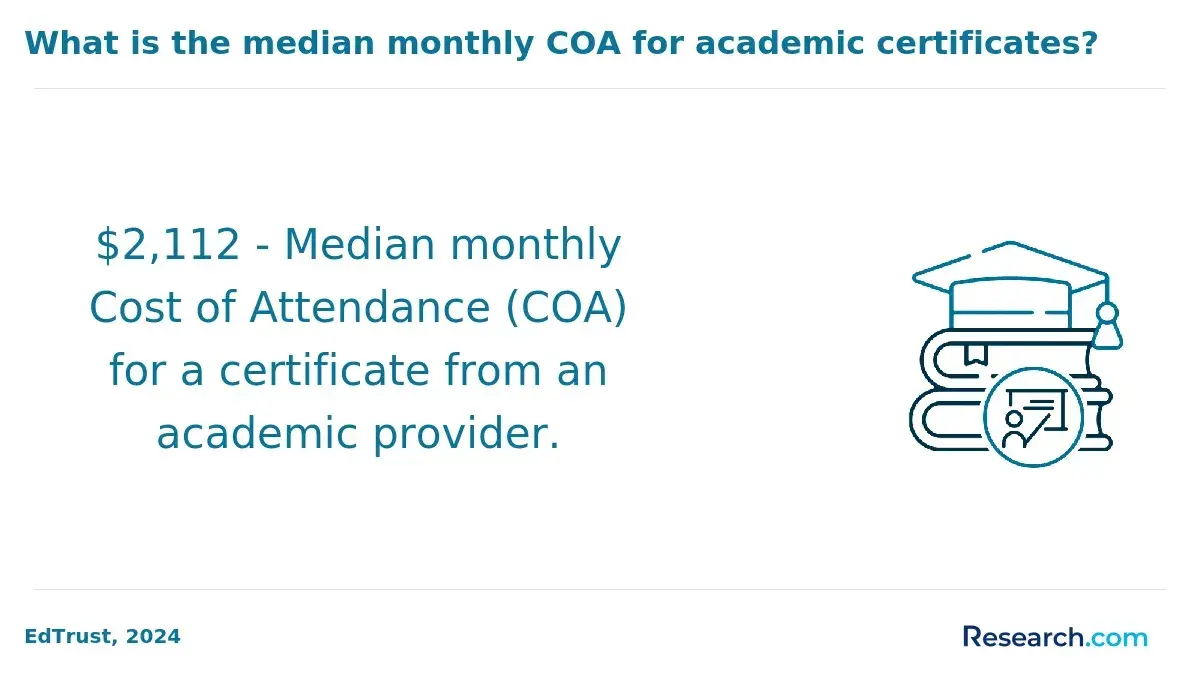
Tuition costs are a key consideration when choosing between a software development degree and a certificate because they directly affect your financial investment and potential return on education. A clear understanding of average tuition ranges can help students and professionals align their choices with career goals and budget limits.
Below is a comparison of average tuition for these two educational paths, highlighting the differences in cost and program characteristics.
Average Tuition for Software Development Degree Programs
- Public school in-state tuition: Annual tuition averages around $10,779 for state residents in undergraduate software engineering programs, with total costs for a four-year bachelor's degree typically ranging from $40,000 to $45,000.
- Public school out-of-state tuition: Out-of-state students pay significantly more, averaging $31,127 per year, resulting in total degree costs between $120,000 and $130,000.
- Private institution tuition: Private universities often charge higher rates, with yearly tuition commonly ranging from $30,000 to $50,000 or more, depending on the school and program.
- Online degree programs: The most affordable online options start at approximately $4,770 per year, while many others range from $10,000 to $18,000 annually.
- Total degree cost: For a typical four-year program, students can expect to pay from around $20,000 at the lowest-cost online schools to over $120,000 at private or out-of-state institutions, reflecting the wide variation in software development degree average tuition cost.
Average Tuition for Software Development Certificate Programs
- Tuition range: Certificate programs generally cost between $4,000 and $20,000 in total, with most requiring just a single payment instead of annual tuition.
- Program duration impact: Because certificates are often completed in a few months to a year, total tuition is much lower than degree programs.
- Delivery format influence: Online certificate programs or coding bootcamps tend to be more affordable than in-person or university-affiliated certificates, sometimes starting as low as $4,000.
- Additional expenses: Unlike degree programs, certificates usually have minimal extra costs since they often don't require housing, meal plans, or multiple years of textbooks.
- Financial aid and payment plans: Many providers offer flexible payment options, such as tuition assistance and payment plans, making certificate programs a more manageable investment for many students. Students may also explore online school financial aid opportunities to help reduce these costs.
Overall, the average cost of software development certificate programs offers a substantially more economical path compared to degree programs, especially for those seeking faster entry into the field with limited financial commitment.
Can You Transfer Certificate Credits Toward a Software Development Degree Later On?
Certificate credits can often be transferred toward a software development degree, but this depends largely on the institution's policies and the accreditation of the certificate program. Schools typically require the certificate and degree to come from the same or affiliated institutions, ensuring the courses align closely in content and rigor.
Accredited certificates, especially those recognized by organizations like ACE or NCCRS, have a higher chance of transfer acceptance. Course relevance is crucial, as credits must match the degree curriculum for them to be considered valid. However, transferability is not universal and varies significantly across colleges.
Other important factors include limits on the total number of transferable credits and minimum grade requirements, such as a grade of C or better. Many institutions have caps on how many certificate credits they will accept toward a degree.
It's vital for students to check transfer policies with their target schools before starting a certificate program to avoid surprises. Verifying these details ahead of time helps ensure the educational path is cost-effective and efficient.
One student shared her experience after completing a software development certificate program. She described the mix of excitement and uncertainty when she first explored transferring her credits to a degree program.
She recalled how navigating the transfer process involved detailed discussions with academic advisors and reviewing course syllabi to prove alignment.
"It took effort, but knowing some credits counted saved me time," she reflected, noting the positive impact on her degree progression.
This journey highlighted the importance of early research and clear communication when planning academic transfers.
Are Certificate Programs Accredited the Same Way as Software Development Degrees?
Certificate programs in software development are not accredited in the same manner as degree programs. Degrees-such as associate's or bachelor's in software development-are usually accredited by established regional or national bodies in the US, like the Higher Learning Commission or ABET, which maintain consistent academic standards.
Certificate programs may benefit from the accreditation of the institution offering them but often lack separate, rigorous programmatic accreditation. Additionally, many certificates are provided by non-degree institutions or professional groups and may rely on industry recognition instead of formal academic accreditation.
Accreditation matters because it verifies educational quality, affects credit transferability, and influences employer and graduate school acceptance.
For students, it is important to check if the institution is accredited by recognized agencies and whether the specific program has additional approvals, such as ABET for degrees or endorsements from professional bodies like IEEE for certificates.
Employer recognition and the intended career path should also be factors, as degree accreditation is critical for certain roles or further education, while industry certificates may better serve specialized jobs. Students should always confirm accreditation status with trustworthy sources before committing to a program.
What Jobs Can You Get with a Software Development Degree vs. a Certificate?
Both software development degrees and certificates offer pathways into the technology sector, but they serve different purposes and open doors to varied career levels. While degrees tend to provide broader and more advanced opportunities, certificates focus on practical skills for quicker workforce entry.
Below is a comparison of common career options associated with each credential.
Jobs You Can Get with a Software Development Degree
- Software Developer: Designs and builds software applications, often collaborating with teams to develop solutions across industries.
- Systems Analyst: Evaluates and improves IT systems to enhance business processes.
- DevOps Engineer: Bridges software development and IT operations to streamline deployment and maintenance.
- Database Administrator: Manages and secures databases, ensuring data accessibility and integrity.
- Technical Project Manager: Oversees software projects, coordinating teams, timelines, and resources.
Jobs You Can Get with a Software Development Certificate
- Junior Developer: Supports senior developers by writing code and fixing bugs, typically in learning environments.
- Web Developer: Creates and maintains websites, focusing on functionality and user experience.
- QA Tester: Conducts software testing to identify defects and ensure quality standards.
- IT Support Specialist: Provides technical assistance and troubleshooting for software and hardware issues.
- Automation Tester: Develops and runs automated tests to improve efficiency in software quality assurance.
What Is the Average Starting Salary for a Certificate vs. Software Development Degree Graduates?
Salary potential often varies significantly between software development certificate holders and degree graduates. While both credentials can lead to rewarding careers, their entry compensation typically differs based on education type and market factors.
Below is a side-by-side comparison of the average starting salary for software development certificate holders versus entry-level salary for software development degree graduates, along with key influences and career prospects.
- Typical Salary Range: The average starting salary for software development degree graduates in the U.S. usually falls between $70,000 and $85,000 annually, while certificate holders typically start at $55,000 to $70,000 per year.
- Influence of Credentials: Degree holders often command higher initial salaries due to their comprehensive academic foundation and recognized credential earned through multi-year study, resulting in better entry-level salary for software development degree graduates. Certificate holders may enter the workforce sooner but generally earn 10-30% less at the outset.
- Industry Specialization: Certificates focused on high-demand areas like cloud computing or cybersecurity can sometimes match or surpass the lower end of degree salaries, especially in sectors actively seeking those specialized skills.
- Location and Market Factors: Urban tech hubs such as San Francisco, Seattle, and New York offer higher salaries across credential types, whereas smaller markets tend to pay less, impacting both certificate holders and degree graduates alike.
- Experience and Skillset: Candidates with prior internships, work experience, or multiple certificates can negotiate higher salaries regardless of credential type, improving overall career trajectory and earning potential.
- Career Outlook: While degree holders usually enjoy broader advancement opportunities and higher long-term earnings, certificate holders can quickly access specialized roles and increase salaries by 15-35% with additional certifications or experience. The gap between these paths narrows as employers prioritize skills over credentials.
- Additional Insights: For individuals considering their career path for introverts, both certificates and degrees can offer viable routes depending on personal goals and learning styles.
Here's What Graduates of Software Development Programs Say About Their Degree or Certificate
- Aries: "Choosing the software development certificate program was ideal for me because I wanted to learn quickly and jump straight into the job market. The focused curriculum allowed me to gain practical skills in a shorter time and at a fraction of the cost compared to a full degree. It was the perfect balance between affordability and career impact, especially for someone eager to start working soon."
- Massimo: "Completing a full software development degree was a more reflective decision for me, given the comprehensive learning experience and deeper understanding it offers. Although it took longer and was more expensive-often double the price of certificate programs-I found the broader knowledge and networking opportunities invaluable for long-term career growth. Choosing between the two really comes down to whether you prioritize depth and credentials or speed and cost."
- Angel: "Having completed both software development certificate and degree programs, I appreciate how each serves different needs. Certificates offered flexible, fast-paced learning perfect when I needed immediate skills, while the degree provided a structured, in-depth education that opened doors to leadership roles. The upfront cost difference was significant, but the combined experience gave me the best of both worlds, allowing me to tailor my education based on my career goals."
Other Things You Should Know About Software Development Degrees
Both programs collaborate with tech companies to ensure curriculum relevance, incorporate feedback from industry experts, and update materials regularly, integrating new technologies and methodologies that align with current software development practices to maintain competitiveness.
A software development certificate can lead to career advancement by enhancing specific technical skills or helping professionals pivot into new areas within technology. Certificates are particularly useful for gaining expertise in emerging technologies or programming languages.
However, higher-level positions or roles with managerial responsibilities may still require a degree or additional qualifications.
In 2027, software development degree programs typically include hands-on projects, internships, and collaborative team-based assignments. These components help students gain real-world experience and develop skills in coding, problem-solving, and software design—essential for career readiness in the rapidly evolving tech industry.
References
- Certificate, Certification, or Both? https://www.credentialingexcellence.org/Accreditation/New-to-Accreditation/Certificate-vs-Certification
- Certificate Program vs Degree: Which Credential Best Fits Your 2025 Goals? https://www.verifyed.io/blog/certificate-program-vs-degree
- Web Development Certificate Program vs. College Degree https://www.nobledesktop.com/blog/web-development-certificate-program-vs-college-degree
- Degrees and Certificates :: BAS Software Development https://www.bellevuecollege.edu/softwaredevelopment/degrees-new/
- The Differences Between Certificates, Credentials & Degrees https://diplomasafe.com/credential-vs-certificate/
- Information Technology - Software Development https://www.merito.pl/english/gdansk/our-offer/bachelors-degree/programs/information-technology-software-development
- Certificate Programs: Programs, Costs, Duration & Are They Worth It? - University of the Potomac https://potomac.edu/certificates-programs-costs-duration-are-they-worth-it/
- Certificate vs. degree programs: What's the difference? | edX https://www.edx.org/resources/what-is-the-difference-between-a-certificate-and-a-degree
- Software Development https://online.champlain.edu/degrees-certificates/undergraduate-certificate-software-development
- IT Certifications vs. Degree: What’s the Difference? - Per Scholas https://perscholas.org/news/it-certifications-vs-degree-whats-the-difference/


