
2027 Are Online Counselor Education Degrees Respected by Employers?

Co-Founder and Chief Data Scientist
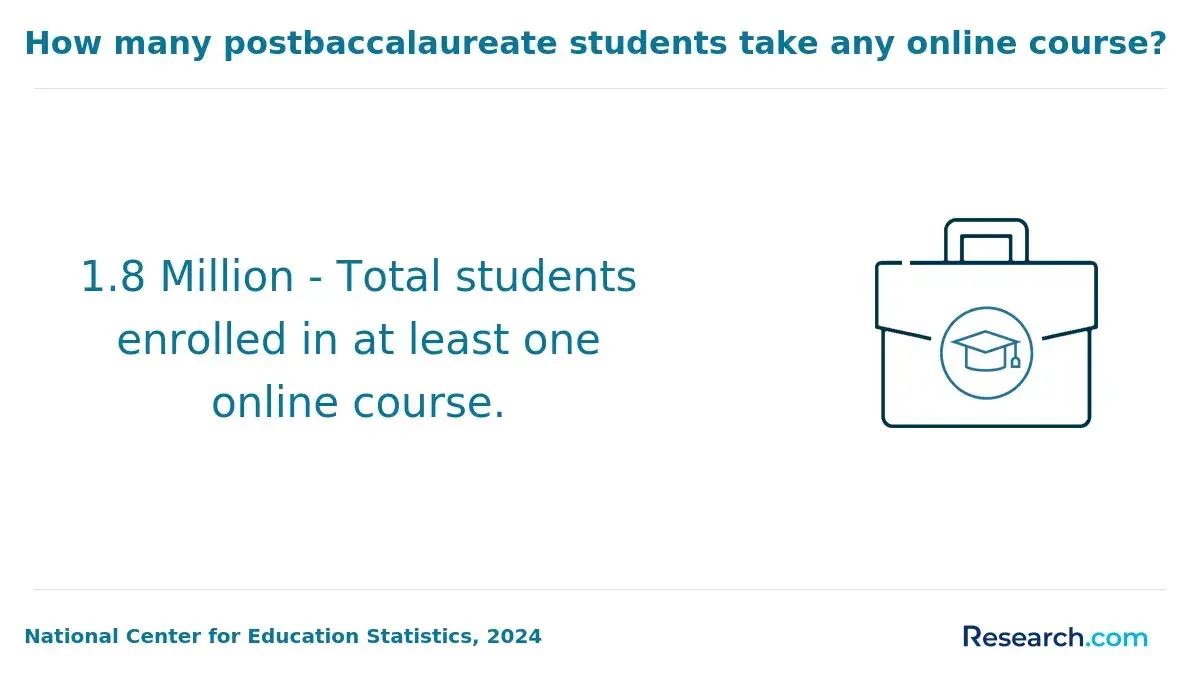
Online counselor education degrees have surged in popularity, reflecting broader trends in digital learning adoption across the United States. Recent studies reveal that over 40% of graduate students are now enrolled in some form of online education, indicating strong acceptance of virtual academic programs. This article aims to clarify how employers perceive online counselor education degrees today and what key factors shape their credibility in professional settings. Understanding these perspectives helps students and graduates navigate career opportunities wisely and assess the value of their online credentials within the counseling field's evolving landscape.
Key Benefits of Online Counselor Education Degrees Respected by Employers
- Employers increasingly recognize online counselor education degrees from accredited institutions as equivalent to traditional ones with over 70% reporting positive perceptions in recent surveys.
- Graduates develop critical clinical and communication skills through rigorous online curricula that include supervised practicum experiences, enhancing their readiness for real-world counseling roles.
- Completing an online counselor education degree often leads to improved career outcomes, with data showing alumni earn salaries comparable to those from on-campus programs and experience similar job placement rates.
Which Accrediting Bodies Make an Online Counselor Education Degree Legitimate?
Accreditation is essential for ensuring the quality and employer recognition of online counselor education degrees. It guarantees that programs meet established academic and professional standards, which directly affect degree credibility, eligibility for licensure, and career opportunities after graduation. Understanding the key types of accreditation can help prospective students identify legitimate programs and avoid potential pitfalls. The main types relevant to online counselor education degrees include:
- Regional accreditation: This institutional accreditation is granted by seven regional agencies recognized by the U.S. Department of Education. It is considered the gold standard for colleges and universities. Regional accreditation ensures broad recognition of your degree, facilitates smooth credit transfers, and qualifies you for federal financial aid. Examples include the Middle States Commission on Higher Education (MSCHE) and the Southern Association of Colleges and Schools Commission on Colleges (SACSCOC). Employers and state licensure boards typically require graduates to hold degrees from regionally accredited institutions.
- National accreditation: Awarded by agencies focusing on vocational, technical, or distance education institutions, national accreditation is generally less prestigious than regional accreditation. Credits earned may not transfer to regionally accredited programs, and the degree's value might be limited regarding licensure and employment within counseling. The Accrediting Commission of Career Schools and Colleges (ACCSC) is one example. While some career paths may find national accreditation sufficient, it is often less advantageous for those seeking counselor education accreditation standards in the United States.
- Programmatic (specialized) accreditation: This type accredits specific counselor education programs rather than whole institutions. It verifies that the curriculum meets professional training standards required for counseling licensure. Reputable bodies include the Council for Accreditation of Counseling and Related Educational Programs (CACREP), Master's in Psychology and Counseling Accreditation Council (MPCAC), and Council on Rehabilitation Education (CORE). Graduates of CACREP-accredited online counseling programs typically report strong employment outcomes and meet licensure requirements in all 50 states, making this accreditation crucial for professional practice.
For prospective students, pursuing an online counselor education degree from a regionally accredited institution combined with CACREP or equivalent programmatic accreditation offers the strongest assurance of legitimacy and career readiness. Exploring program options along with financial and time commitments is essential; resources like quickest associate degree online can help identify programs that suit your needs effectively.
Does University Reputation Affect Employer Views of Online Counselor Education Degrees?
University reputation plays a significant role in shaping employer perceptions of online counselor education degrees. Employers often view graduates from well-established institutions as more prepared and credible, largely because institutional prestige signals rigorous academic standards and proven graduate outcomes. This trust is especially strong when a university has a history of excellence in counseling and expands its offerings to include online programs.
One key factor influencing employer views is the accreditation status of programs. Accredited online counselor education programs employer perception is generally more favorable when degrees come from institutions holding CACREP accreditation, recognized widely as the benchmark of quality in counselor education. This accreditation assures employers that graduates have received training meeting national standards, which is essential for licensure and professional practice.
Alumni success and partnerships with industry also contribute to the credibility of online degrees. Programs connected to active clinical networks and offering internship opportunities tend to better prepare students for real-world counseling roles. Surveys reveal that online graduates often have comparable success to their residential peers in securing clinical placements and doctoral program admissions, reinforcing employer confidence.
However, despite a strong university reputation, employers continue to emphasize practical skills, clinical experience, and personal attributes as key hiring criteria. While reputable institutions provide a solid foundation, individual competencies ultimately influence employment outcomes.
For those exploring their options, incorporating college courses for seniors online can also enhance learning flexibility without compromising program quality.
Do Employers Treat Online and On-campus Counselor Education Degrees Equally?
Employers' perceptions of online counselor education degrees have shifted significantly in recent years. What was once met with skepticism is now largely recognized as comparable in quality to traditional on-campus programs. This change is largely due to the increased accreditation and rigor associated with reputable online degrees, especially those approved by the Council for Accreditation of Counseling and Related Educational Programs (CACREP). Today, the format of the degree-online or in-person-is less important to employers than the program's standards and the candidate's preparedness for professional practice.
When hiring for counseling roles, employers prioritize factors such as accreditation, the reputation of the university, and the applicant's practical experience over whether the degree was earned remotely or on-campus. CACREP accreditation remains a critical marker of quality, indicating that graduates meet national standards and are prepared for licensure exams like the NCE and NCMHCE. Prestigious universities tend to offer solid curricula and faculty expertise regardless of delivery method, ensuring students receive supervised clinical training and hands-on learning opportunities through fieldwork or telehealth simulations.
Research shows that while employers are aware of how a degree was earned, their evaluation depends more on the rigor and real-world applicability of the training. Therefore, graduates with online counselor education degrees should seek accredited programs, gain extensive supervised clinical experience, and be ready to demonstrate their competencies to enhance their credibility equally with traditional graduates.
Do Employers Trust Online Counselor Education Degrees from AI-powered Virtual Classrooms?
AI-powered technologies such as adaptive learning systems, virtual simulations, and AI tutors are significantly enhancing the quality and credibility of online counselor education. Adaptive learning platforms personalize coursework and assessments, allowing students to progress at their own pace and according to their learning style. Virtual simulations provide a safe, interactive environment where aspiring counselors can practice real-world scenarios, gaining crucial interpersonal and diagnostic skills before engaging in live practicum experiences.
AI tutors offer on-demand academic support and feedback, fostering improved learning outcomes and higher student engagement. When these innovative tools are integrated into accredited online programs-especially those recognized by bodies like the Council for Accreditation of Counseling and Related Educational Programs (CACREP)-they help maintain rigorous standards and practical relevance, often coupled with 700+ hours of supervised clinical work required for professional licensure and certification.
Employer perception of online counselor education degrees has been evolving alongside these technological advancements. As of 2023, surveys show that over 70% of employers consider online degrees from CACREP-accredited programs with strong field experiences to be as credible as traditional degrees. The incorporation of AI-driven learning tools helps bridge concerns regarding the quality of online training by ensuring graduates possess both theoretical knowledge and practical skills.
However, skepticism remains, mostly toward programs lacking robust practicum components or recognized regional accreditation. Hiring managers tend to scrutinize the specifics of candidates' educational backgrounds, favoring degrees that demonstrate a balance between cutting-edge technology and extensive supervised counseling work. Ultimately, the growing acceptance of online counselor education depends heavily on the program's ability to combine technological innovation with recognized accreditation and hands-on experience.
What Skills Do employers Value from Online Counselor Education Graduates?
Employers highly value online counselor education graduates for their combined professional competencies and soft skills that prepare them to provide effective client support and contribute positively to organizations. These graduates bring advanced communication abilities, adaptability, and a strong ethical foundation, making them competitive in today's job market.
The skills employers look for in online counselor education graduates include several key areas that are sharpened through rigorous online programs, providing both theoretical knowledge and practical experience:
- Active Listening: Virtual simulations and interactive sessions in online programs enhance students' ability to listen attentively and interpret verbal and non-verbal cues. This skill is essential for building trust and achieving successful therapeutic outcomes.
- Empathy: Exposure to diverse digital case studies helps students learn to recognize and validate client emotions, fostering strong therapeutic relationships crucial for client growth.
- Communication: Role-plays and discussion boards encourage clear, empathetic communication skills necessary for both client interaction and collaborative teamwork within interdisciplinary settings.
- Ethical Decision-Making: Online curricula introduce ethical standards such as those outlined by the American Counseling Association, preparing students to navigate complex professional challenges with integrity.
- Cultural Competency: Diverse cohorts and global perspectives available in online platforms develop cultural awareness, enabling graduates to work effectively with clients from various backgrounds.
- Research Skills: Independent research assignments and evidence-based practice projects equip students to incorporate new findings into counseling approaches, enhancing overall service quality.
- Technology Literacy: With telehealth and electronic documentation increasing in prevalence, technology skills for online counseling professionals are critical. Graduates gain proficiency in digital communication tools, virtual therapy platforms, and secure record-keeping systems.
- Practical Application: Remote practicums and virtual simulations offer hands-on experience, ensuring graduates are ready for real-world counseling settings immediately after completing their programs.
For those exploring career options, understanding the value of these skills is essential, especially considering the promising outcomes such as a 93% success rate in clinical placements and licensure among online graduates. Additionally, prospective students might find it useful to compare career prospects and compensation by reviewing data on highest-paying college majors.
Do Professional Certifications Help Validate Online Counselor Education Degrees?
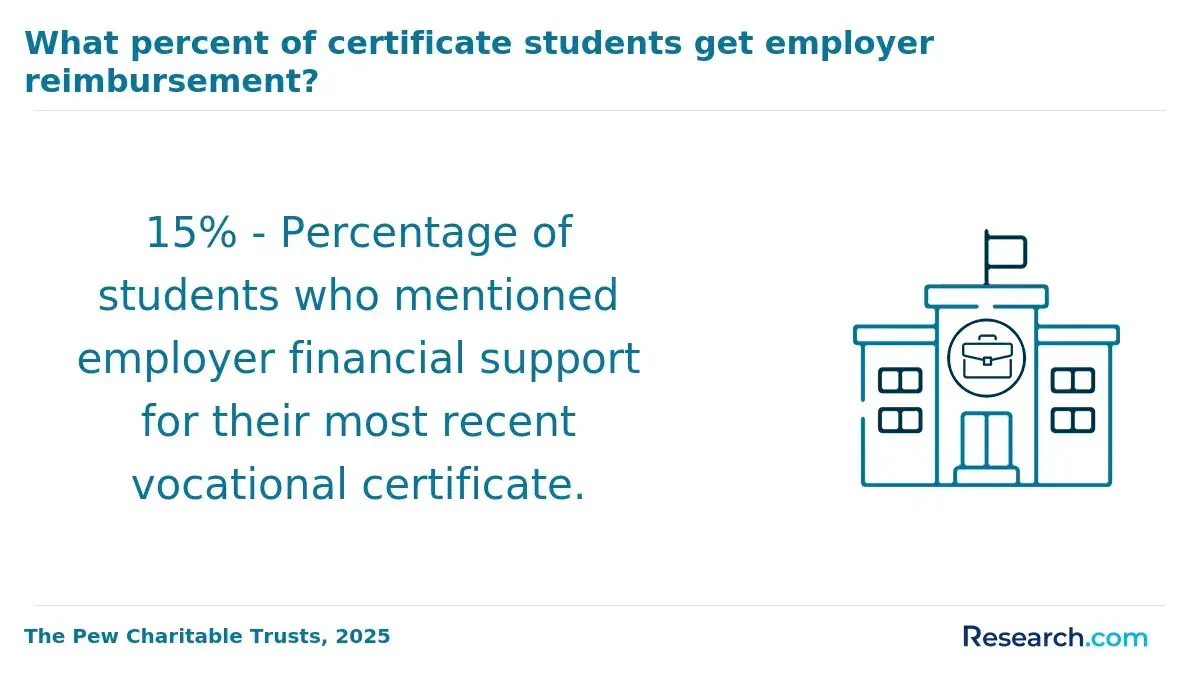
Earning professional certifications can greatly enhance the credibility of an online counselor education degree by demonstrating that graduates meet rigorous competency standards and possess practical, industry-specific skills. These certifications serve as a concrete validation of expertise, reassuring employers about the quality and readiness of online-trained counselors.
Several key ways professional certifications strengthen the value of online counselor education degrees in the eyes of employers include:
- Licensed Professional Counselor (LPC) Certification: This credential confirms that a graduate has fulfilled state-specific training requirements, supervised clinical experience, and passed necessary examinations. It is widely recognized by employers as a mark of clinical preparedness and essential for independent practice.
- CACREP Accreditation: Many online programs seek accreditation from the Council for Accreditation of Counseling and Related Educational Programs (CACREP), considered the industry gold standard. Degrees with this accreditation are often required for licensure, boosting employer confidence in the program's rigor and graduate readiness.
- Specialized Graduate Certificates: Certificates in focused areas such as trauma-informed care or addiction counseling showcase targeted expertise that meets evolving market demands. These credentials complement master's degrees and make graduates more competitive for specialized roles.
- Skill Validation and Immediate Application: Professional certifications require demonstration of real-world skills through exams, practicum hours, or portfolios, proving that candidates can translate theory into effective client-centered practice. This practical evidence strengthens employer trust in online education outcomes.
- Career Advancement Opportunities: Certifications like LPC, LMFT, or school counseling endorsements open doors to higher-paying and leadership positions. With counseling jobs projected to grow significantly, certification holders are strategically positioned to benefit from the increasing demand in mental health services.
When I asked a professional who completed an online counselor education program about his experience, he emphasized how obtaining certification shifted employers' perceptions of his degree. "There was definitely initial skepticism from some supervisors about the online format," he reflected, "but when I presented my LPC credential along with documented supervised hours, it made a noticeable difference.
" He shared that the certification process was challenging, involving rigorous exams and practical demands, but completing it gave him confidence and credibility that felt crucial for landing clinical roles. "It's more than a piece of paper; it proved I had the skills and dedication needed in real-world counseling settings," he noted. His story illustrates how professional certifications not only validate online counselor education degrees but also empower graduates to overcome biases and advance their careers with greater assurance.
Do Online Counselor Education Graduates Earn the Same Salaries as On-campus Graduates?
National data and industry trends show that online Counselor Education graduates generally earn salaries comparable to those of on-campus graduates, with no consistent salary gap based solely on the mode of education delivery. Employers tend to value accreditation and licensure over whether a degree was completed online or in person, supporting salary parity across delivery formats.
Several key factors influence salary outcomes for graduates, which help explain why counselor salary comparison online vs on-campus often shows little difference, as outlined below:
- Accreditation and Program Quality: Employers give priority to degrees from regionally accredited institutions, particularly those approved by CACREP. Graduates from accredited programs, whether online or traditional, typically have equal access to licensure and salary opportunities.
- Licensure and Certification: Obtaining the appropriate state licensure is crucial for employment and salary growth in counseling professions. Both online and on-campus graduates are eligible for licensure if their program meets state standards, ensuring equitable earning potential.
- Geographic Location: Salary variations are often tied to the cost of living and local demand for counselors, rather than degree type. For example, school counselor salary by degree type remains consistent within regions such as California or Florida regardless of delivery mode.
- Specialization and Work Setting: The counseling specialty and employment environment affect compensation significantly. Those working in private practice or specialized settings may earn higher salaries, and this trend holds true across online and traditional degree holders.
- Experience and Professional Development: Years of experience, additional certifications, and continual education largely determine salary progression, offering equal advancement opportunities to all graduates regardless of how they earned their degree.
For prospective students seeking flexible options, it's worth exploring resources such as an online school that accepts fafsa to find accredited programs that support both quality education and financial aid access.
How Do Online Counselor Education Degrees Impact Career Growth and Promotions?
Earning an online counselor education degree can be a powerful catalyst for long-term career advancement and promotion opportunities across various industries, including education, healthcare, and social services. As the value and recognition of accredited online degrees continue to grow, graduates find themselves increasingly equipped for leadership and specialized roles. The following points highlight key ways that completing an online counselor education degree supports professional growth and upward mobility.
These advantages include:
- Flexibility for Working Professionals: Online programs allow students to balance employment, family, and education, making it easier to maintain relevant work experience while advancing their credentials. This balance significantly enhances prospects for promotion since practical job skills continue developing alongside academic growth.
- Expanded Career Opportunities: Graduates gain eligibility for a variety of counseling roles, from school to clinical settings, and supervisory positions that require licensure or advanced credentials. This opens doors to higher-level positions that often come with increased responsibility and pay.
- High-Quality, Accredited Education: Many online programs offer curricula and faculty oversight equivalent to on-campus degrees, ensuring employers view the credentials with equal respect. Graduates emerge well-prepared to meet professional standards crucial for leadership.
- Increased Earning Potential: Holding an advanced degree in counselor education correlates with higher median salaries and access to administrative or supervisory roles. The degree often serves as a tipping point that qualifies graduates for these financially rewarding opportunities.
- Hands-On and Specialized Training: Incorporation of virtual simulations, telehealth practicums, and supervised internships in online formats equips students with practical skills needed for licensure and effective career progression. These experiences enhance confidence to assume advanced responsibilities.
- Positive Employer Perceptions: Accredited online degrees enjoy growing respect among employers who prioritize licensure, skills, and credentials over mode of study. This trend supports graduates in securing promotions and competitive roles.
When I spoke with a professional who completed an online counselor education program, she shared how the degree profoundly impacted her career trajectory. Balancing a full-time job and family commitments, she initially worried about managing coursework remotely, but the program's flexibility enabled her to keep advancing professionally without sacrificing income or experience.
After finishing the degree, she quickly received a promotion to a supervisory counselor role, a position requiring advanced credentials and leadership skills gained through online internships and practicum components. "The program not only gave me the knowledge but also the confidence to step into a leadership position," she reflected. Her experience illustrates how online counselor education can transform career paths by providing accessible, rigorous training combined with ongoing professional growth opportunities.
What Companies Actively Hire Graduates from Online Counselor Education Programs?
Employers across various industries are increasingly open to hiring candidates who hold online counselor education degrees, recognizing their preparedness and relevant skills. This shift reflects a growing acceptance of online learning credentials, especially when programs are accredited and align with professional standards.
Examples of companies and industry sectors known to employ graduates from online counselor education programs include the following:
- K-12 schools and school districts: These institutions often hire online counselor education graduates as school counselors, special education counselors, and mental health coordinators. They value the accredited training and the ability of these graduates to address student well-being, especially amid rising demand for mental health support in schools.
- Colleges and universities: Higher education employers recruit graduates for roles such as admissions counselors, academic advisors, and student support specialists. Many appreciate the flexibility online graduates bring, often offering remote or hybrid positions, as well as faculty or instructor opportunities for those with advanced degrees.
- Healthcare providers and behavioral health organizations: Hospitals, clinics, and mental health agencies employ online counselor education graduates in positions like licensed professional counselors and crisis counselors. These organizations value the clinical experience and adaptability that online training fosters.
- Community agencies and nonprofit organizations: Nonprofits focused on youth services, family support, and crisis intervention frequently seek graduates for program delivery, advocacy, and case management roles. Their specialized training in counseling and outreach is highly regarded in these sectors.
- Corporate and private sector employers: Businesses providing employee assistance programs, career counseling, and wellness initiatives look for counseling professionals skilled in digital communication and interpersonal relations. Online counselor education degree holders bring unique strengths that support these evolving workplace needs.
As more candidates pursue affordable options, such as the cheapest online bachelor degree programs, companies hiring online counselor education graduates are increasingly confident in the quality and readiness of these individuals.
What Future Trends Will Shape Online Counselor Education Degrees' Credibility?
As technology advances, accreditation standards tighten, and employer attitudes shift, the credibility of online counselor education degrees is rapidly evolving. These changes are reshaping how online credentials are perceived in the professional counseling job market, especially as demand for qualified counselors continues to rise and online education becomes more prevalent. Several key trends are expected to strengthen the legitimacy and recognition of online counselor education programs, impacting both academic quality and employer trust.
- AI-Driven Learning Validation: Artificial intelligence is increasingly used to assess student progress, verify competencies, and personalize instruction. This objective, data-driven approach provides clear evidence of graduates' skills, helping employers trust the academic rigor of online counselor education degrees.
- Global Accreditation Collaboration: More programs are pursuing dual or international accreditation to meet rigorous standards recognized across regions. This enhances the portability and acceptance of degrees, giving graduates greater opportunities to work in different states or countries.
- Increased Employer Partnerships: Online programs are forming direct relationships with healthcare organizations, schools, and community agencies. These partnerships facilitate internships and practicum placements, offering employers hands-on proof of graduates' readiness and practical skills.
- Skill-Based Hiring: Employers increasingly prioritize demonstrated skills and licensure over the delivery format of degrees. With counseling job opportunities growing, online graduates who meet licensure requirements are well-positioned for career advancement.
- Expansion of CACREP-Accredited Online Programs: The rise in CACREP-accredited online counselor education programs, now enrolling over 12,000 students as of 2018, signals growing academic rigor and professional acceptance. This trend boosts employer confidence in the quality of online degrees.
Here's What Graduates of Respected Online Counselor Education Programs Have to Say About Their Degree
- Maria: "Completing my counselor education degree online was a game changer for my career. The flexibility allowed me to balance work and family while gaining the credentials I needed to advance into a school counseling position. The program's practical approach helped me feel confident in supporting diverse student populations, and I've since been promoted to a leadership role where I train new counselors. I'm grateful for how this degree opened doors I hadn't imagined possible."
- Jamal: "My online counselor education program provided the theoretical foundation and real-world application that made me competitive in the job market. Starting as a mental health counselor, I quickly noticed the respect and recognition colleagues had for my specialized training. It has been rewarding to see tangible improvements in clients' lives and to grow professionally through workshops and certifications recommended by my program. The online format didn't just help me earn a degree - it boosted my career trajectory."
- Linda: "Reflecting on my journey, the online counselor education degree was more than just academic achievement; it was personal growth. It allowed me to continue making a positive impact in my community by working directly with at-risk youth, something I'm deeply passionate about. The program's emphasis on evidence-based practices prepared me for the challenges I face daily, and it positioned me well for advancing into specialized roles in trauma-informed care. This degree truly transformed my professional and personal life."
Other Things You Should Know About Respectable Online Counselor Education Degree Programs
In 2027, employers typically view online counselor education degrees as legitimate if they are accredited and meet industry standards. The recognition often depends on the program's reputation, accreditation status, and how well it prepares graduates for professional licensure and practice challenges.
An online counselor education degree from an accredited program can qualify graduates to pursue licensure. However, candidates must meet their state's specific requirements, which often include supervised clinical hours beyond academic coursework.
Employers look for programs that include internships or practicum experiences even if delivered online. Verified supervised clinical practice is essential for demonstrating practical skills critical to counseling roles.
References
- On-Campus vs. Online Master’s in Counseling | University of Bridgeport https://www.bridgeport.edu/news/on-campus-vs-online-counseling-degree/
- School Counselor Salary (2025 Median Annual by State) https://www.allpsychologyschools.com/school-counseling/salary/
- What Can I Do With a School Counseling Degree? Career Paths for Graduates https://www.counselingpsychology.org/what-can-i-do-with-a-school-counseling-degree/
- Full article: Employees’ perceptions of the fairness of AI-based performance prediction features https://www.tandfonline.com/doi/full/10.1080/23311975.2025.2456111
- The Future of Educational Counseling: 10 Trends Revolutionizing Student Support | NexPath https://nexpath.eu/blog/the-future-of-educational-counseling-10-trends-revolutionizing-student-support/
- Employer Perceptions: Online Degree vs Traditional https://vignanonline.com/blogs/do-employers-see-online-degrees-as-valuable-as-traditional-degrees
- Superagency in the workplace: Empowering people to unlock AI’s full potential https://www.mckinsey.com/capabilities/mckinsey-digital/our-insights/superagency-in-the-workplace-empowering-people-to-unlock-ais-full-potential-at-work
- Counselor Education Master's Degree & Certification Programs https://www.widener.edu/academics/graduate-studies/counselor-education-masters-certification
- Counselor Education (M.A., Ph.D.) - Graduate Degrees - Adams State University https://www.adams.edu/academics/graduate/counselor-education/
- 2025 Best Online Counseling Certificates https://www.onlineu.com/degrees/certificate-counseling


