
2027 Which Graphic Design Degree Careers Offer the Best Return Without Graduate School?

Co-Founder and Chief Data Scientist
Rising tuition costs and growing student debt have pushed many recent graduates to reconsider the value of additional degrees. For those holding a graphic design bachelor's degree, the question remains: can strong salary growth and job stability be achieved without pursuing graduate education?
According to the U.S. Bureau of Labor Statistics, the median annual wage for graphic designers was $53,380 in recent years, yet career trajectories vary widely. This article explores which graphic design careers offer the best return on investment without graduate school, highlighting roles that balance earning potential with market demand to help guide informed decisions.
Key Benefits of Graphic Design Degree Careers That Offer the Best Return Without Graduate School
- Graphic design careers offer strong early salary growth, with average starting salaries around $45,000, enhancing long-term return on investment by building wealth without graduate school costs.
- Consistent job demand and a projected 3% growth rate provide financial stability and opportunities for advancement in graphic design roles.
- Entry requirements typically require only a bachelor's degree, enabling faster workforce entry and quicker accumulation of professional experience and earnings.
Which Graphic Design Careers Offer the Best Return Without Graduate School?
Evaluating return on investment (ROI) is crucial when choosing graphic design career paths with the highest return without graduate school. The U.S. Bureau of Labor Statistics reports a median annual wage of $53,380 for graphic designers, highlighting a solid baseline for those holding only a bachelor's degree.
Several roles combine sustainable growth and advancement opportunities, making them ideal for students focused on the best-paying graphic design jobs without a master's degree.
- Web Designer: This role centers on creating engaging, user-friendly websites across various industries. Web designers often enjoy steady demand and progressive salary growth by leveraging technical skills gained during undergraduate study, offering a reliable career without the need for graduate education.
- UX/UI Designer: Specializing in improving digital product experiences, UX/UI designers command competitive salaries linked to their hands-on undergraduate training. Their ability to blend usability and aesthetic design ensures strong long-term career value without requiring further schooling.
- Art Director: Leading creative teams and shaping project visuals, art directors benefit from leadership roles that come with considerable advancement potential. Their career longevity and portfolio strength often outweigh the necessity of graduate degrees, making this a rewarding path for bachelor's degree holders.
- Brand Identity Designer: Focusing on logos and visual branding elements, these designers fill a niche with consistent market demand. This specialization allows professionals to build sustainable earnings through expertise developed at the undergraduate level, supporting strong ROI without graduate study.
Exploring these roles shows how targeted bachelor's education aligns with career paths that maximize financial stability in graphic design. Additionally, many accelerated degrees offer insights into evaluating educational investments thoroughly.
What Are the Highest-Paying Graphic Design Jobs Without a Master's Degree?
Evaluating high-paying graphic design jobs that do not require a master's degree helps students maximize their return on investment and begin earning sooner. According to the U.S. Bureau of Labor Statistics, the median annual wage for graphic designers was approximately $53,380 in 2022. Several specialized roles, however, offer much higher salaries with just a bachelor's degree.
Here are some of the top positions.
- Art Director: Art directors typically earn between $70,000 and $130,000 per year. They are responsible for overseeing the visual style and images in advertising, films, magazines, and packaging. Their leadership in guiding creative projects explains their strong earning potential without graduate education.
- UX/UI Designer: User Experience and User Interface designers focus on making digital products user-friendly. These roles offer salaries ranging from $65,000 to $110,000 annually and are increasingly in demand as companies prioritize improving customer interaction with websites and applications.
- Web Designer: Web designers combine graphic design skills with coding knowledge to build visually appealing and functional websites. With salaries often between $55,000 and $95,000 per year, their dual expertise in design and technology leads to competitive compensation.
- Creative Director: Creative directors, who can often reach their role with a bachelor's degree paired with a strong portfolio and experience, earn between $90,000 and $150,000 annually. They oversee brand identities and marketing campaigns, commanding some of the highest salaries in the graphic design field.
Which Industries Offer High Salaries Without Graduate School?
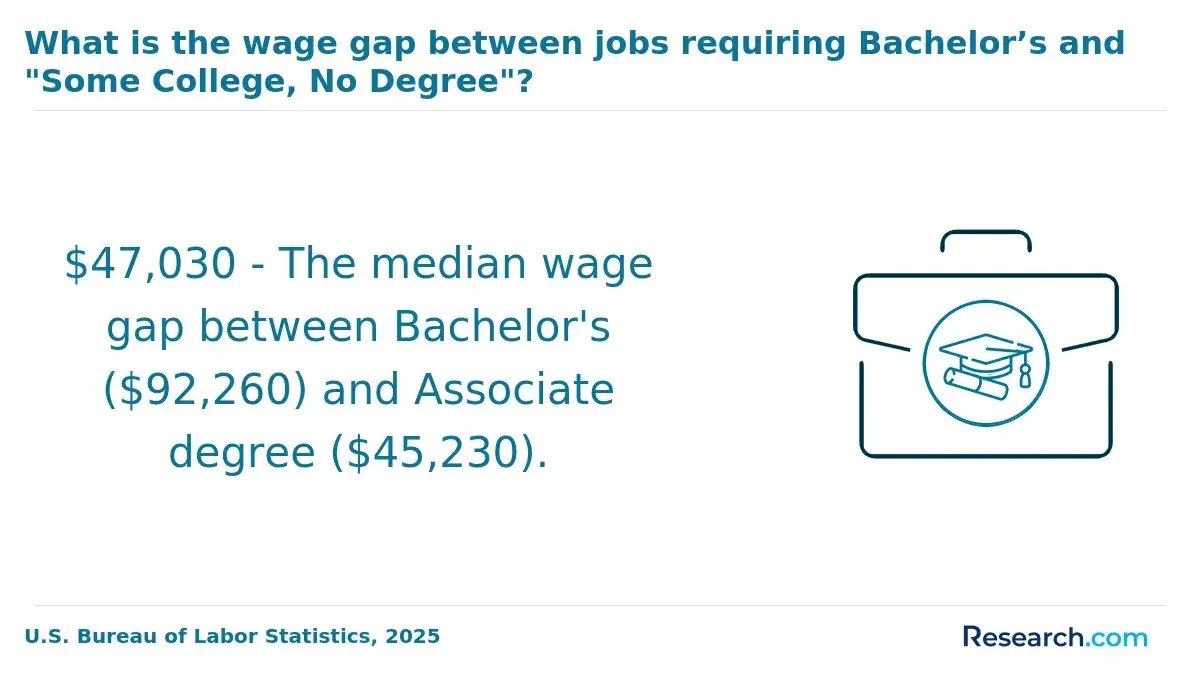
Choosing the right industry significantly impacts salary prospects for individuals with a bachelor's degree in graphic design, with wage gaps of up to 40% observed across sectors. This variation underscores the importance of targeting industries where design skills are highly valued and rewarded.
The following industries offer robust earning potential without the necessity of graduate education.
- Technology: As a rapidly evolving field, technology heavily invests in visual and interface design, offering lucrative pay for creative talent. Mid-career designers in this sector typically earn between $65,000 and $90,000 annually, benefiting from the industry's growth and innovation-driven culture.
- Advertising and Marketing: Driven by the need to distinguish brands and capture audiences, this sector demands sharp design expertise. Salaries generally range from $55,000 to $85,000, reflecting the competitive environment and the value placed on impactful creative work.
- Financial Services: Banks and investment firms rely on graphic design to simplify complex financial information and enhance communication. Designers in this industry often command salaries between $60,000 and $95,000, benefiting from the sector's financial strength and emphasis on polished visuals.
- Media and Entertainment: Encompassing film, TV, and digital content creation, this industry rewards engaging design with salaries typically spanning $50,000 to $80,000. Additional incentives may be available in top firms competing for audience attention.
A graphic design degree graduate shared how navigating the job market without a graduate degree was initially daunting, especially in pinpointing which industries offered viable career paths. He recalled, "It was challenging to identify sectors that really valued my skills and compensated accordingly."
After focusing on technology-related roles, he found that the fast-paced environment pushed him to refine his portfolio quickly and adapt to evolving trends. "The process wasn't easy, but targeting industries known for rewarding bachelor's degree holders paid off," he said, noting that building strong networks and continuously updating his skill set were key factors in securing well-paying positions.
What Entry-Level Graphic Design Jobs Have the Best Growth Potential?
Choosing entry-level graphic design roles with clear growth trajectories is essential for fostering a lasting career. The U.S. Bureau of Labor Statistics anticipates a 7% increase in graphic designer employment from 2022 to 2032, reflecting solid opportunities for advancement.
Here are several foundational positions that set the stage for professional development.
- Junior Graphic Designer: This entry point allows individuals to hone fundamental design skills across different mediums while collaborating with senior team members. It cultivates a diverse portfolio and often leads to roles such as Senior Designer or Art Director.
- Production Artist: Focused on preparing final assets for various formats, this role builds technical expertise and precision, often translating into leadership opportunities in project management or creative operations.
- Visual Designer: Combining graphic design with digital interface elements, this position offers a foothold into rapidly expanding UI/UX sectors, promoting growth into specialized digital design roles.
- Social Media Designer: Creating targeted content for social platforms, this role blends design with marketing strategy, providing pathways toward brand management and content leadership positions.
- Prepress Technician: Responsible for quality control in print preparation, experience here is valuable for moving into print production oversight or quality assurance roles.
Securing one of these roles can accelerate skill development and expose designers to varied projects, enhancing readiness for advanced graphic design careers. For those concerned about educational expenses while advancing professionally, exploring online engineering degree cost resources may offer cost-effective pathways to further education.
What Skills Increase Salary Without a Master's Degree?
Developing targeted skills plays a vital role in boosting earnings for those with a graphic design degree, even without advanced degrees. Research indicates that skill-based hiring can lead to wage premiums as high as 20% in creative fields, reflecting employers' growing preference for practical expertise over formal credentials.
Below are several key skills that notably elevate salary potential in graphic design careers.
- Design Software Mastery: Proficiency with professional tools such as Adobe Creative Suite or Sketch enables designers to efficiently execute high-quality projects. This capability allows individuals to work autonomously on complex assignments, making them more valuable and likely to command increased pay.
- UX/UI Design: Expertise in crafting user-friendly and visually engaging interfaces enhances product appeal and user satisfaction. Mastery of UX and UI principles often justifies higher compensation because of its proven impact on customer retention and business growth.
- Digital Marketing Integration: Knowing how to embed SEO strategies and support marketing efforts through design gives professionals an edge. This combination broadens audience reach and boosts a company's online presence, which in turn translates to better remuneration.
- Motion Graphics: The ability to produce animated and dynamic visual content meets the rising demand in digital media. Designers offering these skills differentiate themselves in a competitive marketplace, frequently securing superior pay offers.
One professional with a graphic design degree shared her experience navigating salary growth without a master's degree. She described feeling uncertain early on about which skills employers truly valued, leading her to focus on expanding her software expertise and learning digital marketing basics.
Over time, she noticed that projects requiring motion graphics brought more recognition and better pay. "It wasn't just about adding skills," she reflected, "but knowing how to apply them to solve real business problems-that's what made the difference." Her journey underscores the importance of continuous skill refinement combined with strategic application to increase earnings.
What Certifications Can Replace a Master's Degree in Graphic Design Fields?
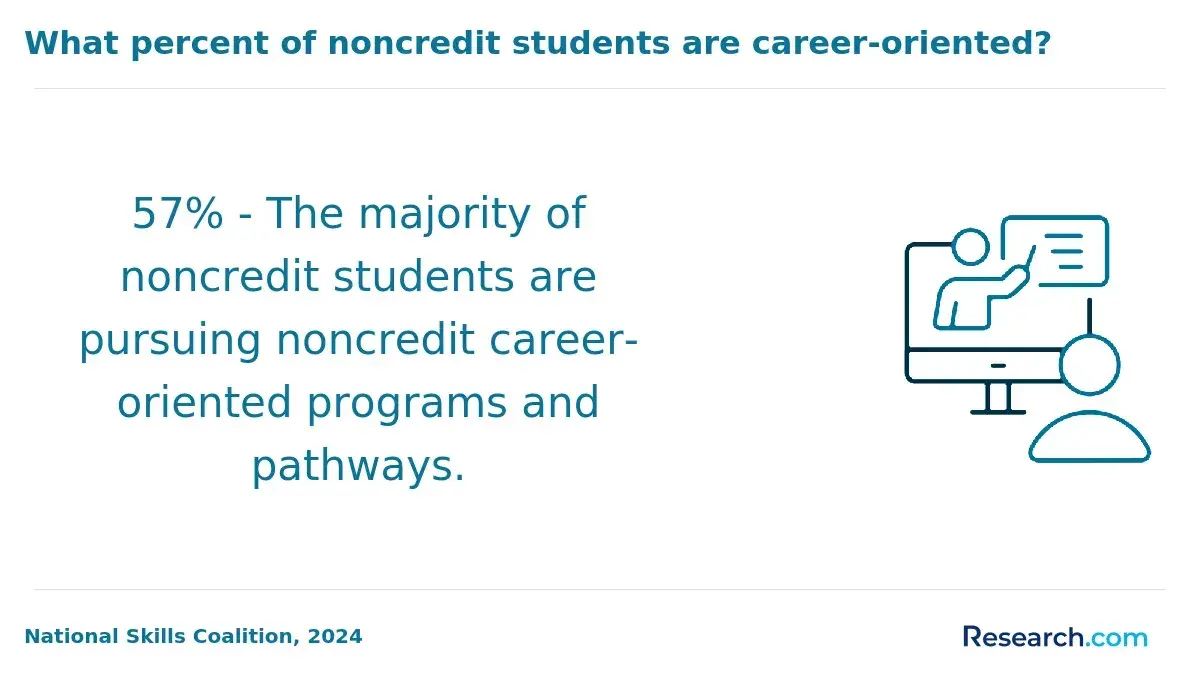
Certifications offer a practical way to boost professional credibility and career advancement in graphic design without pursuing a master's degree. According to a 2022 study by the Professional Association of Resume Writers, professionals with certifications saw an average salary increase of 15% over those without credentials.
Below are several widely recognized certifications that can enhance career potential for graphic design graduates.
- Adobe Certified Expert (ACE): This certification validates advanced skills in Adobe Creative Cloud software such as Photoshop, Illustrator, and InDesign. It demonstrates technical proficiency that employers highly value in digital design projects, improving job prospects and salary potential.
- Certified Graphic Designer (CGD): Granted by professional design bodies in select countries, the CGD certification emphasizes ethical standards and industry best practices. Holding this credential builds client trust and distinguishes designers in competitive job markets.
- User Experience (UX) Certification: Offered by leading organizations like the Nielsen Norman Group, UX certification equips designers with expertise in user-centered design. This specialization is increasingly important as digital interfaces dominate the design landscape.
- Project Management Professional (PMP): Although not exclusive to graphic design, the PMP credential enhances leadership and project oversight abilities. This can open doors to managing complex design initiatives and command higher compensation.
Can Experience Replace a Graduate Degree for Career Growth?
Professional experience often plays a crucial role in advancing careers within graphic design, with many employers prioritizing demonstrated skills, problem-solving abilities, and familiarity with industry-standard tools over formal graduate degrees. Proven on-the-job learning and successful project outcomes can showcase a candidate's readiness more effectively than academic credentials alone.
Candidates who build strong portfolios through internships, freelance work, or full-time roles often move ahead without needing graduate education. This practical knowledge allows designers to adapt to evolving trends and technology, which is vital in this fast-changing field.
However, relying solely on experience comes with limitations. Entry into leadership or specialized positions may be slower without the advanced theoretical knowledge or research skills provided by graduate programs. In certain sectors of graphic design, especially those linked to academic prestige or cutting-edge research, graduate degrees remain an expectation.
Experience is most beneficial when paired with continuous learning through certifications, workshops, or online courses, ensuring competitiveness and access to more career growth opportunities that do not require graduate education.
What Are the Downsides of Not Pursuing a Graduate Degree?
Many graphic design professionals weigh the benefits and trade-offs of pursuing graduate education. According to data from the National Center for Education Statistics, individuals with graduate degrees in design-related fields can earn about 15% more annually than those with only bachelor's degrees.
However, choosing not to pursue advanced degrees comes with certain limitations that may affect long-term career outcomes. The following points outline key challenges related to impact on career advancement without graduate education in graphic design.
- Slower Career Advancement: Senior roles such as creative director or design strategist often prefer candidates with graduate degrees due to the advanced leadership training and theoretical knowledge they provide. Without these credentials, progression into higher-level positions may take longer or prove more difficult.
- Limited Specialized Training: Graduate programs commonly offer exposure to cutting-edge technologies and niche areas like UX/UI or motion graphics. Forgoing graduate education may restrict access to these emerging fields, making it harder to stay ahead in competitive markets.
- Competitive Hiring Disadvantages: Many employers use graduate education as a filter when recruiting for certain roles, especially in agencies or corporations valuing formal qualifications. Bachelor's degree holders might face increased competition in such environments.
- Networking Opportunities: Graduate school often facilitates professional connections through internships, faculty contacts, and industry events. Skipping this path may reduce access to valuable networks critical for finding clients or job openings.
- Earnings Potential: While not guaranteed, the measurable financial advantage of holding a graduate degree highlights that opting out could limit salary growth over time. Nevertheless, many designers leverage portfolios and experience successfully without advanced degrees.
Prospective students exploring options can also consider programs like the doctorate in education online to understand how different graduate degrees might fit into their career goals.
How Can You Maximize ROI With a Graphic Design Degree?
Return on investment (ROI) in education reflects the balance between the time and expenses spent earning a degree and the career benefits gained afterward. For graphic design graduates, the median annual wage was about $53,380 in 2022, but targeted strategies can enhance earnings and professional growth.
Below are practical ways to maximize return on investment in graphic design careers.
- Specialize in High-Demand Skills: Focus on areas like UX/UI design, motion graphics, or web design, which offer higher demand and better salaries. Tailoring your skill set to these niches increases marketability and access to more lucrative roles.
- Gain Practical Experience: Pursue internships or freelance projects during your studies to build a strong portfolio and develop professional connections. Real-world experience demonstrates creativity and professionalism, helping accelerate early career growth.
- Choose Employers Strategically: Target tech companies, top advertising agencies, or growing startups that provide mentorship and career advancement. These employers tend to offer better pay and opportunities for skill development compared to smaller firms.
- Build a Personal Brand: Maintain an active online portfolio and participate in design communities to increase visibility. Staying informed on industry trends and continuously refreshing skills supports sustained ROI throughout your career.
- Explore Complementary Expertise: Consider expanding your knowledge in project management by reviewing resources about project management degrees. This can make you more versatile and valuable in managing design projects efficiently.
When Is Graduate School Worth It for Graphic Design Careers?
Deciding whether graduate school is a worthwhile investment for graphic design careers depends largely on individual career objectives, industry demands, and the expected return on investment. According to data, professionals with a master's degree in design-related fields can earn about 20% more than those with only a bachelor's degree, highlighting how advanced education influences salary growth and promotion opportunities.
While many graphic design roles offer strong career advancement without graduate education, evaluating long-term benefits is essential. The following discussion explores when additional degrees become a strategic choice rather than a supplemental credential.
Graduate programs usually deliver the most value for graphic designers targeting specialized positions requiring advanced technical skills, such as motion graphics or user experience design, or pursuing leadership roles in creative departments. Certain regulated sectors, including healthcare or education-related interface design, often mandate specific qualifications that graduate degrees fulfill.
Additionally, academic or research-centered careers benefit from advanced study focused on innovation and theory development. For those considering alternative credentials for career advancement, exploring options like an online master's degree in counseling can illustrate how targeted graduate education supports salary growth and professional success.
What Graduates Say About Graphic Design Degree Careers That Offer the Best Return Without Graduate School
- Azai: "Choosing not to pursue a graduate degree in graphic design was one of the best decisions I made. Instead, I focused on building a robust portfolio and gaining real-world experience through internships and freelancing. This hands-on approach accelerated my career growth and proved that practical skills often outweigh advanced degrees in this field."
- Russell: "After earning my graphic design degree, I realized that maximizing my career required constant learning beyond the classroom. I dedicated time to mastering new software and networking within the industry, which opened doors to diverse projects. Not attending graduate school didn't hold me back; it encouraged me to create opportunities and stay adaptable in a competitive market."
- Christian: "My graphic design degree laid a solid foundation, but what truly enhanced my professional journey was the decision to avoid graduate school and invest in specialized certifications and workshops. This strategy made me more marketable and helped me land roles that value experience and innovation over formal education. The impact of this choice has been significant in positioning myself as a confident creative professional."
Other Things You Should Know About Graphic Design Degrees
In 2027, graphic design graduates with a bachelor's degree often find lucrative careers as user experience (UX) designers, web designers, and brand identity specialists. These roles typically offer competitive salaries and do not necessitate graduate education, focusing instead on a strong portfolio and industry experience.
Yes, internships provide essential real-world experience and networking opportunities in the graphic design field. They allow students to apply academic knowledge to professional projects and gain insights into industry standards. Completing internships can significantly improve job prospects and earning potential without needing graduate education.
Freelance work offers flexibility and the chance to build a diverse client base, which can enhance a graphic design graduate's resume. It helps develop business skills such as client management and budgeting. Successful freelancers often achieve strong returns through varied projects without pursuing graduate degrees.
Proficiency in industry-standard software like Adobe Creative Suite is essential for graphic design professionals without graduate degrees. Advanced technical skills improve efficiency and open opportunities in specialized roles such as UI/UX design or motion graphics. Continuous skill development in these areas supports career advancement and salary growth.
References
- Best Graphic Design Certificate Programs & Certifications in 2025 | CourseHorse https://coursehorse.com/blog/best-graphic-design-certificates-and-certifications
- Is a Graphic Design Degree Worth It? https://www.sessions.edu/notes-on-design/is-a-graphic-design-degree-worth-it/
- Is Graphic Design a Good Career? Pros and Cons to Consider https://www.rasmussen.edu/degrees/design/blog/is-graphic-design-a-good-career/
- A guide to graphic design certifications https://www.timeout.com/usa/things-to-do/graphic-design-certifications
- What can I do with a Graphic Design Degree? (11 Career Paths) | Shillington Education https://www.shillingtoneducation.com/blog/what-you-can-do-wiith-a-graphic-design-degree
- What Graphic Design Jobs Pay the Most? — by Kate Cusson https://blog.nobledesktop.com/highest-paying-graphic-design-jobs
- 15 Exciting Career Paths After Graphic Design Course https://alifbyteedu.com/types-of-career-after-graphic-design-course/
- Graphic Design Certification | Adobe Certified Professional https://certifiedprofessional.adobe.com/en/resources/graphic-design-certification
- Evaluating the ROI of a Graphic Design Degree https://theartcareerproject.com/evaluating-roi-graphic-design-degree/
- Making a career shift with a master’s in design https://www.cca.edu/newsroom/career-shift-with-masters-design/


