
2027 Certified Nurse Aide (CNA) License Education Requirements in Indiana

Co-Founder and Chief Data Scientist
The demand for Certified Nurse Aides (CNAs) in Indiana is projected to grow by over 15% within the next decade, reflecting the state's aging population and expanding healthcare needs. Pursuing a CNA license in Indiana not only opens doors to immediate employment but also lays a foundation for careers in nursing and allied health fields. Despite this opportunity, many underestimate the rigor behind obtaining certification and the strategic value it offers in a competitive job market.
This article explores the specific education requirements to become a CNA in Indiana. Developed by experts in career planning, it delivers clear, authoritative insights to guide readers through certification prerequisites efficiently and accurately, ensuring that prospective CNAs can navigate the process with confidence and clarity.
Key Things to Know About CNA License Education Requirements in Indiana
- Indiana mandates completion of a state-approved CNA training program totaling at least 75 hours, challenging the assumption that shorter courses suffice for quality care preparation.
- Training must include a minimum of 16 hours of clinical practice, emphasizing hands-on experience essential in a state where healthcare facilities demand skilled, job-ready aides.
- Applicants must pass the Indiana Department of Health's competency exam, a rigorous test reflecting the growing need for consistency and excellence among over 20,000 CNAs statewide.
- What are the education requirements to become a CNA in Indiana?
- What subjects are taught in CNA classes in Indiana?
- What steps are required to get a CNA license in Indiana?
- How long does it take to receive a CNA license in Indiana?
- How often do you need to renew your CNA license in Indiana?
- What continuing education is required for CNAs in Indiana?
- Can interdisciplinary training expand my career prospects as a CNA in Indiana?
- Can out-of-state CNAs transfer their license to Indiana?
- Which employers hire newly certified nurse aides in Indiana?
- What is the average salary for CNAs in Indiana?
- How can CNAs in Indiana advance to higher nursing roles?
What are the education requirements to become a CNA in Indiana?
Formal education and structured training form the backbone for competent Certified Nurse Aides (CNAs) who must deliver high-quality care in diverse healthcare settings across Indiana.
Beyond basic skills, these requirements challenge prospective CNAs to thoroughly prepare for real-world demands, shaping professionals capable of compassionately and competently supporting patient well-being.
The following list highlights the core educational standards that define the CNA path in Indiana.
- State-Approved CNA Training Program: Indiana mandates successful completion of a state-approved Nurse Aide Training Program with at least 105 hours, including 30 hours of classroom instruction and 75 hours of supervised clinical practice. This requirement ensures candidates receive comprehensive knowledge and practical experience, fitting the rigorous CNA training program requirements in Indiana.
- High School Diploma or GED: While not legally required for certification, most Indiana state-approved CNA classes demand a high school diploma or GED for admission. This criterion reflects the value placed on foundational education as a stepping stone toward lifelong growth and stronger healthcare careers.
- Clinical Training Component: Hands-on clinical training under licensed supervision is vital for developing practical skills in patient care. This immersive experience bridges theory and practice, preparing CNAs for the physical and emotional realities of their role.
- Background Check and Health Screening: Protecting patient safety begins before training with mandatory criminal background checks and health screenings, including TB testing and immunizations, safeguarding both students and those they will care for.
- Age Requirement: Indiana offers notable flexibility, allowing individuals as young as 16 to enroll in CNA training, though exam eligibility generally begins at 18. This balance encourages early career exploration while maintaining professional standards.
- Certification Examination: Passing the Indiana Nurse Aide Competency Evaluation-which includes a written test of 100 questions and a practical skills assessment-is essential. The exam, administered by Ivy Tech Community College, allows up to three attempts, setting a fair yet rigorous threshold for entry into the workforce.
Those exploring advanced nursing careers may also find insights into the highest paid nurse practitioner specialties useful as they navigate their professional paths.
What subjects are taught in CNA classes in Indiana?
Certified Nurse Aide training programs in Indiana are meticulously designed to equip students with both the essential knowledge and practical skills needed to deliver compassionate, high-quality patient care. These programs focus on preparing CNAs to function effectively within complex healthcare environments.
The following list highlights the core subjects typically covered in the CNA training curriculum in Indiana.
- Basic Nursing Skills: This subject centers on fundamental caregiving tasks like taking and recording vital signs, measuring height and weight, and recognizing abnormal changes in body function. Mastery of these skills ensures CNAs can monitor patient health accurately and respond promptly to changes.
- Anatomy and Physiology: Although not extensively detailed, this subject provides a foundational understanding of body systems and their functions, enabling CNAs to identify health concerns and communicate effectively with healthcare teams.
- Infection Control: Preventing and managing infections is crucial in healthcare settings. This section teaches proper hand hygiene, use of personal protective equipment, and isolation procedures to reduce infection risks for vulnerable patients.
- Communication Techniques: Effective interaction with patients, families, and healthcare professionals is vital. Training includes respecting patient rights, encouraging independence, and accurately reporting changes in patient conditions to supervisors, fostering trust and professionalism.
- Patient Safety Procedures: CNAs learn critical safety concepts such as aseptic techniques, emergency responses like the Heimlich maneuver, and safe transfer methods. These lessons protect both patients and caregivers from harm during care delivery.
- Activities of Daily Living (ADLs): CNAs are trained to assist with daily personal care tasks including bathing, dressing, grooming, toileting, and feeding. These skills are essential for maintaining patient dignity and promoting independence.
- Mental Health and Social Service Needs: This area emphasizes understanding behavior changes and developmental challenges common with aging, encouraging compassionate, culturally sensitive care tailored to each resident's needs.
This comprehensive approach to the subjects covered in Indiana nurse aide classes not only builds technical proficiency but also nurtures the interpersonal skills necessary for effective caregiving.
For those interested in further advancing in healthcare without a traditional degree, exploring options such as how to become a psychiatric nurse practitioner without a degree can open new career pathways.
What steps are required to get a CNA license in Indiana?
Securing a certified nurse aide (CNA) license in Indiana goes beyond meeting a basic checklist; it demands a commitment to patient safety, ethical standards, and a mastery of essential caregiving skills. This process filters candidates to ensure only qualified individuals step into roles that directly impact vulnerable populations.
Below are the core steps one must navigate to earn a CNA credential in Indiana:
- Meet Basic Eligibility Requirements: Indiana allows individuals as young as 16 to start the journey, but training programs often prefer candidates to be 18 or have a high school diploma or GED. Background checks and health screenings like TB testing protect patients and maintain workplace safety.
- Complete a State-Approved CNA Training Program: Candidates must complete at least 105 hours of instruction, blending classroom theory with hands-on clinical experience, to build a solid foundation of nursing skills critical for real-world patient care.
- Demonstrate Basic Nursing Proficiency: Earning passing grades in fundamental nursing courses proves that candidates have grasped vital concepts such as patient hygiene and vital sign monitoring, which form the backbone of competent caregiving.
- Pass the Indiana CNA Competency Exam: The dual-format exam-written and practical-tests both knowledge and applied skills, ensuring readiness. Candidates have up to three attempts before retraining becomes necessary, emphasizing skill mastery over mere test passage.
- Apply for State Certification and Registry Listing: Successful exam results lead to certification issuance, with CNAs then listed on the official registry, marking their eligibility to practice professionally across Indiana healthcare settings.
- Maintain Certification: Ongoing workforce engagement, requiring at least eight hours of paid nursing work every two years, ensures CNAs remain effective and current with healthcare demands and regulations.
How long does it take to receive a CNA license in Indiana?
The time it takes to become a licensed certified nurse aide (CNA) in Indiana is not fixed but rather influenced by multiple factors, including the length of the approved training program, the scheduling of the competency exam, and the efficiency of state processing for registry registration.
These elements interact in ways that can either accelerate or delay a candidate's journey, often challenging initial expectations of how quickly certification can be achieved.
Typically, CNA training programs in Indiana require at least 105 hours of instruction, which usually spans 4 to 12 weeks depending on whether a student attends full-time or part-time. After completing training, candidates must pass a competency exam that tests both theoretical knowledge and practical skills.
This exam is administered through Ivy Tech Community College and is generally scheduled within a few weeks, although exam availability and demand can cause delays. Upon passing, results are sent to the Indiana State Department of Health for registry listing, a process that is mostly completed within days to two weeks.
However, delays in background checks or paperwork can extend this timeline. Altogether, candidates often expect to complete everything-from training through licensure-in about 6 to 16 weeks, though this period can stretch longer based on these variables.
The certified nurse aide from Indiana I spoke with, who graduated from a local program, described the timeline as "a mix of patience and persistence."
He recalled finishing his training "right before the holidays," which complicated scheduling the exam. "I had to wait nearly a month for an available date," he said, contributing to a longer-than-expected process.
Additionally, the background check took close to two weeks to clear, extending the waiting period before official registry listing. "For me, it wasn't just about passing tests but navigating the timing of each step," he explained.
Ultimately, his experience highlights how the variability in timing can impact aspiring CNAs' journeys, underscoring the importance of staying proactive and flexible throughout the process.
How often do you need to renew your CNA license in Indiana?
Maintaining an active Certified Nurse Aide (CNA) license in Indiana involves more than just ticking a box every few years-it's a vital process that ensures each CNA remains competent and committed to the evolving standards of patient care.
The CNA license renewal requirements in Indiana reflect an underlying principle: sustained engagement in clinical roles is essential to uphold healthcare quality and safety. Ignoring or delaying renewal risks not only professional setbacks but also compromises the integrity of care provided across the state's healthcare settings.
Below are essential points illustrating how often to renew CNA certification in Indiana and what the process entails:
- Renewal Frequency: CNA licenses in Indiana must be renewed every 24 months. This biennial cycle underscores the need for ongoing certification to validate that CNAs actively maintain the skills required for competent patient care.
- Renewal Deadlines: The deadline for renewal is strict-licenses must be renewed before expiration to avoid inactive status, which prevents working legally. Exceeding the expiry by over eight months triggers additional administrative hurdles and possible reinstatement barriers.
- Renewal Fee: A $25 non-refundable fee applies for online renewals submitted on time. Late renewals or reinstatements may incur additional charges, reflecting the importance of proactive compliance in maintaining licensure.
- Minimum Work Hours Requirement: Eligibility for renewal hinges on proof of at least eight hours of compensated work performing nursing or related duties under licensed supervision within the prior 24 months, affirming the state's emphasis on active clinical experience over passive compliance.
- Renewal Application Process: Indiana offers both online and offline renewal options, facilitating accessibility. The online portal simplifies updating personal data, confirming work hours, and fee payment, while offline submission requires employer verification and manual processing.
- Continuing Education: Remarkably, Indiana does not mandate formal continuing education for CNA renewals, highlighting a distinct regulatory approach differing from other nursing credentials. The focus rests squarely on recent work experience rather than classroom hours.
- Registry Maintenance: Keeping registry information current is a self-driven responsibility essential to prompt renewal notifications and seamless license management.
For those looking to advance beyond CNA certification, exploring the best online acute care nurse practitioner programs offers pathways to higher nursing credentials and broadens professional horizons within healthcare.
What continuing education is required for CNAs in Indiana?
Continuing education is a critical pillar for certified nurse aides (CNAs) in Indiana, ensuring they maintain licensure while sharpening skills vital to patient care. In a rapidly evolving healthcare landscape, staying current is not just about compliance but about fostering adaptability and enhancing the quality of care delivered.
Exploring the continuing education requirements for CNAs in Indiana reveals the structured expectations designed to uphold these standards.
- Renewal Employment Requirement: Indiana mandates that CNAs document at least eight (8) hours of paid nurse aide duties under a licensed nurse's supervision within every 24-month renewal period. This stipulation moves beyond paperwork, anchoring certification in practical, ongoing engagement.
- In-Service Training: To align with federal and state directives, CNAs working in nursing homes must complete a minimum of 12 hours of annual in-service education. These sessions strategically target areas needing attention, from infection control to dementia care, ensuring focused professional development.
- Approved Training Topics: Content must be highly relevant, centering on infection control, communication, resident rights, and emergency protocols. This targeted approach challenges trainers and CNAs alike to prioritize meaningful learning that directly influences day-to-day care quality.
- Acceptable Course Formats: Flexibility in completing required hours either in-person or online broadens access while maintaining rigor. Employers' approval or compliance with federal and Indiana Department of Health standards safeguards educational integrity and relevance.
- Recordkeeping and Verification: Beyond personal responsibility, employers must maintain meticulous records of continuing education and employment hours. CNAs are encouraged to keep personal documentation, which can be pivotal during audits or job transitions, reflecting heightened accountability in Indiana CNA license renewal requirements.
For those contemplating how education pathways intertwine with career advancement, it's worth considering if are neonatal nurse practitioner online programs easy to get into - a reminder that accessibility and structure in healthcare education remain complex yet navigable terrains.
Can interdisciplinary training expand my career prospects as a CNA in Indiana?
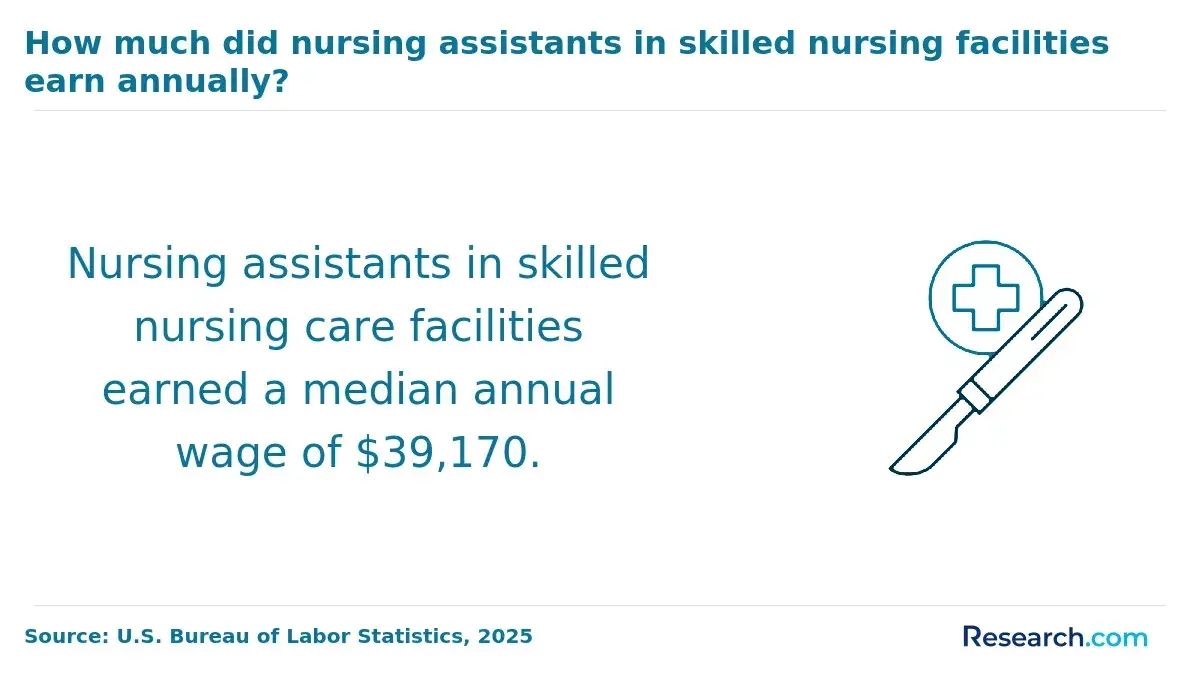
Expanding your skill set through interdisciplinary training can provide a competitive edge in Indiana’s evolving healthcare environment. By integrating specialized certifications with foundational CNA expertise, professionals can access roles that demand a broader clinical proficiency and adaptability to various patient care scenarios. This approach not only refines practical caregiving techniques but also enhances communication and administrative competencies, which are increasingly valued by employers seeking versatile team members. Exploring additional training paths, such as how to become a medical assistant in Indiana, can facilitate a smoother transition into diversified roles while reinforcing a commitment to continuous learning and professional growth.
Can out-of-state CNAs transfer their license to Indiana?
Indiana does permit out-of-state certified nurse aides (CNAs) to transfer their licenses through reciprocity, but it's not as straightforward as some might assume. CNAs must hold an active certification in good standing with no verified complaints or disciplinary actions from their original state.
Unlike many states, Indiana does not require fingerprinting or a criminal background check for this transfer, yet it does require official verification of the current certification. If the original state's certification lacks registry numbers or expiration dates, additional proof-such as a recent employer's letter verifying recent work-is necessary.
The transfer process involves mailing a completed paper application to Ivy Tech Community College, paying a $65 testing fee, and scheduling a written exam regardless of prior testing history.
Applicants should expect processing to take several weeks due to documentation reviews and exam scheduling. Although more manual than online systems elsewhere, Indiana ensures only qualified CNAs enter the workforce through these steps.
When I spoke with a certified nurse aide from Indiana who graduated locally and recently navigated this process, she reflected thoughtfully: "Moving here, I thought my out-of-state license would transfer easily, but the paperwork and testing were a real reminder that regulations matter.
Still, it felt reassuring to know Indiana maintains high standards. The exam wasn't easy, but passing it felt like earning a new level of trust in my profession."
Her experience underscores how reciprocity respects both mobility and patient safety in Indiana's healthcare system.
Which employers hire newly certified nurse aides in Indiana?
Newly certified nurse aides in Indiana are welcomed across a diverse range of healthcare environments that rely on their skills to provide direct patient care and essential support to licensed nurses. The consistent demand for compassionate, entry-level CNAs spans multiple care settings, fueled by ongoing needs in both long-term and acute care sectors.
This landscape offers rich opportunities that extend beyond traditional assumptions about where new CNAs might begin their careers.
- Hospitals: CNAs in hospitals assist with vital patient care tasks including bathing, feeding, and monitoring vital signs, gaining experience in fast-paced and varied medical environments. These settings attract new graduates looking to develop critical clinical skills and adapt quickly to acute care challenges.
- Nursing Homes and Long-Term Care Facilities: The bulk of new CNAs find roles here, supporting residents with chronic health conditions through mobility help, hygiene care, and daily activities, where turnover creates continual openings. These institutions often provide flexible scheduling, making them accessible starting points for many newly licensed aides.
- Assisted Living Communities: In these less-intensive care settings, CNAs encourage residents' independence while assisting with daily living tasks and medication reminders. Employers prioritize foundational training and mentorship, recognizing the fresh perspectives new CNAs bring.
- Home Health Agencies: Offering one-on-one patient interaction, home care roles are desirable for CNAs seeking flexible hours and personalized care delivery. These agencies frequently hire novices, supporting them through varied client needs in private homes.
- Rehabilitation Centers: CNAs in rehab facilities focus on helping patients recover mobility and independence post-injury or surgery, presenting new aides with structured environments to build specialized restorative care skills.
What is the average salary for CNAs in Indiana?
Certified Nurse Aide salaries in Indiana vary widely based on experience, employment setting, and location within the state. These variations reflect the complex dynamics of healthcare demand and regional economic factors.
For CNAs navigating their career paths, a clear grasp of these salary trends is essential to making informed decisions about job opportunities and professional growth.
Below are key salary insights to consider.
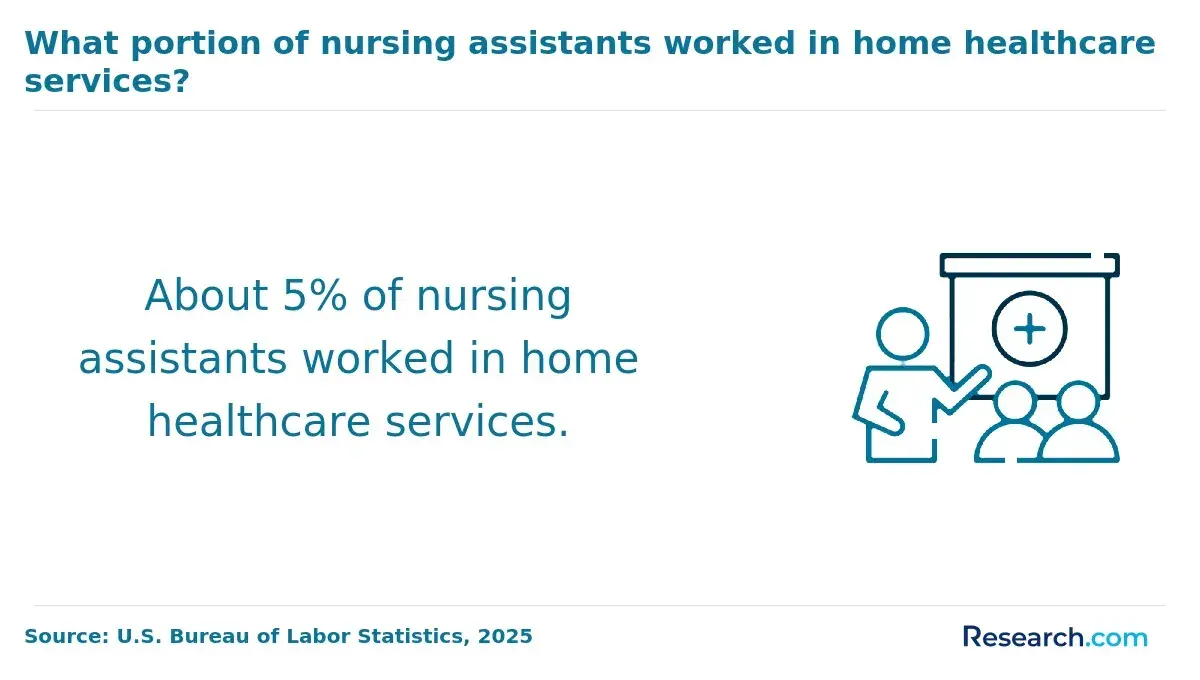
- Average Hourly and Annual Pay: The average CNA salary in Indiana sits around $36,000 annually, equating to an hourly wage close to $17.31. This pay scale is somewhat below the national average but remains competitive for the Midwest healthcare market.
- Pay Variation by Experience Level: Entry-level CNAs often earn near $30,000 yearly, approximately $14 per hour, while those with more experience and certifications may reach wages as high as $47,000 annually. This range underscores how tenure and skill sets influence compensation.
- Differences Across Healthcare Facilities: Hospital CNAs tend to earn more than those employed in nursing homes or assisted living, with hospital wages averaging near $40,170 annually. These disparities highlight the impact of facility type on income potential.
- Regional Pay Trends Within Indiana: Salaries in urban areas like Indianapolis, Fort Wayne, and Evansville generally exceed those in rural regions, driven by local healthcare demand and cost of living differences.
- Additional Factors That Influence Earnings: Shift differentials for nights or weekends, overtime possibilities, employer benefits, and bonuses can significantly enhance total compensation. Specialized training and certifications also play a notable role in raising earning capacity.
For those looking to further their healthcare education, exploring options such as what is the most affordable online pmhnp degree program can open new pathways for advancement beyond the CNA role.
How can CNAs in Indiana advance to higher nursing roles?
Many certified nurse aides (CNAs) in Indiana leverage their foundational healthcare experience as a vital springboard toward more advanced nursing careers. Progressing in nursing predominantly requires additional education, certification, and hands-on clinical training, enabling CNAs to take on greater responsibilities and enhance their earning potential. Below are common career advancement paths for CNAs in Indiana, detailing education requirements, training duration, and salary prospects.
- Restorative Aide or Medication Aide: CNAs can pursue specialized certification courses lasting a few months, costing between $300 and $1,500. These roles offer moderate pay increases by supporting patient mobility or administering medications under supervision.
- Lead Certified Nursing Assistant: Advancement involves leadership training lasting several months with costs from $500 to $2,000. Lead CNAs supervise other aides and command higher wages, with salaries reaching up to $40,000 annually in Indiana.
- Licensed Practical Nurse (LPN): A one-year LPN program costing $5,000 to $15,000 prepares CNAs for the NCLEX-PN exam. LPNs supervise CNAs and earn approximately $52,000 per year in Indiana.
- Registered Nurse (RN): Education paths include a 2-year ADN or a 4-year BSN, costing between $10,000 and $100,000. RNs in Indiana earn between $68,000 and $75,000 annually, overseeing LPNs and CNAs.
What Do CNAs in Indiana Say About Their Career?
- "Completing my CNA training at Hoosier Health Academy was a game changer. The program was thorough, combining hands-on practice with classroom learning, which really prepared me for the realities of the job. Starting my career working in a local school was incredibly fulfilling because I got to support students with special needs daily. Indiana's supportive community and resources make a huge difference in the impact we can have. This career has truly opened my eyes to how important compassionate care is for young people's success." Jasmine
- "Finishing my certified nurse aide program at Central Indiana Nursing School gave me the confidence and skills I needed to enter the workforce quickly. I began working in a local school setting where I not only contributed to the well-being of students but also saw firsthand how stable and rewarding this career path is in Indiana. The ability to grow professionally while helping children thrive in an academic environment has been deeply meaningful. I'm proud to be part of a profession that values community impact so highly." Carlos
- "What I appreciate most about pursuing CNA certification through the Midwest Care Institute is the opportunity for personal growth intertwined with service. My work in a local school exposed me to unique challenges specific to Indiana's diverse populations, and that experience only made me stronger and more adaptable. The ongoing professional development options here have helped me advance steadily. I genuinely feel that my contribution as a nurse aide supports healthier futures for many young people in our communities." Lakisha
Related Articles for Nearby States
- 2027 Certified Nurse Aide (CNA) License Education Requirements in Ohio
- 2027 Certified Nurse Aide (CNA) License Education Requirements in Illinois
- 2027 Certified Nurse Aide (CNA) License Education Requirements in Kentucky
- 2027 Certified Nurse Aide (CNA) License Education Requirements in Michigan
- 2027 Certified Nurse Aide (CNA) License Education Requirements in Wisconsin
- 2027 Certified Nurse Aide (CNA) License Education Requirements in Missouri
- 2027 Certified Nurse Aide (CNA) License Education Requirements in Tennessee
- 2027 Certified Nurse Aide (CNA) License Education Requirements in Iowa
- 2027 Certified Nurse Aide (CNA) License Education Requirements in West Virginia
- 2027 Certified Nurse Aide (CNA) License Education Requirements in Minnesota
References:
- Travel Nursing: How to Transfer CNA License to Another State https://www.careerstaff.com/clinician-life-blog/how-to-transfer-your-cna-license-to-another-state/
- CNA License https://www.cnalicense.org/
- How to Renew Your CNA Certification in Another State | eMedCert Blog https://emedcert.com/blog/how-to-renew-cna-certification-in-another-state
- CNA Classes & Certification | How to Become a CNA | Red Cross https://www.redcross.org/take-a-class/lp/certified-nursing-assistant-nat
- CNA Renewal Online: Requirements and Resources for Every State https://www.edumed.org/resources/online-cna-renewal/
- Occupation Profile for Nursing Assistants | CareerOneStop https://www.careeronestop.org/Toolkit/Careers/Occupations/occupation-profile.aspx
- Certified Nurse Assistant - CNA in Muncie, Indiana | Careers at Bethel Pointe Health and Rehabilitation Center https://careers-bethelpointe.icims.com/jobs/19610/certified-nurse-assistant---cna/job
- Be a CNA | Indiana School of Certified Nursing Assistants | Indianapolis, Indiana https://www.indycnas.com/
- 2025 CNA Salary-by-State: Hourly & Annual Pay Guide https://nursa.com/salary/cna
- Your Complete Guide to CNA Jobs: Roles, Responsibilities, and Pay Rates » Cascade Health Services https://cascadestaff.com/your-complete-guide-to-cna-jobs/
Other Things You Should Know About CNA License Education Requirements in Indiana
For CNA certification in Indiana in 2027, candidates must complete a state-approved training program that includes a minimum of 105 hours, divided into classroom instruction and clinical practice. The program must be approved by the Indiana Department of Health to ensure all relevant skills and knowledge are covered.
Military experience may qualify for partial credit towards CNA certification requirements in Indiana. To gain recognition, veterans must submit their training records to the Indiana State Department of Health for review, potentially reducing required classroom and clinical hours.


