
2027 How to Become a QA Analyst: Salary & Career Paths

Co-Founder and Chief Data Scientist
Are you considering a career as a Quality Assurance (QA) Analyst? This profession plays a vital role in ensuring software meets high standards of quality, functionality, and reliability before reaching users. In this article, we'll explore the advantages of pursuing a career as a QA Analyst, highlighting factors like salary potential, job growth projections, and various opportunities for advancement.
By gaining a clear understanding of these benefits, you’ll be better equipped to determine if becoming a QA Analyst is the right professional move for your skills, interests, and long-term career goals.
What are the benefits of becoming a QA analyst?
- Median annual wage is approximately $101,800, offering competitive compensation compared to similar roles in the tech industry today.
- Employment opportunities are expected to increase by 17% from 2023 to 2033, providing long-term stability in the field.
- Clear pathways exist for advancement into senior roles, including QA Team Lead, QA Manager, or positions in software development.
- What is a QA analyst?
- How do I become a QA analyst for 2027?
- What skills and experiences are important for QA analysts to have?
- What licenses and certifications do I need as a QA analyst?
- What are the educational requirements to become a QA analyst?
- How long does it take to become a QA analyst?
- How much does it cost to become a QA analyst?
- How can I develop leadership and management skills as a QA analyst?
- Can exploring interdisciplinary studies enhance my career in quality assurance?
- What challenges do QA analysts face in today's tech landscape?
- Can an MBA Boost My Career as a QA Analyst?
- How much can I make as a QA analyst?
- How Can Enhanced Project Management Skills Elevate a QA Analyst's Career?
- What are the pros and cons of remote work for QA analysts?
- What are the career paths for QA analysts?
- Is becoming a QA analyst worth it?
- What future industry trends will shape the role of QA Analysts?
What is a QA analyst?
A quality assurance (QA) analyst is a professional who tests software applications to ensure they function correctly, efficiently, and reliably before reaching users. They evaluate software quality by identifying bugs, documenting issues, and recommending improvements.
Many individuals interested in becoming QA analysts often ask, "is computer science degree worth it?" Generally, obtaining a computer science degree is worthwhile because it equips aspiring QA analysts with essential programming skills, analytical thinking, and system design knowledge, significantly enhancing their employability in this highly technical and increasingly competitive field.
What do QA analysts do?
QA Analysts are responsible for a range of tasks aimed at ensuring software quality and reliability. Their duties include:
- Testing software or products for errors: Identifying and documenting defects to ensure functionality aligns with specifications.
- Documenting known defects and solutions: Maintaining records of identified issues and their resolutions for future reference.
- Modeling customer behavior to predict outcomes: Simulating user interactions to anticipate potential issues and improve user experience.
- Evaluating employee performance and offering feedback: Assessing team members' work to maintain quality standards and provide constructive feedback.
- Noting common internal mistakes: Identifying recurring errors within the development process to implement corrective measures.
- Developing helpful guidelines for staff to follow: Creating documentation and best practices to guide teams in maintaining quality.
- Analyzing data to understand why problems occur: Investigating the root causes of defects to prevent future occurrences.
- Performing internal audits of existing work: Reviewing current projects to ensure adherence to quality standards and procedures.
- Creating reports about the results of tests and reviews: Compiling findings from testing and audits to inform stakeholders and guide decision-making.
- Building strategies for continuous improvement: Developing plans to enhance processes and product quality over time.
How do I become a QA analyst for 2027?
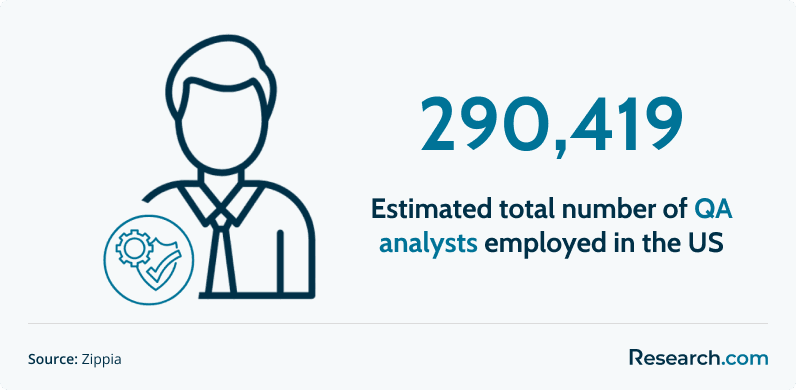
Embarking on a career as a QA analyst involves a blend of education, skill development, and practical experience. Currently, there are approximately 290,419 QA analysts and testers working across the United States, according to the U.S. Bureau of Labor Statistics (BLS). Here’s how they became QA analysts:
Obtain Relevant Education:
- Bachelor's Degree: Pursue a degree in computer science, information technology, or related fields to build a strong foundation.
- Certifications: Consider certifications like Certified Software Quality Analyst (CSQA) to enhance your credentials.
Develop Essential Skills:
- Technical Proficiency: Gain knowledge in programming languages, software development methodologies, and testing tools.
- Analytical Abilities: Hone problem-solving skills to identify and address software issues effectively.
Gain Practical Experience:
- Internships: Engage in internships or entry-level positions to apply theoretical knowledge in real-world scenarios.
- Projects: Work on personal or open-source projects to build a robust portfolio.
Stay Updated:
- Continuous Learning: The tech industry evolves rapidly; stay abreast of the latest trends, tools, and best practices.
While a master's degree in computer science can open doors to advanced positions, it's not a strict requirement for entry-level QA roles. For those considering further education, exploring options for a cheap master's in computer science can be beneficial without incurring significant debt.
The image below shows the total number of QA analysts in the US and how many more are needed.
What skills and experiences are important for QA analysts to have?
A QA analyst ensures that software products meet specified quality standards before their release. To excel in this role, a combination of technical expertise, analytical abilities, and effective communication skills is essential. Key skills and experiences include:
- Quality Assurance: Keen attention to detail to check for flaws to ensure quality is top-notch.
- Customer Service: Offering assistance to all the current and potential customer; 10% of QA analyst resumes contain this.
- Data Analysis: Collecting, processing, and interpreting data to identify trends, make informed decisions, and support business objectives.
- Corrective Action: Identifying and implementing solutions to rectify problems, prevent recurrence, and improve processes or products.
- Process Improvement: Analyzing existing processes to enhance efficiency, effectiveness, and adaptability, leading to better performance and quality outcomes.
- Programming Knowledge: Familiarity with programming languages aids in understanding code and creating effective test scenarios.
- Software Development Life Cycle (SDLC) Understanding: Comprehension of SDLC processes enables effective planning and execution of testing phases.
- Test Automation Proficiency: Experience with automation tools enhances testing efficiency and accuracy.
- Analytical Thinking: Ability to dissect complex systems and identify potential issues.
- Attention to Detail: Meticulousness in detecting subtle defects that could impact software performance.
- Effective Communication: Clear articulation of findings and collaboration with development teams to resolve issues.
- Problem-Solving Abilities: Developing innovative solutions to address identified defects.
- Adaptability: Staying current with evolving technologies and methodologies in a dynamic field.
Acquiring and honing these skills prepares individuals for a successful career as a QA analyst.
The following chart presents the top skills commonly found on quality analyst resumes, along with the percentage of resumes that featured each skill.
What licenses and certifications do I need as a QA analyst?
While not always mandatory, obtaining certifications can enhance a QA analyst's credibility and career prospects. Several organizations offer certifications tailored to different experience levels within the software quality assurance field. Notable certifications include:
- Certified Software Tester (CSTE): This certification validates professional knowledge and skills in software testing within the IT industry. Eligibility requires recent experience in information services and a combination of education and professional experience.
- Certified Software Quality Analyst (CSQA): Aimed at professionals demonstrating expertise in quality principles and practices, this certification covers areas such as quality assessments, planning, and control. Prerequisites are similar to those for the CSTE certification.
- Certified Associate in Software Quality (CASQ): Targeted at individuals seeking foundational understanding of QA practices, this certification requires a degree or relevant professional experience in information services.
- ISTQB Certified Tester: Offered by the International Software Testing Qualifications Board (ISTQB), this globally recognized certification follows a standardized syllabus and is available at multiple levels, including Foundation and Advanced. The Foundation Level exam has no formal prerequisites but recommends prior work experience.
Pursuing these certifications can demonstrate a commitment to the profession and may provide a competitive edge in the job market.
What are the educational requirements to become a QA analyst?
To pursue a career as a quality assurance (QA) analyst, obtaining a bachelor's degree in fields such as computer science, information technology, or engineering is typically recommended.
According to Zippia, 65% of QA analysts hold a bachelor's degree, while 15% have earned a master's degree. Common majors among QA analysts include business (27%), computer science, and information technology. For those seeking flexibility, pursuing an online data analytics degree can provide relevant knowledge and skills applicable to quality assurance roles.
Additionally, obtaining certifications like the Certified Software Quality Analyst (CSQA) can enhance one's qualifications. While a master's degree is not typically required, it may be beneficial for advancement into senior positions within the field. Practical experience through internships or entry-level positions further strengthens a candidate's readiness for a QA analyst role.
The chart below presents the common academic majors pursued by individuals aiming to become QA analysts, along with the corresponding percentage of professionals holding each degree.
How long does it take to become a QA analyst?
Becoming a QA analyst typically requires a bachelor's degree, which takes about four years to complete. Common fields of study include computer science, information technology, and business. Alternatively, some professionals enter the field with an associate degree, which can be completed in approximately two years, often supplemented by relevant certifications or practical experience. Gaining hands-on experience through internships or entry-level positions is crucial and can add several months to the timeline.
While not mandatory, pursuing business master degrees may enhance career advancement opportunities without significantly extending the time required to become a QA analyst. Overall, the path to becoming a QA analyst can range from two to four years, depending on educational choices and prior experience.
How much does it cost to become a QA analyst?
Pursuing a career as a QA analyst typically involves obtaining a bachelor's degree in fields such as computer science, information technology, or related disciplines. The cost of such a degree varies based on factors like institution type, residency status, and additional expenses. For the 2023-2024 academic year, the average tuition for undergraduate computer science programs is approximately $33,606. This figure excludes additional costs such as room and board, books, and supplies, which can significantly increase the total expenditure.
Comparatively, the cyber security tuition cost may differ depending on the institution and program specifics. For instance, some universities offer cybersecurity programs with varying tuition rates, reflecting the specialized nature of the field. It's essential to research and compare programs to find one that aligns with both career goals and financial considerations.
Additionally, attending a public in-state university can reduce expenses, with average annual costs around $27,146, including tuition, fees, room and board, books, and supplies. Over four years, this totals approximately $108,584. Exploring financial aid options, scholarships, and considering in-state institutions can help manage and potentially reduce the overall cost of becoming a QA analyst.
The following chart presents the average undergraduate tuition and fees for computer science and computer technology/computer systems technology programs.
How can I develop leadership and management skills as a QA analyst?
Expanding from technical proficiency to effective leadership is essential for sustained career growth in quality assurance. Strengthening managerial skills—such as strategic planning, team coordination, and conflict resolution—enables QA professionals to take on supervisory roles and steer projects successfully. Engaging in specialized training or degree programs can further develop these competencies. For instance, some opt to enhance their expertise via online masters in human resources, which imparts critical insights in organizational behavior and people management.
Can exploring interdisciplinary studies enhance my career in quality assurance?
QA analysts can significantly benefit from integrating knowledge beyond technical testing. Expanding expertise into fields such as project management, organizational behavior, or business strategy can refine leadership capabilities and improve team dynamics. For instance, understanding nuances in workforce management may provide valuable perspectives on streamlining software development cycles. Exploring such interdisciplinary studies can help you adapt to emerging industry challenges and enhance your problem-solving skills. Consider investigating how long does it take to get a degree in human resources as one way to broaden your educational background.
What challenges do QA analysts face in today's tech landscape?
QA analysts must now navigate a rapidly evolving technological environment that demands continuous adaptation. They face the challenge of integrating advanced automation testing tools and managing increasingly complex software development cycles, where agile methodologies and continuous integration are standard. Balancing technical expertise with the need for improved collaboration across multidisciplinary teams is essential to meet these demands. Additionally, staying ahead in a competitive market may require supplementing technical skills with business acumen; for example, exploring options such as cheapest DBA online can offer insights into data management and strategic decision-making.
Can an MBA Boost My Career as a QA Analyst?
Advanced business education can enhance a QA analyst’s strategic decision-making and leadership skills, enabling a smoother transition into managerial roles. Integrating business concepts such as financial planning, project management, and market analysis with technical expertise provides a competitive edge in addressing complex organizational challenges. For professionals seeking to combine technical acumen with business strategy, pursuing a one year MBA online may accelerate career progression and broaden role opportunities.
How much can I make as a QA analyst?
As a QA analyst, your earning potential varies based on factors such as industry, location, and experience. According to the BLS, the median annual wage for software quality assurance analysts and testers is $101,800.
Industries offering the highest median annual wages for this occupation include:
- Software Publishers: $143,210
- Manufacturing: $138,100
- Finance and Insurance: $132,900
- Management of Companies and Enterprises: $131,370
- Computer Systems Design and Related Services: $127,880
Geographically, states with the highest employment levels for software quality assurance analysts and testers include California, Texas, and New York.
When comparing salaries within the tech industry, it's noteworthy that the median annual data scientist salary is $108,020. This indicates that while QA analysts earn competitive salaries, data scientist positions may offer higher median compensation.
Overall, a career as a QA analyst provides a solid earning potential, with opportunities for increased compensation based on industry, location, and professional experience.
How Can Enhanced Project Management Skills Elevate a QA Analyst's Career?
QA professionals who complement their technical expertise with robust project management skills are well-positioned to lead cross-functional initiatives and streamline development processes. Integrating competencies in scheduling, risk assessment, and stakeholder communication can refine a QA analyst’s ability to drive project outcomes and operational efficiency. For those looking to gain an edge in strategic planning and leadership, exploring accelerated educational opportunities—such as the fastest online degree project management programs—can be a decisive factor in career advancement.
What are the pros and cons of remote work for QA analysts?
Remote work opportunities have become increasingly prevalent within the QA field, offering benefits such as flexible scheduling, reduced commuting time, and access to a broader range of positions across different regions. However, these advantages often come with challenges including potential communication gaps, difficulties in fostering team collaboration, and the need for disciplined self-management. Professionals are encouraged to leverage digital collaboration tools and structured workflows to mitigate these challenges. Additionally, many explore further leadership development—through programs like online MBA degrees—to cultivate skills that support effective remote team management and strategic decision-making.
What are the career paths for QA analysts?
A career as a quality assurance (QA) analyst offers numerous advancement opportunities within the tech industry. Professionals can progress into various specialized and leadership roles, each with distinct responsibilities and compensation levels. Here are ten potential career paths for QA analysts:
- Test Engineer: Focuses on designing and implementing tests to ensure software quality.
- Quality Engineer: Responsible for developing processes and systems to maintain product quality.
- Senior Test Engineer: Leads testing teams and manages complex testing projects.
- Senior Quality Analyst: Oversees quality assurance processes and mentors junior analysts.
- Senior Quality Engineer: Manages quality engineering initiatives and ensures compliance with standards.
- Business Analyst: Analyzes business needs and translates them into technical requirements.
- Quality Manager: Leads quality assurance departments and strategizes quality improvement plans.
- Senior Business Analyst: Handles complex business analysis projects and advises on business strategies.
- Quality Assurance Engineer: Designs and implements tests, debugs issues, and ensures software meets quality standards.
- Manual Tester: Conducts manual testing to identify software defects without automation tools.
Salaries for these roles vary based on factors such as experience, location, and industry. For instance, management analysts—a role accessible with a business degree—have a median salary of $99,410 with an 11% job growth rate. Similarly, financial managers earn a median salary of $156,100 with a 17% growth rate.
When considering career advancement, exploring the types of business degrees and salaries associated with each can be beneficial. For example, a business degree in marketing allows you to develop analytical skills in product merchandising and consumer behavior, potentially leading to roles with competitive salaries.
The chart below compares the salaries of these career paths.
Is becoming a QA analyst worth it?
Yes, pursuing a career as a QA analyst can be worthwhile. The average annual salary is approximately $79,000, providing a stable income. However, the cost of becoming a QA analyst involves several factors. A bachelor's degree in computer science or a related field is often required, with average annual tuition around $33,606 for undergraduate programs.
Additionally, obtaining professional certifications, such as those offered by the ISTQB, can enhance job prospects. Preparation for these certifications may involve costs for study materials and exam fees.
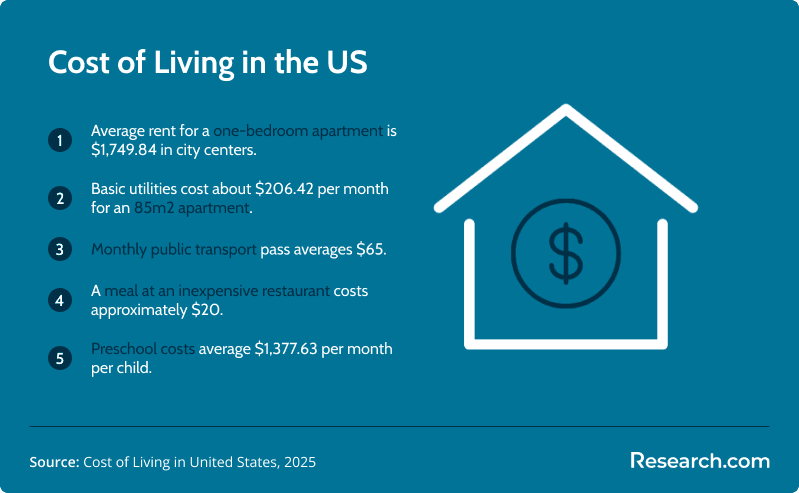
Also, considering the average monthly cost of living in the U.S. is approximately $1,175 for a single person, excluding rent, the investment in education and certification can be substantial. Nonetheless, the potential for a stable career and competitive salary may justify these initial expenses.
The chart below shows the cost of living in the US to give you an idea whether being a QA analyst is worthwhile in terms of financial capacities.
What future industry trends will shape the role of QA Analysts?
Emerging technologies continue to redefine quality assurance practices. Increasing automation through machine learning and AI is streamlining test processes, while DevOps and agile methodologies promote continuous integration and early defect detection. QA professionals are now expected to blend technical proficiency with strategic insights to enhance team collaboration and project outcomes. Strengthening business acumen—through advanced degree programs such as AACSB online MBA degree cheapest—can further empower analysts to navigate these shifts and drive innovation in quality management.
Here's What Graduates Have to Say About Their Career as QA Analysts
- Embarking on a career as a Quality Assurance Analyst has been incredibly rewarding. The role offers a dynamic environment where I continually learn and grow, collaborating with supportive colleagues who are always willing to share their knowledge. Management encourages personal development, making it a fulfilling experience overall. Samantha
- Transitioning into a QA Analyst position allowed me to be part of a product team involving developers, product managers, and business analysts. My day usually involves collaborating with various stakeholders, ensuring that the software meets the highest quality standards. This collaborative approach has deepened my understanding of the software development lifecycle and enhanced my problem-solving skills. Javier
- Pursuing online training in Quality Assurance provided me with the flexibility to learn at my own pace, balancing studies with personal and professional commitments. The hands-on projects and real-world scenarios included in the courses allowed me to apply theoretical knowledge practically, preparing me effectively for real-life challenges in the QA field. Priya
Key Findings
- The average annual salary for a QA Analyst in the United States is approximately $85,180.
- Entry-level positions start at around $67,951 per year, while experienced professionals can earn up to $116,989 annually.
- Obtaining a Certified Software Quality Analyst (CSQA) certification costs approximately $385.
- The ISTQB Foundation Level Certification exam fee is $229.
- The demand for QA professionals is expected to increase by 25% between 2022 and 2032.
References:
- Bureau of Labor Statistics. Occupational Outlook Handbook: Software Developers.
- Bureau of Labor Statistics. Occupational Employment and Wages: Software Quality Assurance Analysts and Testers.
- Bureau of Labor Statistics. Occupational Outlook Handbook: Software Developers Job Outlook.
- Bureau of Labor Statistics. Occupational Outlook Handbook: Data Scientists.
- College Tuition Compare. Computer Technology/Computer Systems Technology.
- College Tuition Compare. Computer Science.
- Coursera. Quality Assurance Certification: Options, Testing, and Careers.
- Education Data Initiative. Average Cost of College.
- Education Data Initiative. Private vs Public College Tuition.
- Numbeo. Cost of Living in United States.
- Western Governors University. Online Cybersecurity and Information Assurance Bachelor's Degree Program.
- Zippia. Business Analyst Jobs.
- Zippia. Manual Tester Jobs.
- Zippia. Quality Analyst Jobs.
- Zippia. Quality Analyst Jobs: Certifications.
- Zippia. Quality Assurance Engineer Jobs.
- Zippia. Quality Engineer Jobs.
- Zippia. Quality Manager Jobs.
- Zippia. Senior Business Analyst Jobs.
- Zippia. Senior Quality Analyst Jobs.
- Zippia. Senior Quality Engineer Jobs.
- Zippia. Senior Test Engineer Jobs.
- Zippia. Test Engineer Jobs.
Other Things You Should Know About QA Analysts
In 2027, the average salary for a QA Analyst in the U.S. ranges from $65,000 to $85,000 annually. Salaries depend on factors such as experience, location, and the industry in which one is employed. Those with specialized skills or certifications can earn higher wages.
In 2027, QA Analysts can find employment in diverse industries such as software development, automotive manufacturing, healthcare, finance, and telecommunications. Each sector demands specialized testing knowledge to ensure quality and compliance with industry standards, offering varied career paths.
QA Analysts generally require a bachelor's degree in computer science, information technology, or a related field. Some employers may accept associate degrees or relevant experience. A strong understanding of programming, software development, and quality assurance is essential for entry into the field.


