2027 Does an Online Curriculum & Instruction Degree Qualify You for Licensure?

Co-Founder and Chief Data Scientist
Can an online curriculum & instruction degree fulfill the strict educational prerequisites for state licensure? Many career changers eyeing flexible online programs face this question as licensing boards often require specific accreditation and supervised practicum hours.
Nearly 25% of education professionals in the U. S. pursue degrees online to balance work and study, yet concerns remain about whether these paths meet all licensure standards. Understanding how online degrees align with state requirements and clinical training expectations is crucial.
This article explores whether an online curriculum & instruction degree qualifies graduates for licensure and what essential factors prospective students should evaluate before enrolling.
Key Things to Know About Online Curriculum & Instruction Degree Licensure Qualifications
- Accreditation by recognized agencies and program approval by relevant educational bodies are essential for online curriculum & instruction degrees to meet licensure standards.
- State-specific licensure requirements vary, so graduates must verify their online program aligns with the licensing criteria of their intended state of practice.
- Completion of required clinical, practicum, or supervised teaching experiences is often mandatory to qualify for professional licensure in curriculum & instruction fields.
Does an Online Curriculum & Instruction Degree Qualify You for Licensure?
Online education has grown significantly in recent years, especially in fields tied to professional licensure, reflecting broader acceptance of digital learning platforms. For instance, enrollment in distance education courses at degree-granting institutions rose by more than 93% between 2012 and 2018. This growth includes programs in curriculum & instruction, which have increasingly adopted online formats to meet student and market demand. Such trends have led to greater consideration of how online curriculum & instruction degree and teacher licensure eligibility intersect.
Whether an online curriculum & instruction degree qualifies you for licensure depends largely on meeting established educational standards. Key factors include institutional recognition, ensuring the degree comes from an accredited provider, and program structure aligning with licensure requirements, such as necessary coursework and credit hours. Additionally, many licensure paths require practical components like teaching practicums that online programs must effectively integrate. Those interested in the shortest doctoral programs available online should also verify that these programs meet criteria for licensure eligibility.
Which Curriculum & Instruction Careers Require Professional Licensure?
Professional licensure in curriculum & instruction careers ensures that practitioners meet essential education, skill, and ethical standards before entering the workforce. According to the U.S. Bureau of Labor Statistics, over 16 million workers across various fields require a license to practice, highlighting the significance of such regulation. Several careers within curriculum & instruction mandate licensure to guarantee quality and protect those receiving educational services. Here are some key roles that typically require a professional license.
- K-12 Teachers: These educators must obtain state-issued teaching licenses to deliver instruction, manage classrooms, and evaluate student progress. Licensure confirms their understanding of curriculum design, instructional techniques, and child development, all critical for fostering effective learning environments.
- School Counselors: Licensure or certification ensures counselors can support students' academic, social, and emotional needs while adhering to professional ethical standards. The credential demonstrates proficiency in counseling methods and familiarity with educational systems.
- Special Education Teachers: Working with students with diverse learning needs, these teachers require licensure to provide specialized instruction tailored to support inclusive education. Their training ensures they can adapt curriculum effectively for varied abilities.
- Instructional Coordinators: These professionals design and assess curricula and teaching standards. Licensure may be required to validate their expertise in improving educational quality and ensuring alignment with best practices.
- Educational Diagnosticians: Tasked with assessing learning challenges and crafting intervention plans, these specialists need professional licensure to demonstrate their skills in accurate diagnosis and educational planning.
A Curriculum & Instruction degree graduate shared that navigating licensure requirements was initially overwhelming. He described the process as "a challenging but necessary step to gain credibility and confidence." The graduate emphasized that having a license not only opened doors professionally but also deepened his commitment to ethical practice and continuous learning. "Licensure felt like a formal acknowledgment of the responsibilities I carry in shaping student outcomes," he reflected.
What Accreditation Is Required for Curriculum & Instruction Licensure?
Accreditation is vital for ensuring Curriculum & Instruction degree programs meet quality standards that licensing authorities require. Data indicates that graduates from programs accredited by leading bodies often achieve licensure exam pass rates above 85%. Below are key accreditations influencing licensure eligibility and program recognition.
- Council for the Accreditation of Educator Preparation (CAEP): CAEP serves as the primary accreditor for educator preparation, emphasizing evidence-based teaching and candidate outcomes. Programs accredited by CAEP are strongly linked to higher licensure success rates and are widely accepted by licensing agencies.
- National Council for Accreditation of Teacher Education (NCATE): Before its merger with CAEP, NCATE specialized in setting rigorous standards for teacher education programs. Its legacy continues to signal that programs meet important criteria for curriculum expertise and practical teaching skills relevant to licensure.
- Higher Learning Commission (HLC): As a regional accreditor, HLC validates overall institutional quality. While HLC accreditation supports the general recognition of Curriculum & Instruction degrees for licensure, additional specialized accreditation is often recommended to fully satisfy licensing requirements.
- Teacher Education Accreditation Council (TEAC): Now part of CAEP, TEAC focused on performance-based standards and innovative teacher preparation programs. Its standards still influence current accreditation models that uphold program quality needed for licensure eligibility.
Do Licensure Requirements Vary by State for Curriculum & Instruction Careers?
State regulations heavily influence eligibility for licensure among graduates of both online and traditional curriculum & instruction programs. According to the National Association of State Directors of Teacher Education and Certification (NASDTEC), around 85% of states participate in interstate agreements to ease educator mobility, though these do not ensure consistent recognition of online degrees across all states. This variability is important for understanding how licensure operates nationwide.
Differences in state-specific licensing regulations for curriculum and instruction careers can significantly impact educational requirements and the acceptance of online degree programs. Some states may fully approve online degrees, others might accept them with restrictions, while a few could reject them altogether. These varying rules determine whether a candidate's qualifications meet the threshold for professional practice. Because each jurisdiction sets unique standards regarding credential types, course content, and additional documentation, prospective educators should carefully review local criteria to confirm how their degree aligns with licensure prerequisites. For those comparing degree options and career outcomes, exploring fields listed among the highest paying majors can provide additional perspective on potential opportunities within education and related areas.
What Online Courses Are Required for Curriculum & Instruction Licensure?
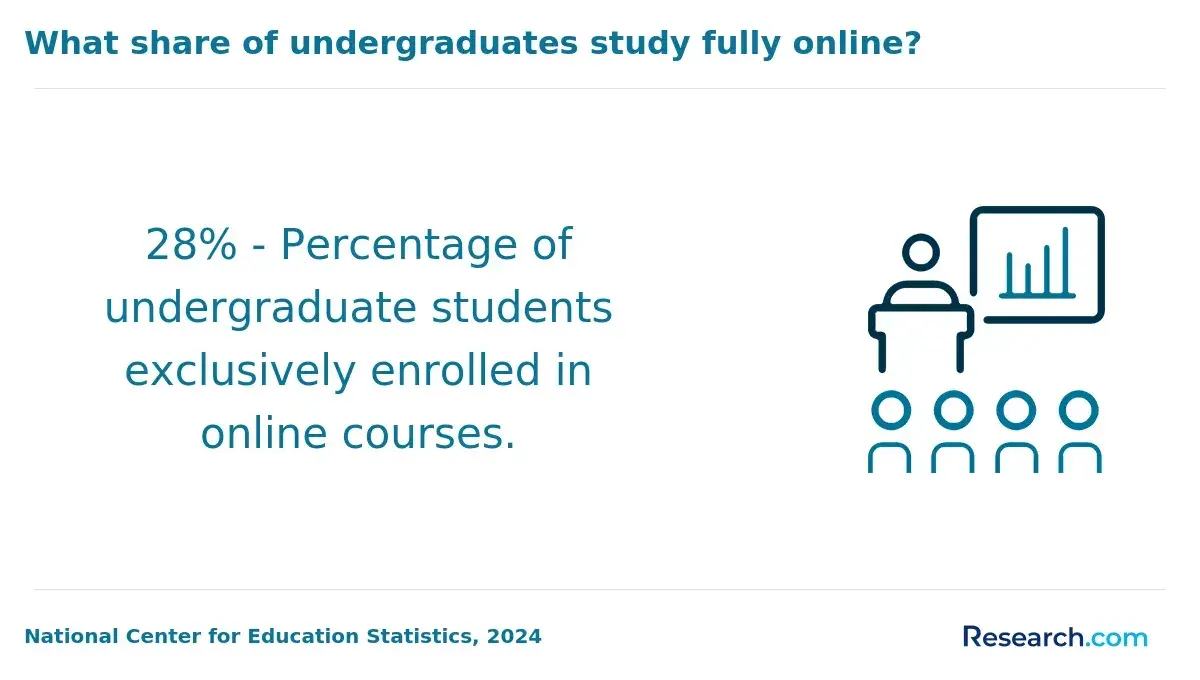
Online curriculum & instruction programs structure their coursework to align closely with licensure standards, ensuring candidates meet professional and state education requirements. With over 40% of graduate education students now opting for online learning, these programs have become a practical choice for many aspiring educators. The following common course categories highlight essential content needed for licensure eligibility.
- Foundational Theory: These courses cover educational psychology, learning theories, and principles of curriculum design, equipping students with a deep understanding of how learners acquire knowledge and how to create effective instructional frameworks.
- Applied Practice: Focused on instructional strategies, classroom management, and teaching methods, this category helps students translate theory into effective classroom actions required for professional teaching roles.
- Research Methods: Courses in this area develop skills in data collection, analysis, and educational program evaluation, promoting evidence-based decision-making vital for leadership and continuous improvement in schools.
- Ethics and Professional Standards: These classes emphasize educators' responsibilities, ethical conduct, and the development of professional behavior crucial for maintaining trust and integrity in educational settings.
- Assessment Techniques: Instruction in evaluation tools and processes enables future educators to measure student learning outcomes and inform instructional adjustments effectively.
When discussing what online courses are required for curriculum & instruction licensure, a professional with this degree shared her experience, noting that balancing rigorous coursework with real-life application was challenging yet rewarding. She remarked that understanding ethical considerations and classroom management through online modules helped her feel better prepared for practical scenarios. Although she initially worried about the lack of in-person interaction, the structured assignments and clear expectations made the remote experience valuable. She found that the research methods courses especially enhanced her confidence in making data-driven instructional choices, which has been fundamental in her career growth. Reflecting on her journey, she appreciated how these online courses collectively provided a comprehensive foundation essential for earning and maintaining her licensure.
Do Online Curriculum & Instruction Programs Require Internships for Licensure?
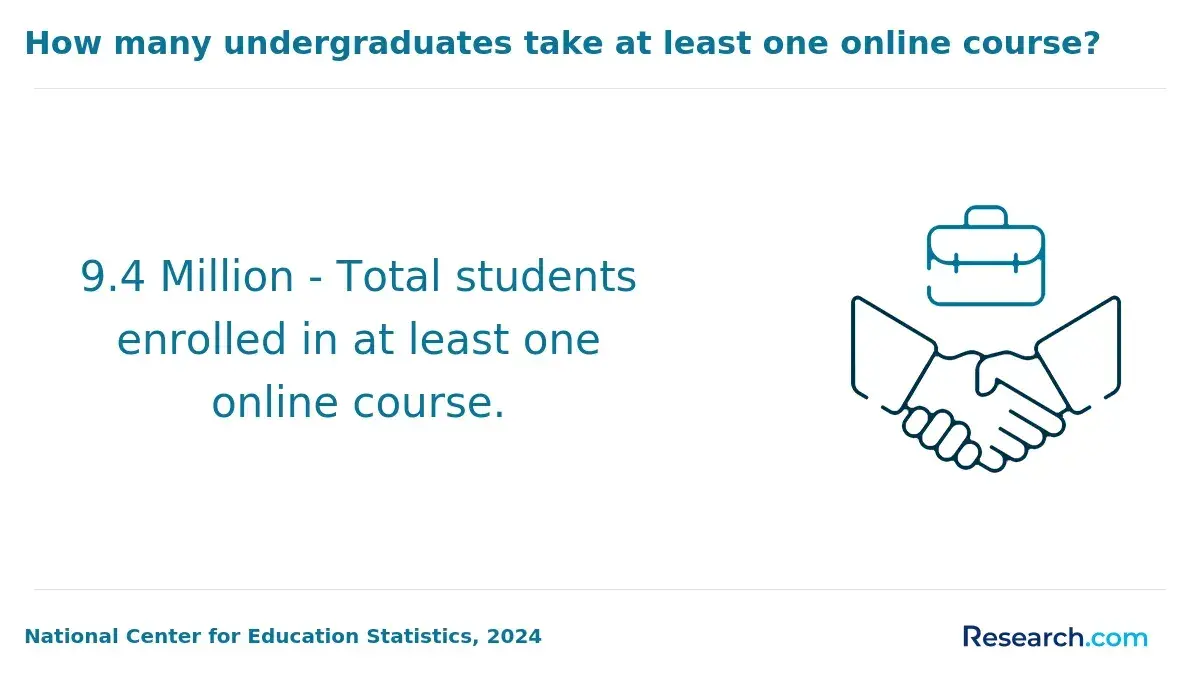
Many online curriculum & instruction programs designed for licensure include internships or practical experiences as essential components. These opportunities help bridge theoretical knowledge with real classroom practice, giving candidates the chance to apply instructional methods and manage classroom environments effectively. Studies show that about 70% of online and hybrid education degree programs require some type of experiential learning, such as internships, to meet licensure prerequisites. This trend highlights the importance placed on hands-on training even in remote learning settings.
The specifics of internship requirements can vary depending on the program's design and the licensure standards tied to the teaching focus. Some programs integrate these experiences throughout coursework, while others schedule them as culminating practicums near the degree's completion. The emphasis lies on developing practical teaching skills rather than simply fulfilling administrative criteria for placement. This ensures candidates gain meaningful exposure to diverse classroom settings and are prepared for professional teaching roles.
How Do Licensing Exams Work for Online Curriculum & Instruction Graduates?
Licensing exams serve as a standardized measure of competency for both online and traditional Curriculum & Instruction graduates seeking professional licensure. Approximately 85% of all candidates pass their initial teacher licensure exam attempt, demonstrating the effectiveness of varied educational pathways. The exam process is designed to ensure graduates meet consistent professional standards regardless of study format. Key features of these exams include:
- Eligibility Requirements: Candidates must have completed an approved degree program, including fully online Curriculum & Instruction coursework, to qualify for the exam. This ensures all graduates meet foundational educational prerequisites set by licensing bodies.
- Exam Content: Tests assess core areas such as pedagogy, subject-specific knowledge, student assessment techniques, and classroom management skills-elements critical to effective curriculum development and instruction.
- Preparation Expectations: Candidates are encouraged to use comprehensive review materials aligned with exam content, whether studying remotely or in person, to be fully prepared for the licensing assessment.
- Testing Administration: Exams are typically conducted at secure testing centers or through approved remote proctoring platforms, allowing flexibility and access for online graduates across various locations.
This uniform approach ensures that online Curriculum & Instruction graduates meet the same rigorous standards as those completing traditional programs, maintaining the integrity and credibility of professional licensure.
How Do You Verify an Online Curriculum & Instruction Program's Licensure Status?
Verifying whether an online curriculum & instruction degree program meets licensure requirements is critical for prospective teachers. Nearly 30% of education students express uncertainty about their program's approval for professional licensure, which can delay or prevent certification. To ensure the program supports your goals, it is important to apply several practical verification strategies.
Official Program Disclosures: Check the institution's published materials, such as program descriptions, catalogs, or dedicated licensure webpages. Accredited schools usually clearly state whether the curriculum & instruction program qualifies for licensure and specify which states recognize their approval. Missing or vague information should prompt further inquiry before enrollment.
Institutional Recognition: Confirm the university or college's accreditation status. Regionally accredited institutions provide stronger assurance of program legitimacy and broader acceptance by licensing boards compared to nationally accredited or non-accredited schools. This verification can build confidence in selecting an online degree in curriculum & instruction.
State Licensing Board Requirements: Review your state's official guidelines for teacher licensure carefully. While requirements vary, most licensing boards publish publicly accessible criteria that outline approved programs or standards such as accreditation and program length. Ensuring your online curriculum & instruction degree aligns with these state requirements is essential before committing.
Program Outcomes: Investigate reported graduate success metrics like pass rates on licensure exams and job placement statistics. Programs that support licensure tend to publish this data, offering indirect evidence of their effectiveness and alignment with certification standards. Absence of such information may require additional scrutiny.
Online degree in psychology programs often undergo similar vetting processes, underscoring the value of thorough research across all education-related fields.
What Challenges Do Online Curriculum & Instruction Students Face With Licensure?
Obtaining professional licensure can present unique complexities for online curriculum & instruction students due to the diverse requirements among states and licensing bodies. Research shows that approximately 30% of educators with online credentials experience delays or additional steps in licensure compared to their traditional counterparts. These challenges emphasize the need for thorough understanding and careful planning. Key licensure-related obstacles include:
- Varied Program Expectations: State licensure requirements for online curriculum & instruction degrees often differ significantly. Students must ensure their chosen program meets the specific criteria of the state or licensing authority where they intend to practice, which can be difficult given the lack of uniform standards.
- Documentation and Verification: Accreditation challenges for online curriculum & instruction licensure arise because alternative course delivery methods require students to provide clear proof that their coursework satisfies licensure prerequisites. Gathering, verifying, and presenting this documentation to both educational institutions and licensing boards is frequently confusing and time-intensive.
- Program Alignment: Some online programs may not fully cover all necessary competencies needed for licensure. Students often find gaps that must be addressed, as comprehensive content alignment with professional standards is crucial for eligibility.
- Understanding Eligibility Pathways: The complexity of licensure pathways can leave online students uncertain about acceptable programs, practicum requirements, and supplementary certifications essential for licensure.
For those looking to pursue related degrees with cost efficiency, a cheap project management degree online can be an example of affordable online options in professional education fields.
Are Online Curriculum & Instruction Degrees Respected in Licensed Professions?
Perceptions of online education within licensed professions have shifted noticeably over recent years. What was once approached with skepticism is increasingly recognized for its validity, especially when offered by reputable institutions. A 2022 survey revealed that nearly 70% of employers and professionals consider online degrees comparable to traditional on-campus credentials. This evolving acceptance highlights the growing recognition of online programs based on quality rather than delivery method, influencing whether an online curriculum & instruction degree meets licensure eligibility.
Respect for online curriculum & instruction degrees in licensed fields largely hinges on program quality, concrete learning outcomes, and clear demonstration of professional competence. Licensing authorities and employers prioritize whether graduates effectively apply their knowledge in real-world educational settings over whether the degree was earned online. This acceptance correlates with the rise of remote learning environments requiring educators skilled in digital tools and contemporary instructional strategies. Those pursuing an online curriculum & instruction degree should explore options such as masters in therapy programs that align with professional expectations and licensure standards.
What Graduates Say About Online Curriculum & Instruction Degree Licensure Qualifications
- Vance: "Choosing to pursue an online curriculum & instruction degree for licensure was a game-changer for me. The flexibility allowed me to balance work and study while earning credentials recognized by my state. This path not only helped me qualify for licensure but also enriched my understanding of educational strategies, which has been invaluable in my teaching career."
- Marvin: "Completing my curriculum & instruction degree online was a reflective journey that truly prepared me for licensure challenges. I learned that while not all programs offer direct licensure, many provide the essential foundations and endorsements required for certification. This experience deepened my appreciation for continual learning and helped me advance professionally in educational leadership."
- Parker: "From a professional standpoint, pursuing licensure through an online curriculum & instruction degree was a strategic move. The degree's focus on instructional design and curriculum development made me a stronger candidate for licensure, and ultimately, a more effective educator. The credentials opened doors to administrative roles I had aspired to for years."
Other Things You Should Know About Curriculum & Instruction Degrees
Some online curriculum & instruction programs offer pathways to provisional or initial licensure, depending on the state's regulations. These programs often include supervised teaching experiences and coursework aligned with licensure standards. However, eligibility for provisional licensure typically requires verification by a local education authority or licensing board.
Licensing bodies generally evaluate the institution and the program's accreditation rather than delivery format. Both fully online and hybrid curriculum & instruction degrees can be recognized for licensure if they meet state educational requirements. Prospective students should confirm with their state board to ensure the format is accepted.
Graduates often must obtain other certifications depending on their targeted teaching area or grade level. These can include subject-specific endorsements, special education credentials, or state-specific teaching certificates. The degree alone usually does not satisfy all certification requirements necessary for full licensure.
References
- Jobs for Curriculum & Instruction MED Graduates https://online.ewu.edu/degrees/education/med/curriculum-and-instruction/jobs-for-med-ci-grads/
- License Verification (Nursys.com) | NCSBN https://www.ncsbn.org/nursing-regulation/licensure/license-verification.page
- Online Master of Education â Curriculum and Instruction Degree https://www.kings.edu/programs/graduate/curriculum-instruction.html
- Top 42 Best Online Master’s in Curriculum and Instruction (Updated) https://www.topeducationdegrees.org/online-masters-curriculum-and-instruction/
- Online Services https://elo.wieducatorlicensing.org/
- 15 Best Online Master's in Curriculum and Instruction Degrees - Top Masters in Education https://www.topmastersineducation.com/best-online-curriculum-and-instruction-degrees/
- Online Teaching Positions & Certification Requirements https://www.proxlearn.com/blog/online-teaching-positions-certification
- Certification/Licensure by State - AMLE https://www.amle.org/certification-licensure-by-state/
- Teacher Certification Requirements by State https://teach.com/careers/become-a-teacher/teaching-credential/state-requirements/
- 35 Best Online Master's in Curriculum and Instruction - The Best Master's Degrees https://www.bestmastersdegrees.com/best-online-masters-in-curriculum-and-instruction/